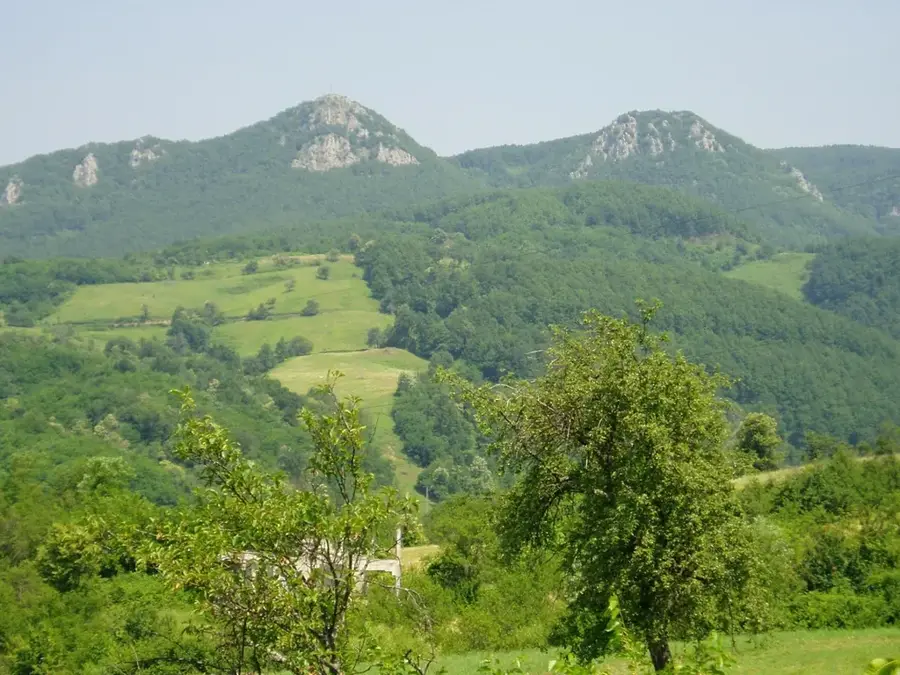
Attractions in Bosnia and Herzegovina
The finest attractions in Bosnia and Herzegovina at a glance: castles, natural wonders, historic old towns and more. Each place links to a detailed page with map, tips and photos.
Culture & History
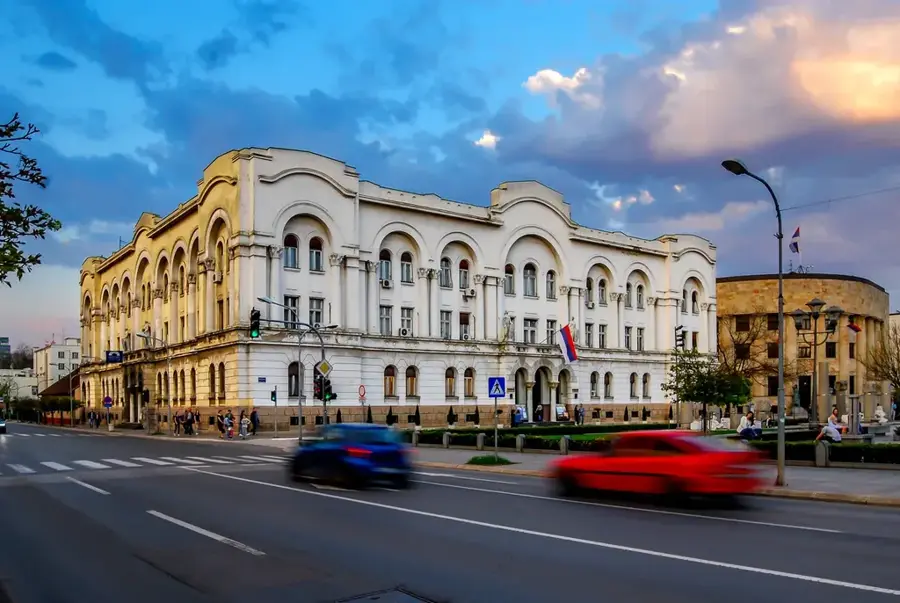
Banski Dvor
This palace in Banja Luka now serves as a cultural center and was formerly the seat of the Ban administration.
Learn more →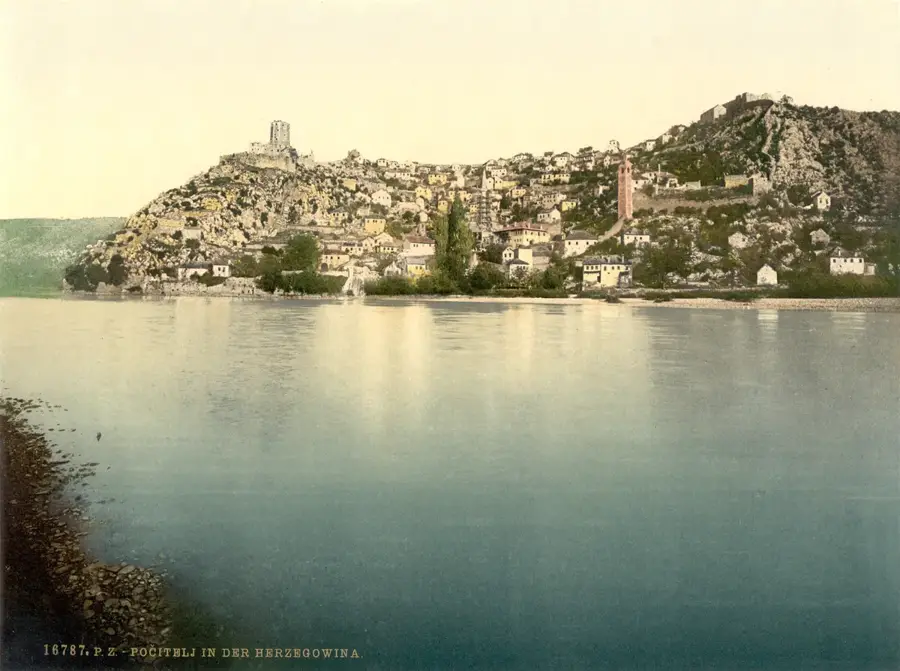
Historic Village of Počitelj
Počitelj is a medieval and Ottoman urban settlement on the banks of the Neretva river.
Learn more →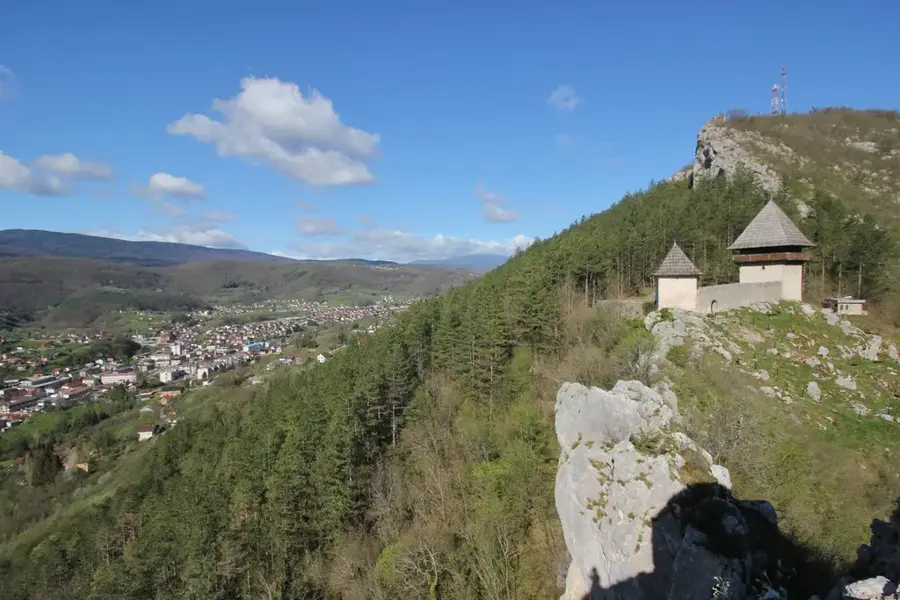
Ključ Fortress
Ključ Fortress is historically significant as the place where the last Bosnian king, Stjepan Tomašević, was captured.
Learn more →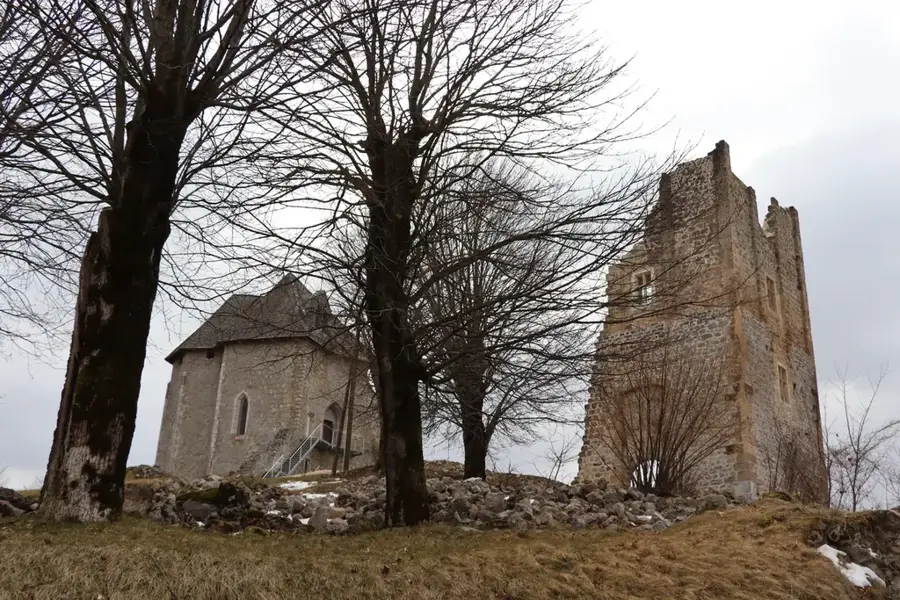
Sokolac Fortress
Sokolac Fortress towers over the city of Bihać on a limestone hill.
Learn more →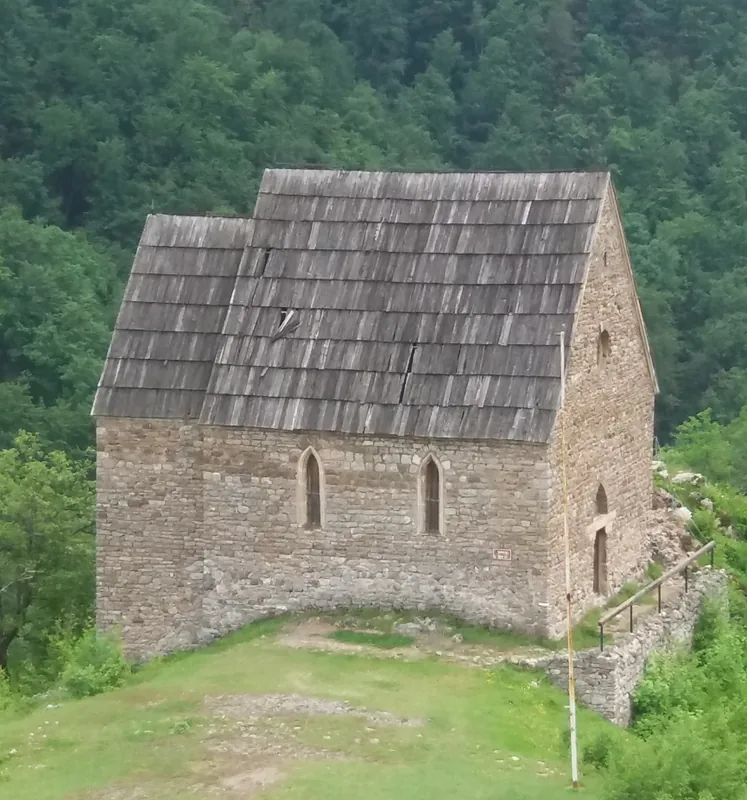
Bobovac Fortress
Bobovac was the residence of Bosnian kings and the seat of state archives in the Middle Ages.
Learn more →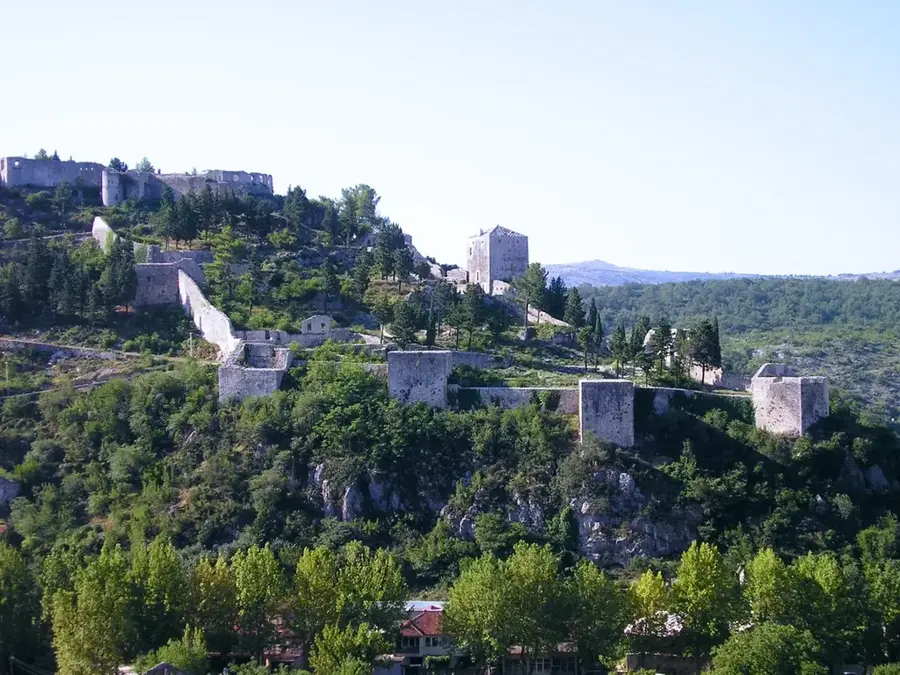
Vidoški Fortress
Vidoški is a large fortress complex above the town of Stolac.
Learn more →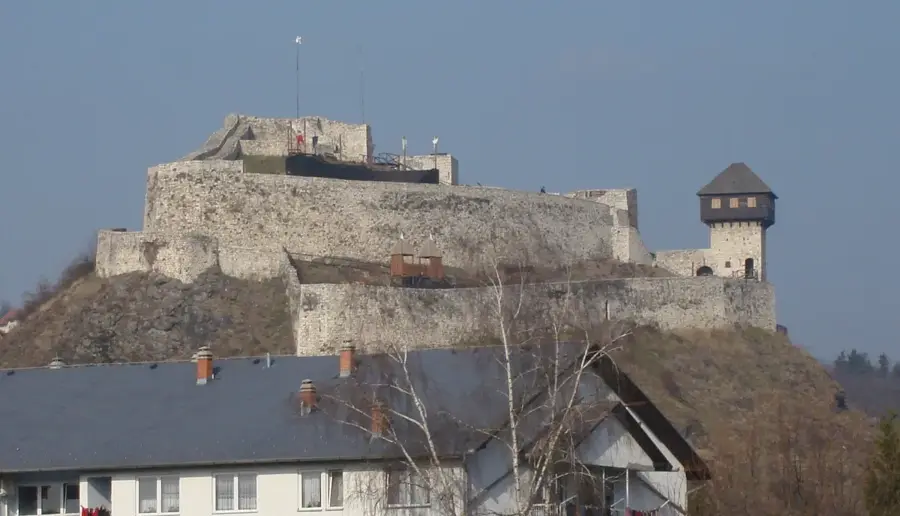
Doboj Fortress
Doboj Fortress, also known as Gradina, is a medieval castle in northern Bosnia.
Learn more →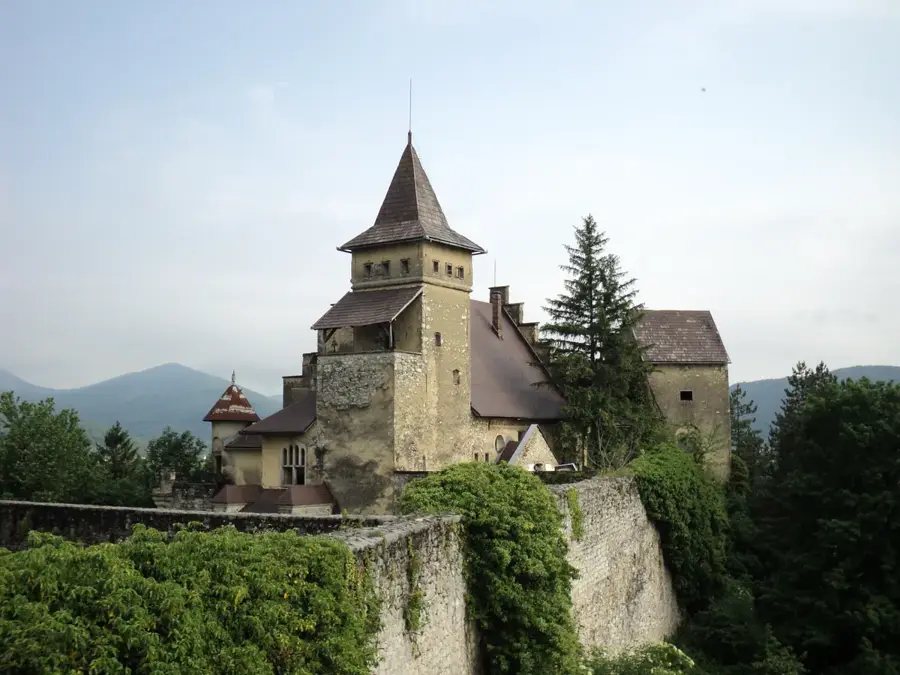
Ostrožac Castle
This extraordinary castle combines various architectural styles from the Middle Ages to the 20th century.
Learn more →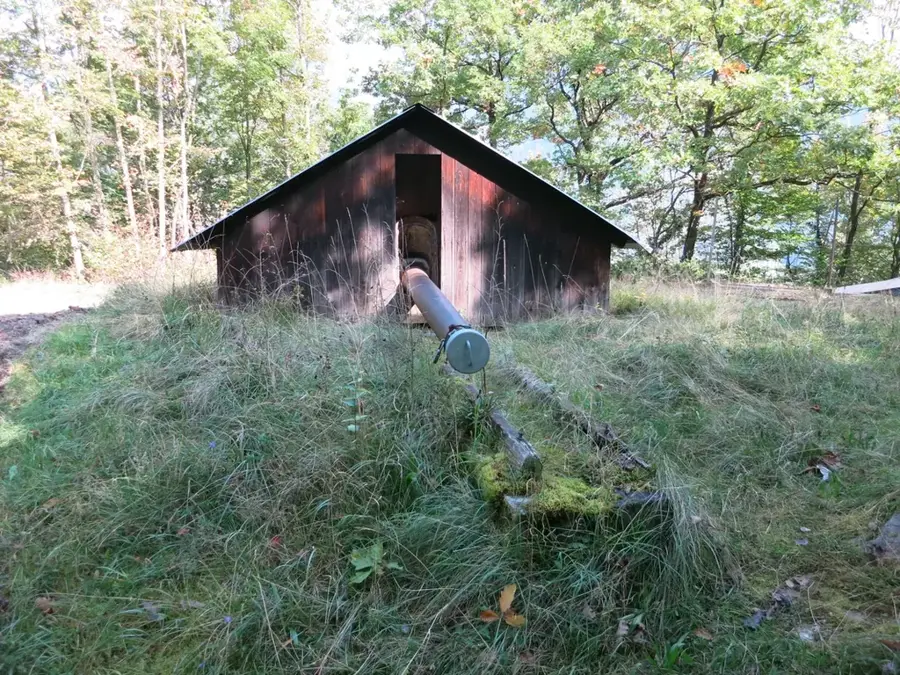
Kastel Fortress
Kastel is the oldest historical monument in Banja Luka.
Learn more →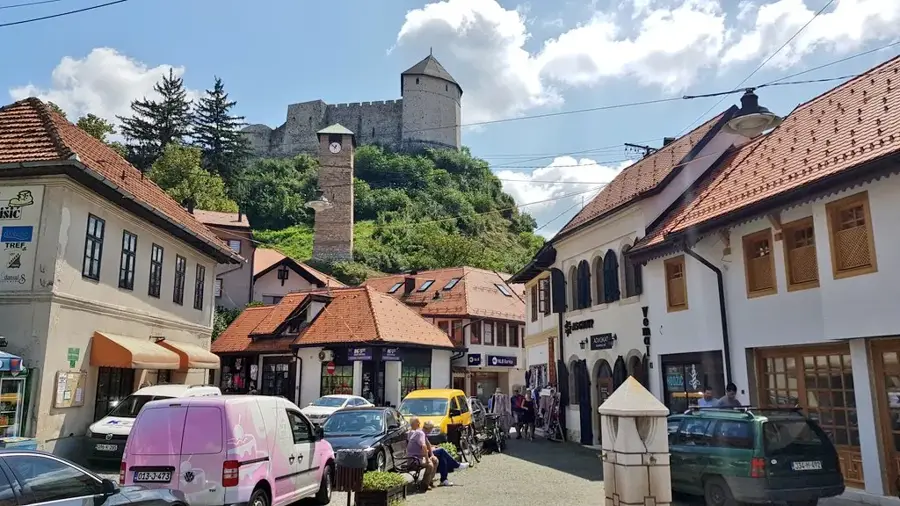
Tešanj Fortress
Tešanj Fortress is one of the largest and most significant castles in the country.
Learn more →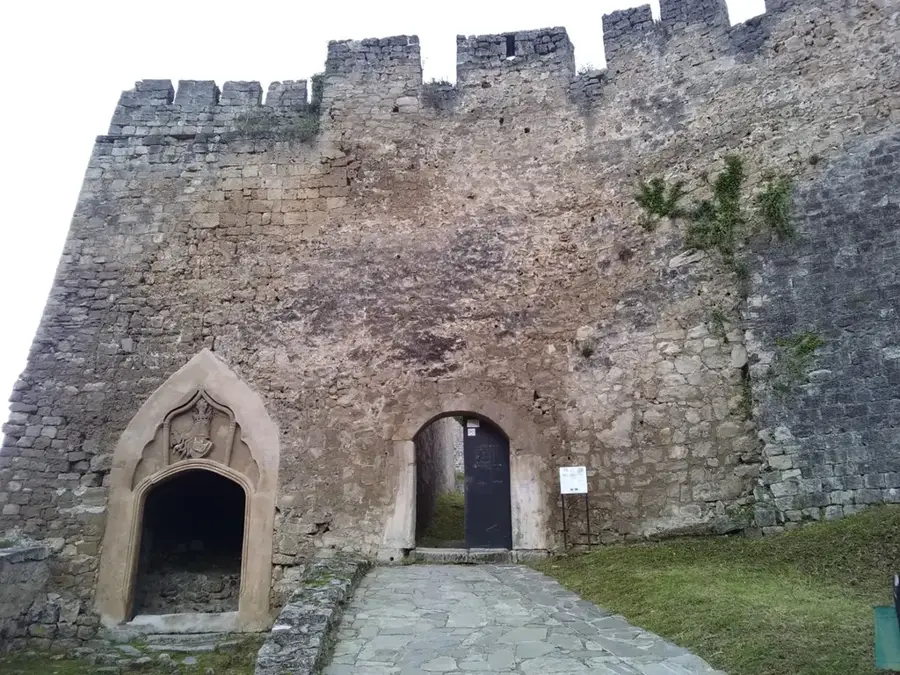
Jajce Fortress
The fortress of Jajce towers over the city and was the last seat of the Bosnian Kingdom.
Learn more →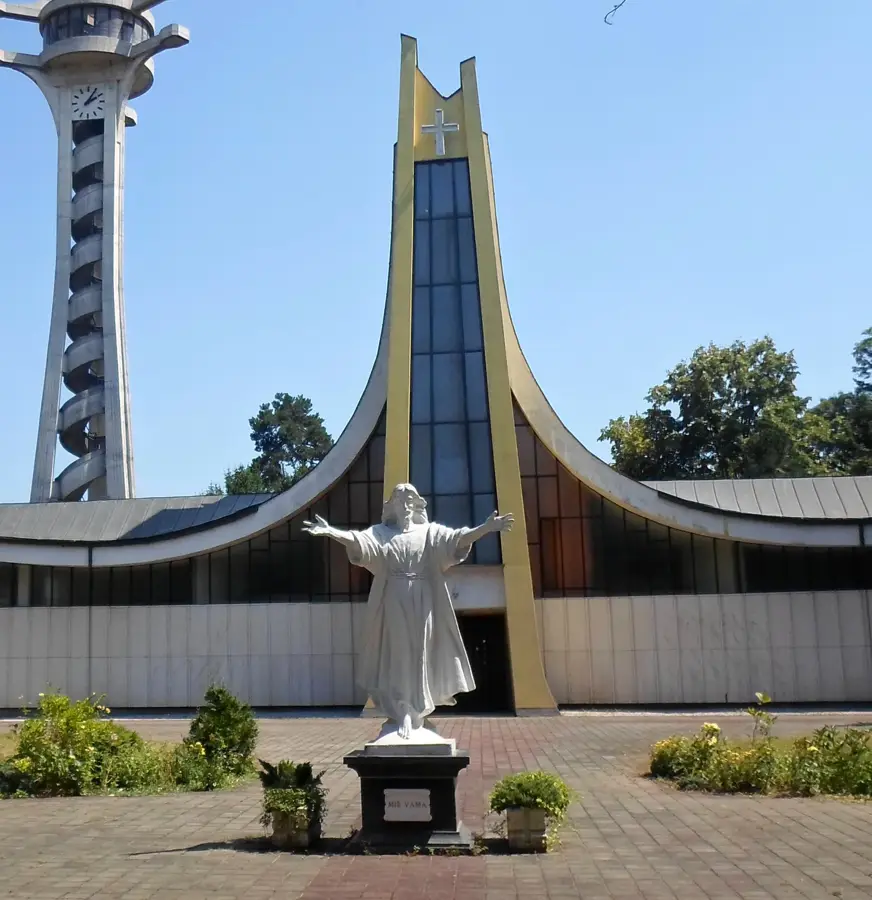
Cathedral of Saint Bonaventure
This Roman Catholic cathedral in Banja Luka is distinguished by its modern architecture.
Learn more →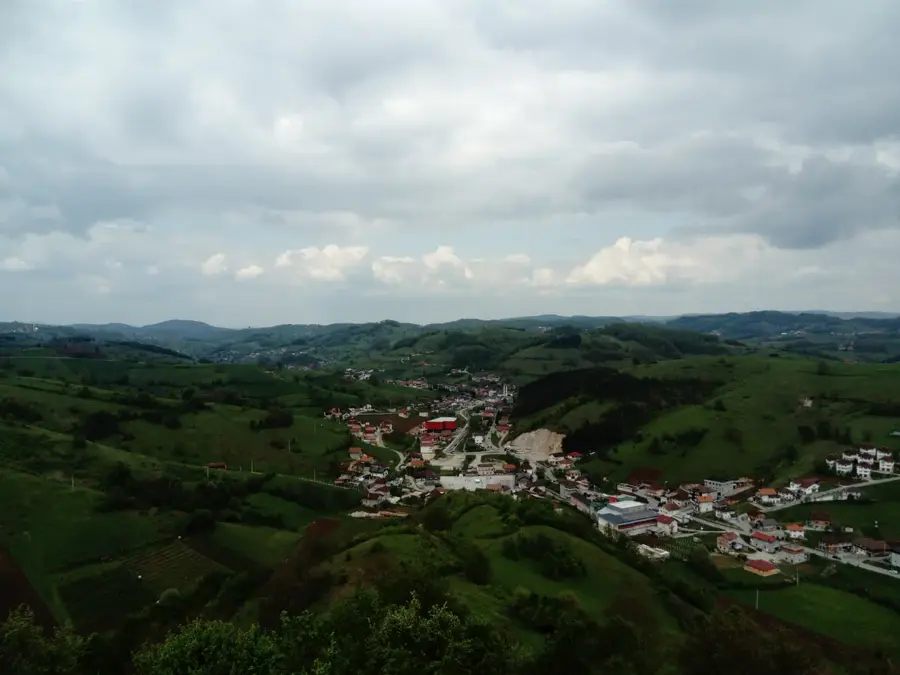
Bužim Old Town
Bužim Fortress in northwestern Bosnia stands out for its unusual architecture.
Learn more →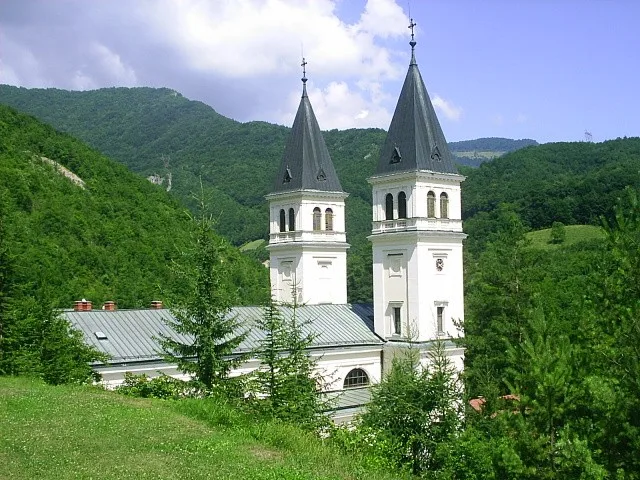
Kraljeva Sutjeska
A historical village that was once the seat of Bosnian kings, known for its Franciscan monastery and the oldest mosque in the country.
Learn more →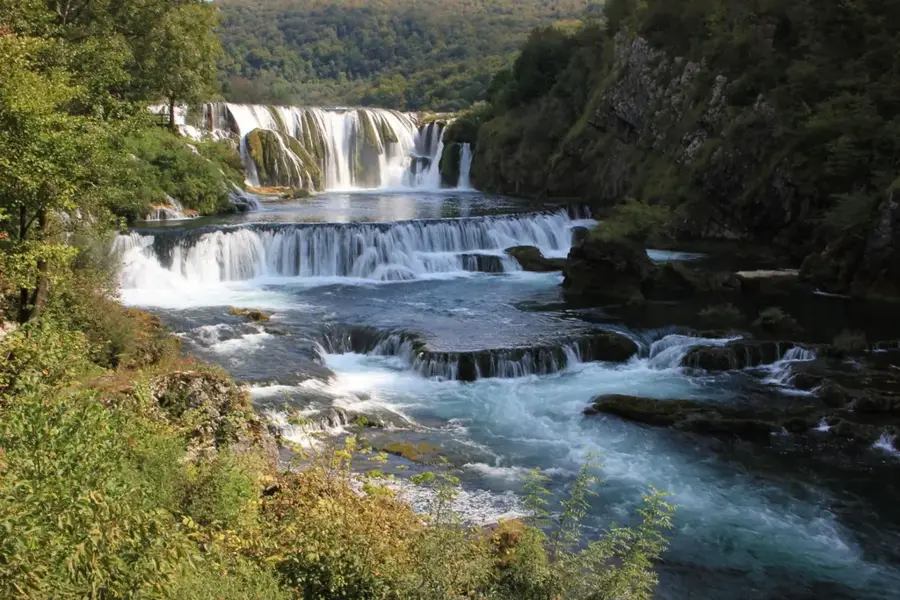
Štrbački buk
Štrbački buk is the highest waterfall on the Una river and one of the most spectacular natural monuments in the Una National Park.
Learn more →
Sarajevo City Hall
Built in the Pseudo-Moorish style, the Vijećnica is one of the most magnificent buildings from the Austro-Hungarian period in Sarajevo.
Learn more →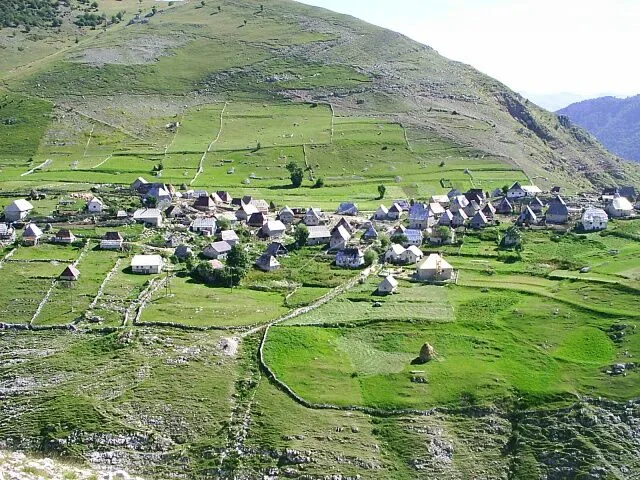
Lukomir
The highest and most isolated village in Bosnia, situated at 1495 meters on the edge of the Rakitnica Canyon.
Learn more →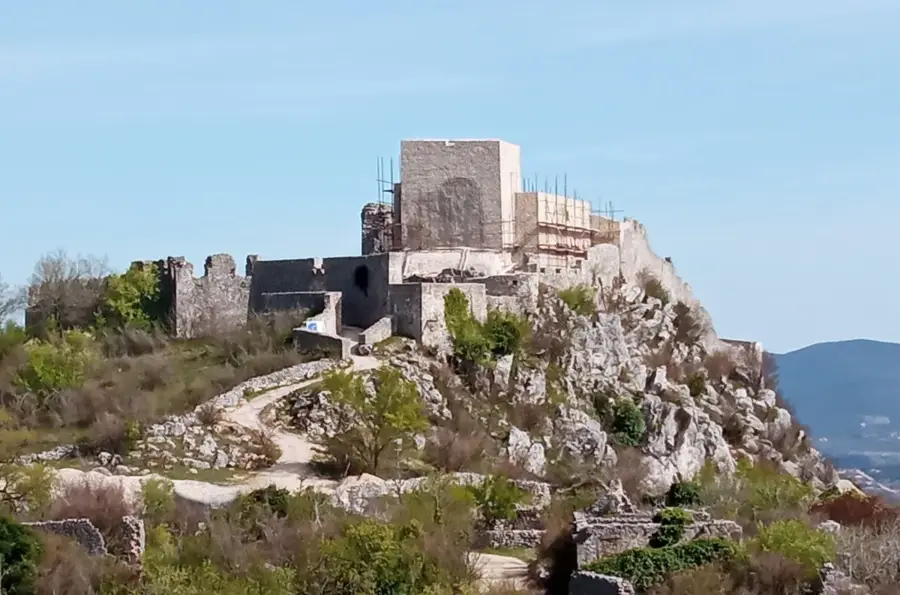
Ljubuški Fortress
This fortress on Butorovica hill is also known as the Fortress of Herceg Stjepan and overlooks the town of Ljubuški.
Learn more →Nature
Kozara
Kozara is a mountain range in northwestern Bosnia, often referred to as an island mountain.
Learn more →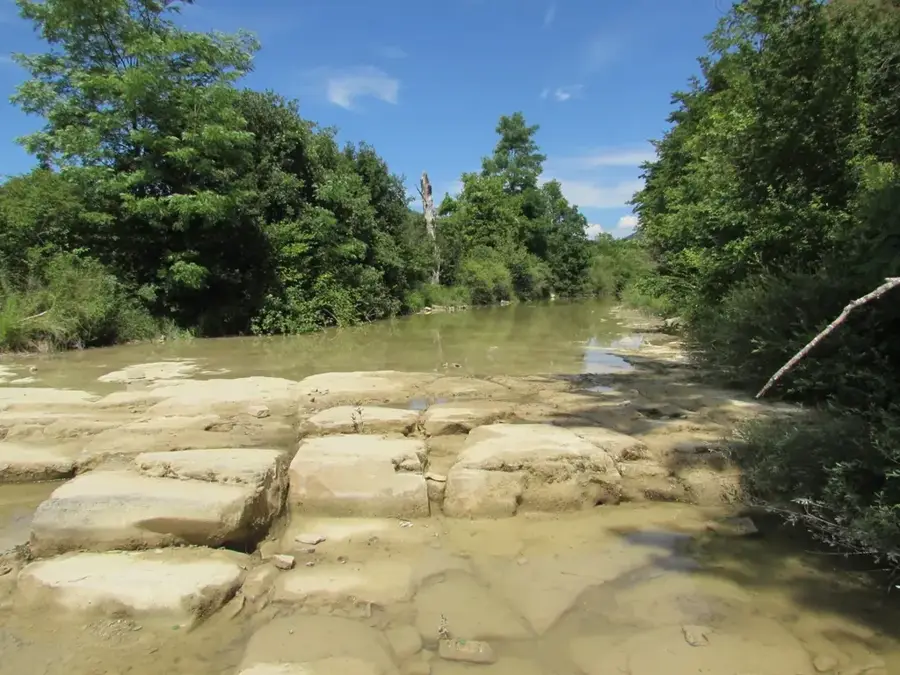
Tajan Nature Park
Tajan Nature Park is known for its untouched nature, canyons, and numerous caves.
Learn more →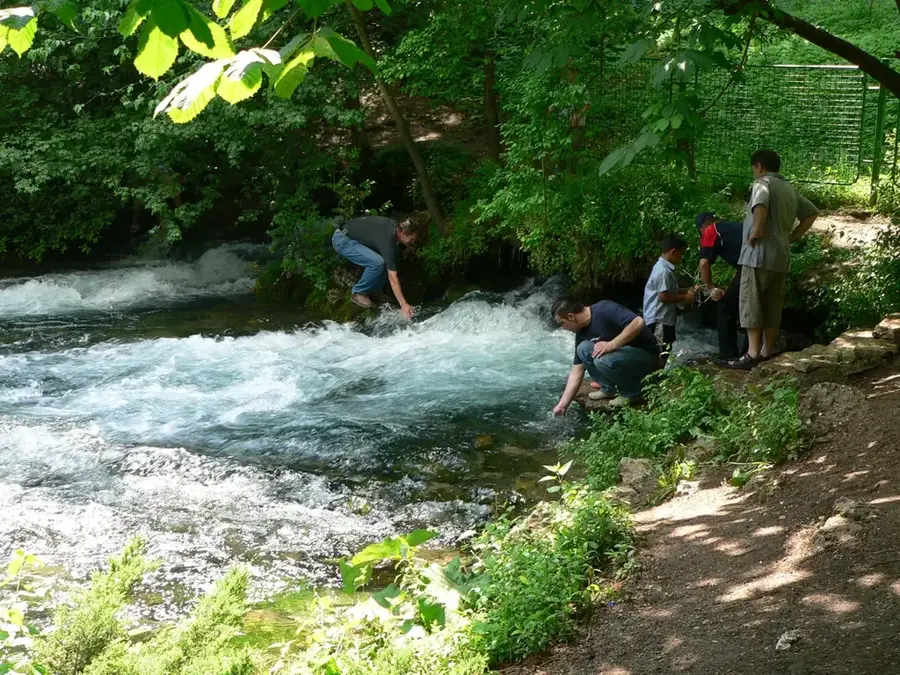
Vrelo Bosne
A natural monument at the foot of Mount Igman, encompassing the springs of the Bosna River.
Learn more →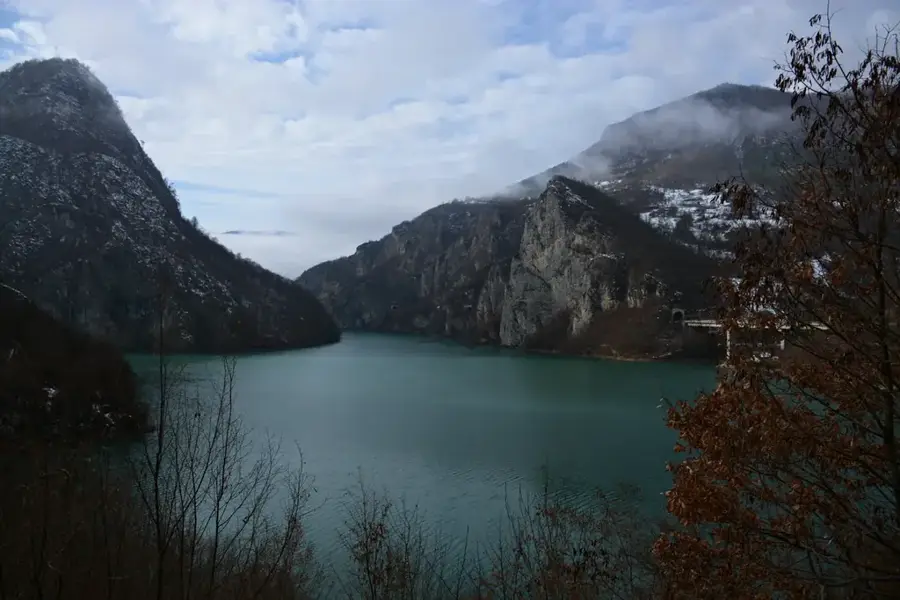
Drina National Park
Established in 2017, the park protects the Drina River canyon and the endemic Pančić spruce.
Learn more →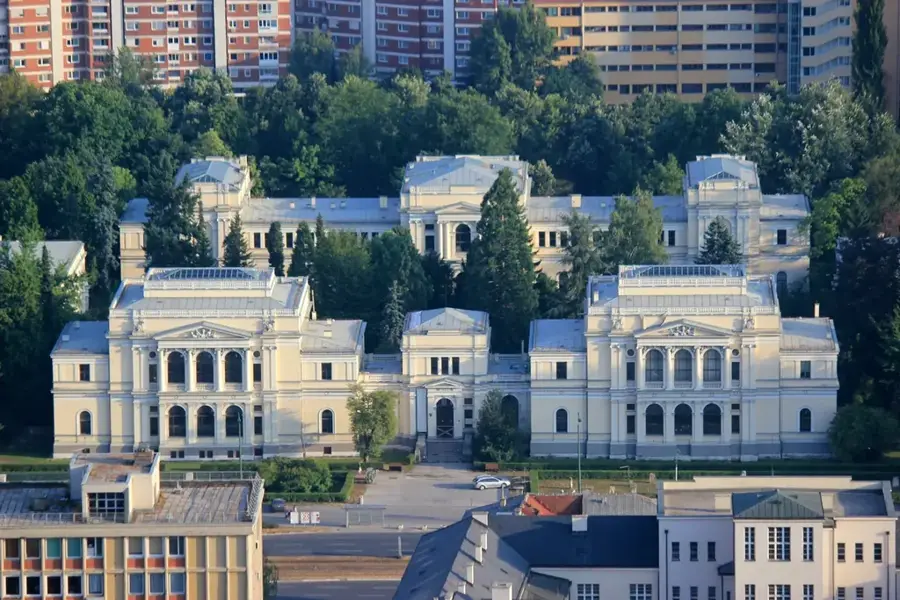
Botanical Garden of Sarajevo
The garden belongs to the National Museum and houses over 2,000 plant species, including many Dinaric endemics.
Learn more →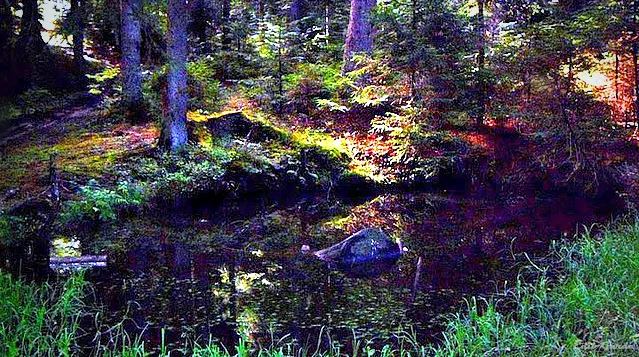
Bijambare Protected Landscape
This protected area comprises a complex of caves and dense coniferous forests on a karst plateau.
Learn more →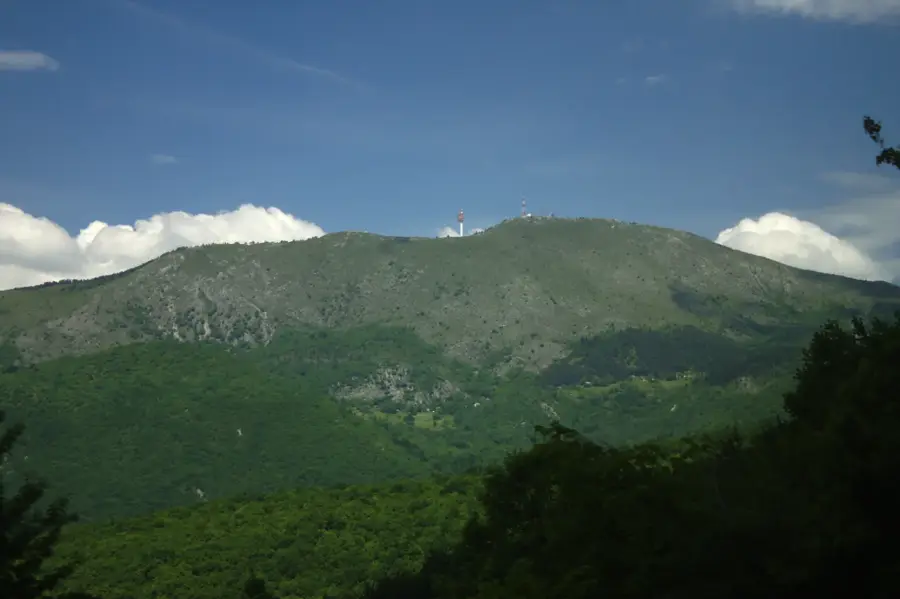
Trebević Protected Landscape
Sarajevo's local mountain is an important recreational area with a high diversity of fungi and plants.
Learn more →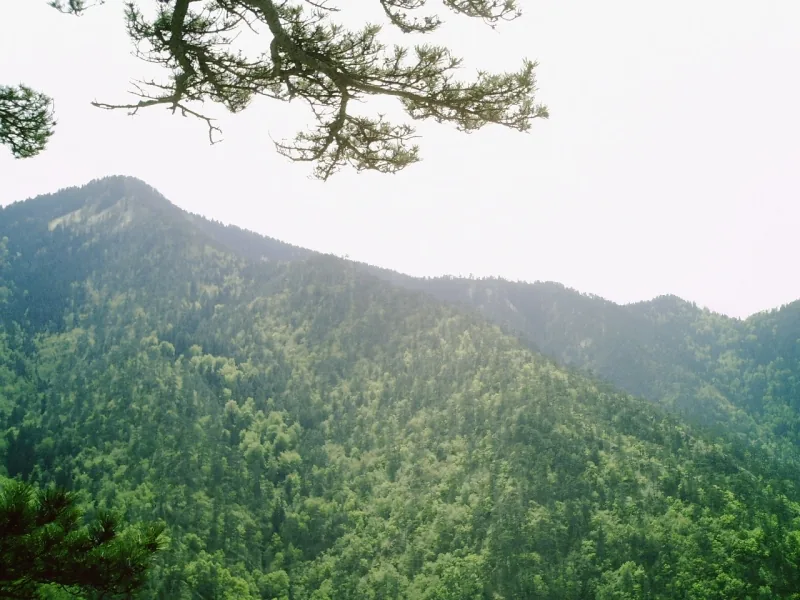
Konjuh Protected Landscape
The Konjuh mountain range is a protected area with extensive coniferous forests and a rich endemic flora.
Learn more →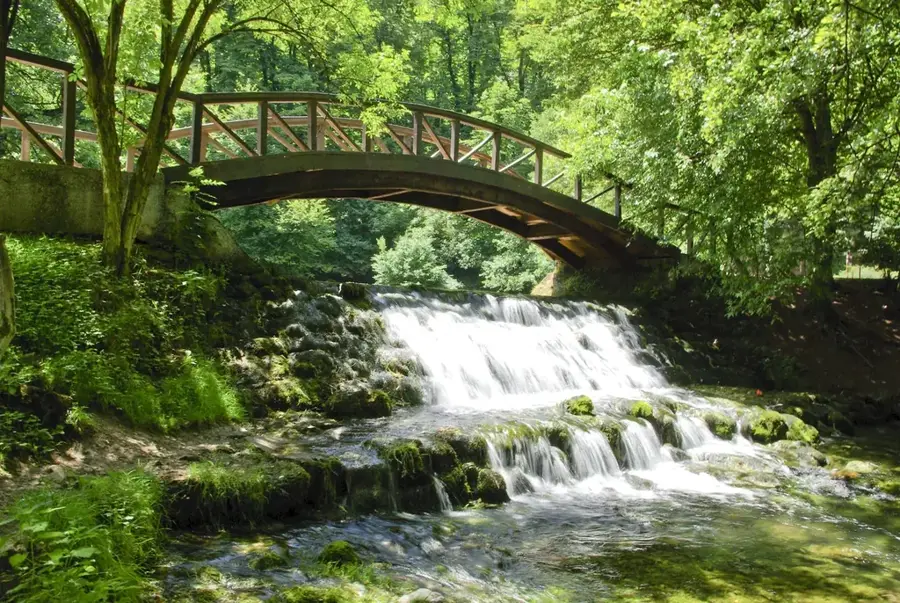
Stojčevac Park
Stojčevac park is located on the edge of the Vrelo Bosne natural monument.
Learn more →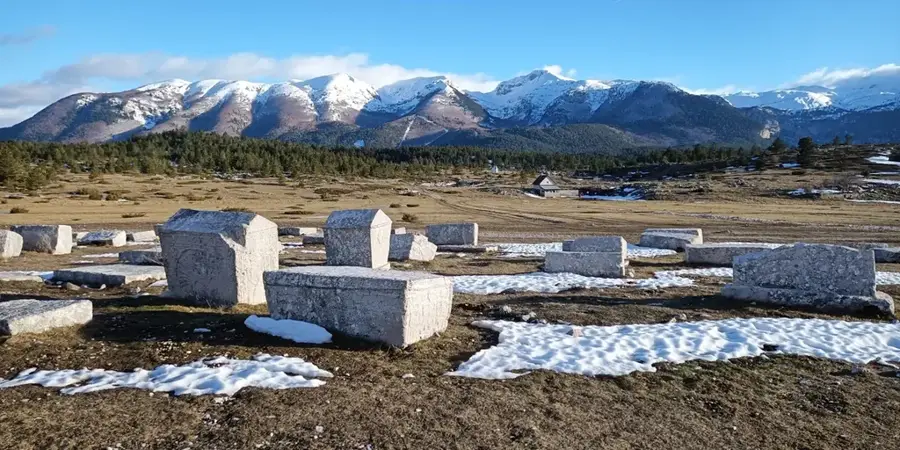
Vran Mountain Park
The Vran mountain park encompasses alpine zones between Tomislavgrad and Jablanica.
Learn more →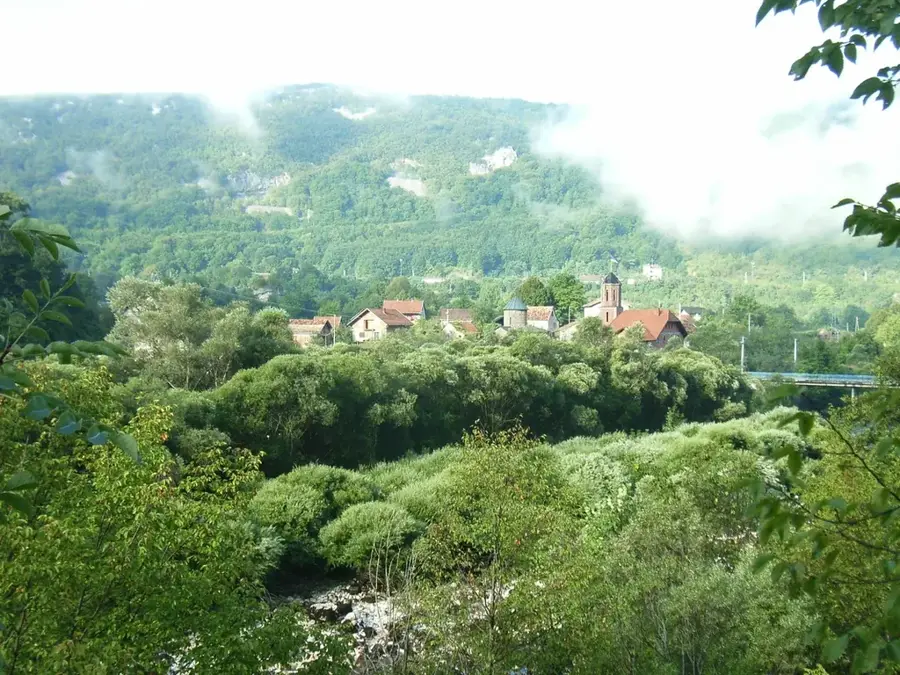
Martin Brod Waterfalls
A stunning cascade of waterfalls at the confluence of the Una and Unac rivers.
Learn more →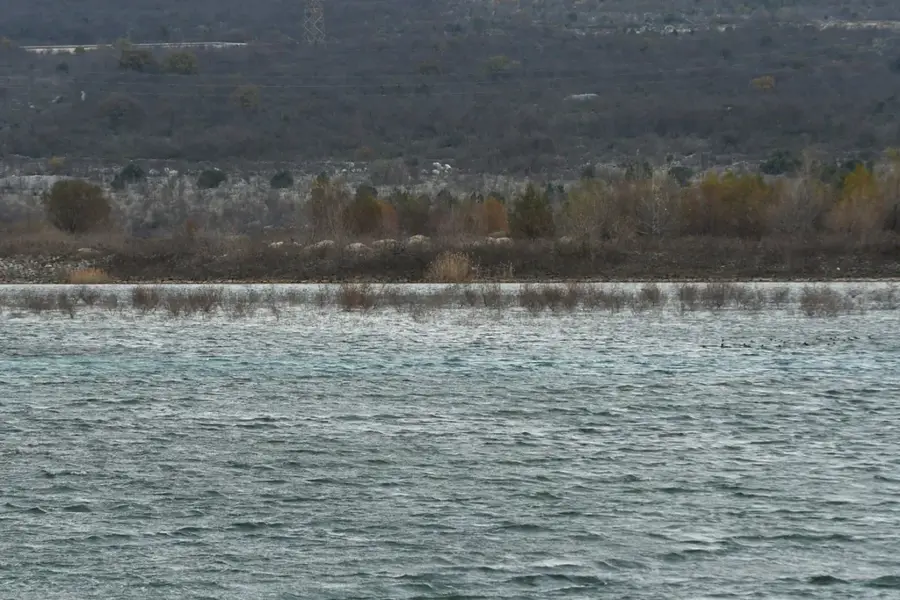
Mostarska Blata
Mostarska Blata is a seasonal wetland and karst basin located west of Mostar.
Learn more →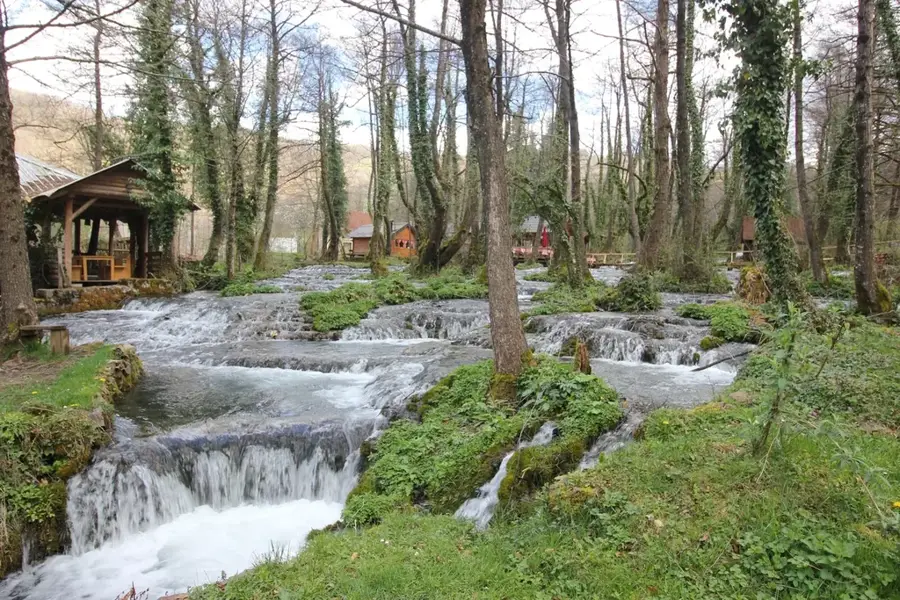
Janj Islands
A unique nature reserve where the Janj River forms a delta with numerous small islands, cascades, and channels.
Learn more →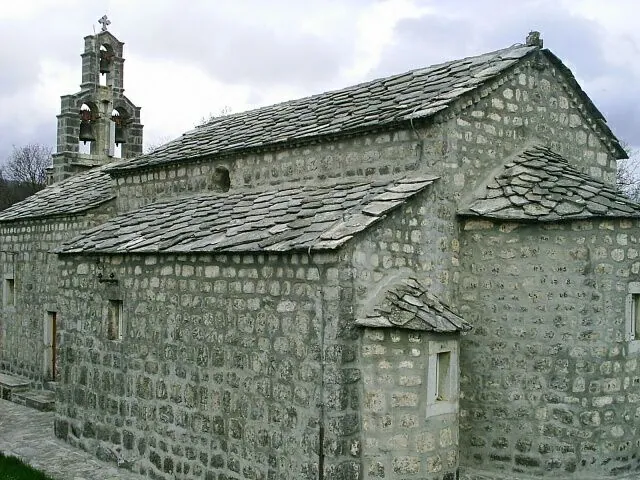
Bileća Lake
An artificial lake on the Trebišnjica River in southern Herzegovina.
Learn more →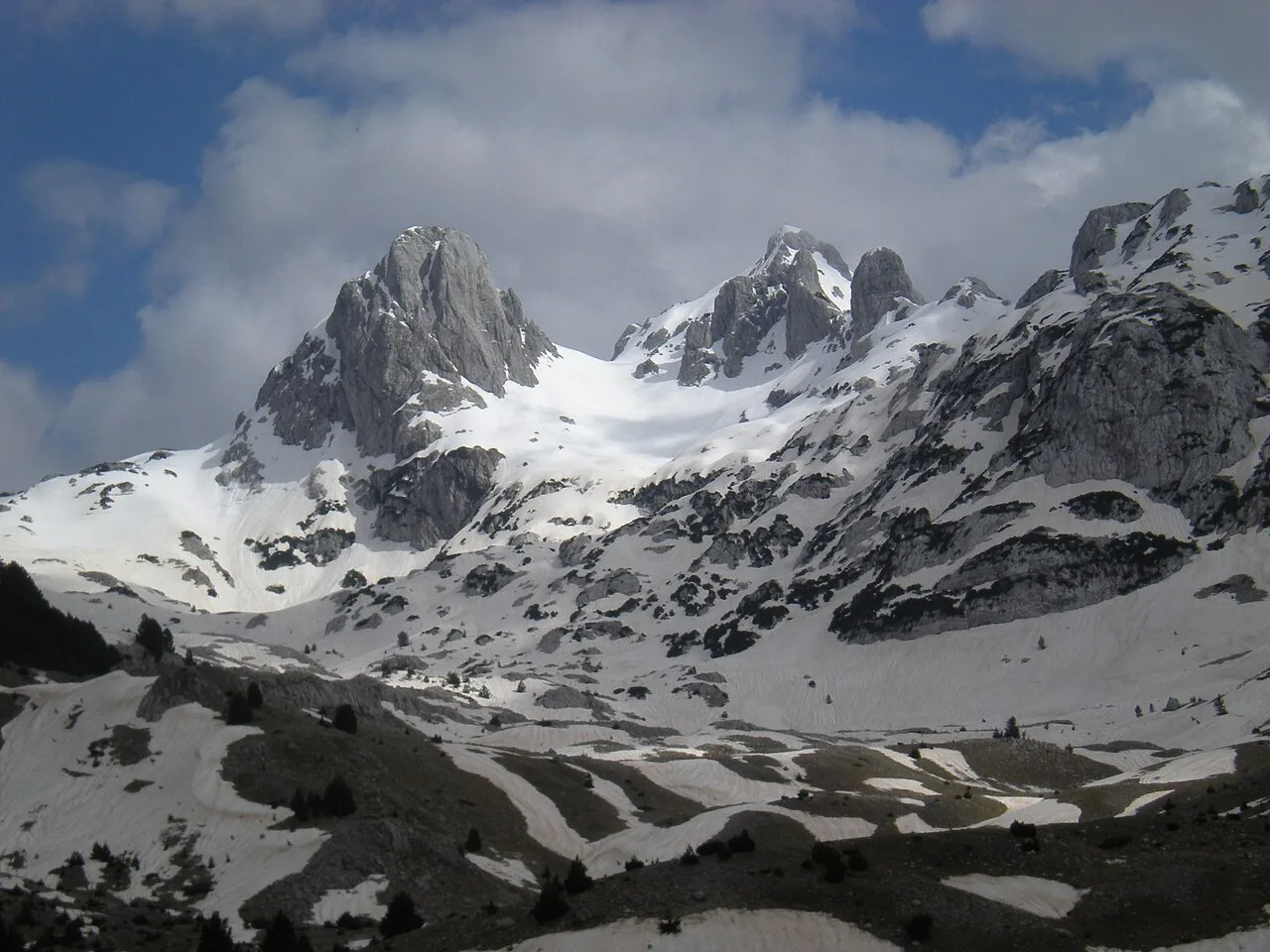
Prenj Mountain Range
Often called the 'Dinaric Himalayas,' this massif hosts an extremely rich flora with many endemic species.
Learn more →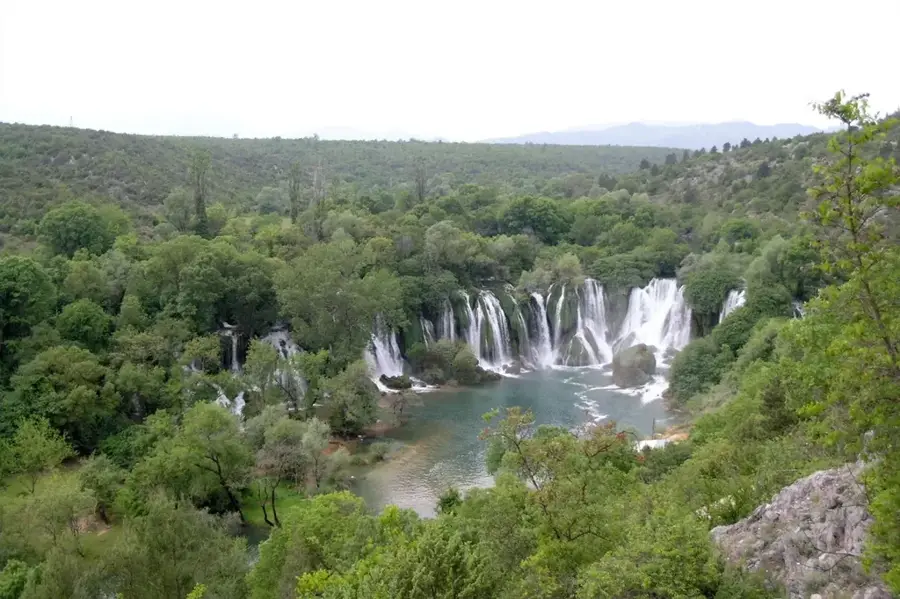
Kravica Waterfalls
These tufa waterfalls on the Trebižat River are surrounded by lush Mediterranean vegetation.
Learn more →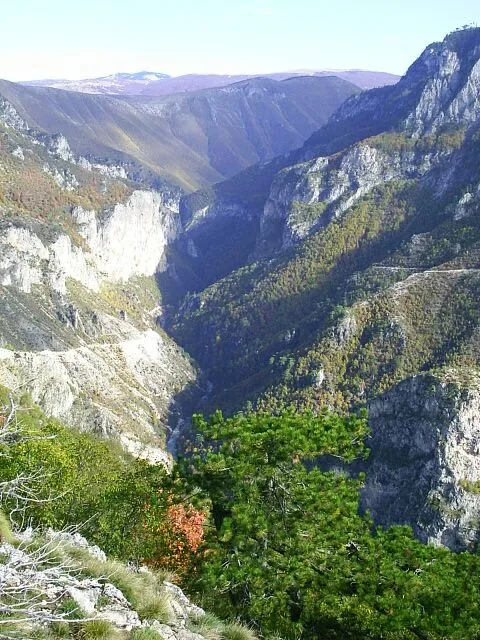
Rakitnica Canyon
One of Europe's deepest and most untouched canyons, hosting extraordinary biodiversity.
Learn more →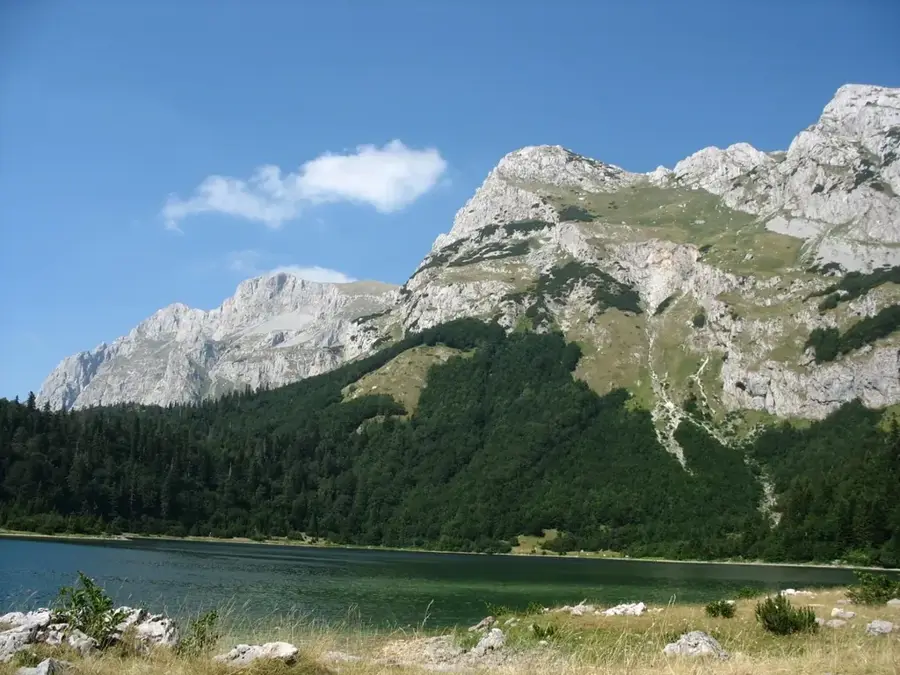
Maglić Mountain
The country's highest mountain provides habitat for rare alpine plants and large predators.
Learn more →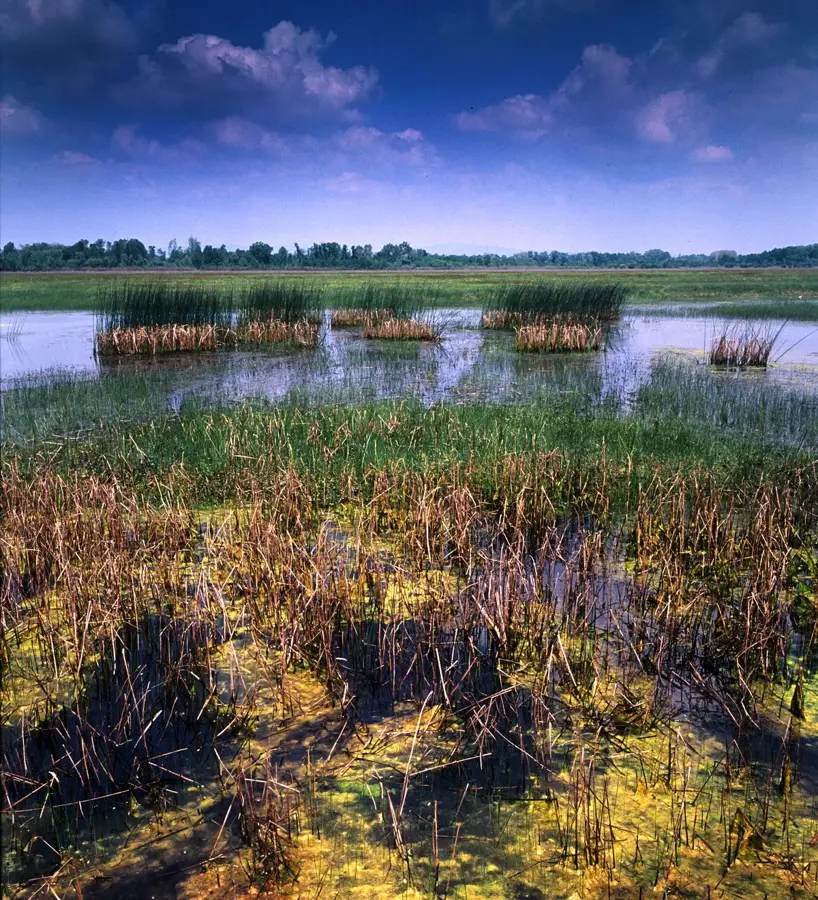
Bardača Wetland
A protected wetland and Ramsar site in the north of the country, consisting of eleven lakes.
Learn more →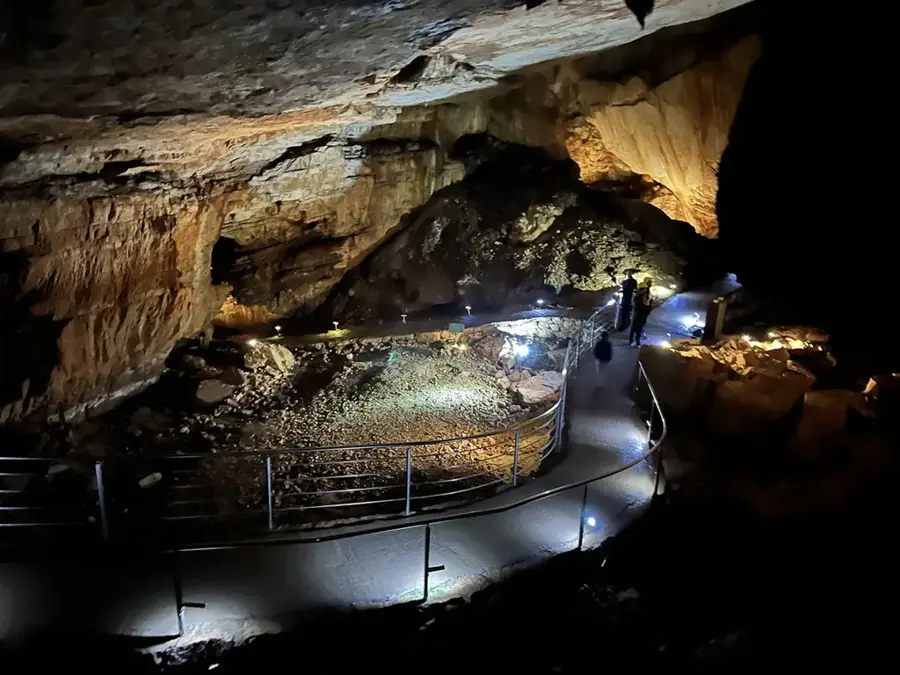
Vjetrenica Cave
The world's most biodiverse cave hosts over 200 animal species, including the famous olm.
Learn more →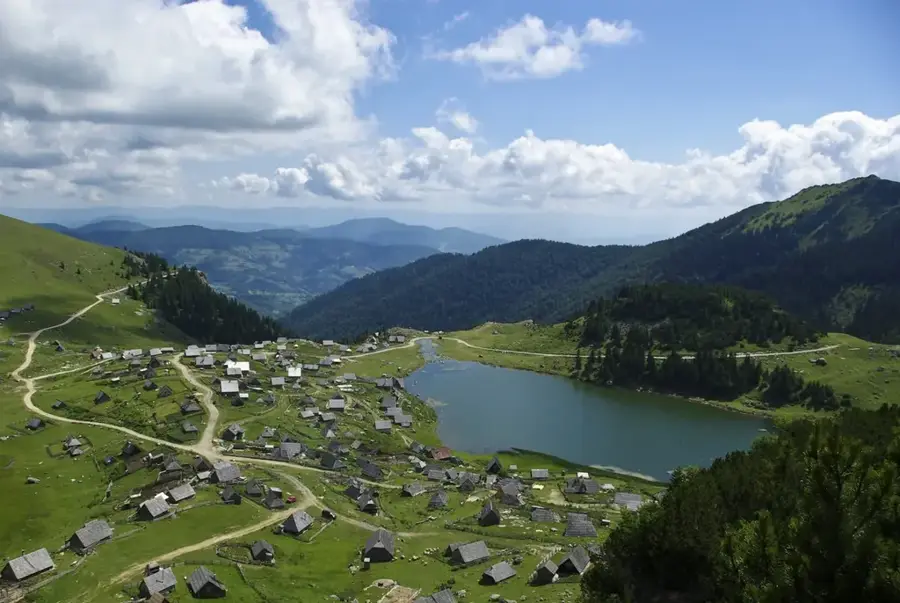
Prokoško Lake
A glacial lake in the Vranica mountains, famous for the endemic triton (Triturus alpestris reiseri).
Learn more →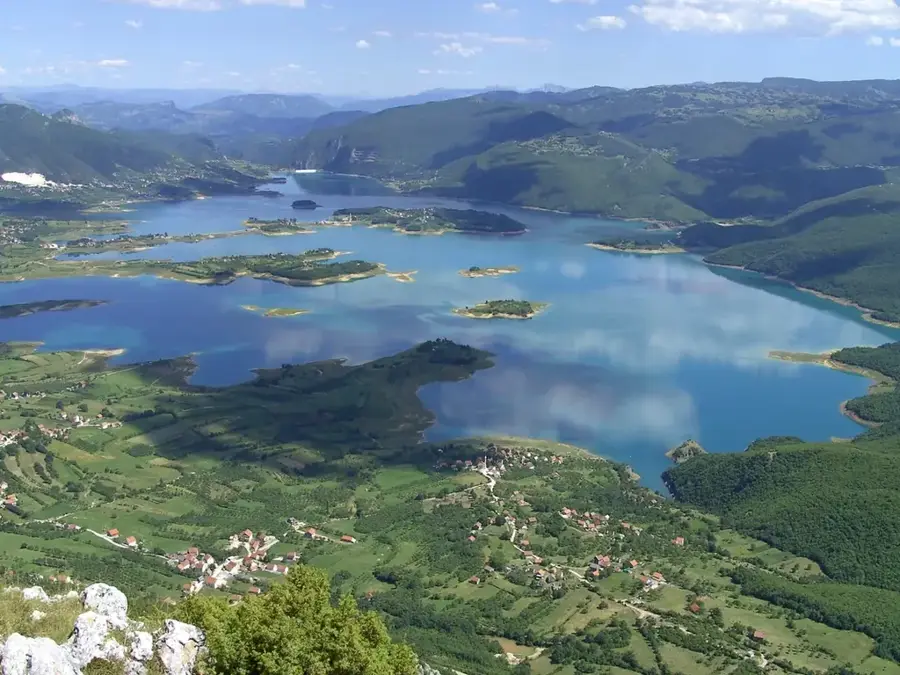
Rama Lake
Rama Lake is considered one of the most beautiful lakes in the country, famous for its many islands and peninsules, notably Šćit.
Learn more →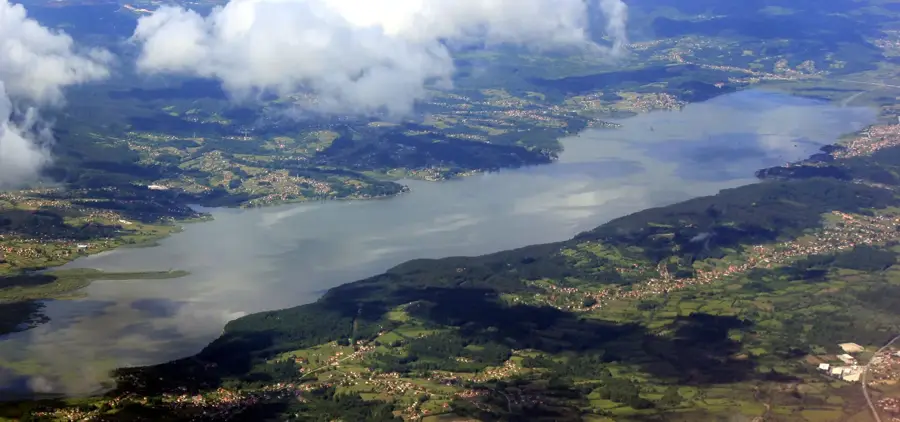
Modrac Lake
A reservoir lake near Tuzla, formed by damming the Spreča River.
Learn more →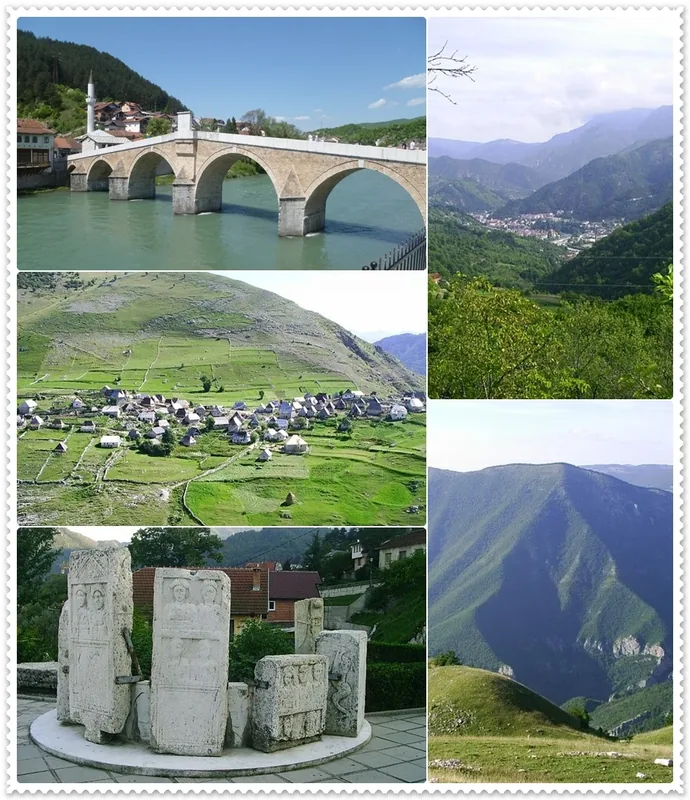
Boračko Lake
Boračko Lake lies at the foot of the Prenj mountain range and is a popular destination for hikers and campers near the town of Konjic.
Learn more →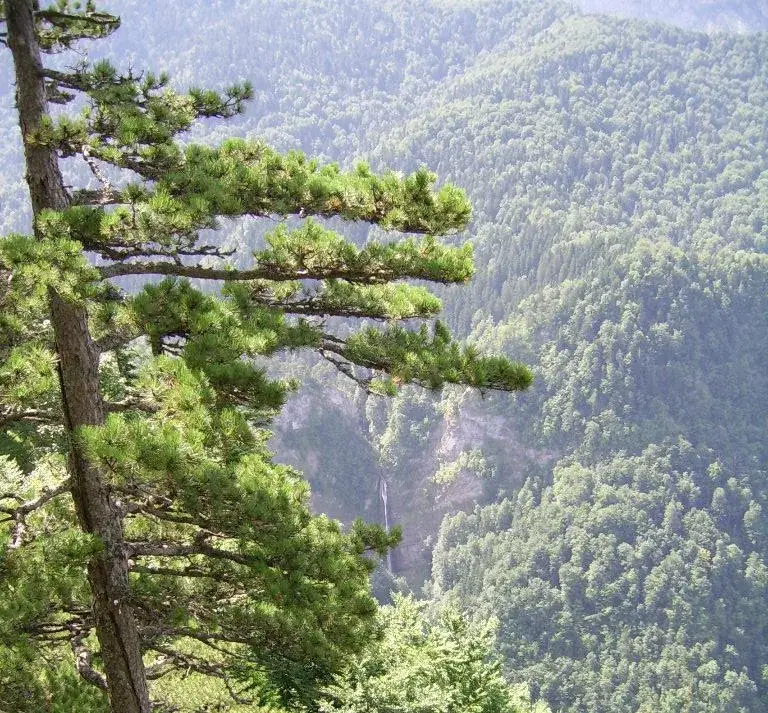
Skakavac Waterfall
A 98-meter-high waterfall near Sarajevo, surrounded by dense spruce and beech forests.
Learn more →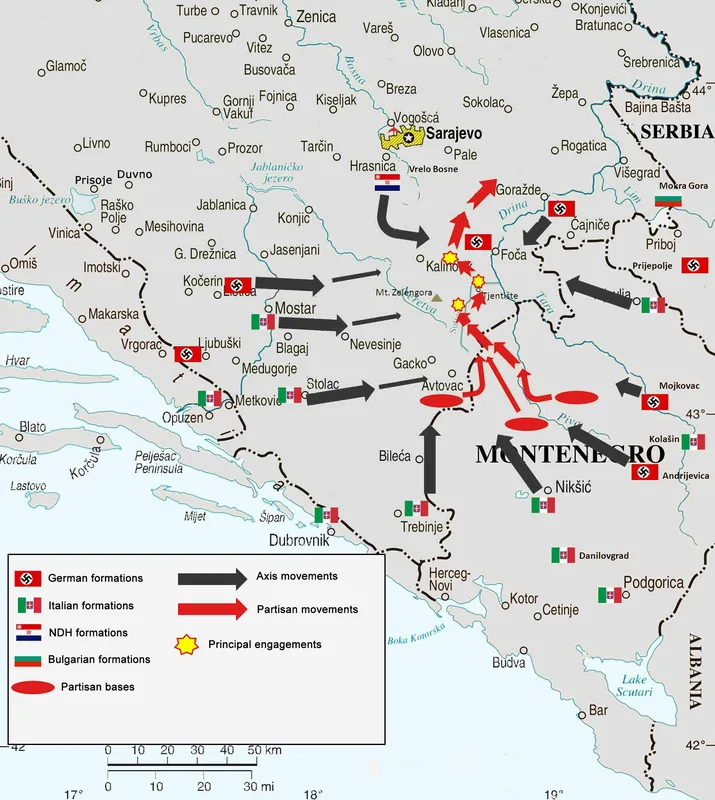
Stari Gaj Reserve
Stari Gaj is a protected forest area in the region around Prnjavor.
Learn more →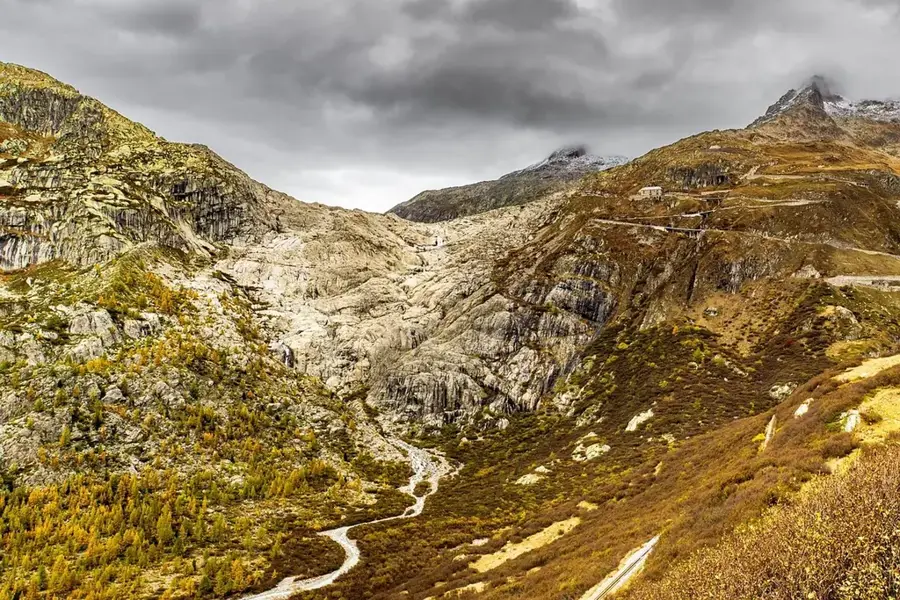
Zelengora Glacial Lakes
Zelengora is famous for its 'eyes of the mountain' – eight beautiful glacial lakes.
Learn more →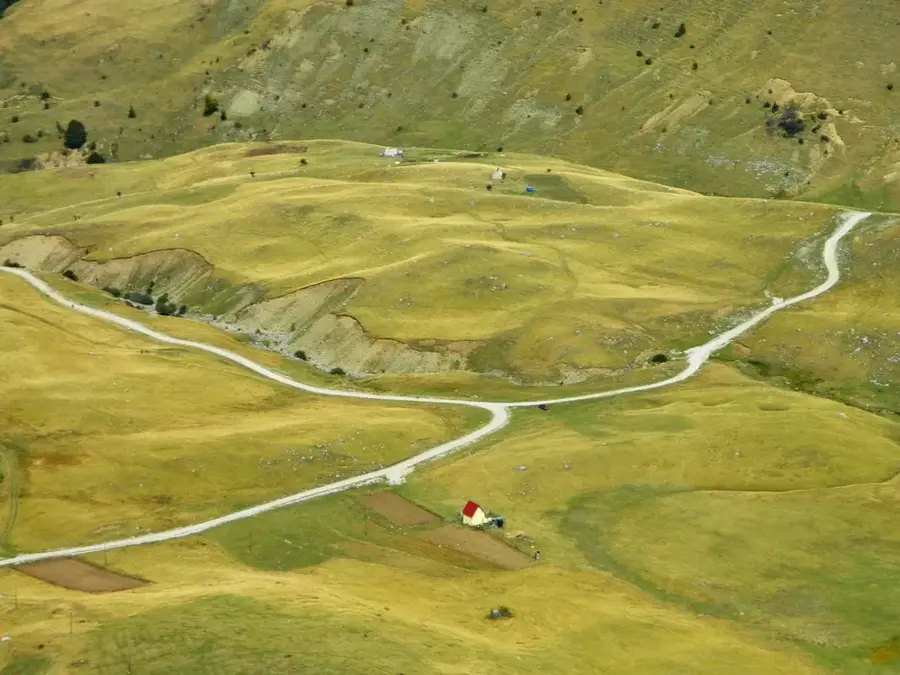
Čemerno
A mountain range and high mountain pass in eastern Bosnia, serving as a hydrological divide between the Adriatic and Black Sea watersheds.
Learn more →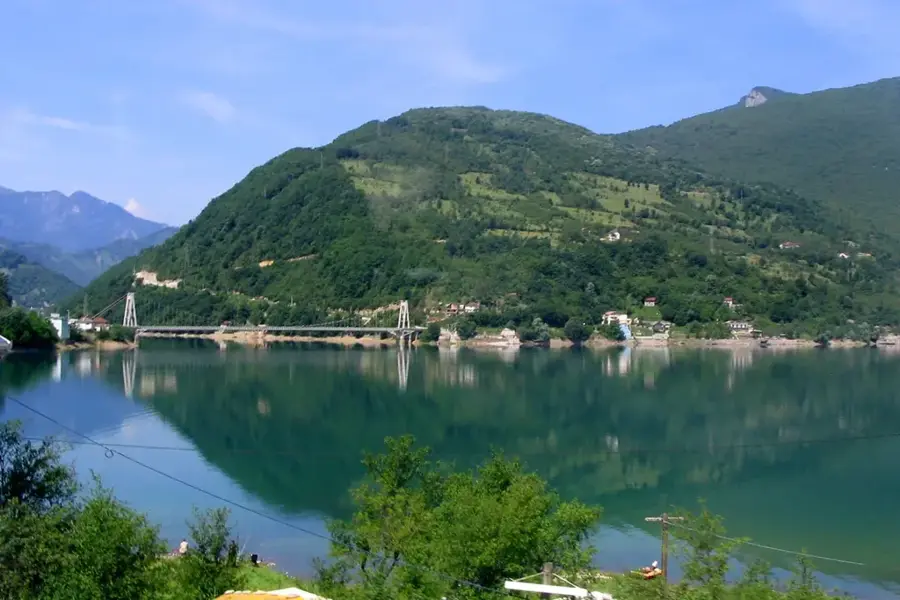
Jablaničko Lake
Jablaničko Lake is a large reservoir on the Neretva river, known for its turquoise color and as a popular recreation area.
Learn more →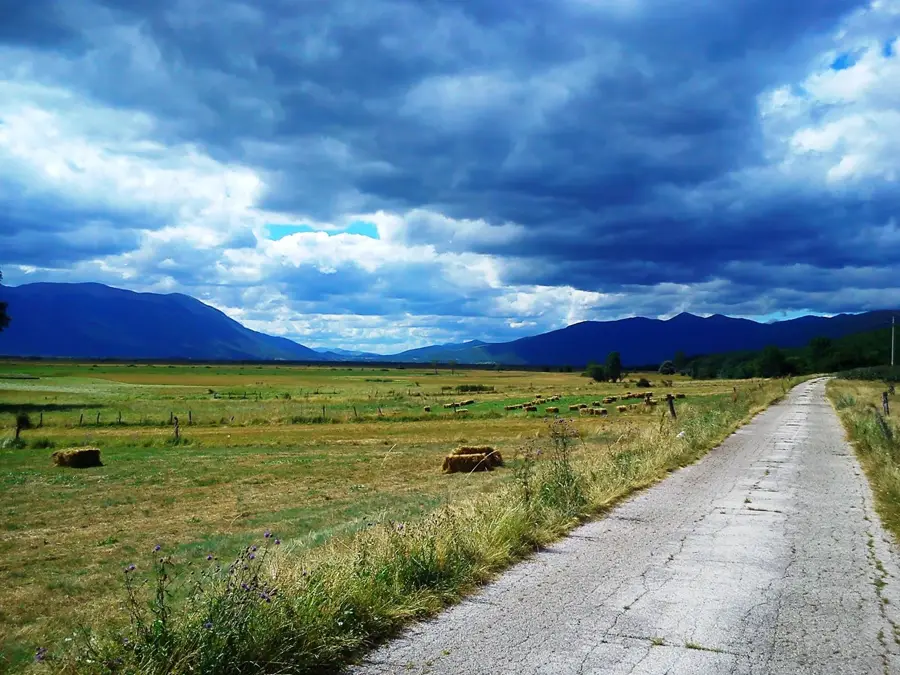
Livanjsko Polje
The world's largest karst field is a Ramsar site and famous for its herds of wild horses.
Learn more →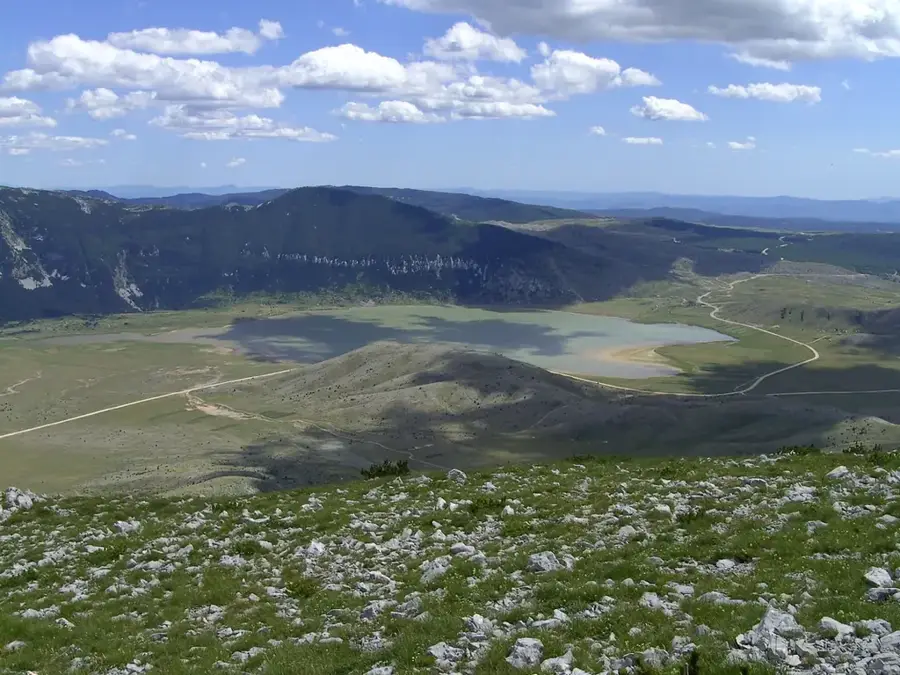
Blidinje Lake
Blidinje Lake is the largest mountain lake in the country, situated on a high plateau between the Čvrsnica and Vran mountains.
Learn more →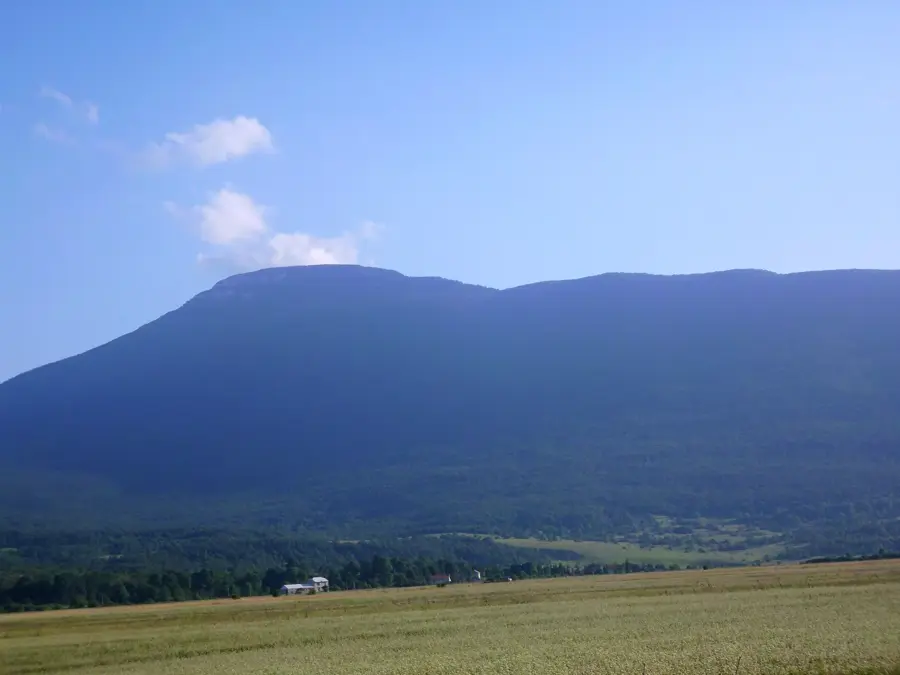
Osječenica
A prominent limestone mountain in western Bosnia rising to 1,795 meters.
Learn more →Frequently asked questions
What are the top attractions in Bosnia and Herzegovina?
Among the most popular are Kozara, Tajan Nature Park, Banski Dvor, Vrelo Bosne, Drina National Park and many more – the full top 50 list is on this page.
When is the best time to visit Bosnia and Herzegovina?
May to October offers the most pleasant weather; July and August are warmest and busiest.