Attractions in Moldova
The finest attractions in Moldova at a glance: castles, natural wonders, historic old towns and more. Each place links to a detailed page with map, tips and photos.
Culture & History
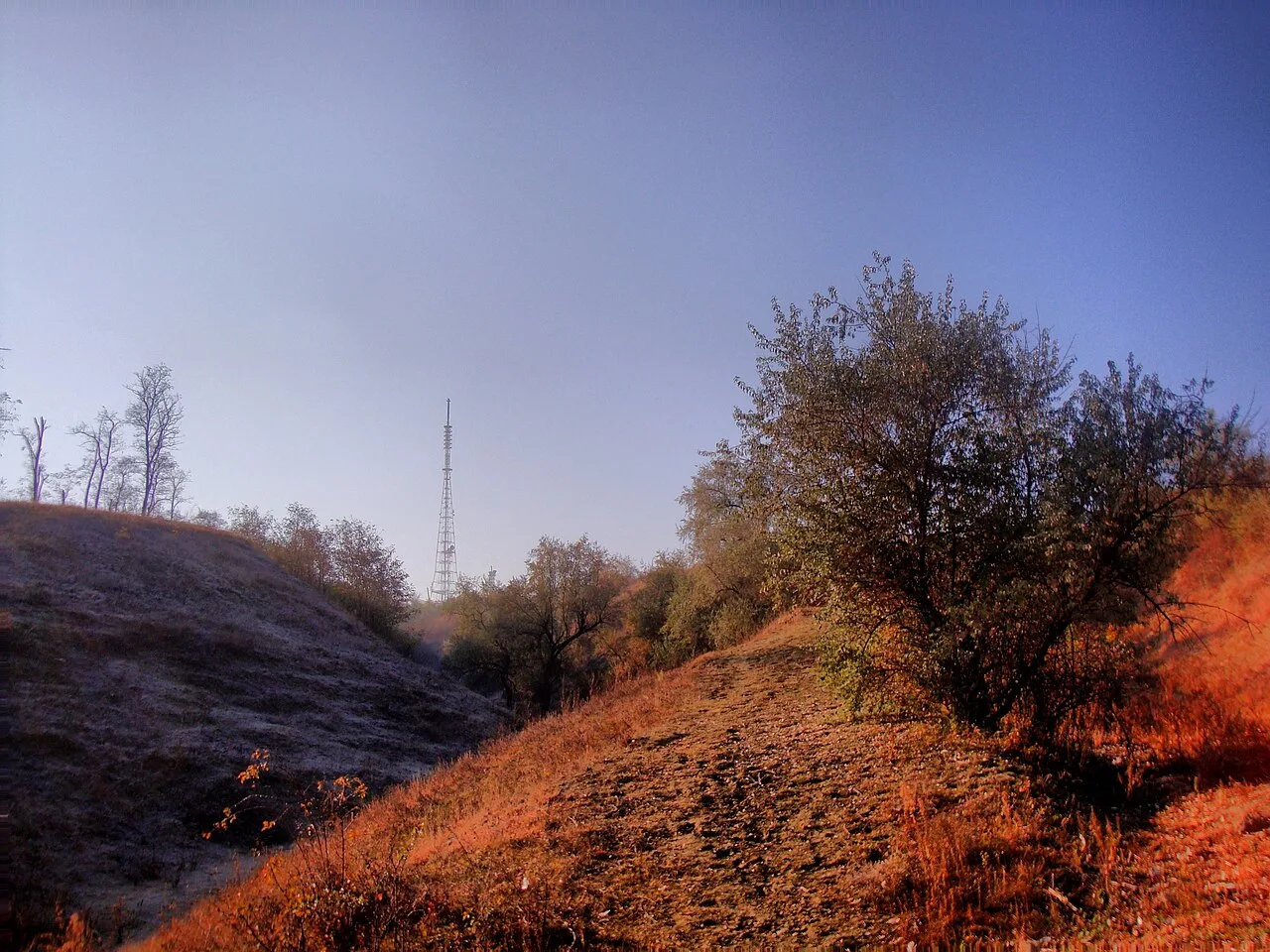
Cimișlia Paleontological Site
This internationally significant paleontological site near Cimișlia contains deposits from the Late Miocene.
Learn more →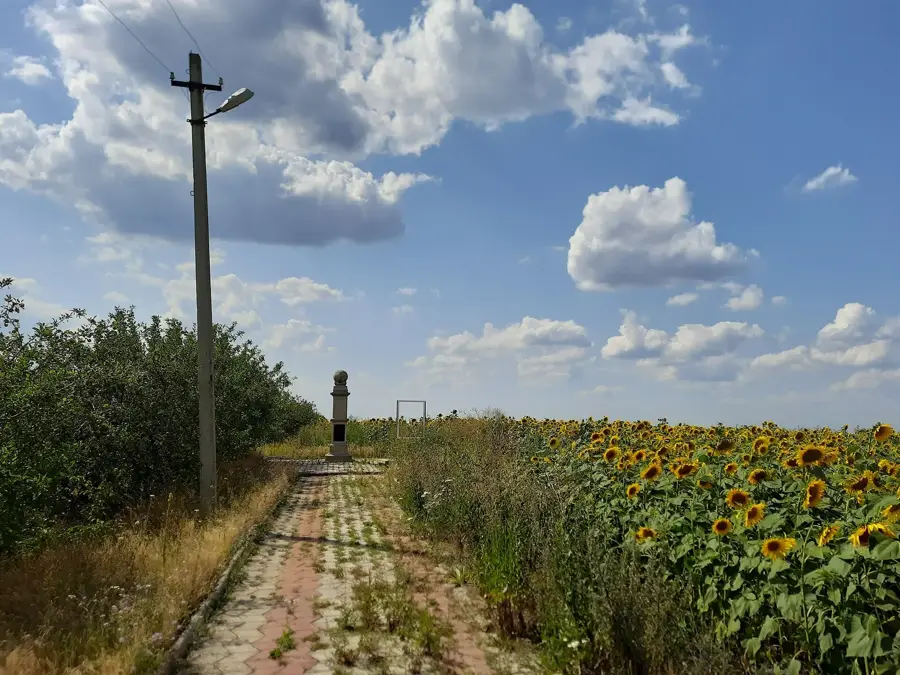
Struve Geodetic Arc (Rudi)
The Struve Geodetic Arc in Rudi is the only UNESCO World Heritage site in Moldova.
Learn more →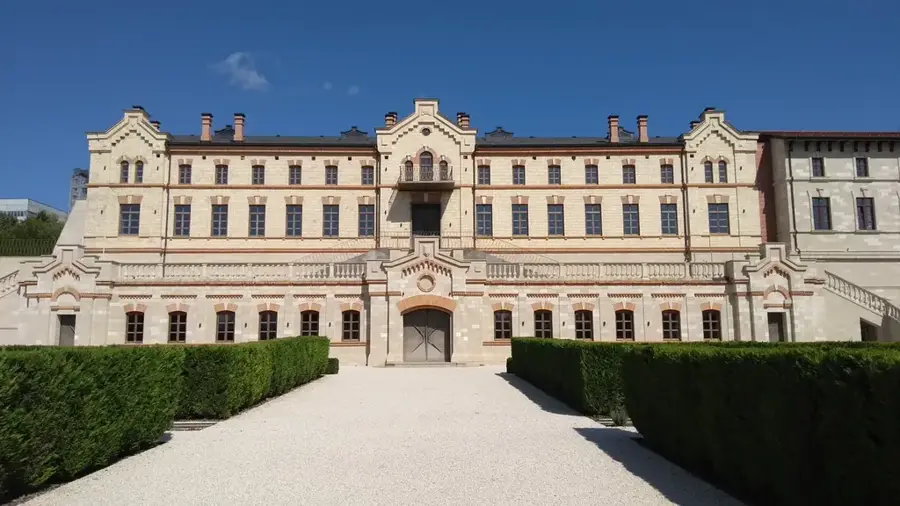
Mimi Castle
Mimi Castle is the first wine castle in Moldova, built in 1893 by Constantin Mimi.
Learn more →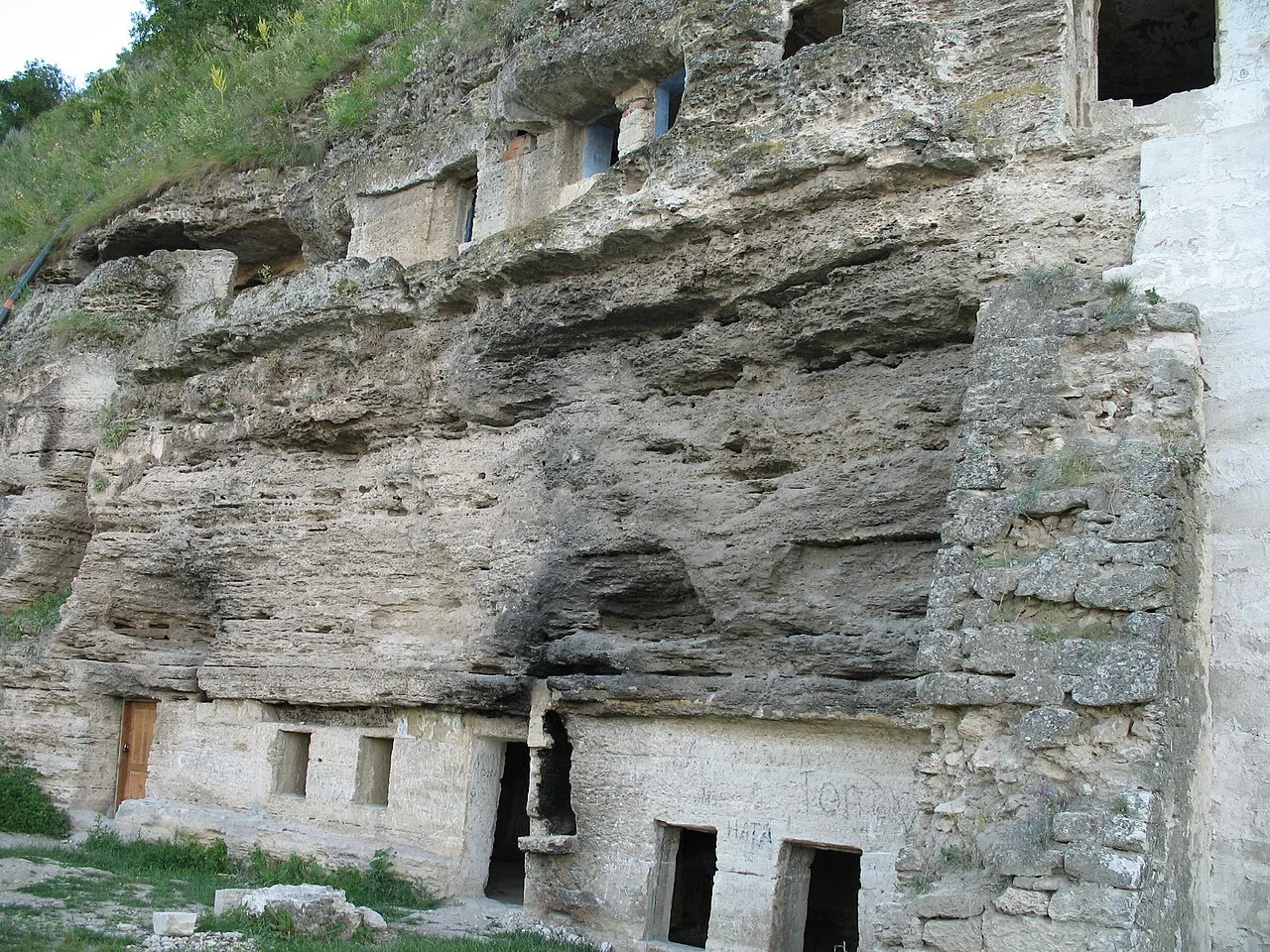
Țipova Cliffs
The Țipova Cliffs rise majestically above the Dniester, forming one of the most impressive rocky landscapes in Moldova.
Learn more →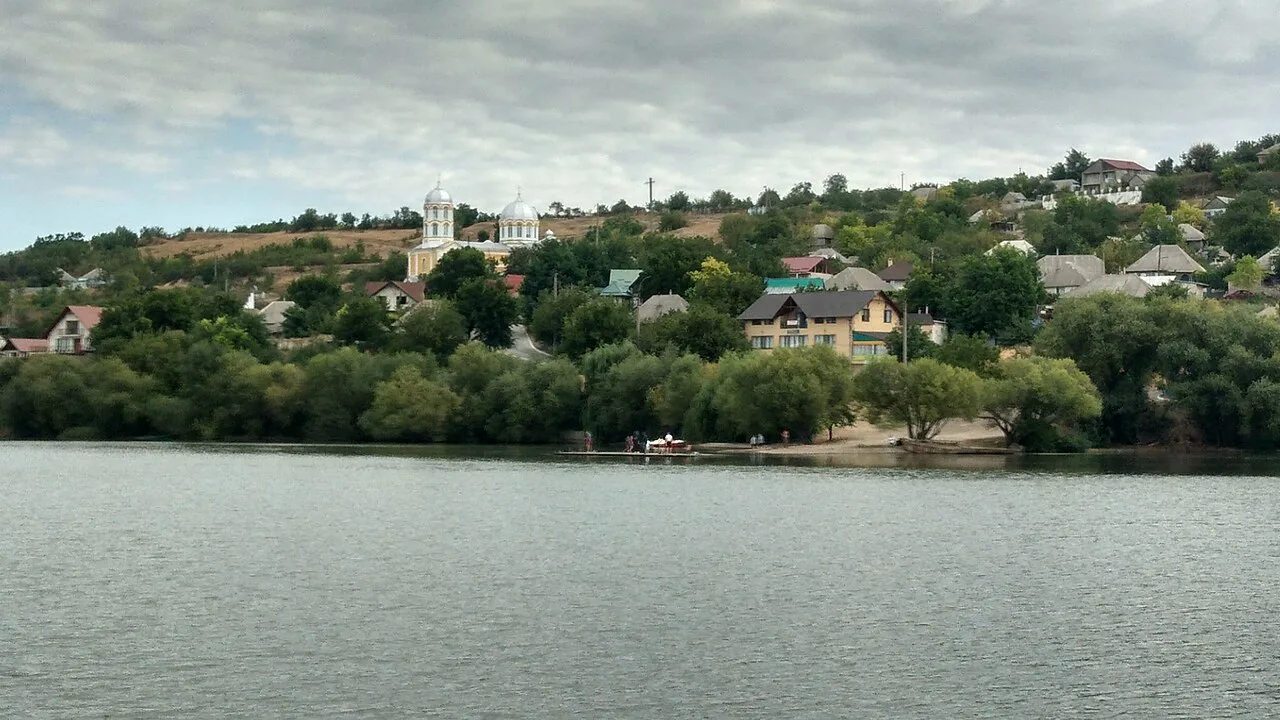
Molovata Cliffs
The Molovata Cliffs offer a spectacular view over the widest part of the Dniester reservoir.
Learn more →
Pommer Mansion (Țaul)
The Pommer Mansion is located within the largest landscape park in Moldova.
Learn more →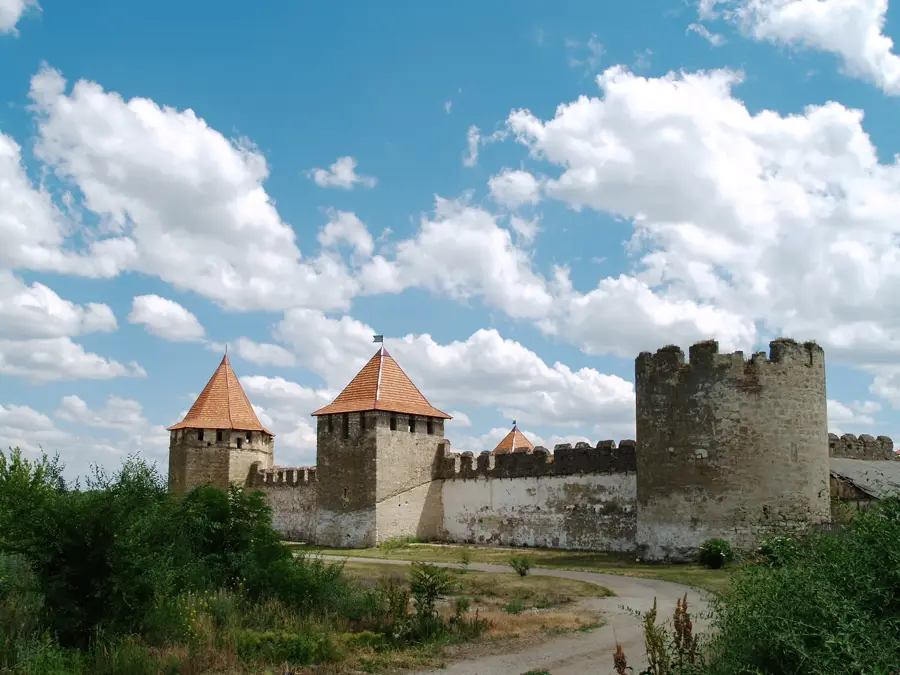
Bender Fortress (Tighina)
Bender Fortress is a massive 16th-century Ottoman fortification located on the right bank of the Dniester River.
Learn more →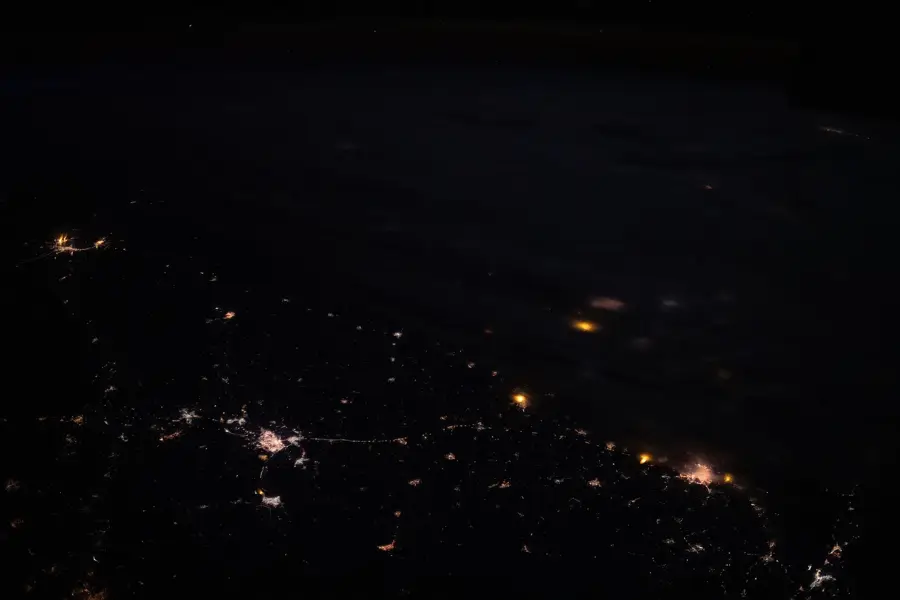
Prut Toltry
The Prut Toltry are a chain of limestone hills in northwestern Moldova, formed millions of years ago as coral reefs.
Learn more →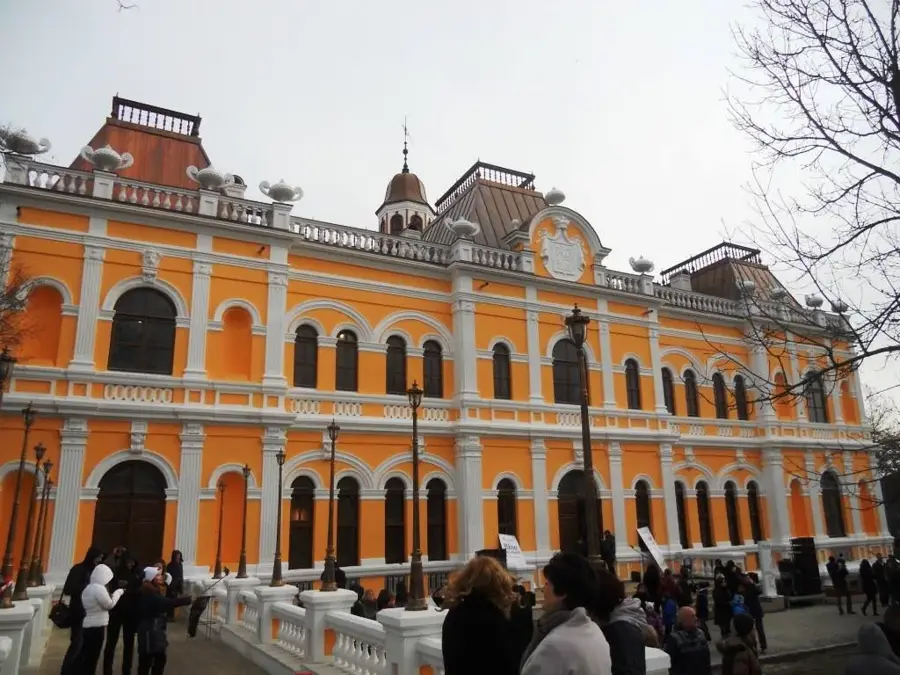
Manuc Bey Mansion
Manuc Bey Mansion in Hîncești is a splendid architectural ensemble designed in the French Classicism style.
Learn more →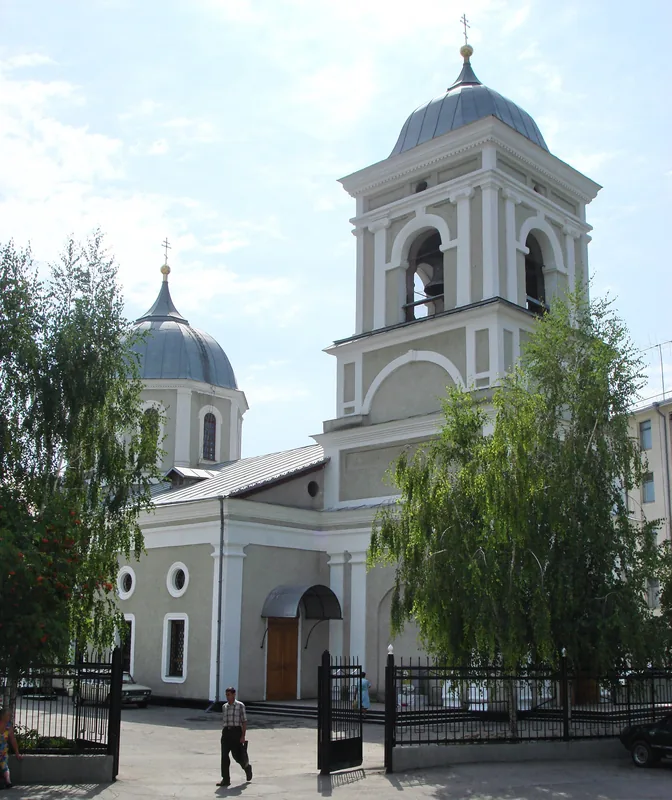
Transfiguration Cathedral (Bender)
The Transfiguration Cathedral is the architectural landmark of Bender.
Learn more →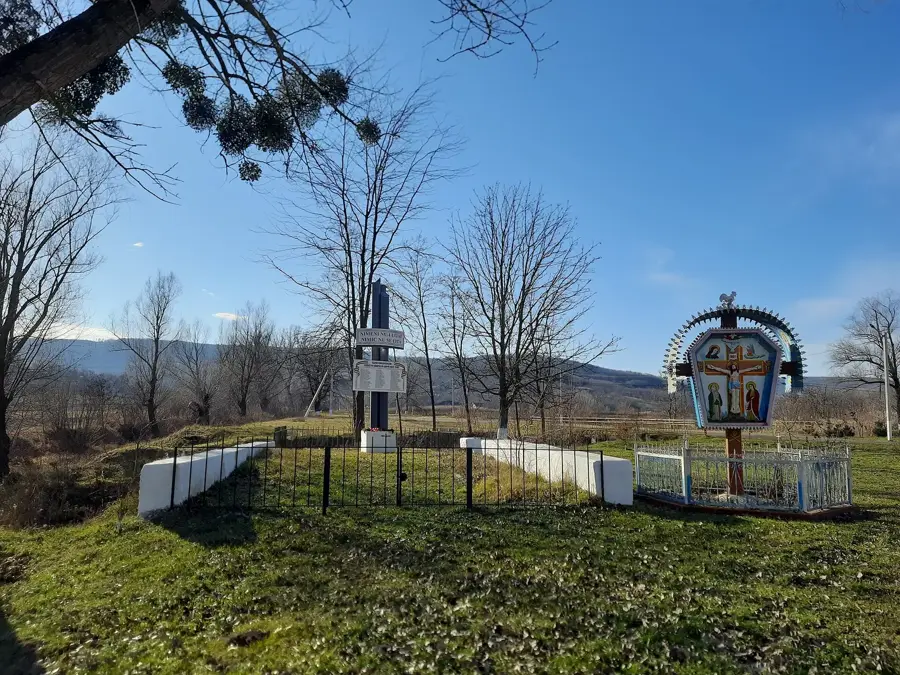
Codru Highlands
The Codru Highlands form the geographical center of Moldova, characterized by highly fragmented hills and deep valleys.
Learn more →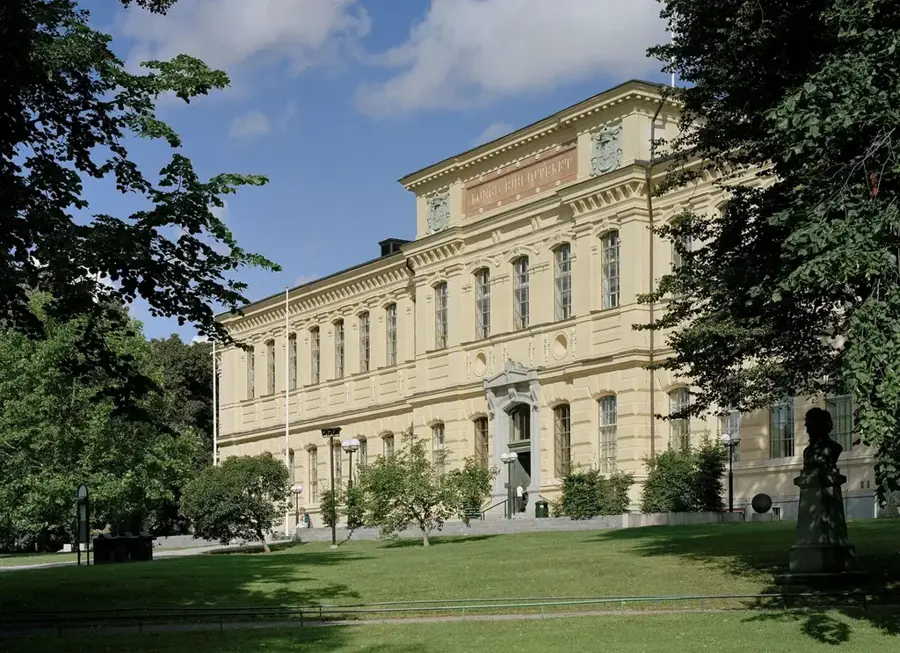
National Library of Moldova
The National Library of the Republic of Moldova was founded in 1832 and houses over 2.5 million items.
Learn more →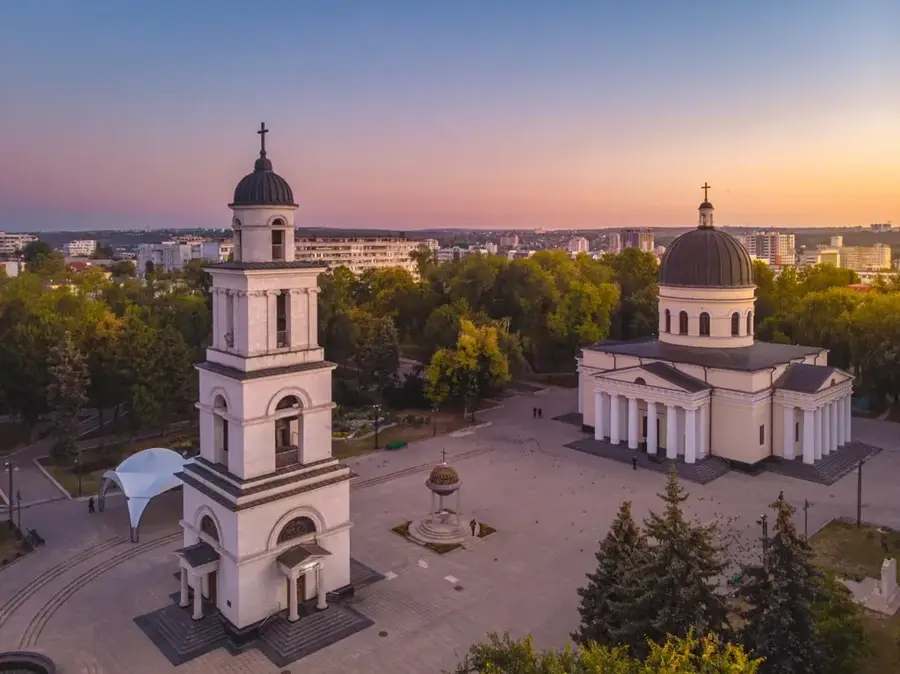
Nativity Cathedral (Chișinău)
The Metropolitan Cathedral in Chișinău is the city's primary Orthodox place of worship.
Learn more →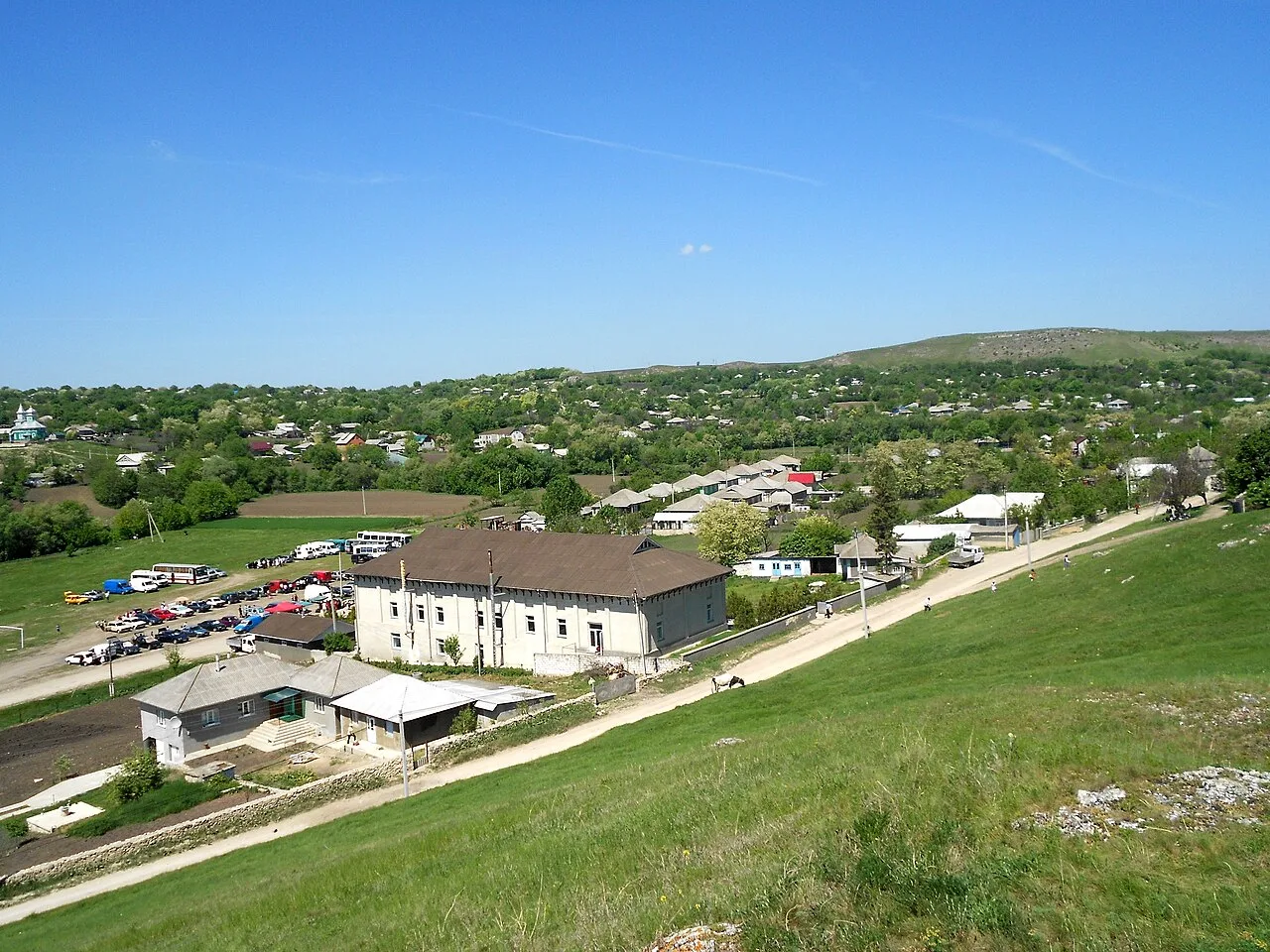
Moldavian Switzerland (Fetești)
The area around Fetești village is nicknamed 'Moldavian Switzerland' due to its dramatic limestone formations and deep valleys.
Learn more →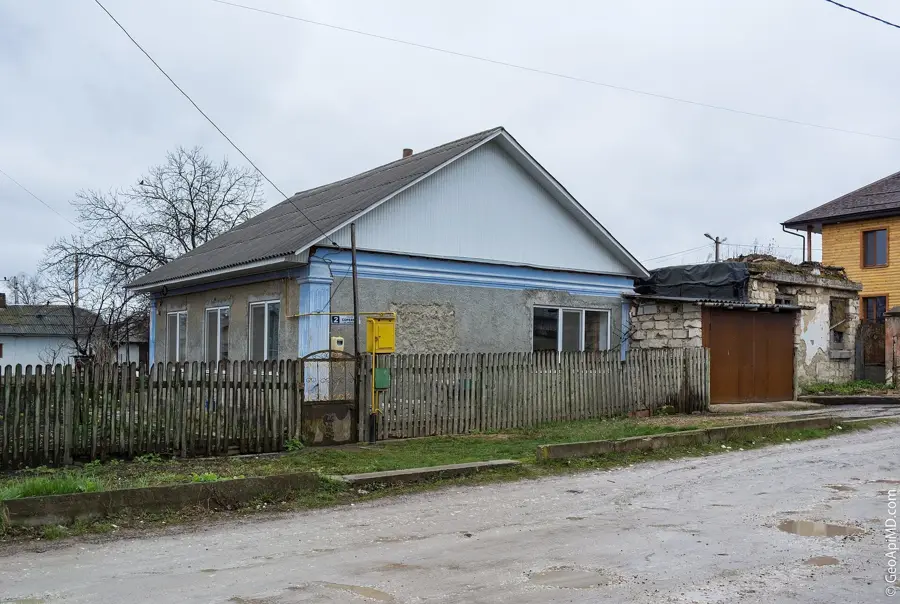
Bălți Steppe
The Bălți Steppe is a hilly plain in northern Moldova, famous for its fertile chernozem soils.
Learn more →
The Hundred Hills
The Hundred Hills (Suta de Movile) is a unique geological phenomenon on the banks of the Prut.
Learn more →
Lăpușna Hills
The Lăpușna Hills are part of the southwestern Codru Highlands.
Learn more →
Ciuluc-Soloneț Hills
The Ciuluc-Soloneț Hills are located between the Bălți Steppe and the Dniester Plateau.
Learn more →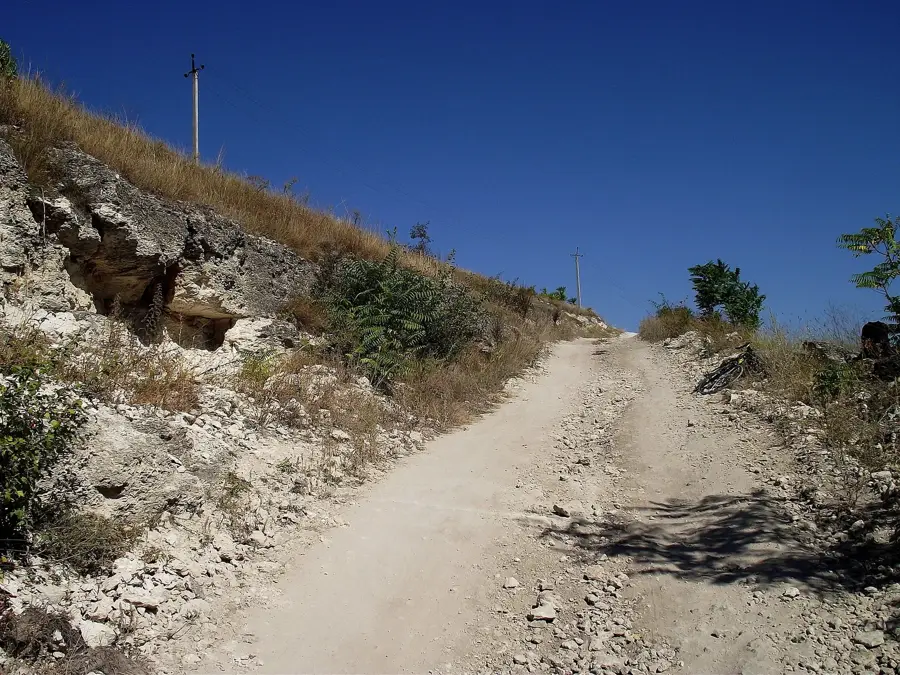
Butuceni
An authentic Moldovan village within the Orheiul Vechi complex, famous for its cave monasteries carved into limestone cliffs and traditional blue-pai…
Learn more →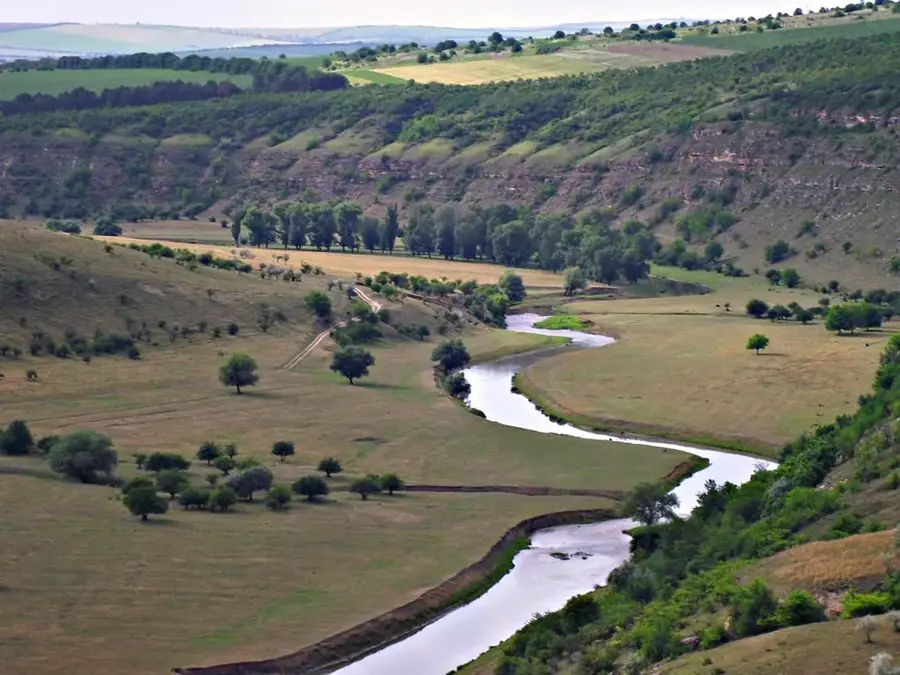
Cogâlnic Plain
The Cogâlnic Plain stretches across the south-central part of Moldova.
Learn more →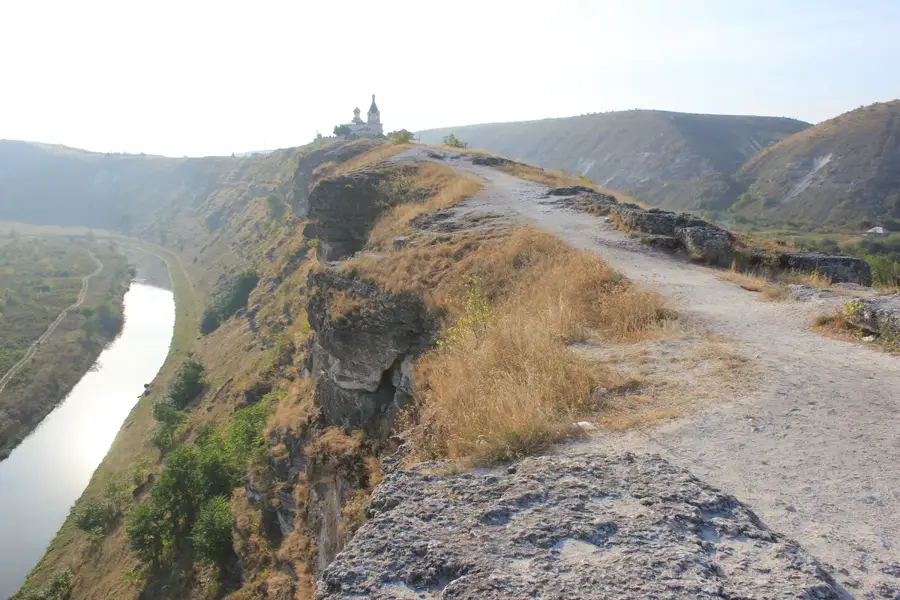
Old Orhei Cave Monastery
The cave monastery is part of an archaeological complex carved into limestone cliffs overlooking the Răut River.
Learn more →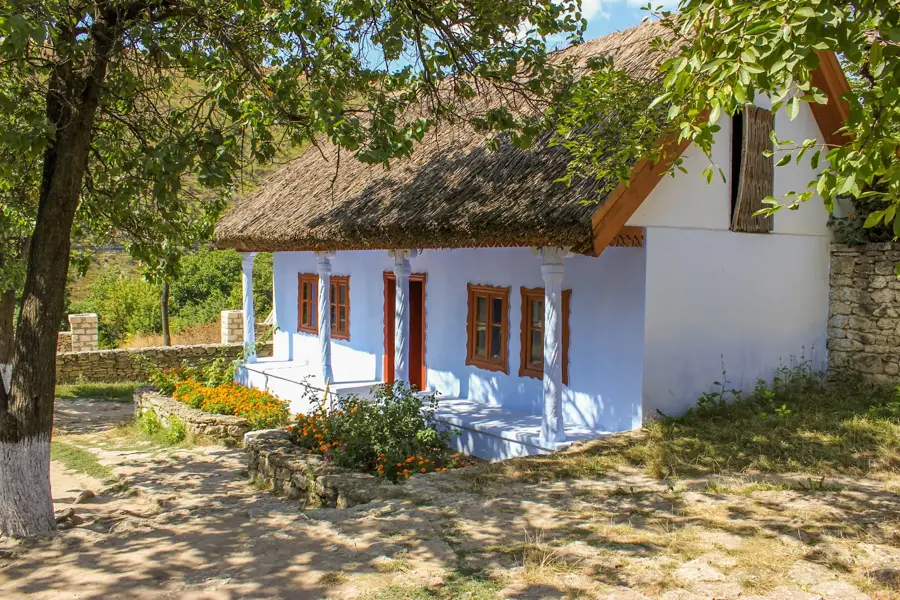
Trebujeni
A picturesque village in the Răut valley that, along with Butuceni, forms the historical heart of Orheiul Vechi, known for its traditional rural life…
Learn more →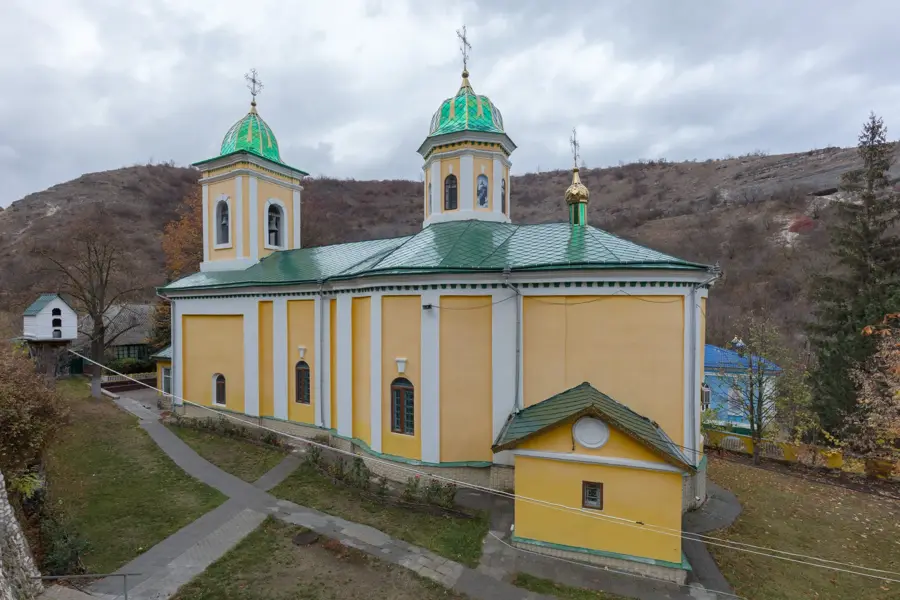
Saharna
A major spiritual center of Moldova, famous for its cave monastery, the Holy Trinity Monastery, and 22 scenic waterfalls on the Saharna River.
Learn more →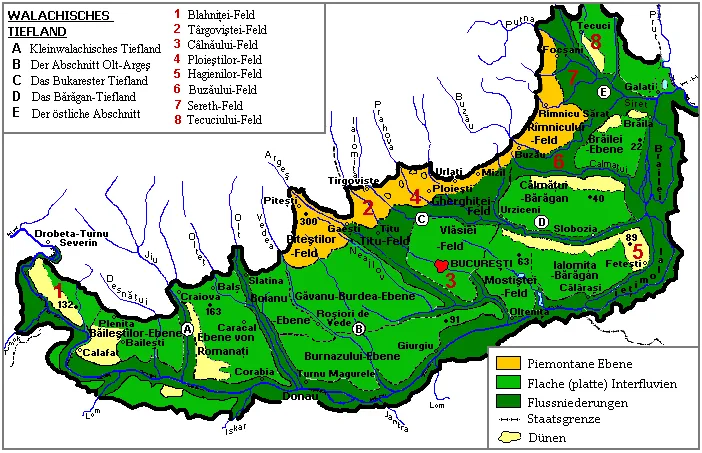
Lower Prut Plain
The Lower Prut Plain is the southernmost part of Moldova.
Learn more →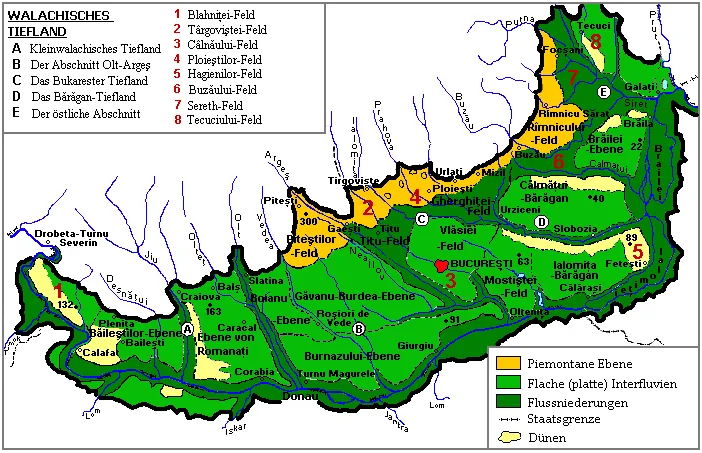
Middle Prut Plain
The Middle Prut Plain is located in northwestern Moldova along the Prut River.
Learn more →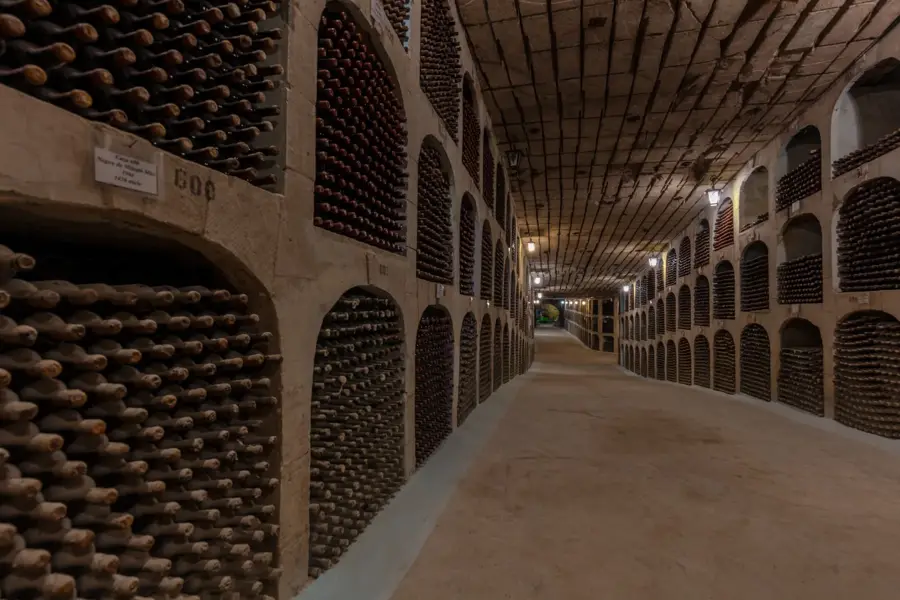
Mileștii Mici
Home to the world's largest wine cellar according to Guinness World Records, featuring over 200 kilometers of underground limestone tunnels.
Learn more →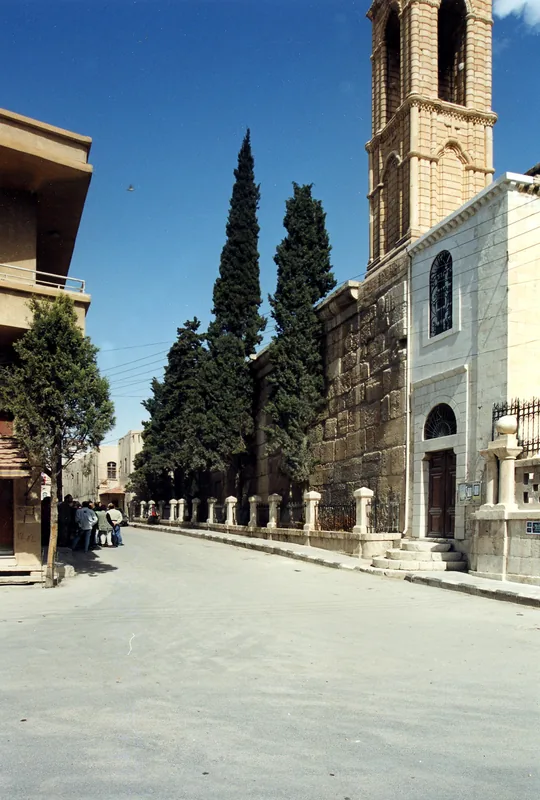
Cathedral of Saints Constantine and Helen
The main cathedral of Bălți, built in Neo-Byzantine style during the interwar period.
Learn more →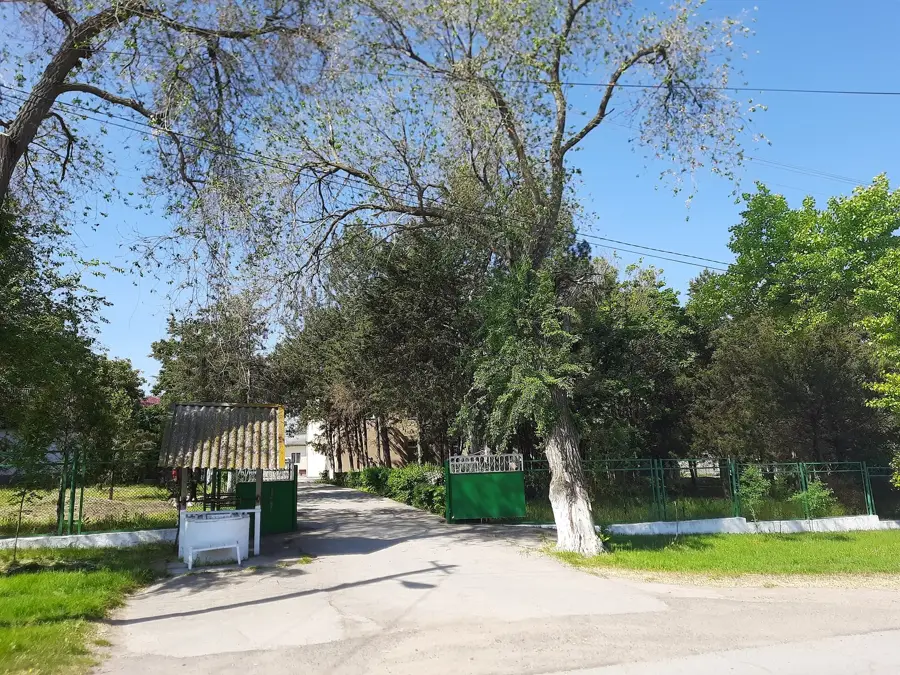
Bulboaca (Castel Mimi)
A magnificent architectural monument and one of the world's most modern wineries, housed in a late 19th-century castle.
Learn more →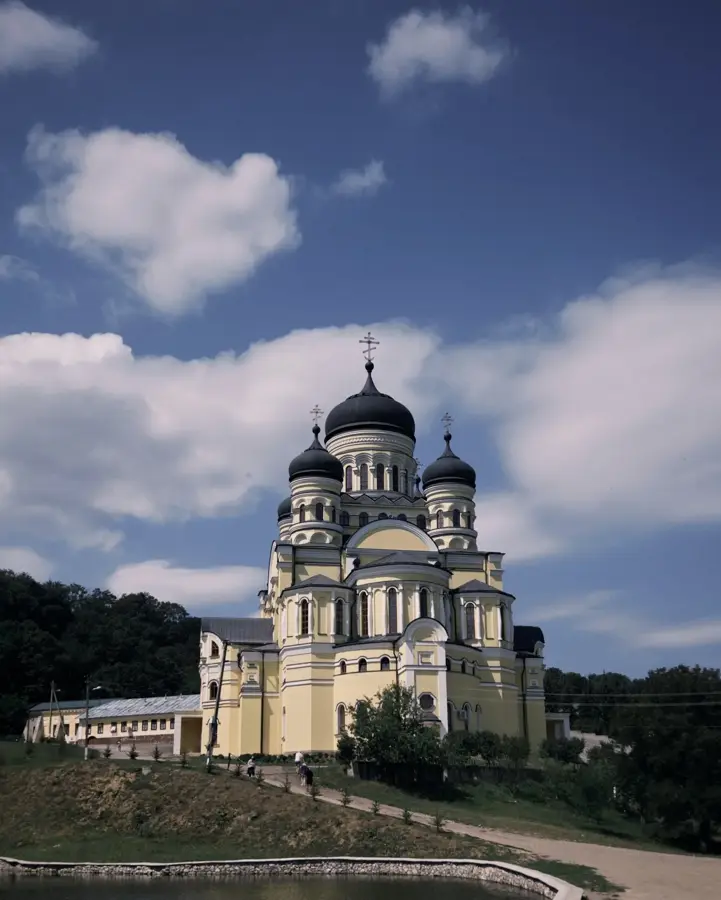
Hâncu Monastery
Hâncu Monastery was founded in 1678 by boyar Mihail Hâncu as a nunnery.
Learn more →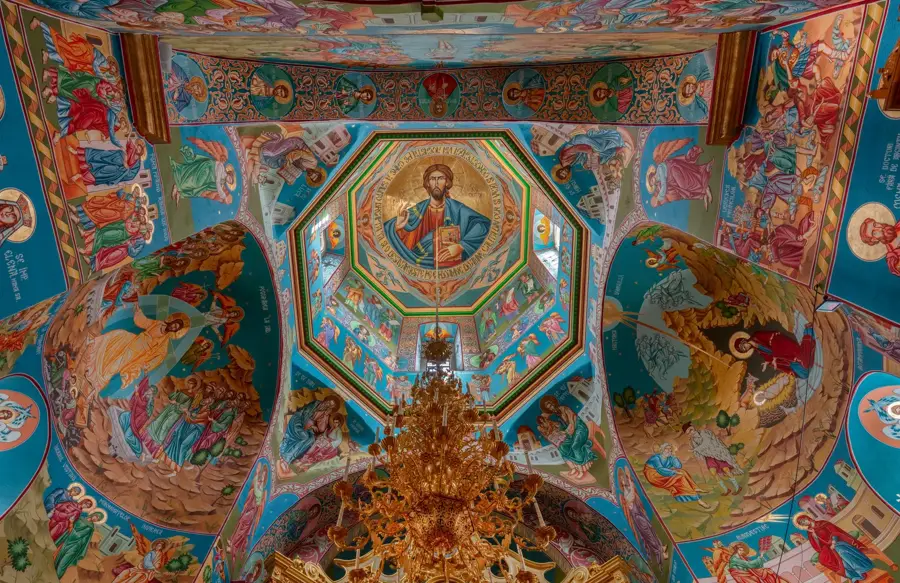
Căpriana
One of the oldest and most significant monasteries in Moldova, located in the heart of the Codri forest, once the seat of the Metropolitan.
Learn more →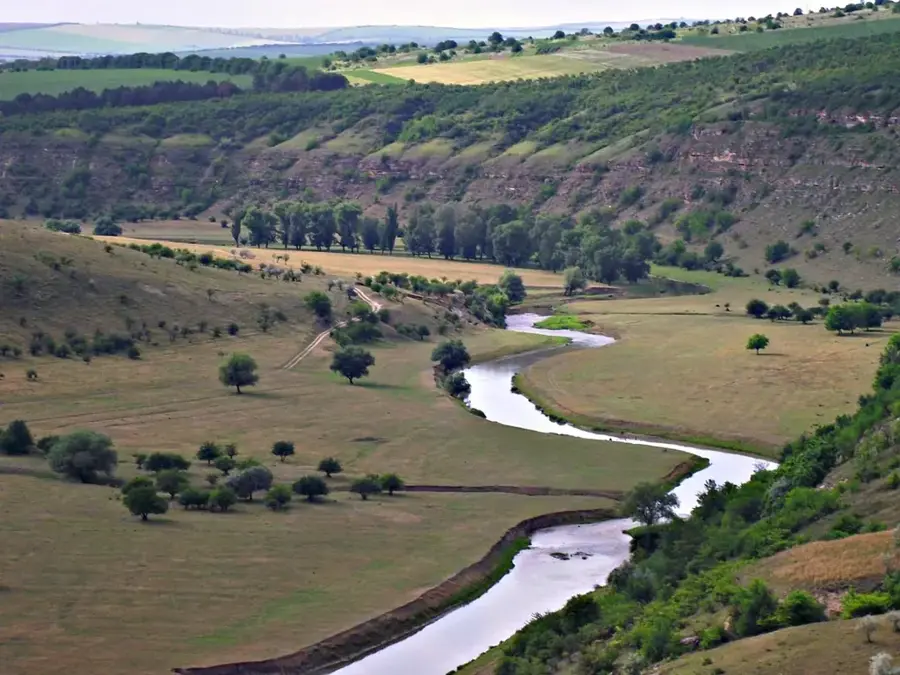
Jeloboc Spring
Jeloboc Spring is the largest natural water source in Moldova.
Learn more →Nature
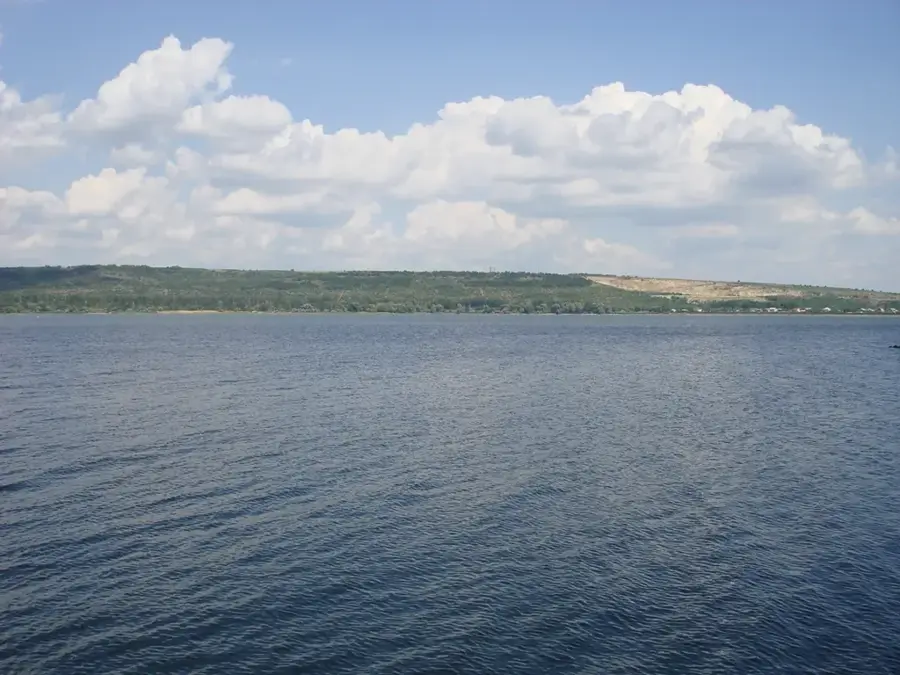
Ghidighici Reservoir
The Ghidighici Reservoir, located northwest of Chișinău, is one of the largest artificial water bodies in the country.
Learn more →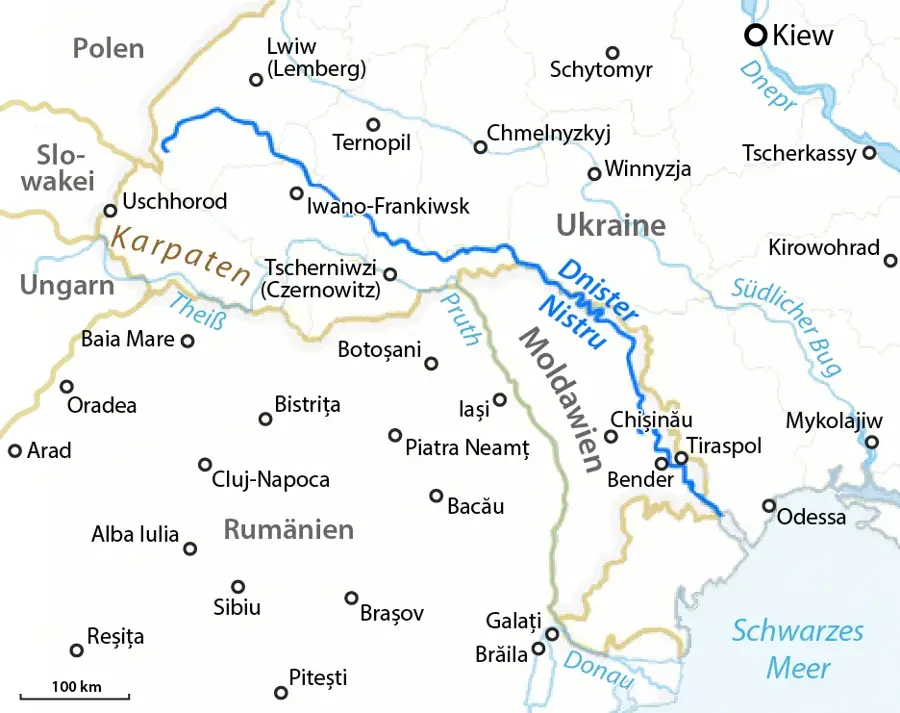
Dubasari Reservoir
This reservoir on the Dniester was created in the 1950s for power generation.
Learn more →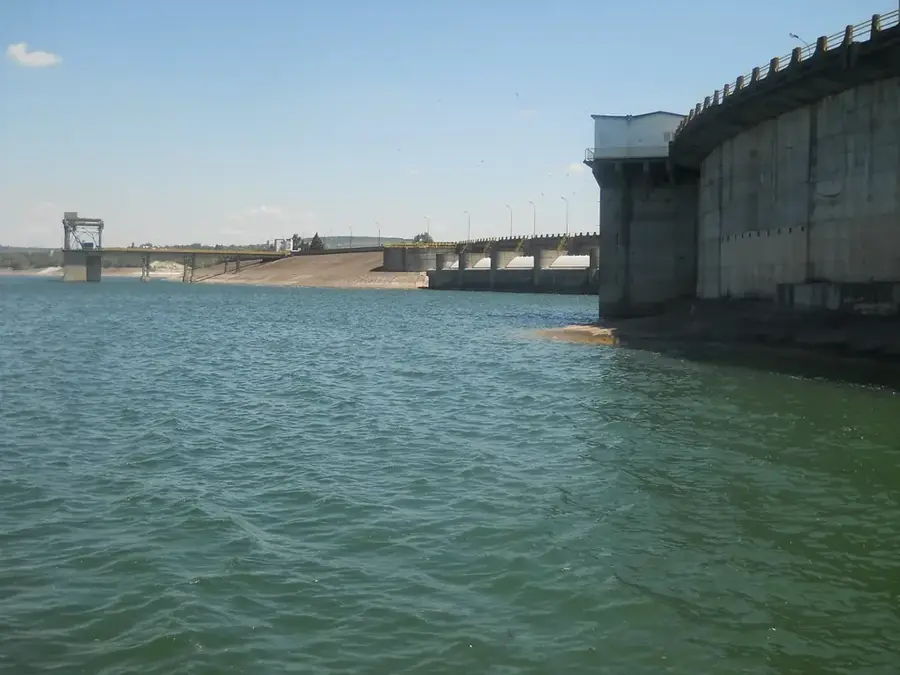
Stinca-Costesti Reservoir
The largest reservoir on the Prut river is often called the 'Moldovan sea'.
Learn more →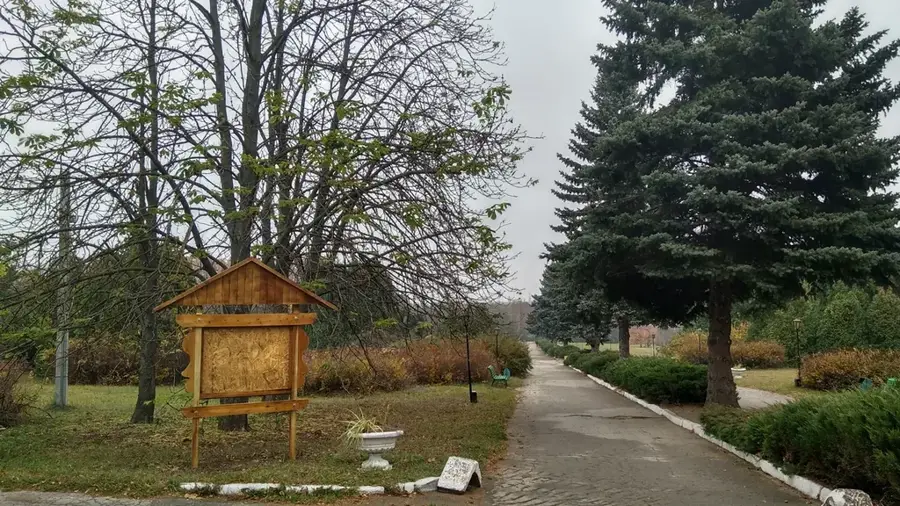
Chișinău Botanical Garden
The Chișinău Botanical Garden covers 76 hectares and features thousands of plant species from around the world.
Learn more →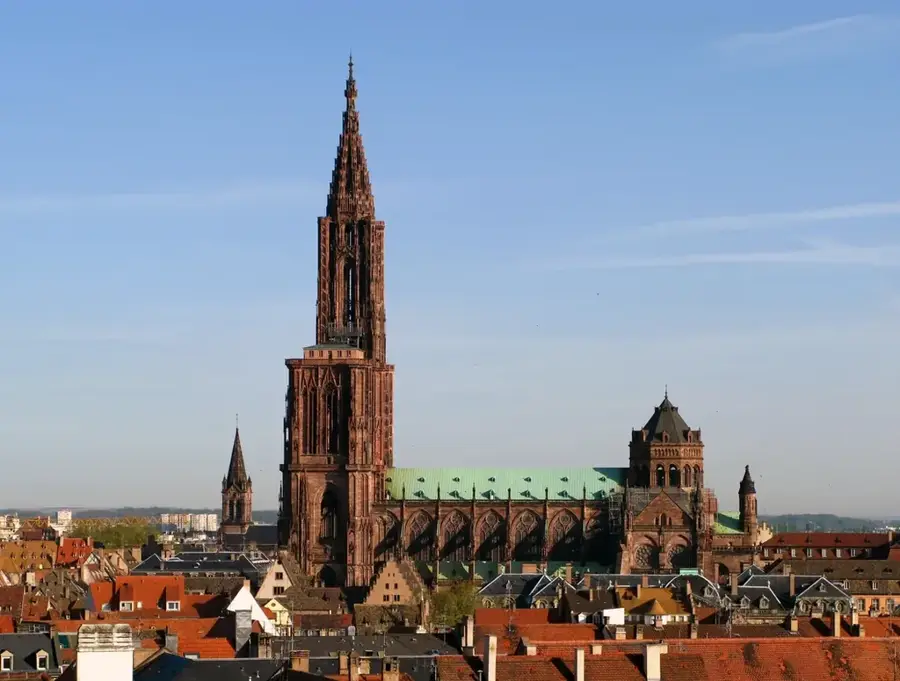
Taul Park
Taul Park is the largest dendrological park in Moldova, surrounding a historical manor house.
Learn more →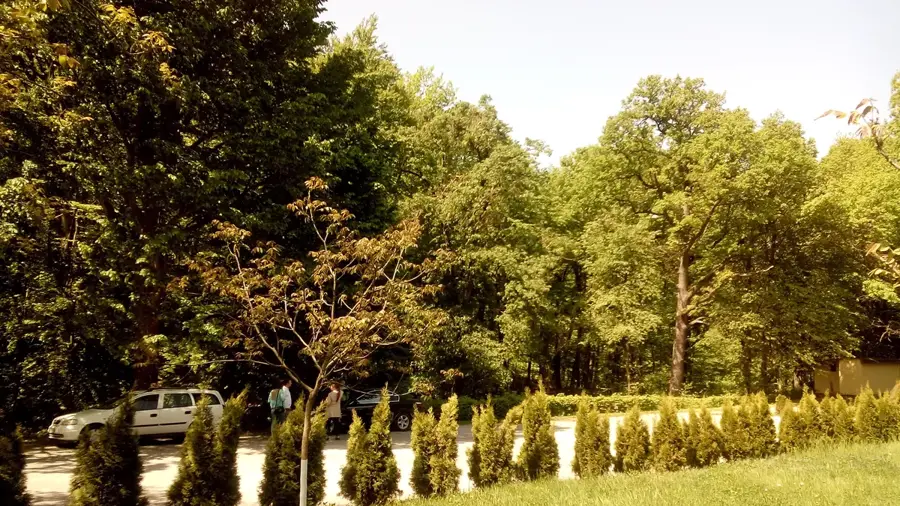
Codru Scientific Reserve
Founded in 1971, Codru Reserve is the oldest protected area in Moldova, preserving the central forest massifs of the country.
Learn more →
Royal Forest
This reserve along the Prut River is famous for its centuries-old oak forests and the reintroduction of European bison.
Learn more →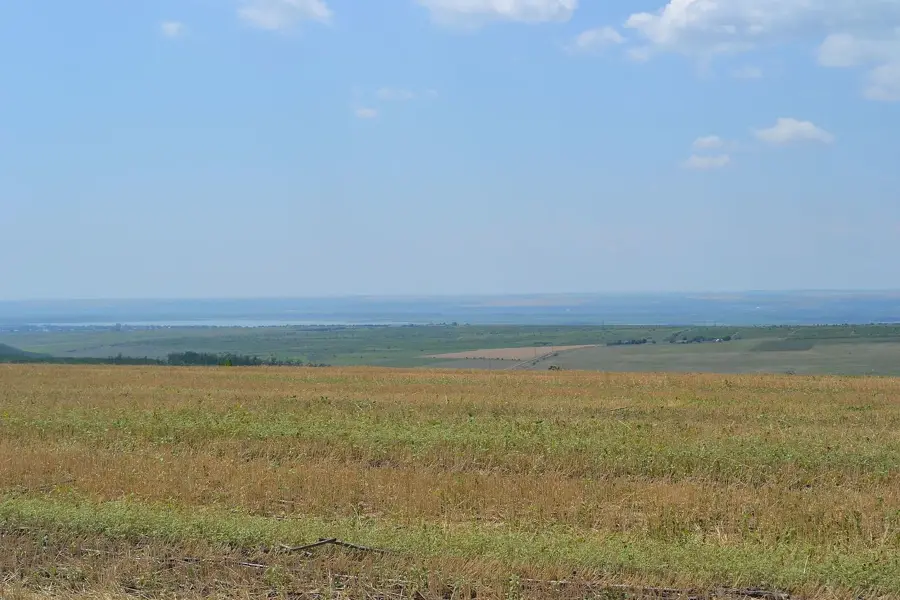
Beleu Lake
Beleu Lake is a relict lake in the Prut valley and the heart of the Lower Prut Reserve.
Learn more →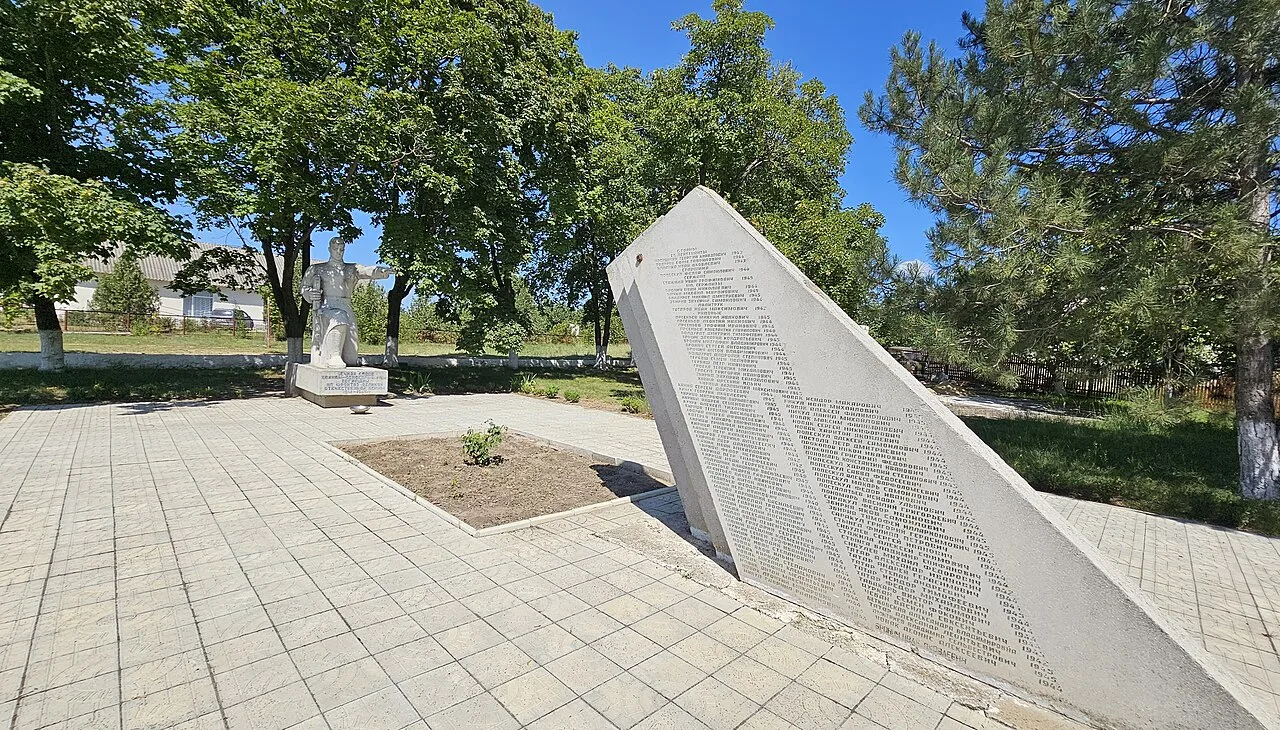
Iagorlic Scientific Reserve
Iagorlic is an aquatic reserve located at the mouth of the river of the same name into the Dniester.
Learn more →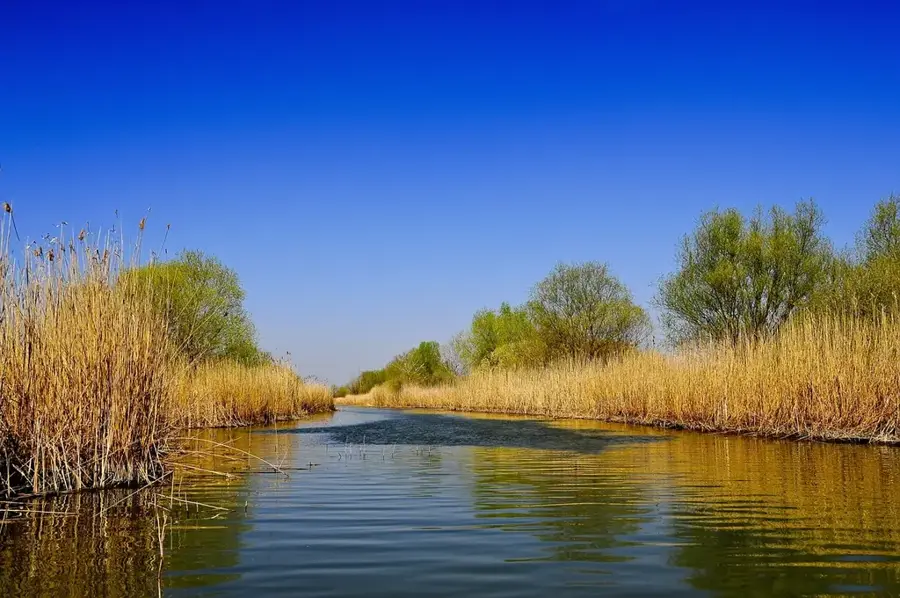
Lower Dniester National Park
This Ramsar site in southeastern Moldova protects the floodplain ecosystems of the Lower Dniester.
Learn more →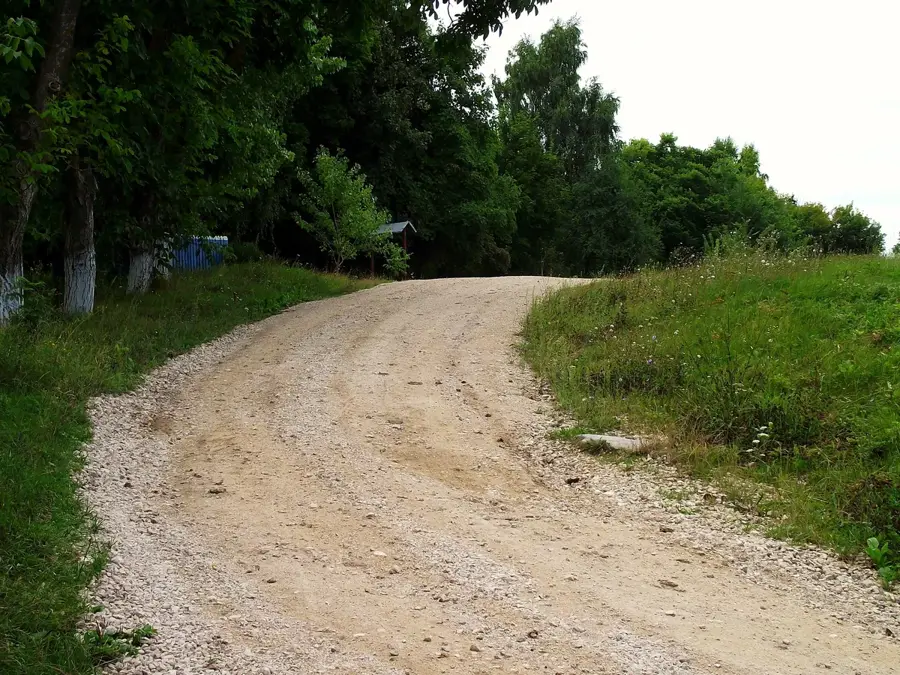
Rudi-Arionesti Reserve
The Rudi-Arionesti Reserve in northern Moldova includes deep forested gorges and cave systems.
Learn more →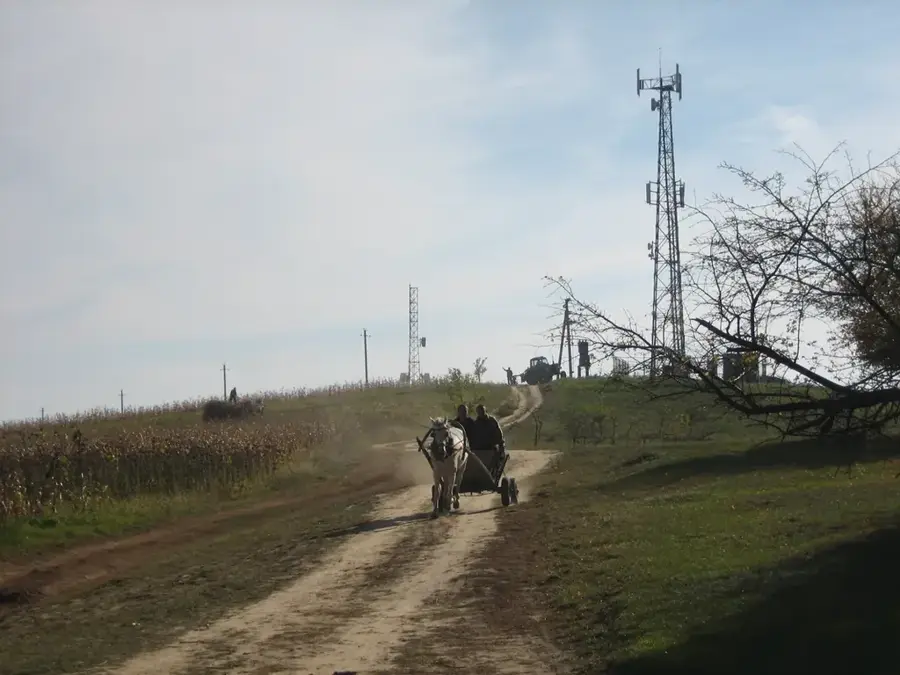
Balanesti Hill
The highest point in Moldova rises in the central part of the country near Ungheni city.
Learn more →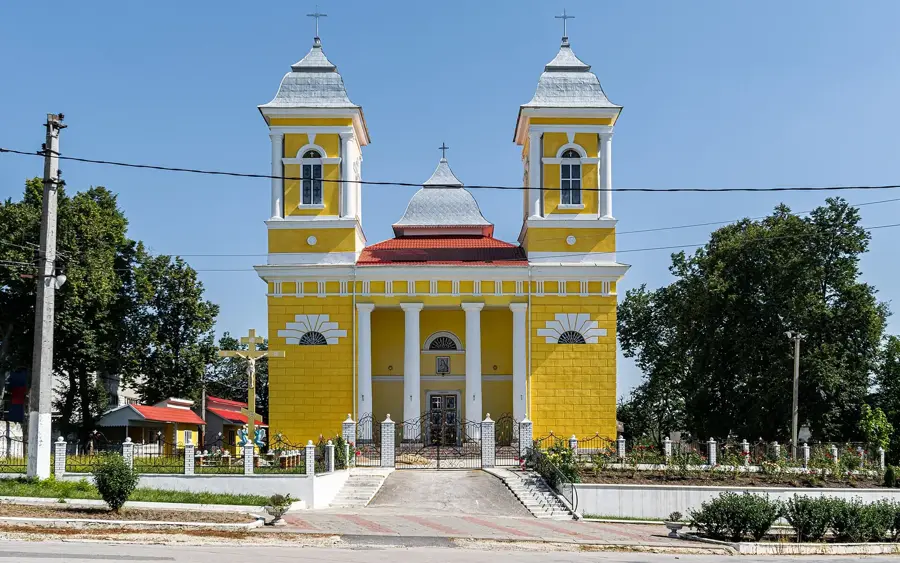
Emil Racovita Cave
One of the largest gypsum caves in the world, hosting a unique underground ecosystem.
Learn more →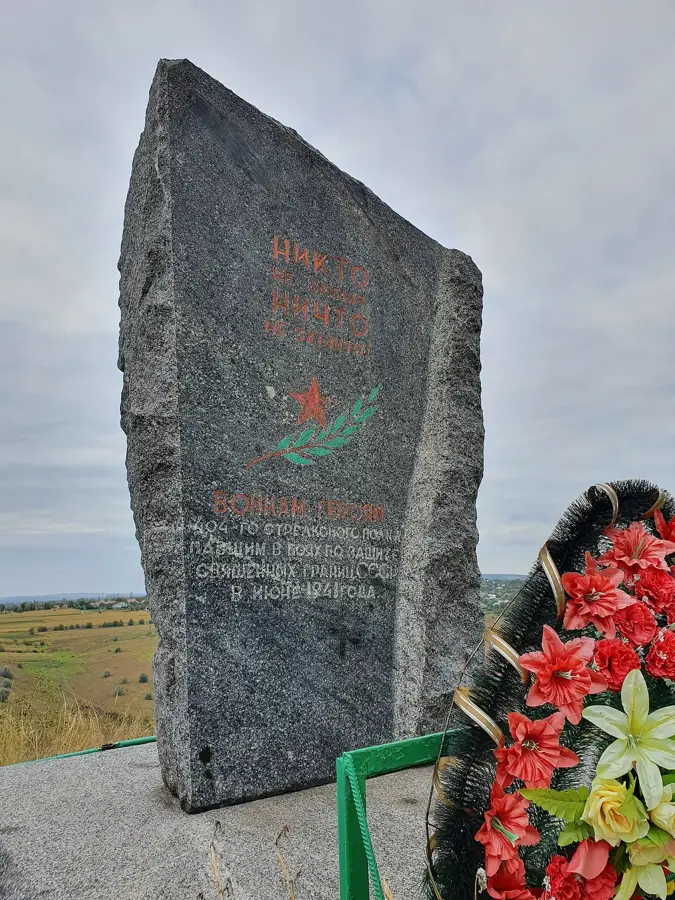
Duruitoarea Veche Gorges
These limestone gorges host important caves inhabited during the Stone Age.
Learn more →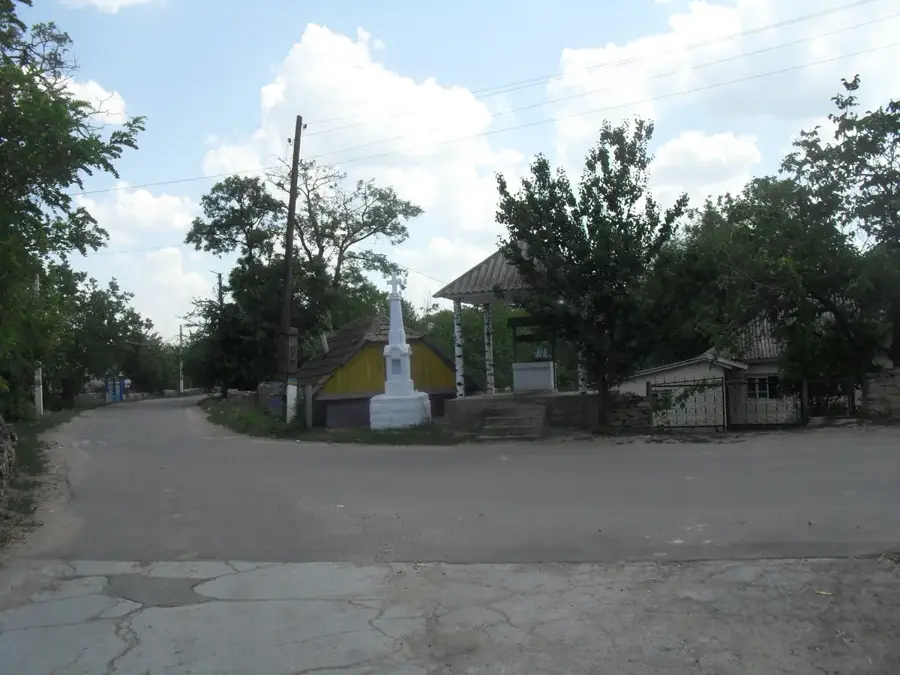
Cosauti Landscape Reserve
Cosauti is known for its geological formations along the Dniester, particularly the granite outcrops.
Learn more →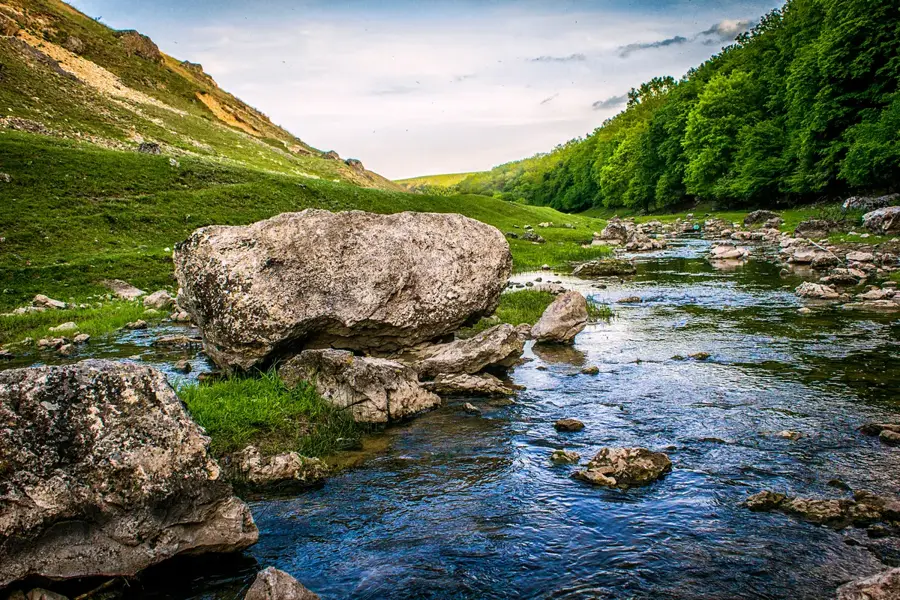
La Castel Landscape Reserve
This reserve in the Racovăț valley impresses with its massive coral reefs and deep erosion valleys.
Learn more →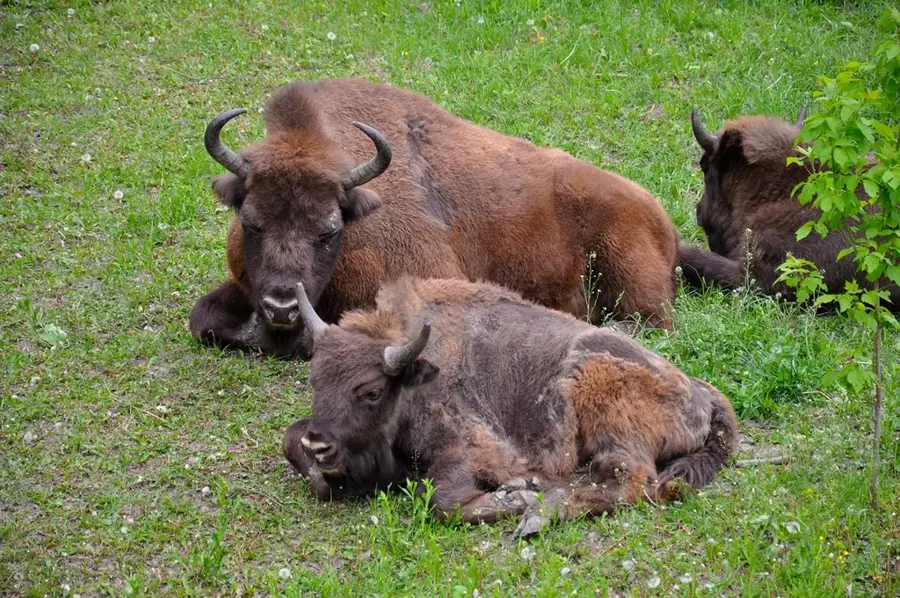
Butesti Reef
The Butesti Reef is a massive limestone formation along the Camenca River.
Learn more →
Naslavcea Hills
The Naslavcea Hills mark the northernmost point of Moldova.
Learn more →Cities & Architecture
Frequently asked questions
What are the top attractions in Moldova?
Among the most popular are Cimișlia Paleontological Site, Struve Geodetic Arc (Rudi), Ghidighici Reservoir, Dubasari Reservoir, Mimi Castle and many more – the full top 50 list is on this page.
When is the best time to visit Moldova?
May to October offers the most pleasant weather; July and August are warmest and busiest.