Plizio Visual Lab
Lăpușna Hills

Weather…
Water temperature…
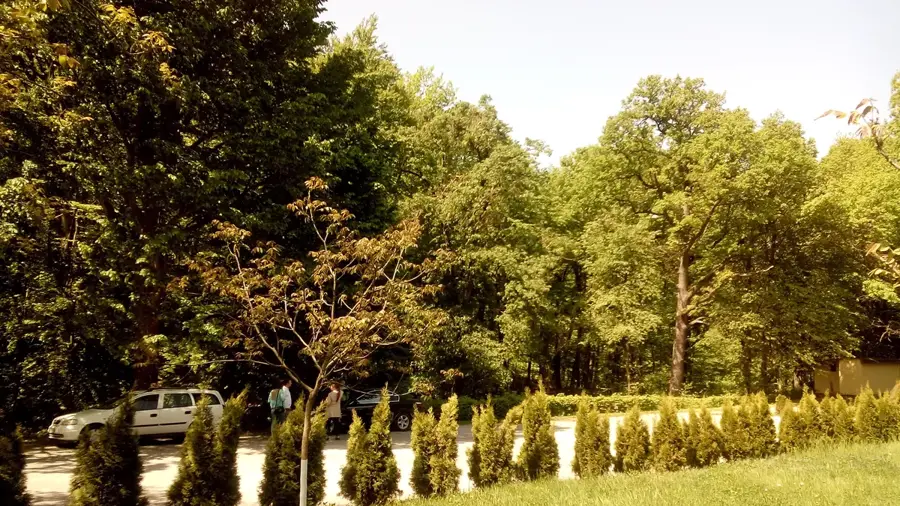
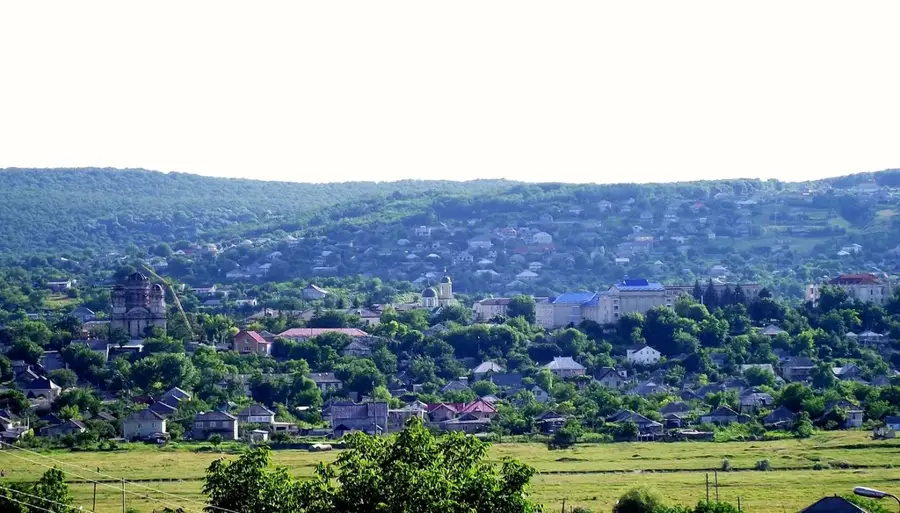
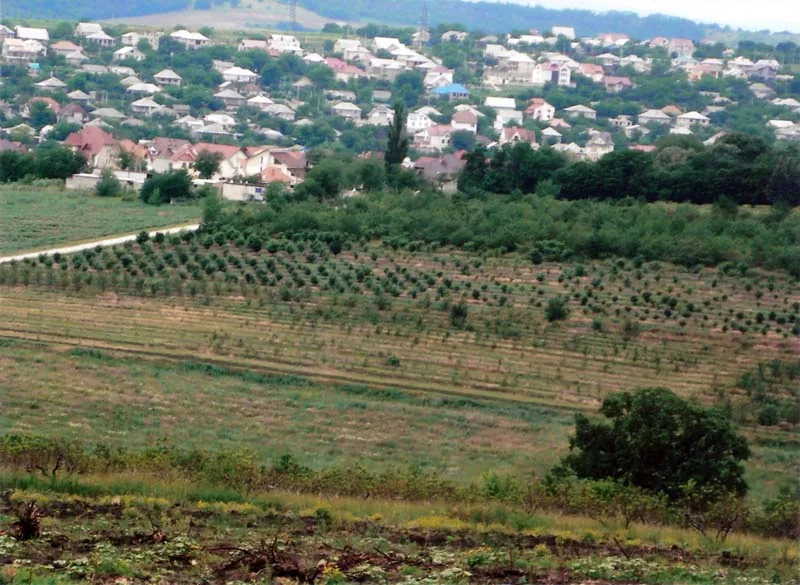
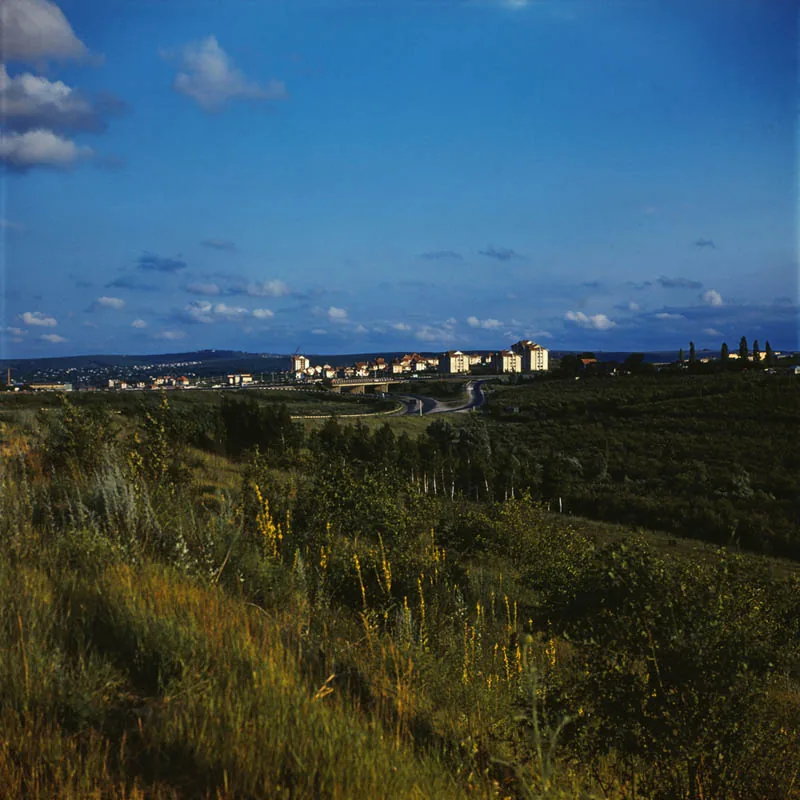
The Lăpușna Hills are part of the Central Moldavian Plateau, known as the Codri, and represent a rolling hilly landscape in western Moldova. The region is characterized by a succession of gentle hills and deep valleys shaped by the erosive activity of rivers such as the Lăpușna. Altitudes typically range between 200 and 350 meters above sea level. A characteristic feature of the relief is the 'hârtoape', large, cauldron-shaped erosional landforms created by landslides and water erosion, which often resemble natural amphitheaters. The soils are highly fertile, allowing for intensive use in viticulture and orcharding, while the hilltops are often crowned with dense beech and oak forests. The hydrological network is dense, with many small ponds and reservoirs located in the valley depressions. The Lăpușna Hills play an important ecological role as part of Moldova's green belt, providing habitat for a rich variety of Central European fauna.
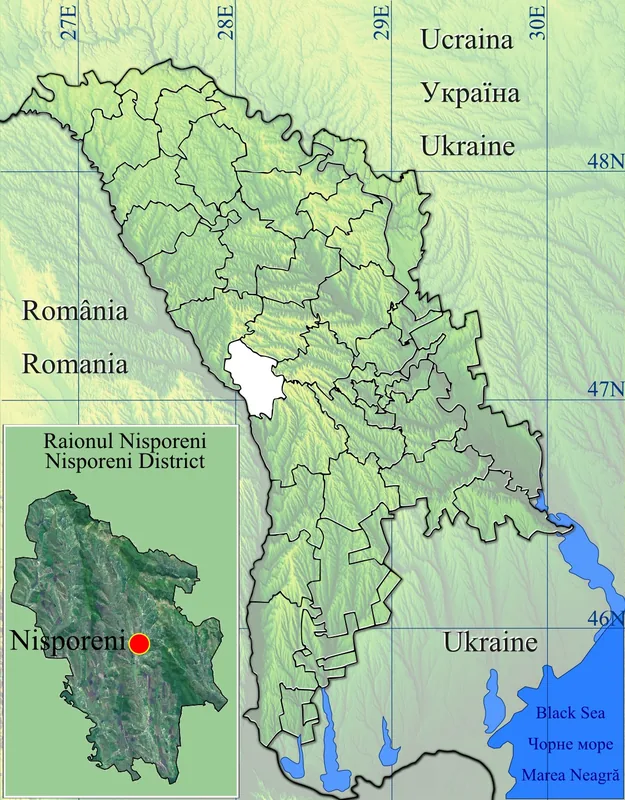
- Location: Moldova
- Nearby: Nisporeni (22 km)
Best time to visit & climate
The most pleasant time to visit is Jun, Aug, Sep.
| Jan | Feb | Mar | Apr | May | Jun | Jul | Aug | Sep | Oct | Nov | Dec | |
|---|---|---|---|---|---|---|---|---|---|---|---|---|
| Avg °C | -4 | -2 | 4 | 10 | 17 | 21 | 24 | 24 | 18 | 10 | 4 | -2 |
| Rain mm | 41 | 33 | 38 | 40 | 52 | 70 | 61 | 36 | 39 | 46 | 42 | 40 |
📋 Practical info
Geography
Facts
- Part of the Central Moldavian Plateau (Codri)
- Altitudes vary between 200 and 350 meters
- Characterized by amphitheater-like 'hârtoape' erosion
- The Lăpușna River is the primary watercourse
- Hilltops are covered with deciduous oak and beech forests
- Highly significant region for Moldovan viticulture
Explore nearby
Notable places around


Route planner — Car & Motorhome
Where do you start? We build the route here, with stops and country notes along the way.
© OpenStreetMap contributors · OpenRouteService
Sights nearby
Frequently asked questions
How high are the Lăpușna Hills?
When is the best time to visit?
Are there marked hiking trails?
What can you see nearby?
Is the region family-friendly?
Lăpușna Hills: where is it located?
Lăpușna Hills: when is the best time to visit?
Lăpușna Hills: why is it worth visiting?

Nearby cities
History & landmarks

Nature
More places