Plizio Visual Lab
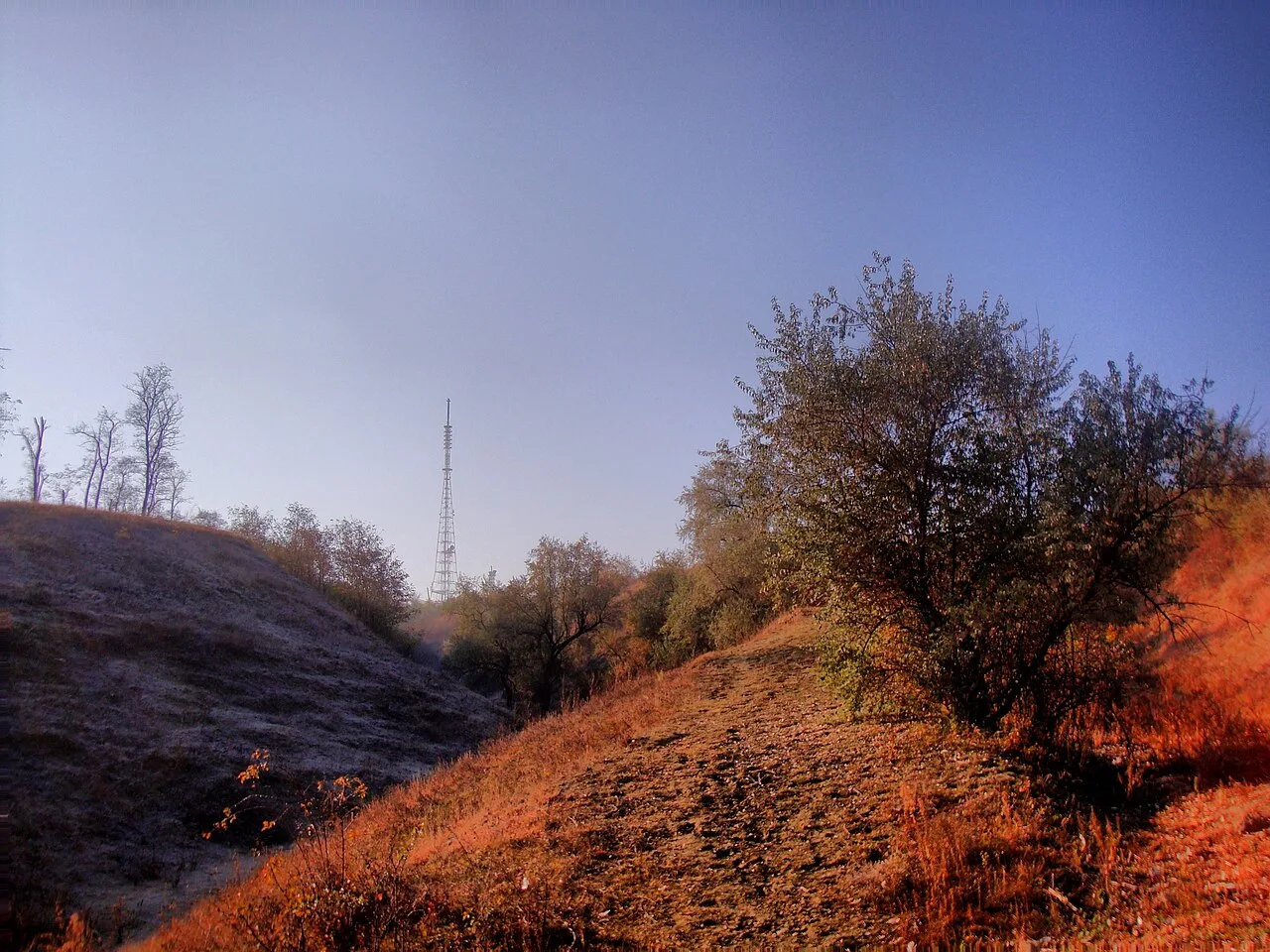
Cimișlia Paleontological Site
Weather…
Water temperature…
The Cimișlia Paleontological Site is a globally significant location for fossilized vertebrates dating back to the late Miocene epoch, approximately 5 to 7 million years ago. Discovered in the 1950s, this site has yielded thousands of bone fragments belonging to the so-called 'Hipparion fauna.' Among the most spectacular finds are the remains of ancient horses (Hipparion), mastodons, rhinoceroses, giraffes, and various carnivores that once inhabited a savanna-like landscape in southern Moldova. This concentration of fossils is believed to have resulted from catastrophic floods that washed animal herds into a single area and rapidly covered them with sediment. For scientists, Cimișlia has invaluable insights into the climatic and environmental changes in Southeast Europe during the Tertiary period. The fossils are now displayed in museums in Chișinău and internationally, while the excavation site itself is under state protection. It serves as a unique window into a long-gone era, documenting the region's past tropical to subtropical biodiversity.
- Location: Moldova
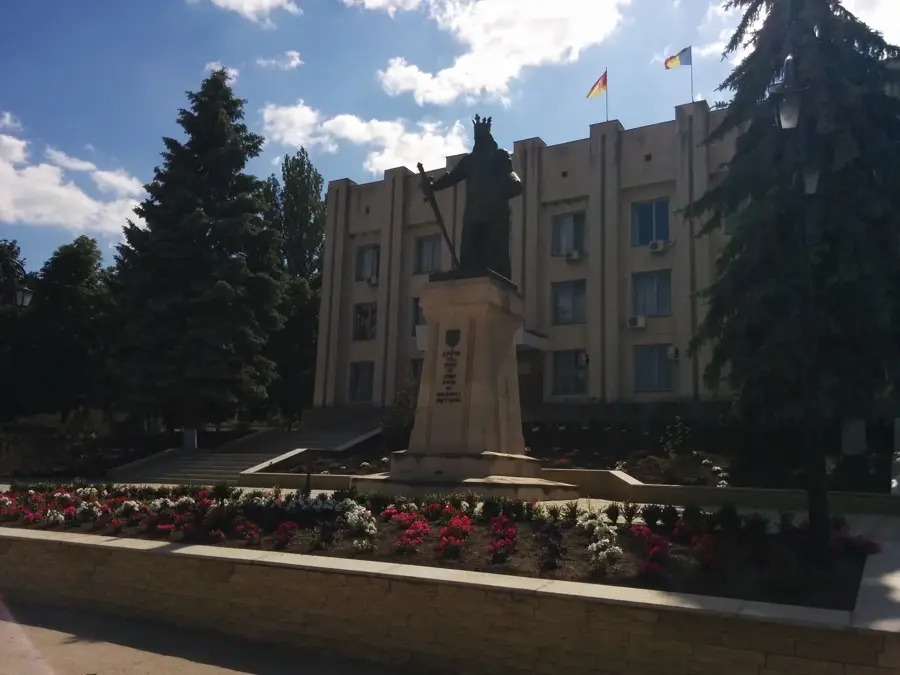
- Top sights: Monumentul Victimelor Catastrofei de la Cernobâl · Școala Sportivă Cimișlia · Teatrul de vară din parcul Copilăriei
- Nearby: Comrat (26 km)
Best time to visit & climate
The most pleasant time to visit is Jun, Aug, Sep.
| Jan | Feb | Mar | Apr | May | Jun | Jul | Aug | Sep | Oct | Nov | Dec | |
|---|---|---|---|---|---|---|---|---|---|---|---|---|
| Avg °C | -3 | -1 | 4 | 10 | 17 | 22 | 24 | 24 | 18 | 11 | 5 | -1 |
| Rain mm | 39 | 32 | 36 | 40 | 50 | 65 | 59 | 34 | 37 | 46 | 40 | 40 |
📋 Practical info
Geography
Facts
- The fossils date from the Late Miocene, about 5 to 7 million years ago.
- Over 50 different animal species have been identified at this site.
- Hipparion (an ancient horse) is the most frequently found fossil.
- The site was first scientifically described in 1951.
- It is one of Europe's richest sites for the Hipparion fauna.
- The protected area covers approximately 1.5 hectares.
Explore nearby
Notable places around



Route planner — Car & Motorhome
Where do you start? We build the route here, with stops and country notes along the way.
© OpenStreetMap contributors · OpenRouteService
Sights in the town Cimișlia Paleontological Site (4)
Sights nearby
Frequently asked questions
What is the Cimișlia paleontological site?
Which animals were found here?
How old are the fossils?
Is the site accessible to tourists?
Why is this site important?
Cimișlia Paleontological Site: where is it located?
Cimișlia Paleontological Site: what is there to see?
Cimișlia Paleontological Site: when is the best time to visit?
Cimișlia Paleontological Site: why is it worth visiting?

Nearby cities
History & landmarks
Nature
More places