Plizio Visual Lab
Rudi-Arionesti Reserve
Weather…
Water temperature…
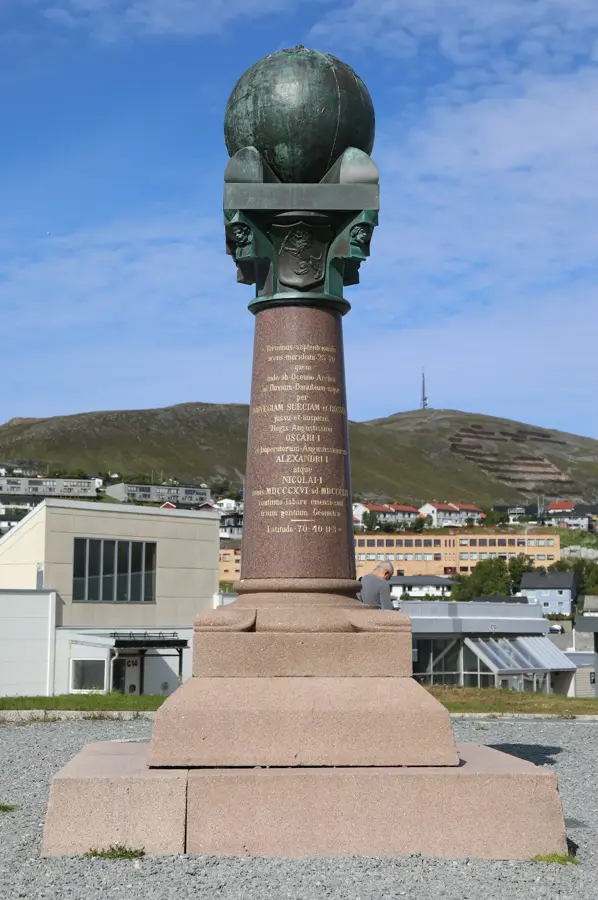
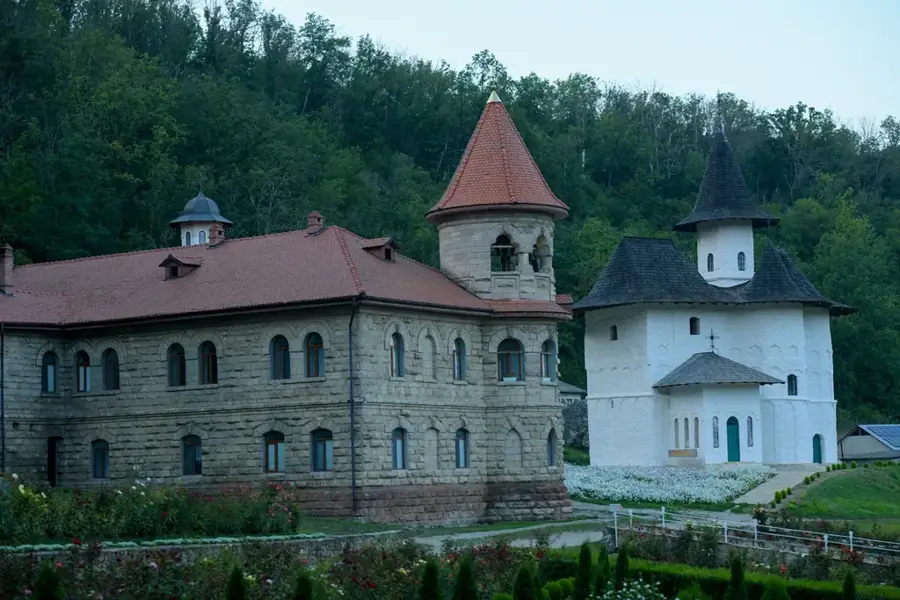
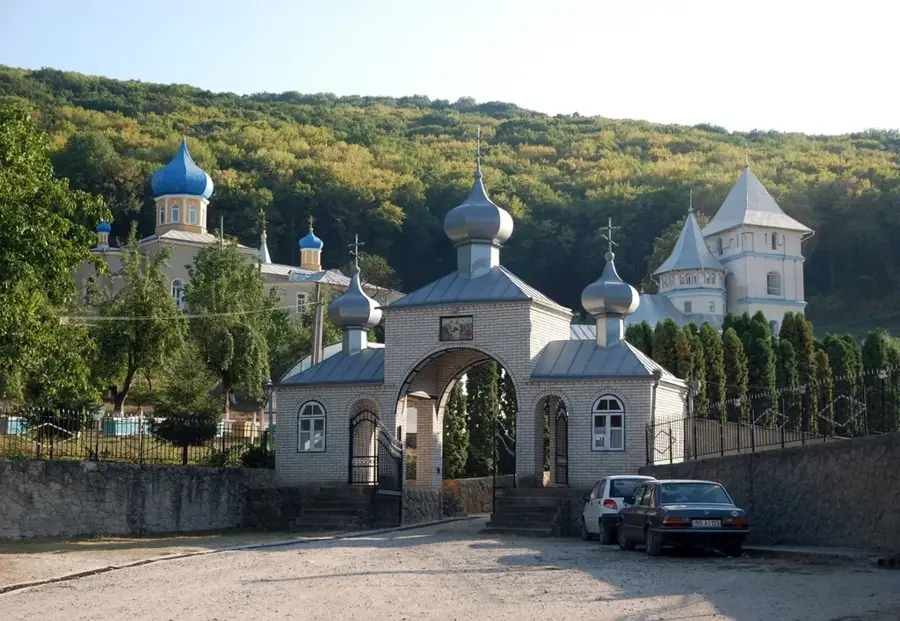
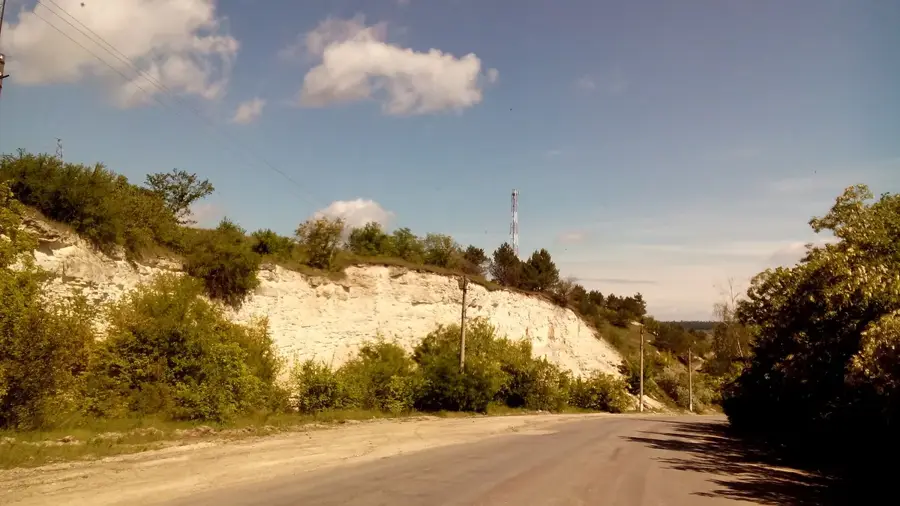
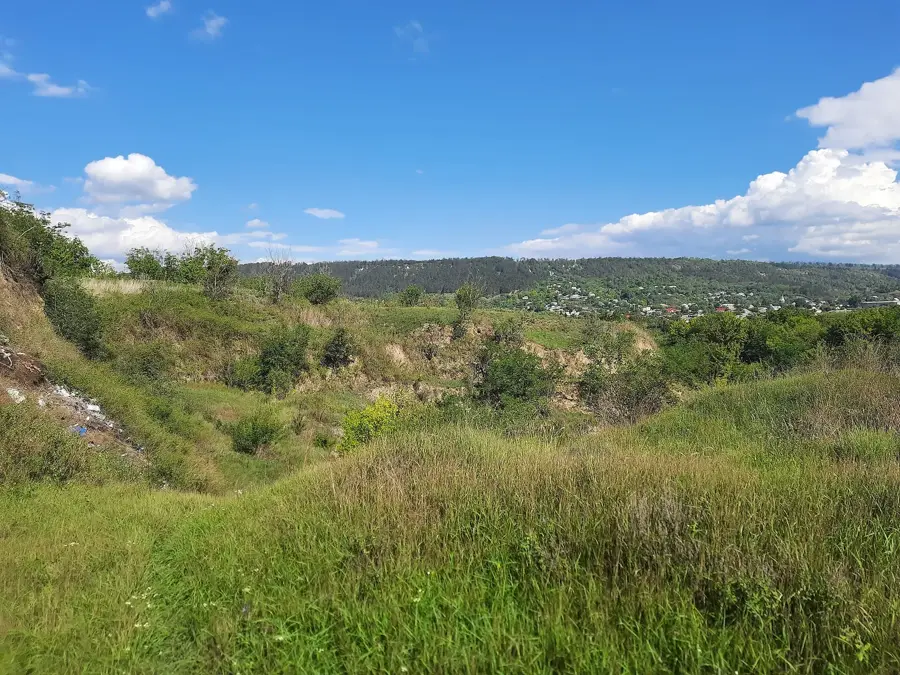
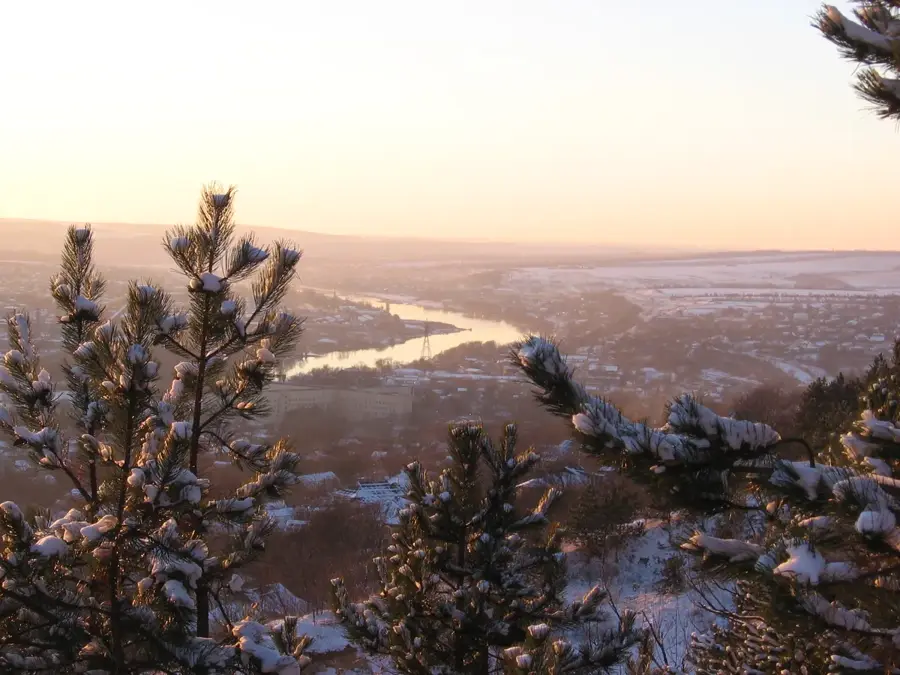
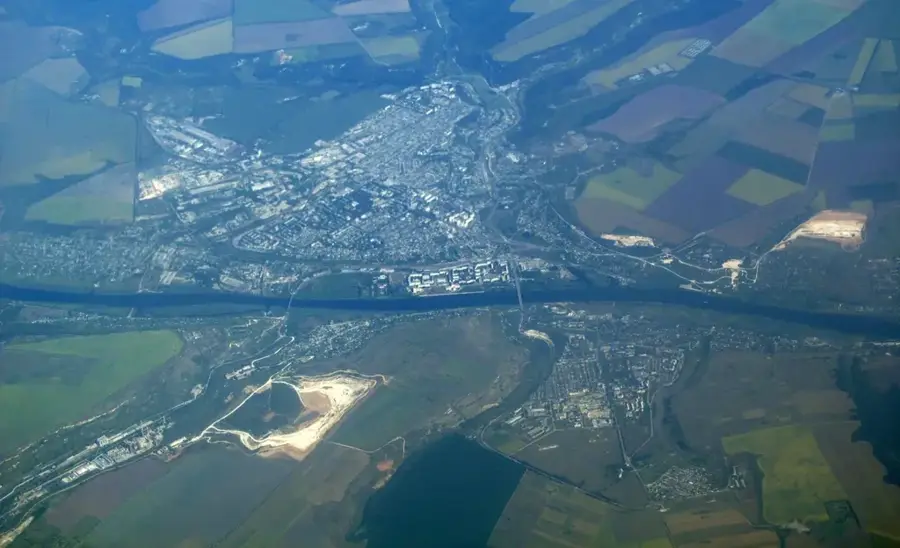
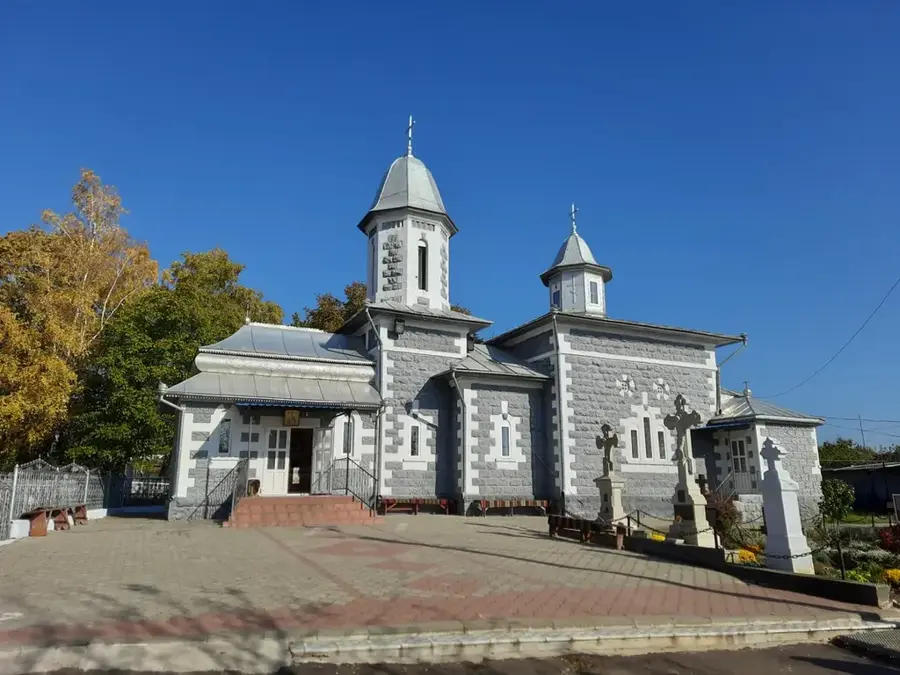
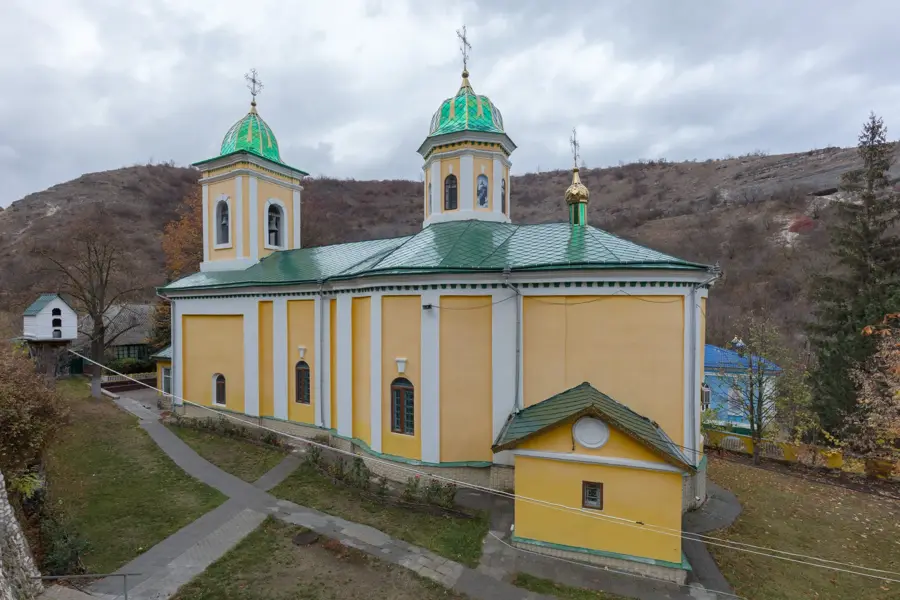
The Rudi-Arionesti Landscape Reserve in northeastern Moldova spans 916 hectares along the steep banks of the Dniester River in the Soroca and Dondușeni districts. This area is famous for its deep canyons, rushing streams, and the mysterious 'Cave of the Dead' (Peștera Răposaților) carved into the limestone cliffside. Geologically, the region is marked by sedimentary layers that offer valuable insights into the prehistoric development of Eastern Europe. The reserve is home to the historical Rudi Monastery, founded in 1777, which is regarded as one of the best-preserved examples of traditional Moldovan sacred architecture. Another major highlight is its proximity to the Struve Geodetic Arc, a UNESCO World Heritage site used to measure the Earth's shape in the 19th century. The dense forests consist primarily of oak, ash, and hornbeam, providing shelter for numerous wildlife species such as roe deer and wild boar. Rudi-Arionesti is not only a natural gem but also a site of deep spirituality and historical significance, impressing visitors with its tranquility and cultural diversity.
- Location: Moldova
- Top sights: Farfuria Turcească · Mănăstirea Rudi · Cascada Bulboana
- Nearby: Otaci (13 km)
Best time to visit & climate
The most pleasant time to visit is Jun–Aug.
| Jan | Feb | Mar | Apr | May | Jun | Jul | Aug | Sep | Oct | Nov | Dec | |
|---|---|---|---|---|---|---|---|---|---|---|---|---|
| Avg °C | -5 | -3 | 2 | 9 | 16 | 19 | 22 | 21 | 16 | 9 | 3 | -3 |
| Rain mm | 36 | 37 | 40 | 43 | 62 | 78 | 75 | 48 | 47 | 44 | 40 | 35 |
📋 Practical info
Geography
Facts
- The reserve covers a total area of 916 hectares.
- Rudi Monastery was constructed in 1777 in the traditional Moldovan style.
- The Cave of the Dead is about 75 meters long and was partially man-made.
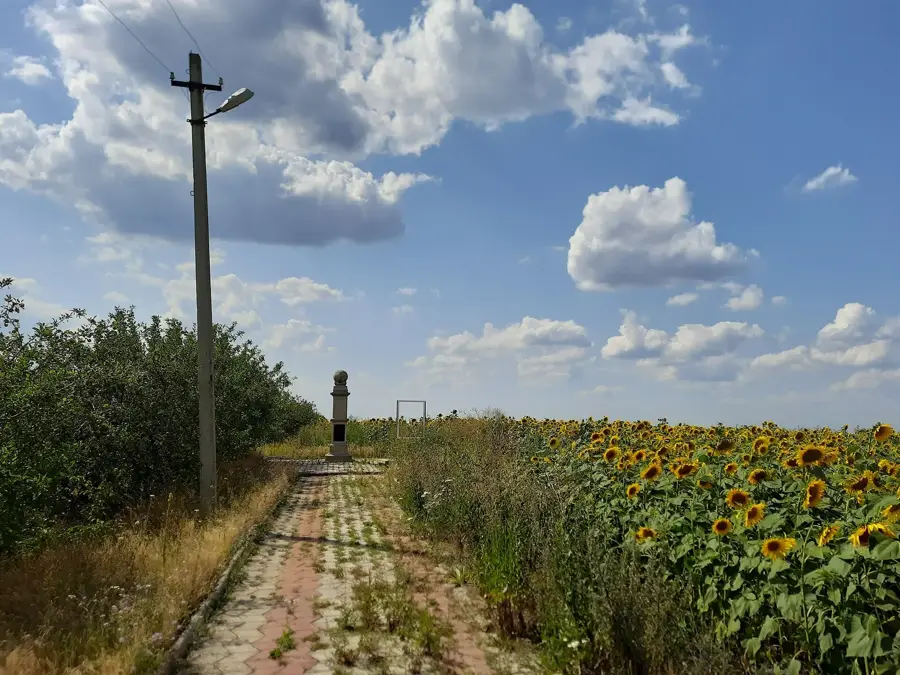
- The Struve Geodetic Arc point at Rudi is a UNESCO World Heritage site.
- The area features several waterfalls cascading over limestone ledges.
- The remains of ancient Getic fortresses are located near the reserve.
Explore nearby
Notable places around

Route planner — Car & Motorhome
Where do you start? We build the route here, with stops and country notes along the way.
© OpenStreetMap contributors · OpenRouteService
Sights in the town Rudi-Arionesti Reserve (4)
Sights nearby
Frequently asked questions
What can you visit here?
How do you reach the reserve?
Are there drinking water springs?
Can you see the Struve Arc here?
Is the monastery open daily?
Rudi-Arionesti Reserve: where is it located?
Rudi-Arionesti Reserve: what is there to see?
Rudi-Arionesti Reserve: when is the best time to visit?
Rudi-Arionesti Reserve: why is it worth visiting?

Nearby cities

History & landmarks
More places