Plizio Visual Lab
Țipova Cliffs
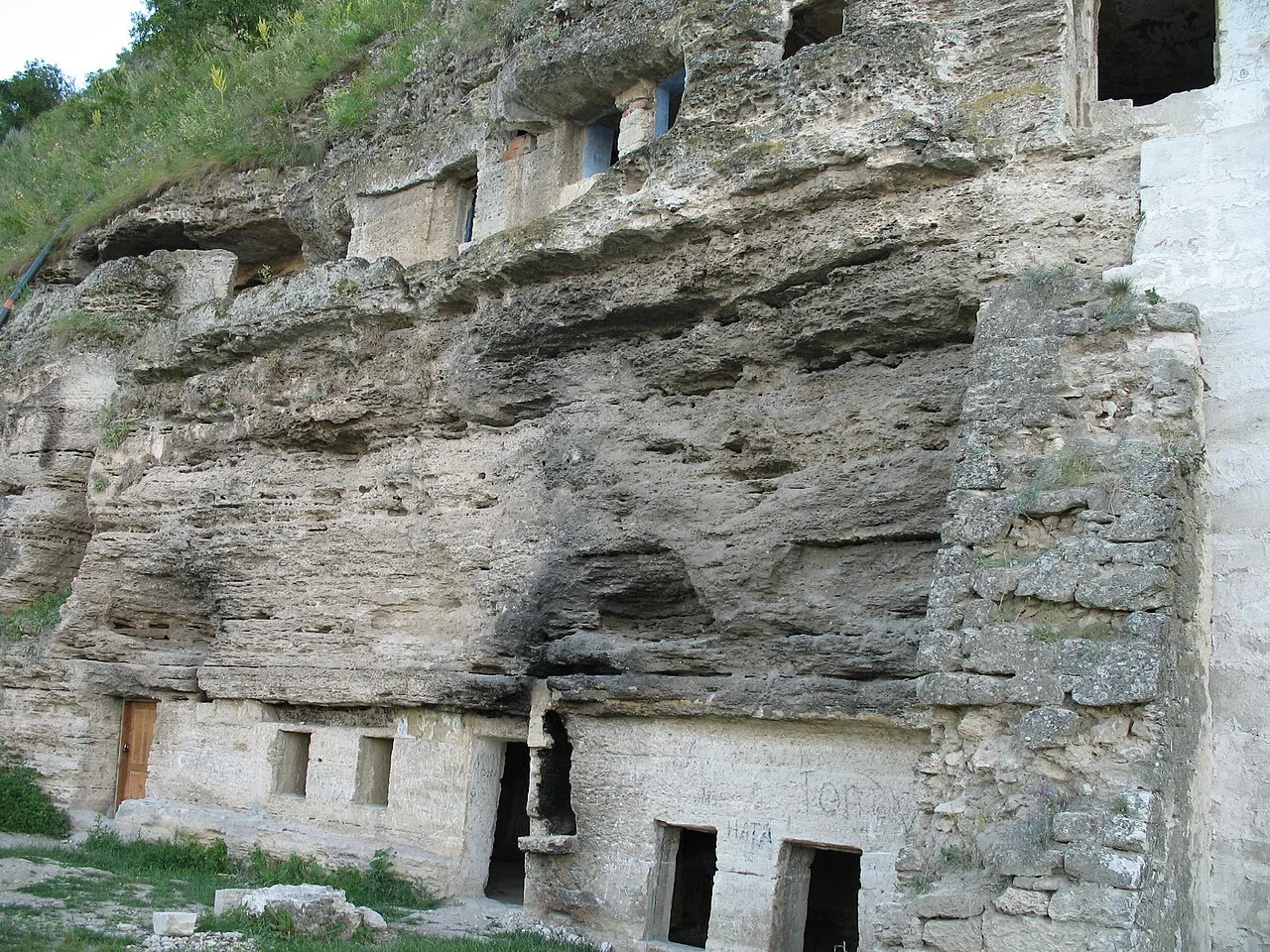
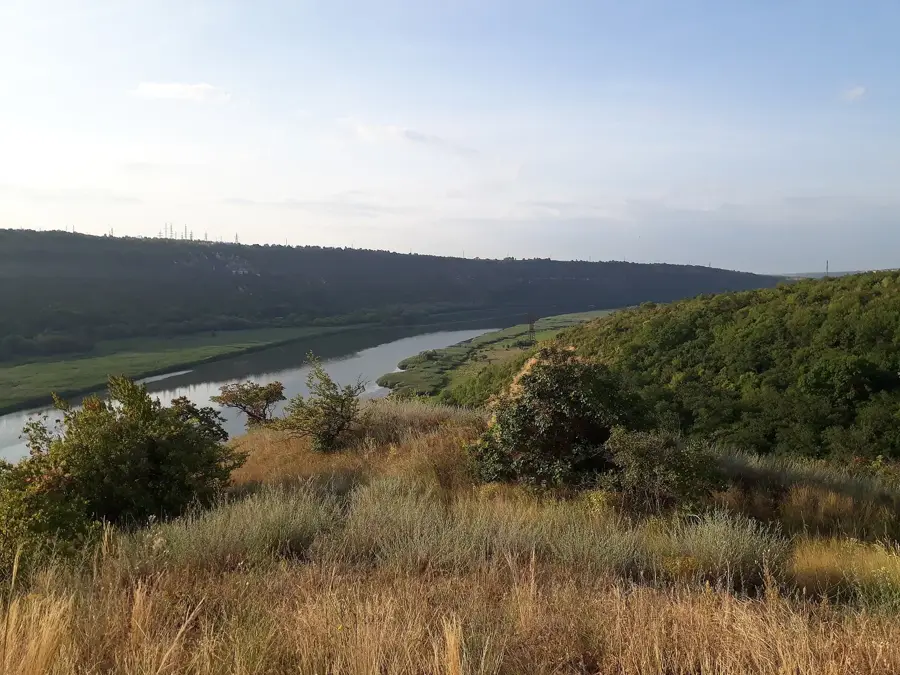
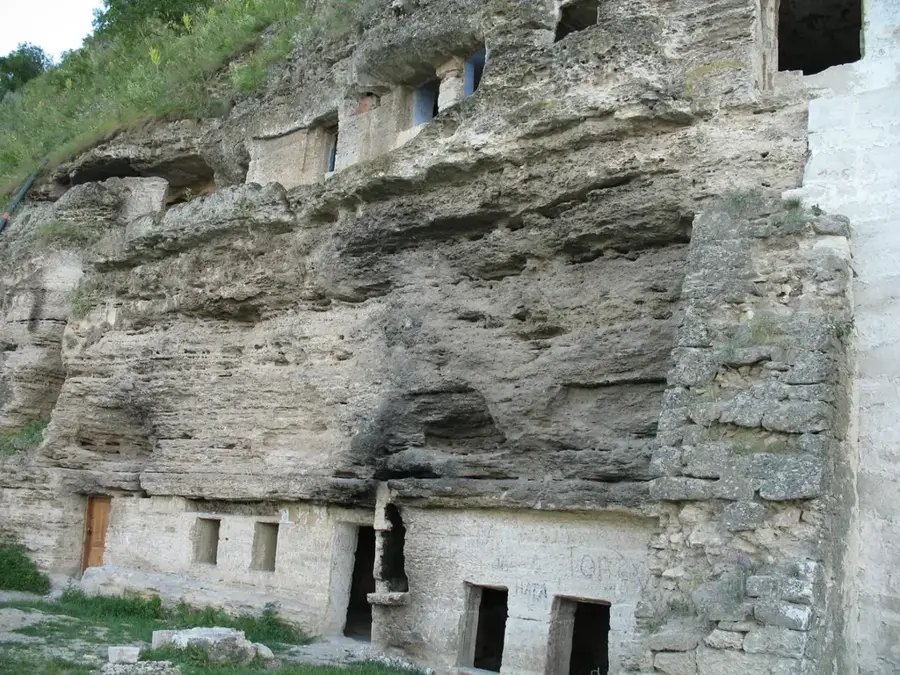
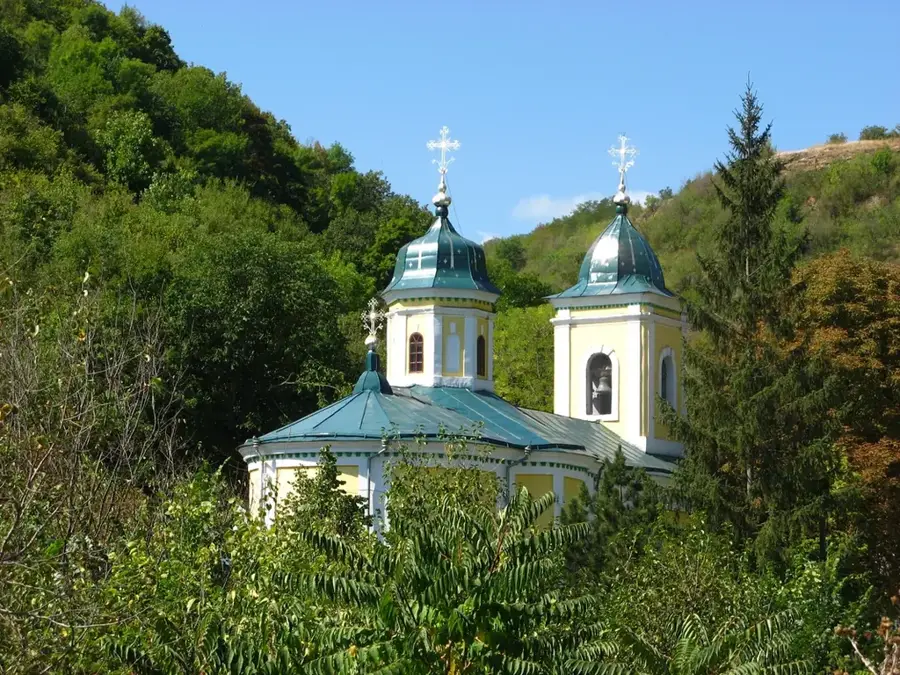
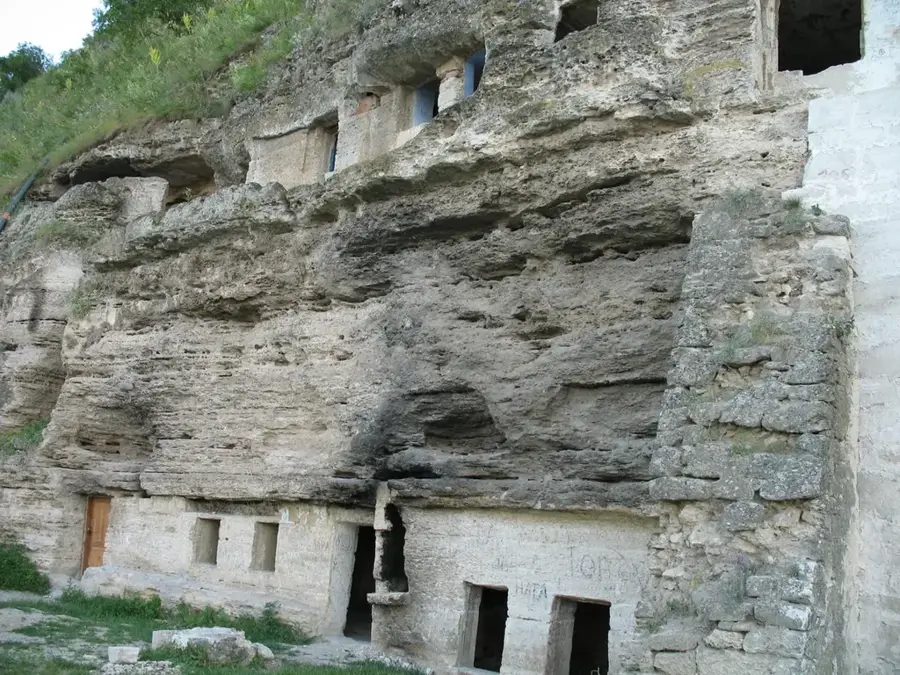
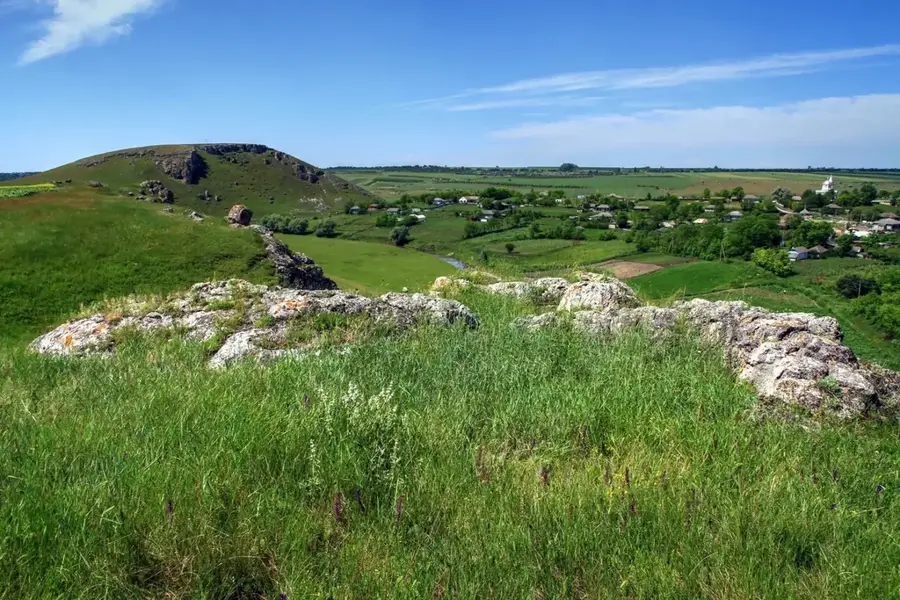
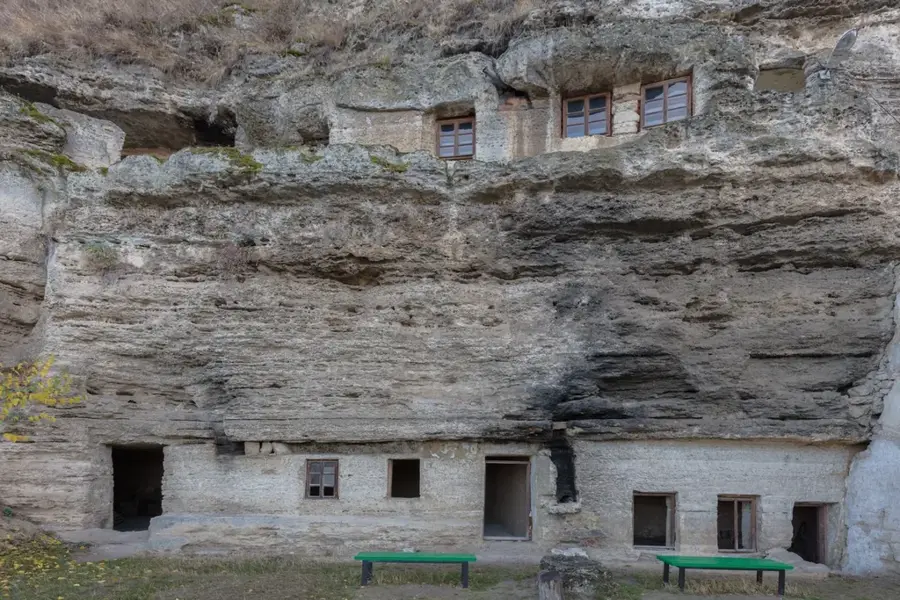
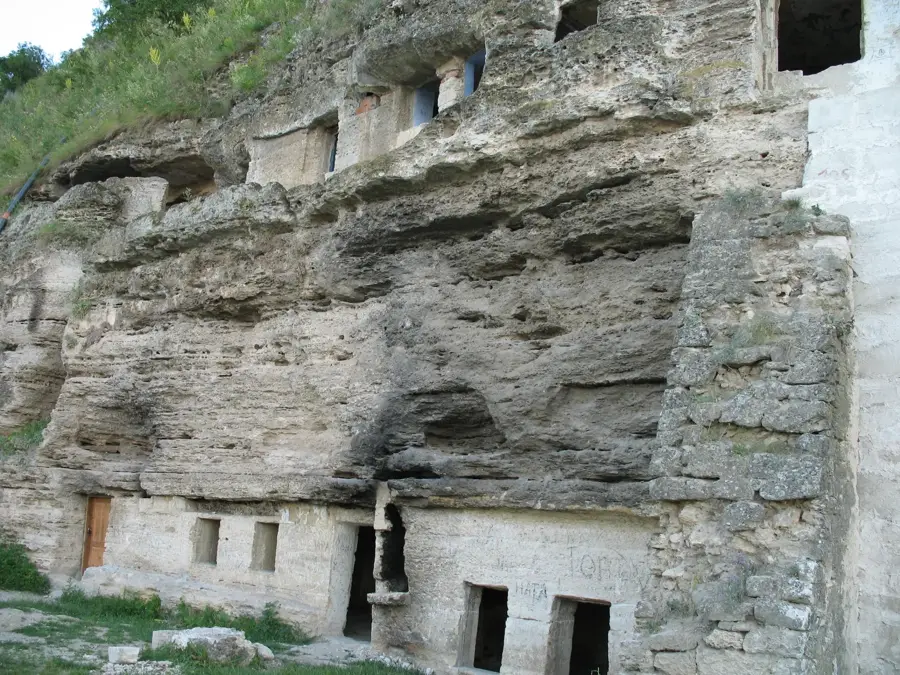
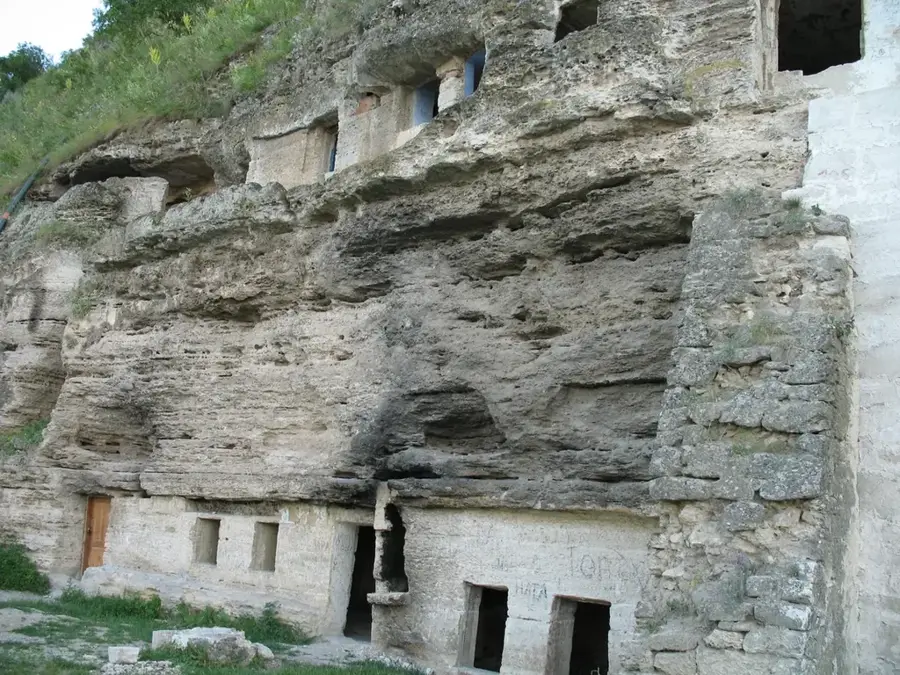
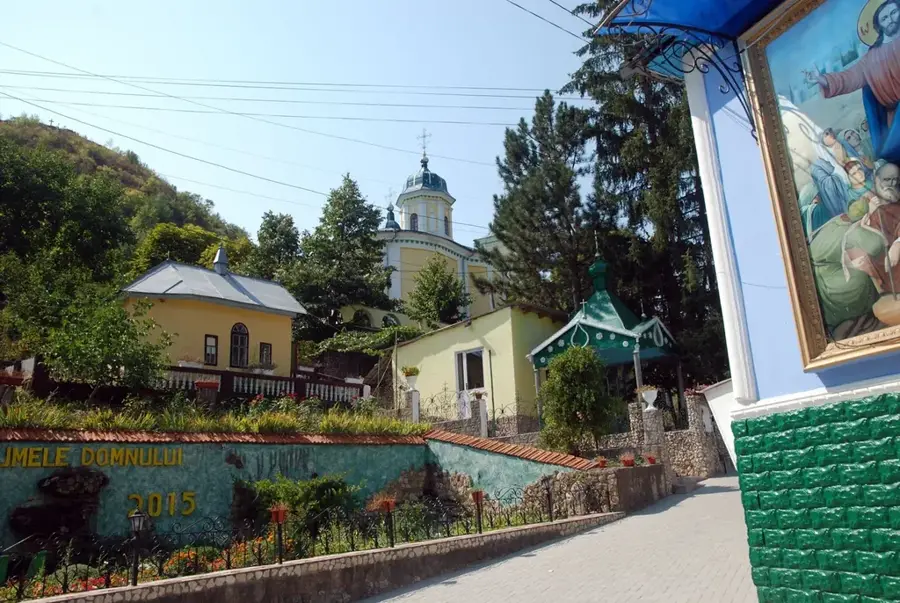
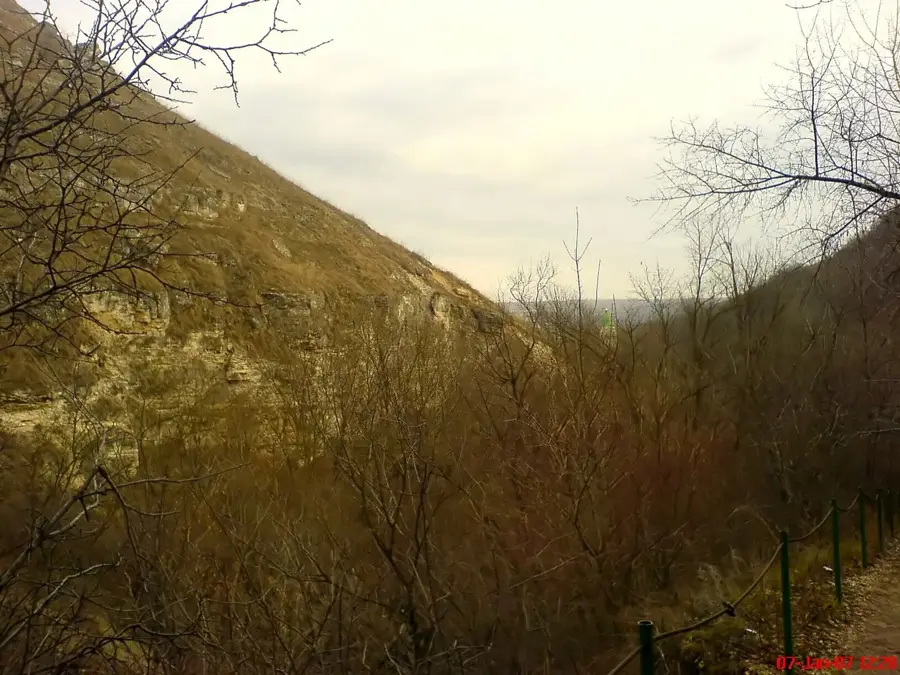
The Țipova Cliffs form one of the most massive limestone massifs along the banks of the Dniester River in the Rezina District. The rock faces drop in several steps nearly 200 meters down to the river, creating a striking vertical landscape that is unique to the region. Geologically, the massif consists of horizontally stratified limestone rich in marine fossils, telling the story of the prehistoric Sarmatian Sea. Erosion has created numerous terraces and caves that have been used by humans since at least the 6th century. The area is famous for the Țipova Cave Monastery, one of the largest of its kind in Europe, carved directly into the precipice. The landscape around the cliffs is punctuated by small streams that form pretty waterfalls before merging with the Dniester. Biodiversity is high, with many rare plants and birds finding refuge in the inaccessible rocky areas. Țipova is also a place steeped in legend, including the myth that the legendary singer Orpheus is buried here.
- Location: Moldova
- Nearby: Rezina (17 km)
Best time to visit & climate
The most pleasant time to visit is Jun–Aug.
| Jan | Feb | Mar | Apr | May | Jun | Jul | Aug | Sep | Oct | Nov | Dec | |
|---|---|---|---|---|---|---|---|---|---|---|---|---|
| Avg °C | -4 | -2 | 4 | 10 | 17 | 21 | 23 | 23 | 17 | 10 | 4 | -2 |
| Rain mm | 40 | 33 | 37 | 38 | 53 | 69 | 60 | 37 | 41 | 44 | 40 | 38 |
📋 Practical info
Geography
Facts
- Rock faces drop nearly 200 meters to the river
- Home to one of the largest cave monasteries in Europe
- Composed of fossil-rich Sarmatian limestone
- Located on the Dniester bank in Rezina District
- Covers an area of approximately 300 hectares
- Associated with the myth of Orpheus's burial site
Explore nearby
Notable places around

Route planner — Car & Motorhome
Where do you start? We build the route here, with stops and country notes along the way.
© OpenStreetMap contributors · OpenRouteService
Sights in the town Țipova Cliffs (1)
Sights nearby
Frequently asked questions
Why are the Țipova Cliffs famous?
Where exactly are they located?
How many levels does the monastery have?
Can you visit the nearby waterfalls?
Is the climb to the cliffs strenuous?
Țipova Cliffs: where is it located?
Țipova Cliffs: when is the best time to visit?
Țipova Cliffs: why is it worth visiting?

Nearby cities
History & landmarks
Nature
More places