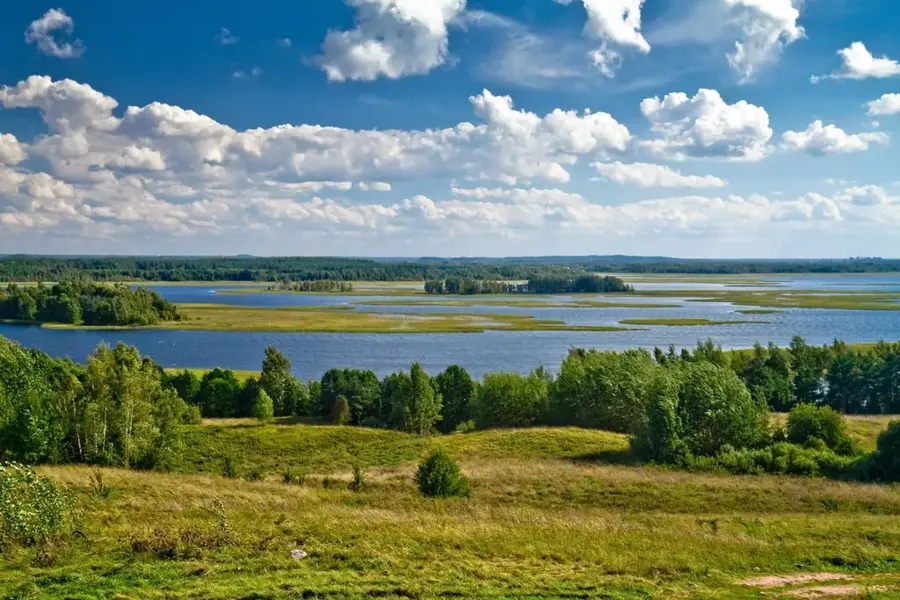
Attractions in Belarus
The finest attractions in Belarus at a glance: castles, natural wonders, historic old towns and more. Each place links to a detailed page with map, tips and photos.
Culture & History
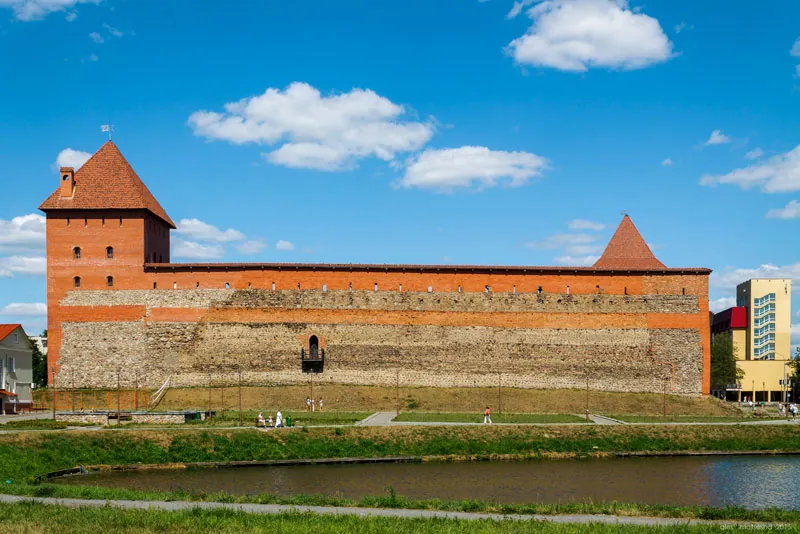
Lida Castle
Gediminas, the Grand Duke of Lithuania, built this square brick castle in the 14th century for protection against the Crusaders.
Learn more →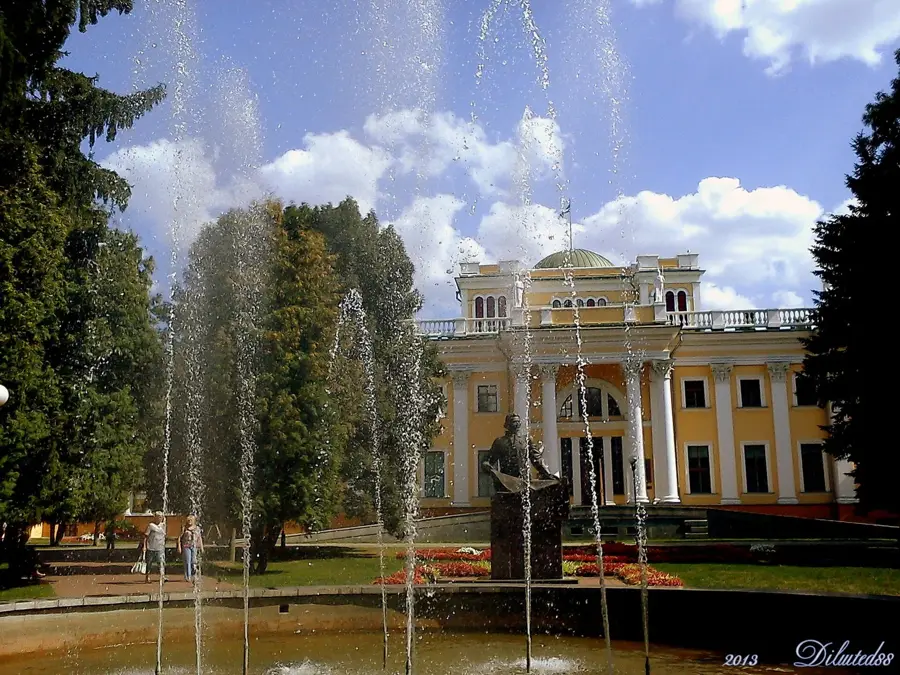
Gomel Palace and Park Ensemble
This Classicist estate belonged to Field Marshals Rumyantsev and Paskevich.
Learn more →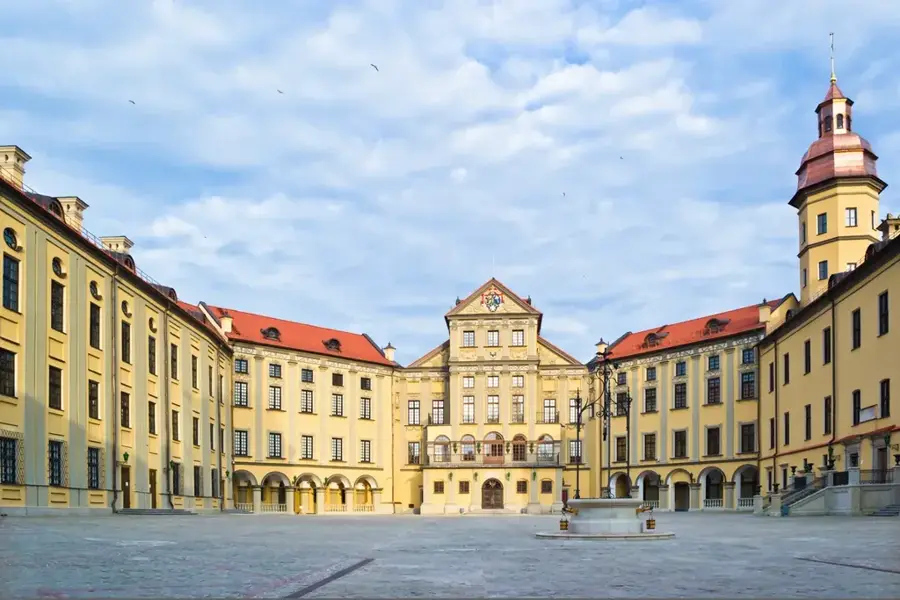
Nesvizh Castle
The former residence of the Radziwiłł family is an extensive palace complex with fortifications.
Learn more →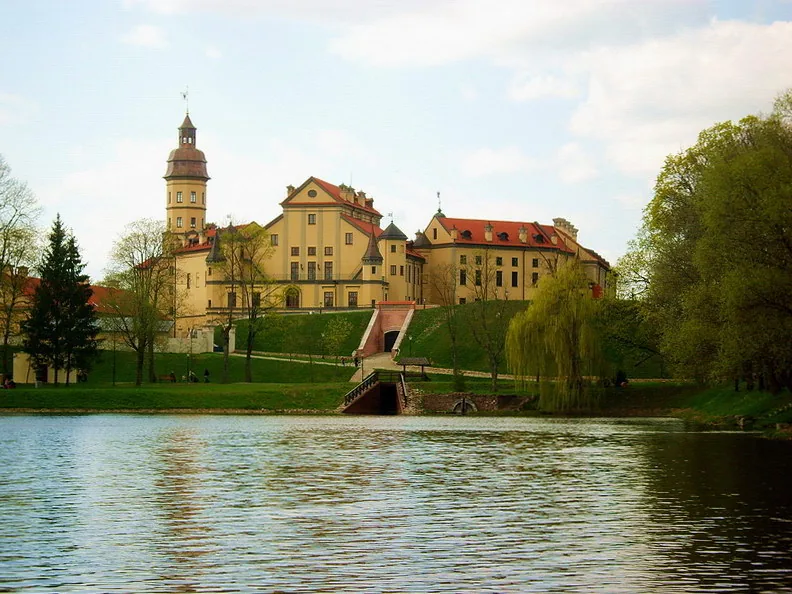
Lubcha Castle
Located directly on the banks of the Neman river, this castle was an important strategic point.
Learn more →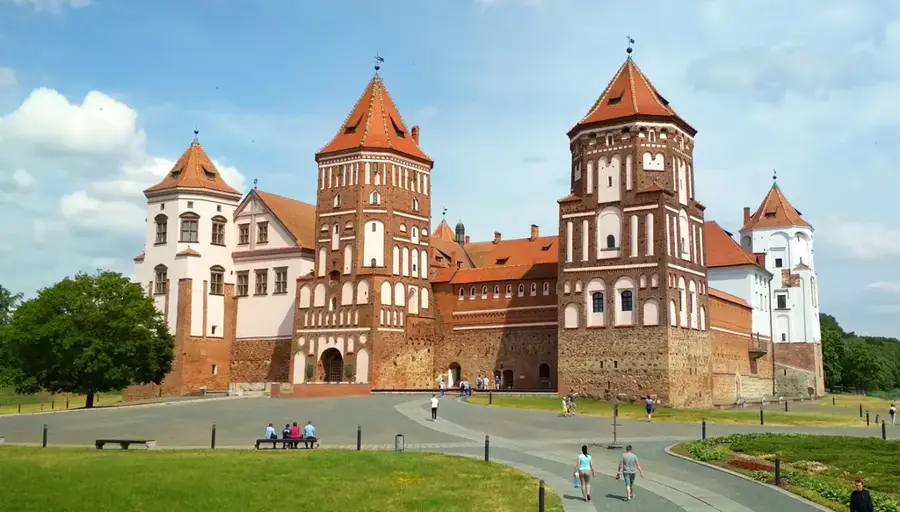
Mir Castle
This 16th-century UNESCO World Heritage site combines Gothic, Renaissance, and Baroque architectural styles.
Learn more →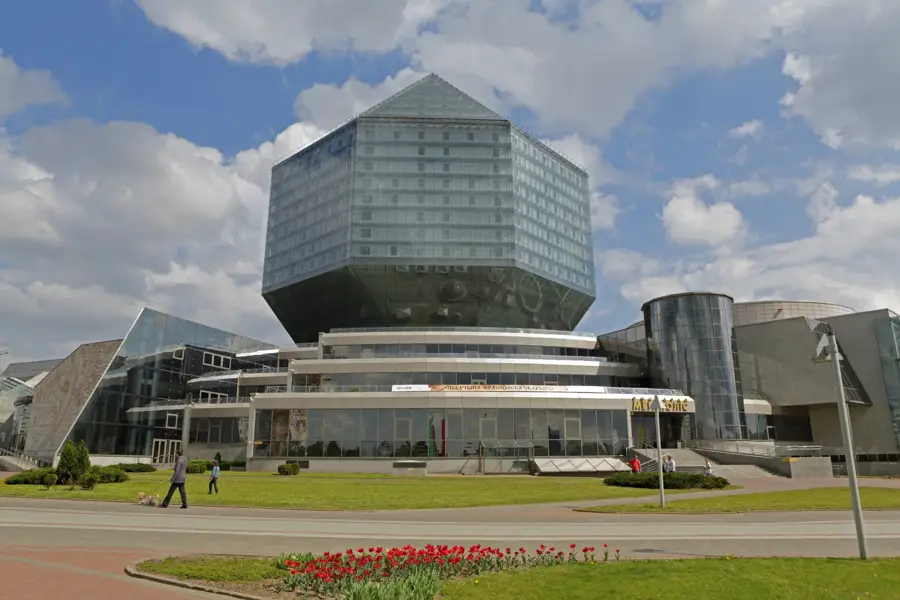
National Library of Belarus
This distinctive building in Minsk is shaped like a rhombicuboctahedron.
Learn more →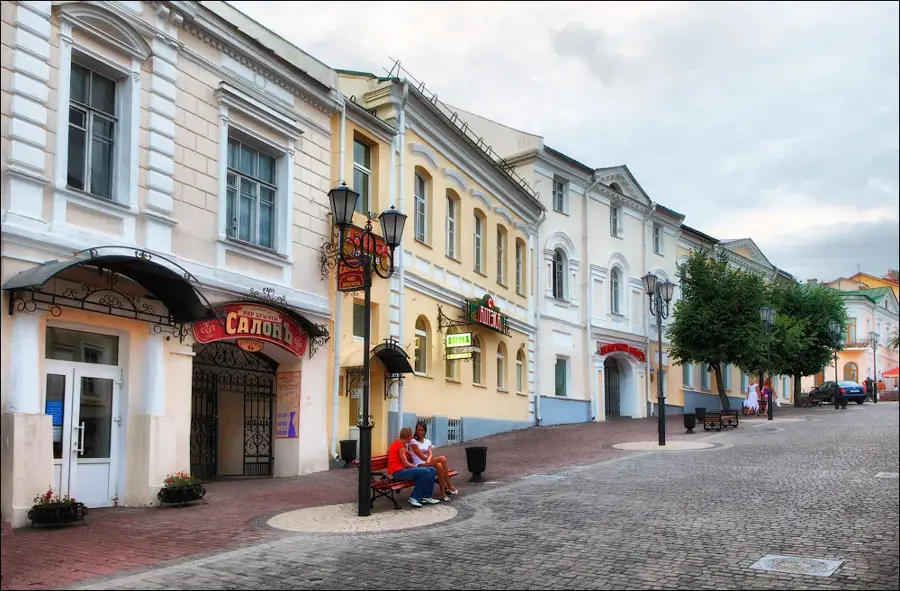
Vitebsk Town Hall
The Vitebsk Town Hall is one of the few surviving historic town halls in the country.
Learn more →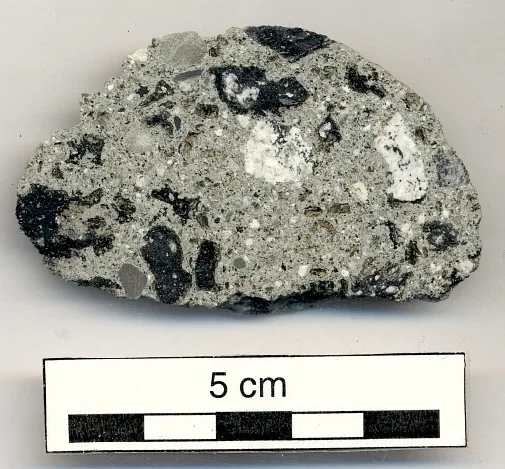
Logoysk Impact Crater
The Logoysk Crater is a meteorite impact crater hidden beneath the earth's surface.
Learn more →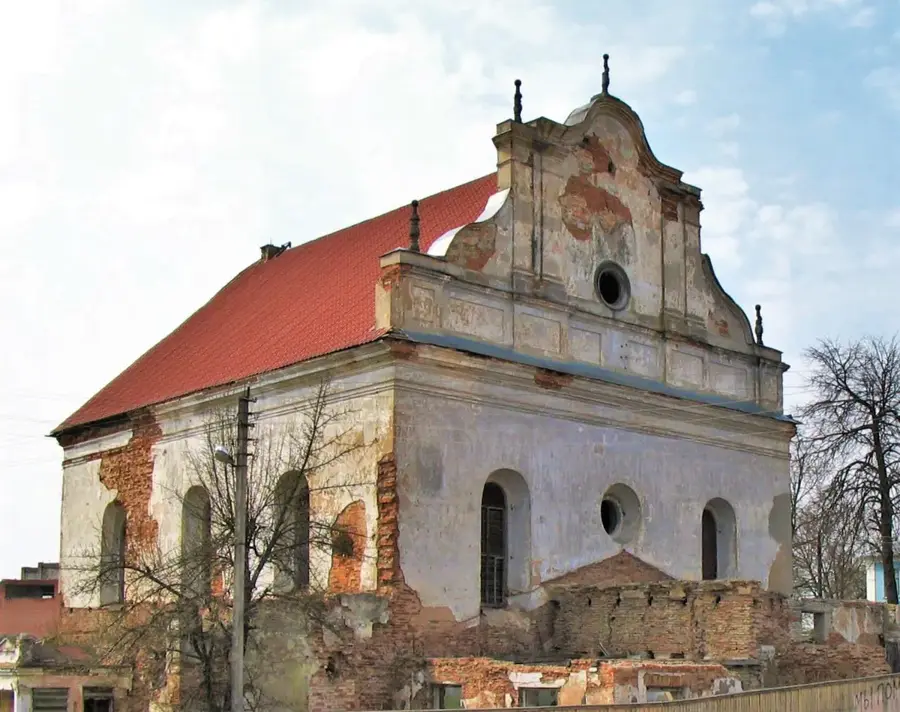
Slonim Great Synagogue
The Slonim Great Synagogue is one of the oldest surviving synagogue buildings in Belarus.
Learn more →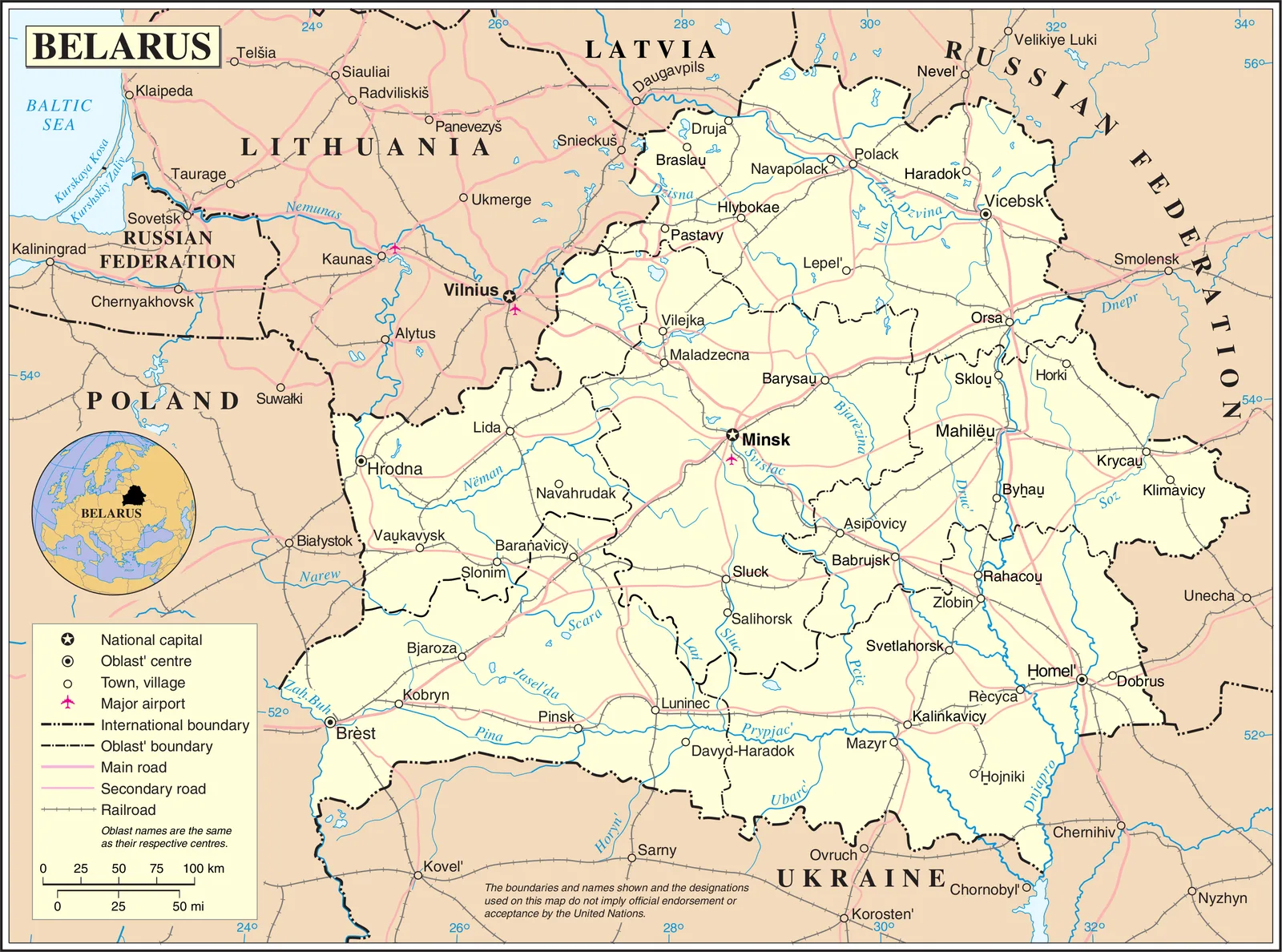
Shklov Town Hall
The Shklov Town Hall is a rare example of late 18th-century civil architecture in Belarus.
Learn more →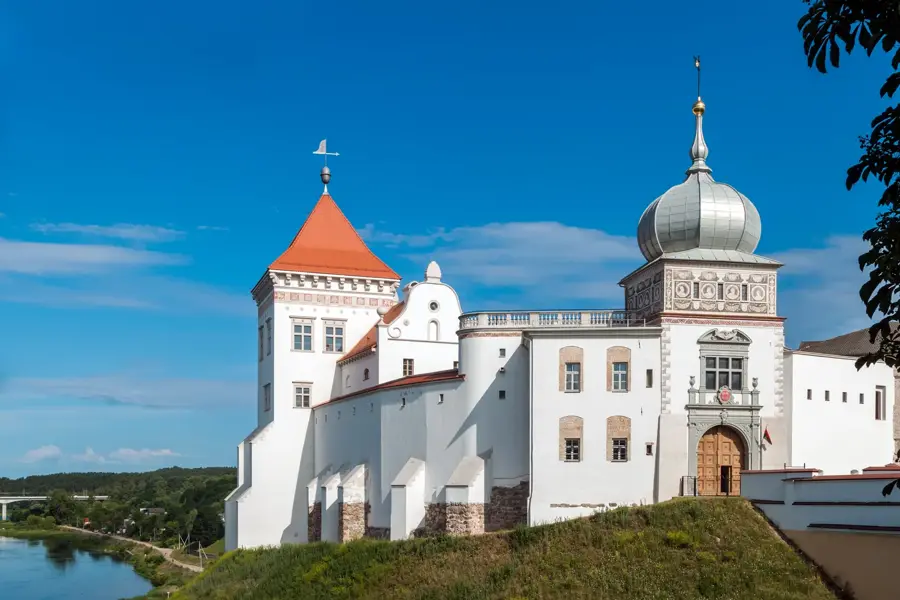
New Grodno Castle
The New Grodno Castle was built in the 18th century as a summer residence for Polish Kings.
Learn more →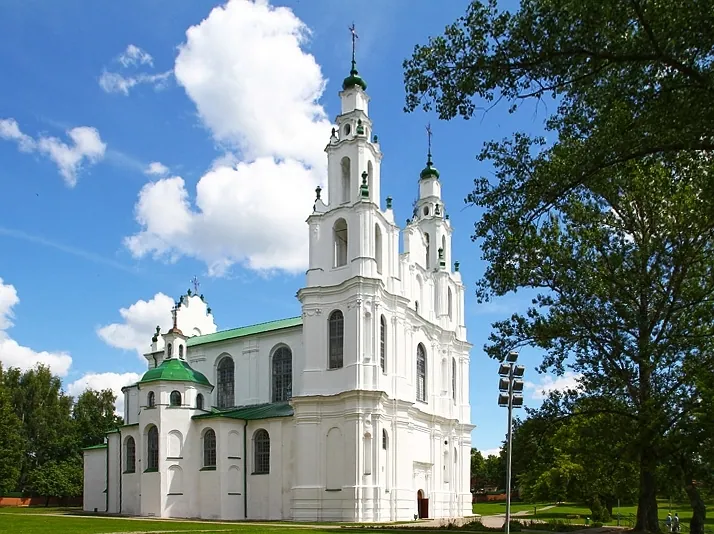
Saint Sophia Cathedral in Polotsk
Originally built in the 11th century, this is one of the oldest religious buildings in Belarus.
Learn more →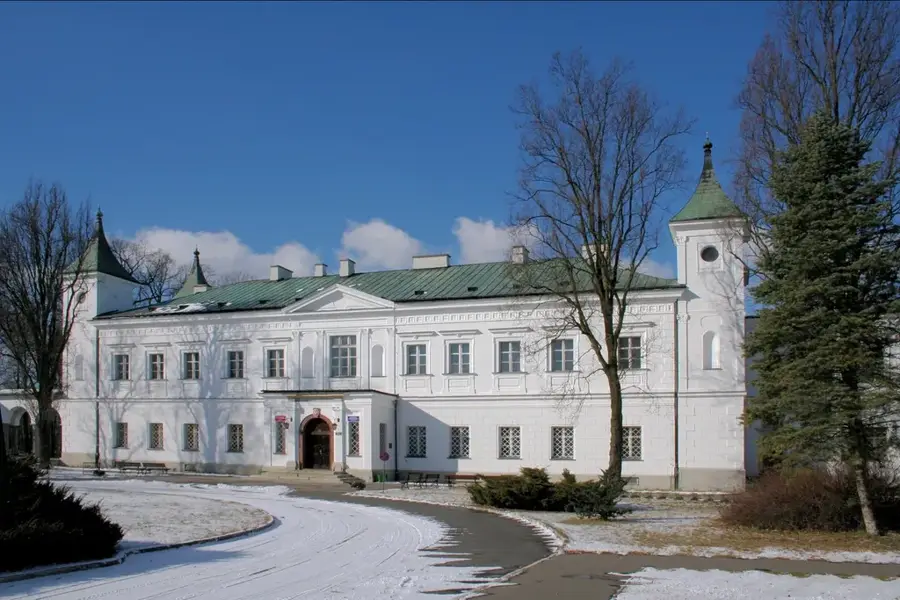
Tyzenhauz Palace
The Neoclassical palace in Postavy was commissioned by Antoni Tyzenhauz in the late 18th century.
Learn more →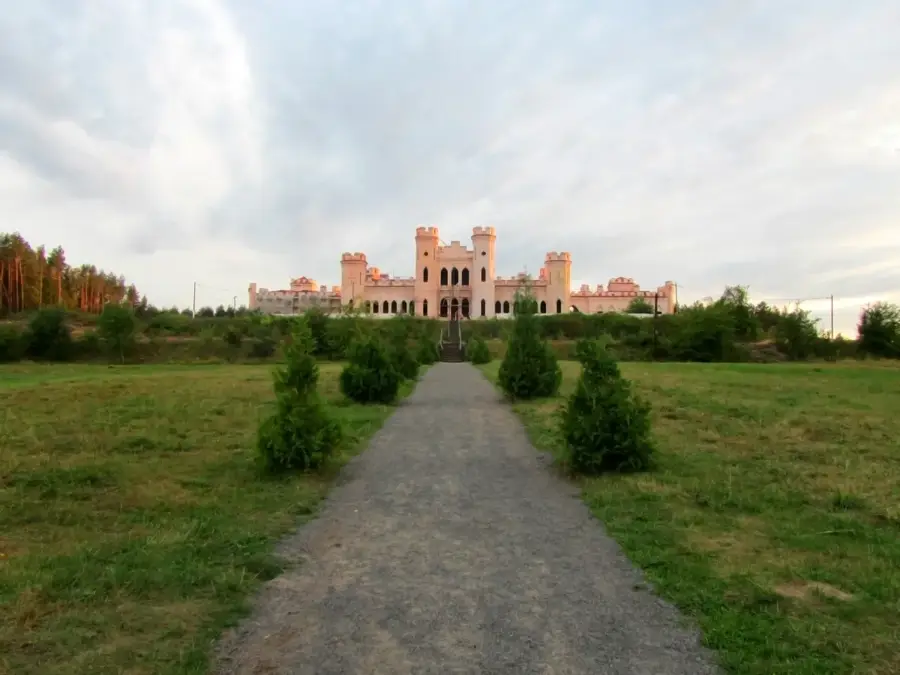
Kosava Castle (Puslowski Palace)
The Puslowski Palace in Kosava is a grand Neo-Gothic building from the 19th century.
Learn more →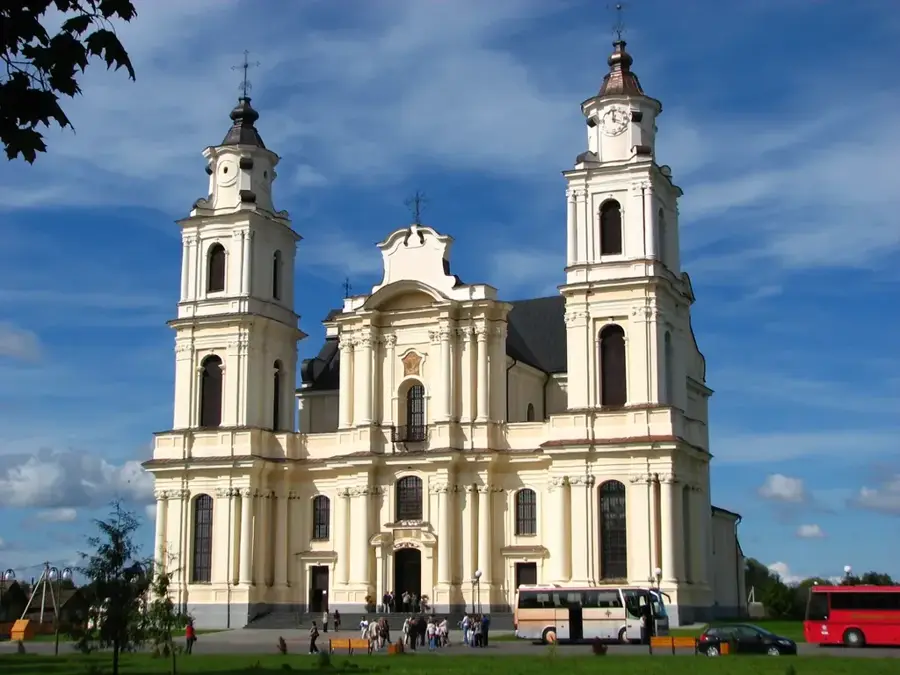
Budslau Basilica
The Church of the Assumption in Budslau is a minor basilica and a major Catholic shrine.
Learn more →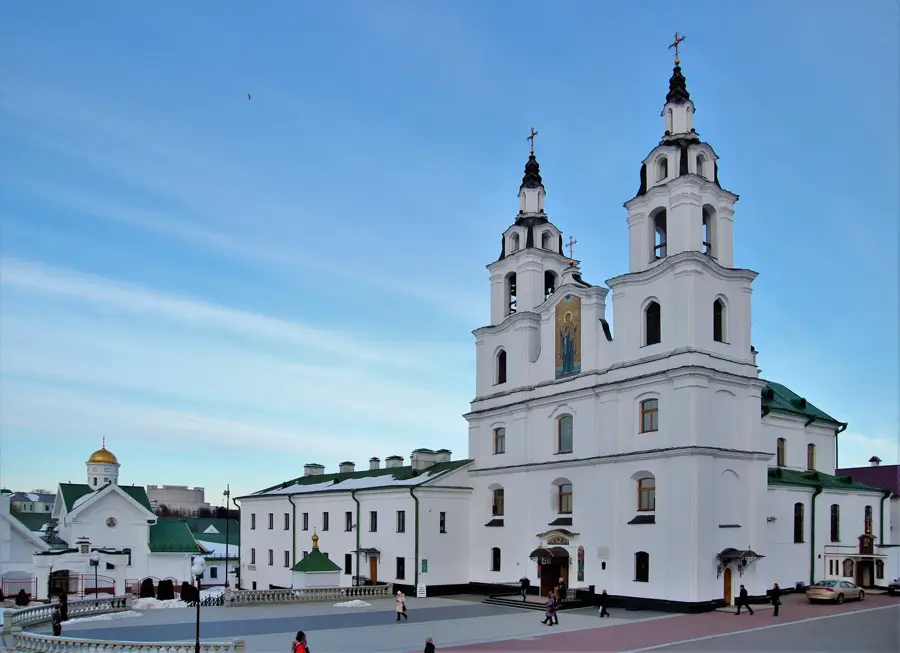
Cathedral of the Holy Spirit
The Cathedral of the Holy Spirit is the main Orthodox church in Minsk.
Learn more →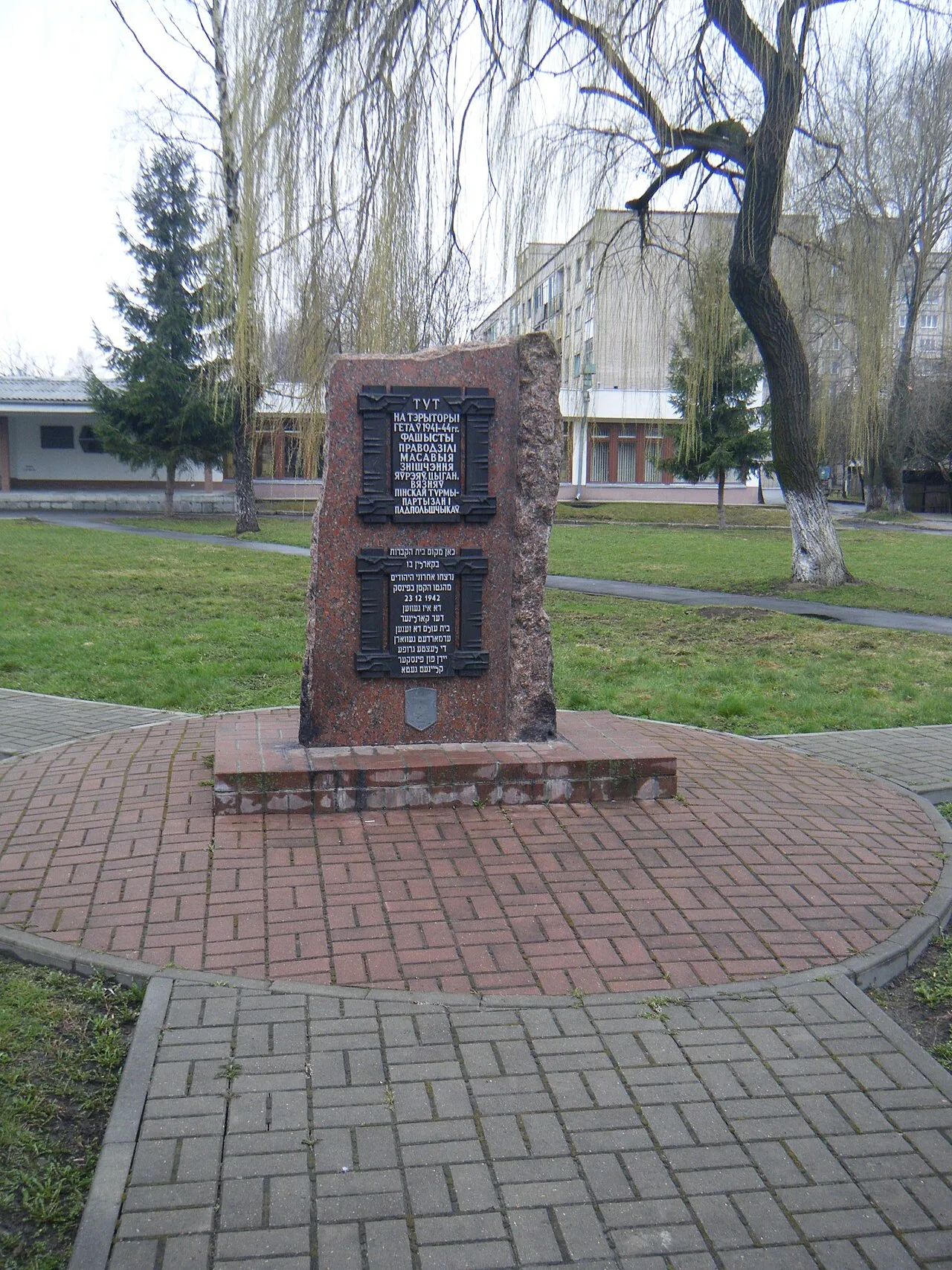
Butrimovich Palace
This palace in Pinsk is a significant 18th-century monument.
Learn more →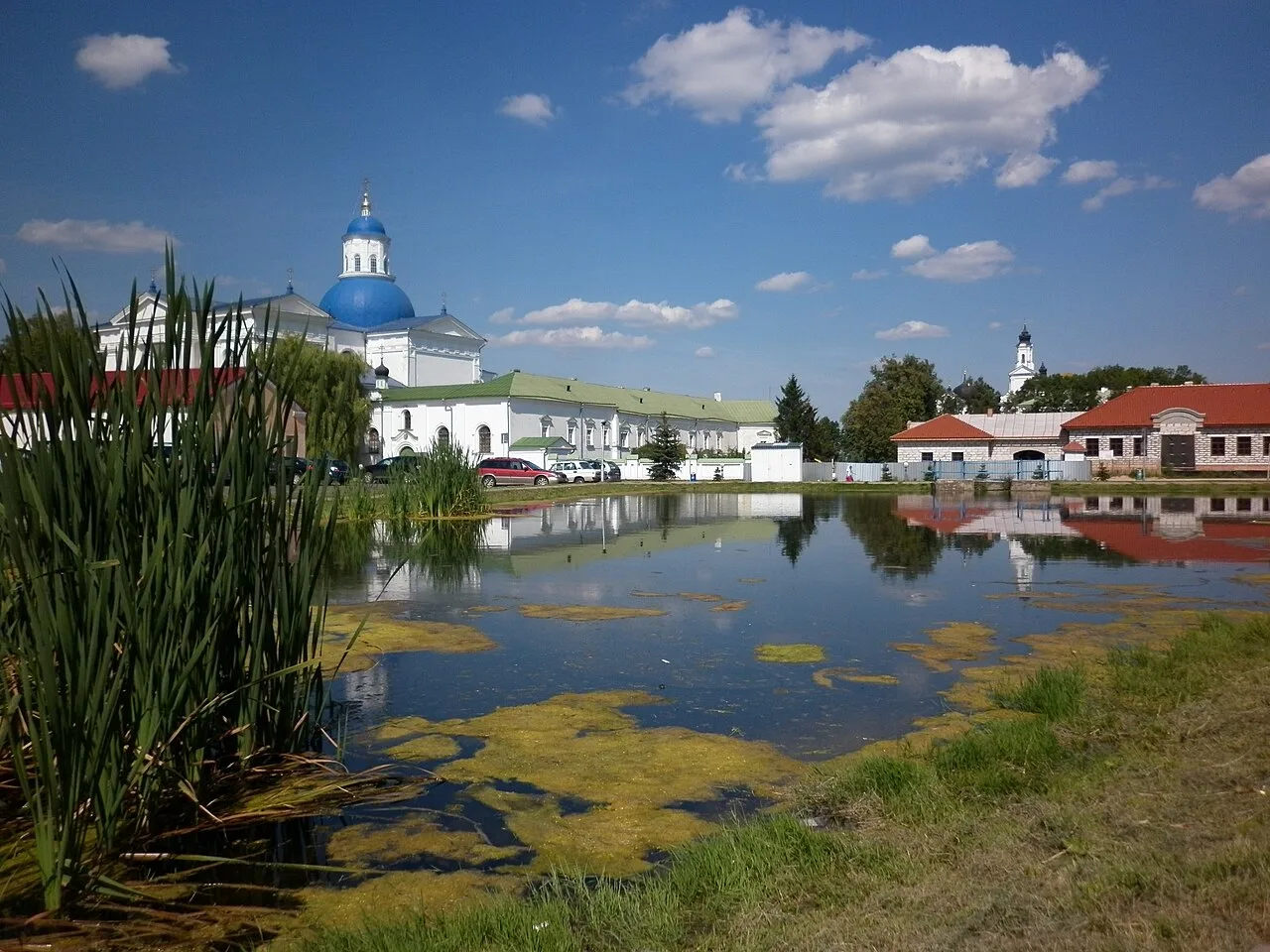
Zhirovichi Monastery
The monastery is one of the most important spiritual centers of Orthodoxy in Belarus.
Learn more →
Krasny Bor
An exclusive nature reserve and eco-resort in northern Belarus, famed for its pristine wilderness and bison population.
Learn more →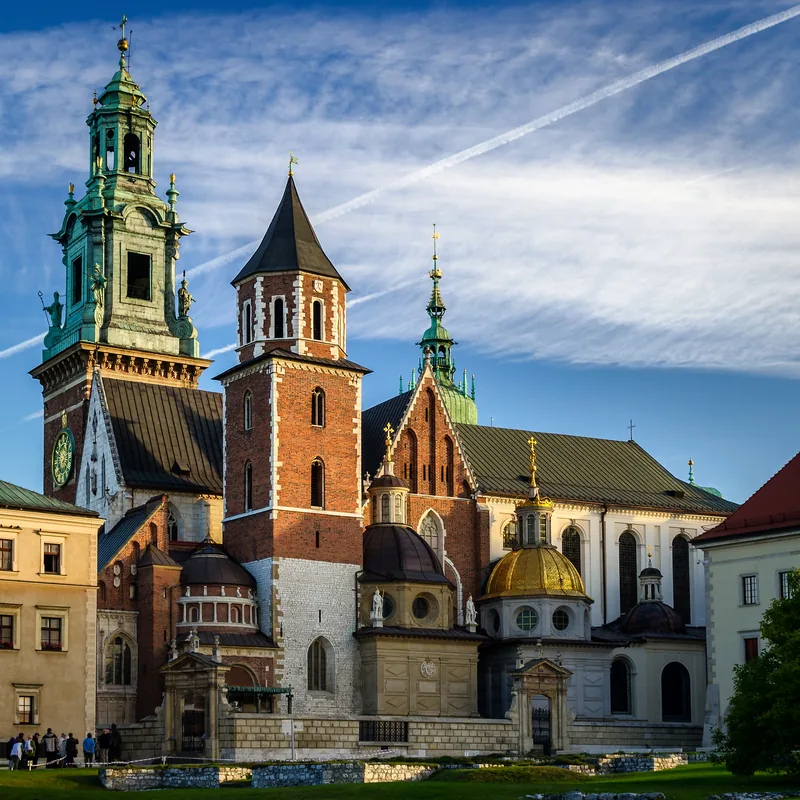
Cathedral of St. Stanislaus
This Baroque cathedral in Mogilev was built in the mid-18th century on the site of a former monastery.
Learn more →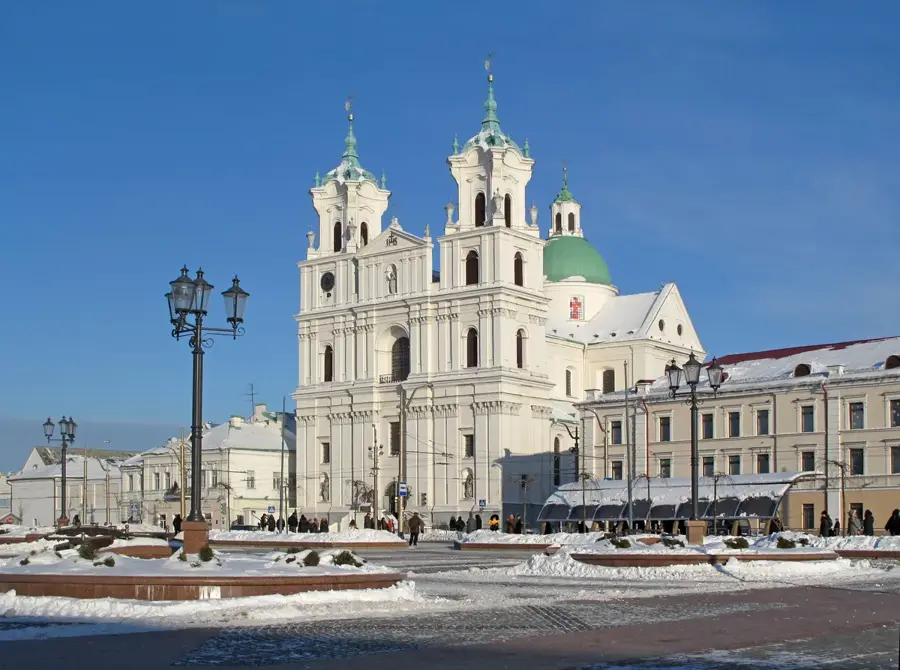
Farny Church (St. Francis Xavier Cathedral)
The Farny Church is a magnificent monument of Baroque architecture in Grodno.
Learn more →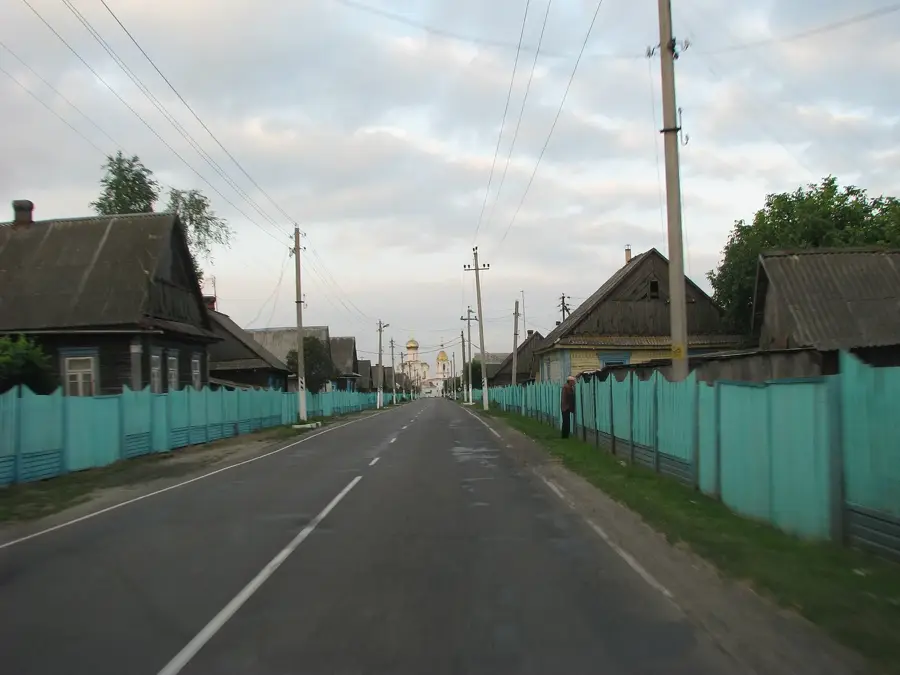
Ancient Turov
Turov was once the capital of a powerful principality and a center of Orthodox culture.
Learn more →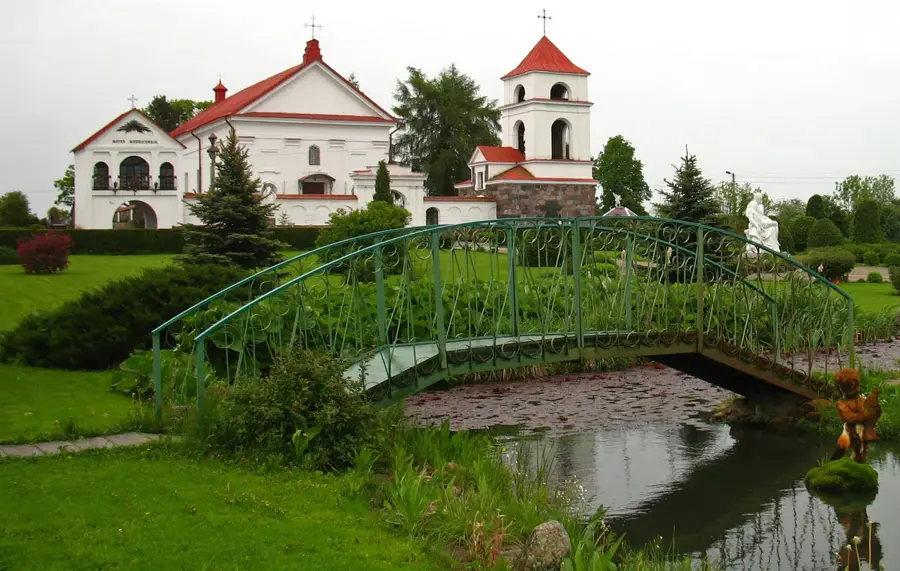
Mosar
A picturesque village known as the 'Belarusian Versailles', famous for its grand Catholic church and gardens.
Learn more →Nature
Braslav Lakes
This national park encompasses a group of over 30 lakes in northern Belarus.
Learn more →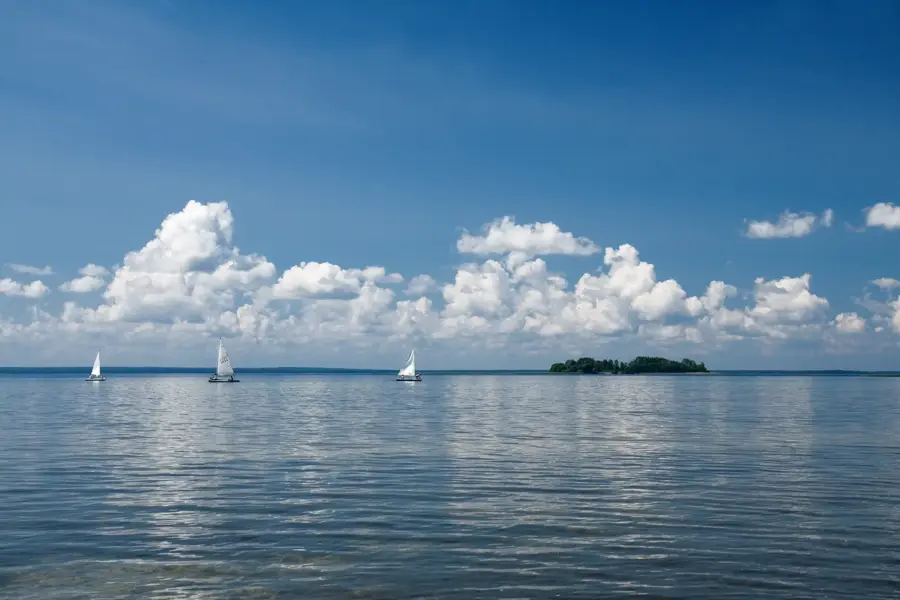
Lake Narach
Lake Narach is the largest lake in Belarus, located in the northwestern part of the country.
Learn more →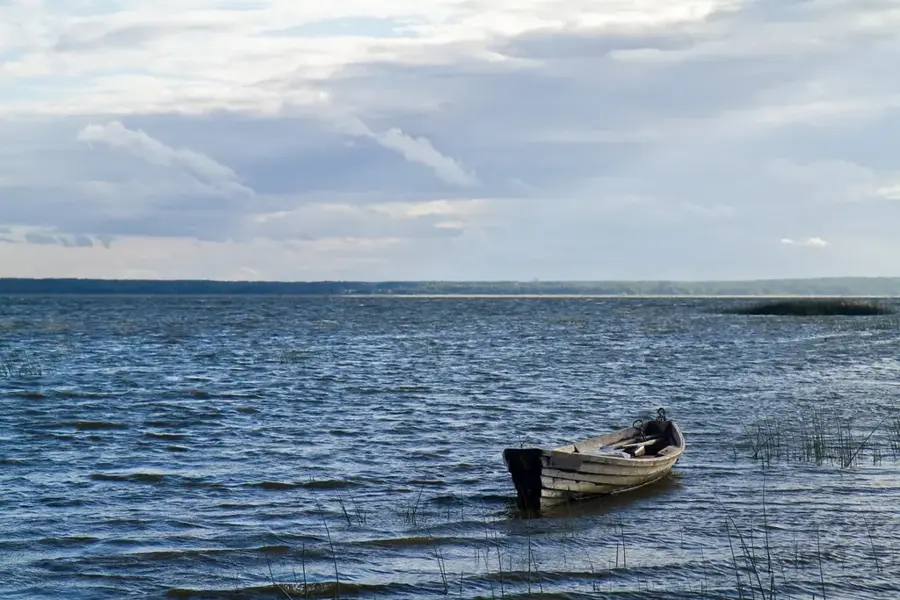
Lake Dryvyaty
Lake Dryvyaty is the largest lake in the Braslav Lakes group.
Learn more →
Blue Lakes of Lyuban
These man-made lakes formed in former chalk pits near Lyuban.
Learn more →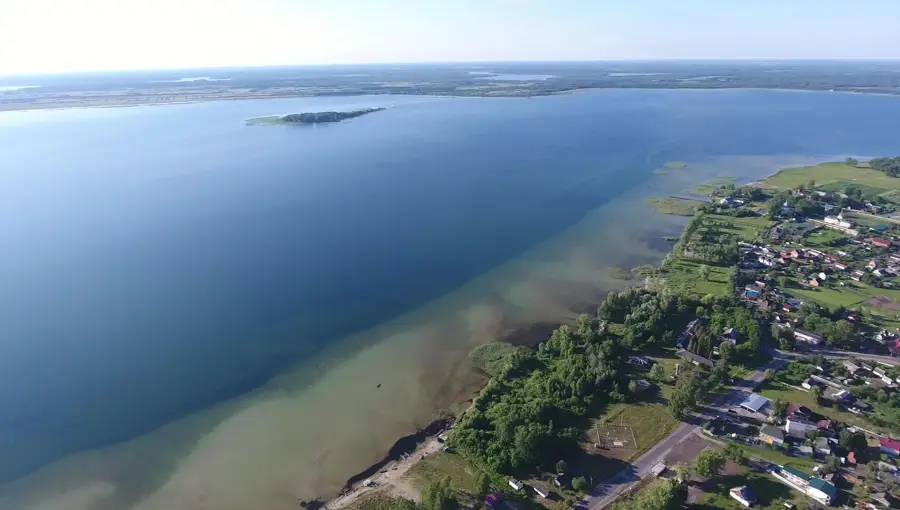
Svitiaz Lake
Svitiaz Lake is an almost circular karst lake in western Belarus.
Learn more →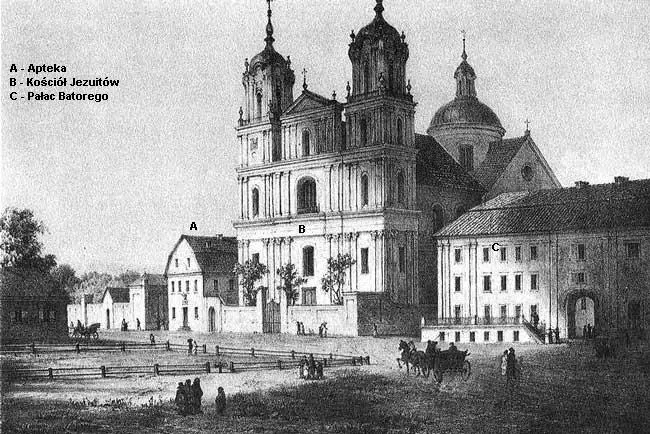
Grodno Zoo
The oldest zoo in Belarus, founded in the 1920s.
Learn more →
Botanical Garden of Vitebsk State University
A scientifically managed garden that plays a key role in the conservation of rare plants from the Belarusian north.
Learn more →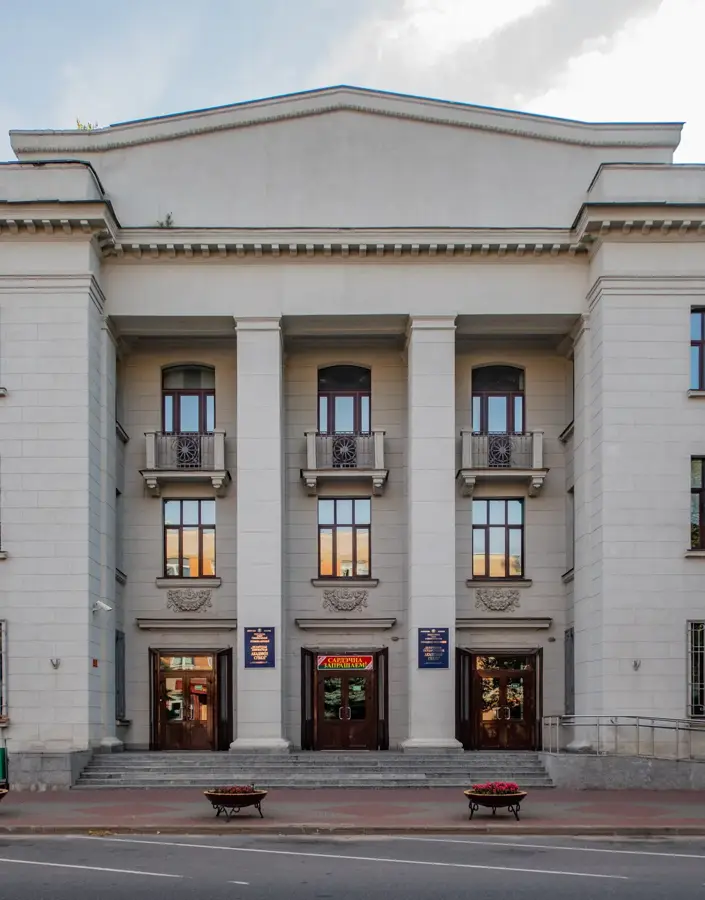
Central Botanical Garden of Minsk
One of the largest botanical gardens in Europe by area.
Learn more →
Narochansky National Park
A national park in northwestern Belarus that includes the country's largest lake region.
Learn more →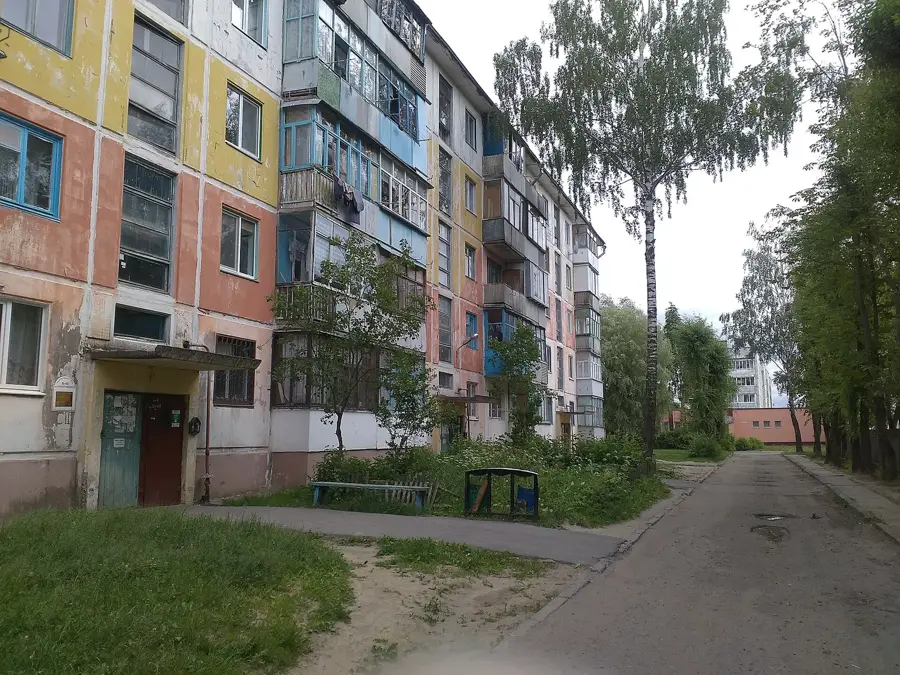
Mogilev Zoo-Garden
A unique zoo-garden where animals live in spacious enclosures mimicking their natural environment.
Learn more →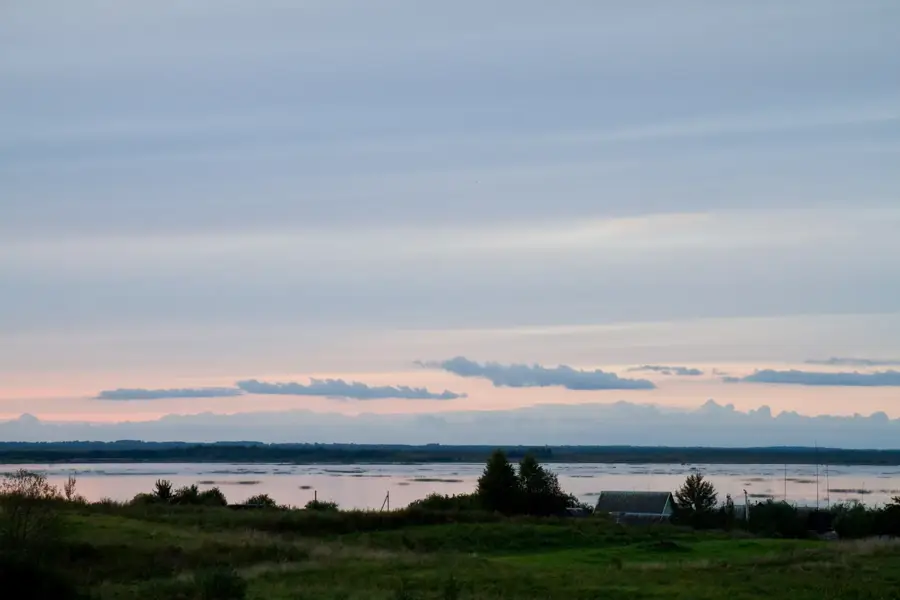
Lake Osveya
Lake Osveya is the second largest lake in Belarus, located in the far north near the borders with Latvia and Russia.
Learn more →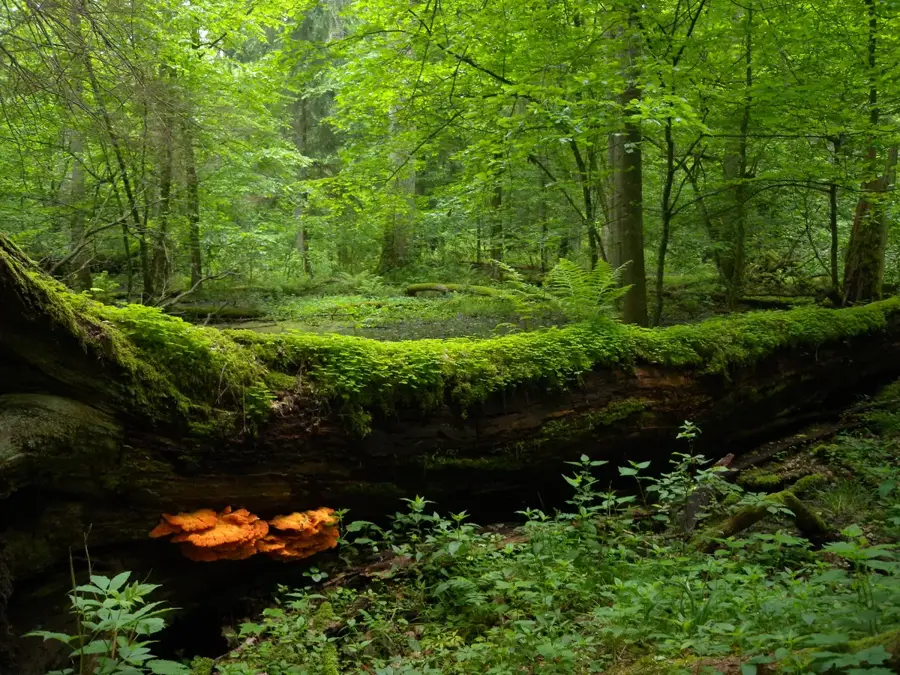
Belovezhskaya Pushcha National Park
One of the last and largest remaining parts of the immense primeval forest that once stretched across the European Plain.
Learn more →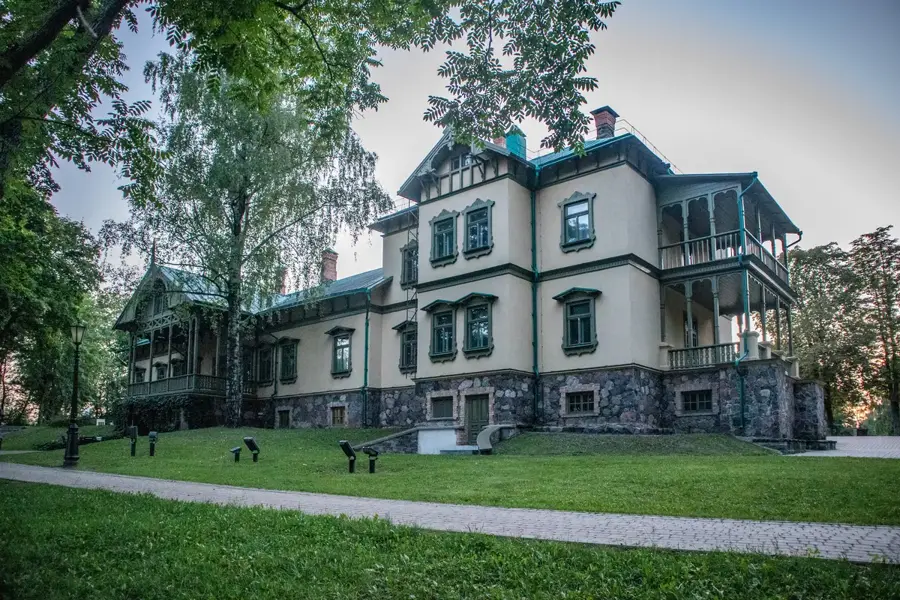
Loshitsa Park
A historical park in Minsk with ancient orchards and rare tree species.
Learn more →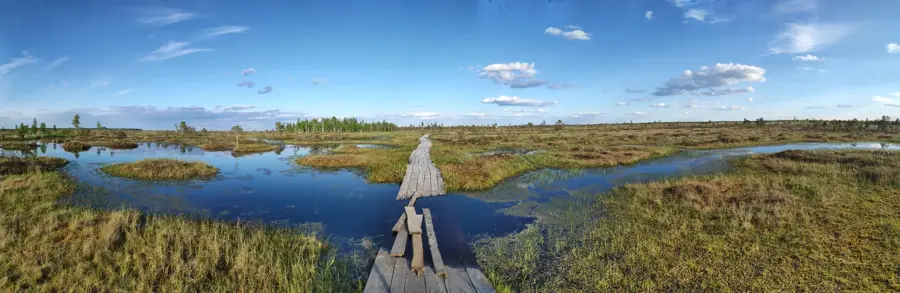
Yelnya Bog
Yelnya Bog is one of the largest raised bogs in Europe.
Learn more →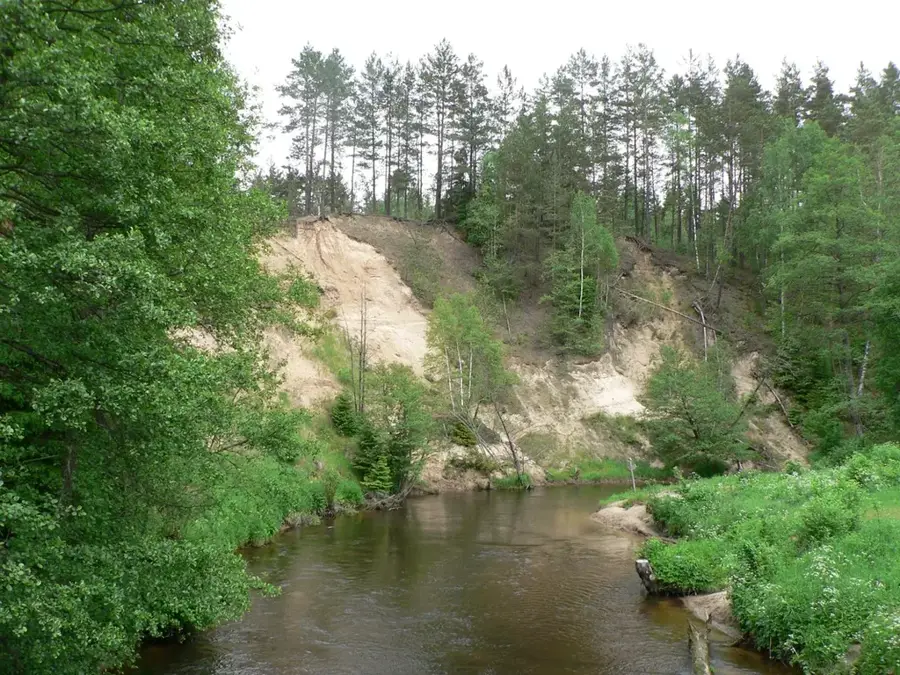
Kotra Landscape Reserve
A transboundary protected area on the Lithuanian border, protecting the pristine floodplains of the Kotra River.
Learn more →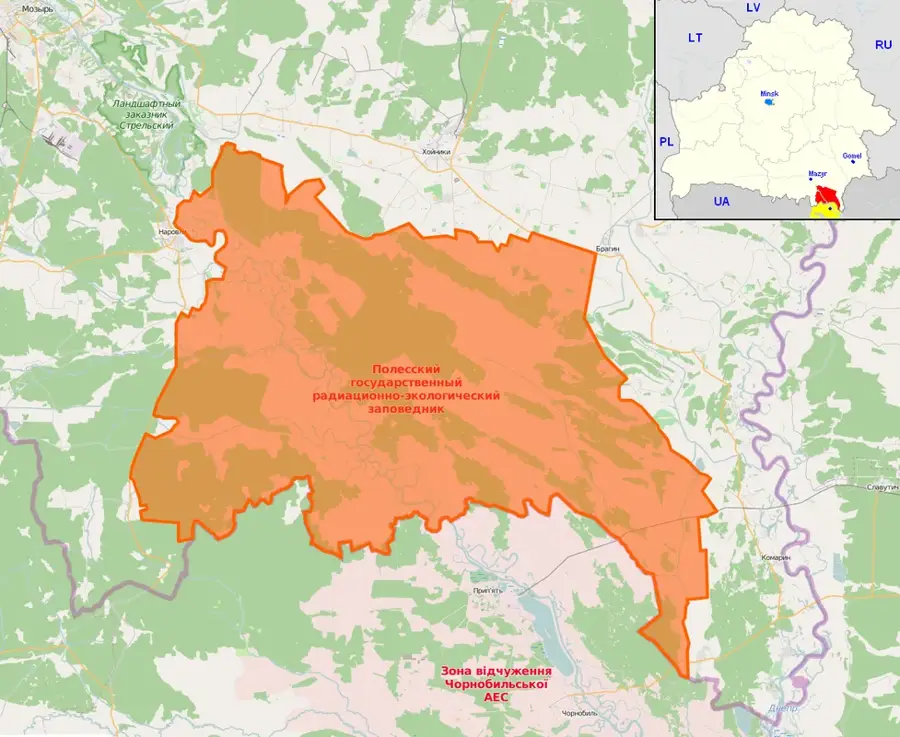
Polessky State Radioecological Reserve
The largest nature reserve in the country, established after the Chernobyl disaster.
Learn more →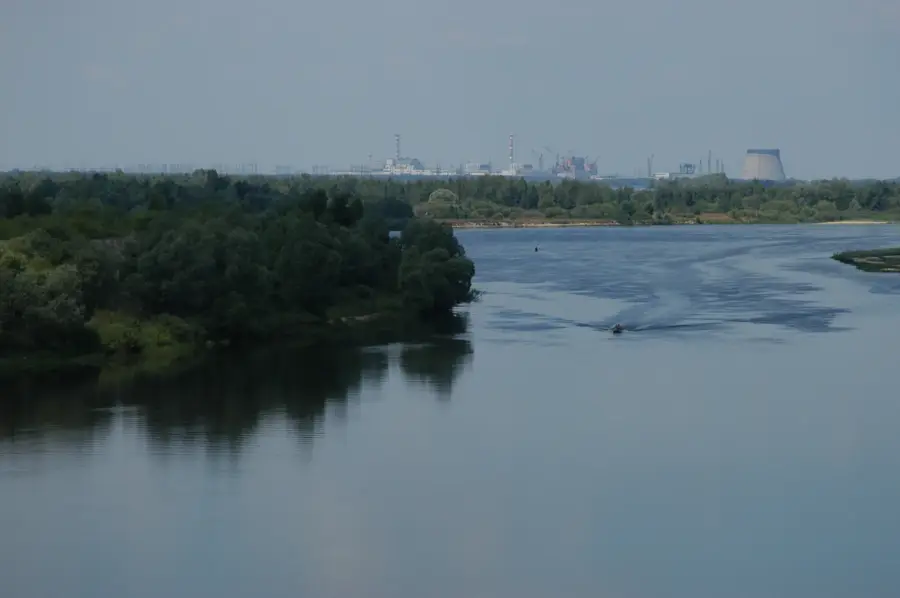
Mid-Pripyat Landscape Reserve
This reserve protects the largest floodplain landscape in central Polesie.
Learn more →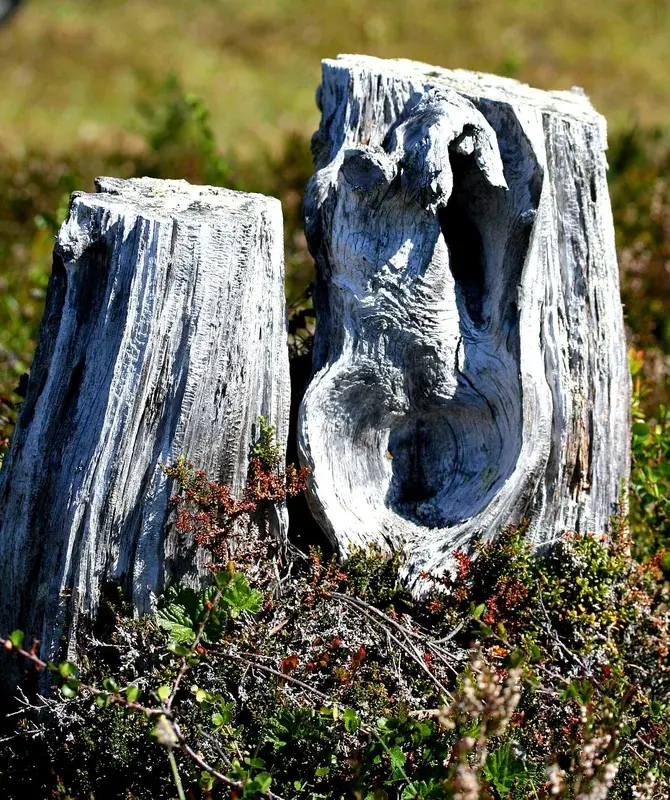
Olman Mires
Europe's largest contiguous transition mire complex, located in southern Belarus.
Learn more →
Svisloch-Berezina Reserve
A significant wetland area at the confluence of the Svisloch and Berezina rivers.
Learn more →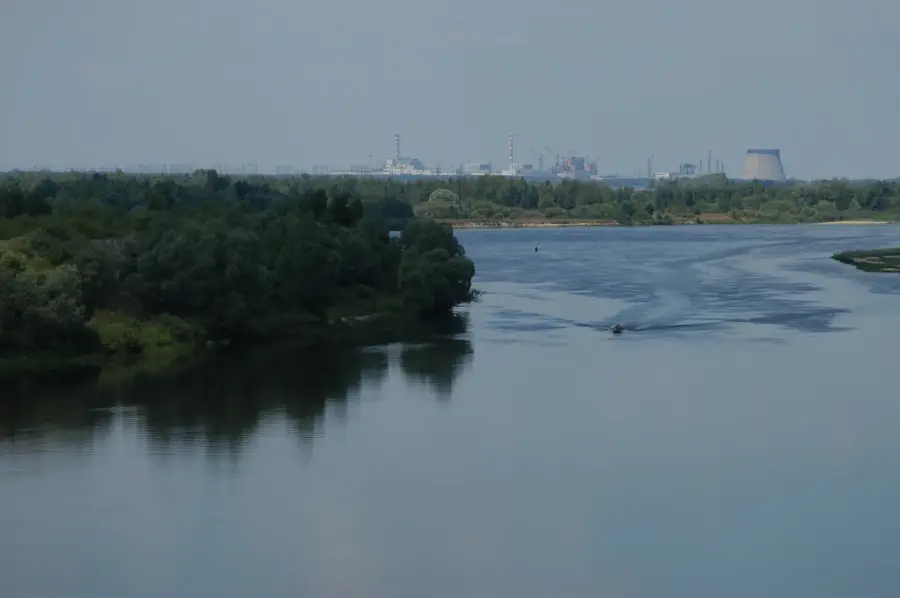
Pripyat Floodplain
The Pripyat Floodplain is a vast wetland area with significant biodiversity.
Learn more →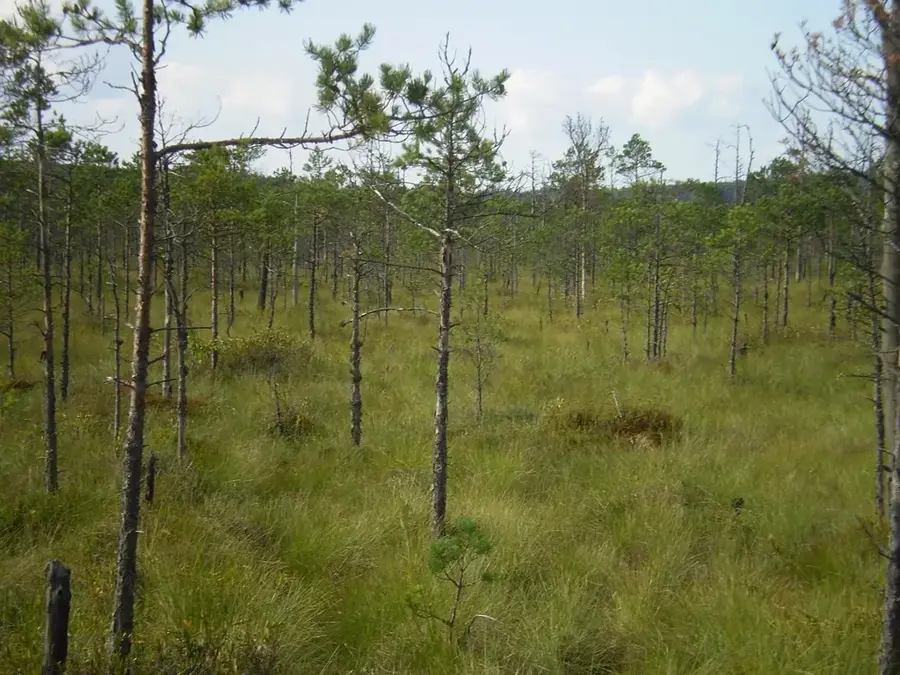
Berezinsky Biosphere Reserve
A protected area established in 1925 that hosts all five of Europe's large carnivore species.
Learn more →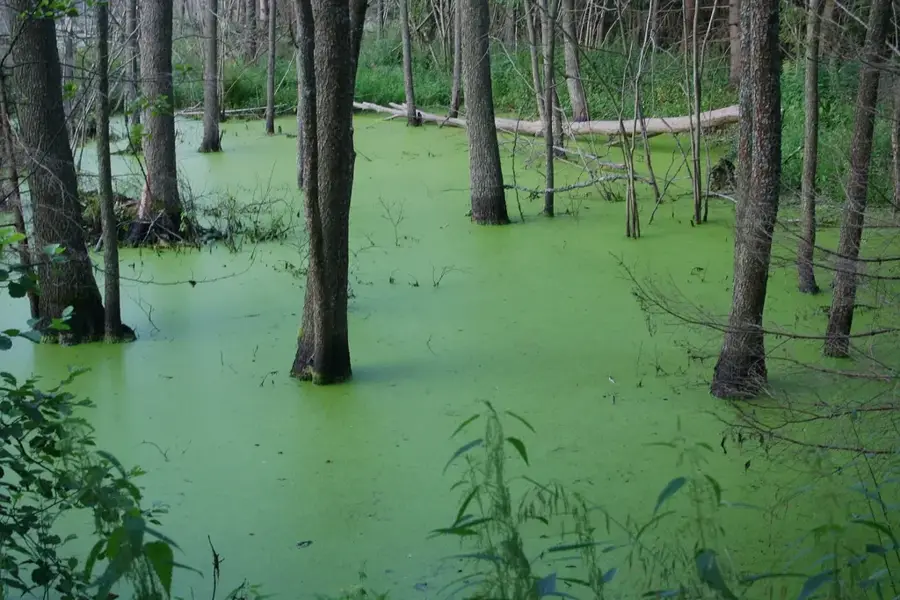
Zvanets Biological Reserve
Europe's largest fen mire with characteristic sedge vegetation.
Learn more →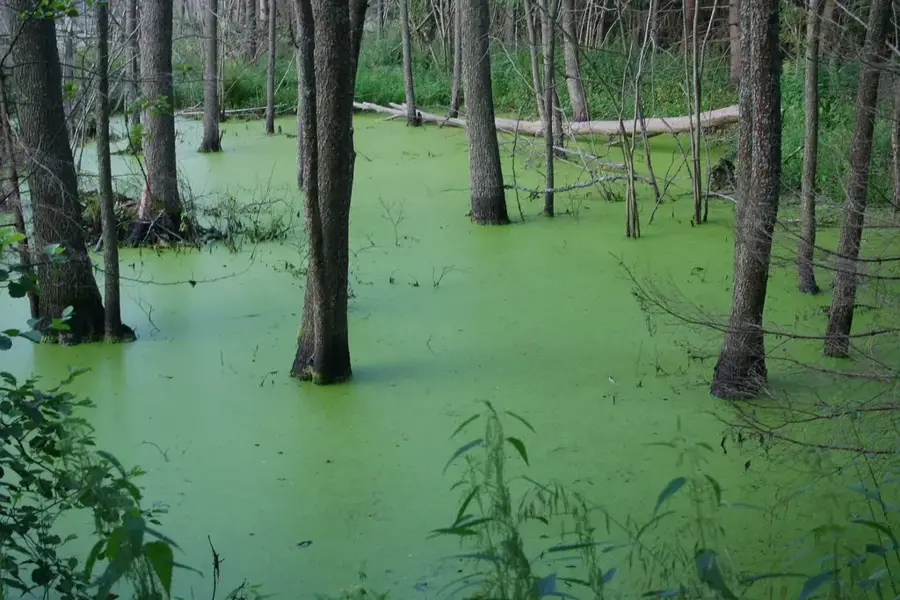
Stary Zhaden Reserve
A remote marshland in Polesie, representing one of the least disturbed ecosystems in the country.
Learn more →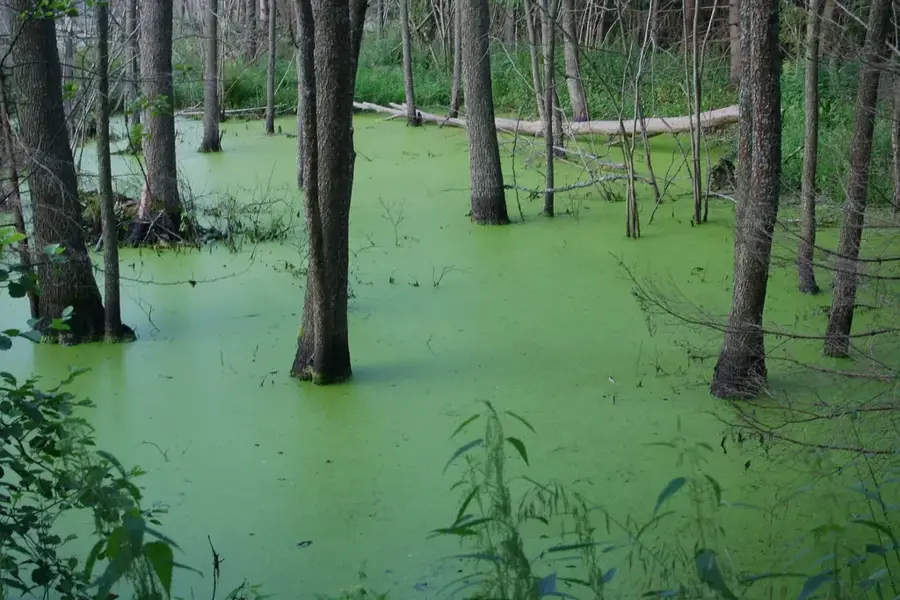
Kozyansky Biological Reserve
A mosaic of raised bogs, lakes, and mineral islands in northern Belarus.
Learn more →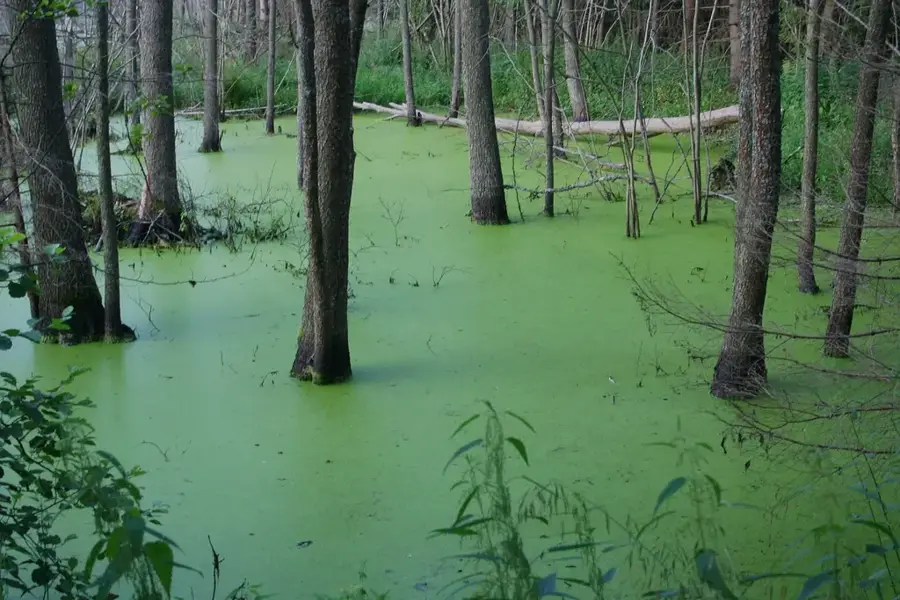
Sporovsky Biological Reserve
This reserve hosts the world's largest population of the Aquatic Warbler.
Learn more →
Dnieper-Sozh Wetlands
Extensive wetlands are located at the confluence of the Sozh and Dnieper rivers.
Learn more →Cities & Architecture
Frequently asked questions
What are the top attractions in Belarus?
Among the most popular are Braslav Lakes, Lake Narach, Lida Castle, Gomel Palace and Park Ensemble, Lake Dryvyaty and many more – the full top 50 list is on this page.
When is the best time to visit Belarus?
May to October offers the most pleasant weather; July and August are warmest and busiest.