Attractions in Poland
The finest attractions in Poland at a glance: castles, natural wonders, historic old towns and more. Each place links to a detailed page with map, tips and photos.
Culture & History
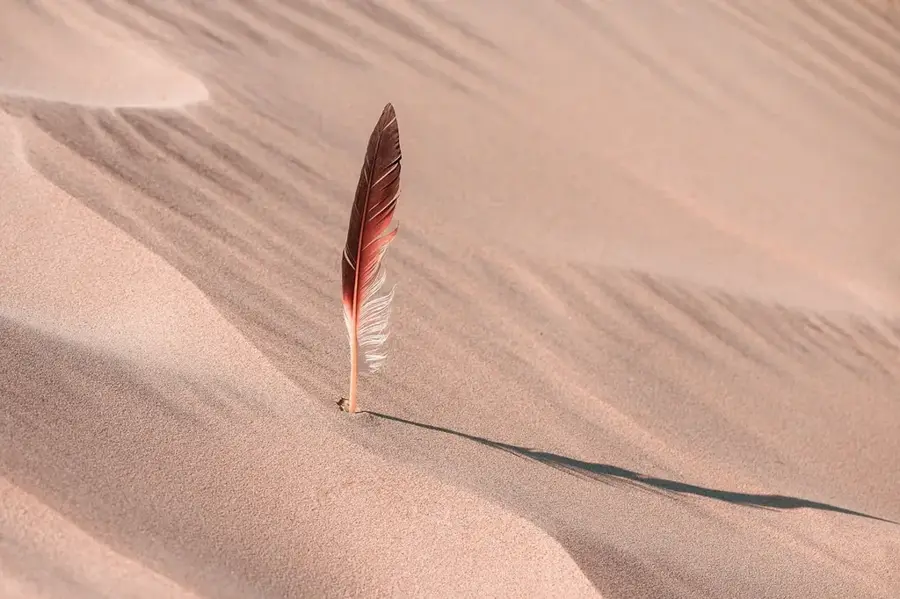
Łącka Dune
The Łącka Dune is the largest wandering dune in the Słowiński National Park on the Baltic coast.
Learn more →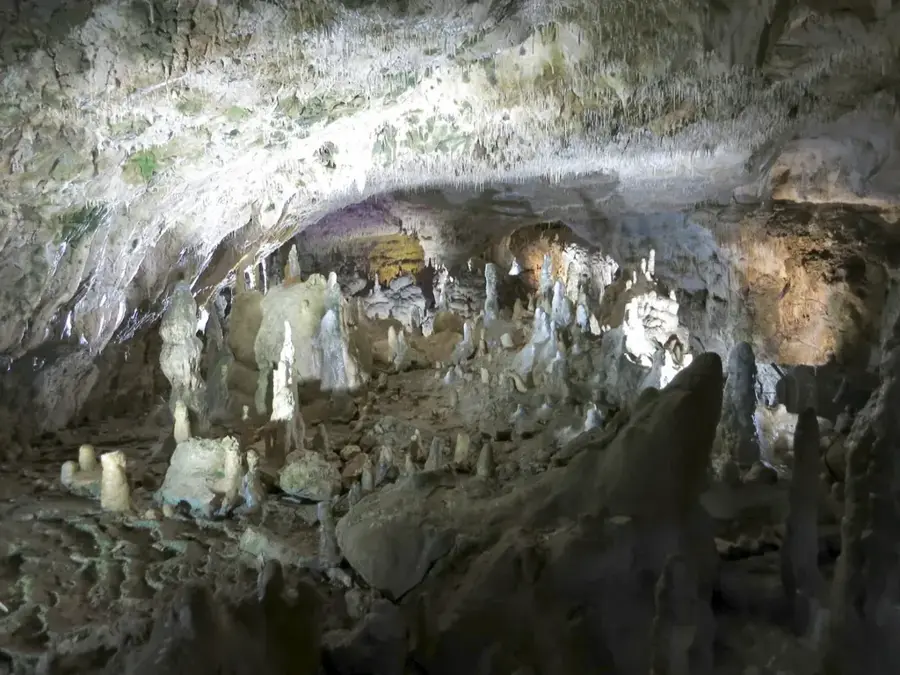
Bear Cave
The Bear Cave in Kletno is one of the longest and most beautiful caves in Poland.
Learn more →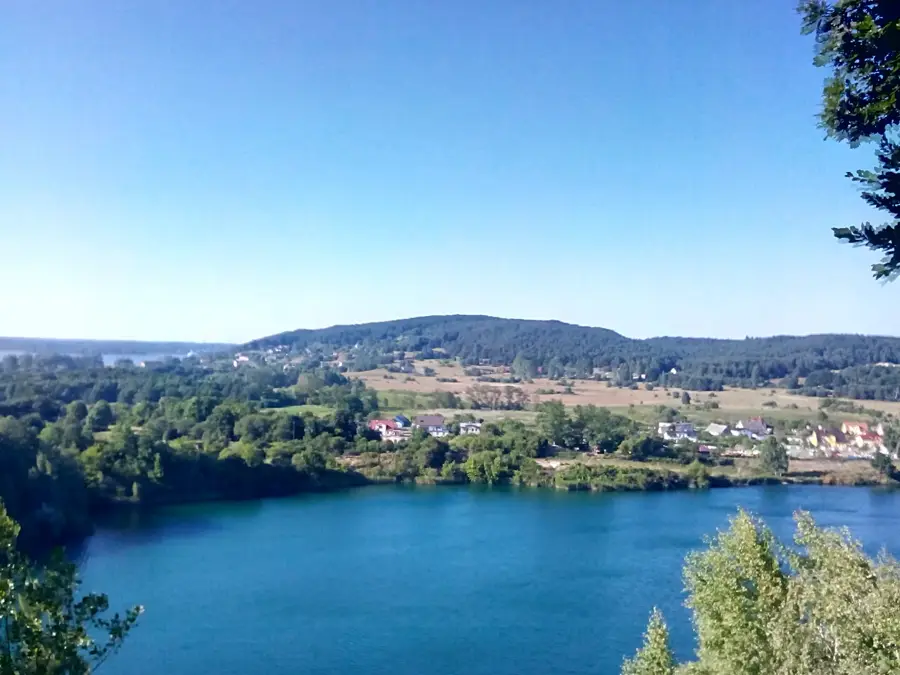
Wolin Cliffs
The Wolin Cliffs in the Wolin National Park are the highest sea cliffs in Poland.
Learn more →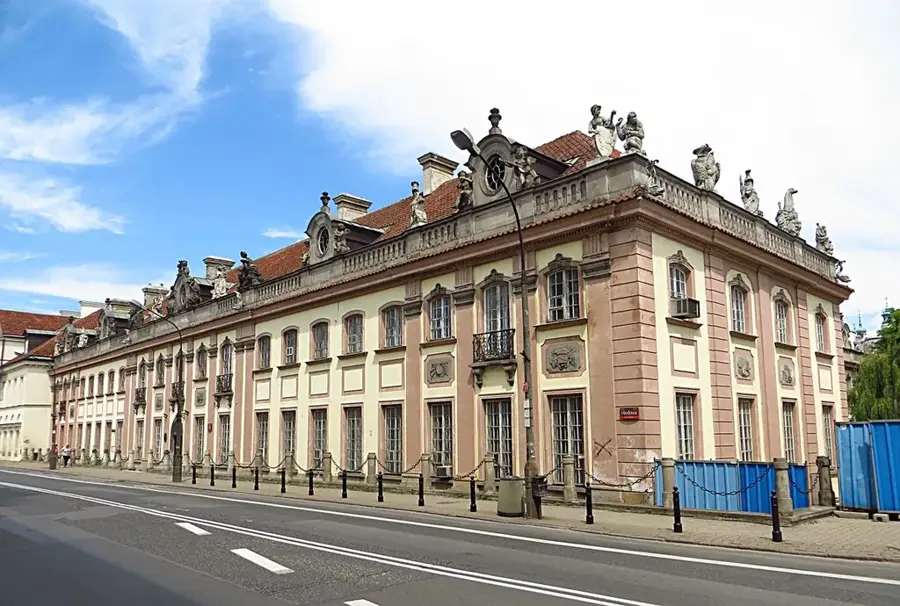
Branicki Palace
Known as the "Versailles of Podlasie", this Baroque palace complex was built for Jan Klemens Branicki.
Learn more →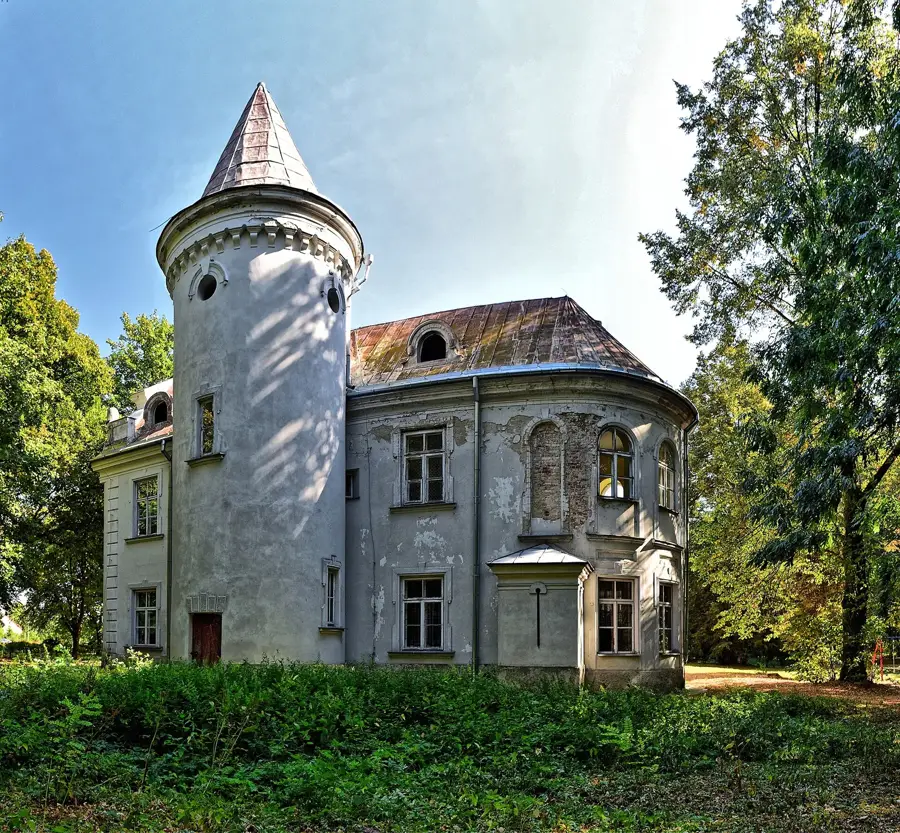
Lublin Upland
The Lublin Upland is a rolling plain in eastern Poland characterized by loess soils.
Learn more →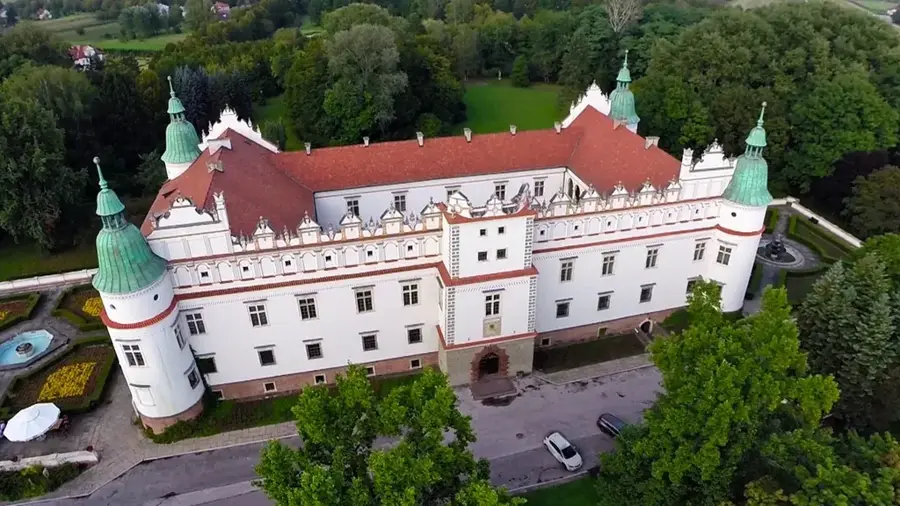
Baranow Sandomierski Castle
A Mannerist castle often called the "Little Wawel" due to its courtyard layout.
Learn more →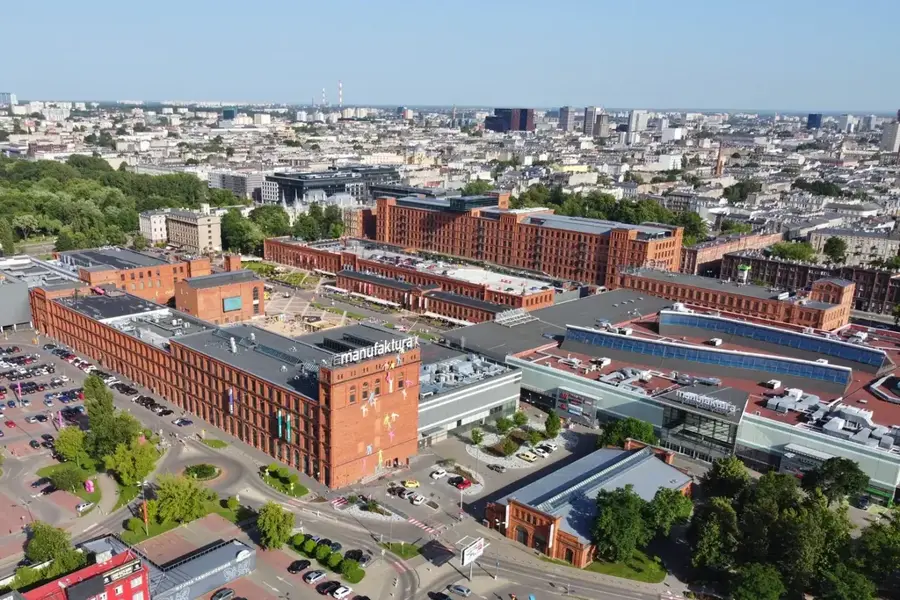
Manufaktura Łódź
Manufaktura is a symbol of the economic revitalization of Łódź.
Learn more →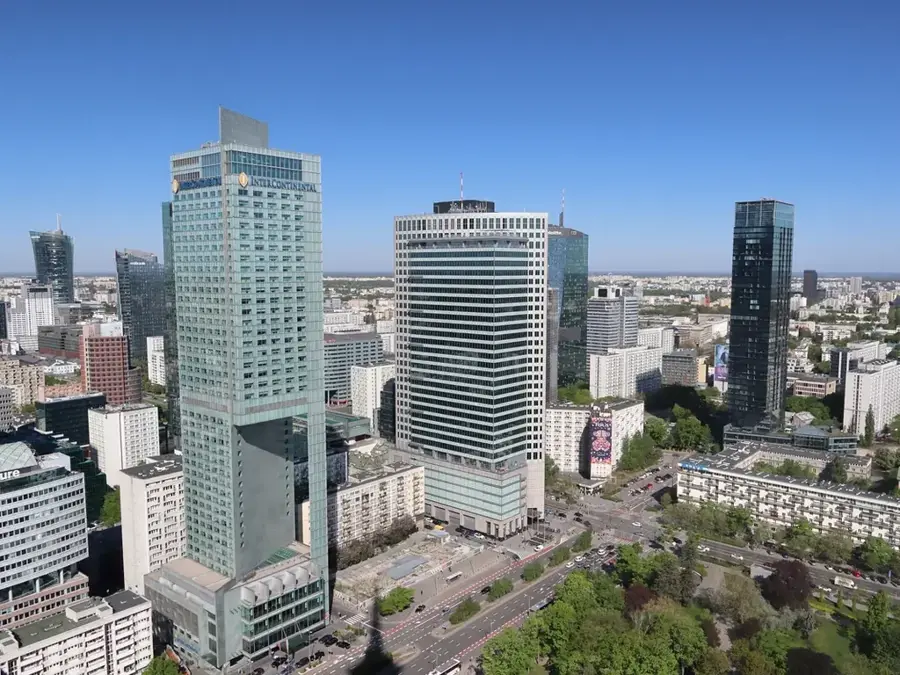
Warsaw Business District
Warsaw's central business district is the financial and commercial heart of Poland.
Learn more →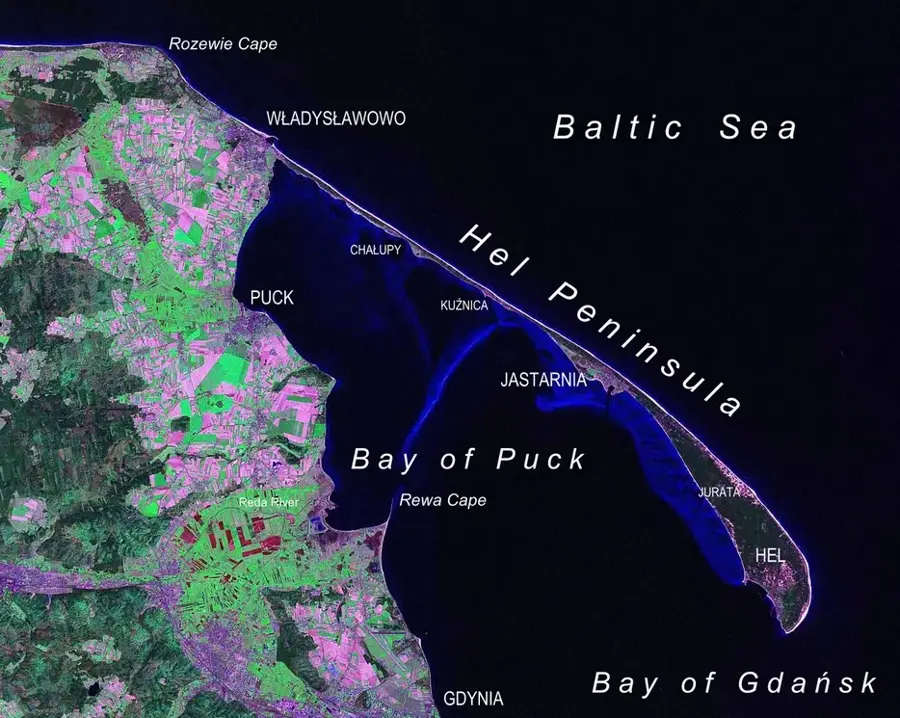
Hel Peninsula
The Hel Peninsula is a 35-kilometer-long sandy sandbar that separates the Bay of Gdańsk from the open Baltic Sea.
Learn more →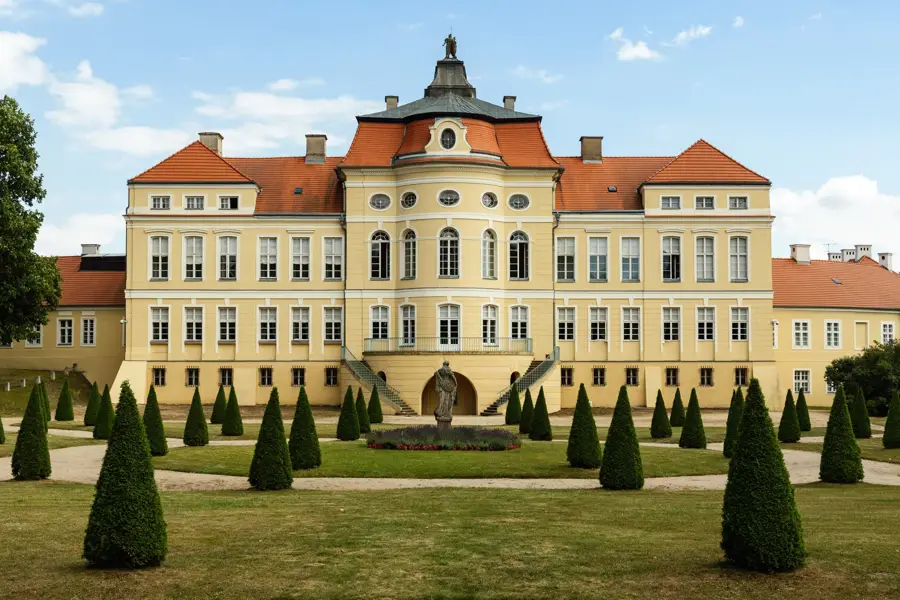
Rogalin Palace
A late Baroque palace famous for its landscape park containing centuries-old oak trees.
Learn more →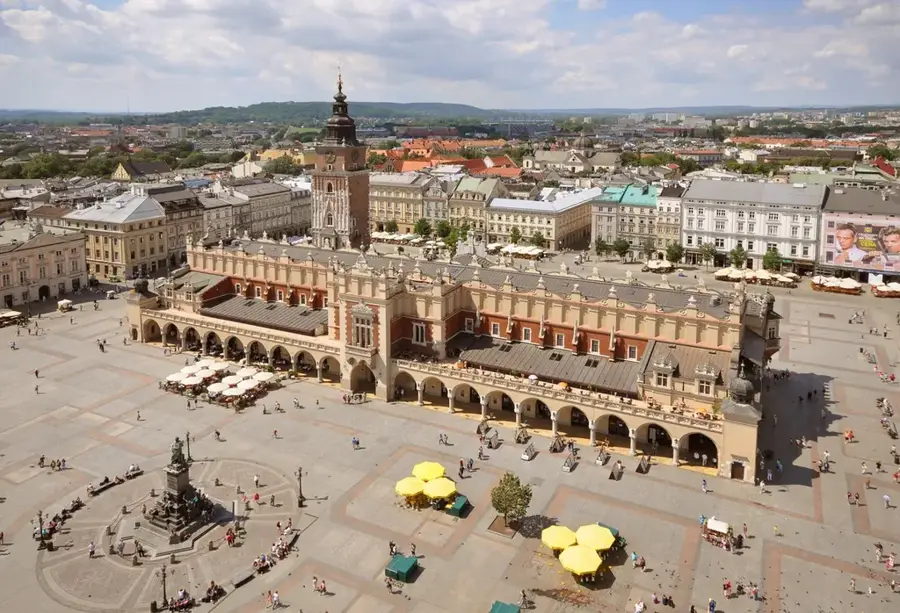
Cloth Hall (Sukiennice)
The Cloth Hall in the center of Kraków's Main Market Square is one of the world's oldest shopping malls.
Learn more →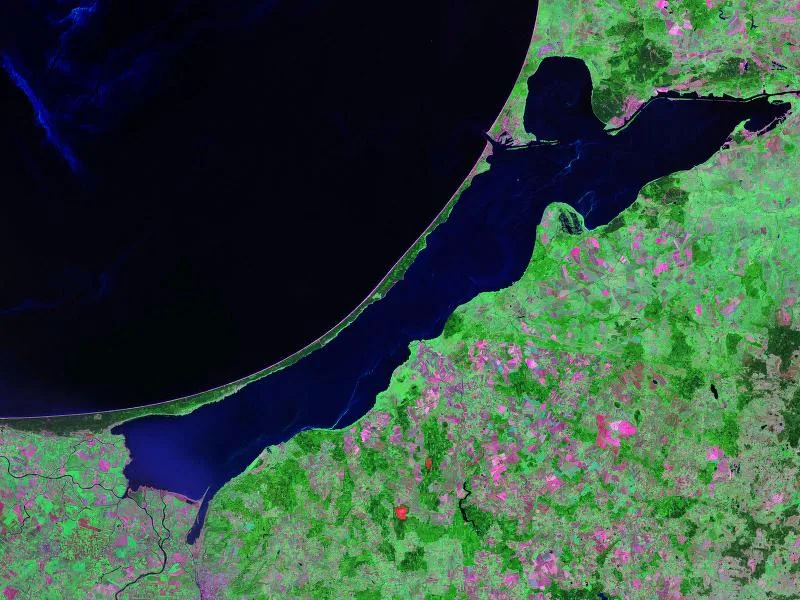
Vistula Spit
The Vistula Spit is a narrow sandy sandbar that separates the Vistula Lagoon from the Baltic Sea.
Learn more →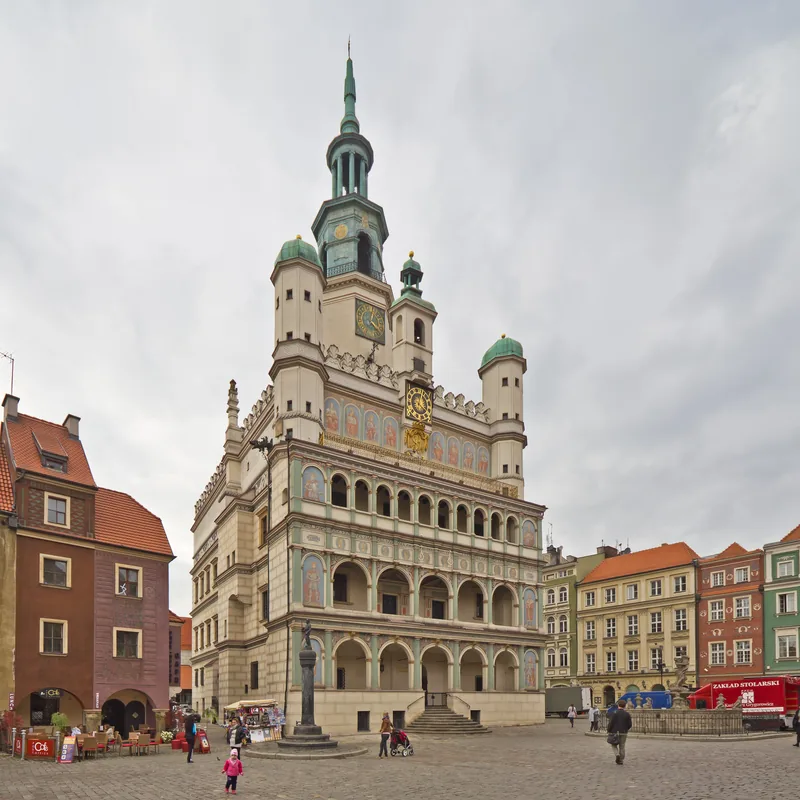
Poznań Town Hall
Poznań Town Hall on the Old Market Square is a jewel of Renaissance architecture.
Learn more →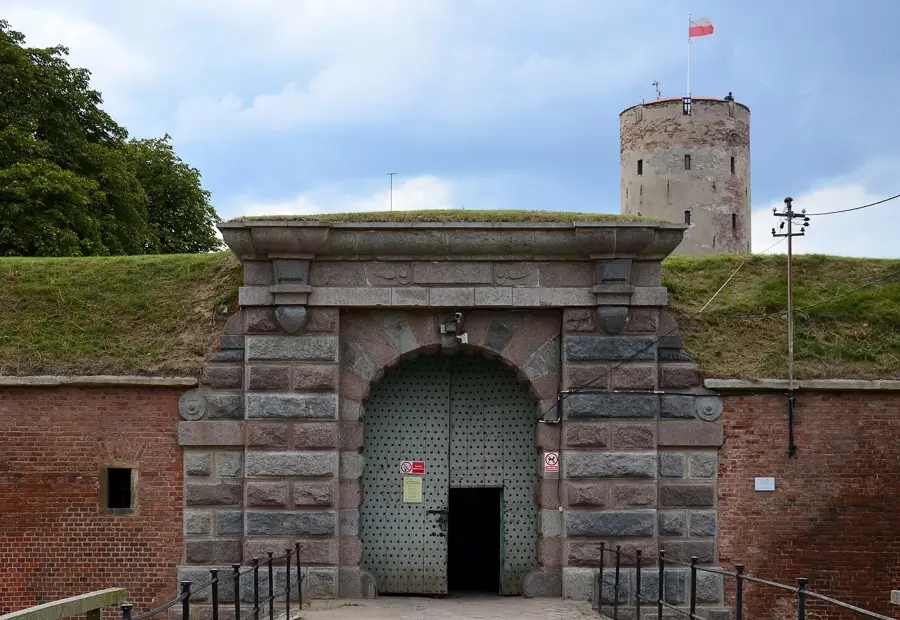
Vistulamouth Fortress
The Vistulamouth Fortress in Gdańsk secured the entrance to the harbor for centuries.
Learn more →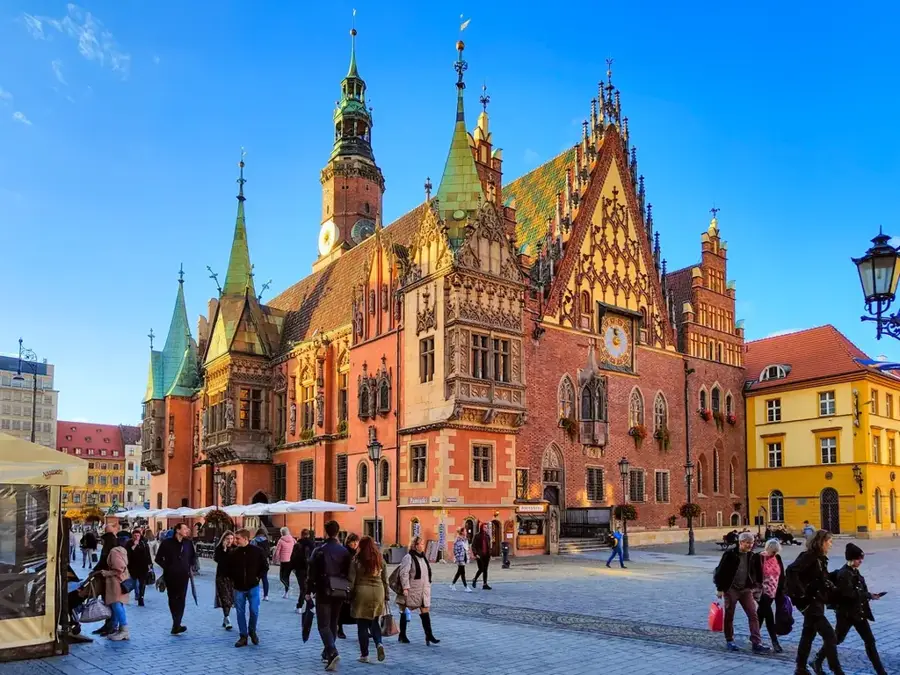
Wroclaw Old Town Hall
A landmark Gothic building located in the center of Wrocław's Market Square.
Learn more →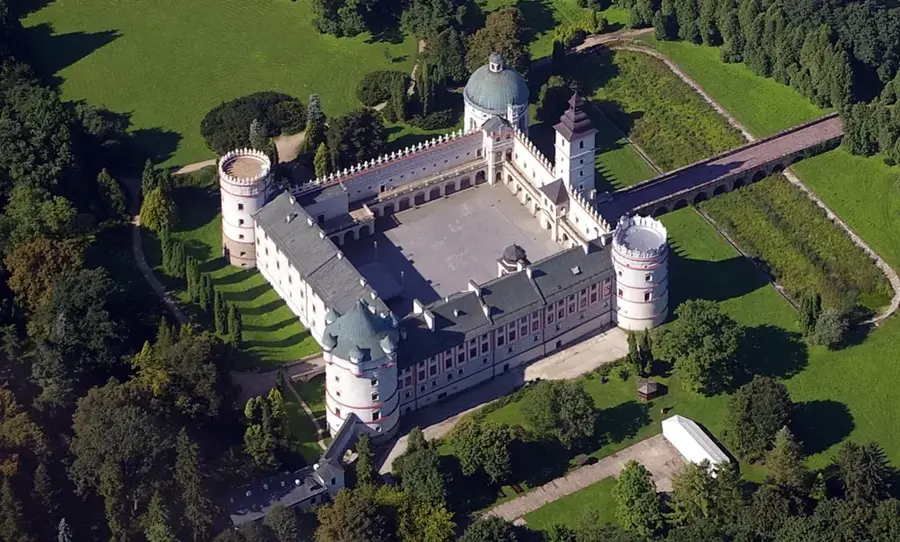
Krasiczyn Castle
A Renaissance castle famous for its four unique corner towers, each representing a different order: Divine, Papal, Royal, and Noble.
Learn more →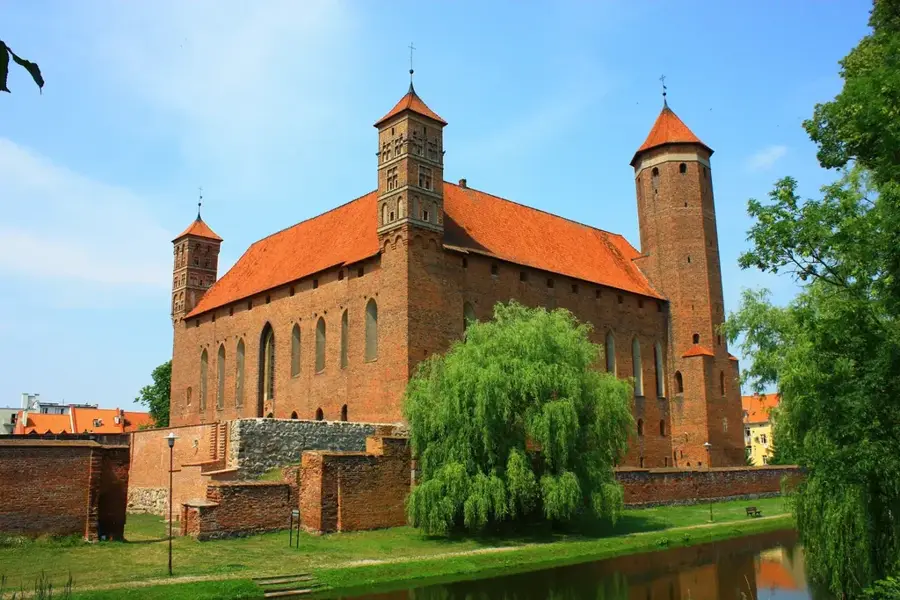
Lidzbark Warminski Castle
A well-preserved Gothic castle that served as the residence for the Bishops of Warmia.
Learn more →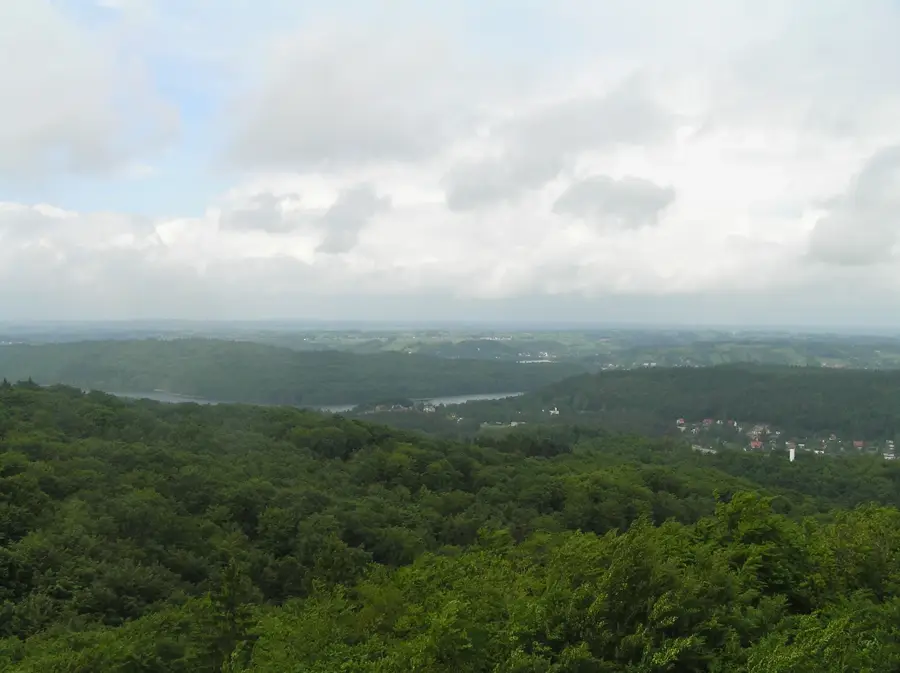
Kashubian Lake District
A hilly landscape in northern Poland with numerous lakes and glacial moraines.
Learn more →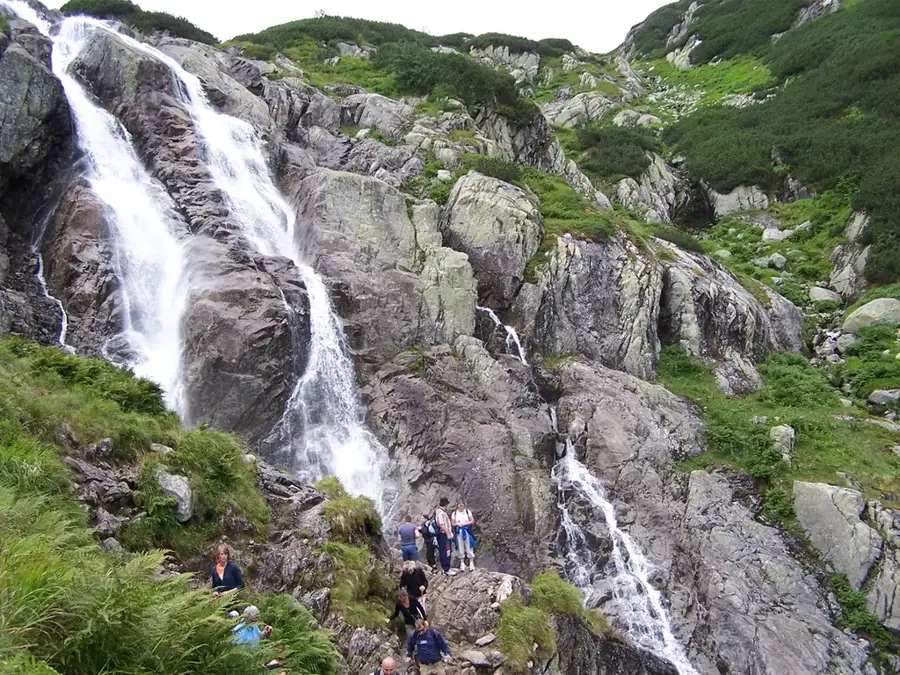
Siklawa Waterfall
Wielka Siklawa is the largest waterfall in Poland.
Learn more →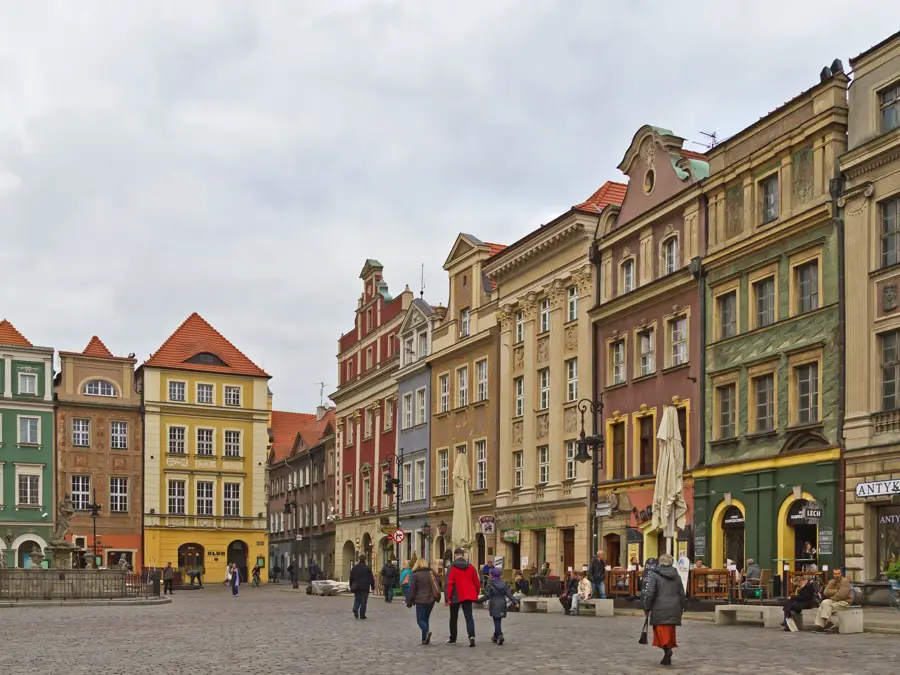
Greater Poland Lowland
A vast lowland in western Poland, shaped by glacial activity during the ice age.
Learn more →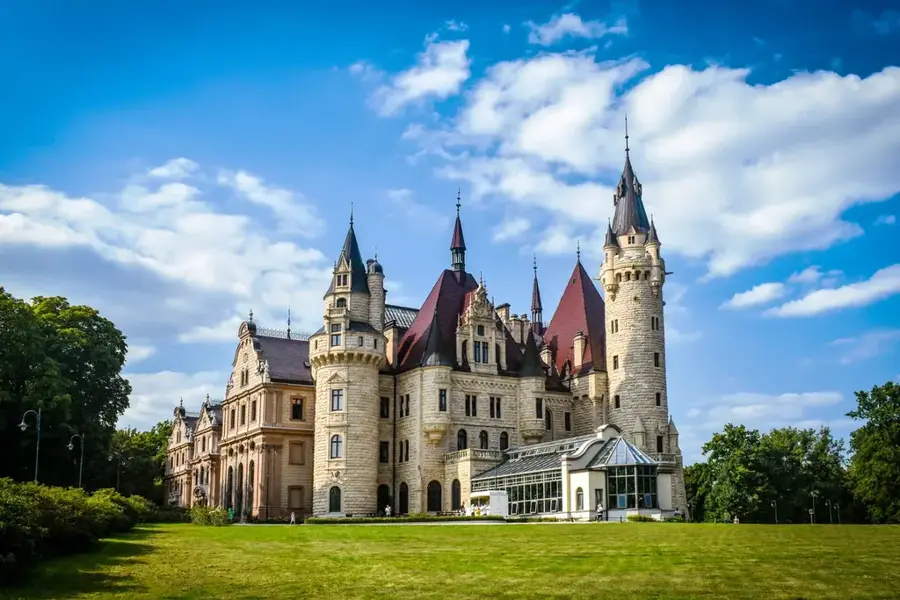
Moszna Castle
Moszna Castle is an eclectic residence famous for its 99 towers and magnificent parkland.
Learn more →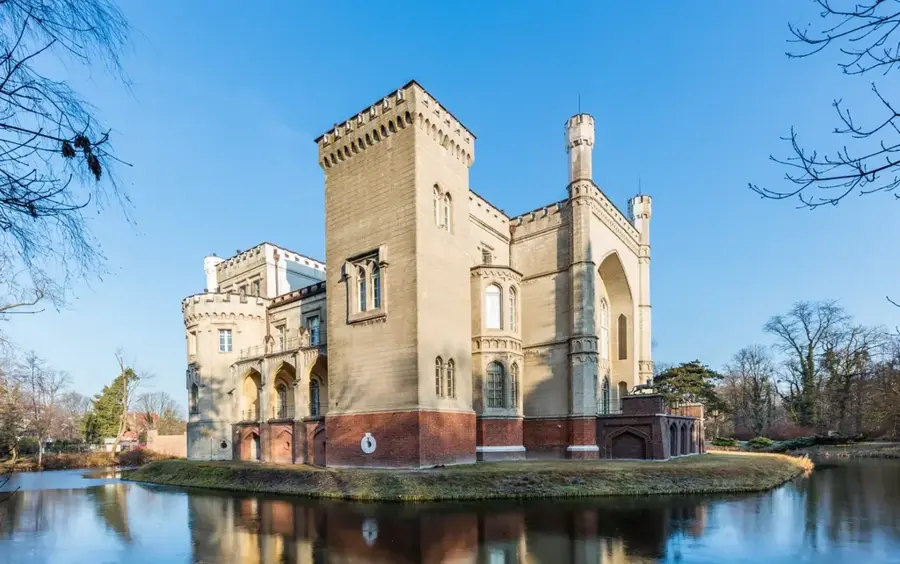
Kórnik Castle
Kórnik Castle is a Neo-Gothic residence known for its valuable library and famous arboretum.
Learn more →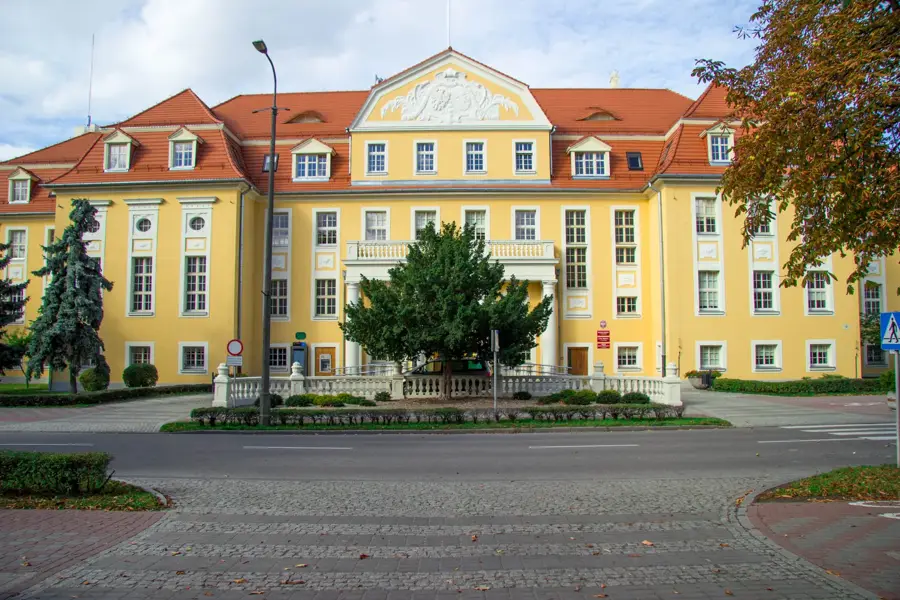
Kwidzyn Cathedral and Castle
This monumental 14th-century complex served as the seat of the Pomesanian bishops.
Learn more →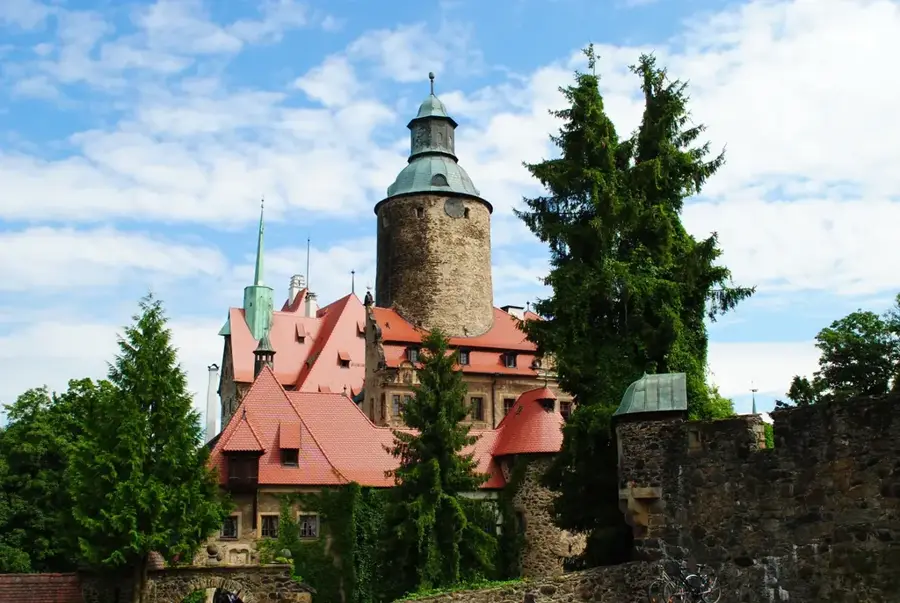
Czocha Castle
Czocha Castle is a medieval defensive castle in Lower Silesia.
Learn more →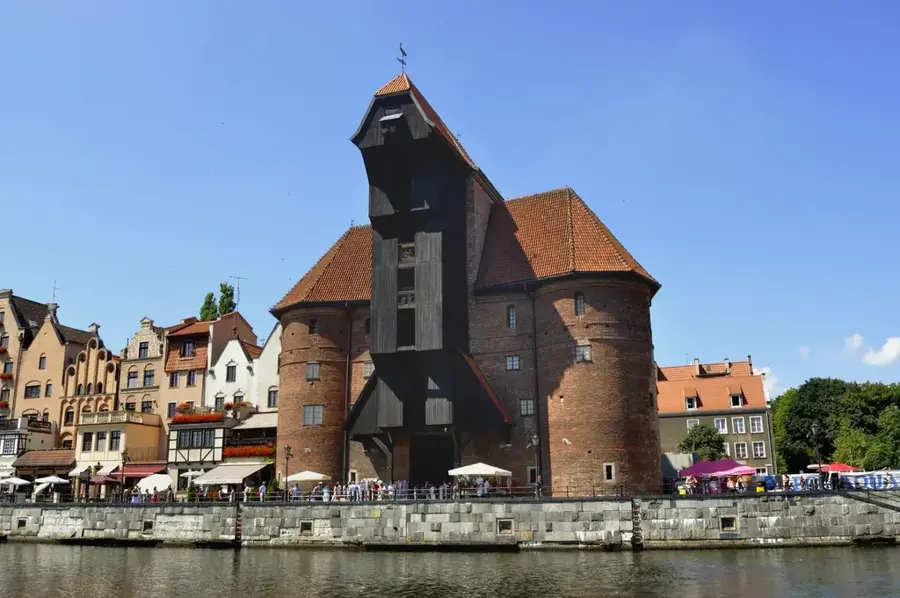
The Crane in Gdańsk
The Crane is a historic city gate with a lifting function on the banks of the Mottlau river.
Learn more →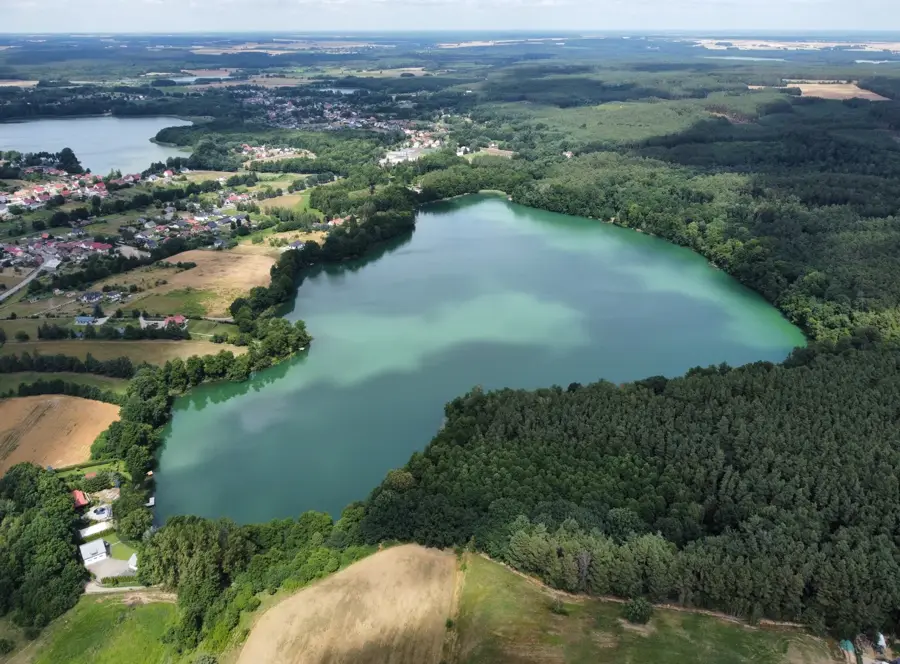
Lubusz Lake District
A landscape rich in lakes in western Poland, characterized by rolling hills and extensive forests.
Learn more →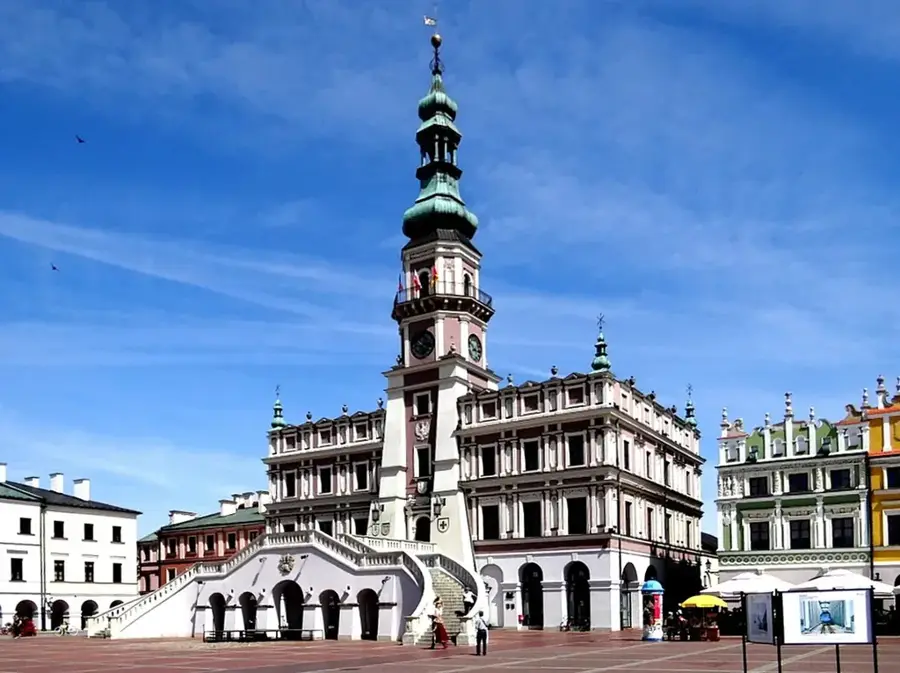
Zamość Town Hall
Zamość Town Hall, with its characteristic double staircase, is the symbol of the Renaissance 'ideal city'.
Learn more →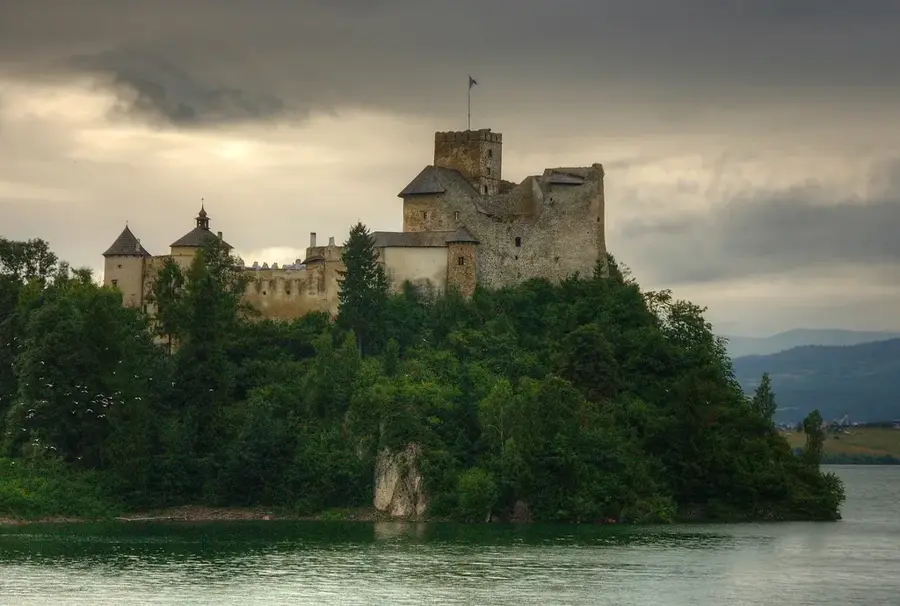
Niedzica Castle
Niedzica Castle, also known as Dunajec Castle, is located on the banks of Lake Czorsztyn.
Learn more →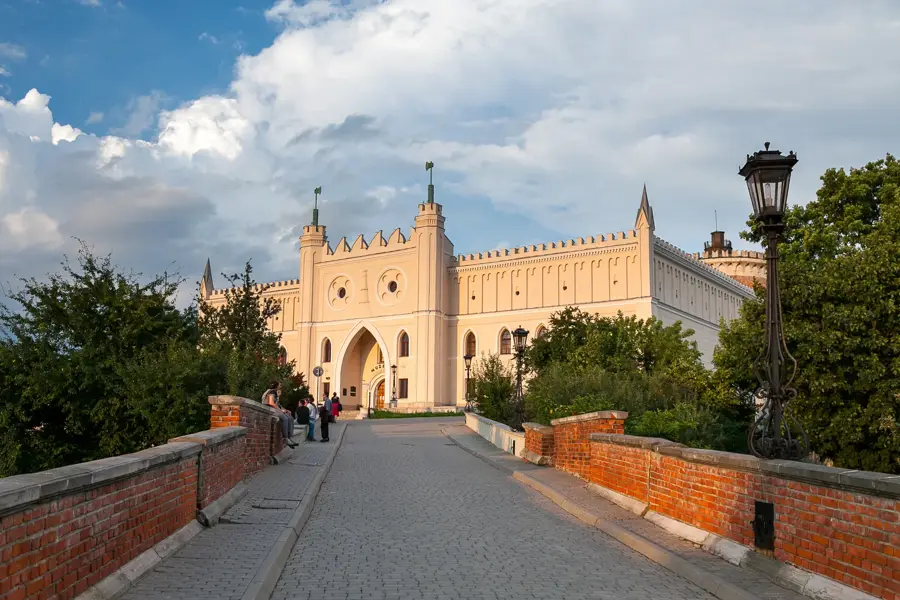
Lublin Castle
Lublin Castle is a historic fortification on a hill.
Learn more →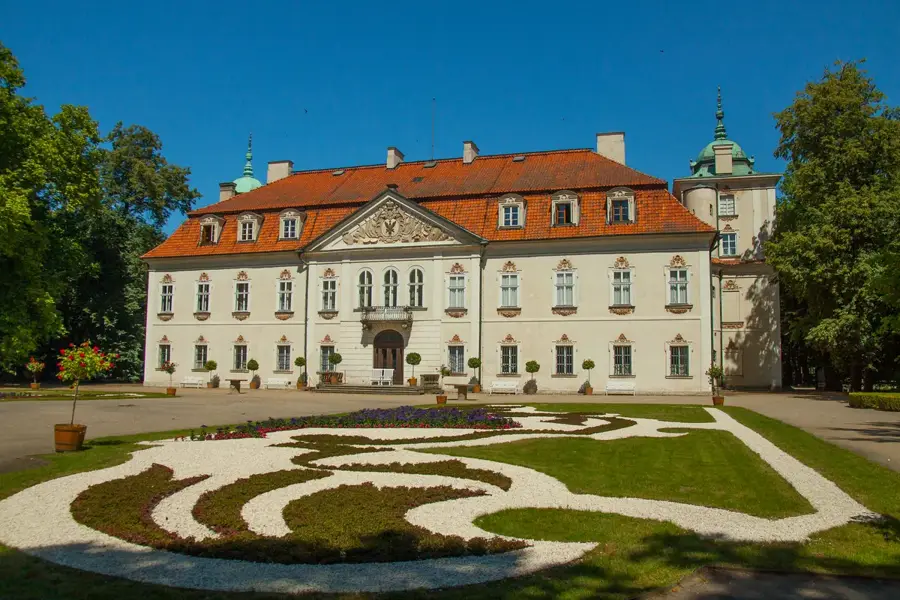
Nieborów Palace
This late 17th-century Baroque palace was designed for the Primate of Poland.
Learn more →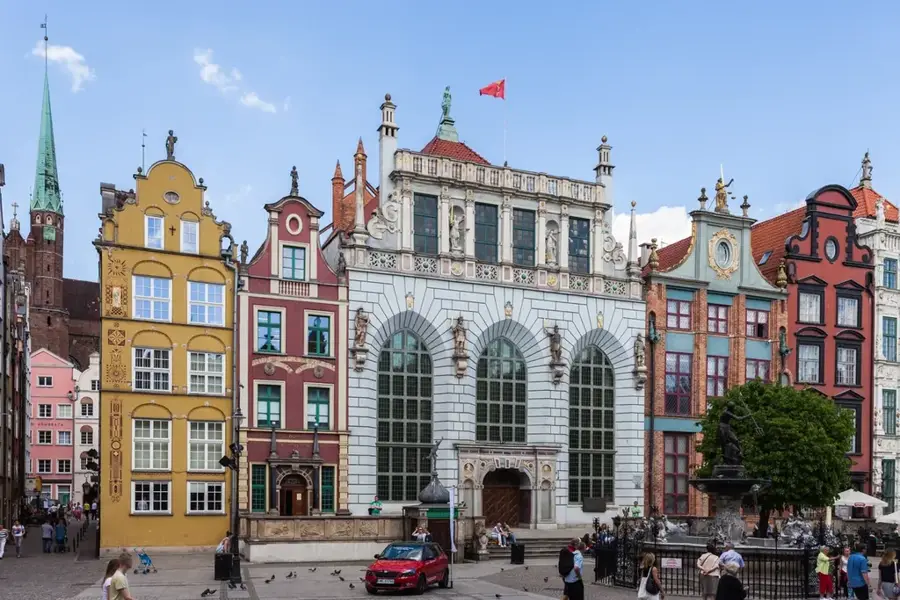
Artus Court
Artus Court was formerly the center of social life for Gdańsk merchants.
Learn more →
Tyniec Castle
This fortified abbey sits on a limestone rock above the Vistula river.
Learn more →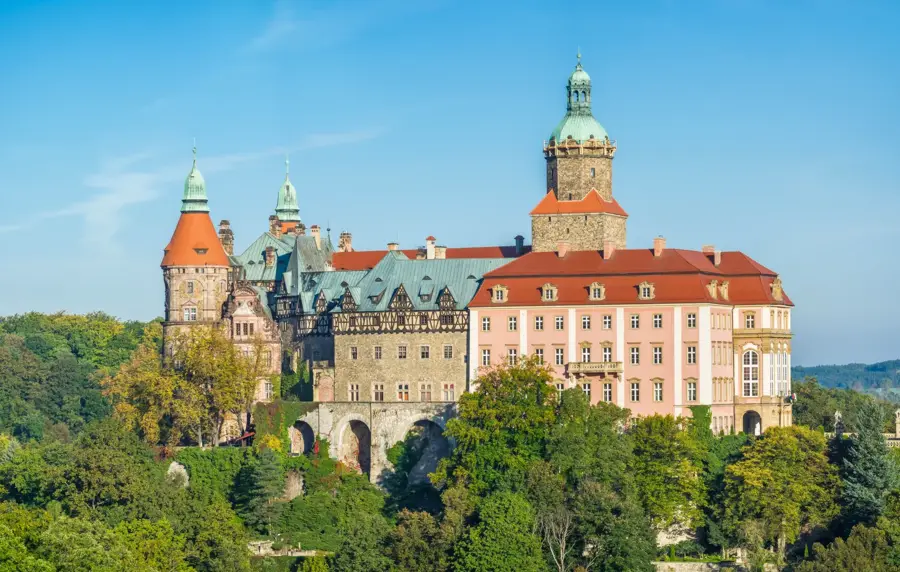
Książ Castle
The largest castle in Lower Silesia, perched on a rock.
Learn more →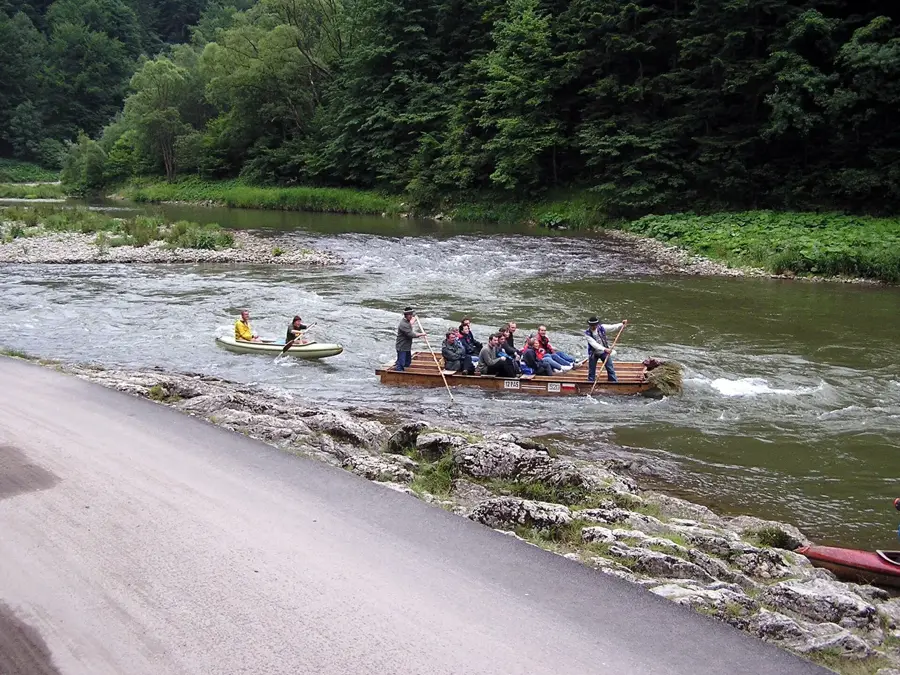
Pieniny Plateau
A limestone mountain region in southern Poland on the border with Slovakia.
Learn more →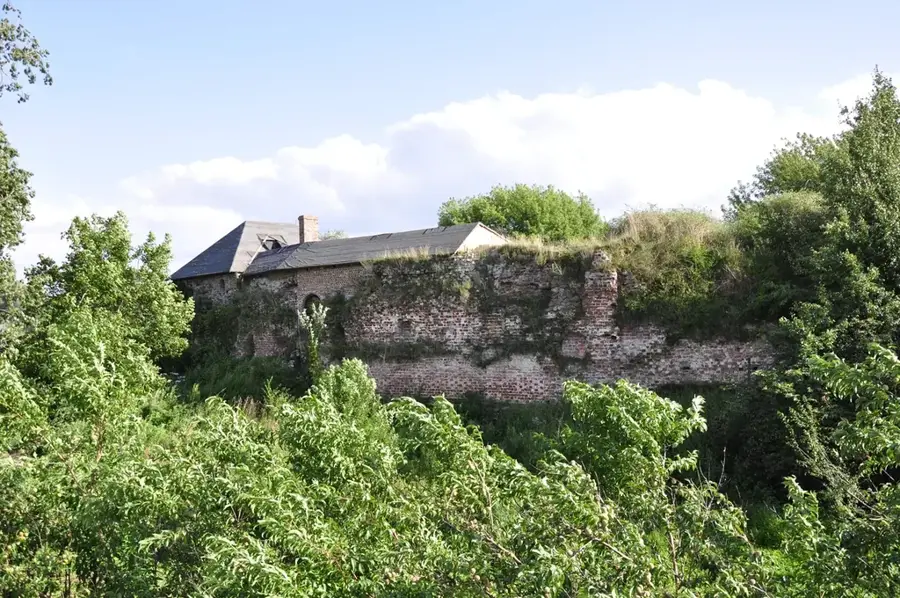
Gniezno Archiepiscopal Palace
The palace has been the residence of the Primate of Poland for centuries.
Learn more →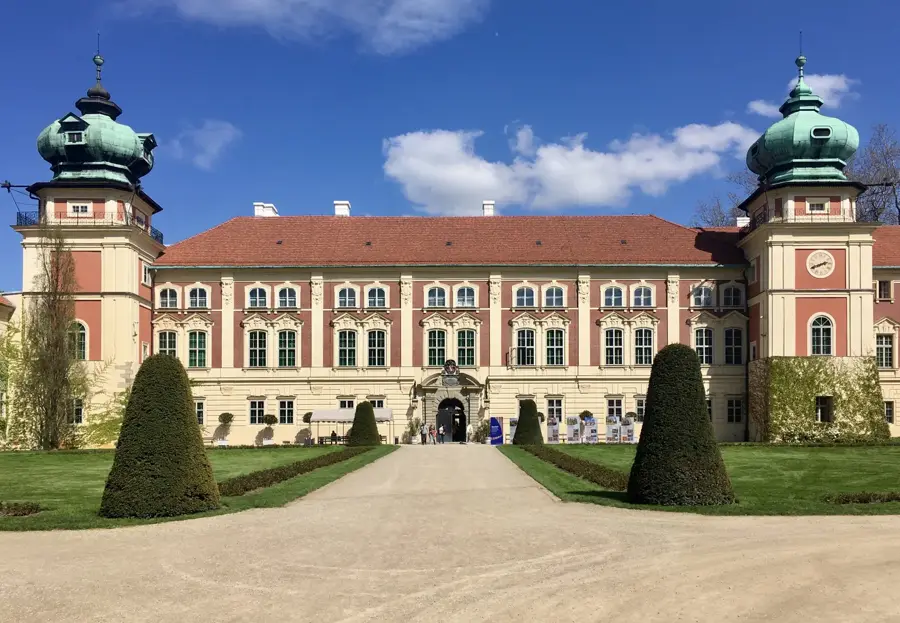
Łańcut
One of Poland's most magnificent aristocratic residences.
Learn more →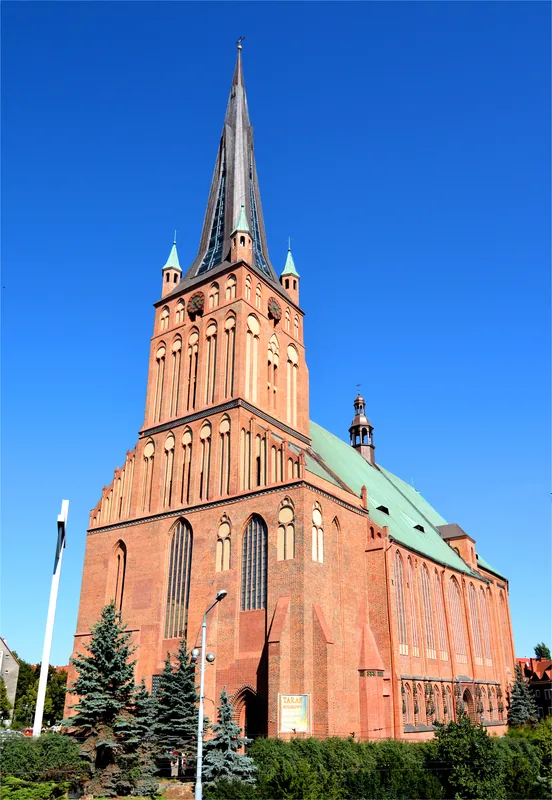
St. James' Cathedral in Szczecin
St.
Learn more →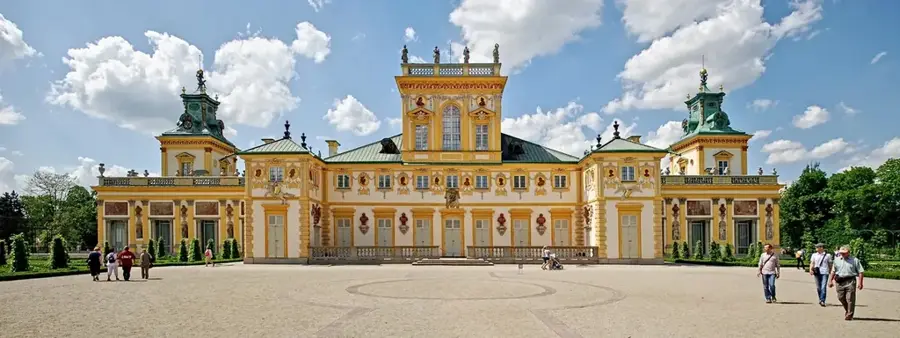
Wilanów Palace
Royal Baroque residence in Warsaw, built for King Jan III Sobieski.
Learn more →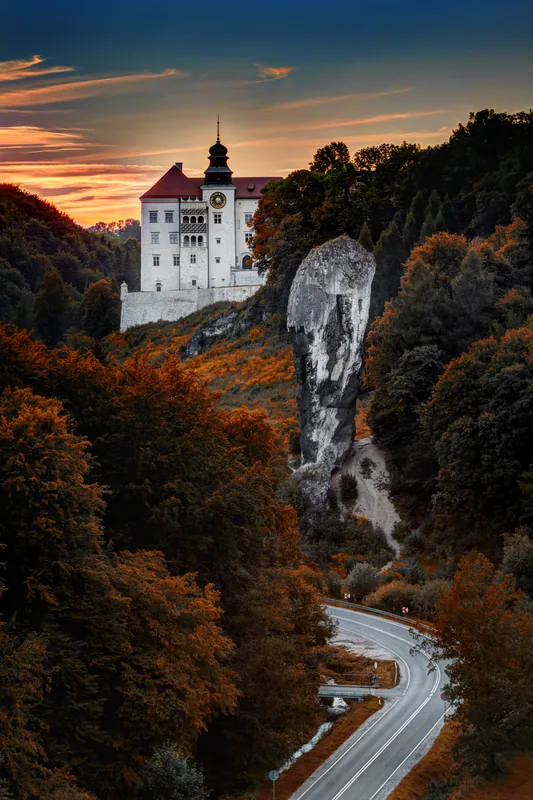
Pieskowa Skała Castle
Pieskowa Skała is a well-preserved Renaissance castle in the Ojców National Park.
Learn more →Nature
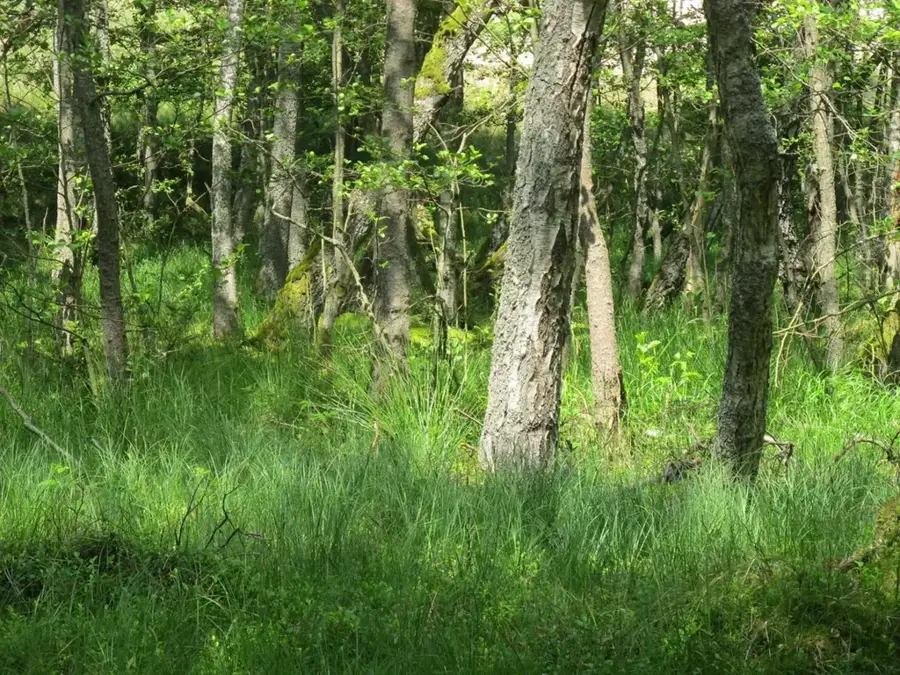
Słowiński Moving Dunes
In the Słowiński National Park on the Baltic coast lie the largest moving dunes in Central Europe.
Learn more →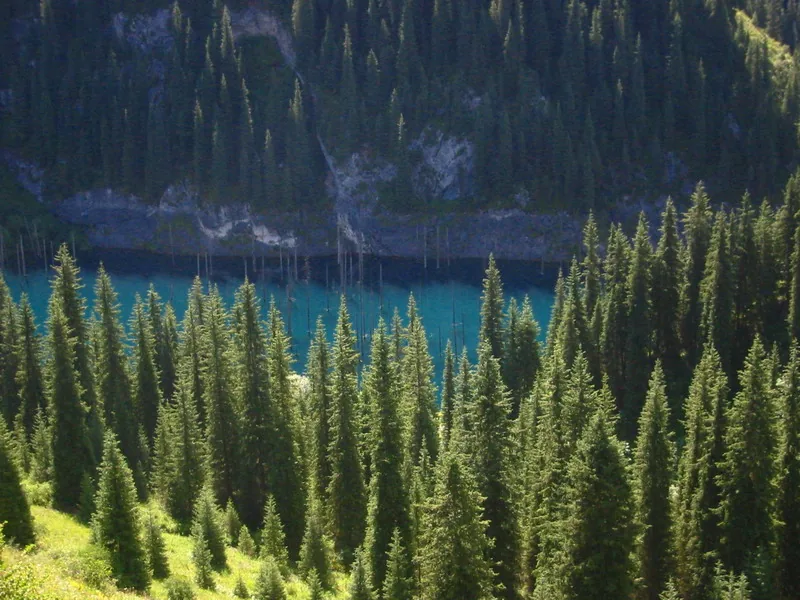
Rogów Arboretum
This historically significant arboretum was founded in 1925 and houses one of the largest collections of dendrological species in Poland.
Learn more →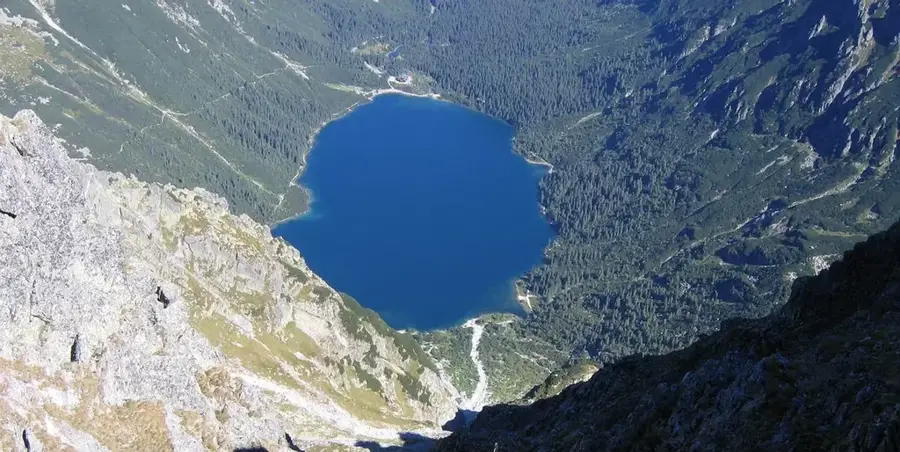
Morskie Oko
Morskie Oko is the largest and most famous lake in the Tatra Mountains, situated at an altitude of 1,395 meters.
Learn more →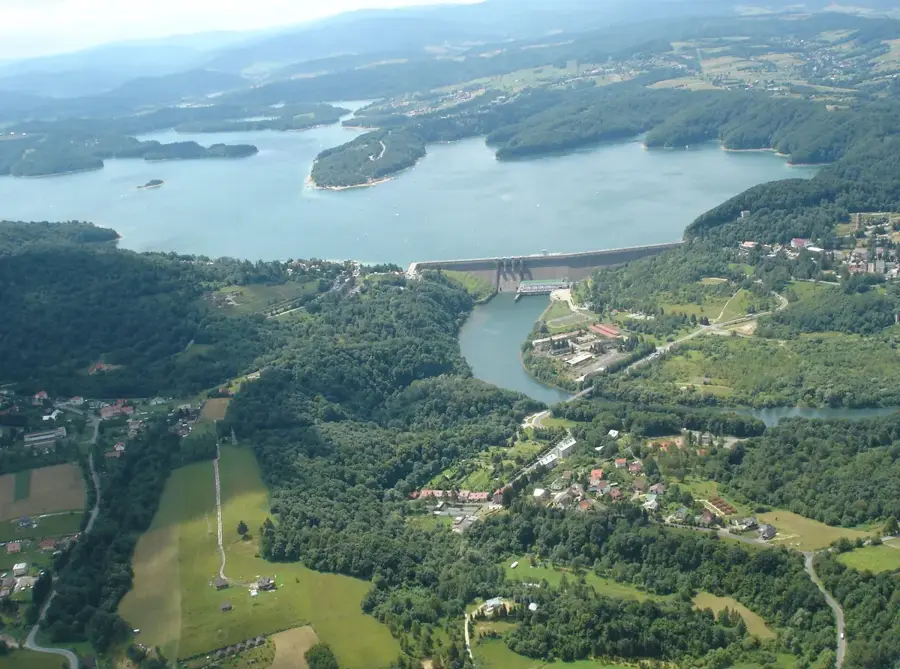
Solina Lake
Solina Lake is the largest man-made reservoir in Poland, located in the Bieszczady Mountains.
Learn more →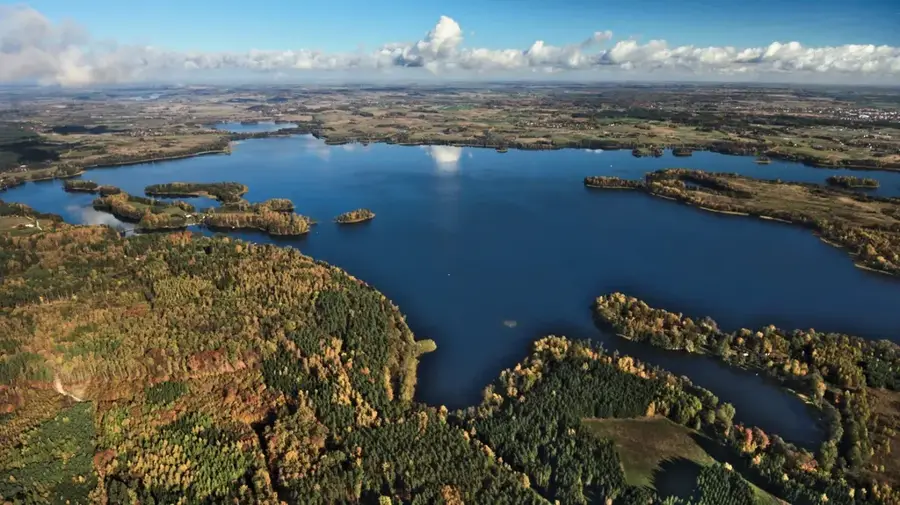
Masurian Lake District
The Masurian Lake District is a hilly landscape of glacial origin in northeastern Poland with over 2000 lakes.
Learn more →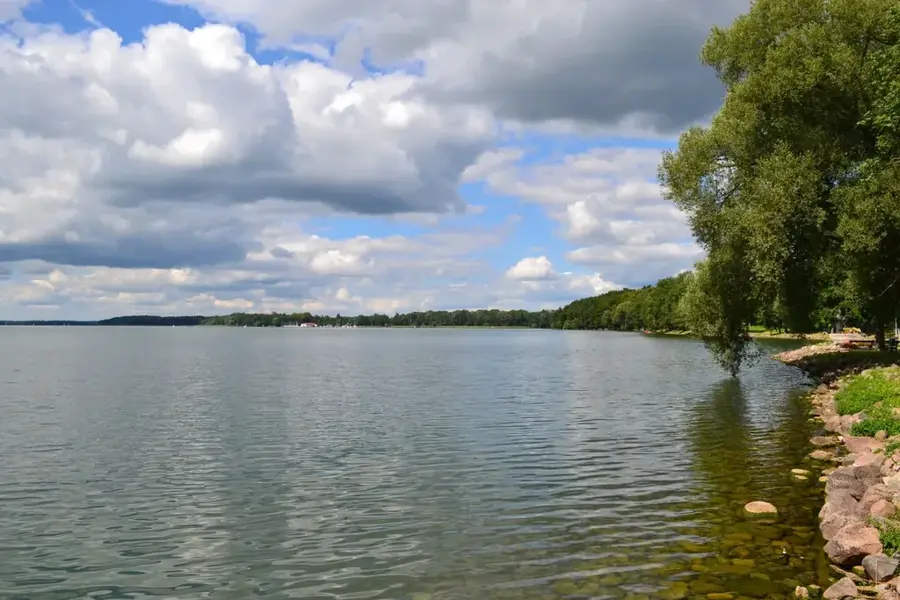
Drawsko Lake
Drawsko Lake is the second deepest lake in Poland, located in the Drawsko Lake District.
Learn more →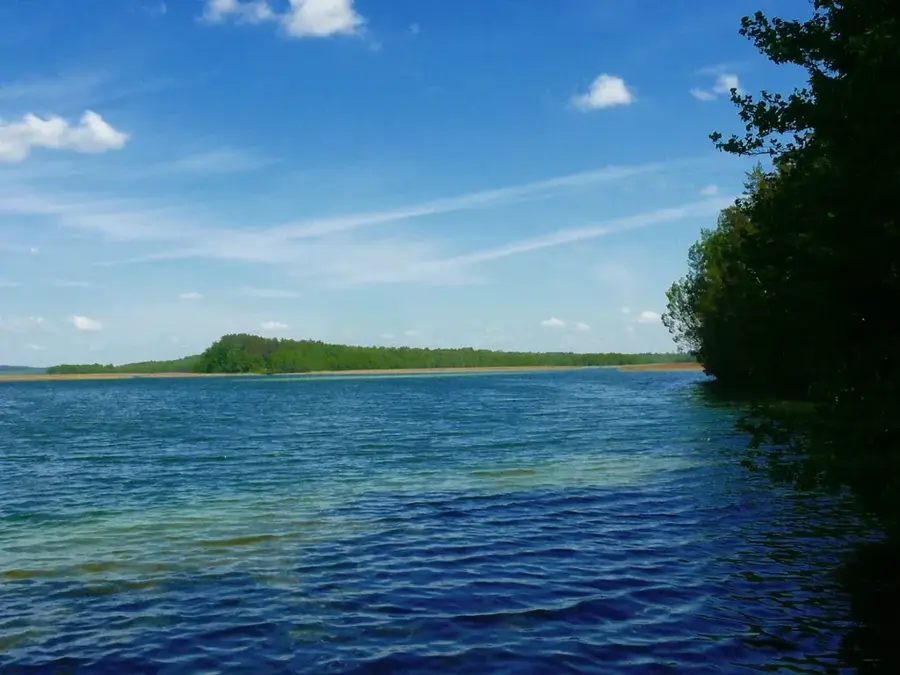
Wigry Lake
Wigry Lake is located in northeastern Poland within the Suwałki Lake District.
Learn more →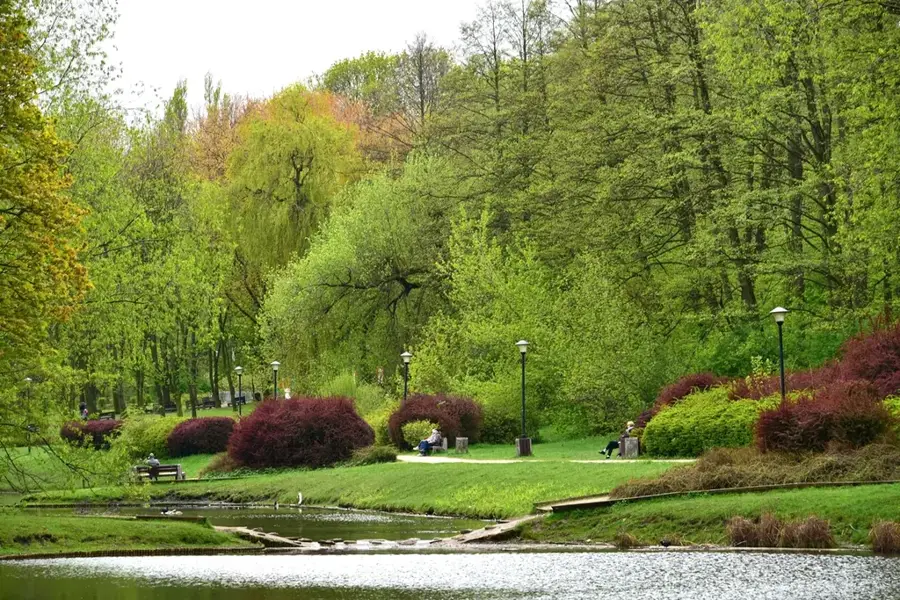
Arkadia Landscape Park
The Arkadia Park was designed in the late 18th century as a romantic garden.
Learn more →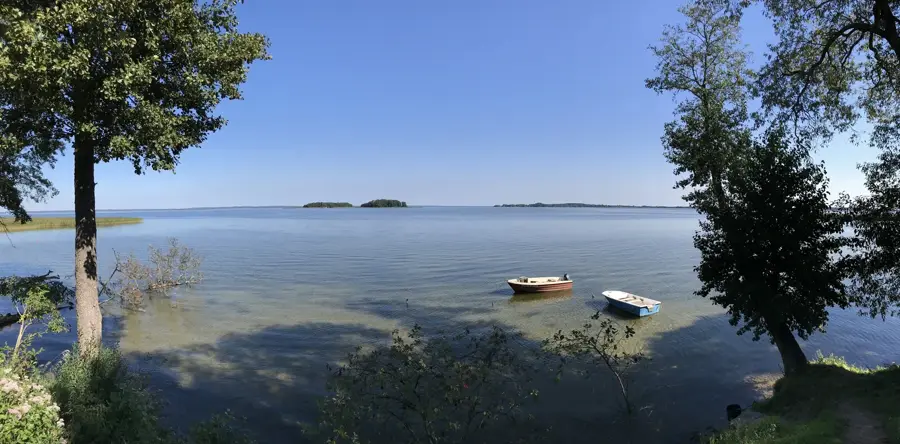
Śniardwy Lake
Śniardwy is the largest lake in Poland, located in the Masurian Lake District.
Learn more →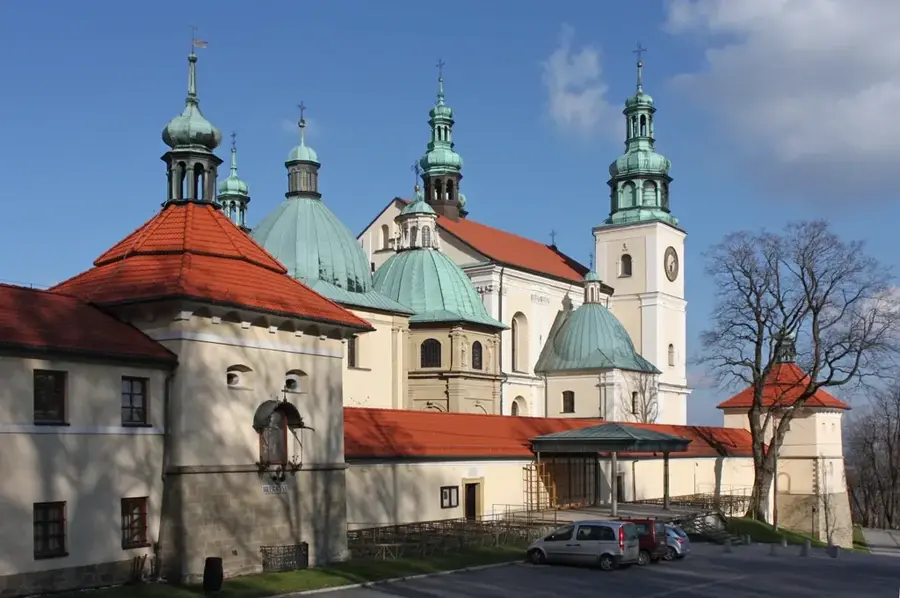
Kalwaria Zebrzydowska
A Mannerist architectural and park complex representing the Passion of Christ.
Learn more →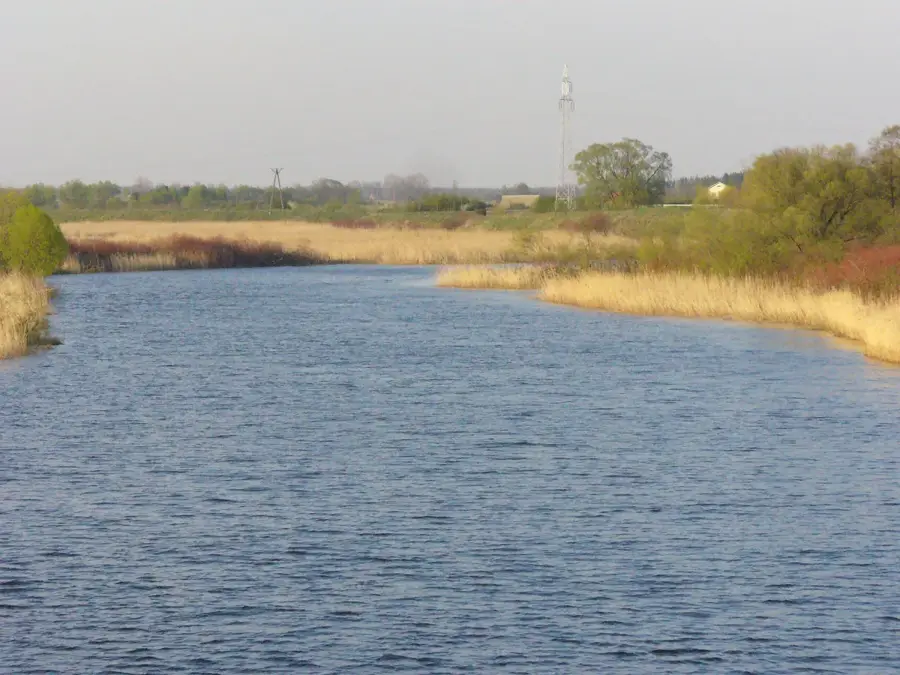
Biebrza Marshes
The Biebrza Valley contains the largest and best-preserved peat bogs and wetlands in Central Europe.
Learn more →Frequently asked questions
What are the top attractions in Poland?
Among the most popular are Łącka Dune, Słowiński Moving Dunes, Rogów Arboretum, Morskie Oko, Bear Cave and many more – the full top 50 list is on this page.
When is the best time to visit Poland?
May to October offers the most pleasant weather; July and August are warmest and busiest.