Plizio Visual Lab
Gniezno Archiepiscopal Palace
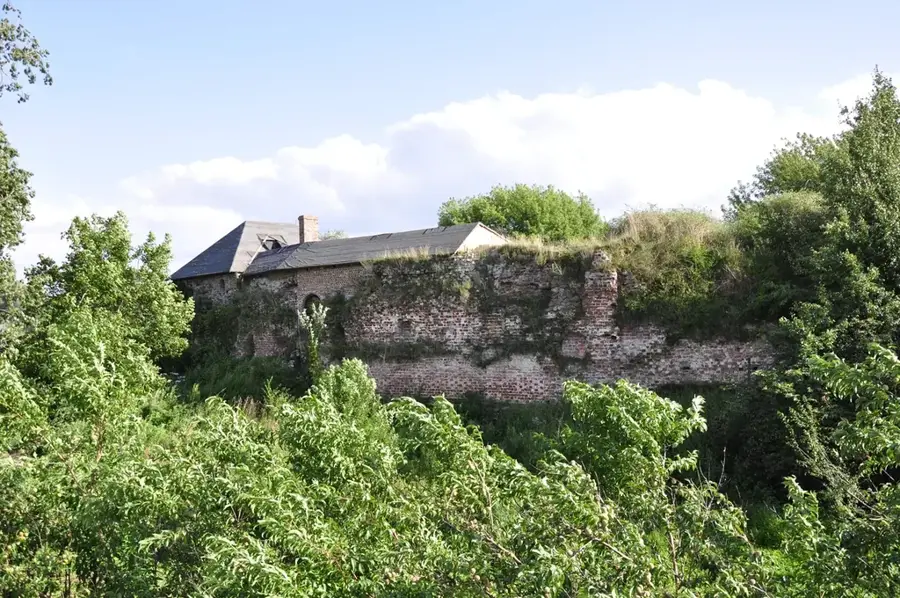
The Archbishop's Palace in Gniezno is a grand Neoclassical residence located on Lech Hill, historically serving as the seat of the Primates of Poland. The current structure was primarily developed in the 19th century on the site of much older medieval and Renaissance episcopal dwellings. Positioned adjacent to the world-famous Gniezno Cathedral, the palace forms part of the most significant ecclesiastical complex in the country, reflecting Gniezno's status as Poland's first capital. As the home of the high-ranking prelates, the palace has been a stage for pivotal historical events and meetings between church leaders and European monarchs. The architectural style is characterized by its dignified symmetry, understated decorative elements, and a representative courtyard. Inside, the palace houses administrative offices, private quarters, and galleries featuring liturgical art and historical artifacts of national importance. Today, it remains a vital symbol of the enduring presence of the Catholic Church in Polish public life and its foundational role in the formation of the Polish state.
- Location: Poland
- Top sights: Kościół pw.Świętego Wawrzyńca · Pozostołość po murach miejskich · Kościół pw. Świętej Trójcy
- Nearby: Września (23 km)
Best time to visit & climate
The most pleasant time to visit is Jun–Aug.
| Jan | Feb | Mar | Apr | May | Jun | Jul | Aug | Sep | Oct | Nov | Dec | |
|---|---|---|---|---|---|---|---|---|---|---|---|---|
| Avg °C | -3 | -1 | 3 | 9 | 14 | 18 | 20 | 20 | 15 | 9 | 4 | 0 |
| Rain mm | 47 | 36 | 40 | 32 | 60 | 61 | 77 | 61 | 47 | 47 | 42 | 46 |
📋 Practical info
Geography
Facts
- Gniezno was established as Poland's first archdiocese during the Gniezno Congress in 1000.
- The palace reached its current Neoclassical form during renovations between 1830 and 1836.
- It serves as the official residence of the Primate of Poland, the highest rank in the Polish clergy.
- The site has been occupied by residential buildings for church leaders since the 11th century.
- The palace is situated on Lech Hill, the legendary birthplace of the Polish nation.
- The building houses important historical portraits of past Gniezno archbishops and primates.
Explore nearby
Notable places around

Route planner — Car & Motorhome
Where do you start? We build the route here, with stops and country notes along the way.
© OpenStreetMap contributors · OpenRouteService
Sights in the town Gniezno Archiepiscopal Palace (9)
Pałac Biskupi
Bishop's palace in Gniezno, Poland, a historic manor house.
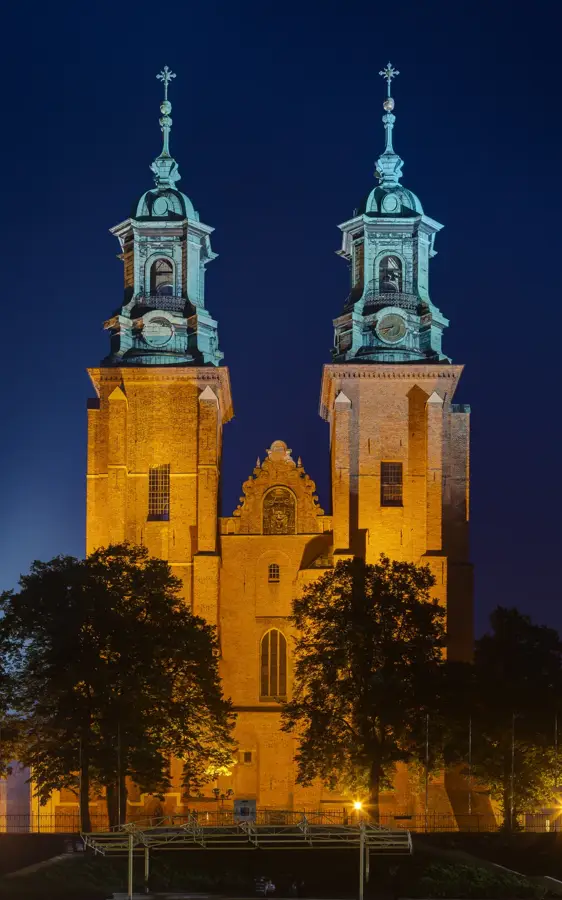
Archikatedra pw. Wniebowzięcia NMP i św. Wojciecha⛪ church
Cathedral in Gniezno, Poland, dedicated to the Assumption of Mary and Saint Adalbert.
Gniezno Doors
Bronze doors at Gniezno Cathedral in Poland, a Romanesque artwork.
Teatr im Aleksandra Fredry
Theatre in Gniezno, Poland, named after Aleksander Fredro.
Wieża Katedralna 55m
55-metre-high observation tower of Gniezno Cathedral.
Sights nearby
Frequently asked questions
Who resides in this palace?
In what style is the palace built?
Is the building open to the public?
Where exactly in Gniezno is the palace located?
Are there gardens there?
Gniezno Archiepiscopal Palace: where is it located?
Gniezno Archiepiscopal Palace: what is there to see?
Gniezno Archiepiscopal Palace: when is the best time to visit?
Gniezno Archiepiscopal Palace: why is it worth visiting?

Nearby cities