Cities in Paraguay
The most important cities in Paraguay at a glance – from the bustling metropolis to the charming small town. Each city links to a detailed page with map, attractions and travel tips.
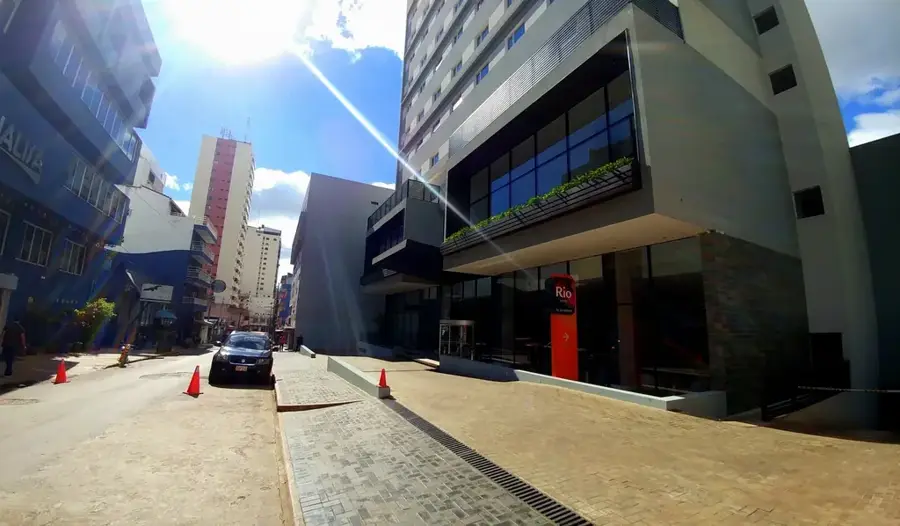
Ciudad del Este
Paraguay's second-largest city at the tri-border area is a massive free-trade hub attracting shoppers from across South America.
Learn more →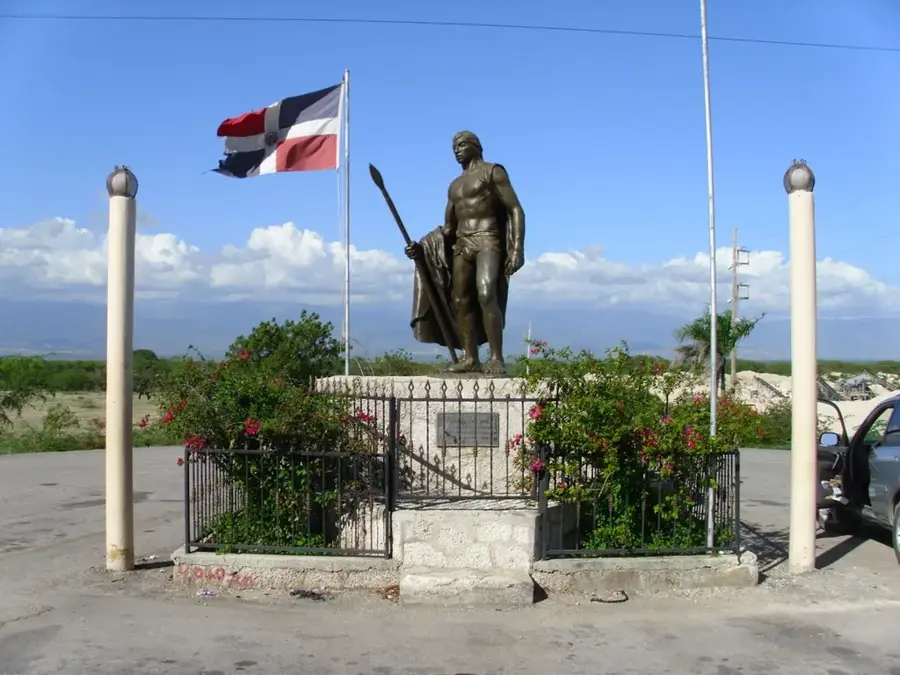
Independencia
Strongly influenced by German and Swiss immigrants, this place is known for its vineyards and Bavarian flair in the Ybytyruzú.
Learn more →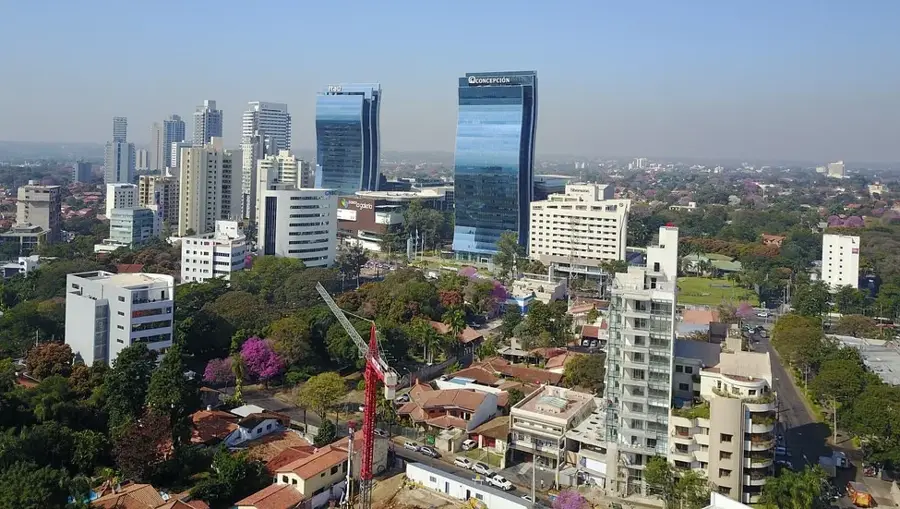
Asunción
Founded in 1537, the capital of Paraguay is the most important economic and cultural center of the country on the banks of the Paraguay River.
Learn more →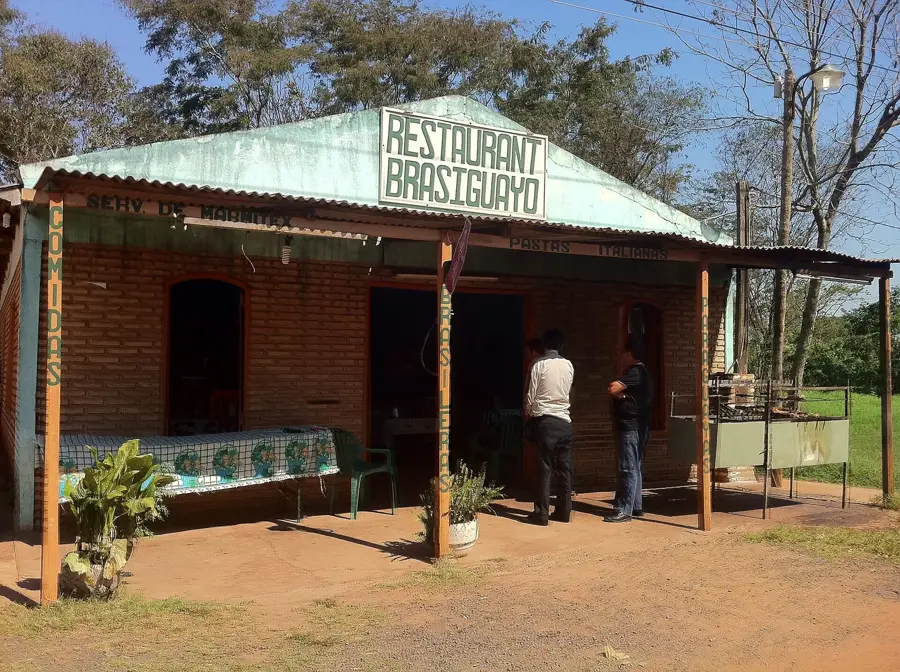
Santa Rosa del Aguaray
The fastest-growing city in the department, increasingly offering access to ecotourism, including the nearby Laguna Blanca.
Learn more →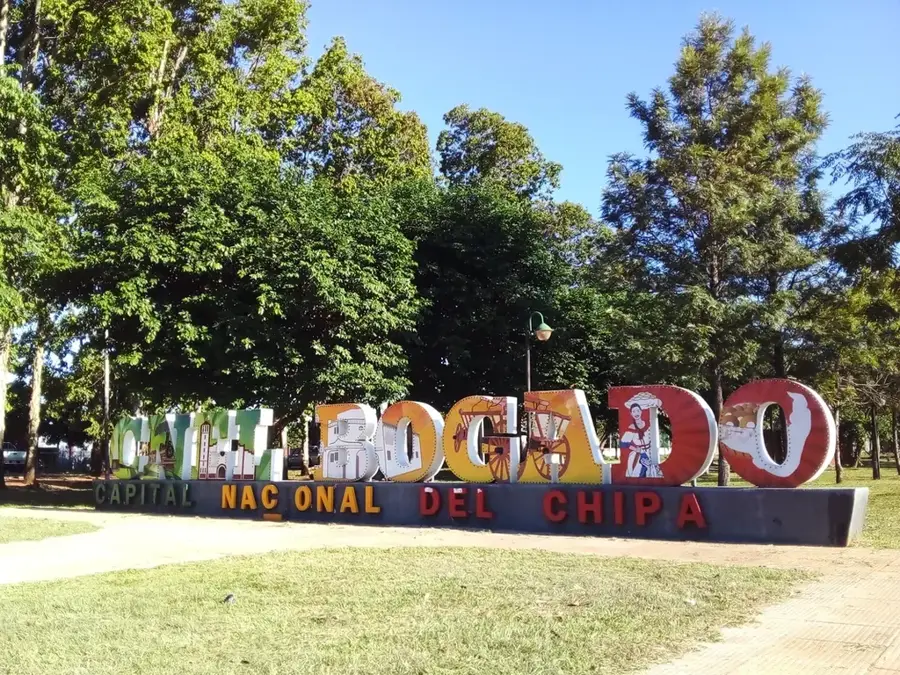
Coronel Bogado
The self-proclaimed capital of chipa, Paraguay's famous corn and cheese bread, attracting visitors with its traditional bakery goods.
Learn more →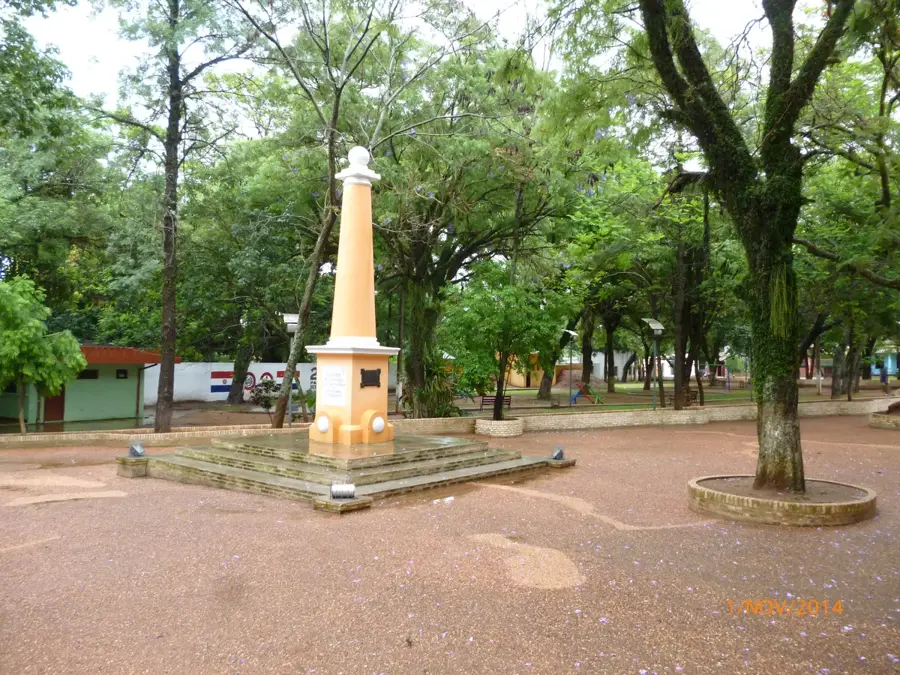
Eusebio Ayala
Nationally revered for baking chipa, especially the famous 'chipa barrero', which attracts visitors from all over the region.
Learn more →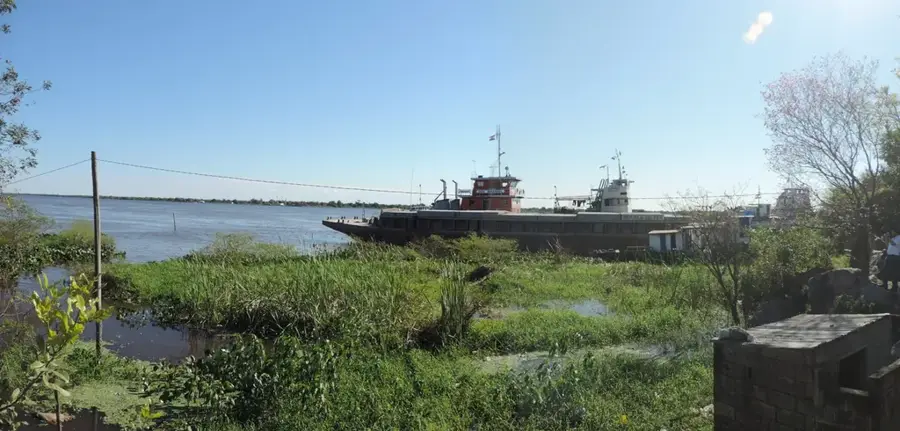
Vallemí
Located directly on the Paraguay River, this remote place is best known for its huge cement factory and mystical caves.
Learn more →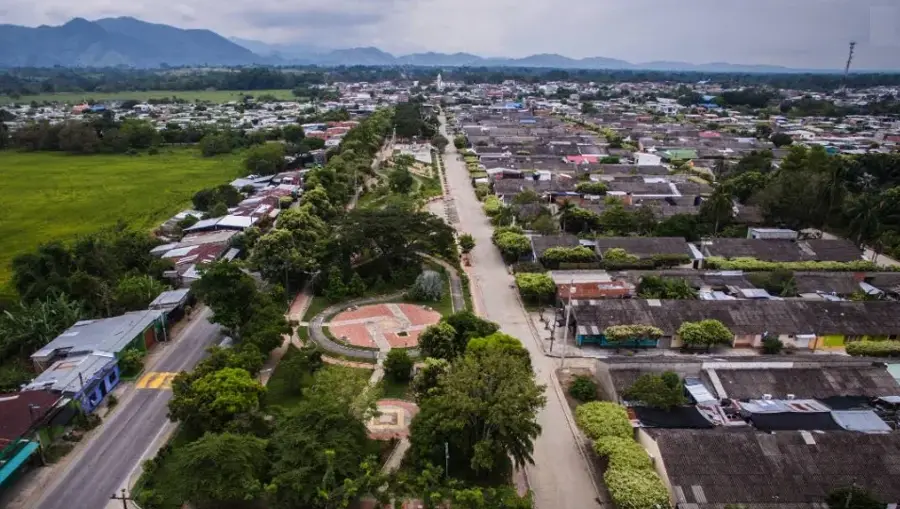
San Alberto
As one of the most important agricultural cities in the region, it is also often referred to as the Paraguayan capital of soybeans.
Learn more →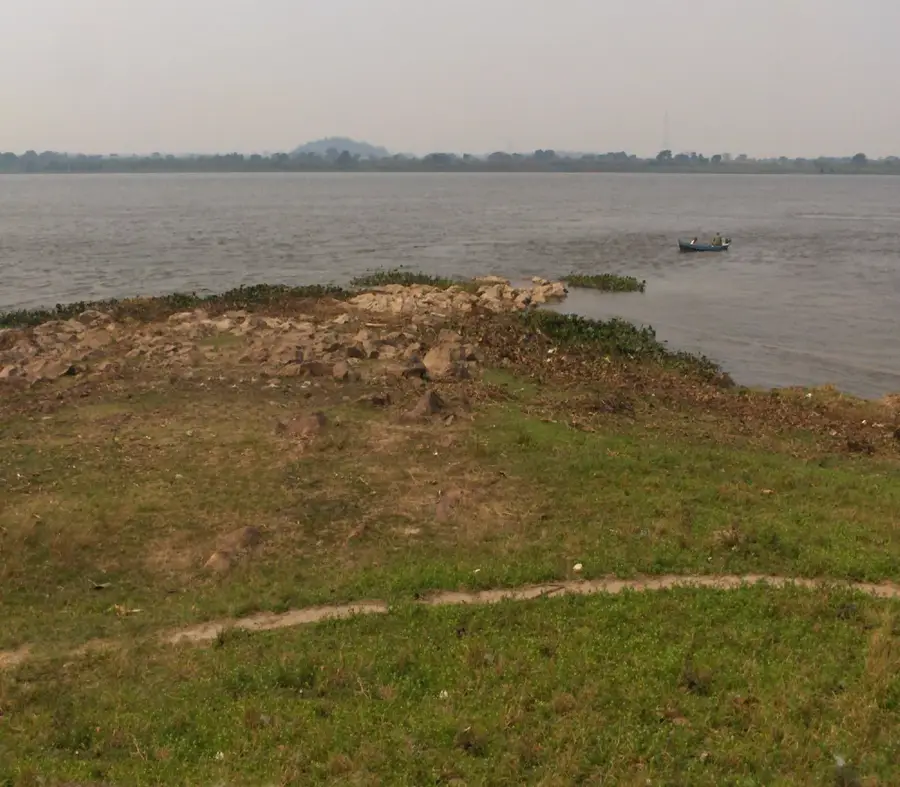
Villa Hayes
The gateway to the Chaco region, named in honor of US President Rutherford B.
Learn more →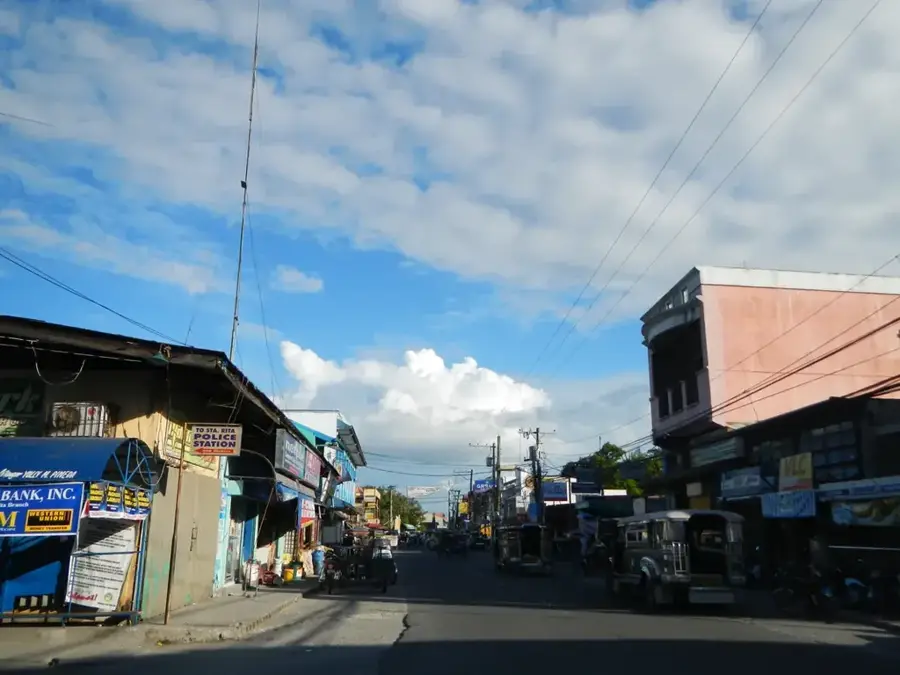
Santa Rita
As an agricultural center strongly influenced by Brazilian settlers, the city is considered one of the richest in the country.
Learn more →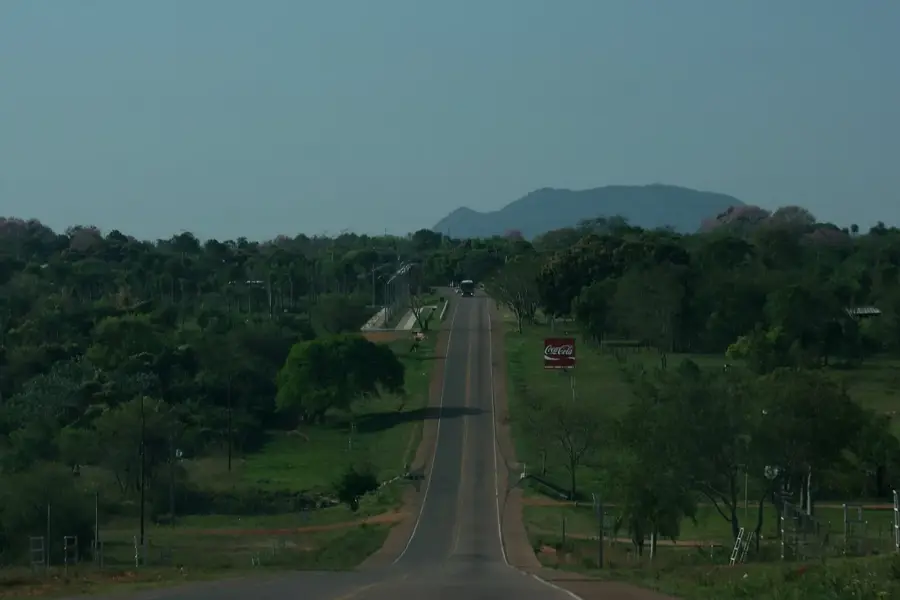
Quiindy
Known as the world capital of hand-stitched soccer balls, Quiindy offers a unique blend of craftsmanship and natural beauty.
Learn more →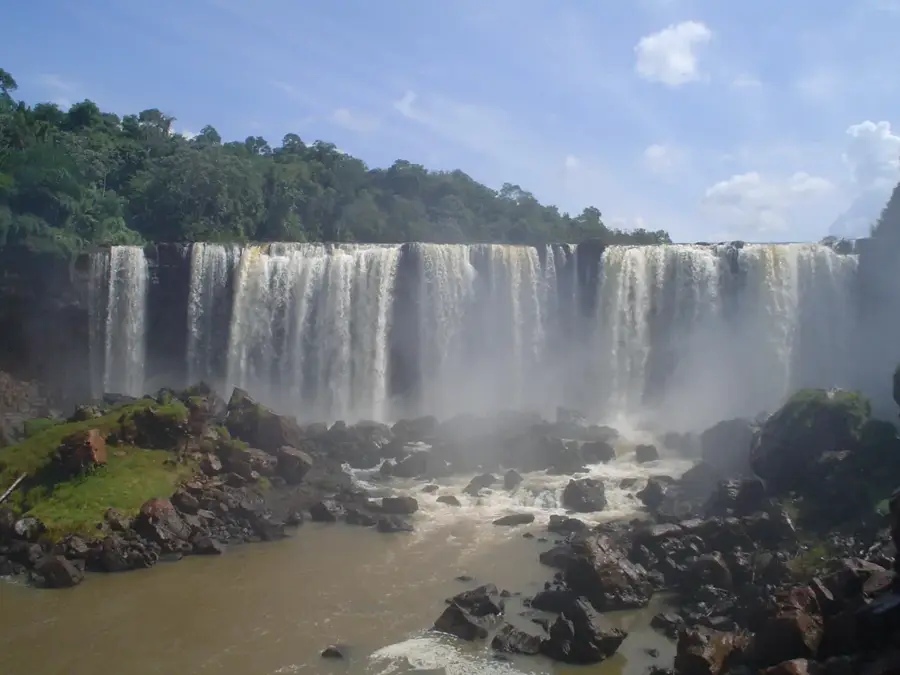
Ñacunday
Home to the majestic Ñacunday Waterfall, this location offers spectacular nature experiences in the heart of the Paraguayan jungle.
Learn more →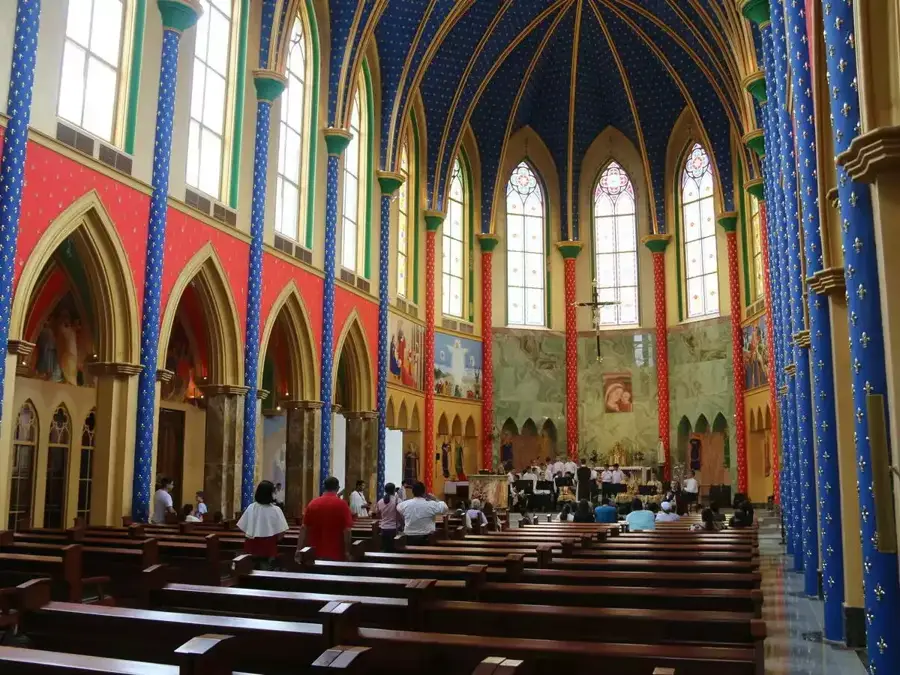
Ypacaraí
The birthplace of the legendary song 'Recuerdos de Ypacaraí' attracts many musicians and tourists because of its great lake.
Learn more →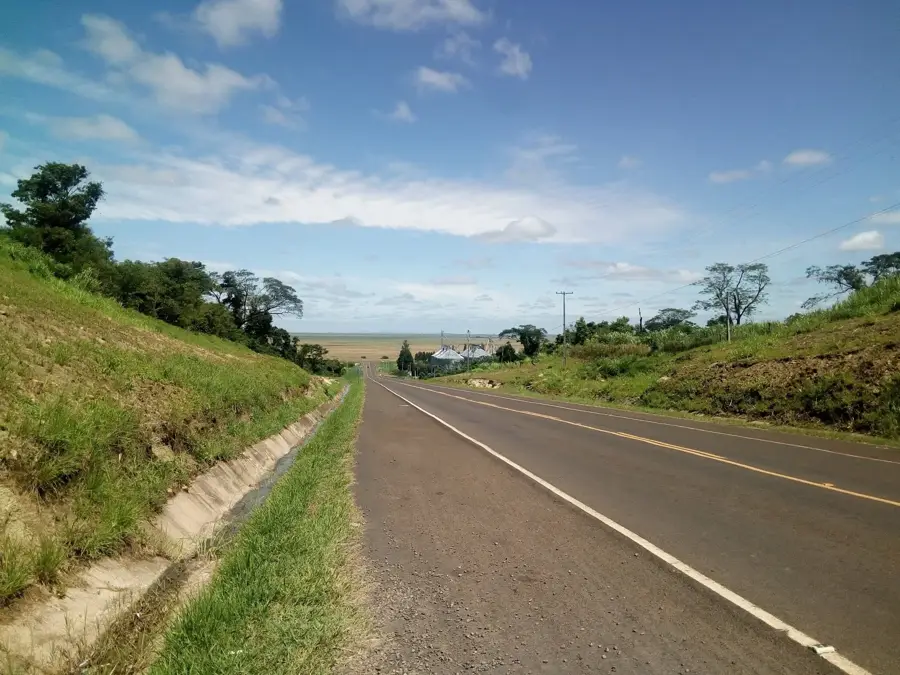
San Pedro del Paraná
One of the oldest cities in Itapúa, characterized by rolling hills, expansive lands, and traditional equestrian sports.
Learn more →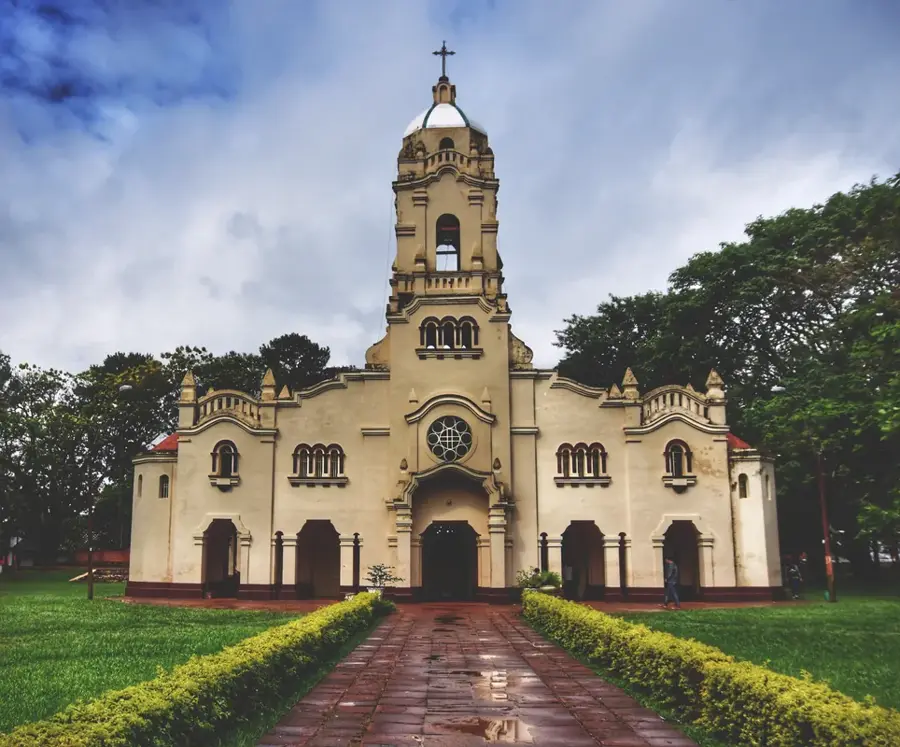
San Ignacio Guazú
As the oldest Jesuit reduction in Paraguay, the city today offers valuable insights into the Baroque art of that era.
Learn more →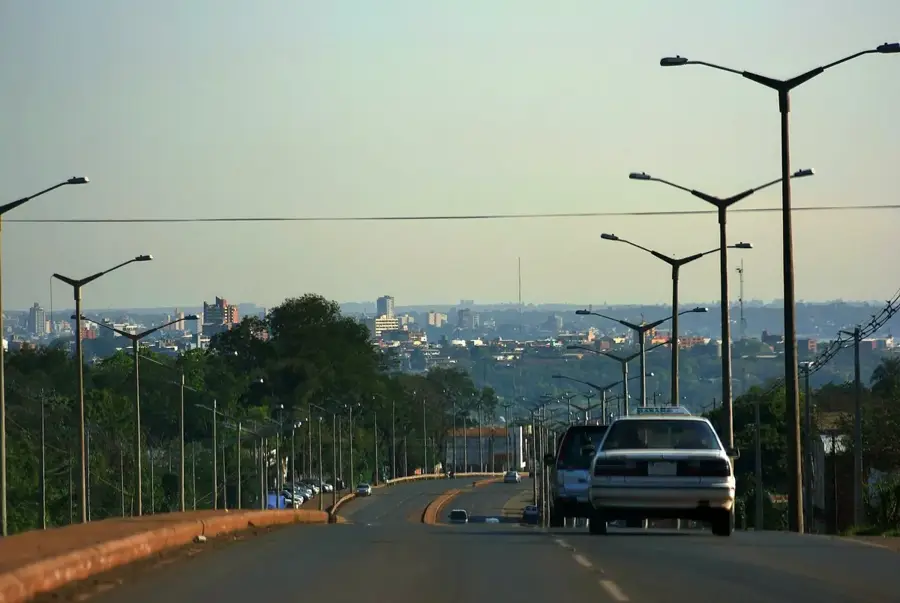
Cambyretá
As a neighboring city of Encarnación, Cambyretá is popular for its beautiful riverbanks and quiet residential neighborhoods.
Learn more →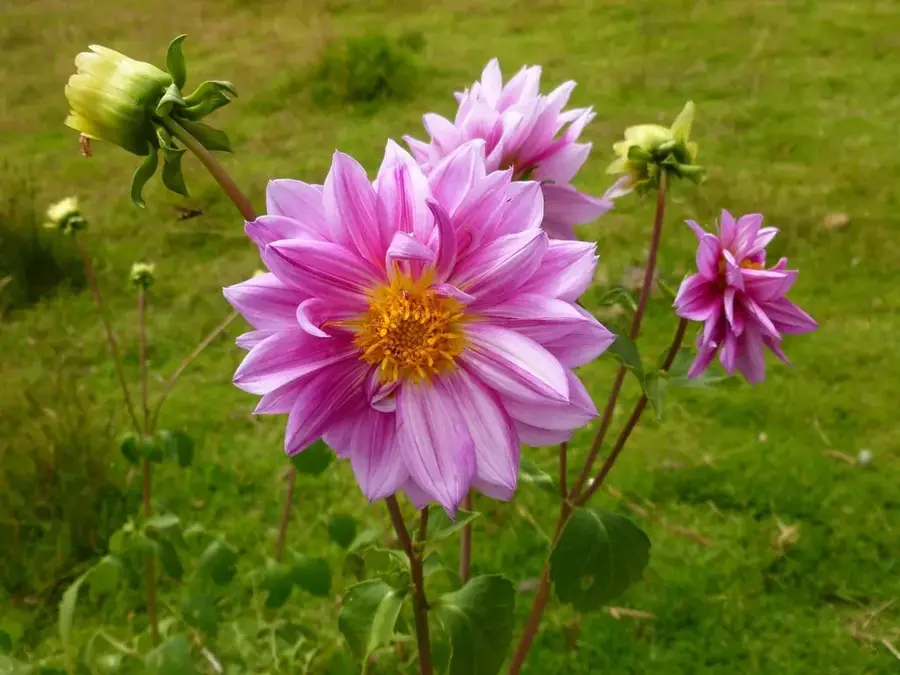
Bella Vista Norte
Located on the Apa River, which forms the natural border with Brazil, the city lives from forestry and border culture.
Learn more →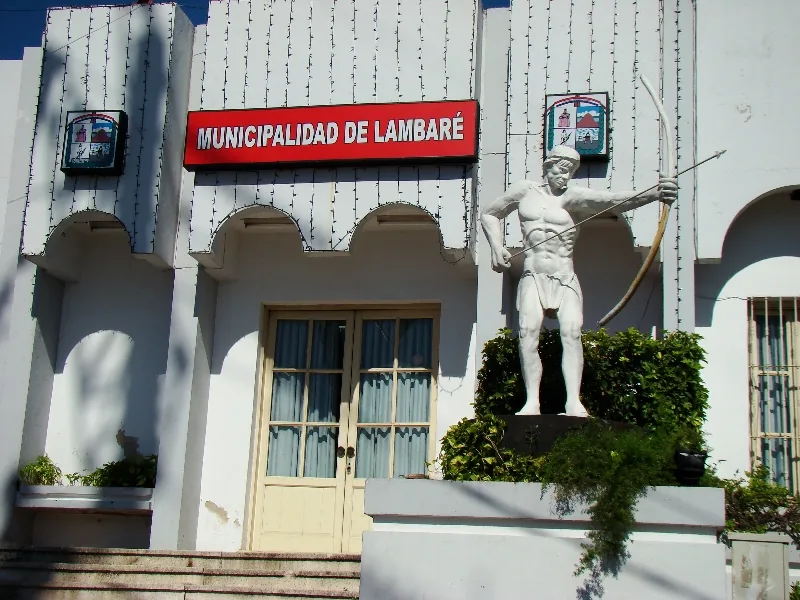
Lambaré
Located directly south of the capital, the city offers the Cerro Lambaré, the top of which provides a magnificent view.
Learn more →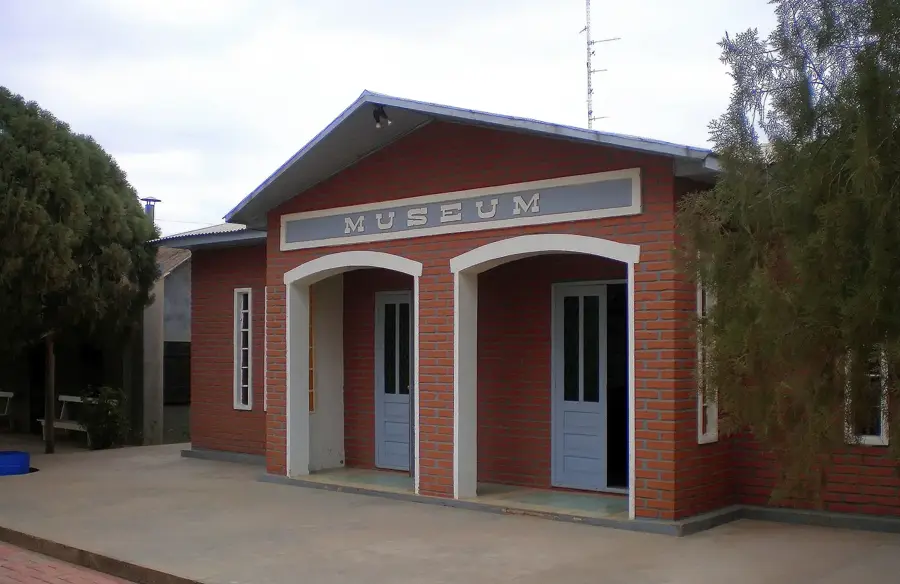
Loma Plata
As the center of the Menno Mennonite colony, the settlement distinguishes itself with modern dairy farming in the dry Chaco.
Learn more →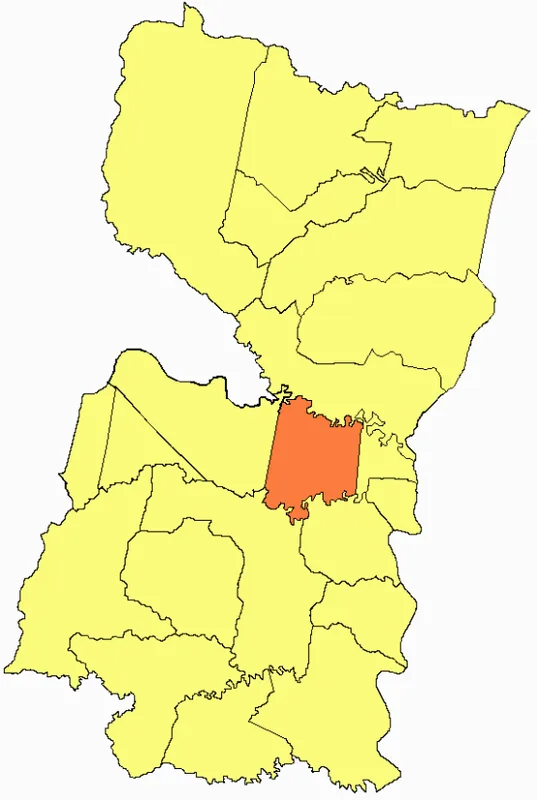
Minga Guazú
Founded in the 1950s through a cooperative system, this agriculturally thriving city is known for its industry.
Learn more →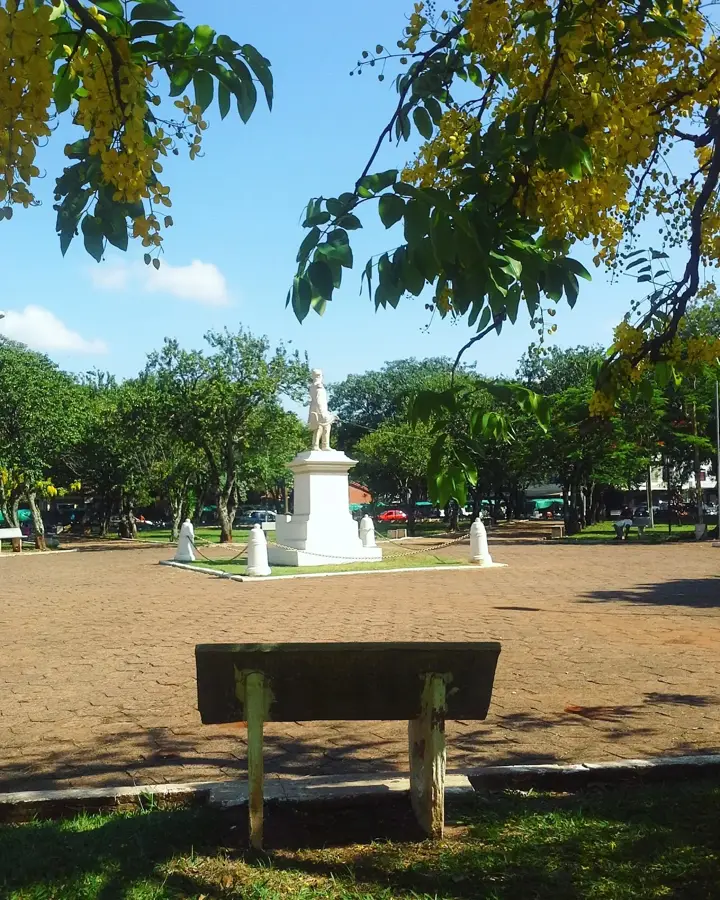
Curuguaty
Nestled amidst lush vegetation, this historical site served as the last capital during López's retreat.
Learn more →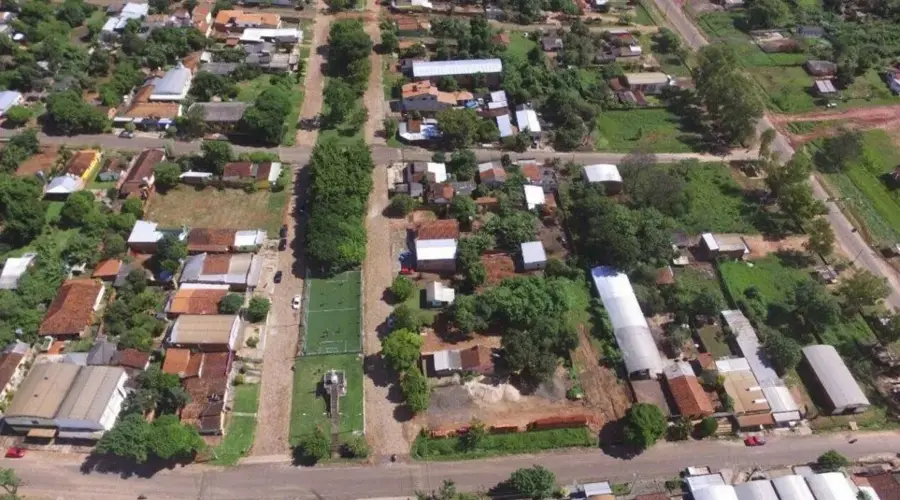
Yby Yaú
As a crucial junction between the northern departments and Brazil, wholesale and retail trade dominate here.
Learn more →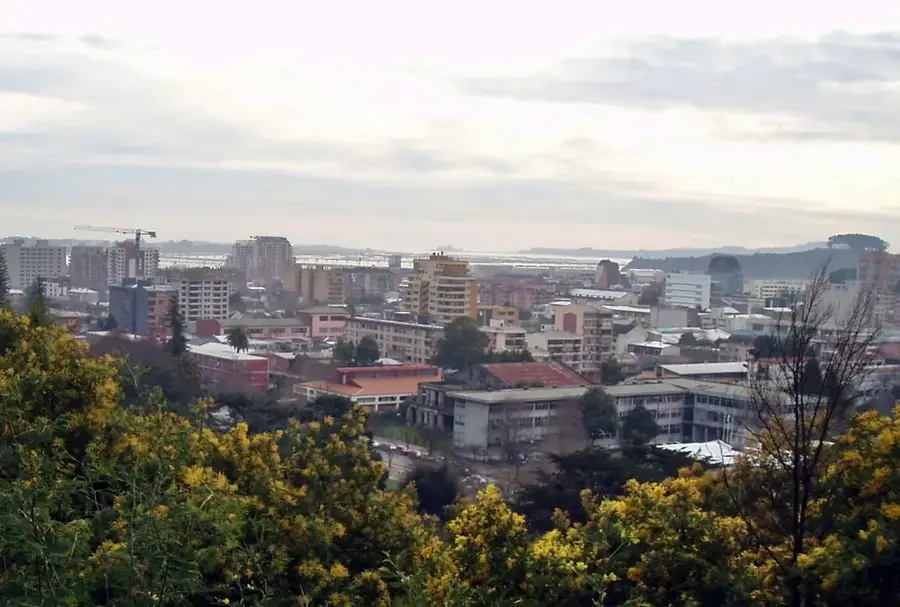
Concepción
An important port city in northern Paraguay, founded in 1773 and serving as a commercial hub for agriculture.
Learn more →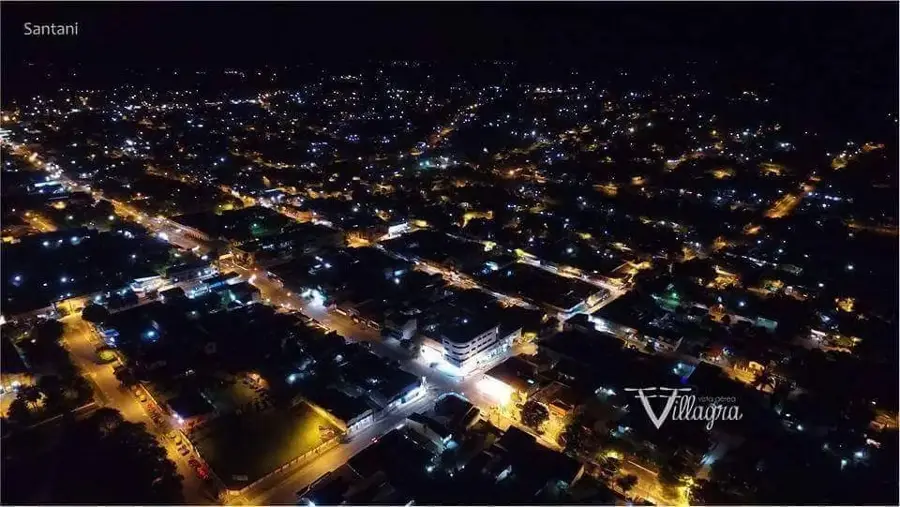
San Estanislao
Colloquially known as Santaní, this historical Jesuit reduction preserves its valuable architecture to this day.
Learn more →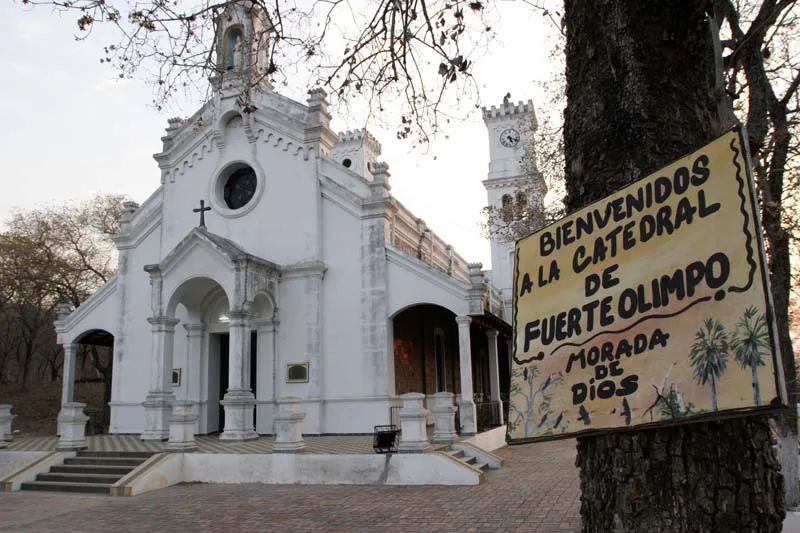
Fuerte Olimpo
This remote city in Alto Paraguay is idyllically situated on the Paraguay River and once protected the northern border.
Learn more →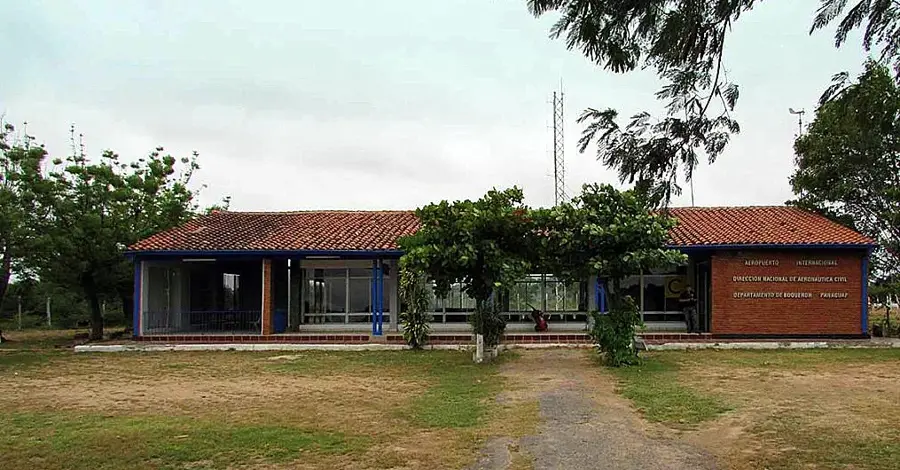
Mariscal Estigarribia
Located deep in the inhospitable territory of the Chaco, the city was a central defense point during the Chaco War.
Learn more →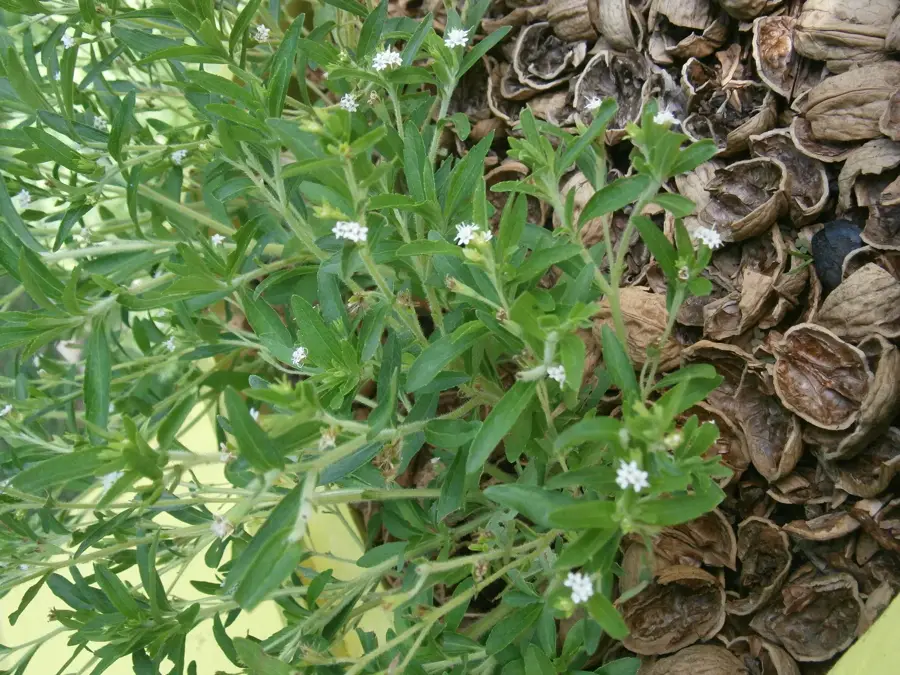
Horqueta
Located at a crossroads of historical routes, the city derives its name from the Spanish word for a 'fork in the road'.
Learn more →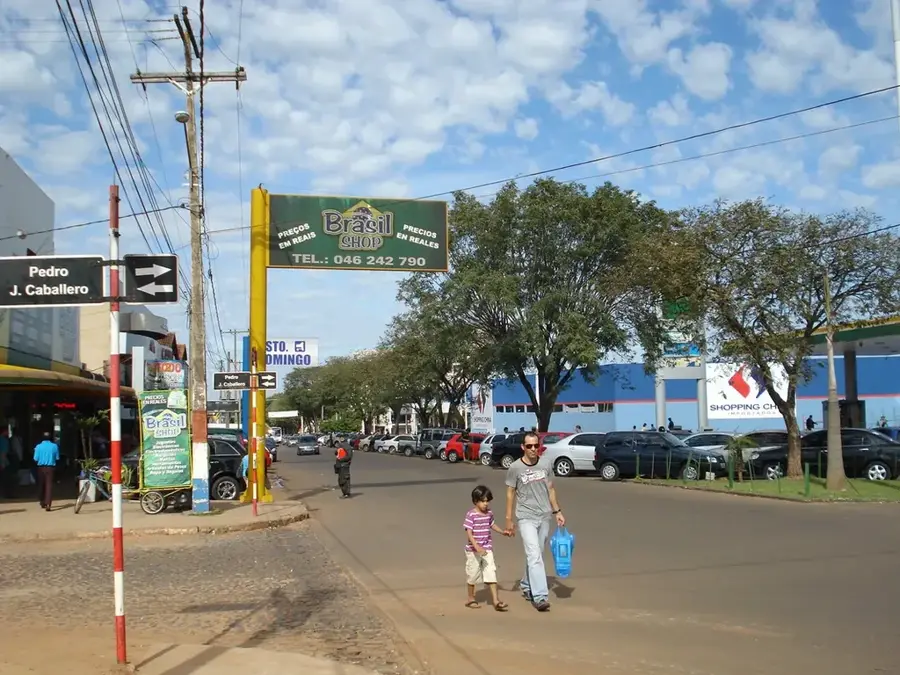
Salto del Guairá
Once home to spectacular waterfalls, the city is now a booming shopping destination on the Brazilian border.
Learn more →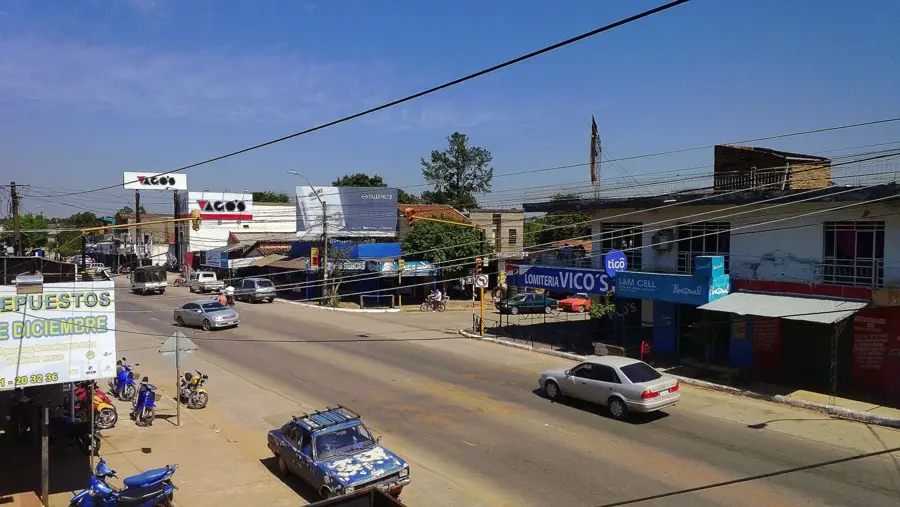
Coronel Oviedo
As an important transport hub in the middle of the Oriental Region, the city connects Asunción with Ciudad del Este.
Learn more →
Mariano Roque Alonso
The city is best known as the location for the large annual international agricultural and industrial fair.
Learn more →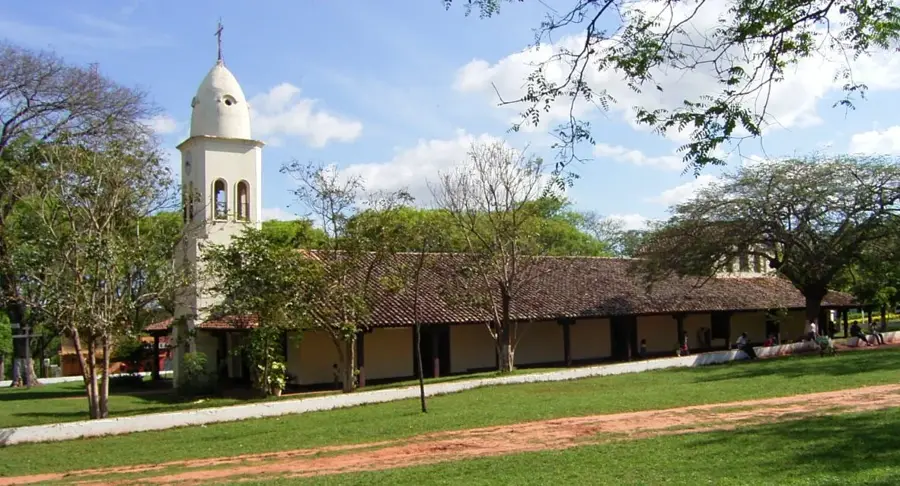
Piribebuy
A municipality crisscrossed by hills and streams, known for its strong resistance in the great war of 1869.
Learn more →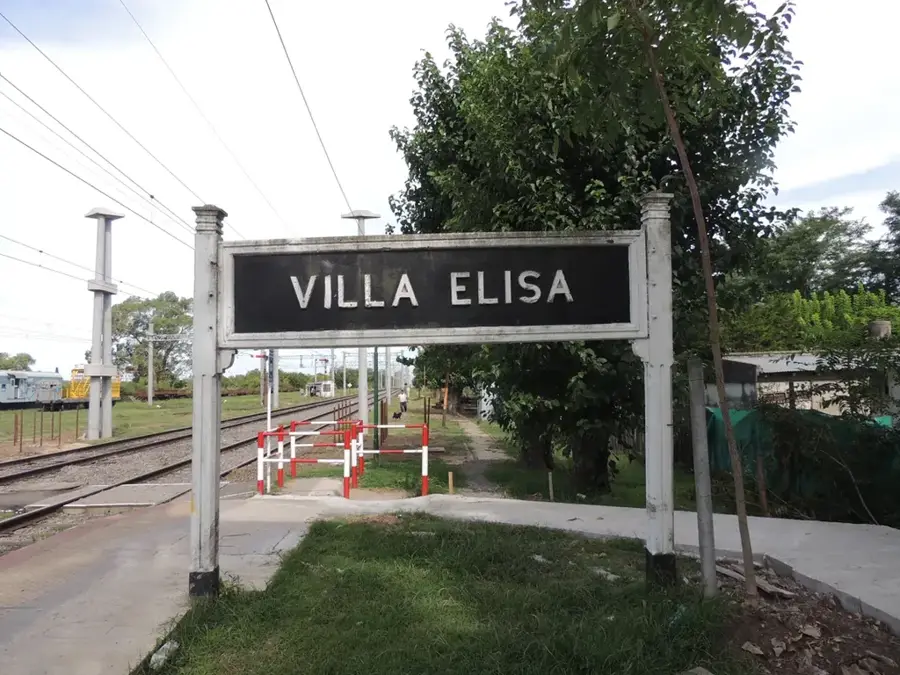
Villa Elisa
A quiet urban enclave in the metropolitan area shaped by Danish immigration in the late 19th century.
Learn more →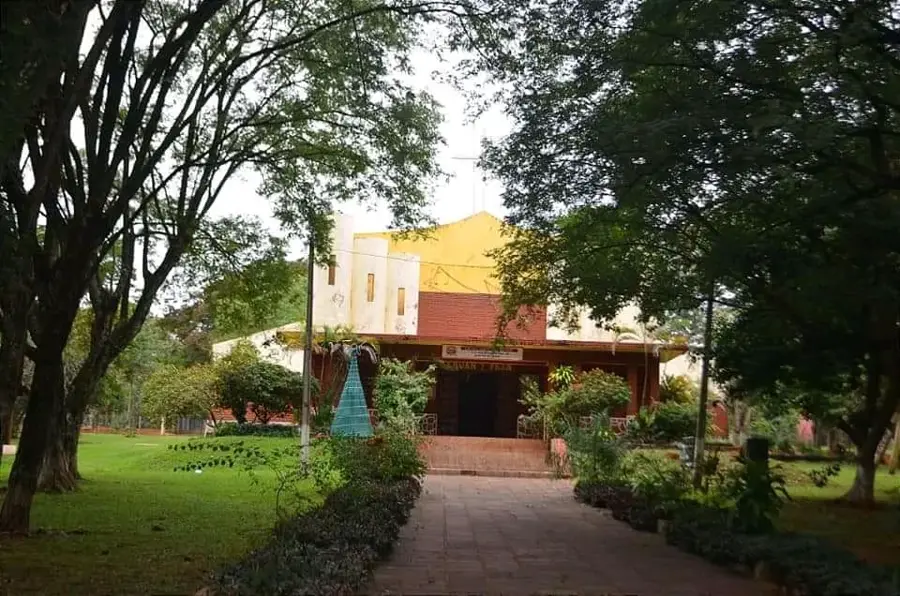
Repatriación
This agricultural community was originally created to facilitate the return of Paraguayan emigrants.
Learn more →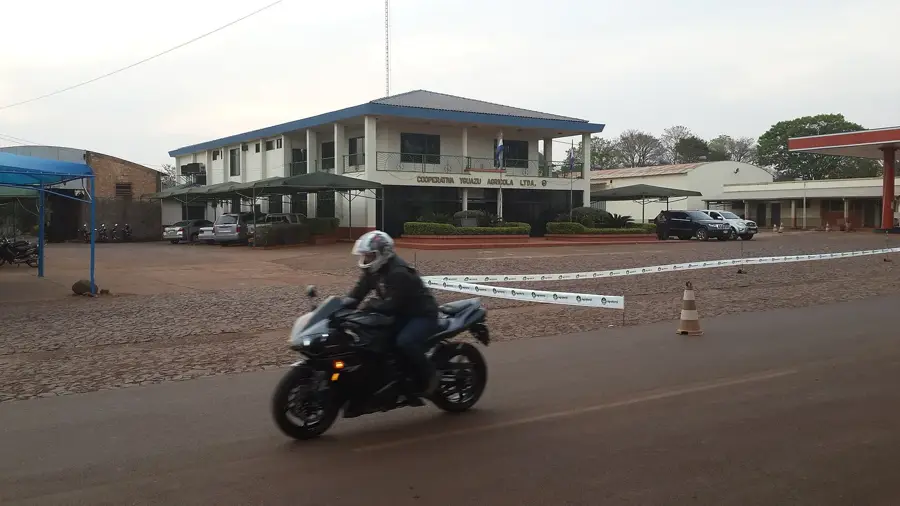
Yguazú
A thriving Japanese colony in Paraguay, known for its advanced agriculture and proximity to Lake Yguazú.
Learn more →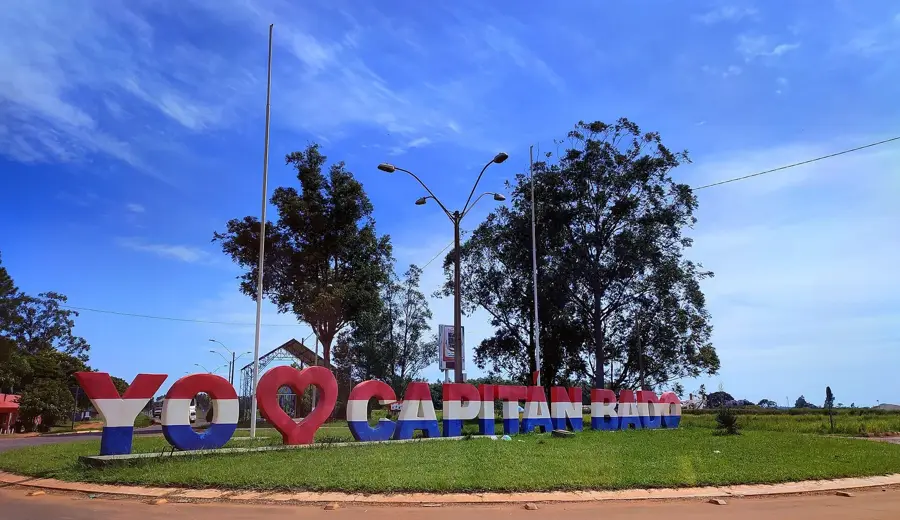
Capitán Bado
Surrounded by deep forests and the Amambay Mountains, the city borders directly on Coronel Sapucaia in Brazil.
Learn more →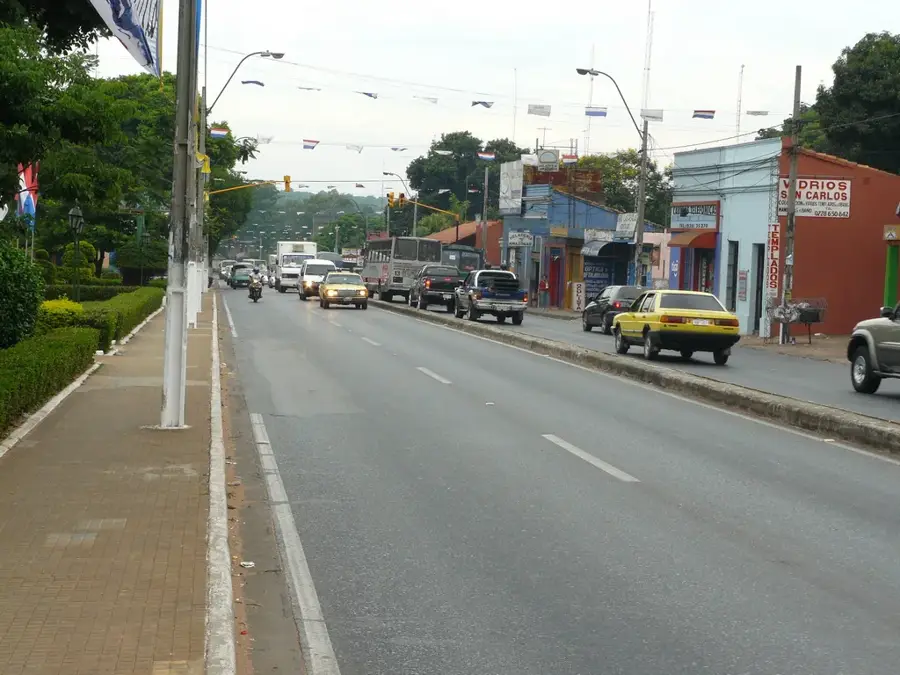
Capiatá
One of the most populous cities in the metropolitan region, characterized by dense settlement and historical churches.
Learn more →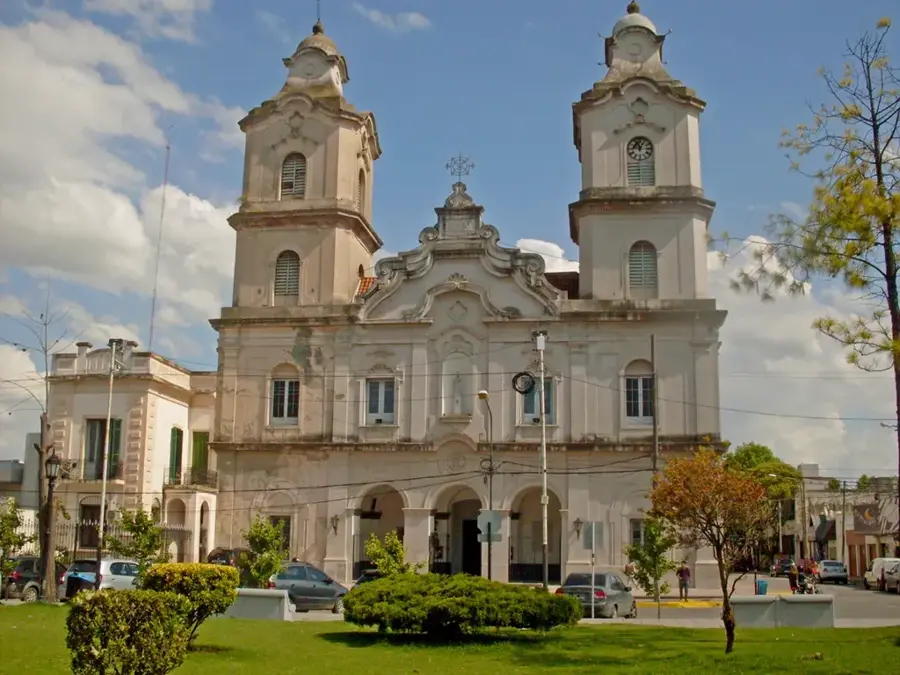
Pilar
A quiet port city on the Paraguay River, valued for its cotton textile industry and historical buildings.
Learn more →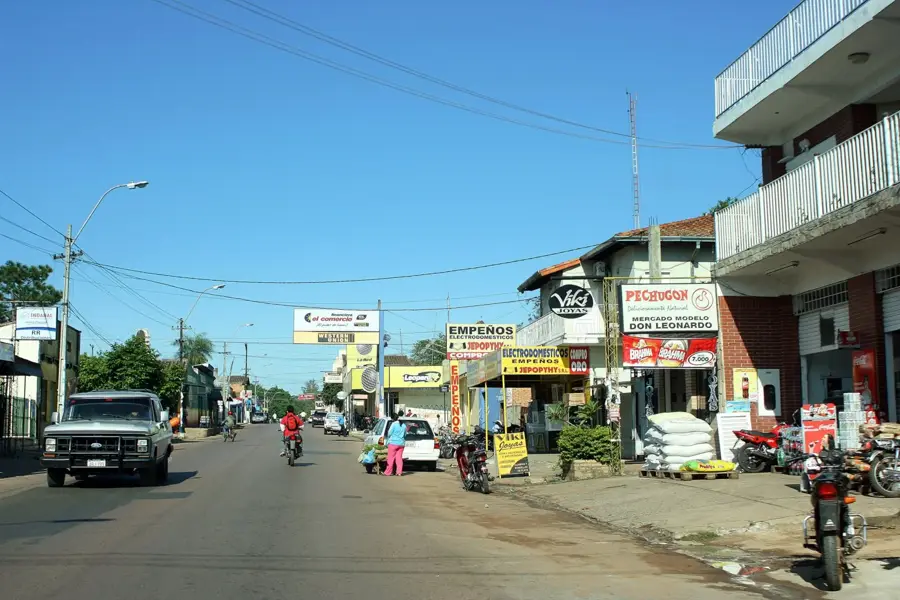
Carapeguá
As the textile capital of Paraguay, the city supplies the country with hammocks, ponchos, and hand-woven fabrics.
Learn more →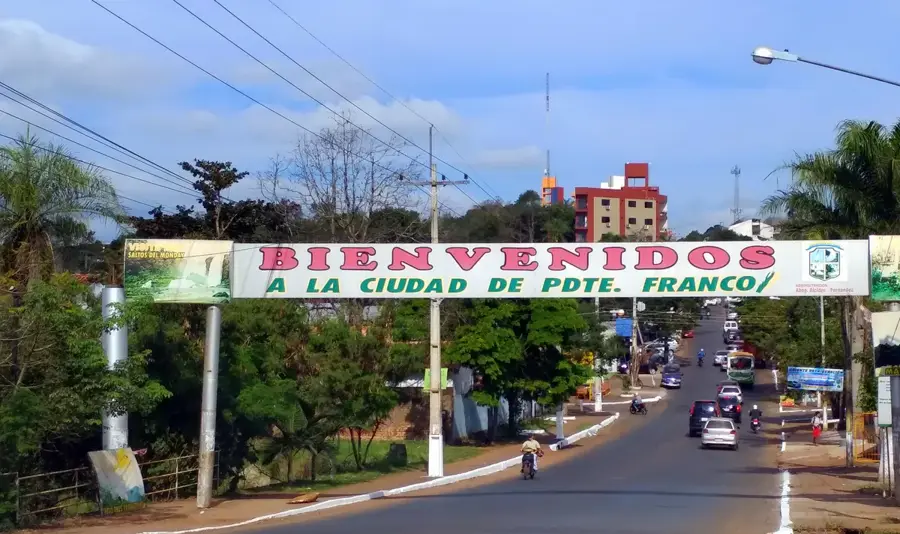
Presidente Franco
Located at the confluence of the Paraná and Iguazú rivers, it is home to the stunning Saltos del Monday waterfalls.
Learn more →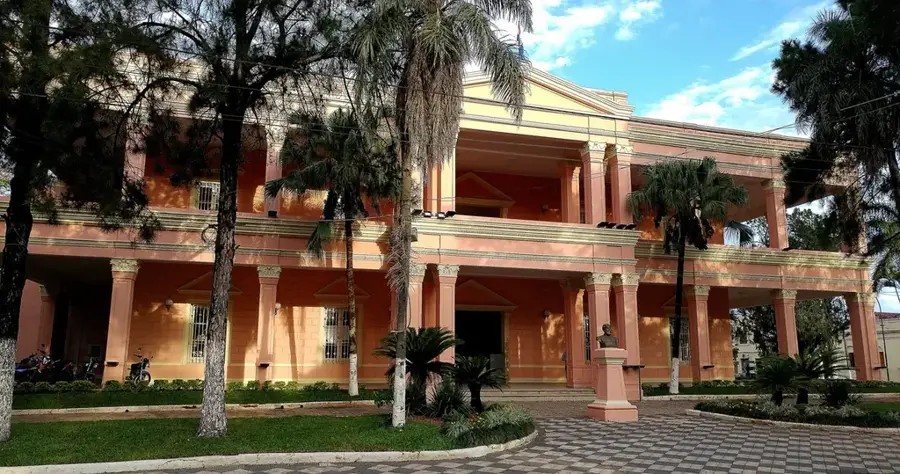
Villarrica
The city at the foot of the Ybytyruzú Mountains is often called the 'Wandering City' due to its turbulent history.
Learn more →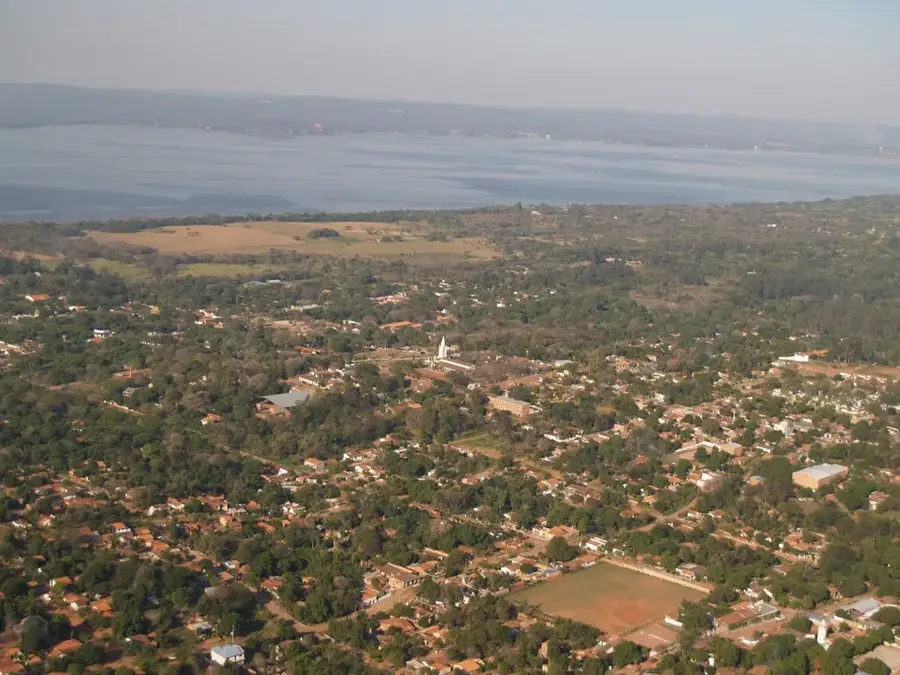
Areguá
The picturesque city on the shores of Lake Ypacaraí is known nationwide for its pottery and strawberry cultivation.
Learn more →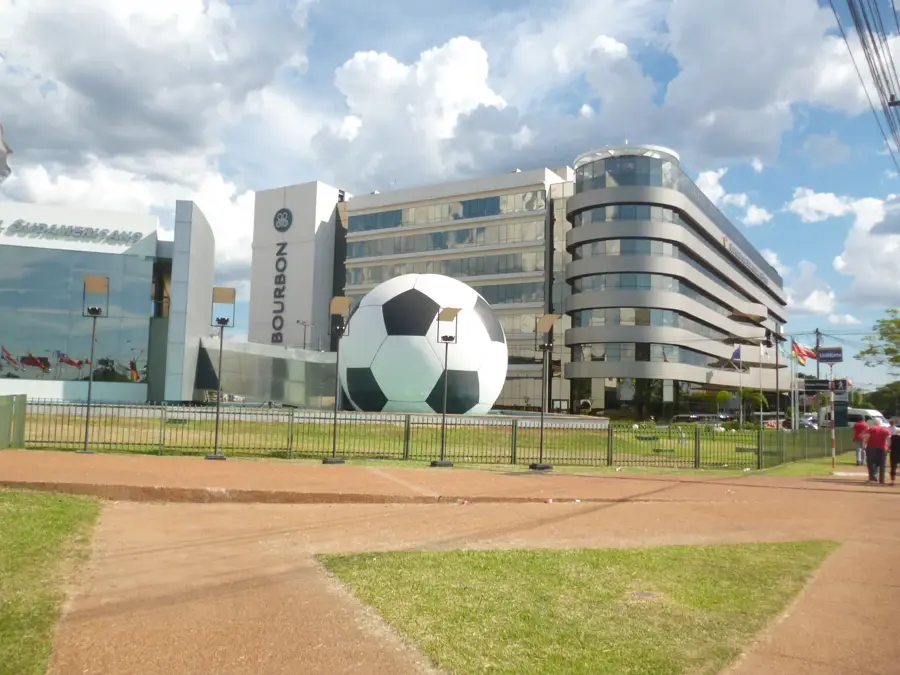
Luque
Famous for the production of filigree jewelry from gold and silver as well as handmade string instruments.
Learn more →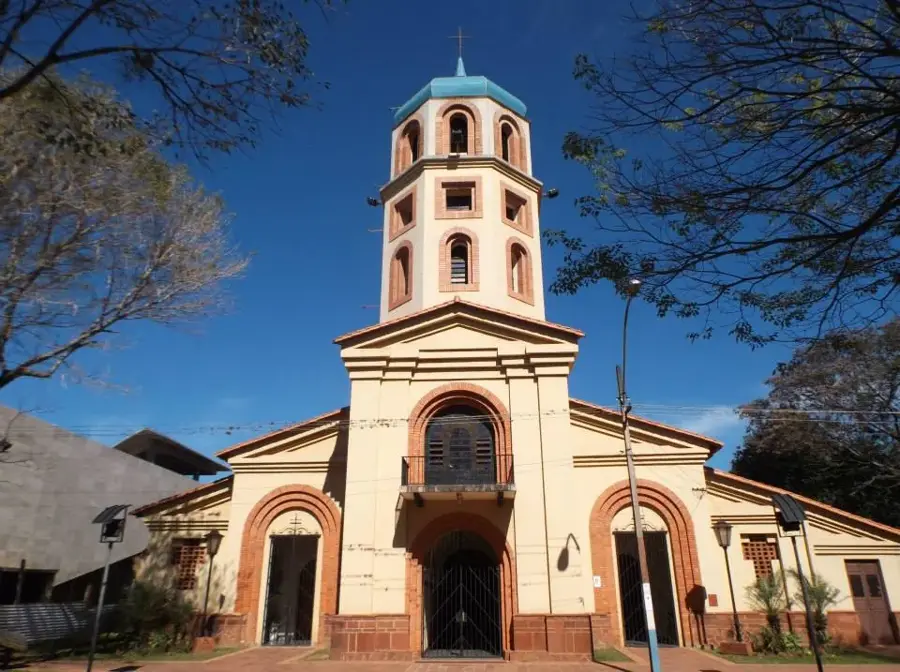
San Juan Bautista
A center of Jesuit reductions in the Misiones region, known for its distinct equestrian and gaucho culture.
Learn more →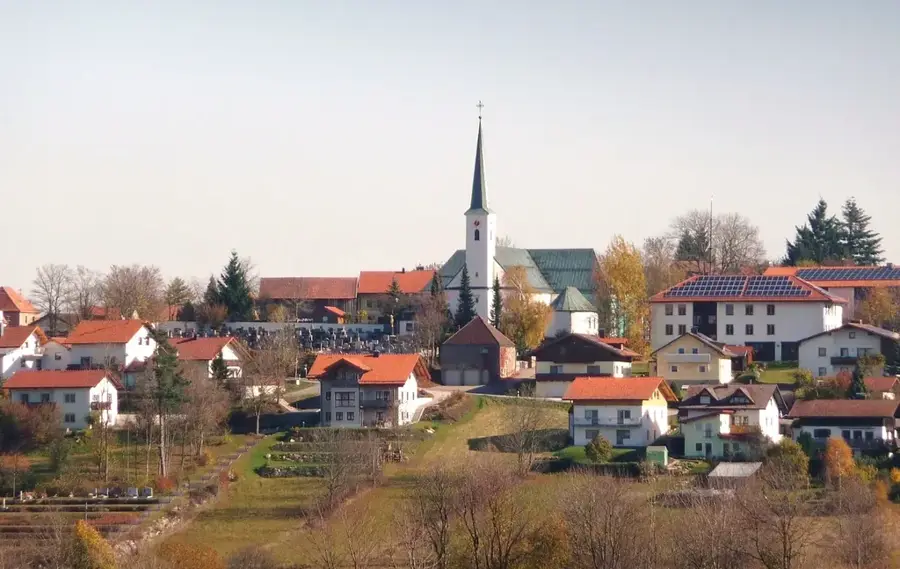
Hohenau
A place strongly influenced by German immigrants, forming part of the United Colonies in the south of the country.
Learn more →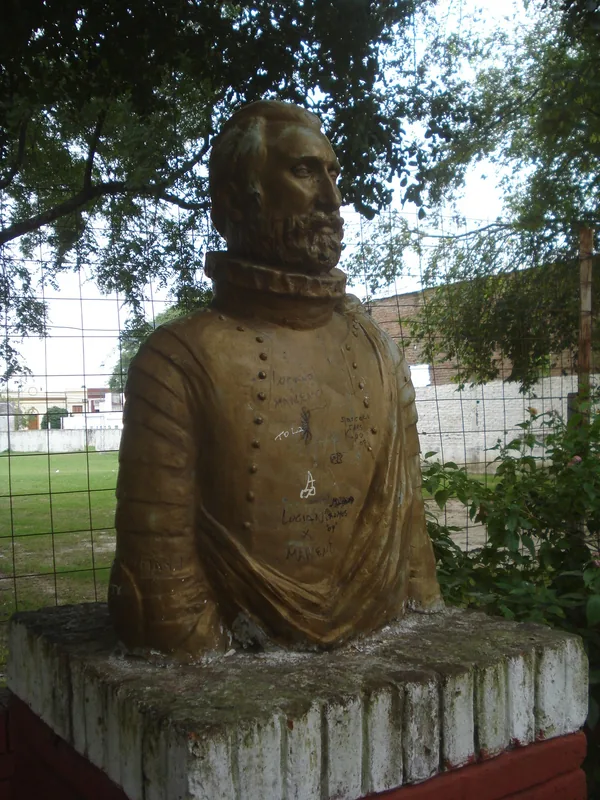
Hernandarias
Proudly called the 'Latin American Capital of Energy' since much of the Itaipu Dam is located here.
Learn more →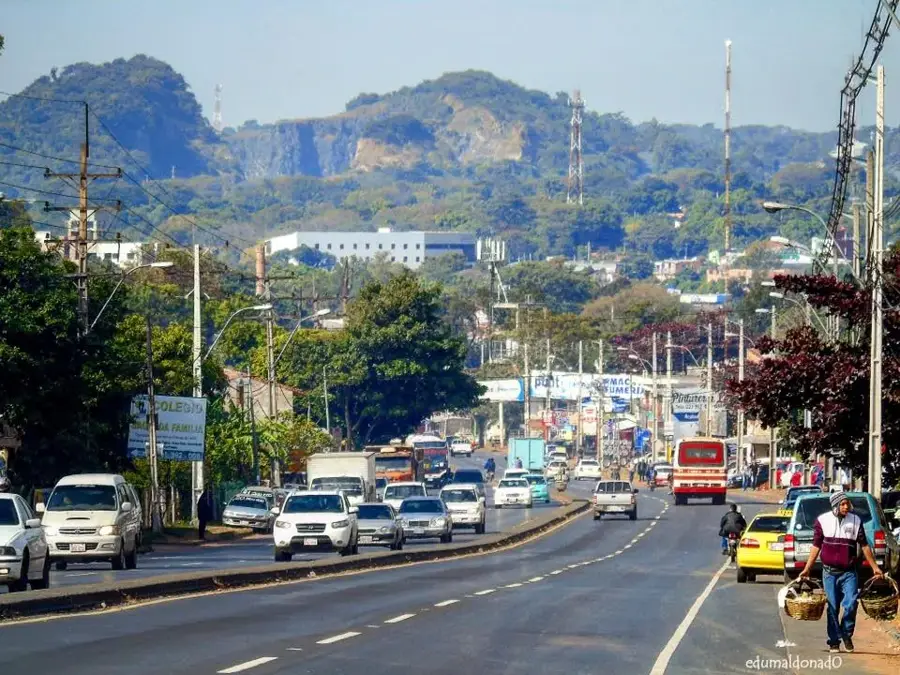
Ñemby
A rapidly growing municipality southeast of the capital, where agriculture is gradually giving way to industry.
Learn more →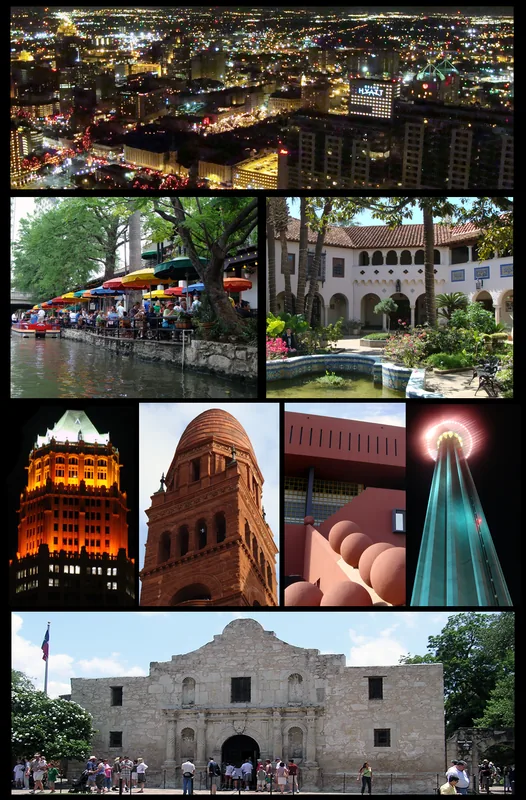
San Antonio
Located on the banks of the Paraguay River, this industrial city offers several important inland ports for the country.
Learn more →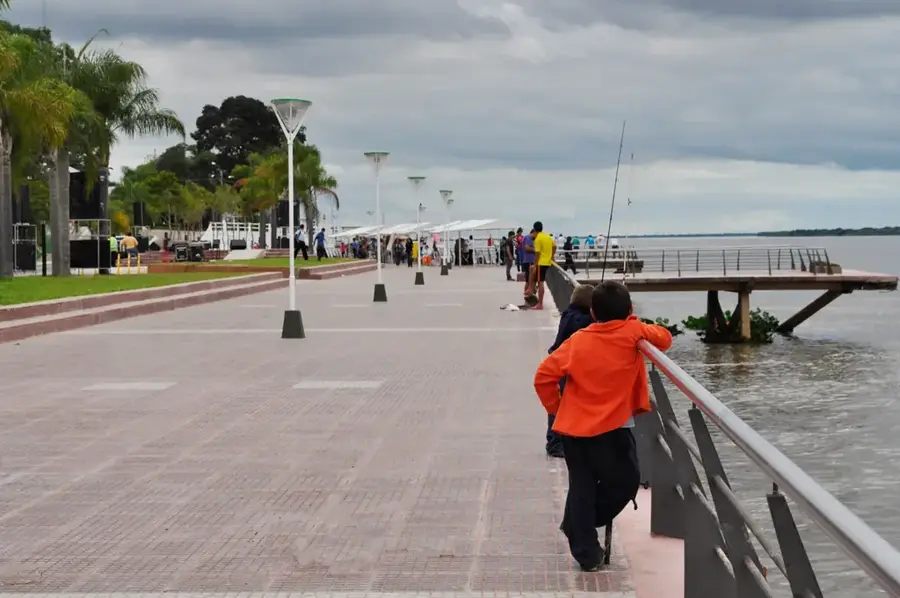
Bella Vista
This picturesque center of the mate tea industry impresses with its large plantations and quiet atmosphere.
Learn more →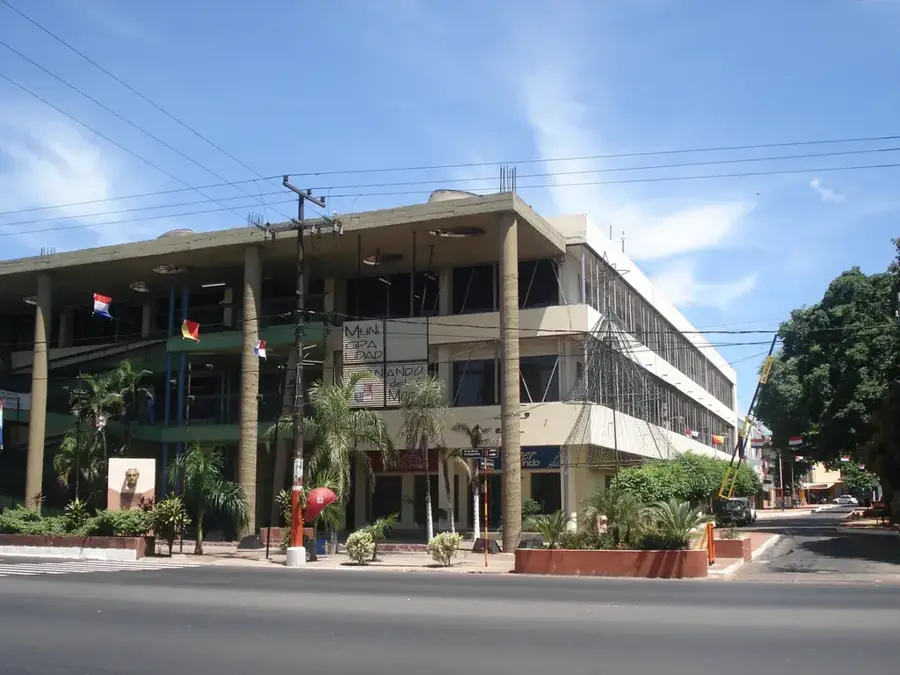
Fernando de la Mora
A bustling commercial and residential city, named after one of the founding fathers of Paraguayan independence.
Learn more →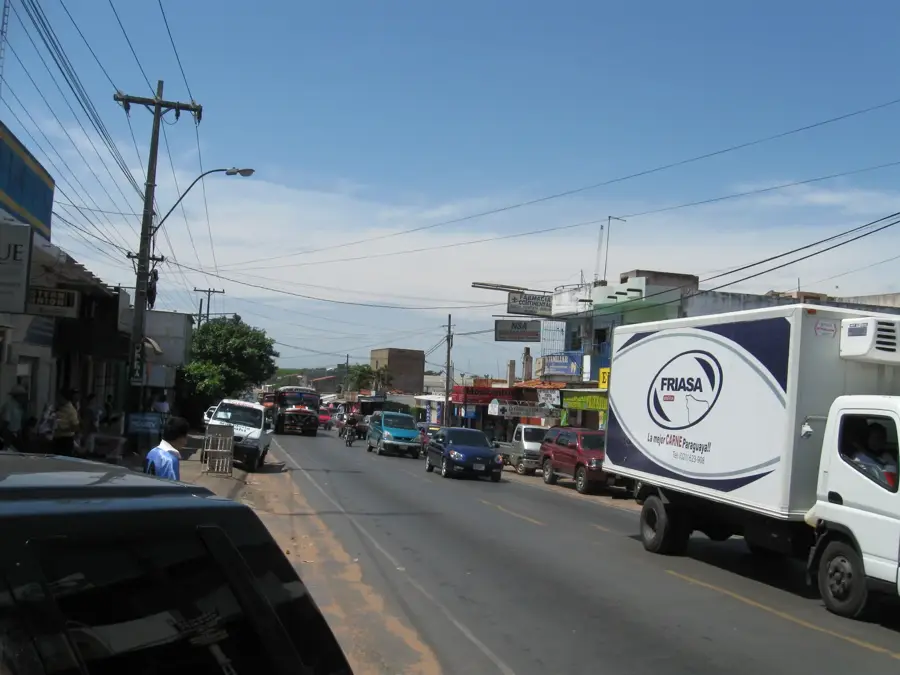
Limpio
One of the oldest cities in the country, traditionally characterized by its karanday weaving for hats.
Learn more →Frequently asked questions
What are the largest cities in Paraguay?
This page lists the most important cities by population – each with its own detail page, map and attractions.
How do I find attractions per city?
Click a city – the detail page lists the top attractions, a map and travel tips.