Plizio Visual Lab
Eusebio Ayala
ℹ️Practical info — Eusebio Ayala
▾
🌤 Weather — 5 days
📍 Nearby
Sights nearby
💡 Tips
- Stop at the large chiperías along Route 2, especially in the early morning, to get the chipa hot out of the 'tatakua' (traditional oven).
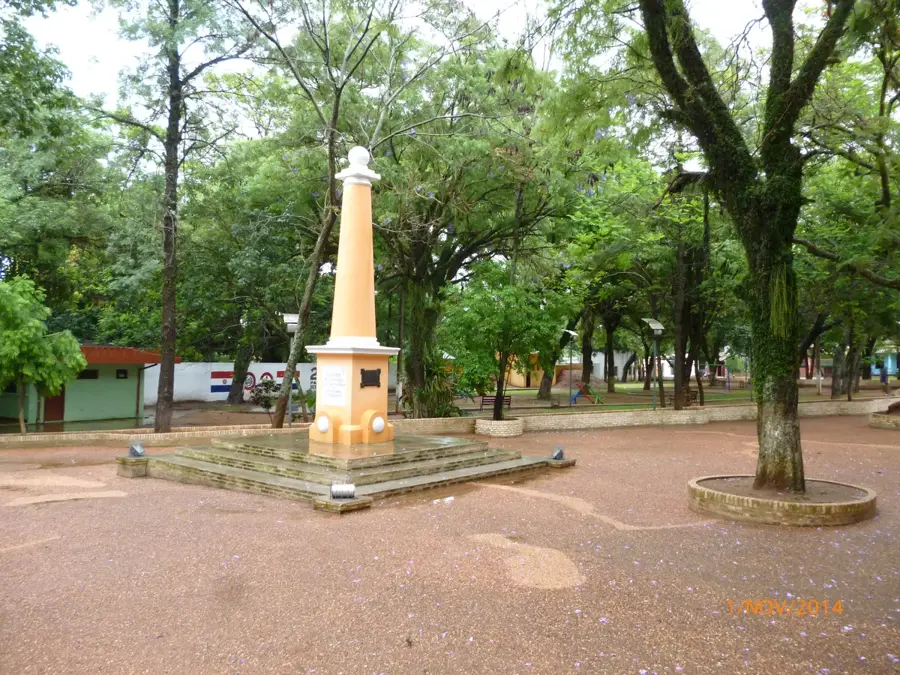
- Visit the Monumento a los Niños Mártires de Acosta Ñu on August 16th to witness the solemn local commemorations.
- Keep small Guaraní bills handy to buy snacks from the roadside vendors who approach the buses.
- The summer heat is intense; plan outdoor historical visits for the early morning or late afternoon.
🍽 Food
The absolute must-try. Look for 'Chipería María Ana' or 'Chipería Leticia' on the highway for the most famous versions.
Pair your chipa with this traditional hot drink made from yerba mate and burnt sugar.
🛍 Shopping · 🧘 Quiet spots
Look for the woven baskets used by vendors; some sell them as practical souvenirs.
Stock up on high-quality Paraguayan yerba mate at local grocery stores.
Visit the open fields where the historic battle took place for a moment of quiet reflection.
The central plaza features a shaded, slow-paced environment typical of Paraguayan inland towns.
Water temperature…
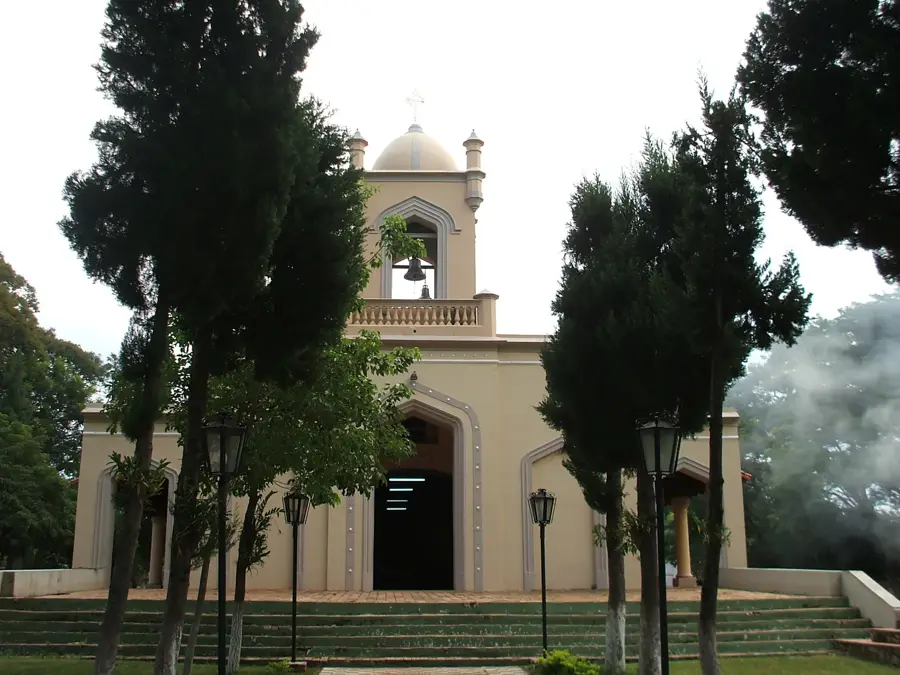
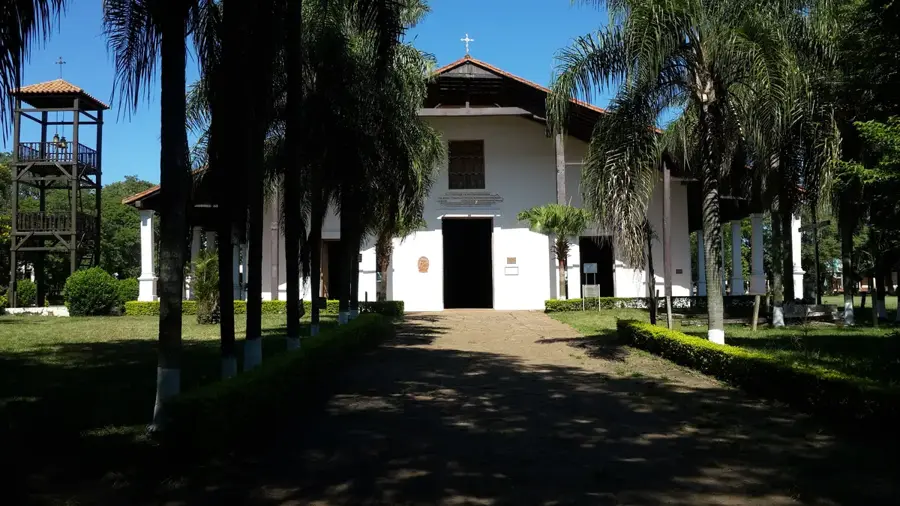
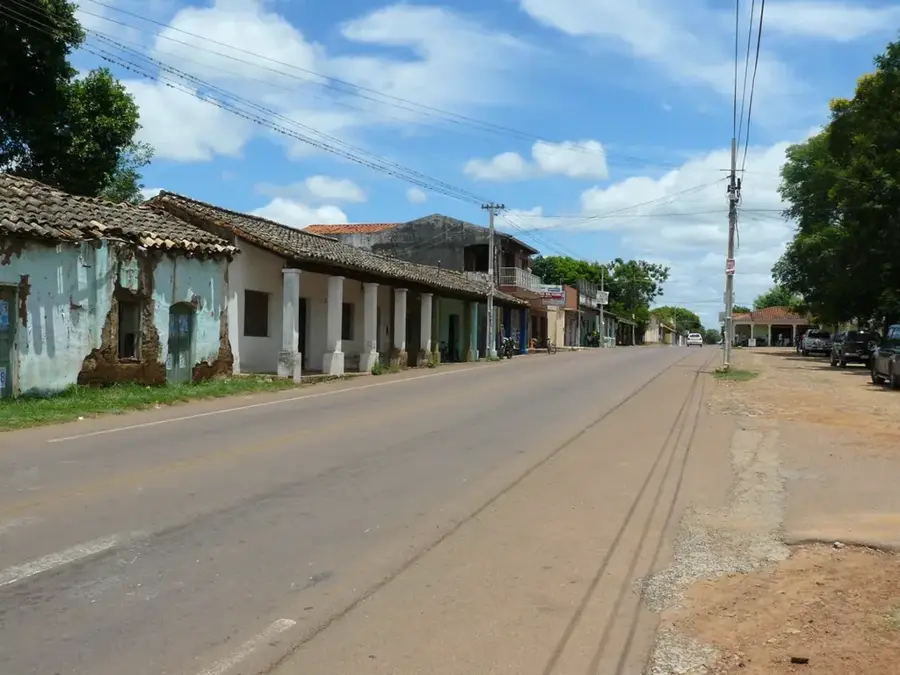
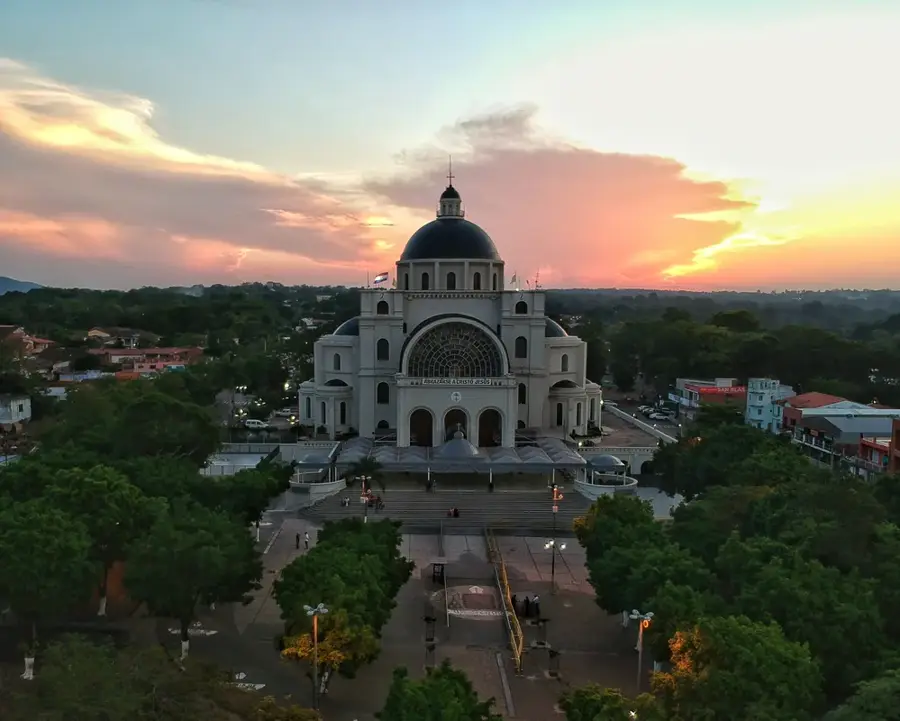
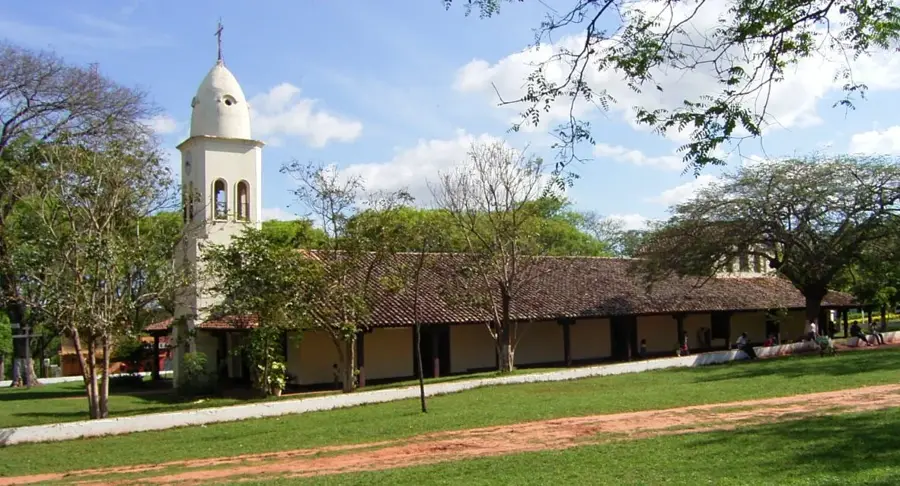
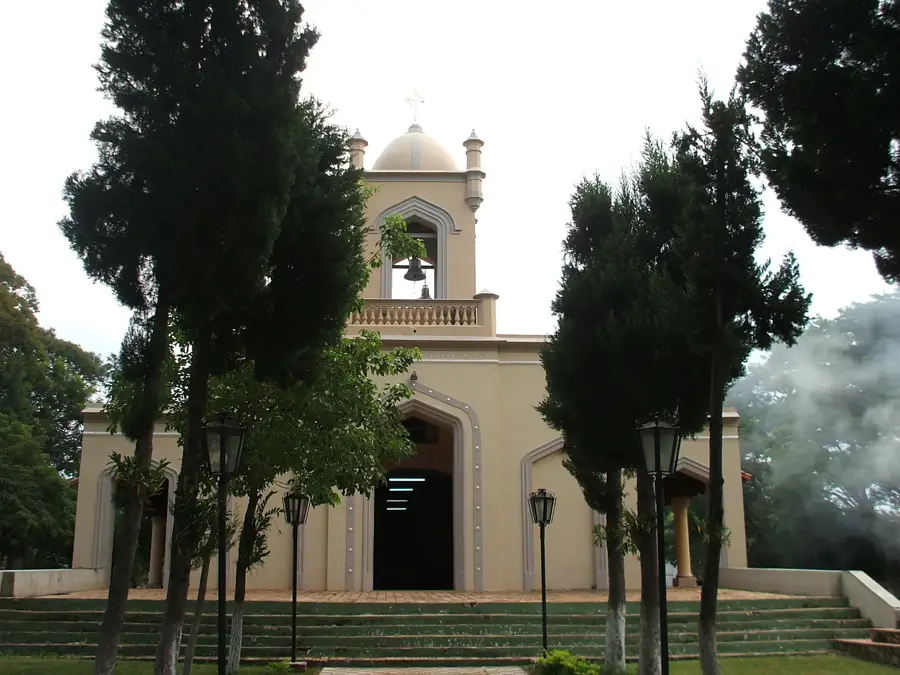
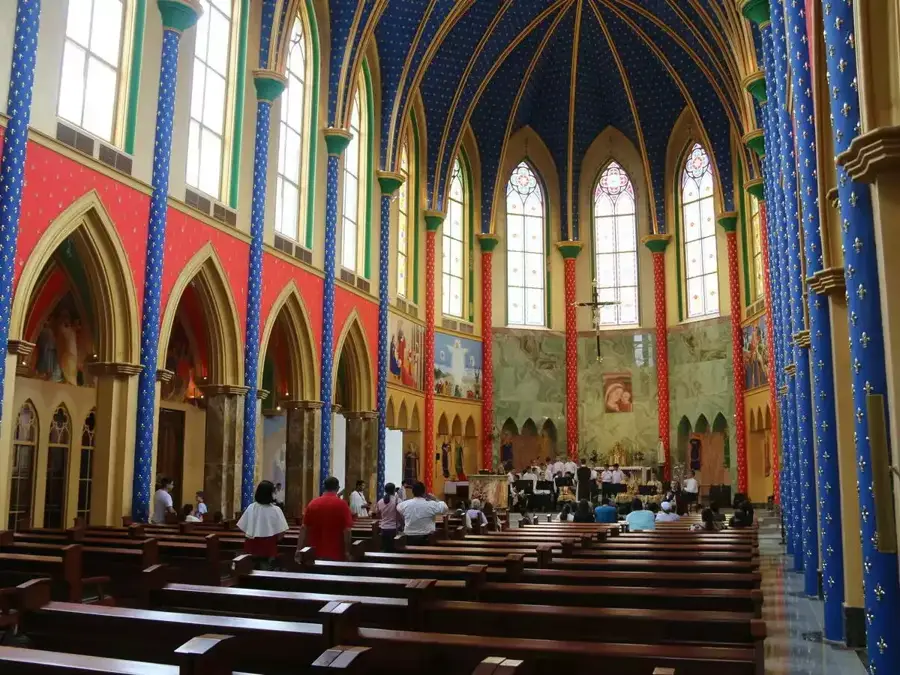
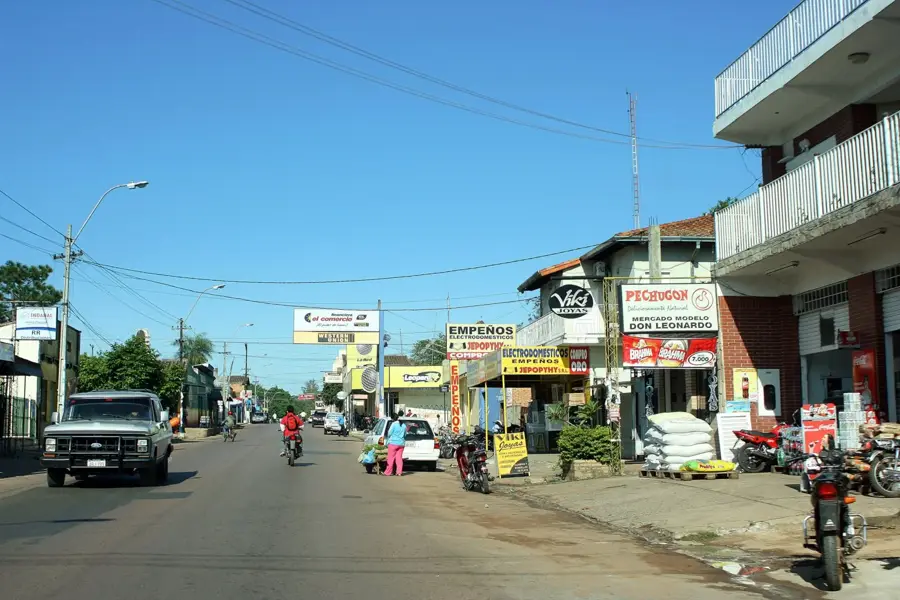
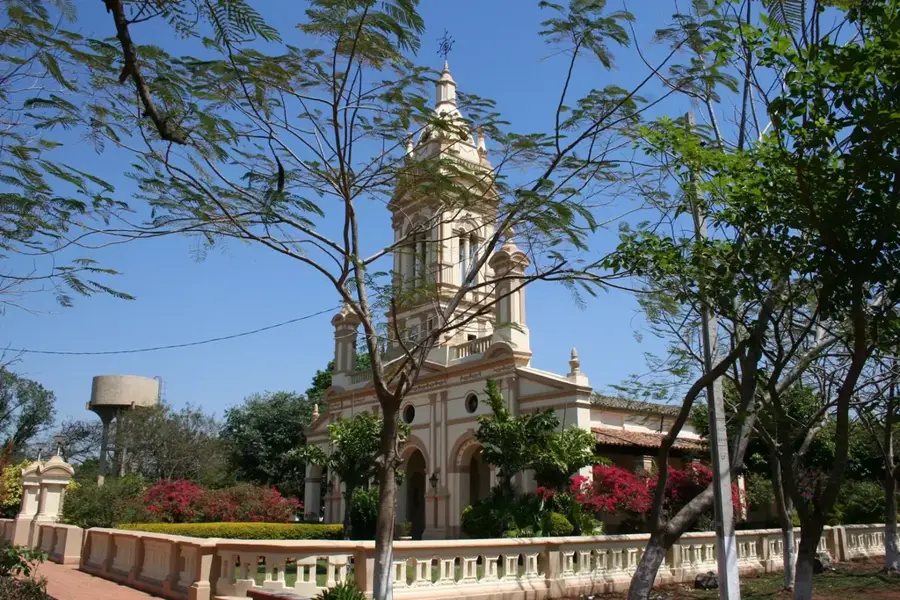
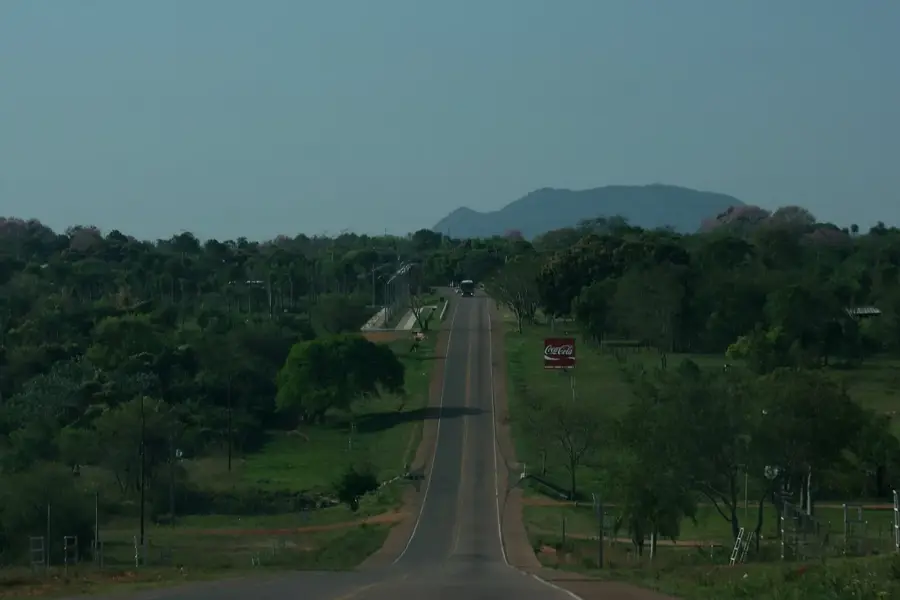
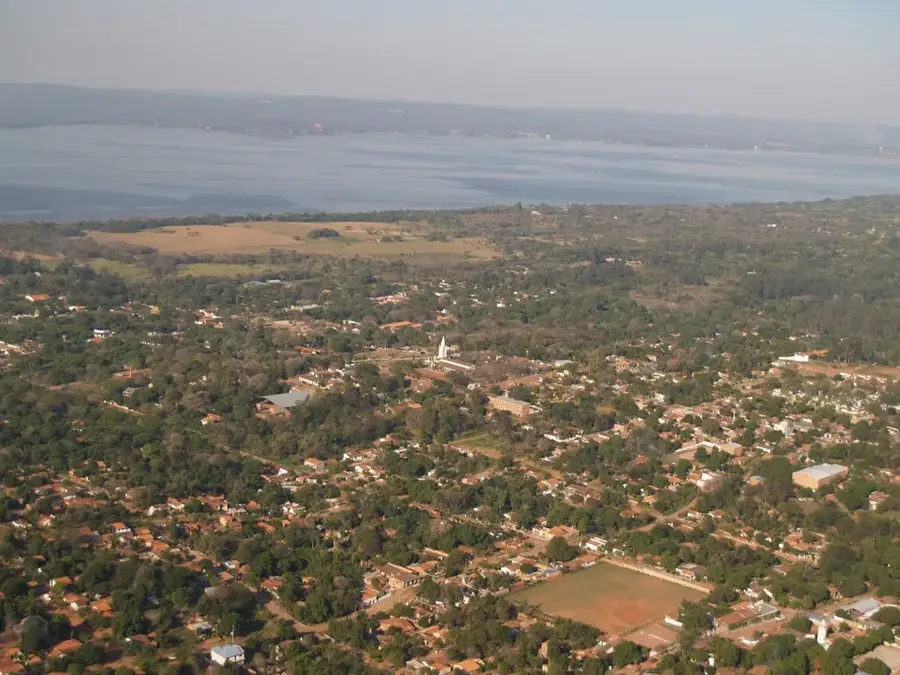
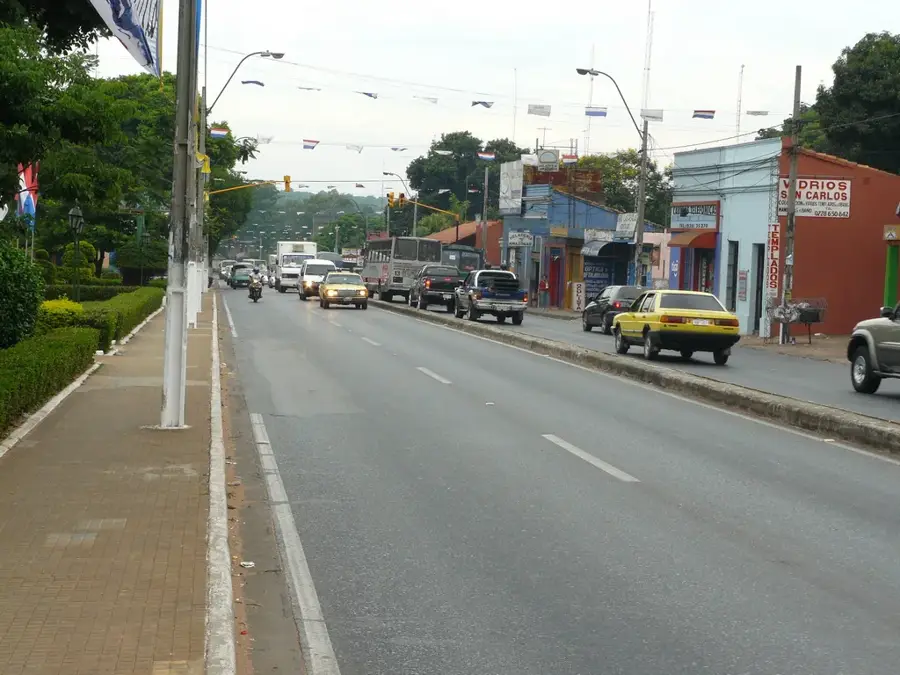
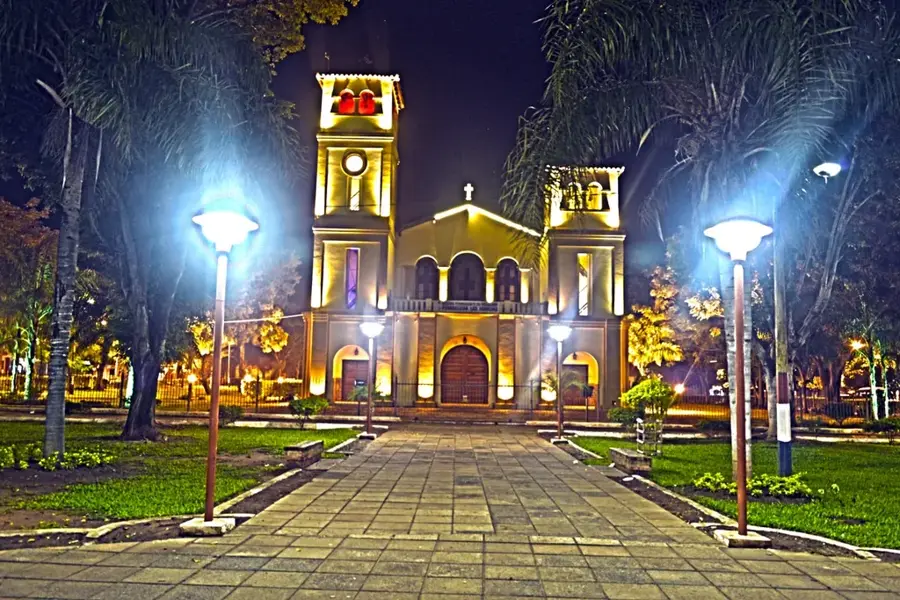
Eusebio Ayala, formerly known as Barrero Grande, is a town in the Cordillera Department, about 72 kilometres east of Asunción along Route 2. It was founded in 1733 and renamed in 1947 in honour of former President Eusebio Ayala, who led Paraguay during the Chaco War against Bolivia. Historically the town became famous through the Battle of Tacuarí in 1811, in which Paraguayan forces defeated the Argentine army under Manuel Belgrano, paving the way for Paraguayan independence. Today the town has around 25 000 inhabitants. Eusebio Ayala is nationally renowned for its pottery and basket-weaving traditions; the annual June Carbide Festival, during which historical battles are re-enacted using carbide lamps, draws thousands of visitors. Economically the town relies on agriculture, handicrafts, modest tourism and commuting to Asunción. Notable sights include the historic parish church and the Mercado Artesanal with its traditional clay vessels and woven items, alongside the annual cultural celebrations.
- Location: Paraguay
- Nearby: Piribebuy (11 km)
- Population: ~8.253 (2018)
Best time to visit & climate
The most pleasant time to visit is Jul–Sep.
| Jan | Feb | Mar | Apr | May | Jun | Jul | Aug | Sep | Oct | Nov | Dec | |
|---|---|---|---|---|---|---|---|---|---|---|---|---|
| Avg °C | 28 | 27 | 26 | 23 | 19 | 17 | 17 | 19 | 21 | 24 | 25 | 27 |
| Rain mm | 127 | 140 | 133 | 149 | 152 | 78 | 66 | 41 | 77 | 171 | 193 | 176 |
Geography
Facts
- The city was officially founded on August 16, 1770.
- It is located approximately 72 kilometers from the capital, Asunción.
- Every year on August 16, the victims of the Battle of Acosta Ñu are honored.
- Numerous artisanal chipa bakeries are located along the main highway.
- The Battle of Acosta Ñu took place in 1869 and involved child soldiers.
- Eusebio Ayala served as President from 1921-1923 and 1932-1936.
Explore nearby
Notable places around

Route planner — Car & Motorhome
Where do you start? We build the route here, with stops and country notes along the way.
© OpenStreetMap contributors · OpenRouteService
Sights in the town Eusebio Ayala (1)
Frequently asked questions
How long?
When?
Travel?
Food?
Families?
Eusebio Ayala: where is it located?
Eusebio Ayala: when is the best time to visit?
Eusebio Ayala: why is it worth visiting?
Nearby cities


History & landmarks

Nature

More places