Plizio Visual Lab
Mariscal Estigarribia
ℹ️Practical info — Mariscal Estigarribia
▾
🌤 Weather — 5 days
📍 Nearby
Sights nearby
💡 Tips
- This is the last major town before the Bolivian border; make sure to fill up your fuel tank here.
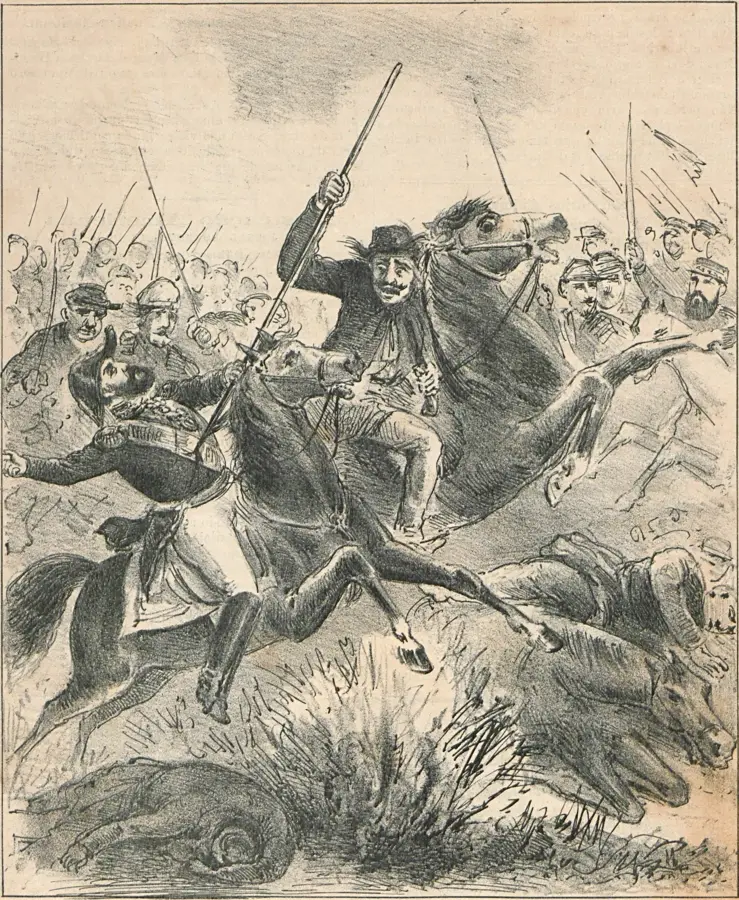
- Visit Fortín Boquerón (about 80km away) to see the most significant battlefield of the Chaco War.
- Always carry plenty of drinking water; temperatures here can reach extreme levels.
- Visit the indigenous art center to learn about the culture of the local ethnic groups.
- Expect simple accommodations; this is a pioneer town deep in the Chaco territory.
🍽 Food
The essential cold mate drink, often prepared here with specific medicinal herbs (yuyos) to combat the heat.
Buy honey directly from indigenous communities, it's a high-quality, pure natural product.
The meat pastries found in roadside cafes along the Transchaco highway are hearty and first-rate for travelers.
🛍 Shopping · 🧘 Quiet spots
Bags made from plant fibers by the women of the Ayoreo and Nivaclé communities.
This 'holy wood' smells wonderful; small figurines are excellent, lightweight souvenirs.
A small park in town honoring the defenders of the Chaco, offering some shade.
Find a spot on the edge of town; stargazing here is phenomenal due to the lack of light pollution.
Water temperature…
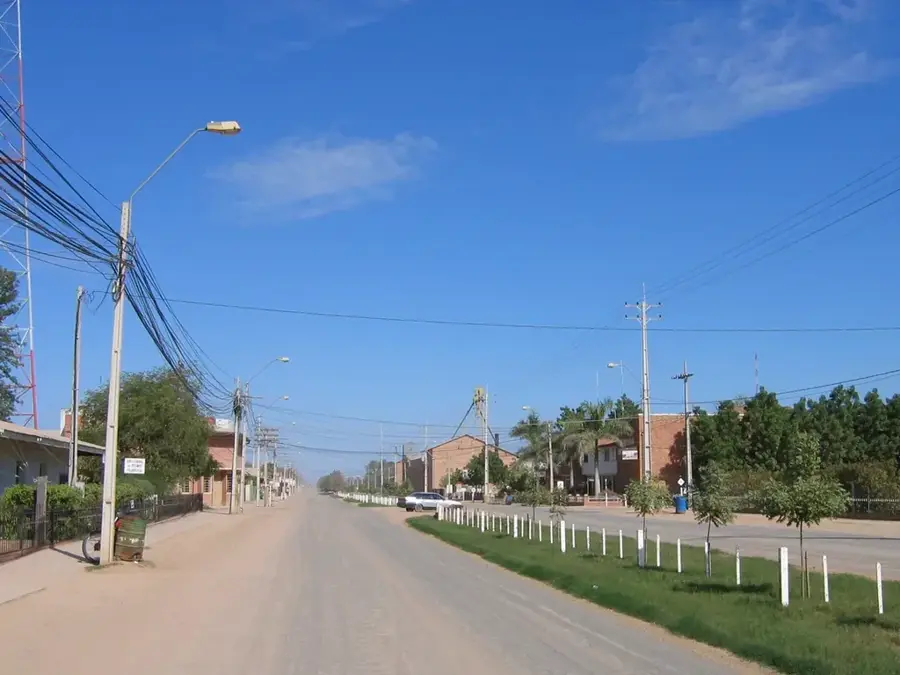
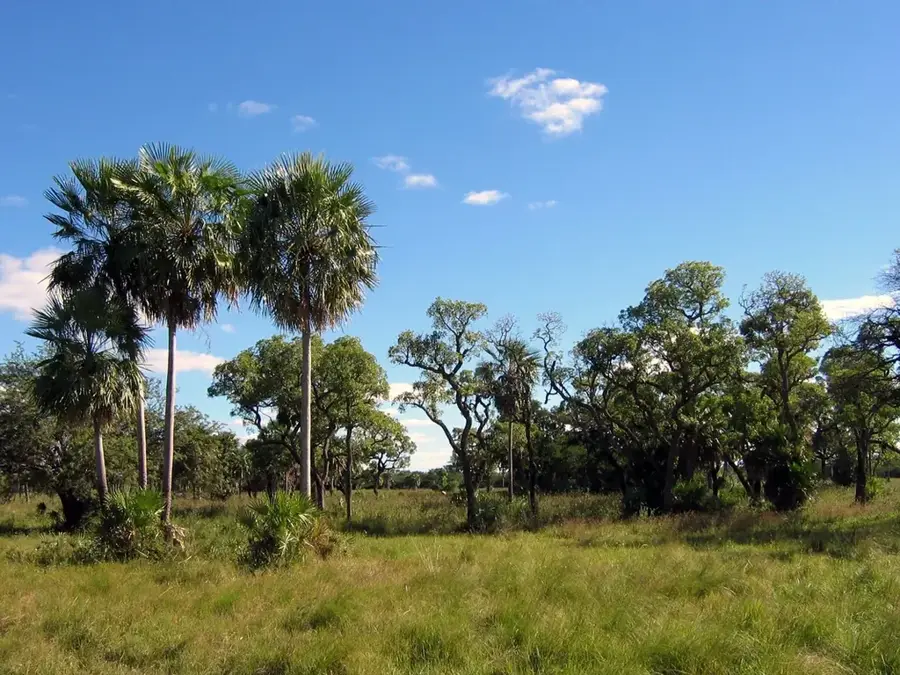
Mariscal Estigarribia, a town in the Boquerón Department in the far west of the Paraguayan Chaco, lies about 530 kilometres north-west of Asunción along the Trans-Chaco Highway and is regarded as the last major supply centre before the border with Bolivia. The town was founded in 1945 as a military settlement and named after Marshal José Félix Estigarribia, the victorious commander-in-chief of the Paraguayan forces in the Chaco War against Bolivia (1932-1935). The military still defines the cityscape today: it hosts the most important Paraguayan military base in the Chaco with one of the longest runways in South America. With around 12 000 inhabitants, including Mennonite cooperative members, Paraguayan military families and indigenous Nivaclé and Ayoreo communities, Mariscal Estigarribia is an intercultural place. Economically the town relies on cattle ranching, military infrastructure, supply trade and serves as a gateway to neighbouring Bolivia.
Best time to visit & climate
The most pleasant time to visit is Jun–Aug.
| Jan | Feb | Mar | Apr | May | Jun | Jul | Aug | Sep | Oct | Nov | Dec | |
|---|---|---|---|---|---|---|---|---|---|---|---|---|
| Avg °C | 31 | 30 | 29 | 26 | 22 | 21 | 21 | 24 | 27 | 30 | 30 | 31 |
| Rain mm | 95 | 116 | 92 | 63 | 37 | 14 | 8 | 6 | 12 | 52 | 68 | 92 |
Geography
Facts
- The city was officially established on December 18, 1944.
- It is home to one of the largest military bases in the country.
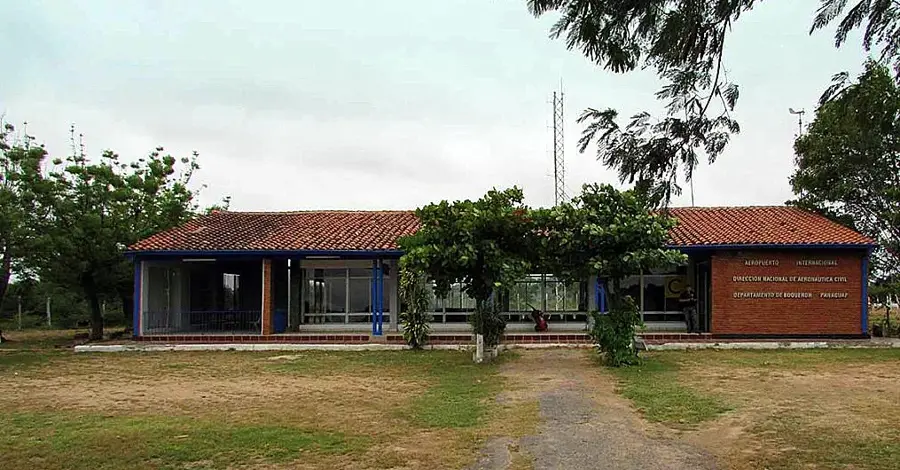
- The city's airport features an exceptionally long runway for the region.
- Mariscal Estigarribia is located about 525 kilometers northwest of Asunción.
- The climate is among the hottest in Paraguay, with temperatures exceeding 45°C.
- Various indigenous communities reside in the areas surrounding the city.
Explore nearby
Notable places around
Route planner — Car & Motorhome
Where do you start? We build the route here, with stops and country notes along the way.
© OpenStreetMap contributors · OpenRouteService
Frequently asked questions
Duration?
When?
Travel?
Food?
Safe?
Mariscal Estigarribia: where is it located?
Mariscal Estigarribia: when is the best time to visit?
Mariscal Estigarribia: why is it worth visiting?