Attractions in North Korea
The finest attractions in North Korea at a glance: castles, natural wonders, historic old towns and more. Each place links to a detailed page with map, tips and photos.
Culture & History
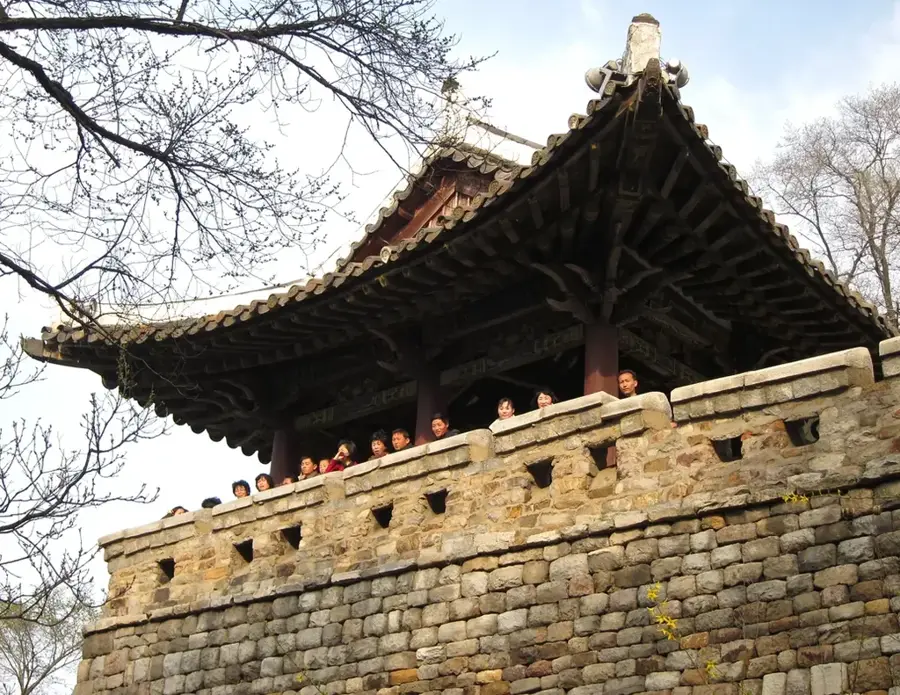
Ulmil Pavilion (Ulmildae)
The Ulmil Pavilion (Ulmildae) stands majestically on Moran Hill in the center of Pyongyang and originally dates back to the 6th century.
Learn more →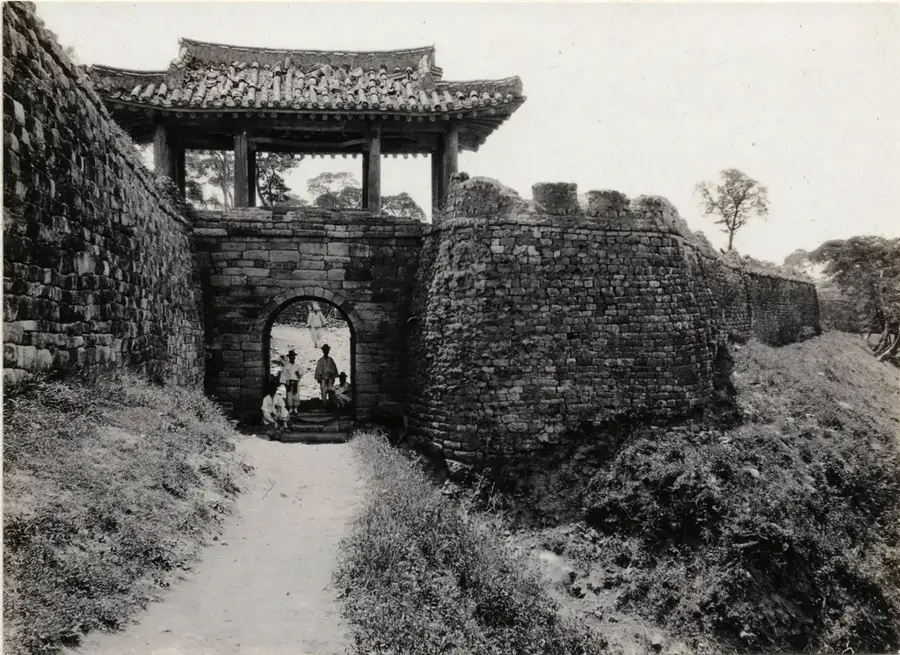
Chilsong Gate
The Chilsong Gate (Gate of the Seven Stars) is the north gate of the ancient inner fortification of Pyongyang and is located on the edge of Moranbong…
Learn more →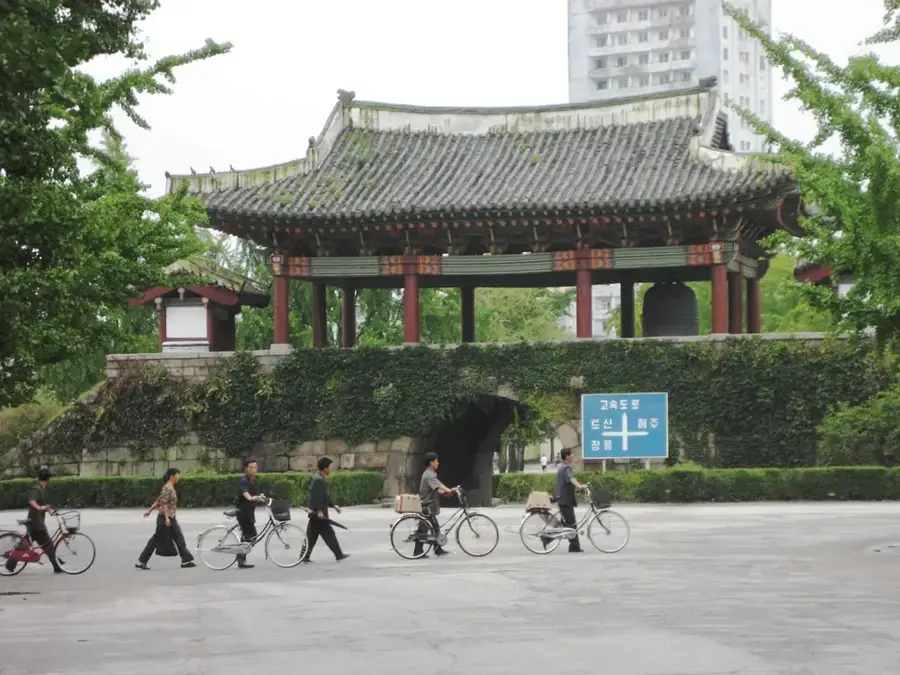
South Gate of Kaesong (Namdaemun)
Namdaemun (South Gate) is the only remaining gate of the ancient inner city wall of Kaesong, built towards the end of the Koryo Dynasty in 1394.
Learn more →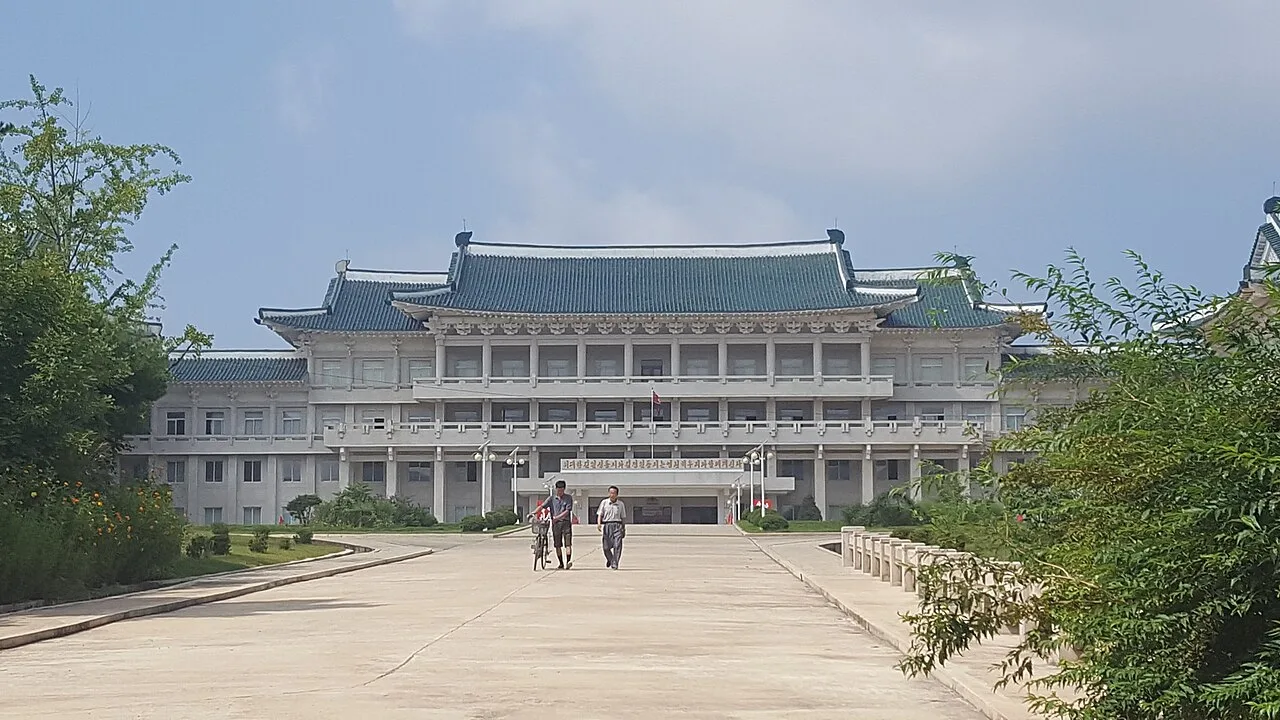
Sonjuk Bridge
Sonjuk Bridge is a small stone bridge in Kaesong, built in 1290.
Learn more →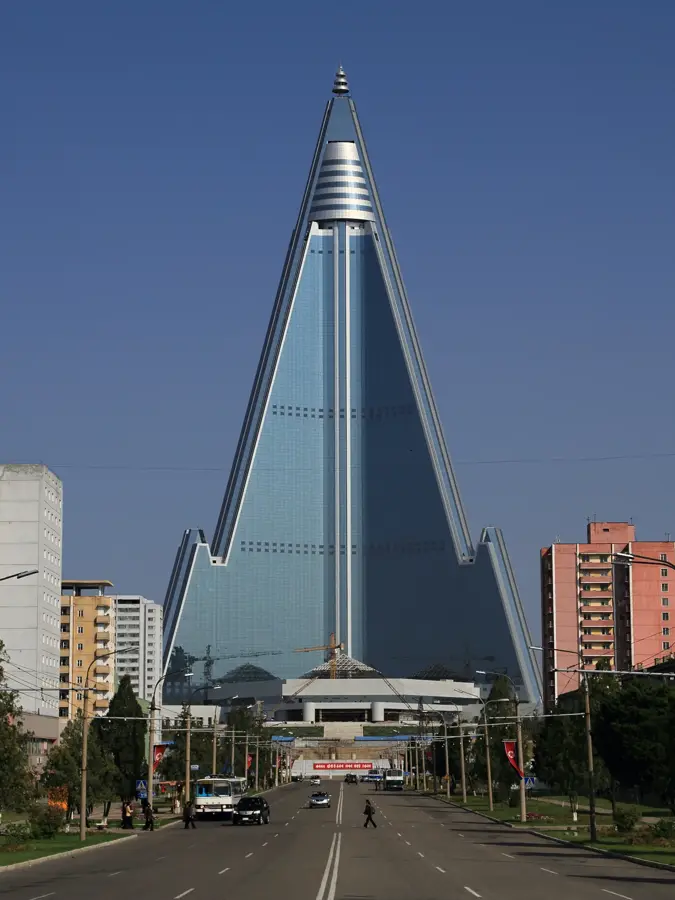
Ryugyong Hotel
An unfinished 105-story skyscraper in Pyongyang.
Learn more →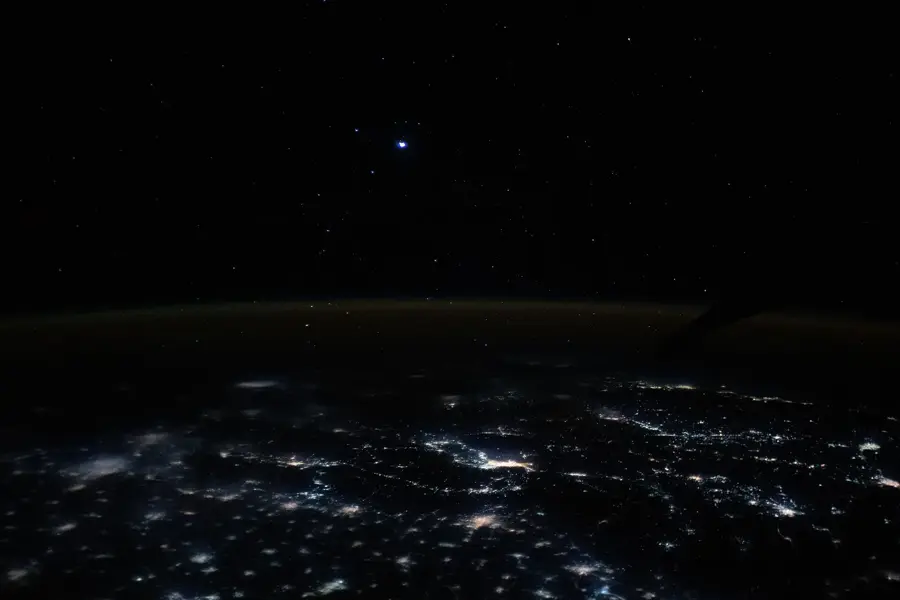
Sukchon
Sukchon is a significant agricultural hub, known for its fertile plains and as a model for modern agrarian development in North Korea.
Learn more →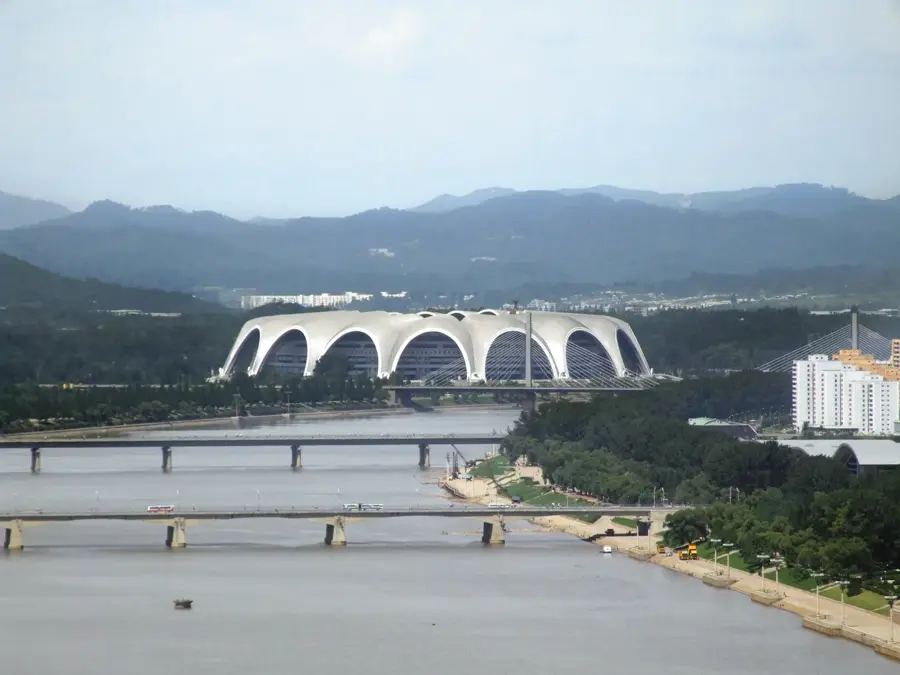
Rungrado 1st of May Stadium
The largest stadium in the world, with an official capacity of 114,000.
Learn more →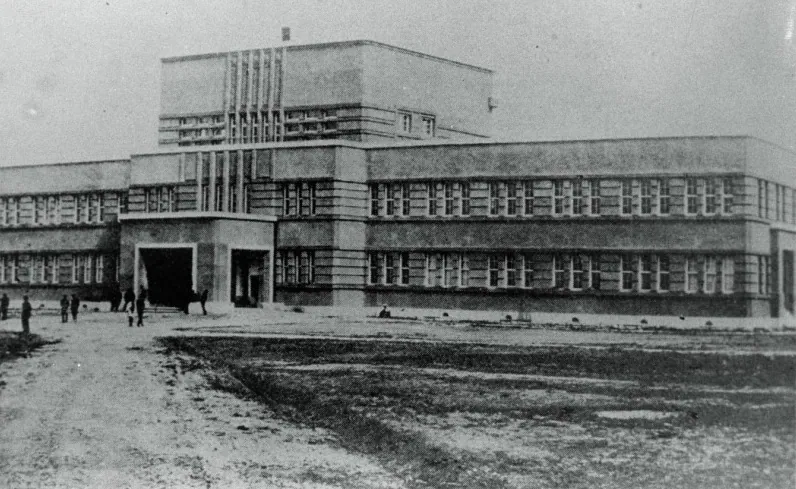
Pyongyang TV Tower
A 150-meter-tall free-standing concrete tower with an observation deck and a panoramic restaurant.
Learn more →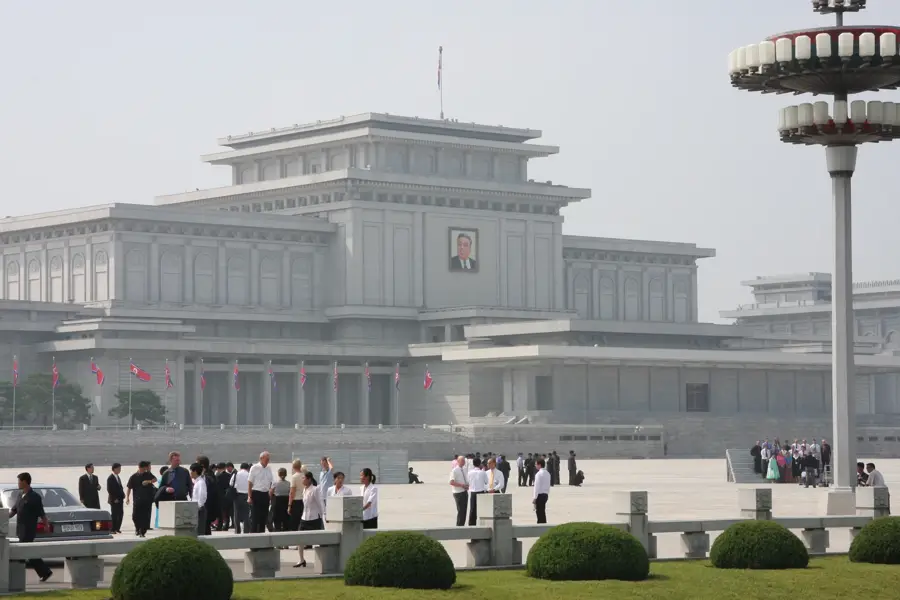
Kumsusan Palace of the Sun
Serves as the mausoleum for Kim Il-sung and Kim Jong-il, the former leaders of North Korea.
Learn more →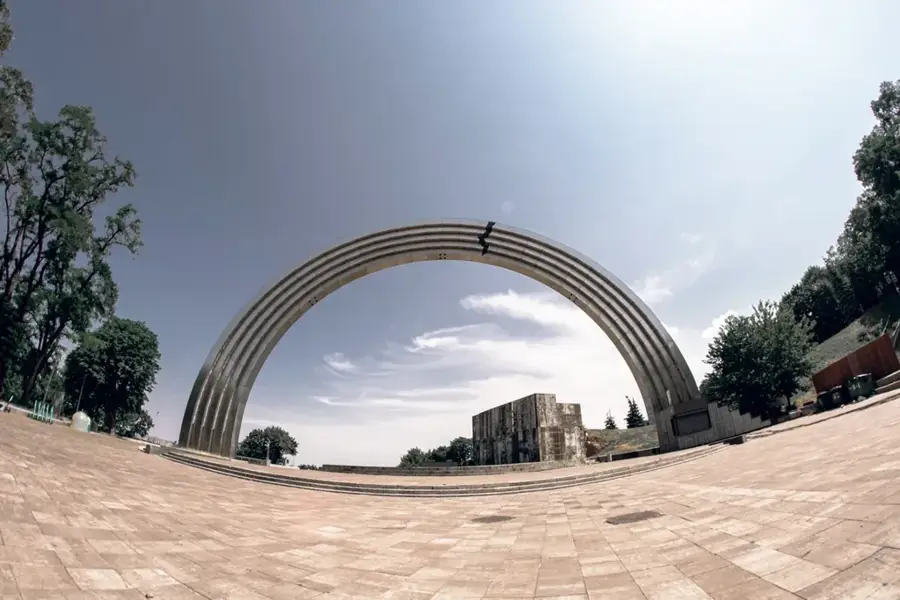
Arch of Reunification
A monument at the southern entrance to Pyongyang, symbolizing Kim Il-sung's proposals for Korean reunification.
Learn more →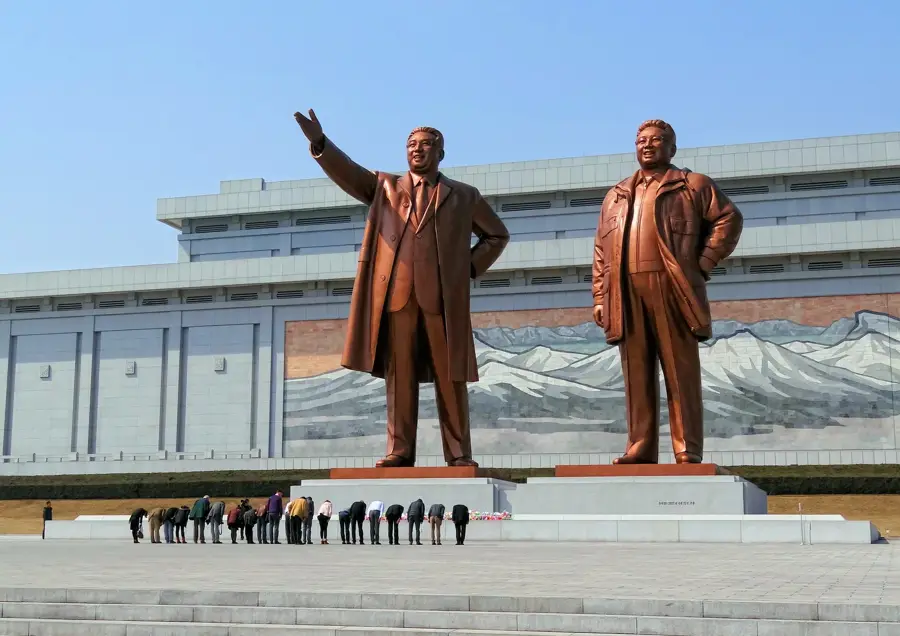
Grand Monument on Mansu Hill
A complex of monuments in Pyongyang, the central part of which are two 22-meter high bronze statues of Kim Il-sung and Kim Jong-il.
Learn more →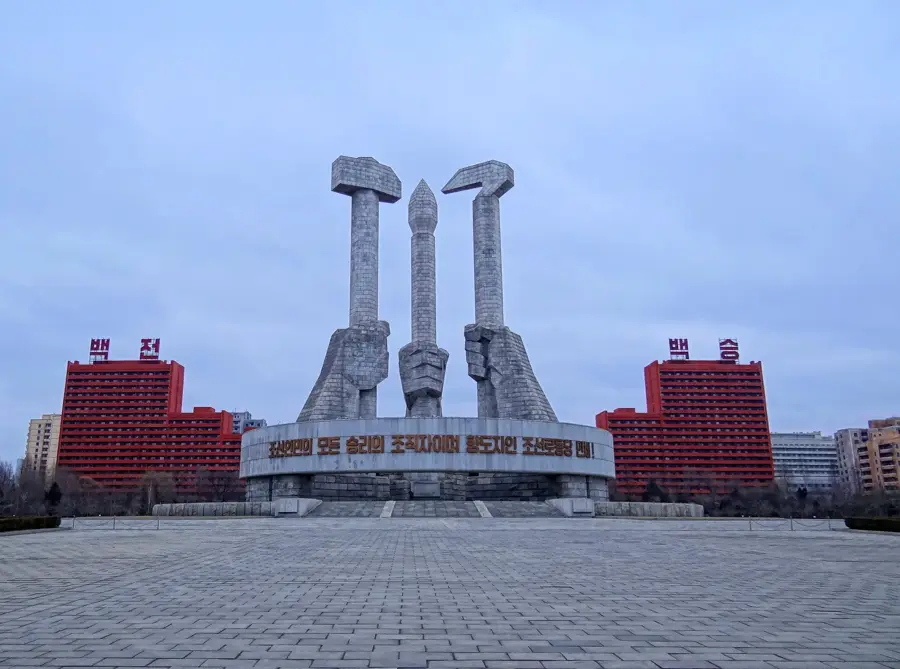
Party Foundation Monument
A monument in Pyongyang that glorifies the Workers' Party of Korea.
Learn more →Nature
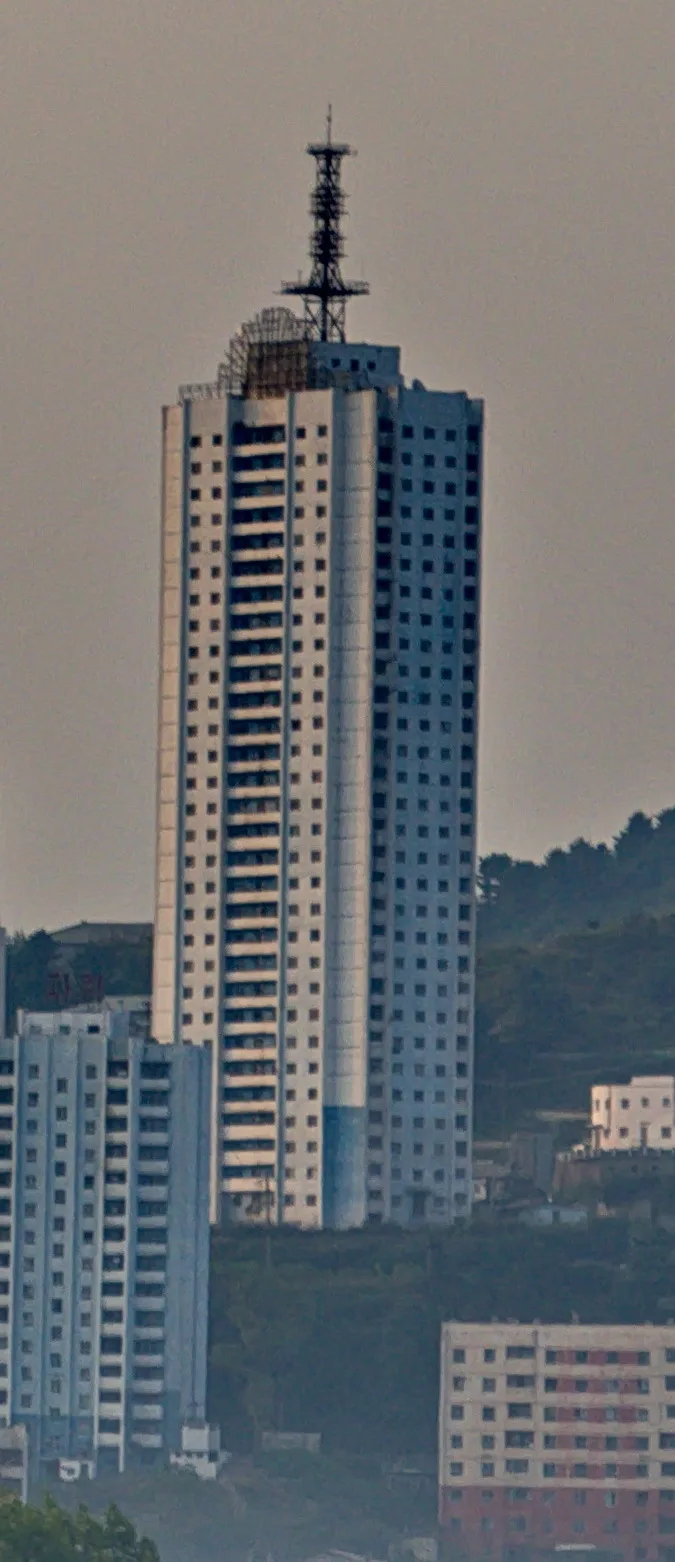
Wonsan Youth Park
A public park in Wonsan providing recreational areas, sports facilities, and green space for the city's residents.
Learn more →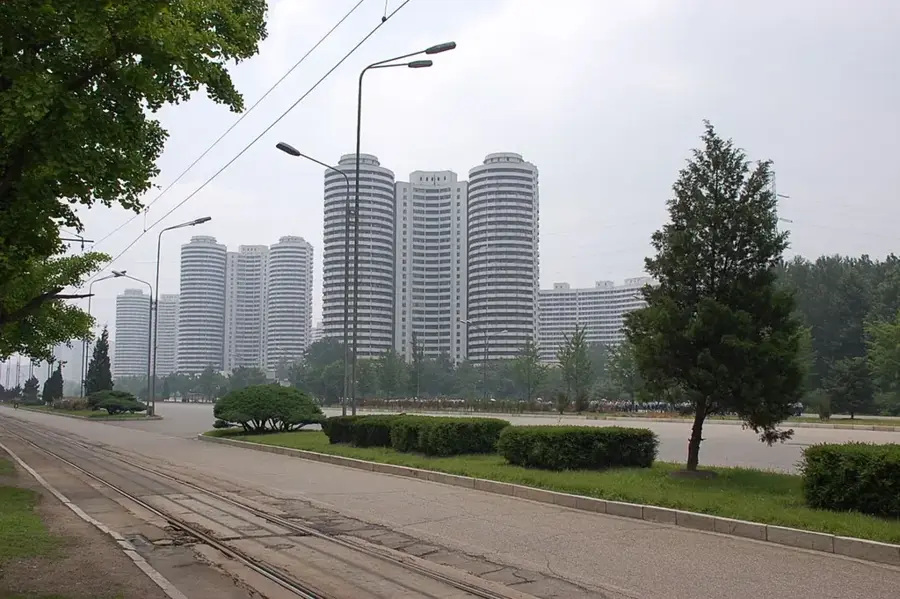
Ryongaksan Pleasure Ground
A large natural park on Mount Ryongak on the western outskirts of Pyongyang, used for hiking and recreation.
Learn more →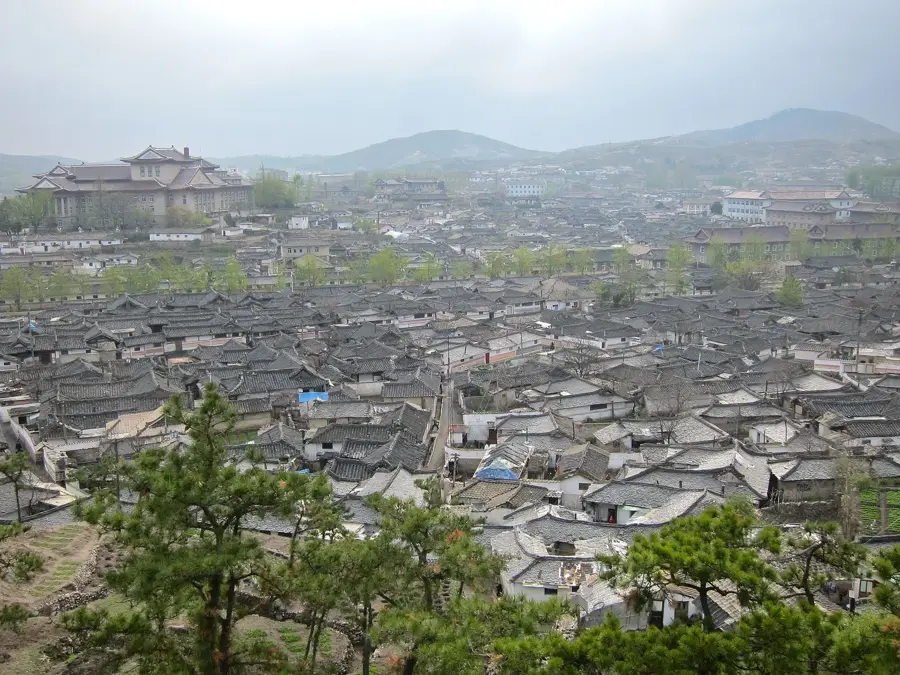
Kaesong Folklore Park
A park showcasing traditional Korean architecture, customs, and lifestyles from the Koryo dynasty.
Learn more →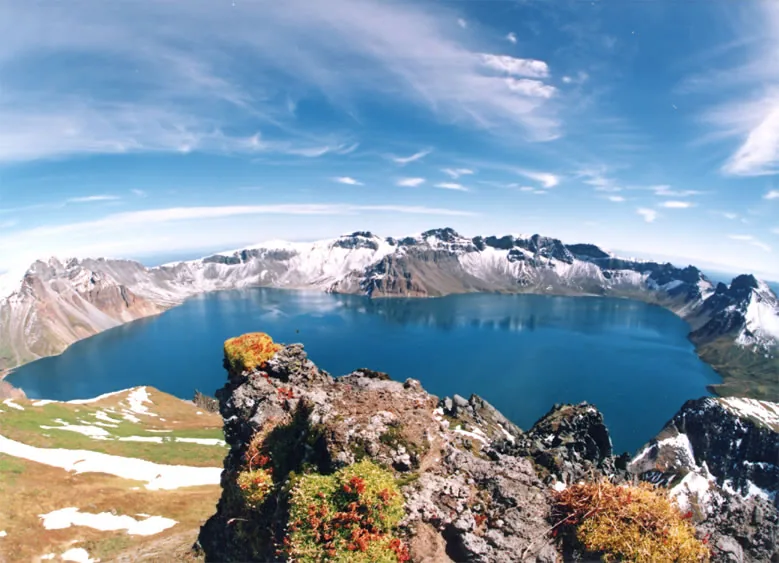
Ryongmun Cave Park
A natural park surrounding an extensive karst cave system with impressive rock formations.
Learn more →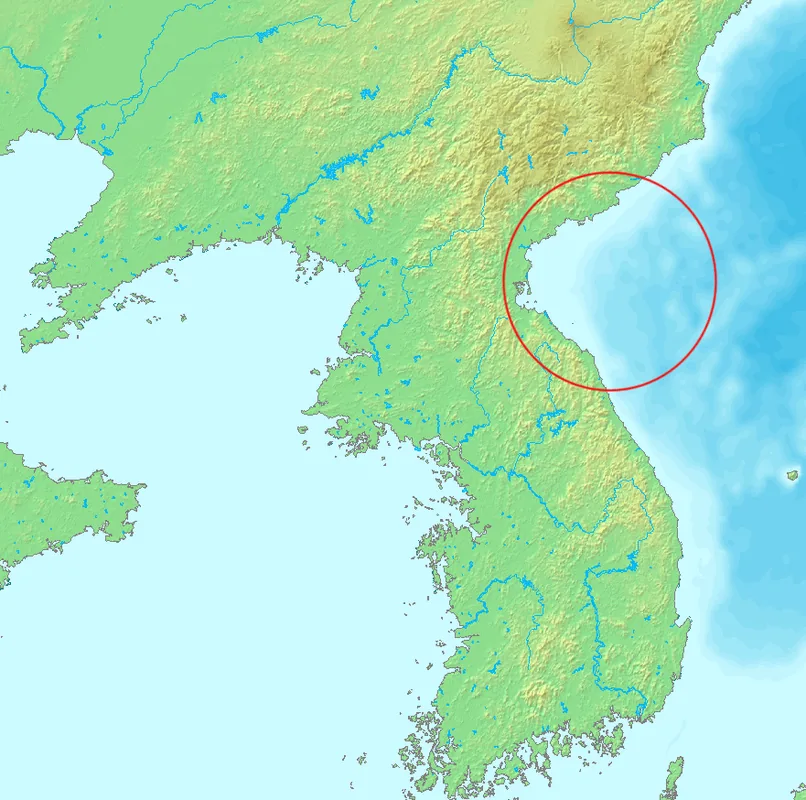
East Korea Bay East Coast
A large bight on the east coast, including the cities of Hamhung and Wonsan, featuring deeper waters and sandy beaches.
Learn more →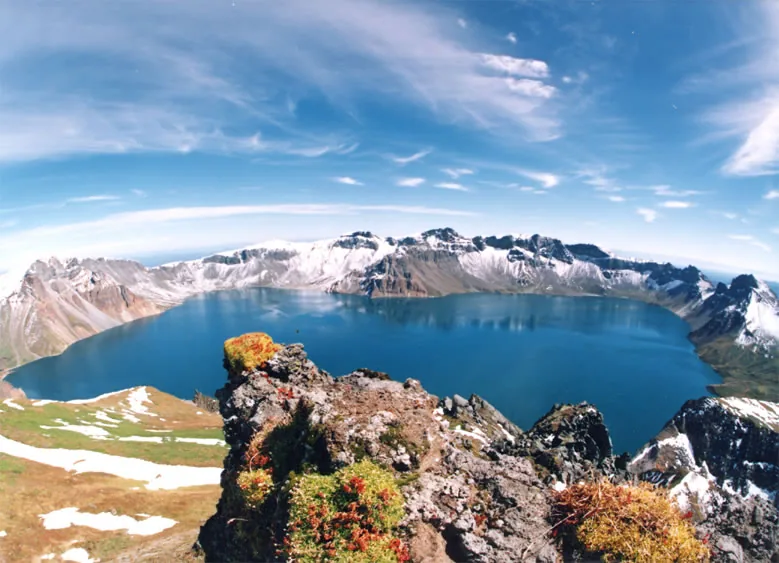
Heaven Lake
A crater lake on the summit of Paektu Mountain, on the border between North Korea and China.
Learn more →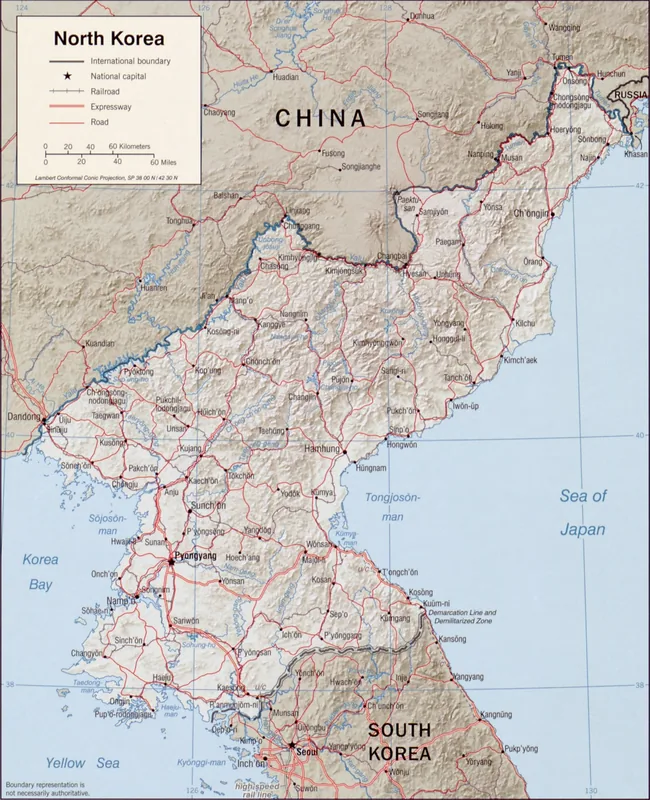
Korea Bay West Coast
The northern part of North Korea's west coast, forming the Korea Bay, with numerous islands and estuaries.
Learn more →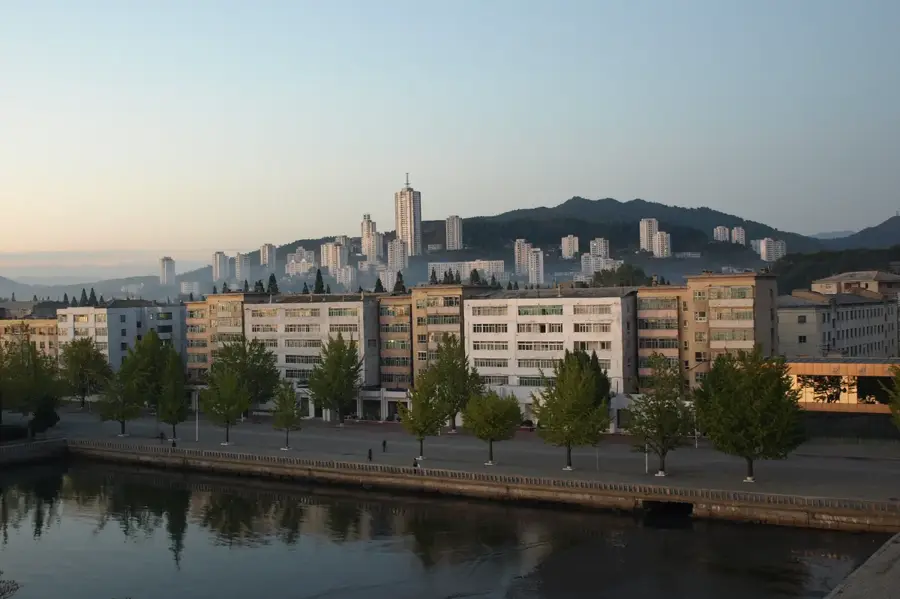
Sijung Lake
A coastal lagoon in Kangwon Province, renowned for its therapeutic mud.
Learn more →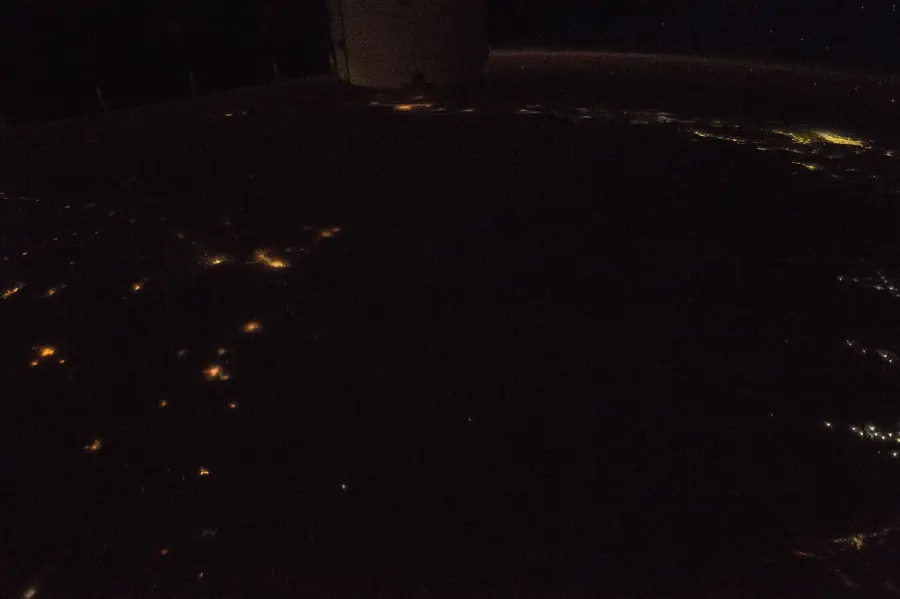
Chosan Bay Coast
A coastal area on the Yellow Sea in North Pyongan province, with extensive tidal flats.
Learn more →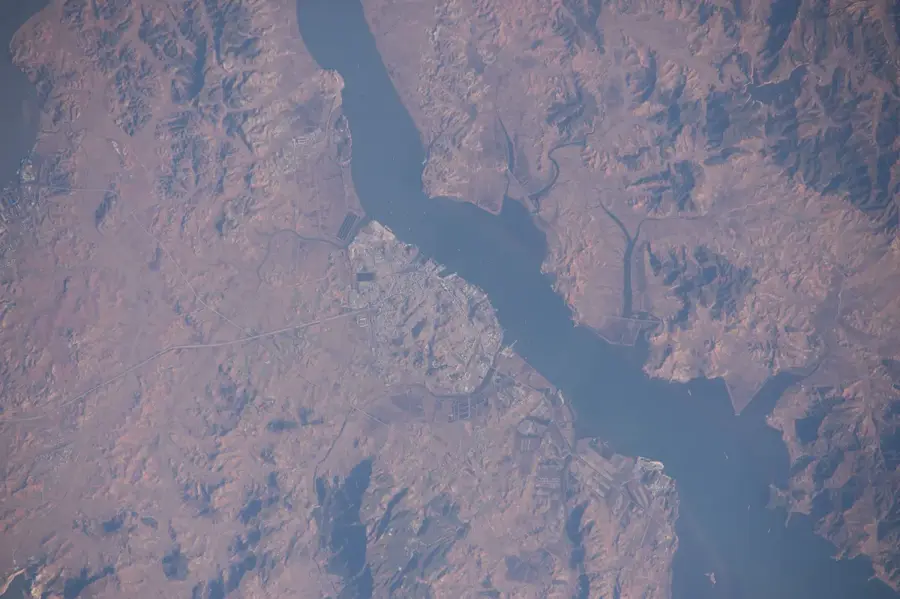
Ongjin Peninsula Coast
A peninsula on the Yellow Sea with a highly indented coastline and numerous offshore islands.
Learn more →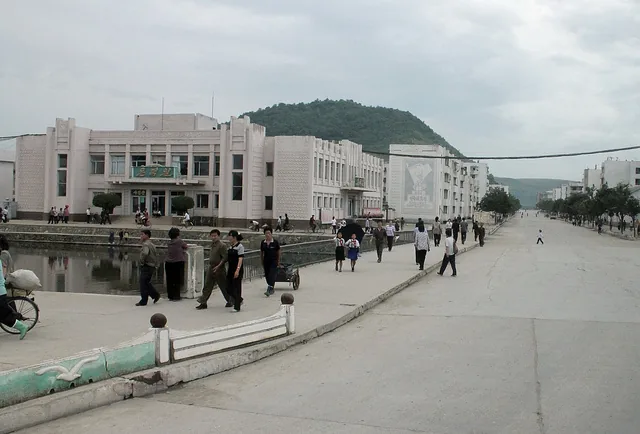
Tongchon Coast
A stretch of coast in Kangwon province, featuring sandy beaches and scenic cliffs.
Learn more →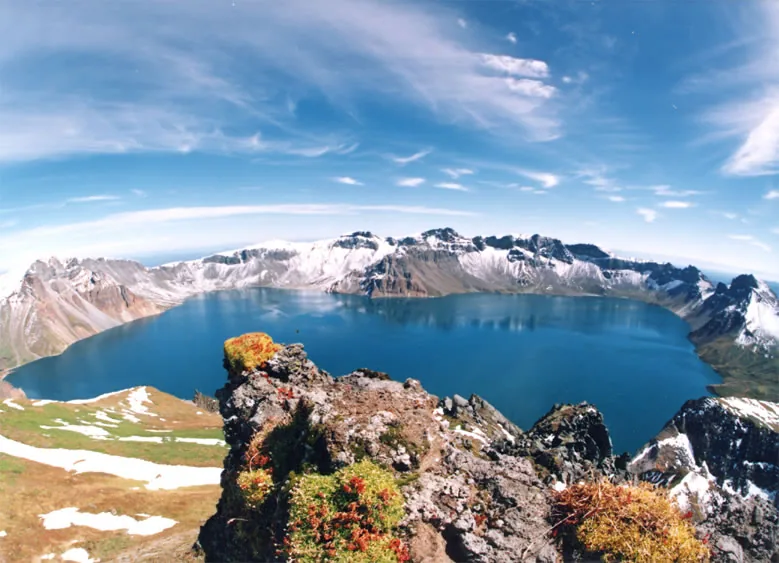
Paektu Mountain
An active volcano on the border with China and the highest mountain on the Korean Peninsula.
Learn more →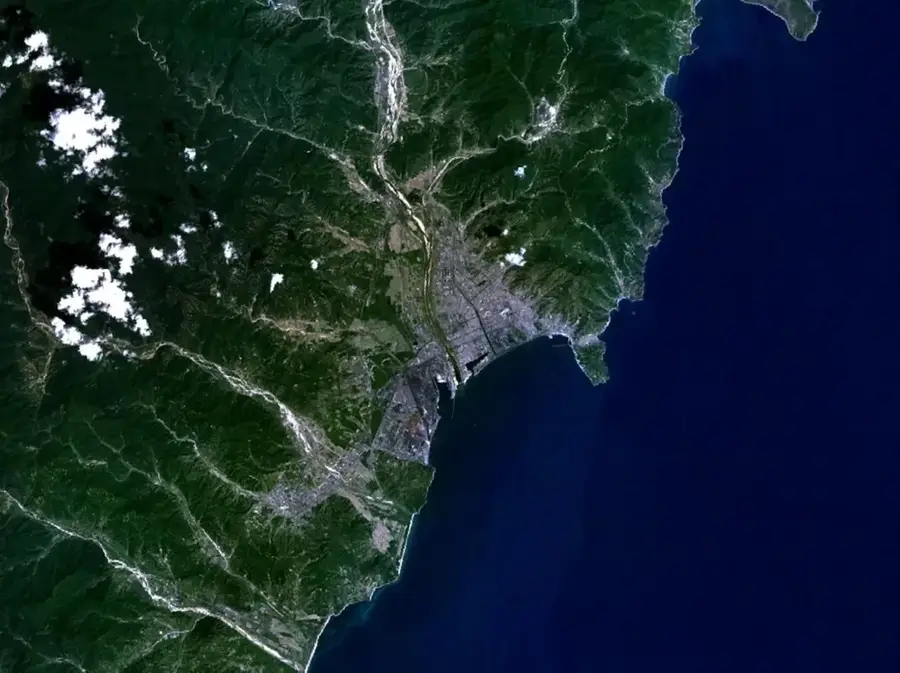
Mount Chilbo
A mountain in North Hamgyong province, known for its exceptional rock formations and views of the Sea of Japan.
Learn more →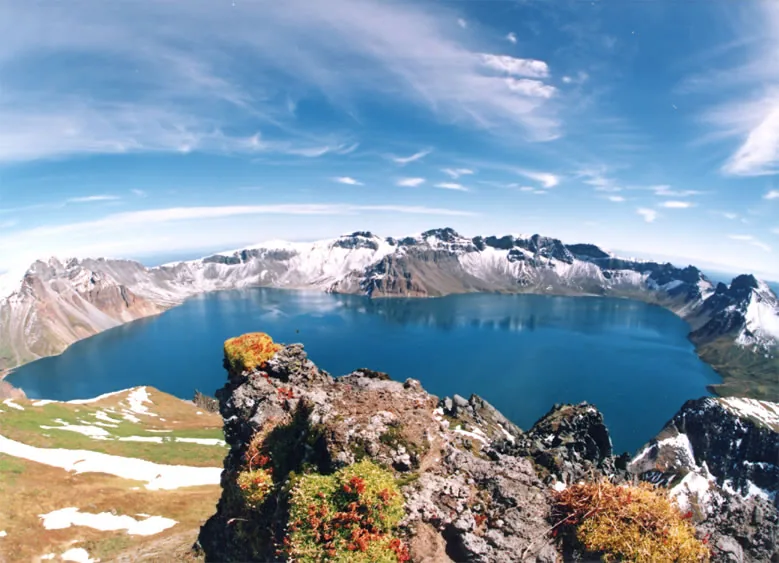
Changbai Mountains (Korean Side)
The Korean side of the mountain range forming the border between China and North Korea.
Learn more →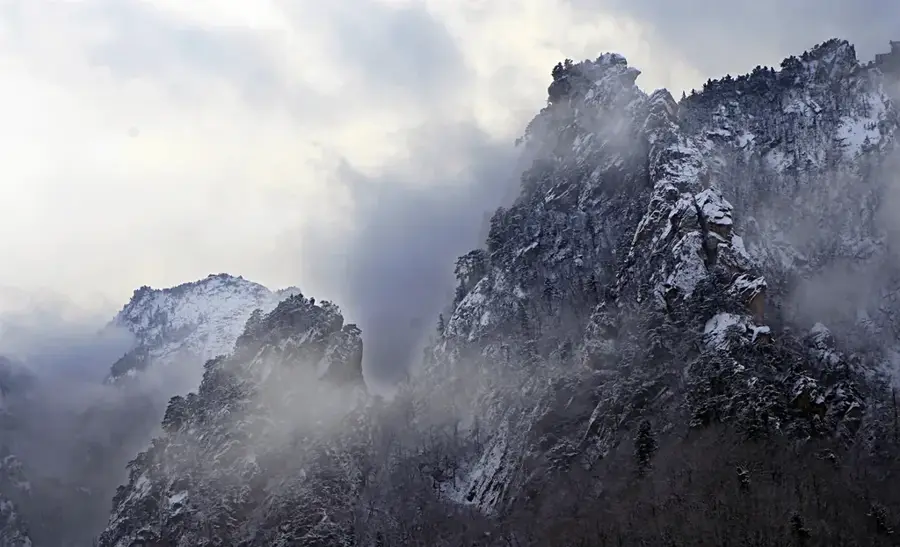
Northern Taebaek Mountains
The northern extension of the Taebaek mountain range, which extends into North Korea and includes the Kumgang Mountains.
Learn more →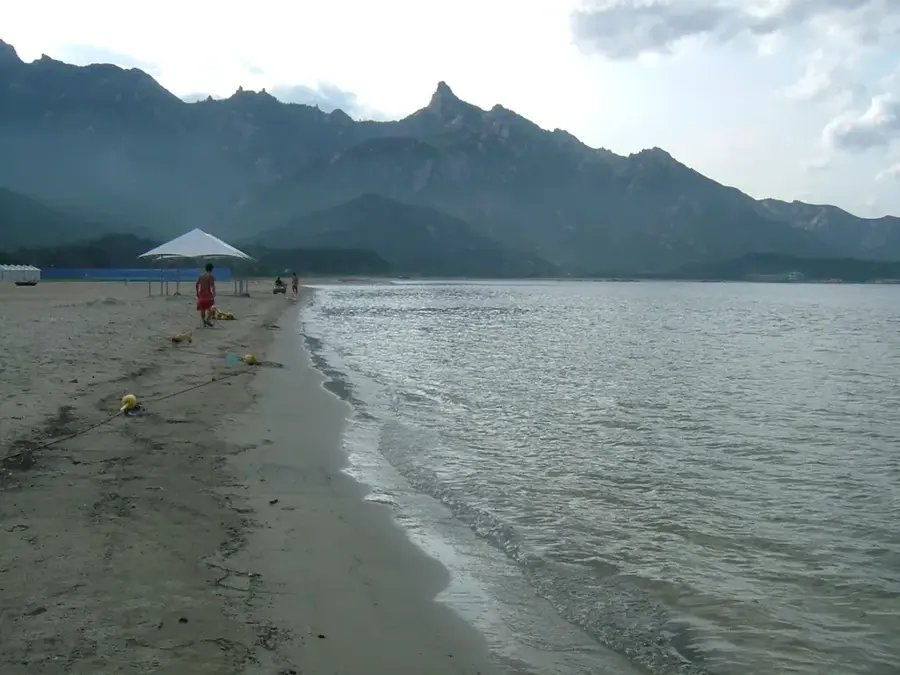
Kumgang Mountains
Also known as the Diamond Mountains, famous for its scenic rock formations, waterfalls, and ponds.
Learn more →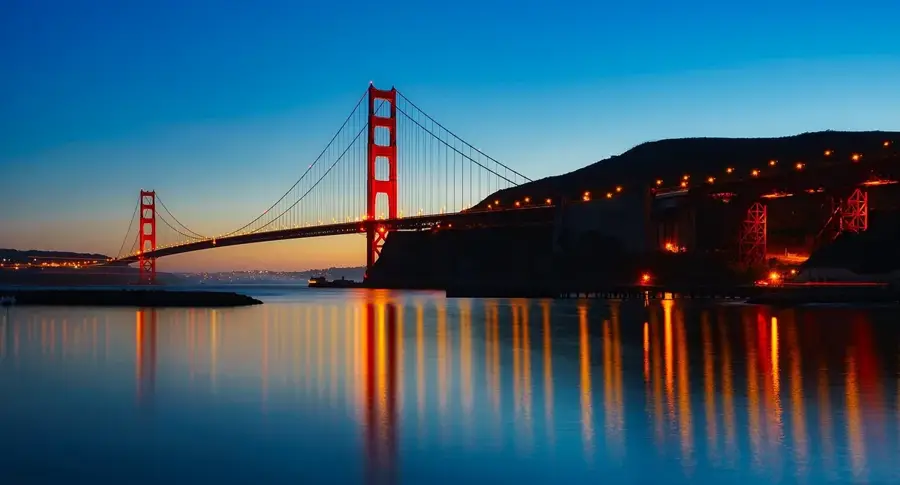
Mantap-san
A mountain in North Hamgyong Province, known as the location of the Punggye-ri Nuclear Test Site.
Learn more →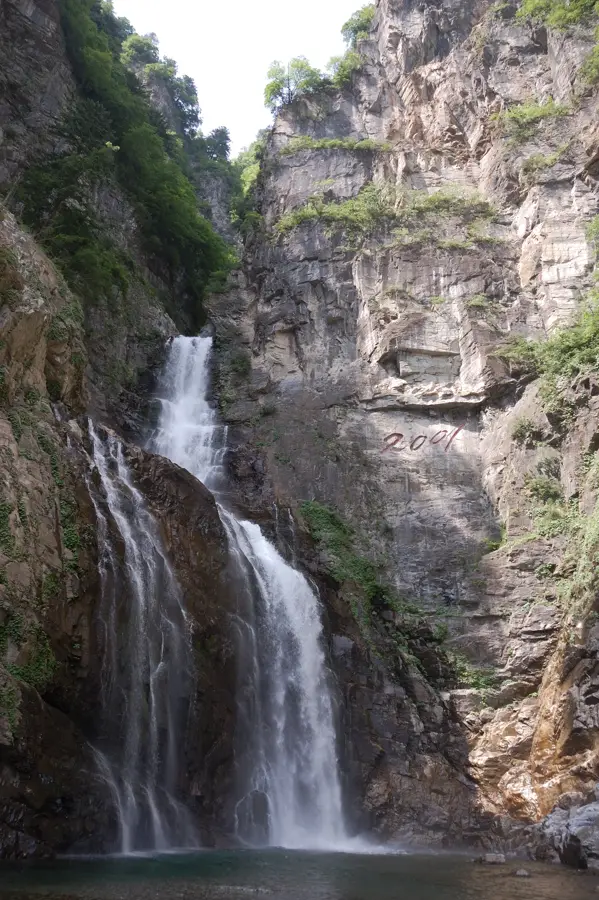
Ullim Falls
A relatively newly discovered waterfall, its name meaning 'Echo', which has been developed into a tourist attraction.
Learn more →More highlights
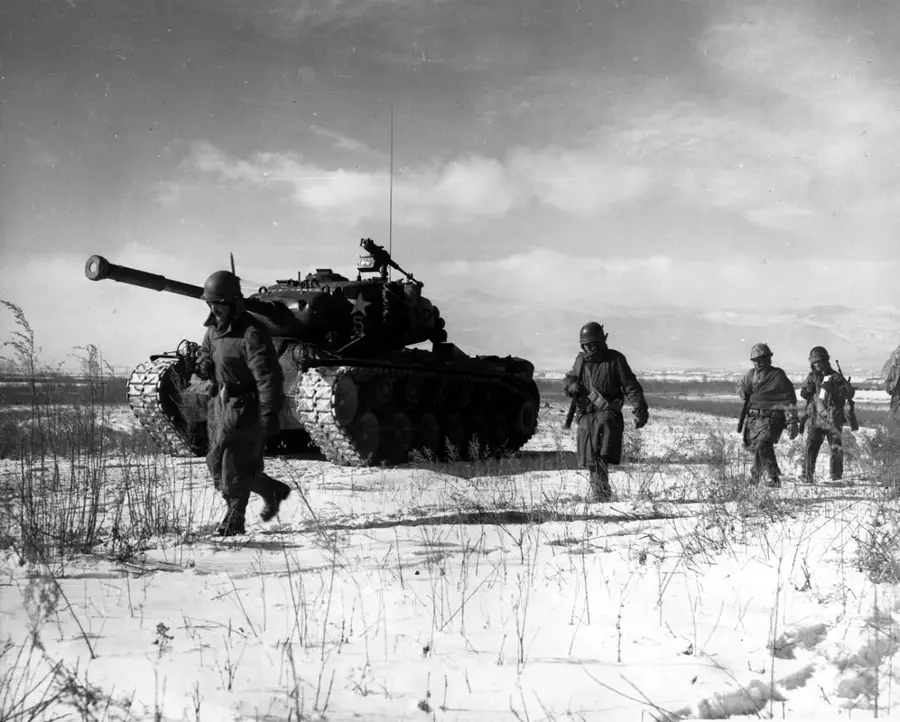
Battle of Kumsong Battlefield
The Kumsong Valley in Kangwon Province was the scene of the last and most massive offensive during the Korean War in July 1953, just weeks before the…
Learn more →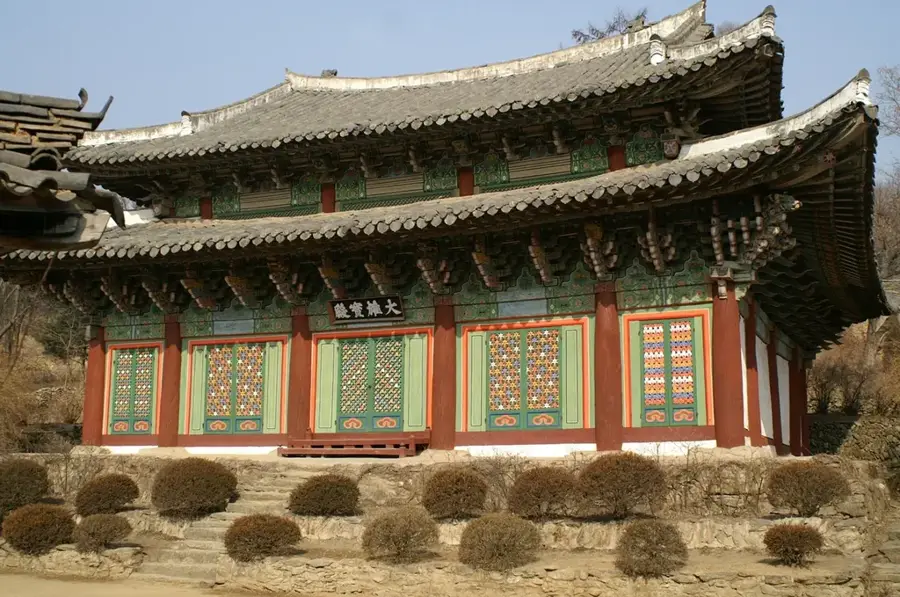
Anguk Temple
Anguk Temple in South Pyongan Province (near Pyongsong) is one of the oldest temples in North Korea, originally founded in 503 AD.
Learn more →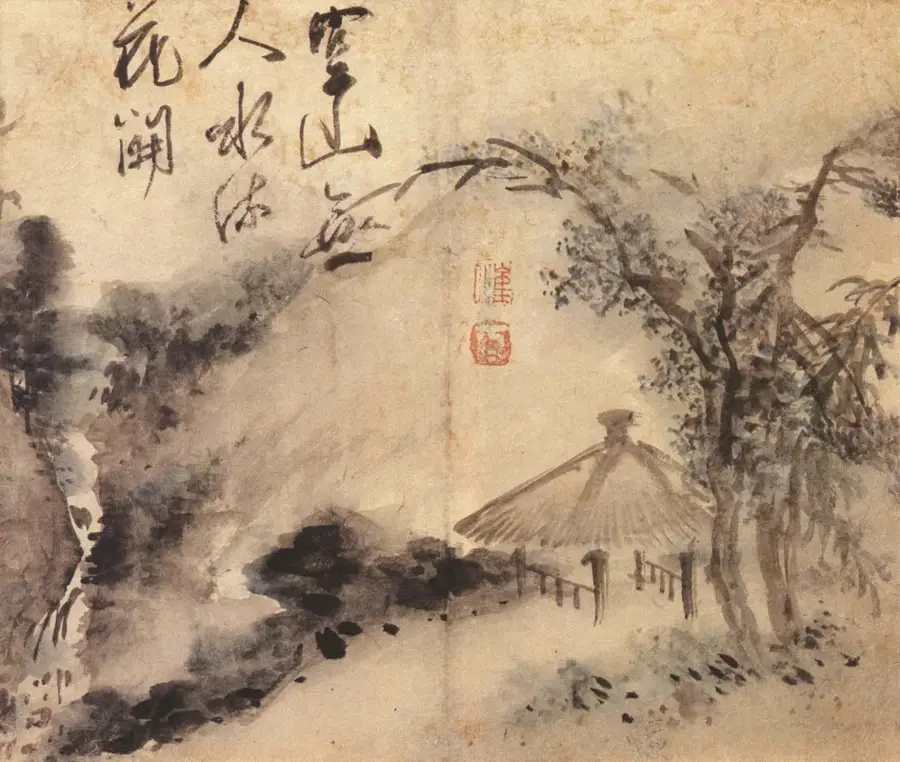
Pyohun Temple
Pyohun Temple is one of the most famous surviving Buddhist temples in the Diamond Mountains (Kumgang-san).
Learn more →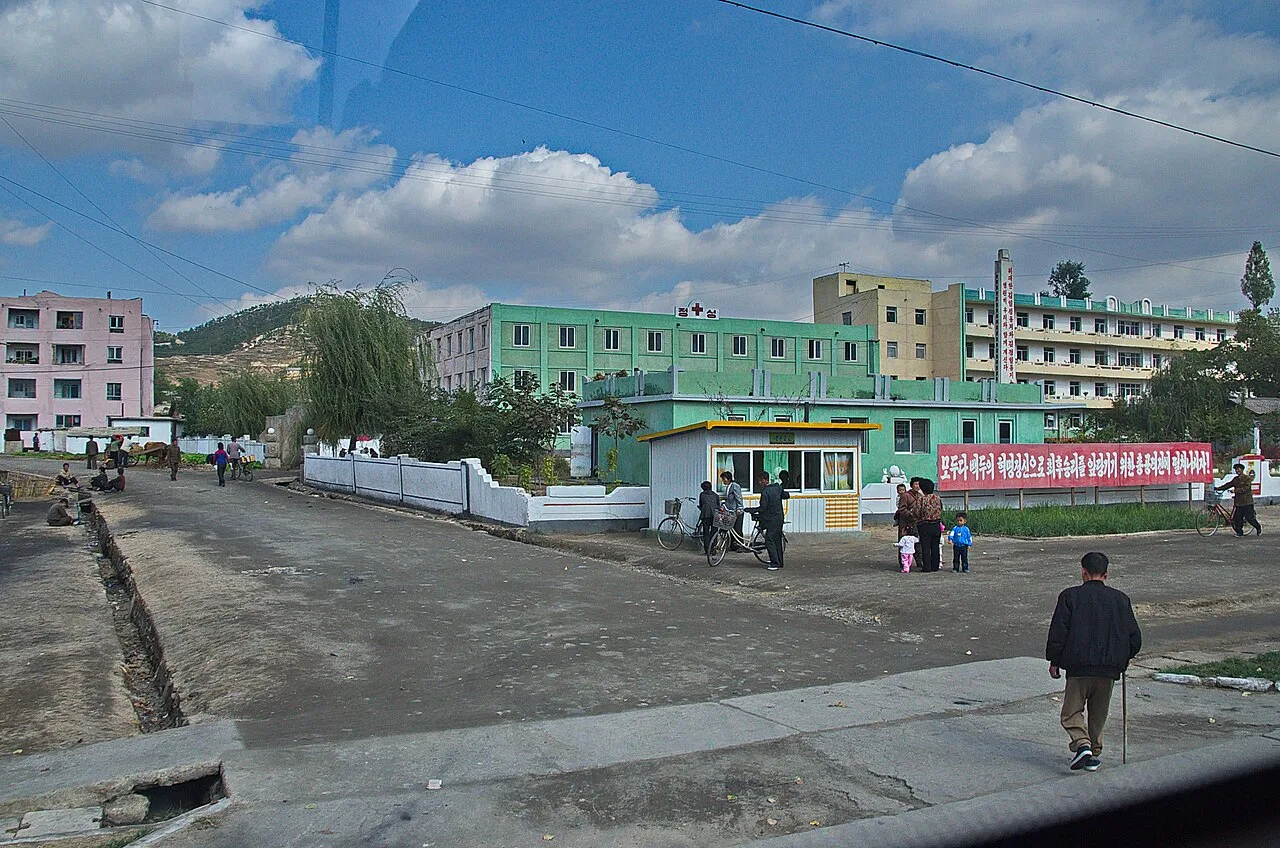
Hwangryong Fortress
The ruins of the Hwangryong Fortress (Yellow Dragon Fortress) stretch across the rugged coastal mountains near Nampo on the Yellow Sea.
Learn more →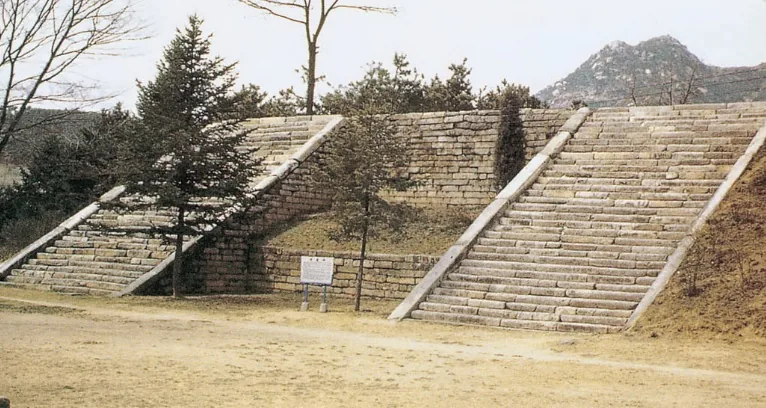
Manwoldae (Palace Ruins)
Manwoldae, translated as 'Hill of the Full Moon', was the site of the magnificent royal palace of the Koryo Dynasty in Kaesong.
Learn more →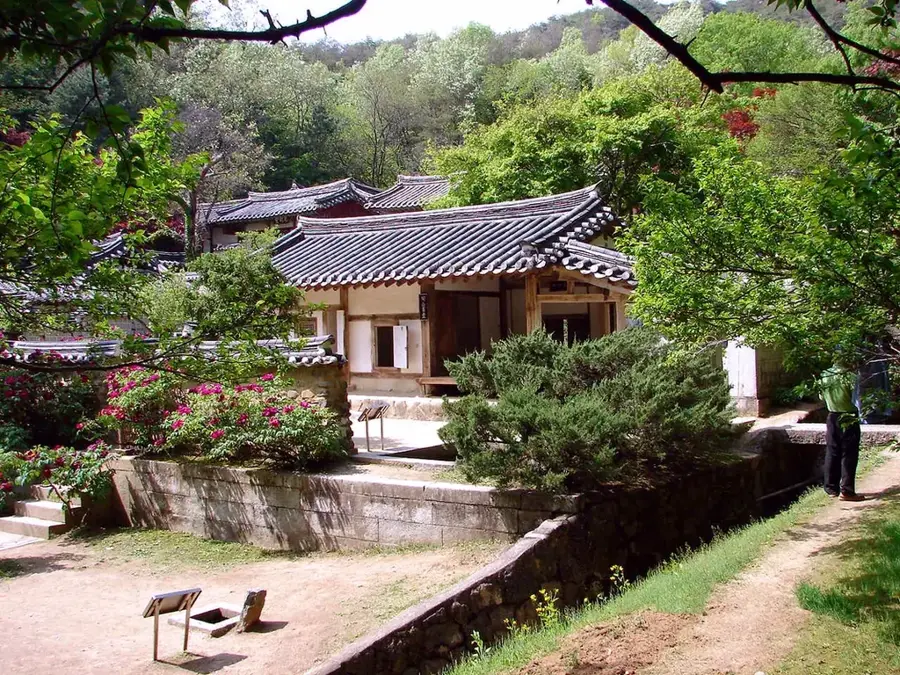
Sungyang Academy (Seowon)
The Sungyang Academy in Kaesong, founded in 1573, is a classic example of a Seowon - a private Confucian academy of the Joseon period.
Learn more →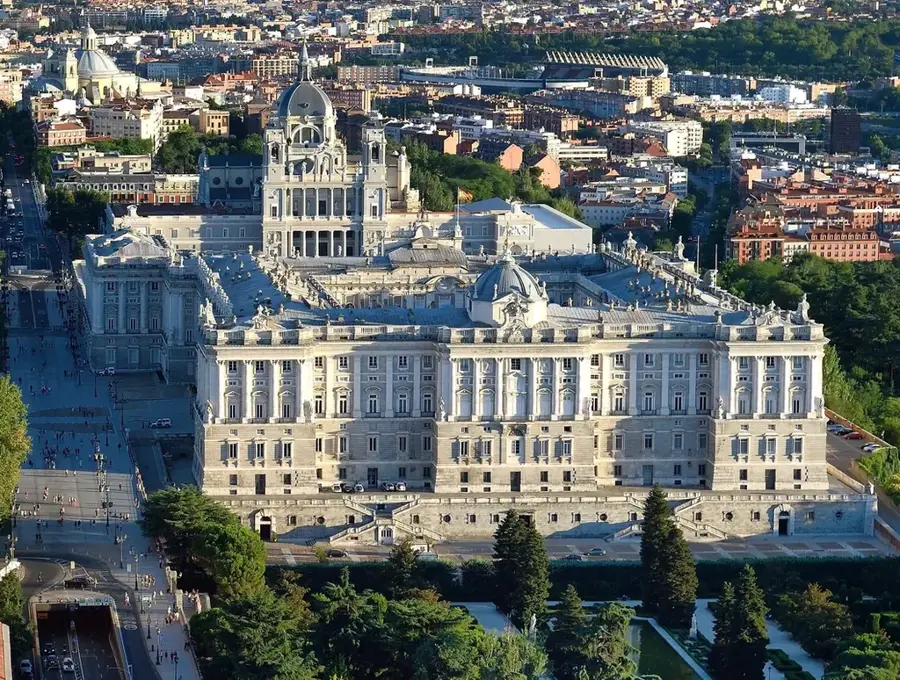
Anhak Palace Ruins
The ruins of Anhak Palace in Pyongyang mark the site of the grand royal residence of the Goguryeo Dynasty after the capital was moved there in 427.
Learn more →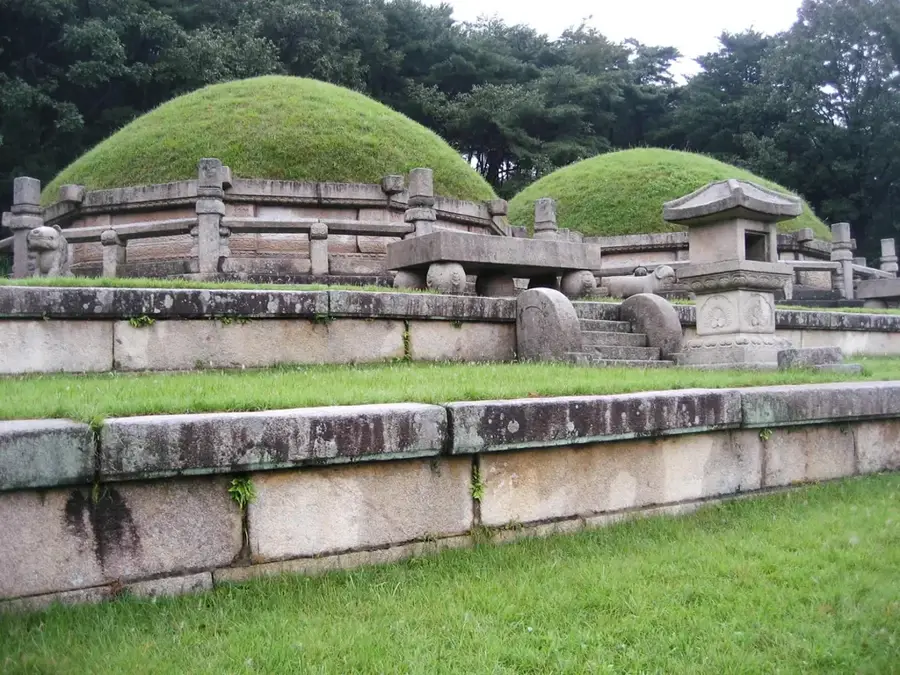
Tomb of King Kongmin
The Tomb of King Kongmin is one of the best-preserved royal mausoleums of the Koryo Dynasty, located in Kaesong.
Learn more →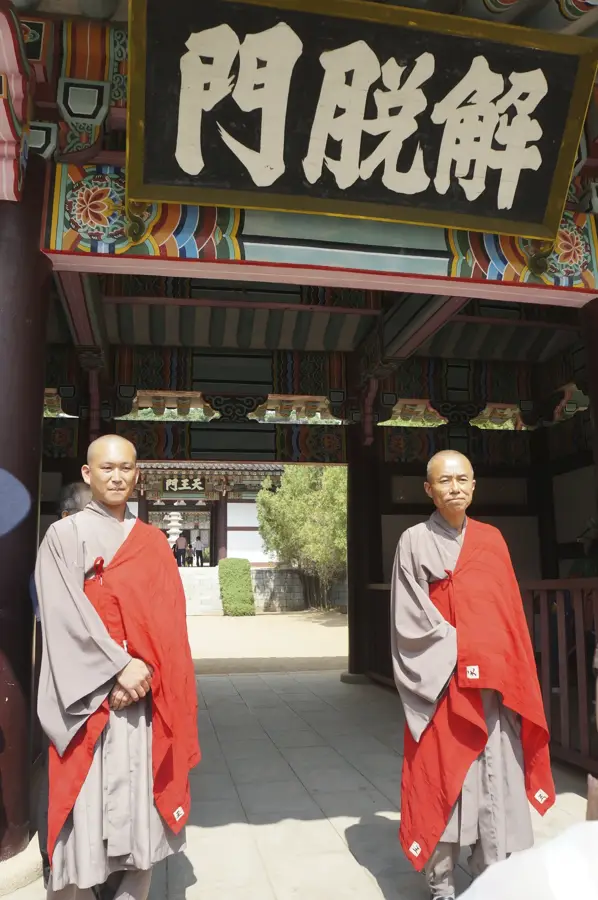
Kwangbop Temple
Kwangbop Temple is located on Mount Taesong in Pyongyang.
Learn more →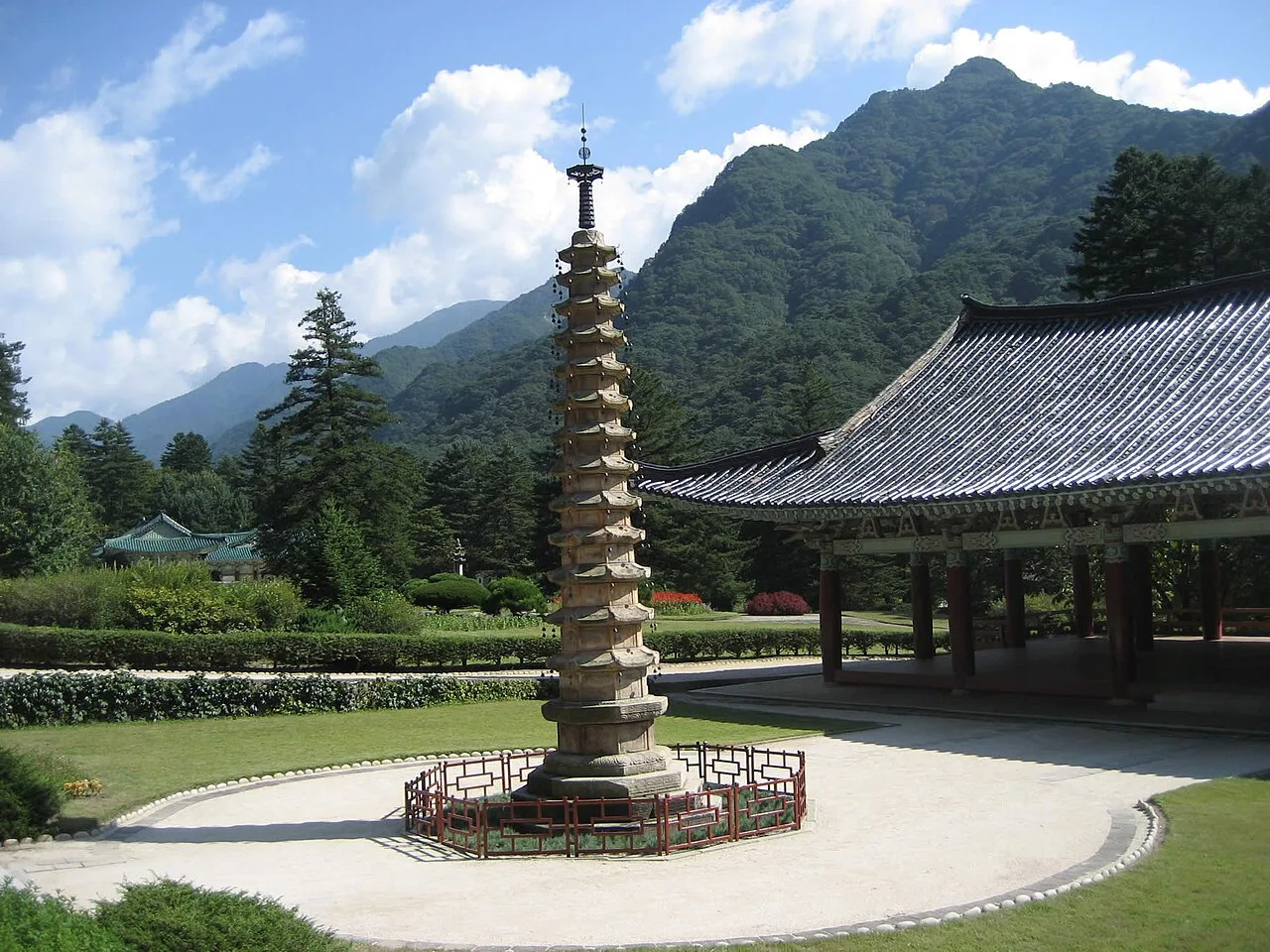
Pohyon Temple
Pohyon Temple in the Myohyang Mountains is one of North Korea's most important Buddhist complexes.
Learn more →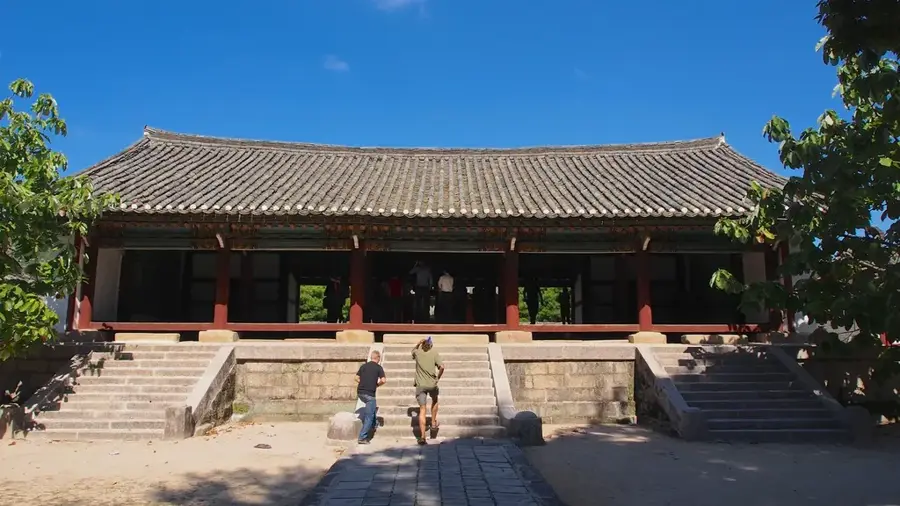
Koryo Museum (Songgyungwan)
The Koryo Museum in Kaesong was originally the highest Confucian academy of the Koryo Dynasty, known as Songgyungwan.
Learn more →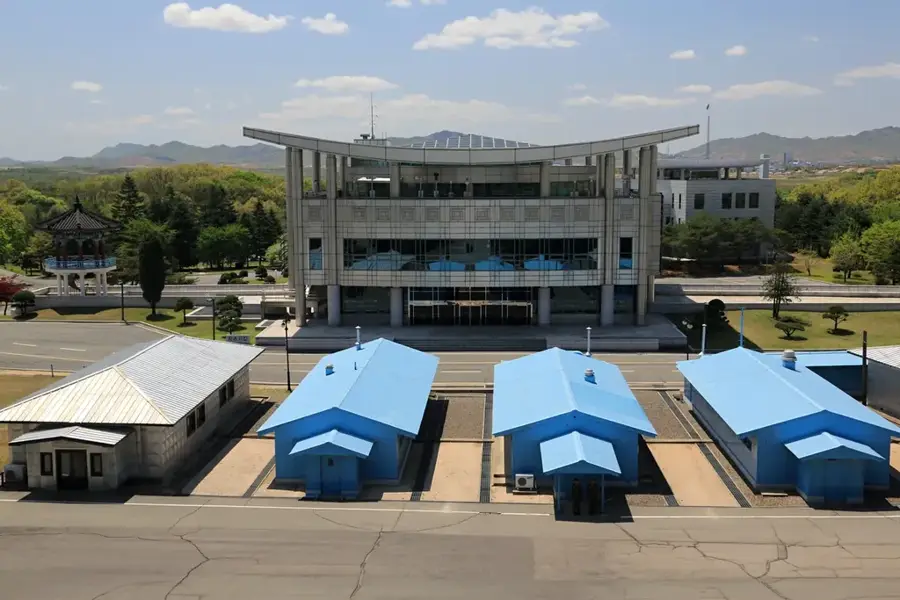
DMZ (Panmunjom)
The Demilitarized Zone, a buffer zone separating North and South Korea.
Learn more →
Mundok Migratory Bird Reserve
An important wetland on the west coast, serving as a crucial stopover for migratory birds on the East Asian-Australasian Flyway.
Learn more →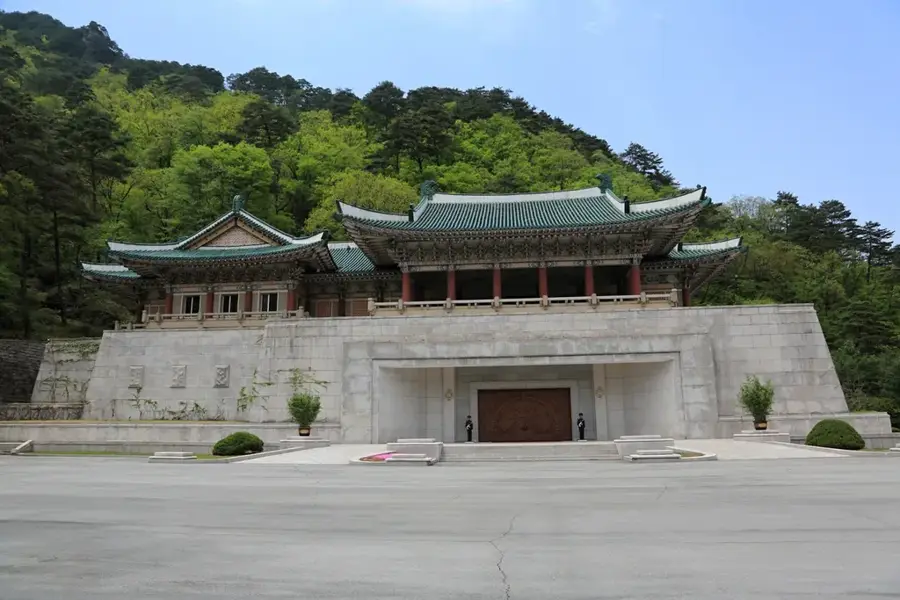
International Friendship Exhibition
A large museum complex in the Myohyang Mountains.
Learn more →
Wonsan-Kalma Coastal Tourist Area
A large-scale tourism development project in Wonsan.
Learn more →
Samjiyon Potato Farms
Large-scale potato farms in the cool region of Samjiyon, promoted as a model for the country's modern agriculture.
Learn more →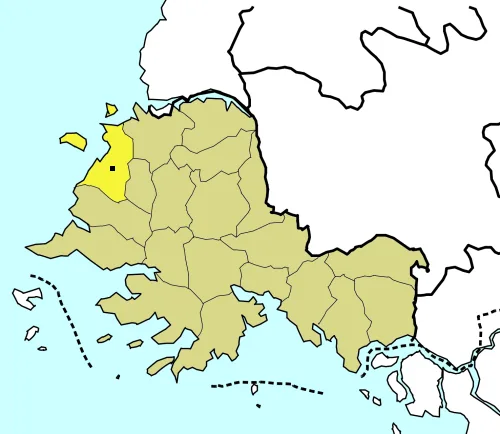
Kwail County Forests
An area in South Hwanghae Province whose name means 'Fruit', renowned for its extensive orchards and forests.
Learn more →
Changja River Fish Farm
An aquaculture facility in Chagang province, focusing on breeding freshwater fish to supply the region.
Learn more →
Sinpyong Kumgang Tourist Area
A scenic area known as 'little Kumgang', being developed for its picturesque valleys and hiking trails.
Learn more →
Ryongam Cavern
A large karst cave system near Pyongyang, known for its underground rivers and unique rock formations.
Learn more →Frequently asked questions
What are the top attractions in North Korea?
Among the most popular are Ulmil Pavilion (Ulmildae), Chilsong Gate, Battle of Kumsong Battlefield, Anguk Temple, Pyohun Temple and many more – the full top 50 list is on this page.
When is the best time to visit North Korea?
May to October offers the most pleasant weather; July and August are warmest and busiest.