Plizio Visual Lab
Pyohun Temple
Weather…
Water temperature…
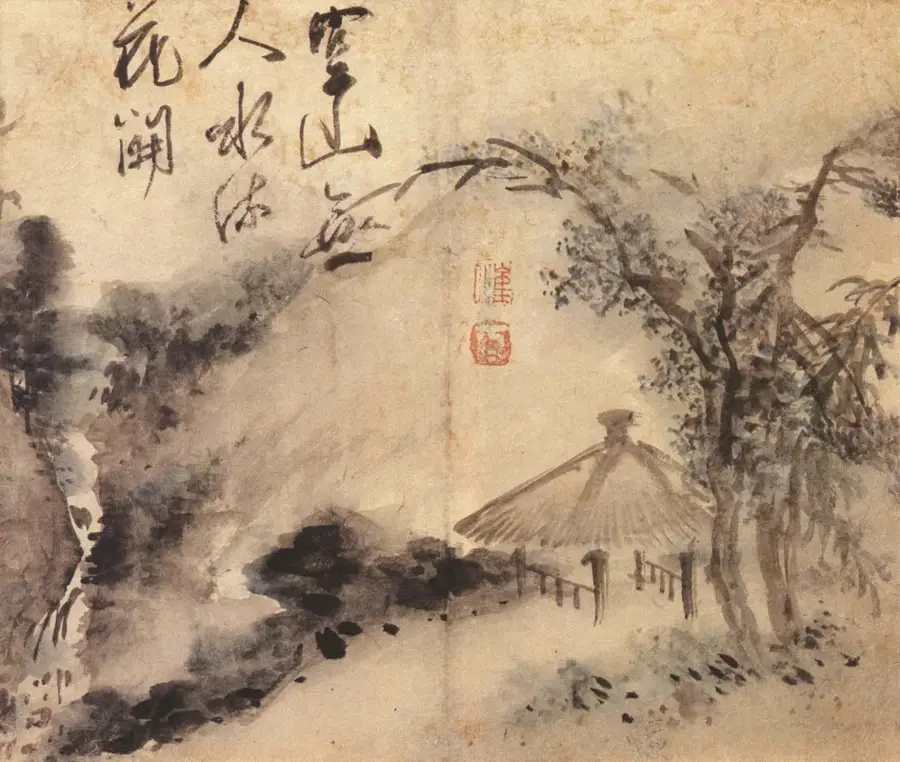
Pyohun Temple is one of the four main temples in the Kumgang Mountains and the only one to have survived the Korean War largely intact. It was originally founded in 670 during the Silla period. The name 'Pyohun' means 'expressing virtue' and is said to refer to the 53 sages who supposedly attained enlightenment here. The temple has been rebuilt several times over the centuries, with most of the current buildings dating from the late 18th century. The complex includes several halls, pavilions, and an octagonal pagoda. It served as an important center for Buddhism in the Kumgang region and as a starting point for pilgrimages to nearby hermitages. Its preservation makes it a valuable example of late Joseon Dynasty temple architecture.
- Location: North Korea
- Top sights: Mount Obong · Site of Changan Temple · Pyohun Temple
- Nearby: Mount Kumgang (6 km)
Best time to visit & climate
The most pleasant time to visit is May, Jun, Sep.
| Jan | Feb | Mar | Apr | May | Jun | Jul | Aug | Sep | Oct | Nov | Dec | |
|---|---|---|---|---|---|---|---|---|---|---|---|---|
| Avg °C | -7 | -4 | 1 | 7 | 14 | 19 | 22 | 22 | 17 | 11 | 3 | -5 |
| Rain mm | 24 | 33 | 37 | 69 | 79 | 96 | 324 | 259 | 150 | 74 | 65 | 28 |
📋 Practical info
Geography
Facts
- Founded in 670 AD during the Silla Dynasty.
- Located in Inner Kumgang (Nae-Kumgang).
- One of the four great temples of the Kumgang Mountains.
- Most buildings were rebuilt in 1778.
- The Rungpa Bridge at the entrance is famous for its beauty.
- The temple houses a collection of Buddhist scriptures.
- Registered as National Treasure of North Korea No. 97.
Explore nearby
Notable places around


Route planner — Car & Motorhome
Where do you start? We build the route here, with stops and country notes along the way.
© OpenStreetMap contributors · OpenRouteService
Sights in the town Pyohun Temple (4)
Sights nearby
Frequently asked questions
Why is the Pyohun Temple in the Kumgang Mountains so significant?
When was the temple founded?
Is the path to the temple difficult?
Is there vegetarian food available there?
What is the climate like at the temple?
Pyohun Temple: where is it located?
Pyohun Temple: what is there to see?
Pyohun Temple: when is the best time to visit?
Pyohun Temple: why is it worth visiting?
Nearby cities
Nature
More places