Plizio Visual Lab
Mundok Migratory Bird Reserve
Weather…
Water temperature…
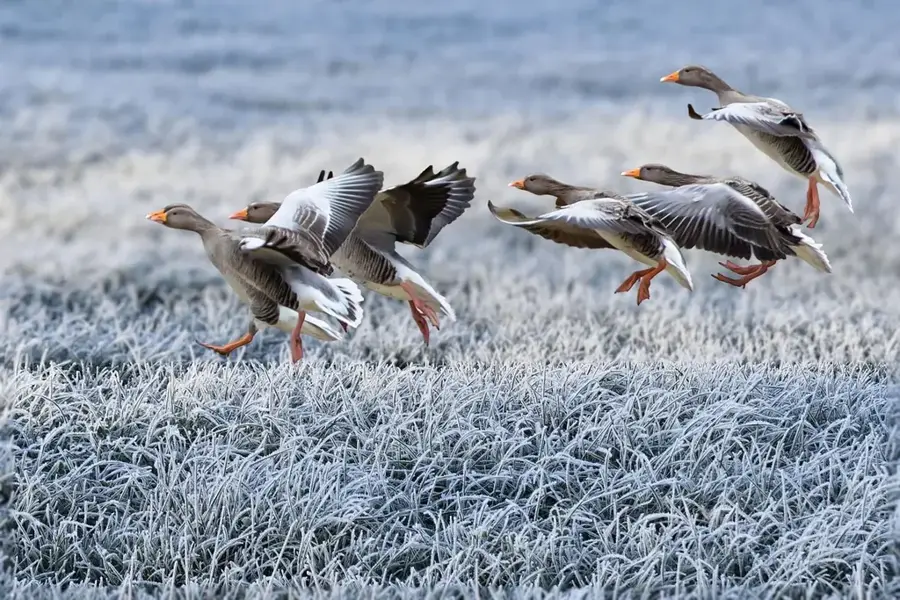
The Mundok Migratory Bird Reserve, located at the mouth of the Chongchon River in South Pyongan Province, is a wetland of international significance. As an official Ramsar site, it provides vital habitats for numerous endangered bird species, including the Black-faced Spoonbill and the Swan Goose. The reserve encompasses extensive mudflats, reed beds, and salt marshes that serve as critical resting and breeding grounds along the East Asian-Australasian Flyway. The area's ecological diversity is driven by the tidal cycles of the West Sea coast, which expose abundant food sources for waterfowl. Local research facilities monitor population dynamics and conduct bird-ringing programs to better understand migration routes. Beyond its scientific importance, the reserve plays a key role in raising environmental awareness in the region. Visitors can observe the birds from dedicated lookout towers designed to minimize disturbance to their natural habitat. Protecting this ecosystem is essential for preserving biodiversity across Northeast Asia. The management works in conjunction with international environmental organizations to continuously enhance conservation standards.
- Location: North Korea
- Nearby: Jongju (25 km)
Best time to visit & climate
The most pleasant time to visit is May, Jun, Sep.
| Jan | Feb | Mar | Apr | May | Jun | Jul | Aug | Sep | Oct | Nov | Dec | |
|---|---|---|---|---|---|---|---|---|---|---|---|---|
| Avg °C | -7 | -4 | 2 | 9 | 16 | 21 | 24 | 24 | 19 | 12 | 4 | -4 |
| Rain mm | 7 | 19 | 24 | 55 | 82 | 105 | 308 | 250 | 97 | 50 | 52 | 17 |
📋 Practical info
Geography
Facts
- Located in Mundok County, South Pyongan Province.
- Designated as a Ramsar site in 2018.
- The reserve covers an area of approximately 3,500 hectares.
- Home to over 20 globally threatened bird species.
- Crucial stopover for migratory birds between Siberia and Australia.
- The mudflats are rich in mollusks and small fish.
Explore nearby
Notable places around





Route planner — Car & Motorhome
Where do you start? We build the route here, with stops and country notes along the way.
© OpenStreetMap contributors · OpenRouteService
Sights nearby
Frequently asked questions
When can you see the most birds?
Are there observation towers?
Is a permit required?
Is the terrain accessible?
Is there a visitor center?
Mundok Migratory Bird Reserve: where is it located?
Mundok Migratory Bird Reserve: when is the best time to visit?
Mundok Migratory Bird Reserve: why is it worth visiting?

Nearby cities
History & landmarks
Nature
More places