Attractions in Lebanon
The finest attractions in Lebanon at a glance: castles, natural wonders, historic old towns and more. Each place links to a detailed page with map, tips and photos.
Culture & History
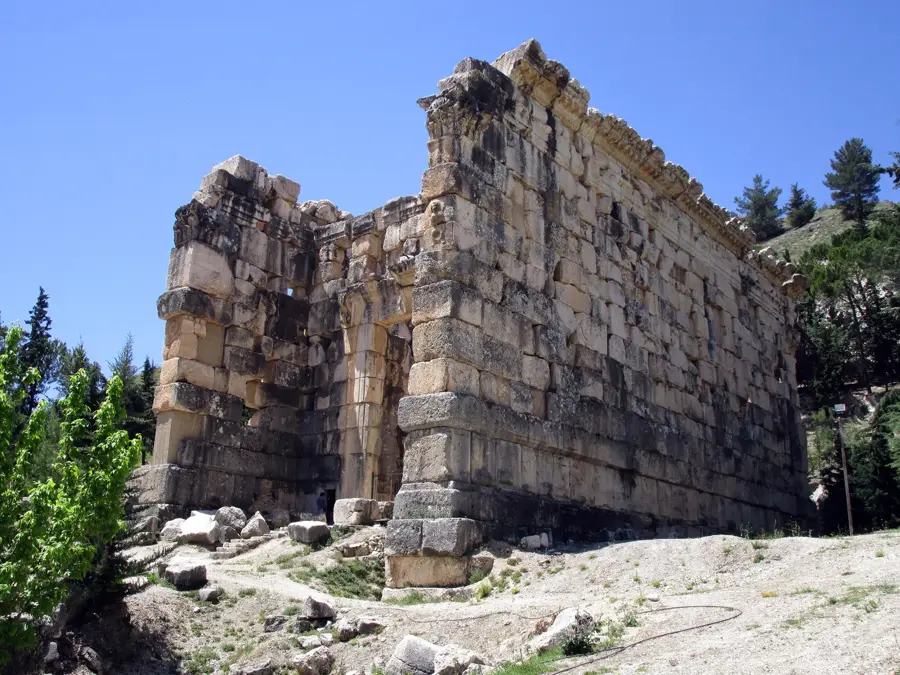
Niha
Niha in the Beqaa Valley is known for its impressive Roman temple complex, offering a fascinating glimpse into the ancient history of the region.
Learn more →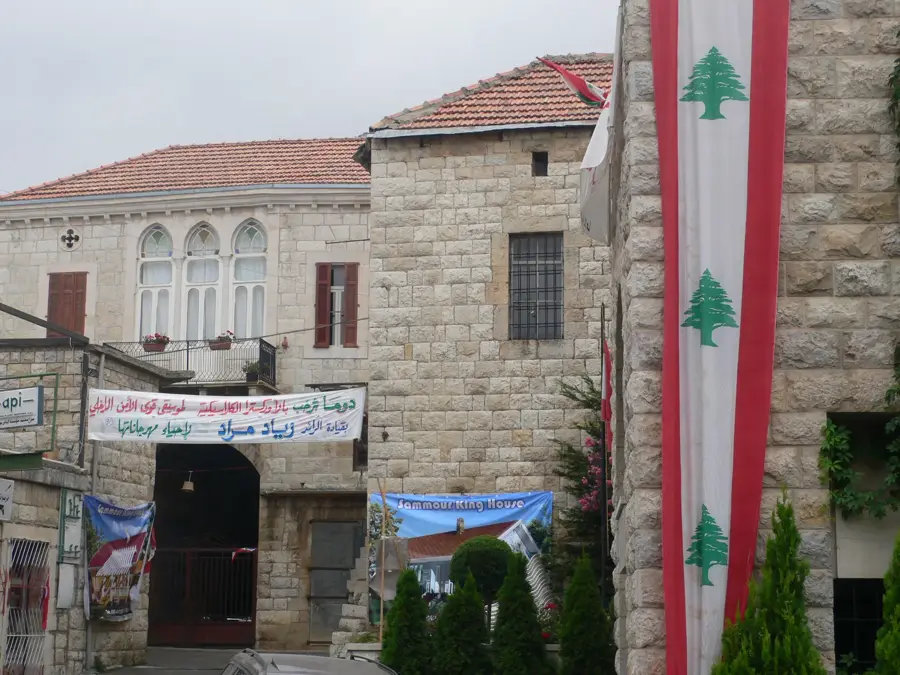
Douma
A charming mountain village famous for its red-tiled roofs, old souk, and preservation of traditional Lebanese architecture.
Learn more →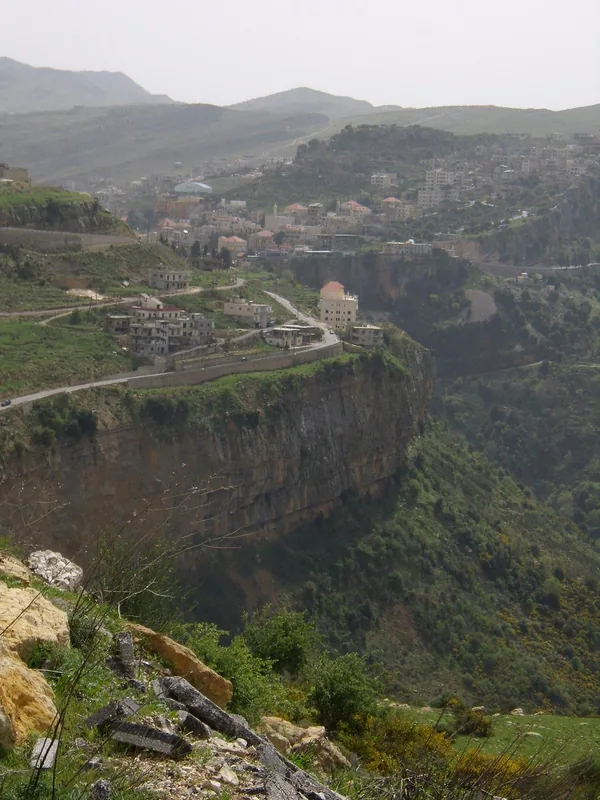
Jezzine Waterfall
The Jezzine Waterfall, also known as Shalouf, plunges over a sheer cliff.
Learn more →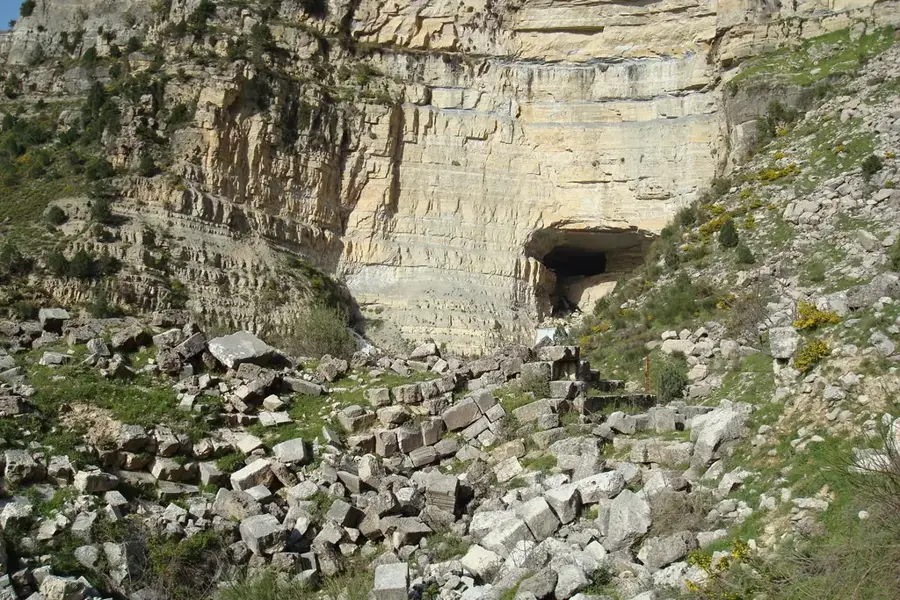
Afqa Grotto
The Afqa Grotto is the source of the Nahr Ibrahim river and a sacred site.
Learn more →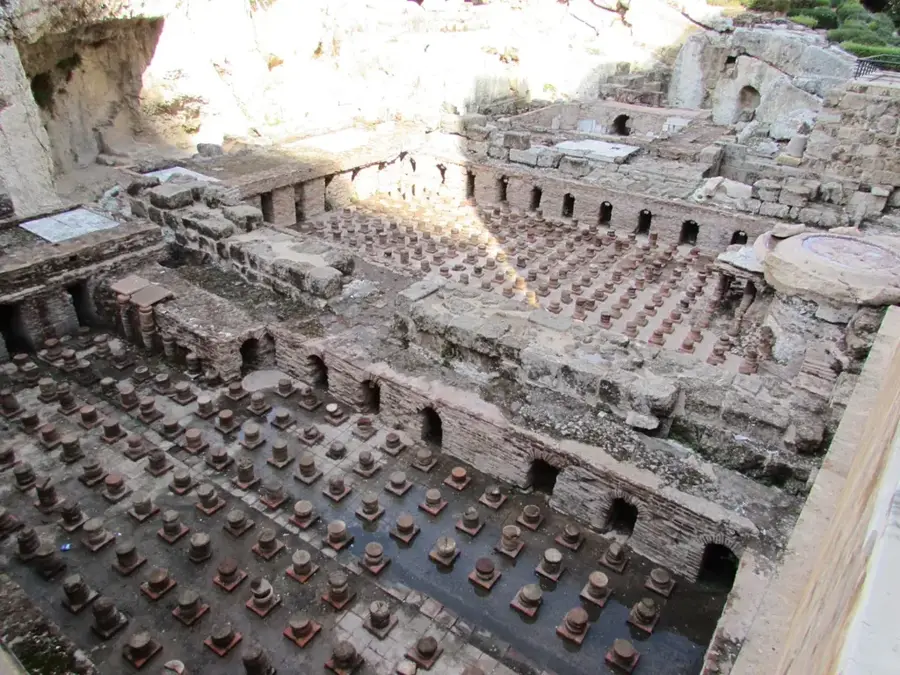
Roman Baths of Beirut
Ancient thermal baths in the heart of Beirut showcasing the city's historical heritage as a Roman colony.
Learn more →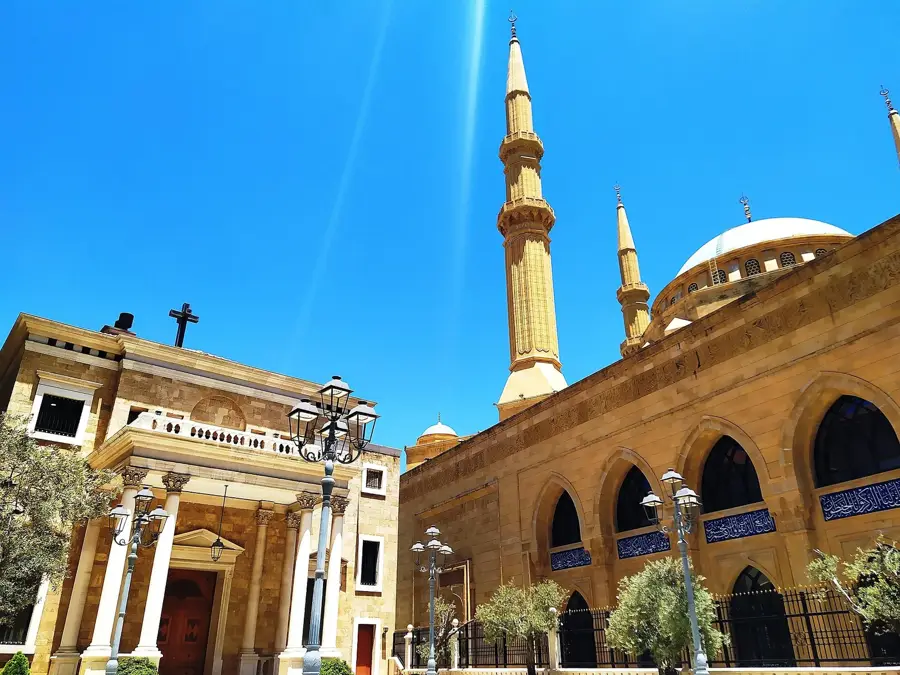
Mohammad Al-Amin Mosque
A striking mosque in downtown Beirut known for its blue domes and Ottoman architecture.
Learn more →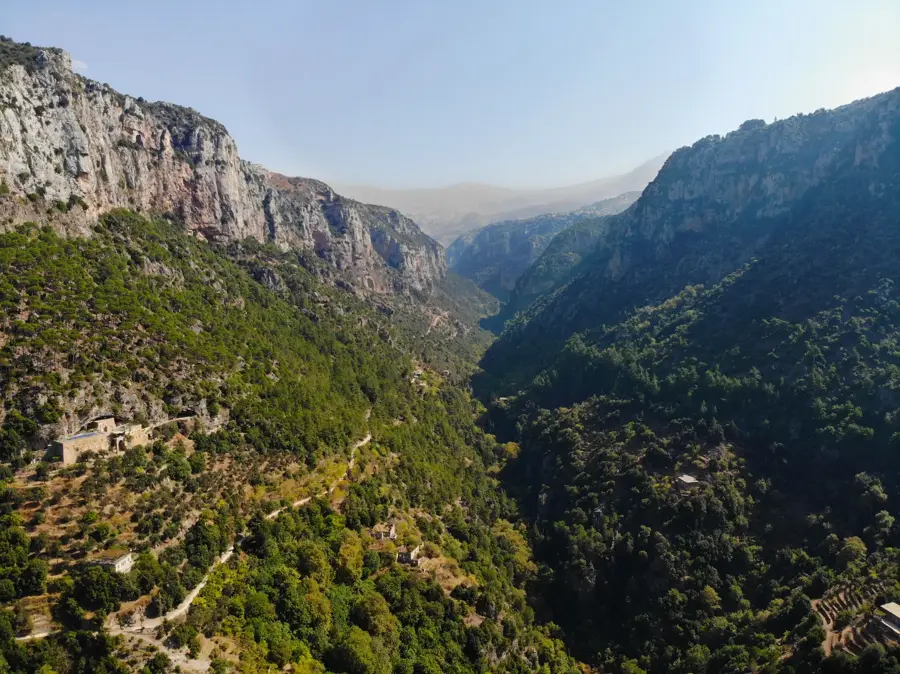
Qadisha Valley
A deep gorge in northern Lebanon that historically served as a refuge for Christian monks.
Learn more →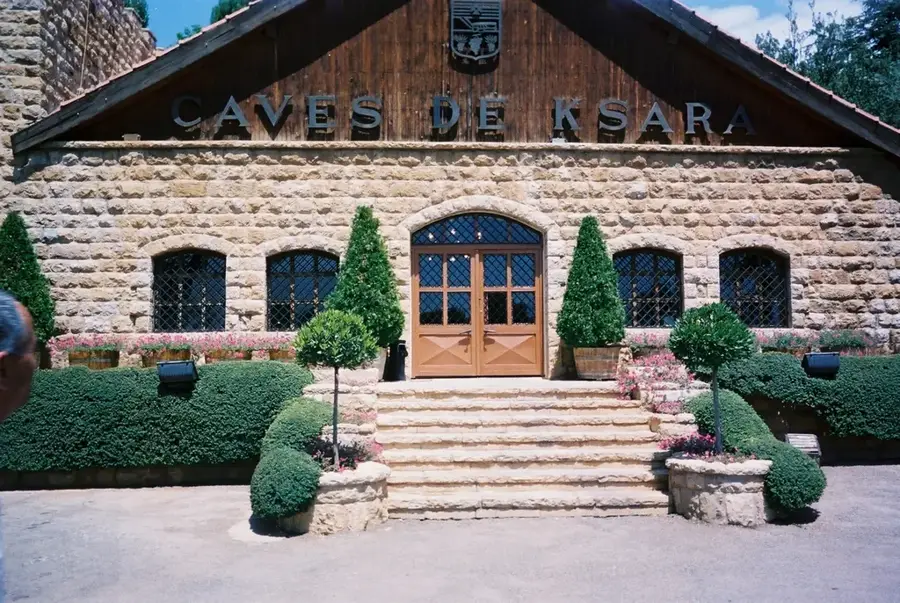
Ksara Caves
A historic cave system in the Beqaa Valley used as a wine cellar since the 19th century.
Learn more →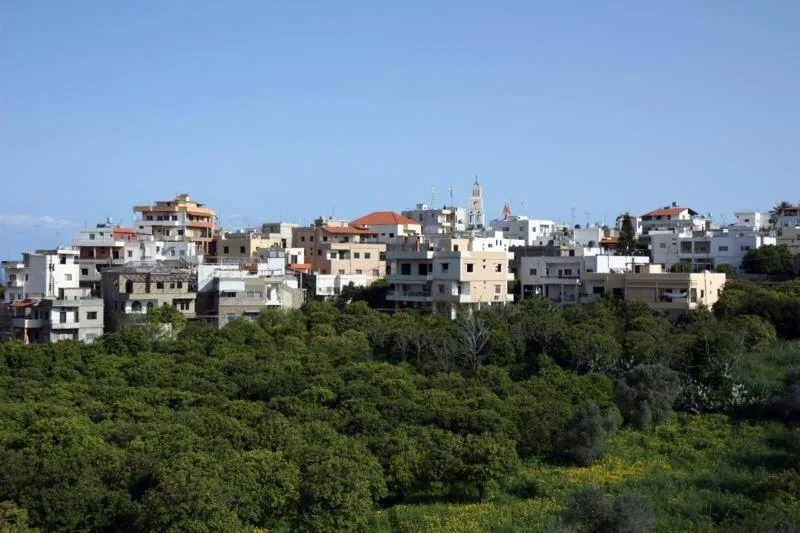
Maghdouche
A major Christian pilgrimage site near Sidon, home to the cave of Our Lady of Mantara.
Learn more →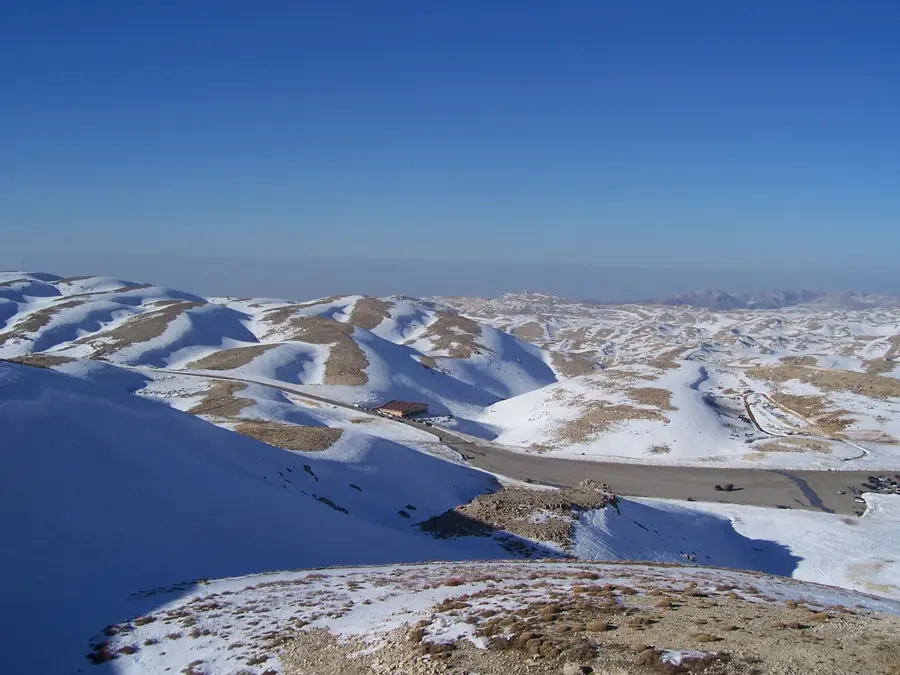
Mzaar Kfardebian
The largest and most famous ski resort in the Middle East, just an hour's drive from Beirut.
Learn more →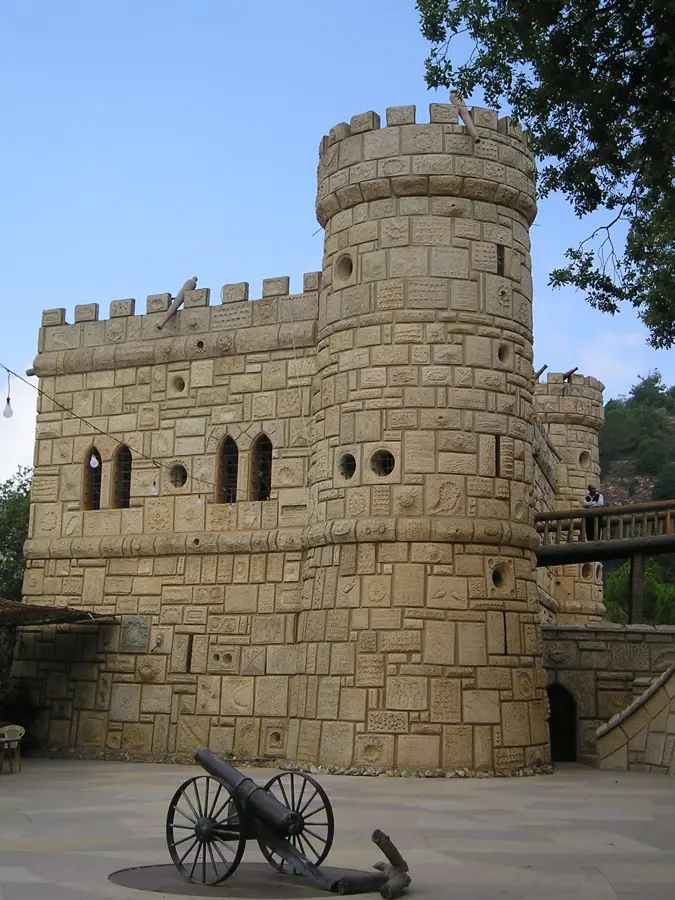
Moussa Castle
A fortress built by a single man that depicts Lebanese history and traditions.
Learn more →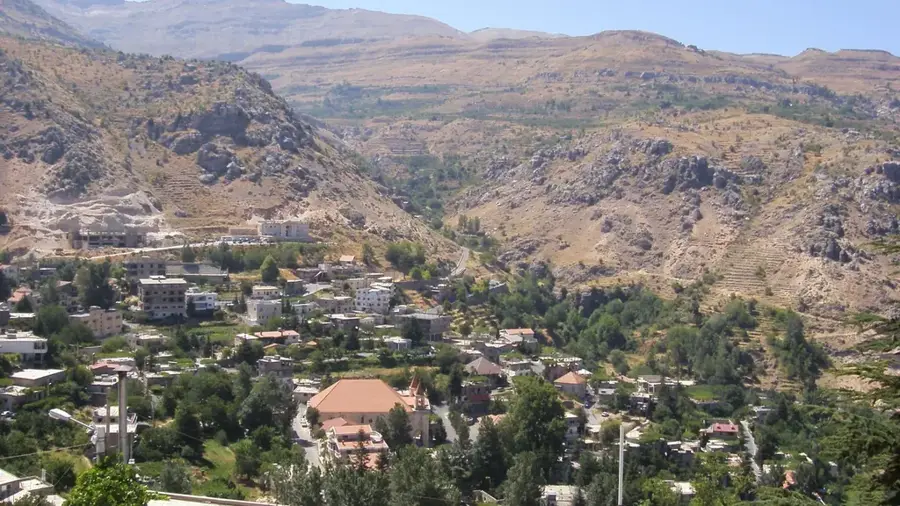
Baatara Gorge Waterfall
A spectacular waterfall that drops into a cave through three natural limestone bridges.
Learn more →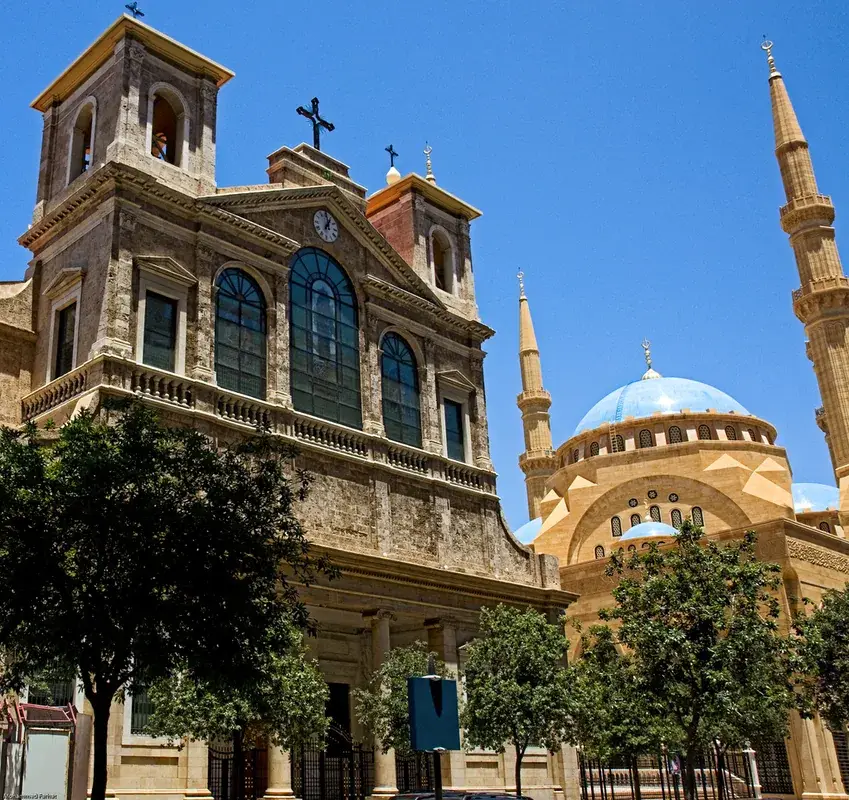
Saint George Maronite Cathedral
The main cathedral of the Maronite Archdiocese of Beirut, built in a neoclassical style.
Learn more →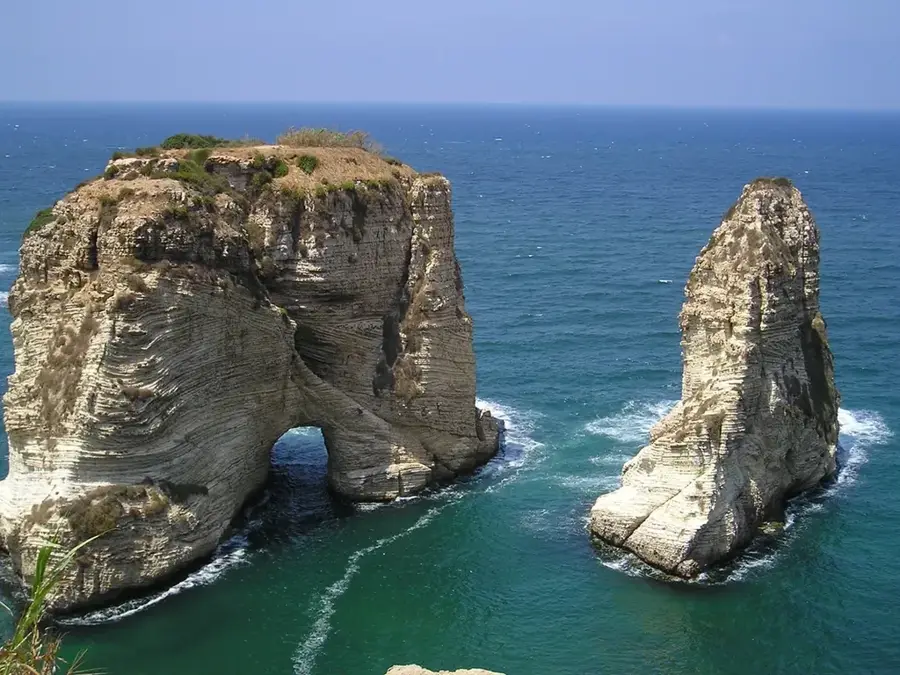
Pigeon Rocks
Two huge rock formations in the sea off the coast of Beirut's Raouché district.
Learn more →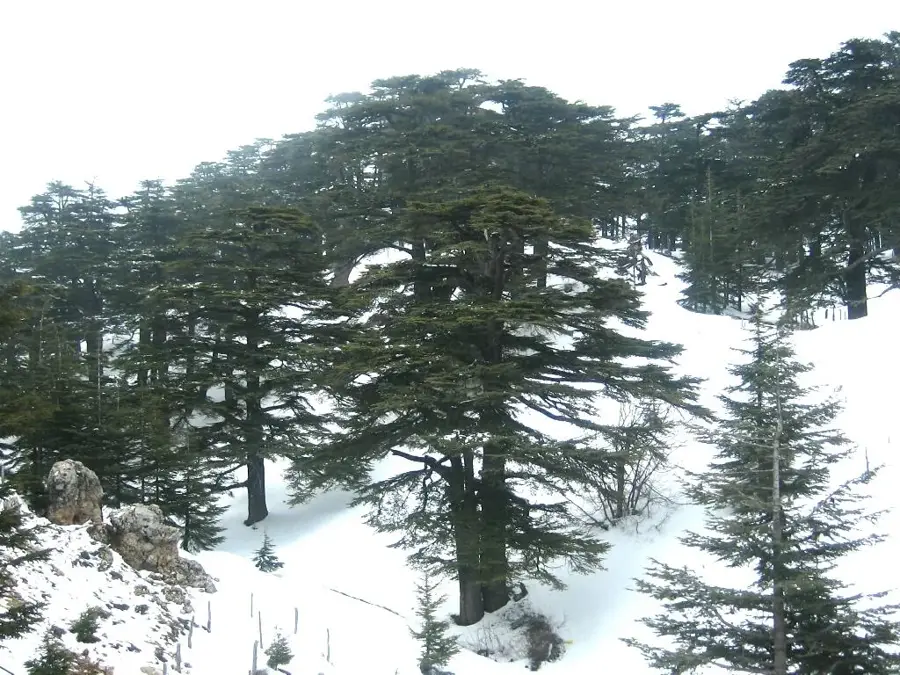
Cedars of God
One of the last remaining areas of the extensive Lebanon cedar forests of antiquity.
Learn more →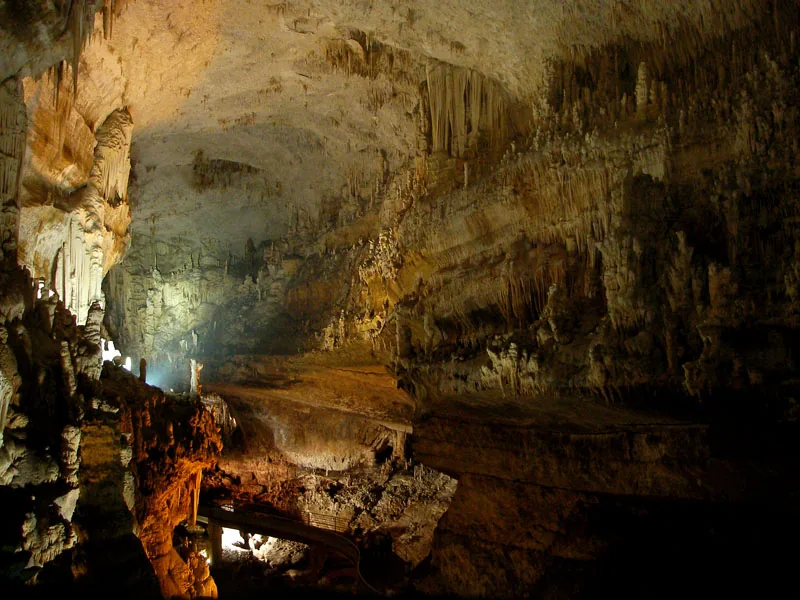
Jeita Grotto
An impressive system of karstic limestone caves in Lebanon, divided into two levels.
Learn more →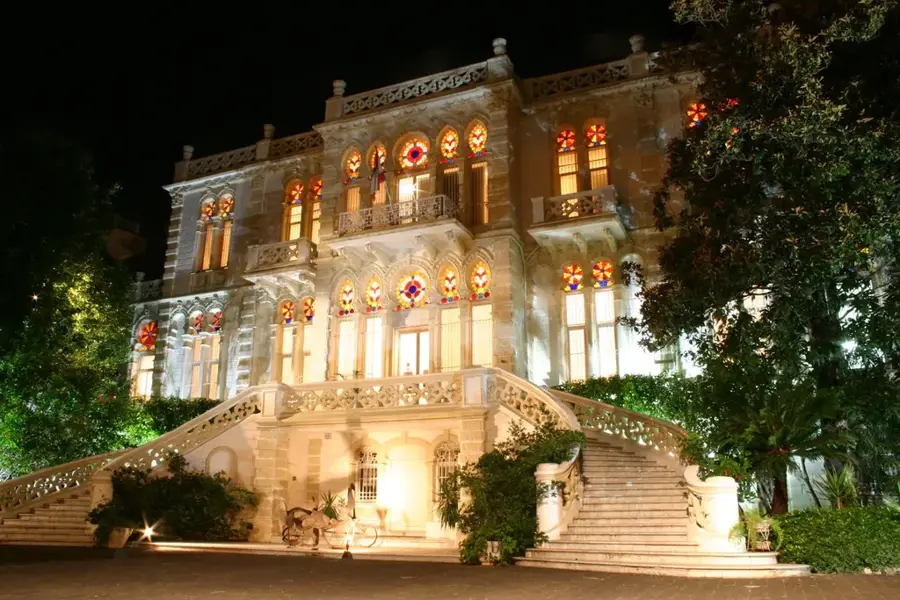
Sursock Museum
A modern and contemporary art museum located in a magnificent villa in Beirut.
Learn more →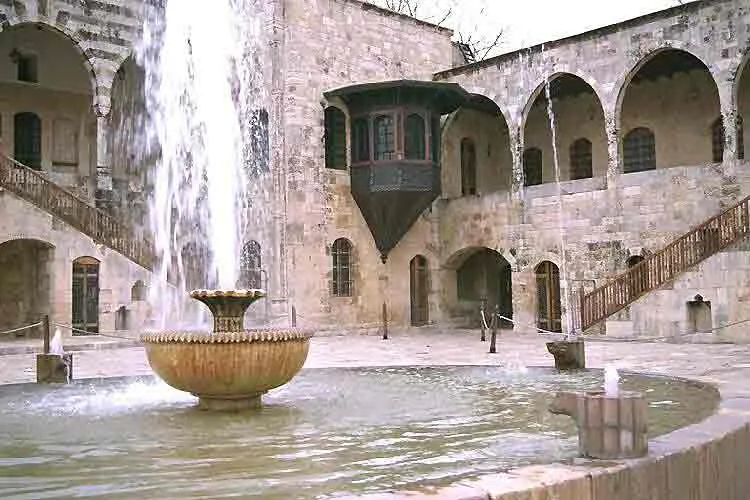
Beiteddine Palace
A masterpiece of 19th-century Lebanese architecture in the Chouf Mountains.
Learn more →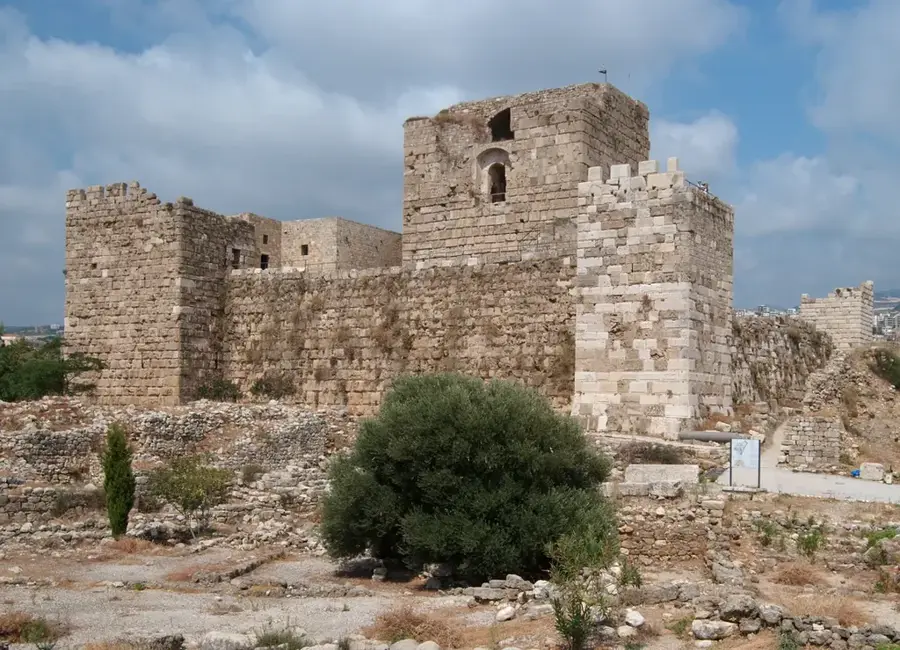
Byblos Castle
A fortress built by Crusaders in the 12th century using Roman ruins.
Learn more →
Martyrs' Monument in Beirut
An iconic bronze statue in the heart of Beirut, commemorating the Lebanese nationalists executed during Ottoman rule.
Learn more →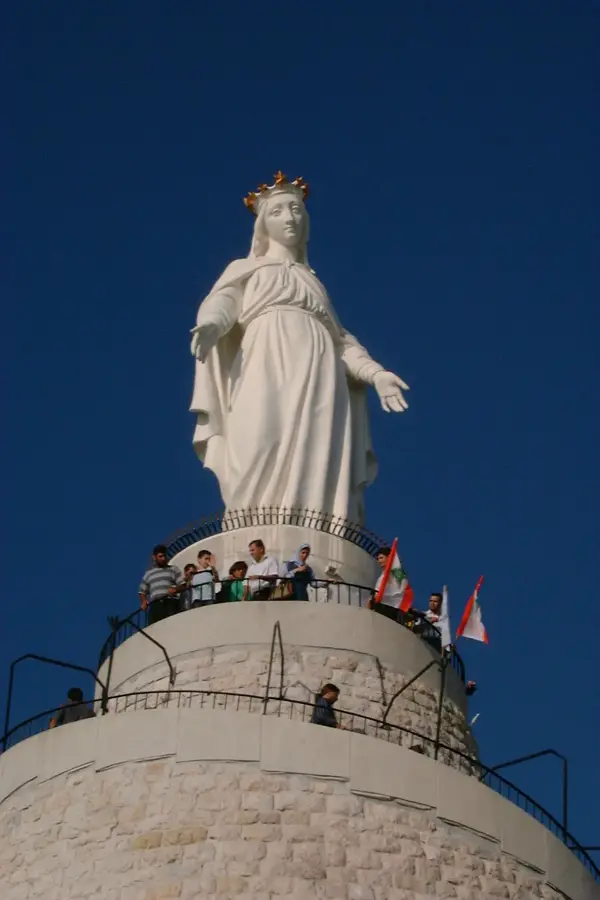
Our Lady of Lebanon
A striking white bronze statue of the Virgin Mary in Harissa, considered one of the most important pilgrimage sites in Lebanon.
Learn more →Nature
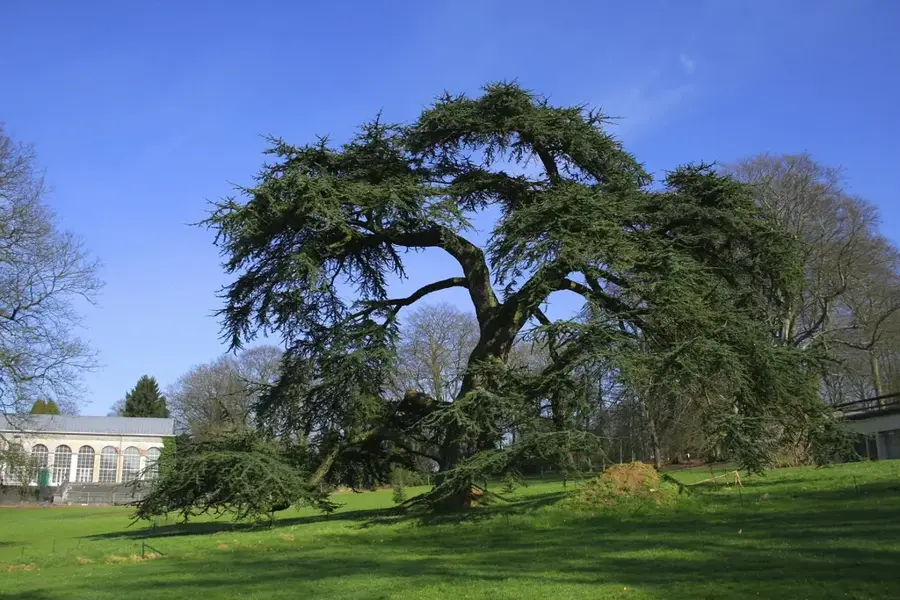
Rene Moawad Garden
One of the oldest and most well-known public parks in Beirut, offering a green oasis in the middle of the bustling capital.
Learn more →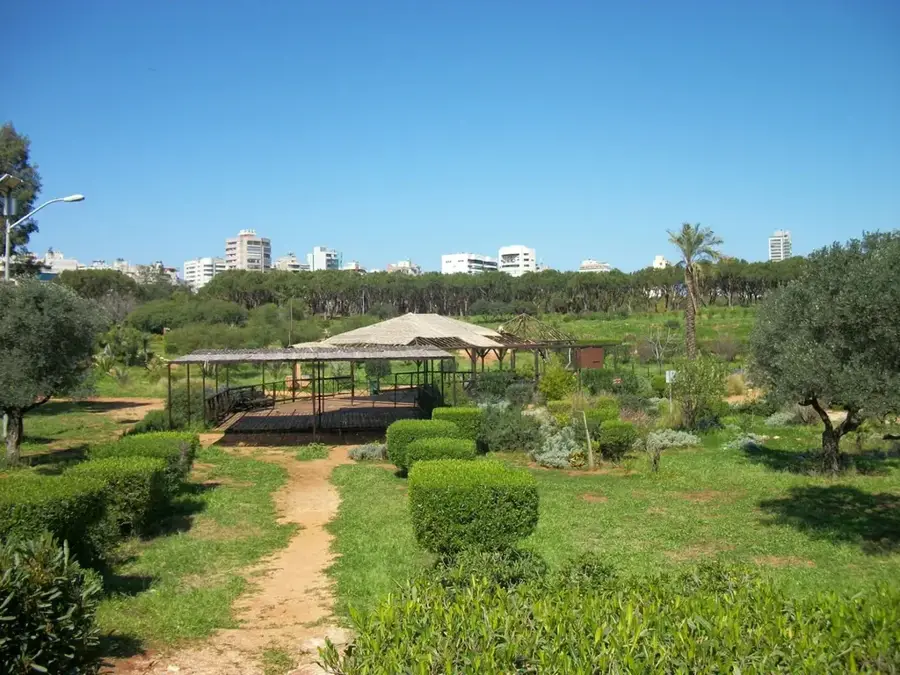
Horsh Beirut
Beirut's largest park, consisting of a dense pine forest and making a significant contribution to the city's air quality.
Learn more →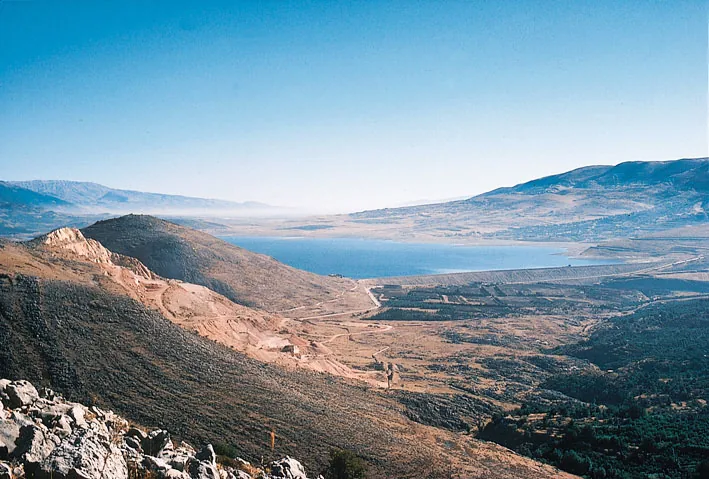
Lake Qaraoun
Lake Qaraoun is the largest artificial lake in Lebanon, located on the Litani River.
Learn more →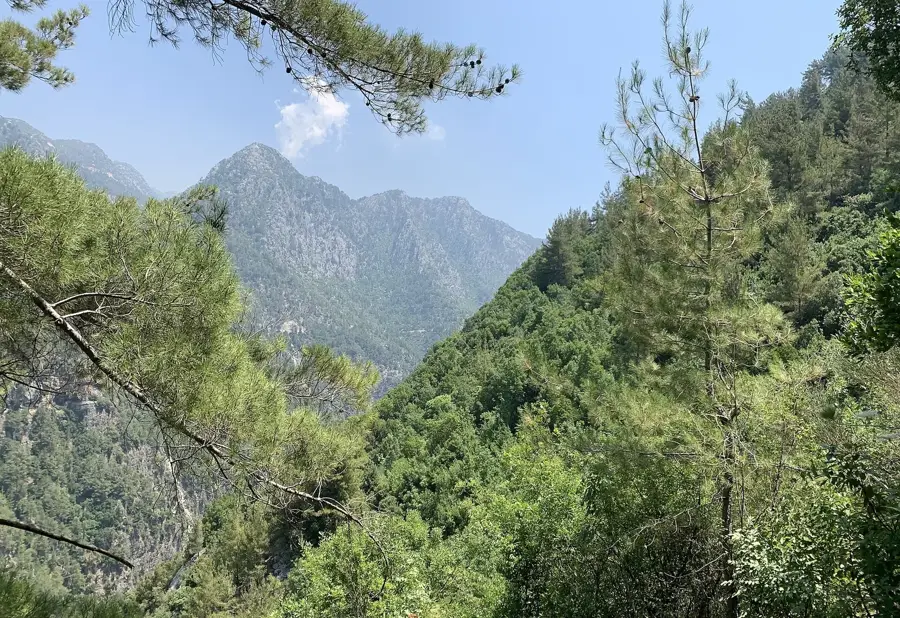
Chawan Lake
Chawan Lake is a natural basin on the Nahr Ibrahim river within a dense valley.
Learn more →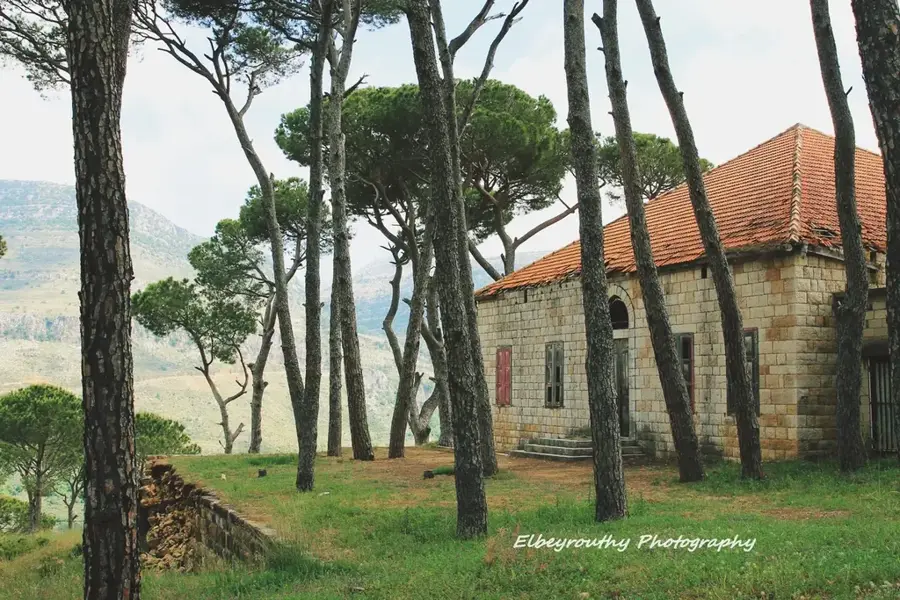
Bkassine Pine Forest
The largest pine forest in Lebanon and the entire Middle East, a picturesque spot for ecotourism.
Learn more →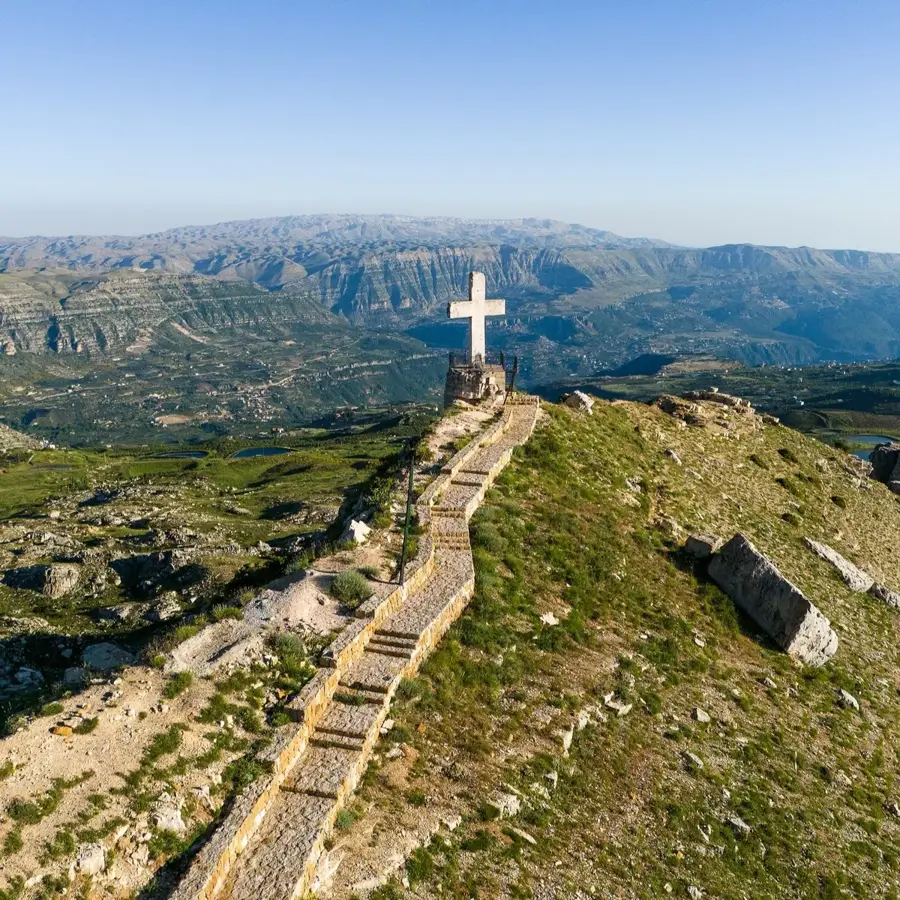
Byblos Coast
A historically significant coastline where gentle beaches meet rocky outcrops and millennia-old harbors.
Learn more →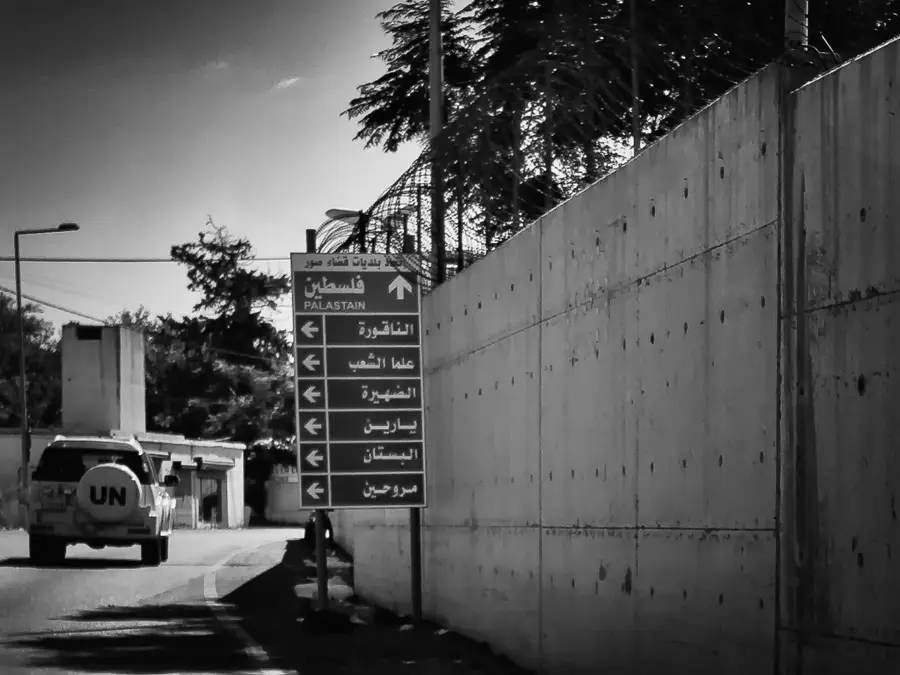
Naqoura Coast
The southernmost stretch of coast in Lebanon, characterized by pristine cliffs and clear water.
Learn more →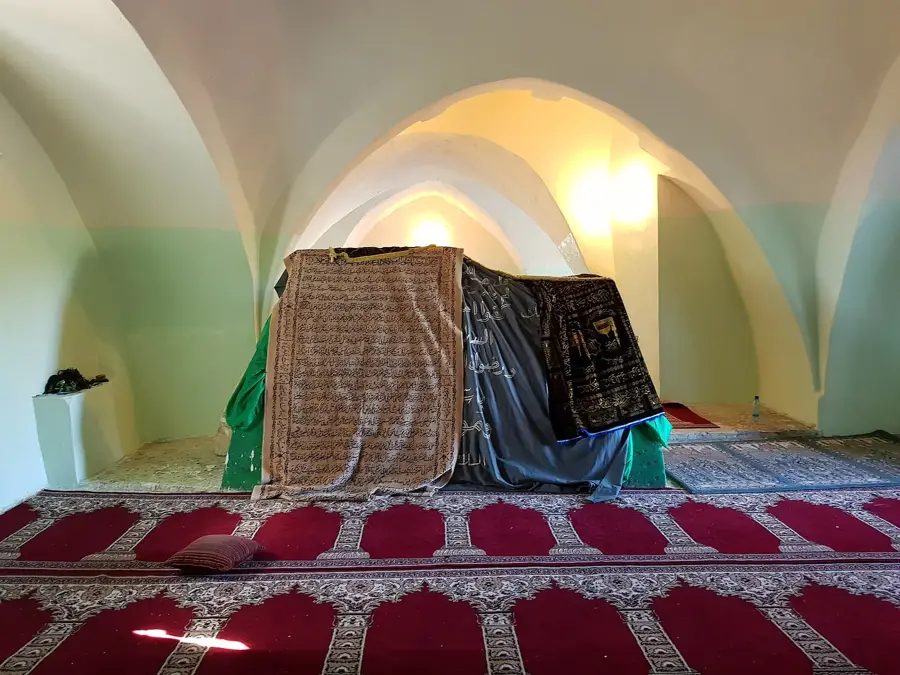
Mount Rihan
Mount Rihan is a significant peak in Southern Lebanon near Jezzine.
Learn more →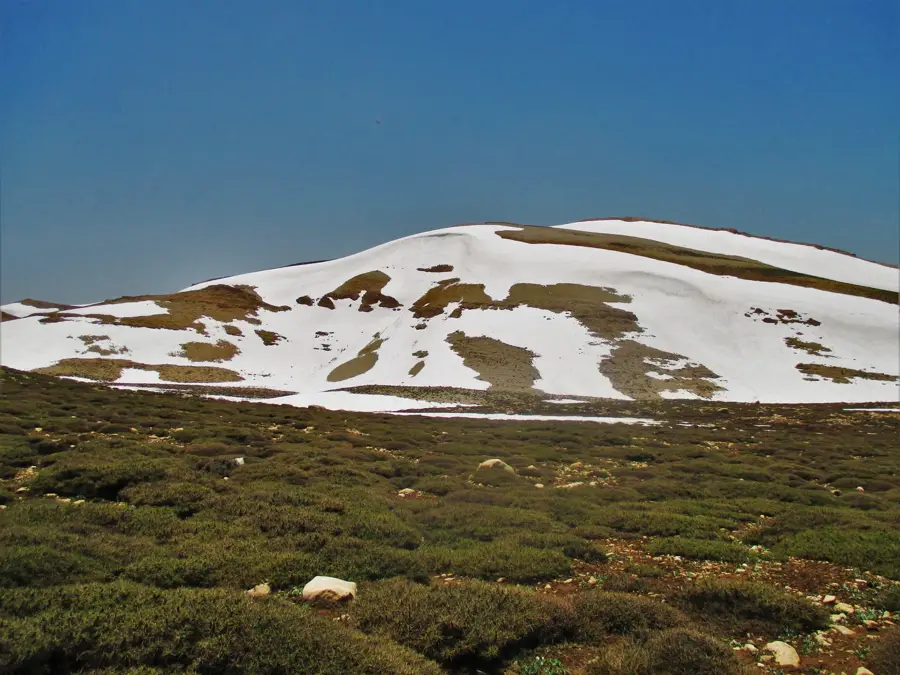
Qurnat as Sawda
At 3088 meters, it is the highest peak in the Mount Lebanon range, offering views to the coast of Cyprus on clear days.
Learn more →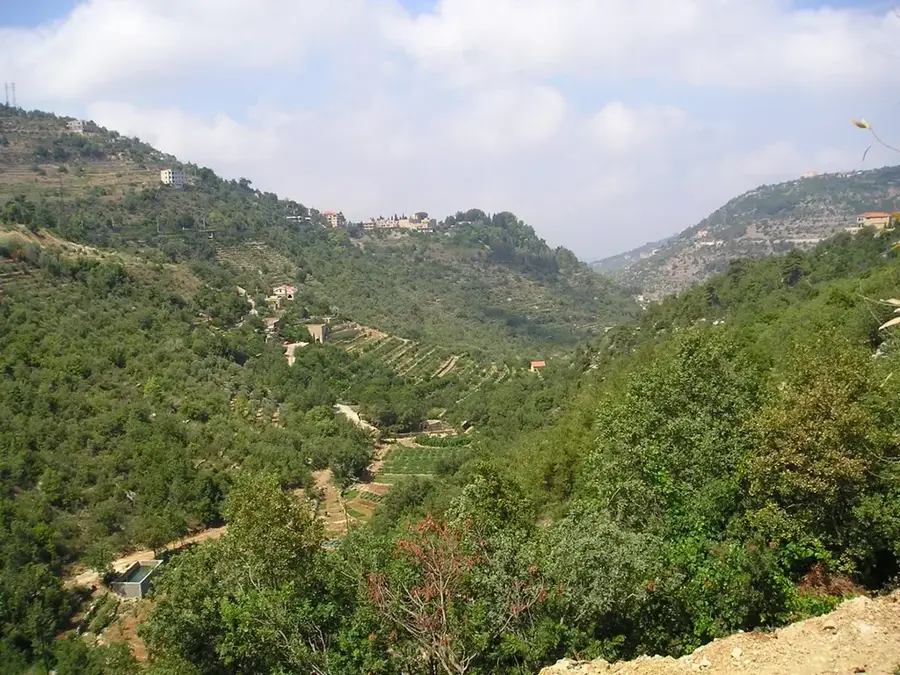
Mount Barouk
A prominent mountain ridge in the Chouf Mountains, famous for its ancient cedar stands and breathtaking views.
Learn more →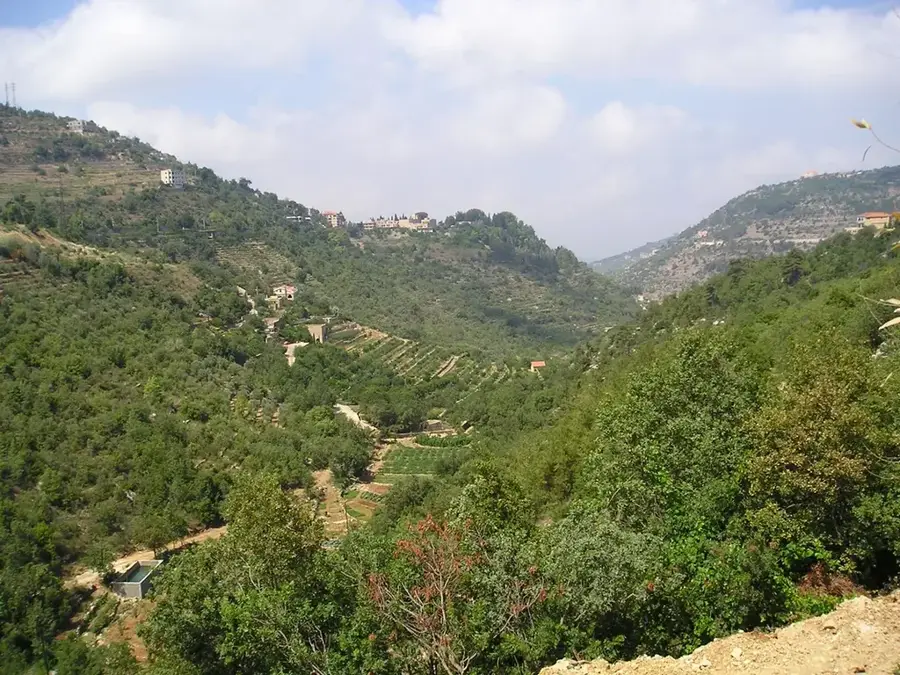
Chouf Mountains
A forested mountain region hosting Lebanon's largest nature reserve with extensive cedar forests.
Learn more →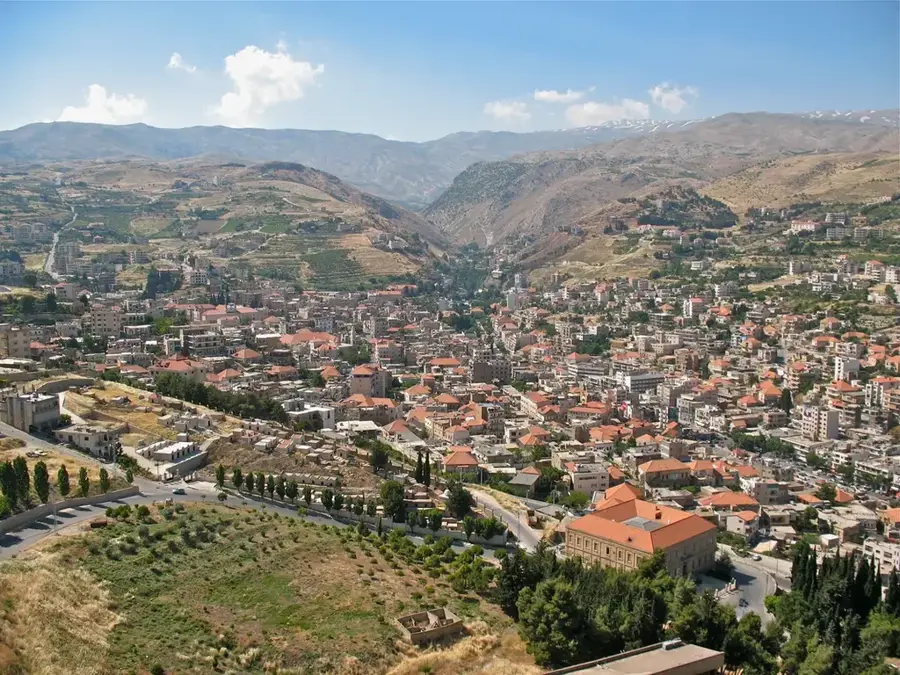
Mount Sannine
A dominant mountain near Beirut, whose snow-capped peak defines the skyline of the Lebanese capital.
Learn more →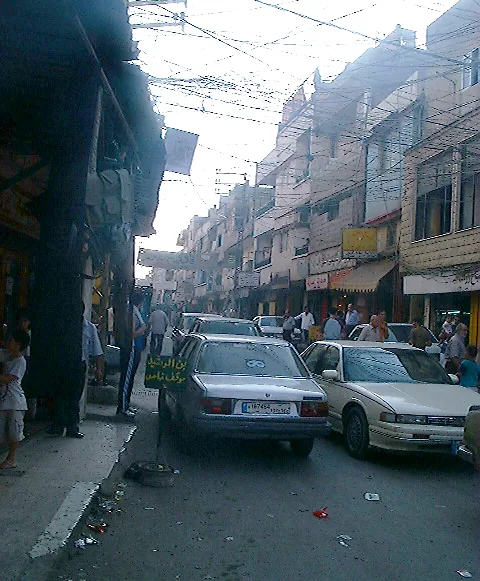
Nahr el-Barid River
The Nahr el-Barid, meaning Cold River, flows through northern Lebanon into the Mediterranean.
Learn more →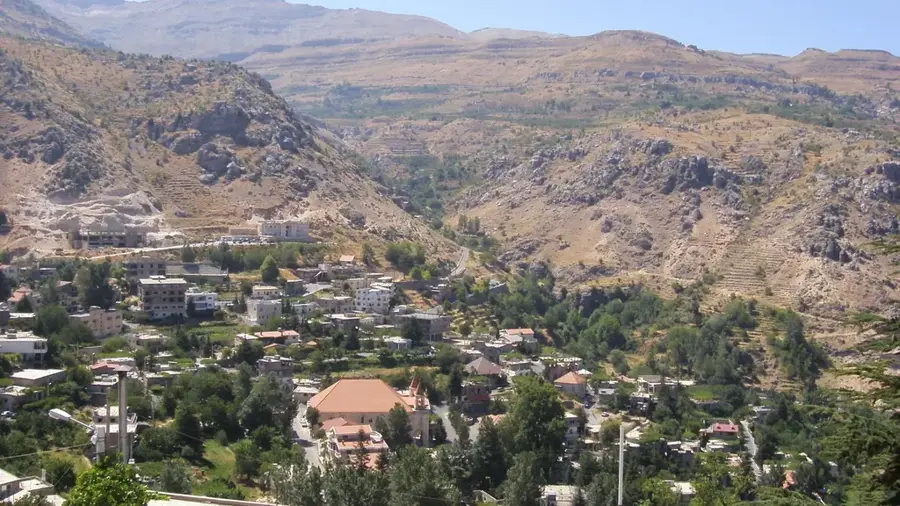
Tannourine Mountains
A rugged and forested mountain region in the north, known for its steep cliffs and deep sinkholes.
Learn more →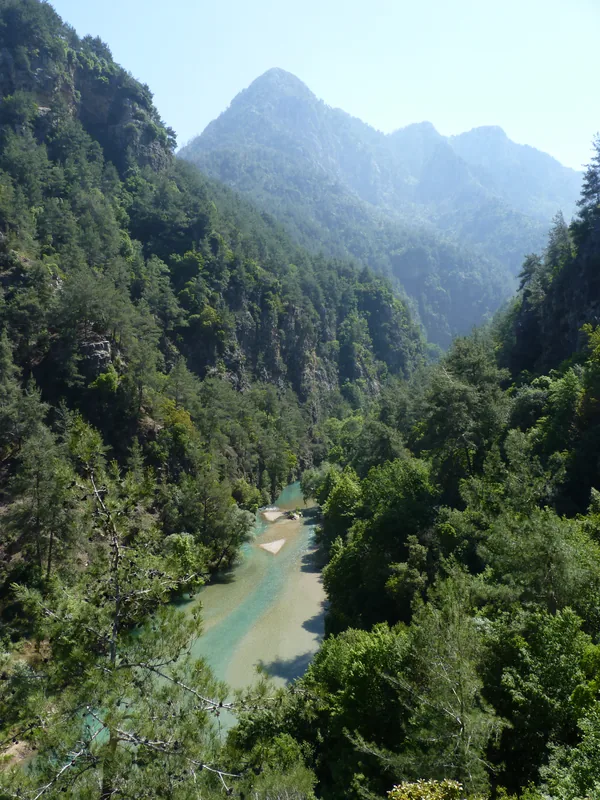
Nahr Ibrahim River
The Nahr Ibrahim river is known in mythology as the Adonis River.
Learn more →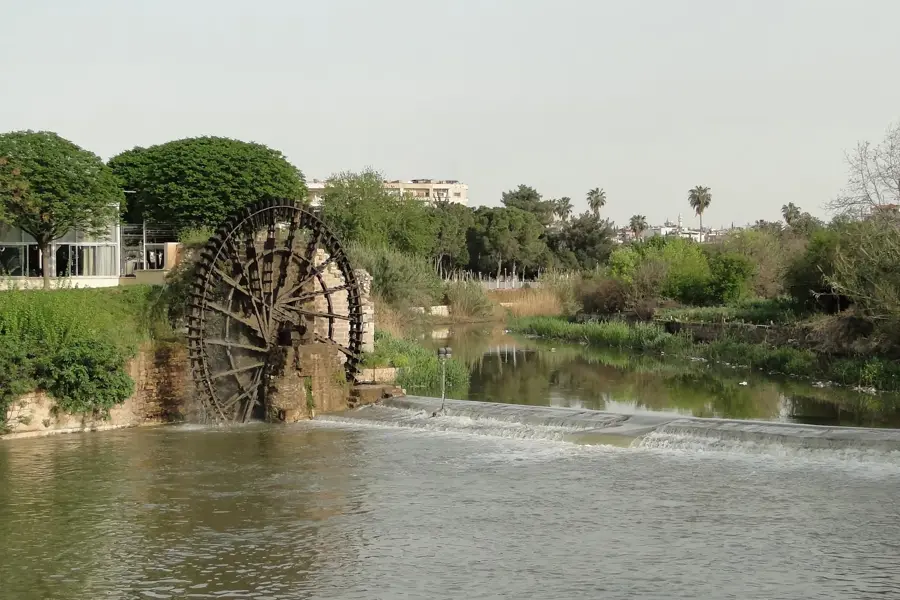
Orontes River
The Nahr el-Assi is the only river in Lebanon that flows northwards.
Learn more →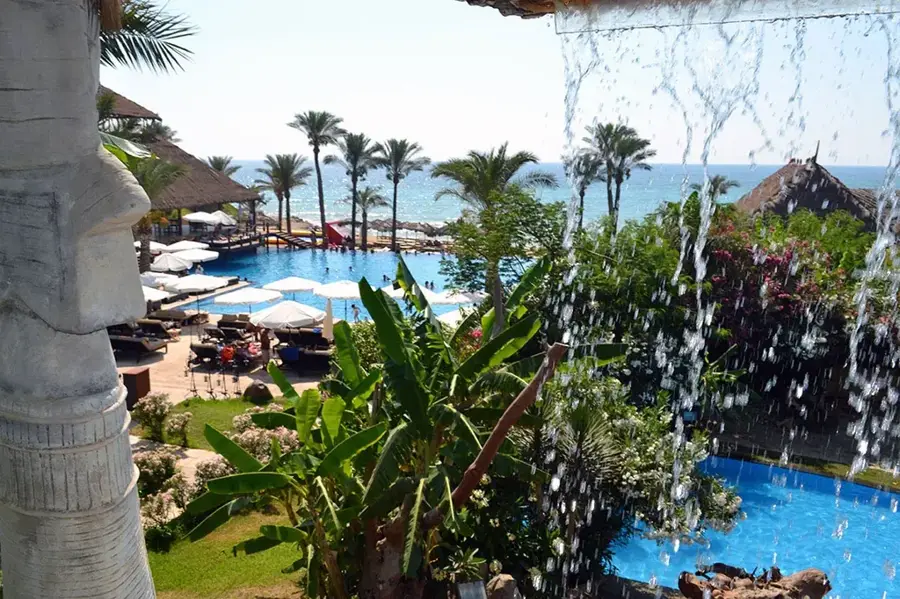
Damour River
The Damour River is a short coastal river south of Beirut.
Learn more →More highlights
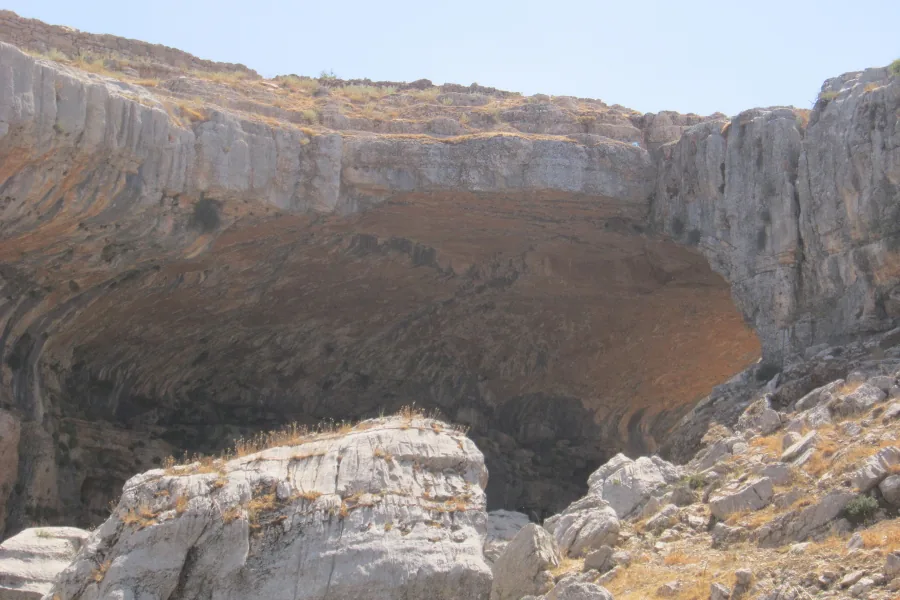
Faqra Ruins
These extensive Roman and Byzantine ruins at over 1500 meters altitude are among the highest temple complexes in the Middle East.
Learn more →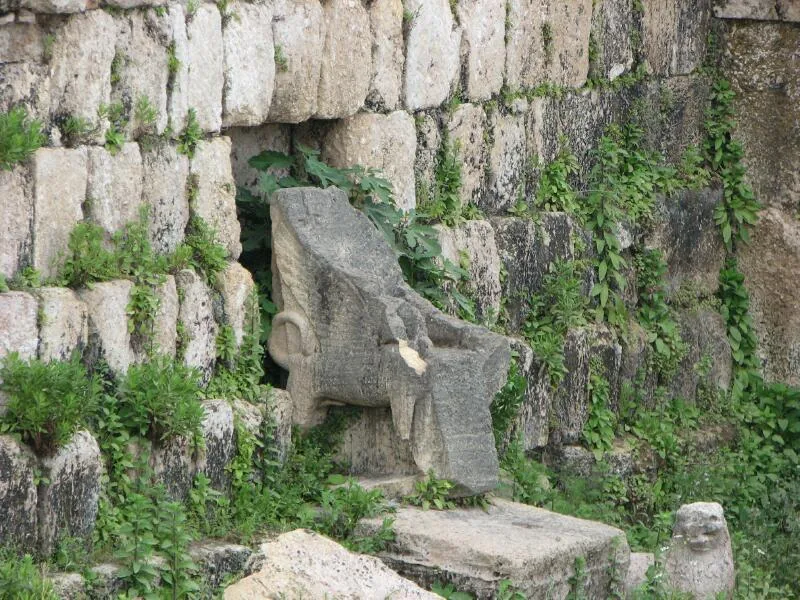
Eshmun Sanctuary
A significant Phoenician archaeological site near Sidon, dedicated to the healing god Eshmun and exhibiting Babylonian and Persian influences.
Learn more →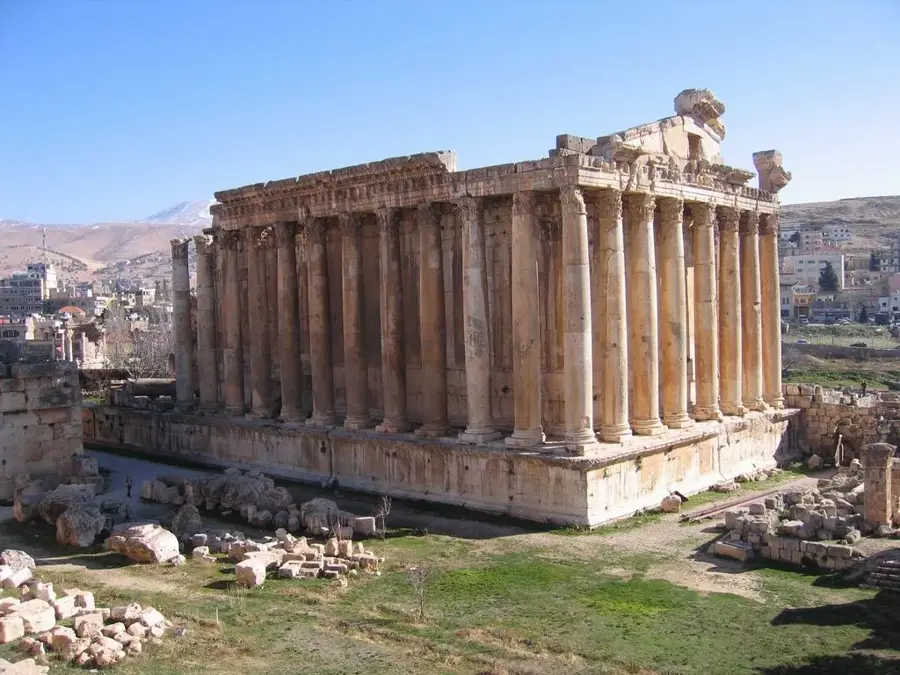
Baalbek Ruins
These impressive Roman ruins in the Bekaa Valley encompass gigantic temples once dedicated to the gods Jupiter, Bacchus, and Venus.
Learn more →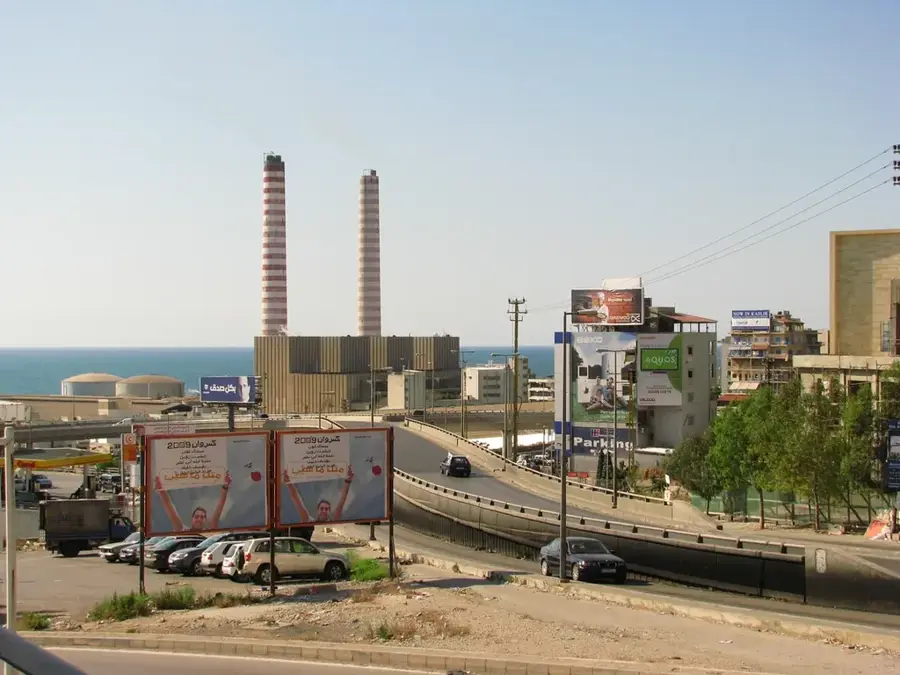
Zouk Power Plant
One of the most important thermal power plants in Lebanon, providing a significant part of the electrical energy for the Greater Beirut area.
Learn more →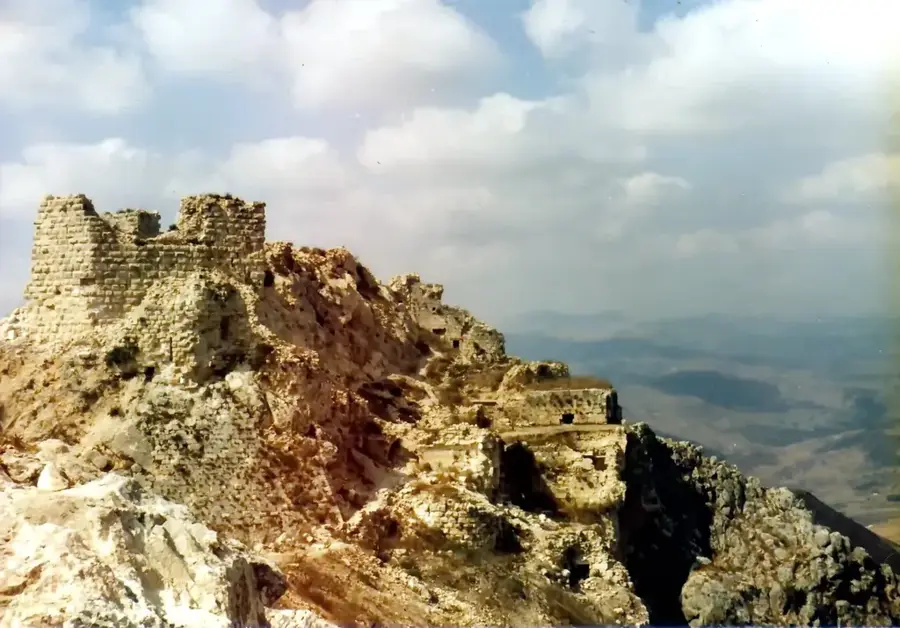
Beaufort Castle
A strategically important Crusader castle high above the Litani River, which has been the site of numerous conflicts throughout history.
Learn more →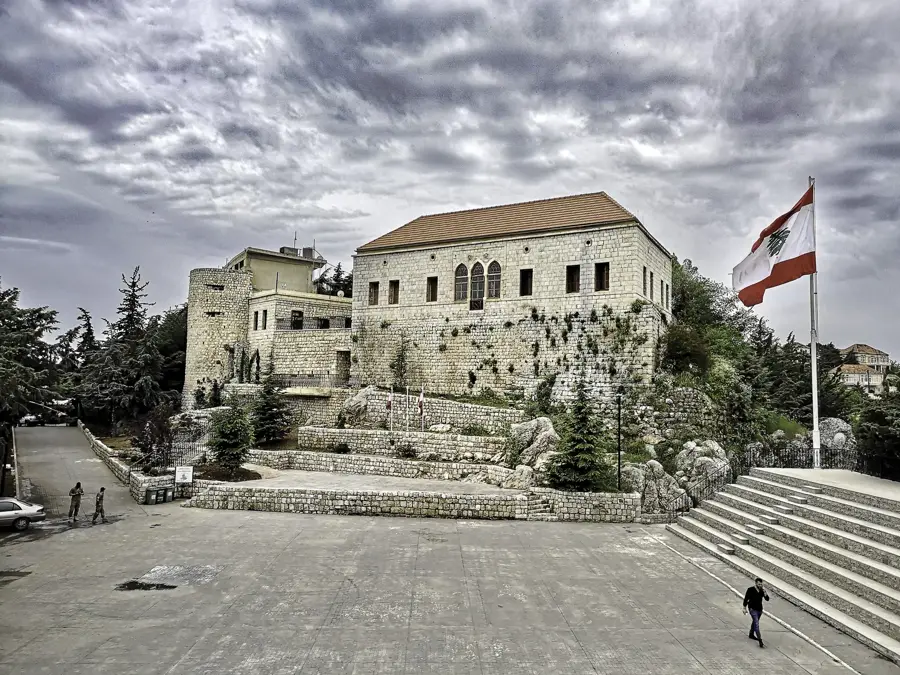
Rachaya Citadel
A historic citadel known as the 'Fortress of Independence' because Lebanese leaders were imprisoned here in 1943.
Learn more →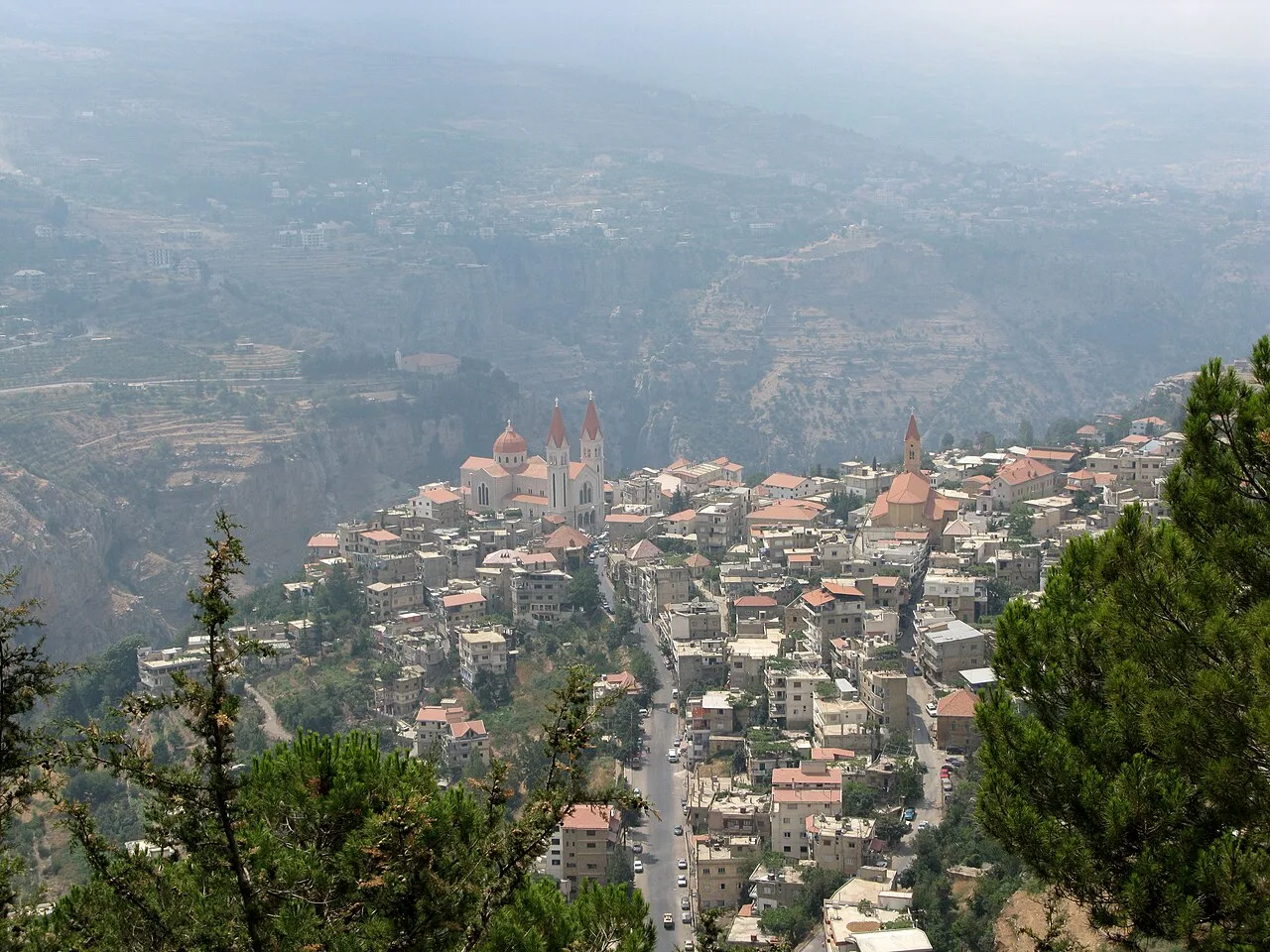
Monastery of Mar Sarkis
A historic rock-cut monastery in the Qadisha Valley, which now serves as a museum for the famous Lebanese poet Khalil Gibran.
Learn more →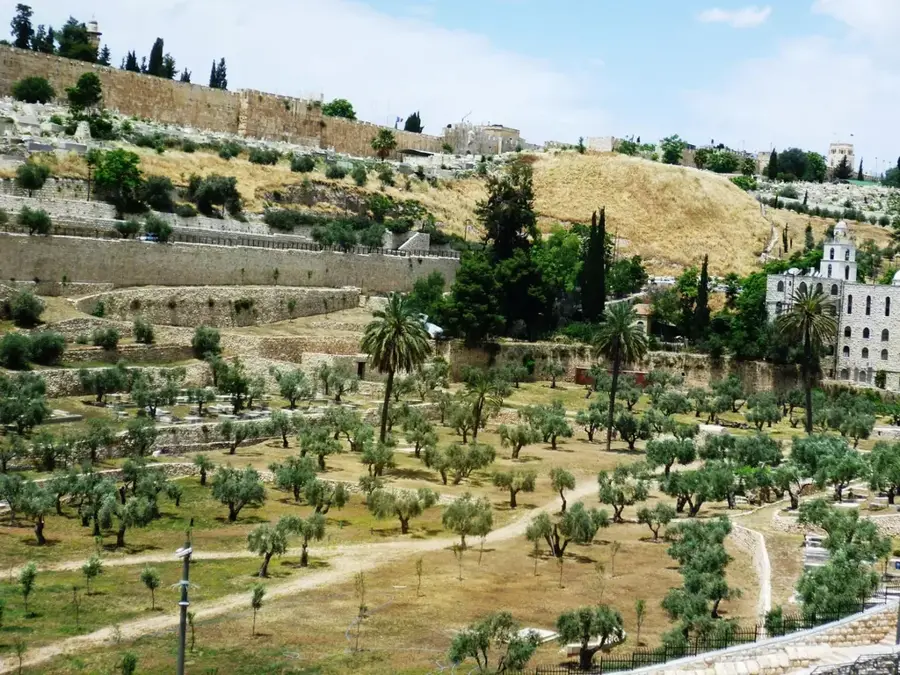
Wadi Jahannam
Wadi Jahannam, meaning Valley of Hell, is a deep and wild gorge in North Lebanon.
Learn more →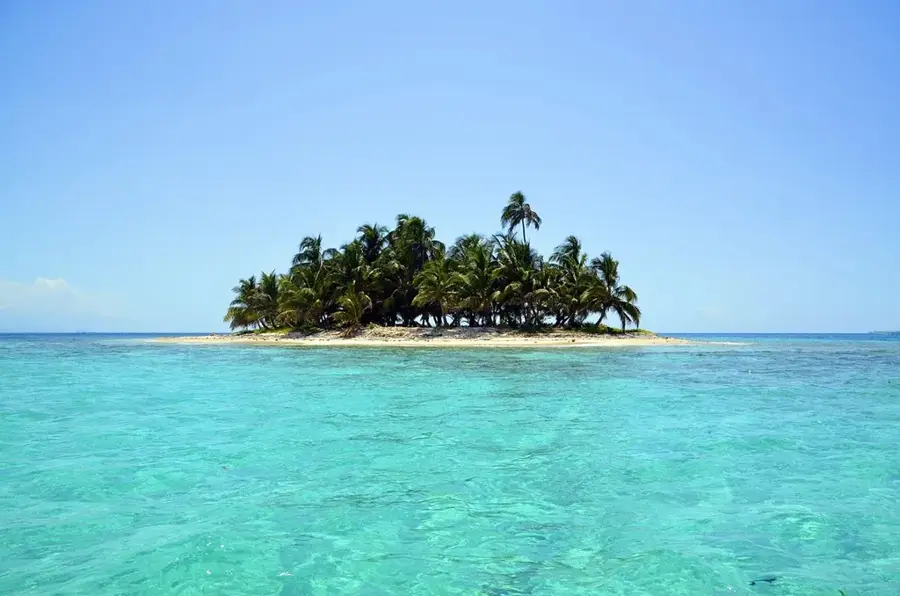
Palm Islands Nature Reserve
A small group of islands off the coast of Tripoli that serves as an important nesting site for endangered sea turtles.
Learn more →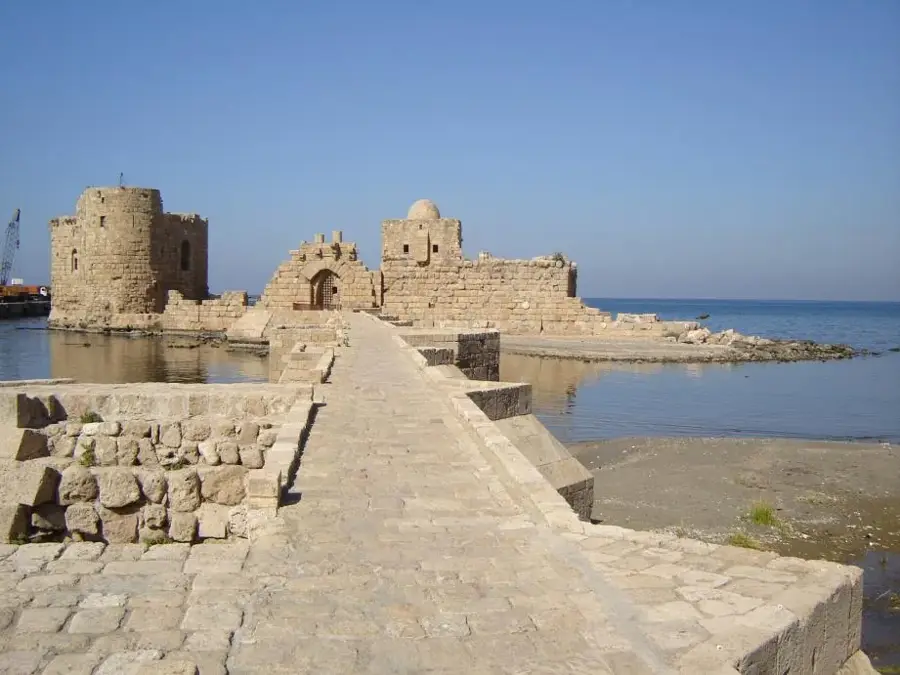
Sidon Sea Castle
A fortress built by Crusaders in the 13th century on a small island off the coast, accessible via a stone bridge.
Learn more →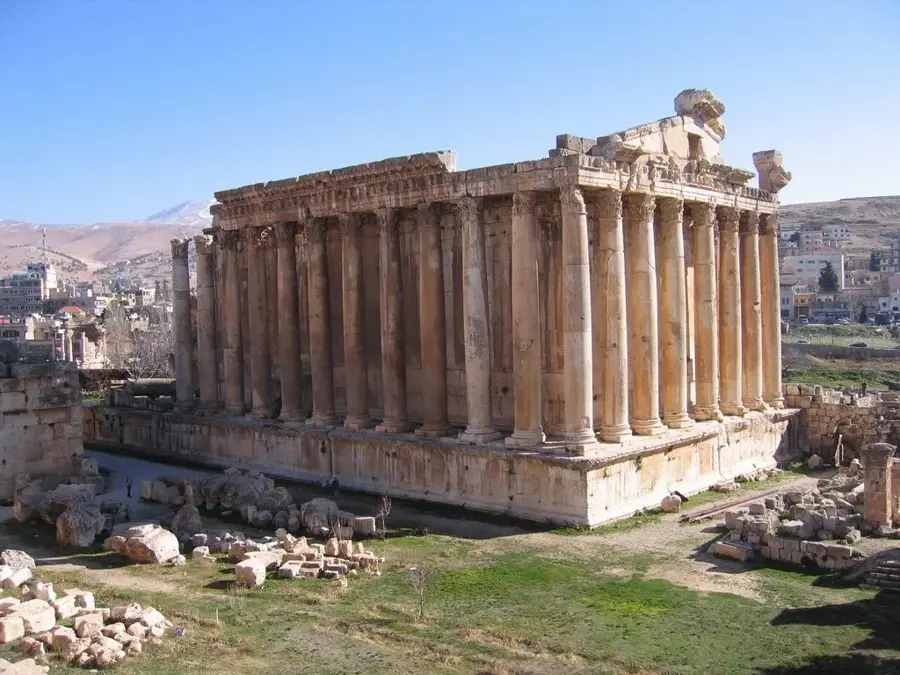
Temple of Bacchus
One of the best-preserved and largest Roman temples in the world, renowned for its fine and elaborate reliefs.
Learn more →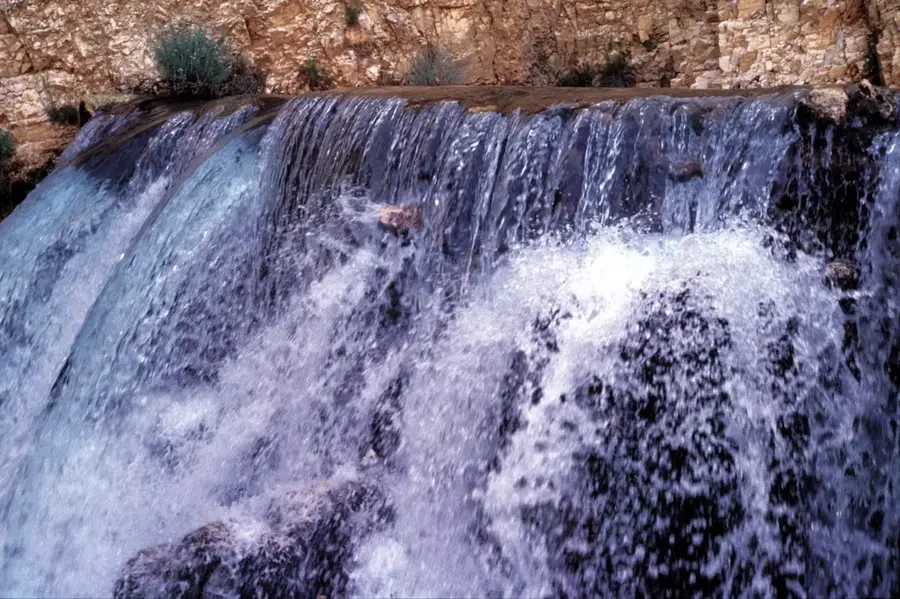
Yammouneh Nature Reserve
A mountain valley with rich water resources, known for its unique endemic fish species and geological formations.
Learn more →Frequently asked questions
What are the top attractions in Lebanon?
Among the most popular are Niha, Douma, Jezzine Waterfall, Afqa Grotto, Rene Moawad Garden and many more – the full top 50 list is on this page.
When is the best time to visit Lebanon?
May to October offers the most pleasant weather; July and August are warmest and busiest.