Plizio Visual Lab

Eshmun Sanctuary
Plizio editorial teamData Sources
ruin
—°8
Eshmun Sanctuary (Lebanon)

Weather…

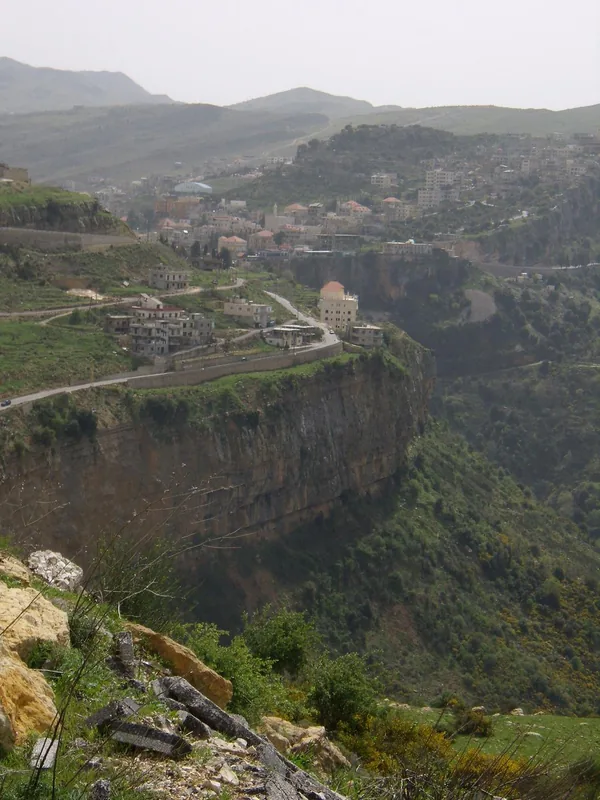
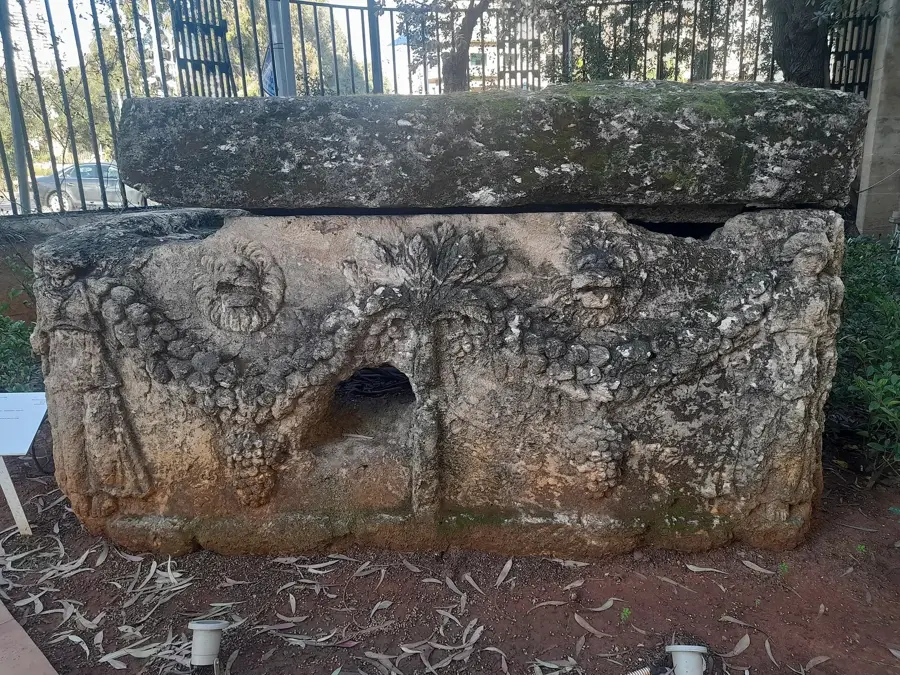
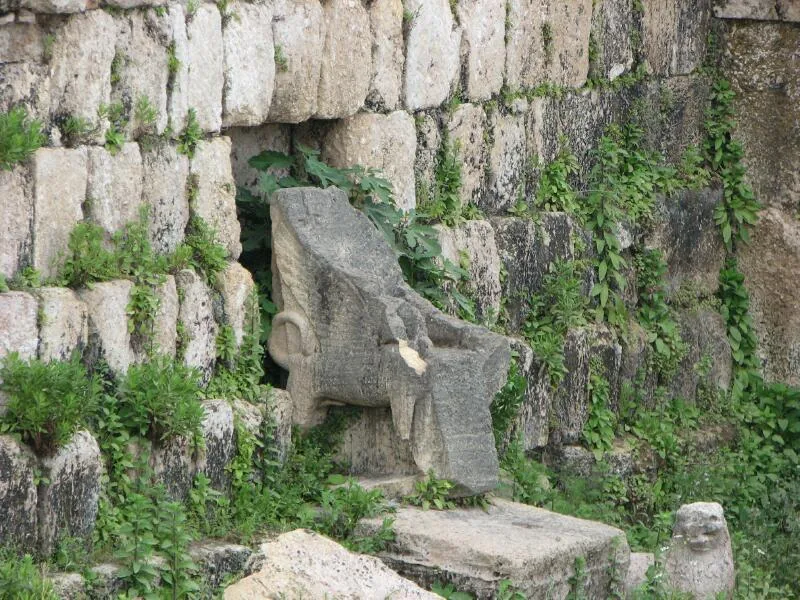
The Eshmun Sanctuary is an ancient Phoenician religious center located in the Awali River valley, near Sidon. The complex was built in the 7th century BC and dedicated to Eshmun, the Phoenician god of healing. The structure uniquely combines Phoenician, Babylonian, Persian, and Greco-Roman architectural styles, as it was continuously expanded and used for centuries, up until the 4th century AD. The sanctuary has a terraced layout, with a monumental limestone podium at its center. Excavations have revealed a throne, sacrificial altars, pools, and channels that provided the water necessary for ritual purification. Among the most important discoveries are the marble statues depicting children (the 'Boys of Sidon'), which were placed as offerings of gratitude for healing. Although many of its stones have been taken over the centuries, the sanctuary remains Lebanon's most important Phoenician-era archaeological site today.

Best time to visit & climate

The most pleasant time to visit is May, Jun, Sep.

JanFebMarAprMayJunJulAugSepOctNovDec
Avg °C781114192325252319149
Rain mm9980392371003185083

📋 Practical info

🚪
Visiting
Visitors can explore the extensive outdoor archaeological ruins of the sanctuary at their own pace. You will be walking through ancient foundations and carved stones, mostly uncovered and exposed to the elements.
🕒
Typical hours
The site is typically open during standard daytime hours, usually from morning until late afternoon. It is highly advisable to arrive well before sunset to fully appreciate the complex structures in good daylight.
📷
Photography
Photography is freely permitted throughout the ruins, offering fantastic opportunities to capture the intricate Phoenician masonry. The late afternoon sunlight creates striking shadows across the ancient stone terraces and altars.
⏱️
Time needed
A thorough visit to appreciate the various layers of history and architectural remains generally takes about one to two hours. History enthusiasts might spend a bit more time examining the detailed carvings and the healing pools.
Combine with
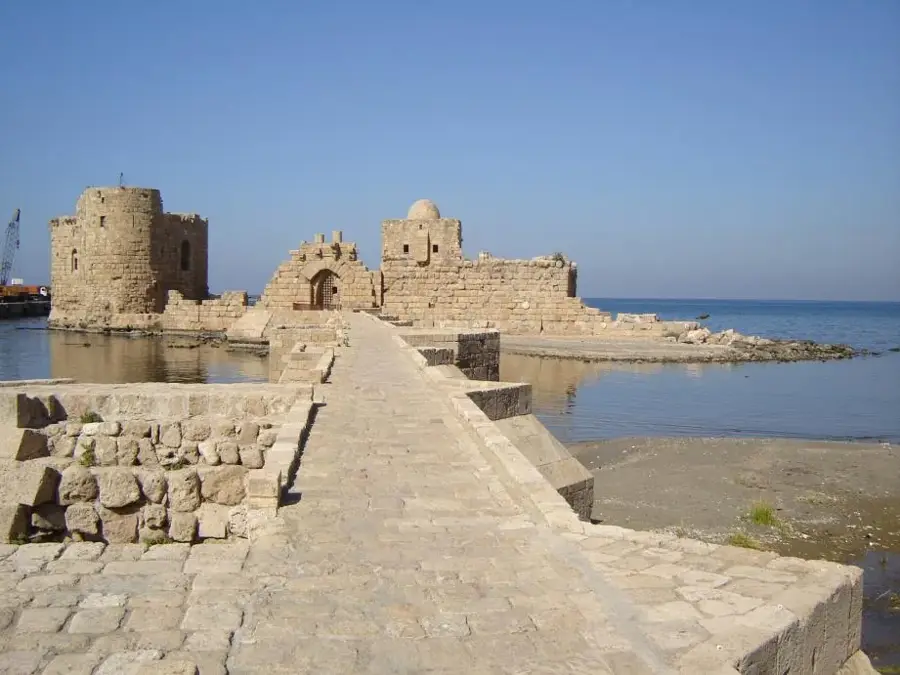
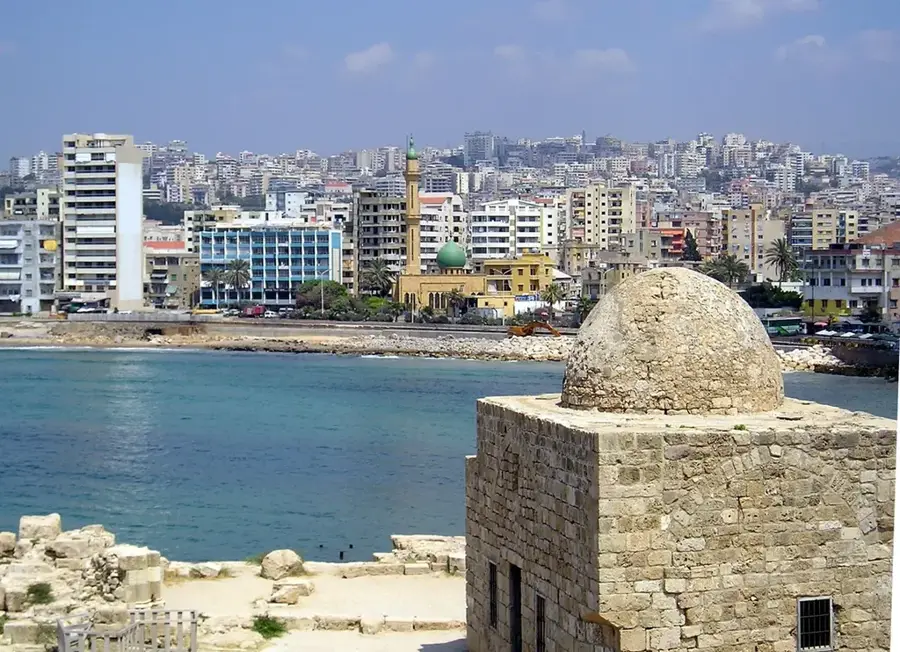
This site pairs perfectly with a visit to the nearby coastal city of Sidon, where you can explore the Sea Castle and the traditional souks. The Soap Museum in Sidon is another excellent cultural attraction to include in your day trip.
🧭
Getting there
The sanctuary is located just north of Sidon and is most conveniently reached by taxi or a private rental car from the city center. While some local buses pass nearby, finding the exact drop-off point can be slightly challenging for tourists.
💡
Insider tip
Wear sturdy walking shoes as the ground around the ruins is uneven, rocky, and can be quite dusty during the dry summer months. Since there is very little shade, bringing sunscreen, a hat, and plenty of drinking water is highly recommended.

Geography

Coordinates
33.58280, 35.38530

Facts

  • The Greeks often identified Eshmun with Asclepius, the god of healing.
  • In the early 20th century, a Lebanese treasure hunter began illegal excavations here.
  • There is a carved frieze depicting a hunting scene on the wall of the temple podium.
  • During the Byzantine period, a small church was built on the site of the former pagan sanctuary.
  • The river's water was guided into the courtyard pools through a channel system still visible today.

Explore nearby

Notable places around

Route planner — Car & Motorhome

Where do you start? We build the route here, with stops and country notes along the way.

Vehicle
Only stops with (optional):

© OpenStreetMap contributors · OpenRouteService

Sights in the town Eshmun Sanctuary (8)

public beach🎡 recreation

A sandy beach north of Sidon, popular among locals for swimming in the Mediterranean Sea.

🆓

Byzantine Basilica🏺 historical

The remains of a Byzantine basilica featuring ancient columns within the Eshmun archaeological park.

Throne of Astarte🏺 historical

A stone throne flanked by winged lions, dedicated to the goddess Astarte.

Voile Sur Mer🎡 recreation

A seaside resort offering a wide view of the Mediterranean and access to the beach.

Sidon Municipal Park🌳 park

A public coastal park in Sidon with green spaces for walks along the Mediterranean shore.

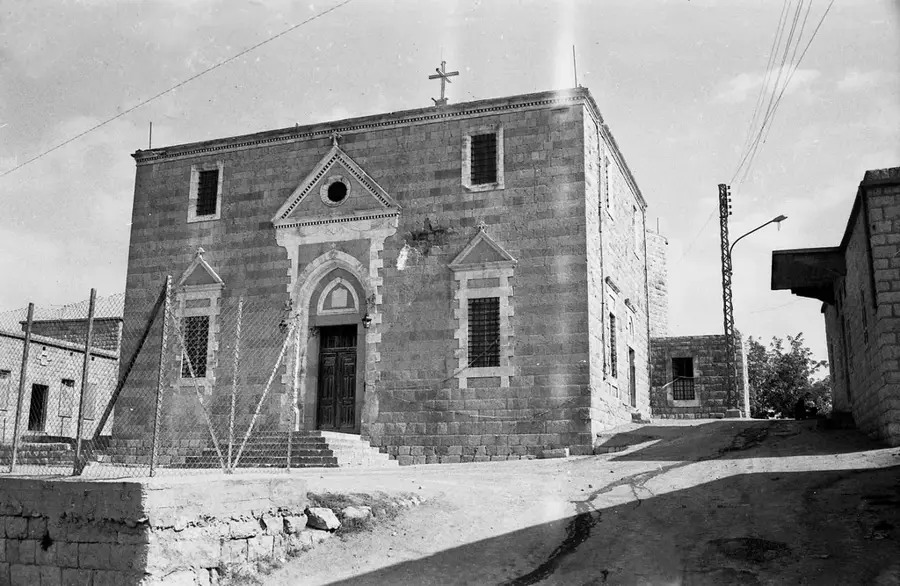
Saint Mary Church📍 landmark

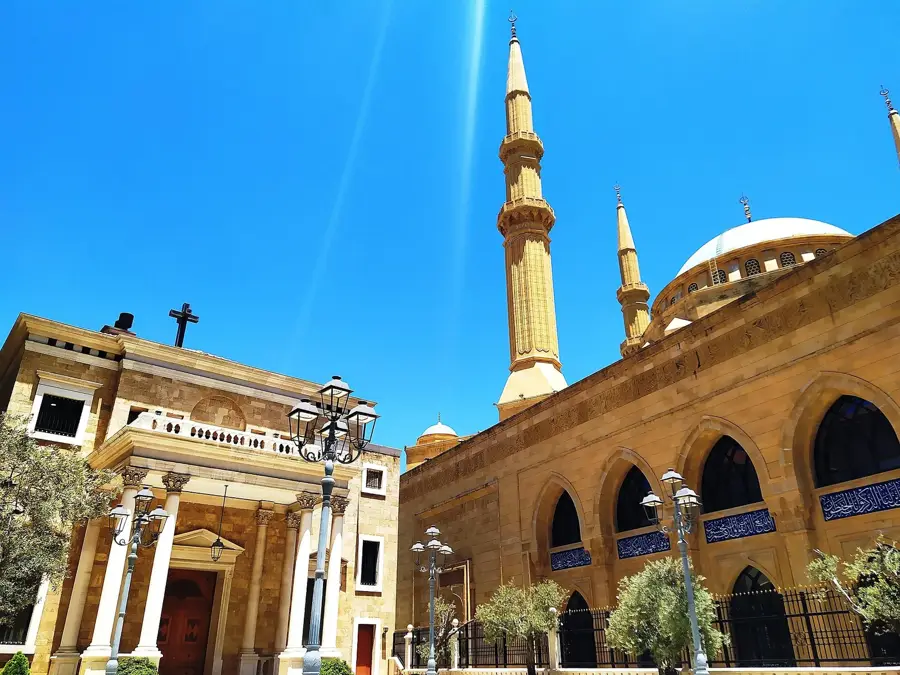
This Saint Mary church is located near the archaeological site and serves the local Christian community.

Masjid Al Salam📍 landmark

A local Muslim place of worship situated near the historic Eshmun Sanctuary area.

St. Mary Melkite Greek Church📍 landmark

A Melkite Greek Catholic church serving the local Christian community near the Eshmun Sanctuary.

Sights nearby

Frequently asked questions

Who was Eshmun?
Eshmun was the Phoenician god of healing and the patron god of Sidon.
What is there to see?
Ruins of temples, mosaics, and ritual basins from various eras.
Is it suitable for children?
Yes, it is a spacious outdoor area, good for a short historical walk.
Where is the sanctuary located?
About 2 km north of Sidon, on the banks of the Awali River.
Do I need a guide?
A guide is helpful as there are few information signs on site.
Eshmun Sanctuary: where is it located?
Eshmun Sanctuary is located in Lebanon.
Eshmun Sanctuary: what is there to see?
Highlights include public beach, Byzantine Basilica, Throne of Astarte.
Eshmun Sanctuary: when is the best time to visit?
The most pleasant time to visit is May, Jun, Sep.
Eshmun Sanctuary: why is it worth visiting?

The Eshmun Sanctuary is an ancient Phoenician religious center located in the Awali River valley, near Sidon.
View on map → The Top 50 Attractions → OpenStreetMap →
Asia
Explore with Plizio Discover more places in Asia
More places in Lebanon →

Nearby cities

History & landmarks
Nature
More places