Plizio Visual Lab

Baalbek Ruins
Plizio editorial teamData Sources
ruin
—°4
Baalbek Ruins (Lebanon)

Weather…

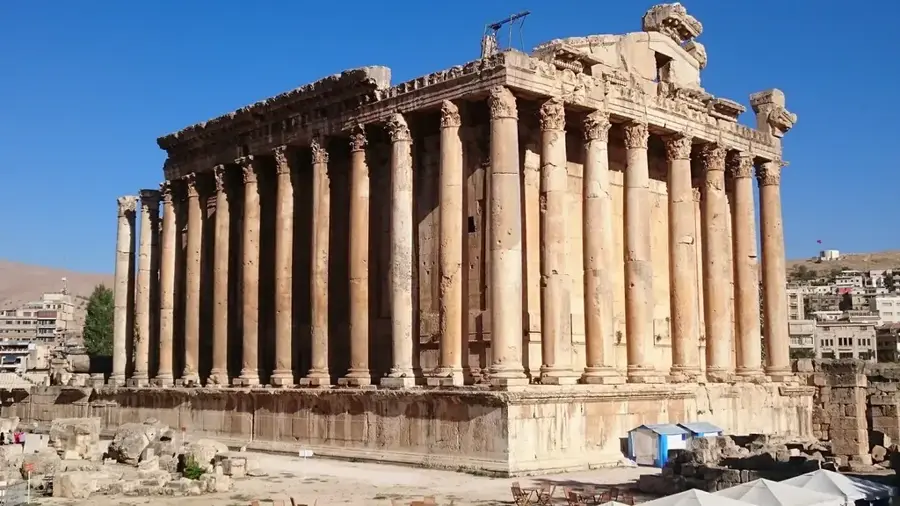
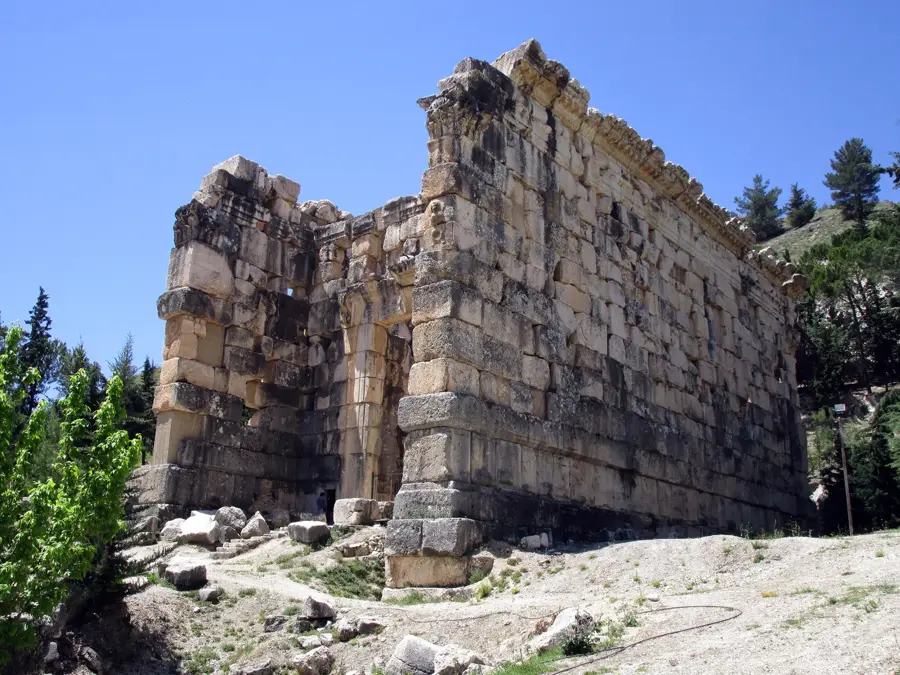
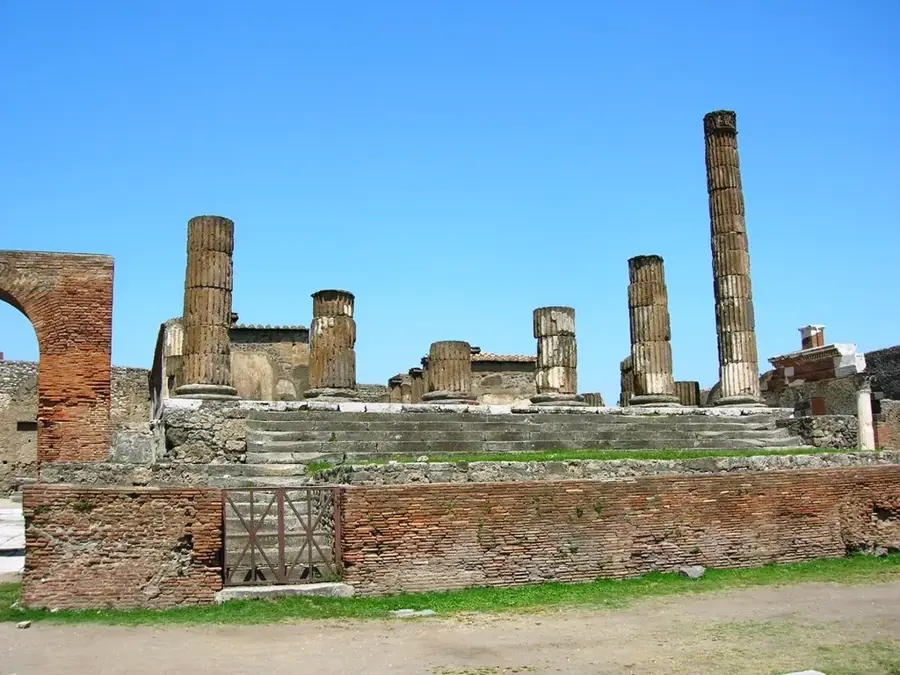
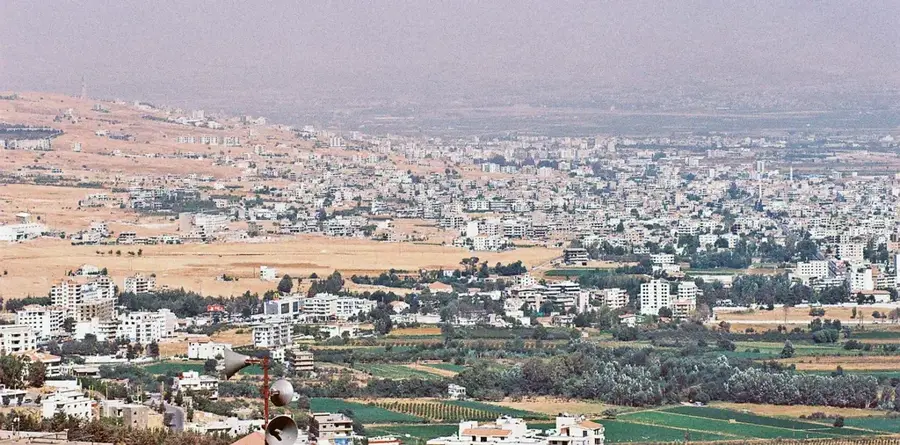
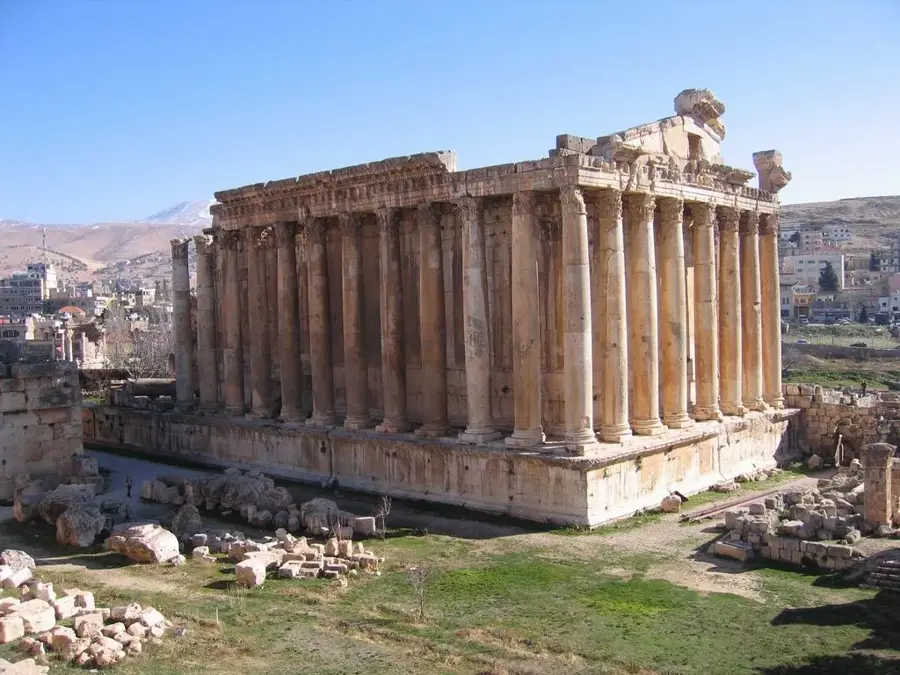
Baalbek, also known as Heliopolis (the City of the Sun), is one of Lebanon's most significant archaeological sites, located in the Beqaa Valley. During the Roman period, between the 1st century BC and the 3rd century AD, a massive temple complex was built here, becoming one of the most important pilgrimage sites in the eastern part of the empire. The complex represents a pinnacle of Roman architecture, with monumental proportions that advertised the empire's wealth. The ruins include the largest Roman temple with standing columns in the world. For centuries, the area was a meeting point for different cultures and religions; the Byzantines converted parts of it into basilicas, and the Arabs into fortresses. The drawings of 18th and 19th-century European travelers brought the ruined city global fame, and since 1984 it has been a UNESCO World Heritage site. The Trilithon, three massive stone blocks, remains one of the greatest mysteries of ancient engineering.

Best time to visit & climate

The most pleasant time to visit is Jun, Jul, Sep.

JanFebMarAprMayJunJulAugSepOctNovDec
Avg °C3471116202324211695
Rain mm7857321892014153660

📋 Practical info

🚪
Visiting
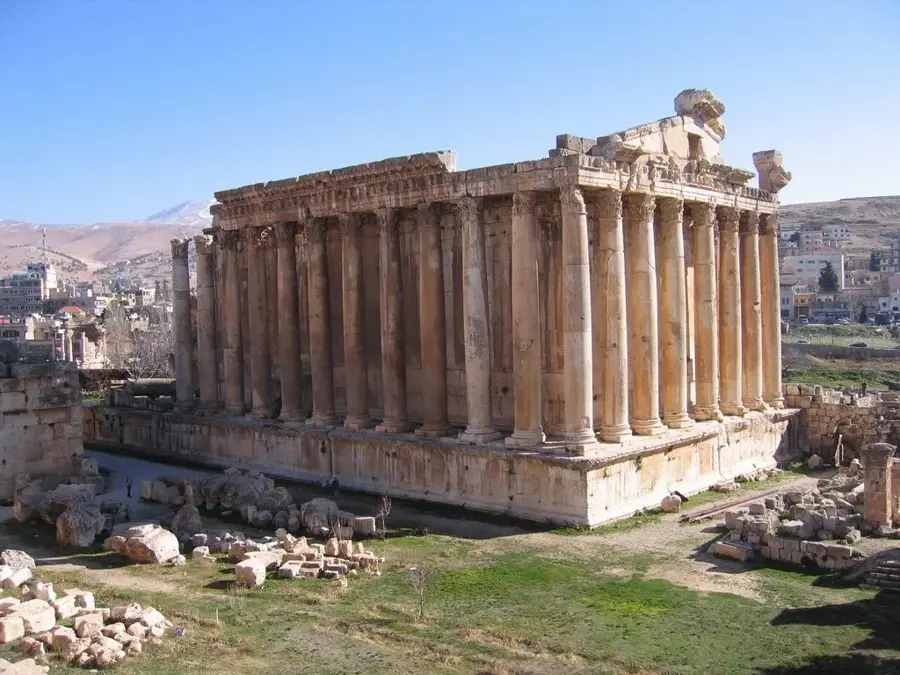
Visitors can walk among some of the largest and best-preserved Roman temples in the world, including the monumental Temple of Bacchus. The sprawling complex allows you to get up close to the incredibly massive stone blocks and intricate carvings.
🕒
Typical hours
The archaeological site generally operates from morning until late afternoon, with extended hours typically available during the summer season. It is best to visit early in the morning to avoid the intense midday heat and large tour groups.
📷
Photography
The monumental scale of the columns and the richly decorated doorways provide extraordinary subjects for architectural photography. The warm golden light of the late afternoon beautifully highlights the texture of the ancient limestone ruins.
⏱️
Time needed
Expect to spend at least two to three hours exploring the immense scale of the courtyards and the major temple structures. A slower pace is recommended to fully appreciate the incredibly intricate architectural details preserved here.
Combine with
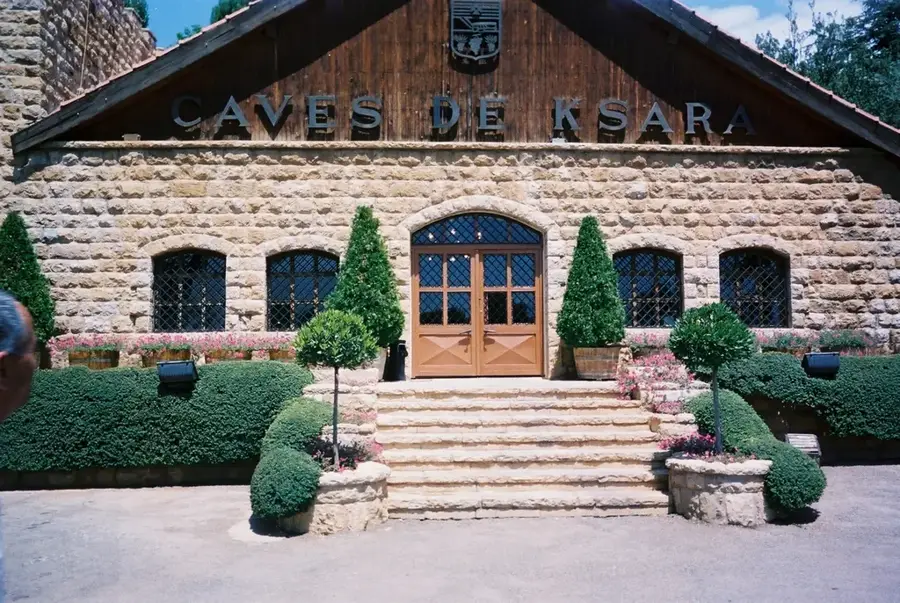
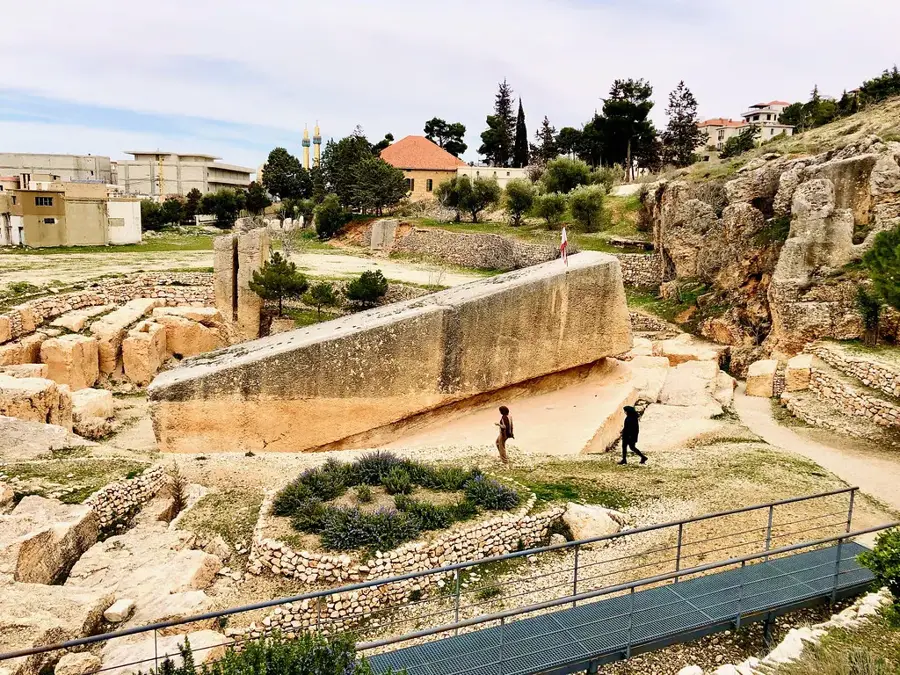
A visit to the ruins pairs well with exploring the renowned wineries of the surrounding Bekaa Valley, which offer tours and tastings. Additionally, the mysterious Stone of the Pregnant Woman at the nearby ancient quarry is a must-see.
🧭
Getting there
The ruins are situated in the town center, making them easily accessible on foot if you are staying locally, or by car and organized tour from Beirut. Secure parking is typically available near the main entrance for independent travelers.
💡
Insider tip
Hiring an official local guide at the entrance can deeply enrich your experience, as they can explain the complex history and engineering marvels. Ensure you negotiate the fee and language of the tour clearly before beginning your walk.

Geography

Coordinates
34.00710, 36.20450

Facts

  • The ruins rest on an ancient tell dating back to the 3rd millennium BC.
  • During the Arab conquest, the area was converted into a fortress (al-Qala'a).
  • A powerful earthquake in 1759 caused major damage to the standing columns.
  • German archaeologists conducted the first scientific excavations here in 1898.
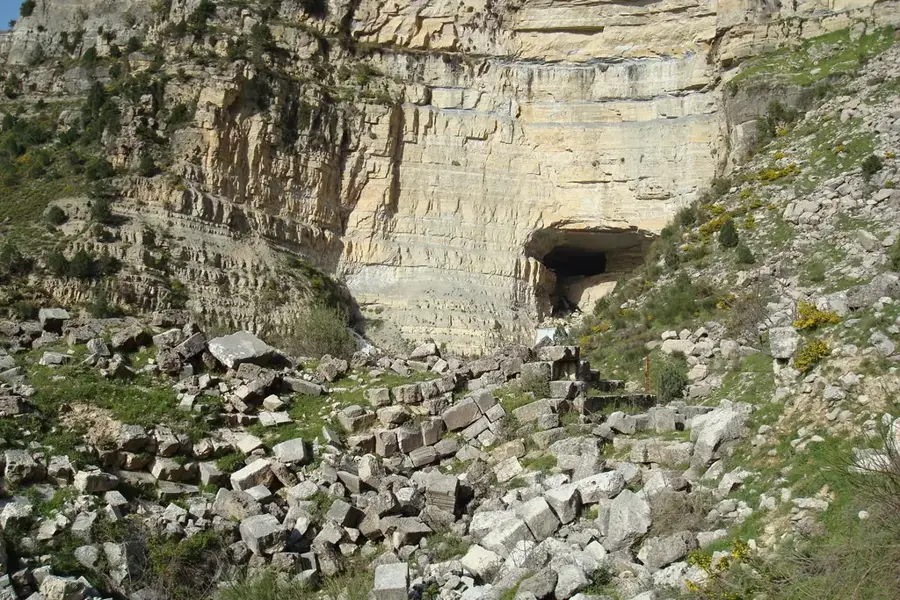
  • The monolithic Stone of the Pregnant Woman is located in the southern quarry.

Explore nearby

Notable places around

Route planner — Car & Motorhome

Where do you start? We build the route here, with stops and country notes along the way.

Vehicle
Only stops with (optional):

© OpenStreetMap contributors · OpenRouteService

Sights in the town Baalbek Ruins (4)

view on the Temple of Bacchus🌿 nature

This viewpoint features a first-rate gaze at the exceptionally well-preserved Temple of Bacchus.

Hexagonal forecourt🏺 historical

A unique hexagonal forecourt that served as the monumental entrance to the Great Court of Baalbek.

St. Georges Church📍 landmark

A Christian church located in the historic city of Baalbek near the ancient ruins.

Al Nahr Mosque📍 landmark

A historic mosque situated along the riverbank in Baalbek.

Sights nearby

Frequently asked questions

What are the opening hours for the Baalbek ruins?
The site is open daily from 9:00 AM until sunset.
How much is the entrance fee?
The price is approximately 15,000 LBP for foreigners, but may vary due to inflation. Please check locally.
Is the site wheelchair accessible?
Only partially. The paths are often uneven and stony, which makes wheelchair access difficult.
Is photography allowed in the ruins?
Yes, private photography is allowed and very popular. Professional equipment often requires a permit.
How much time should be planned for the visit?
Plan at least 2 to 3 hours to tour the vast site and the museum at your leisure.
Baalbek Ruins: where is it located?
Baalbek Ruins is located in Lebanon.
Baalbek Ruins: what is there to see?
Highlights include view on the Temple of Bacchus, Hexagonal forecourt, St. Georges Church.
Baalbek Ruins: when is the best time to visit?
The most pleasant time to visit is Jun, Jul, Sep.
Baalbek Ruins: why is it worth visiting?

Baalbek, also known as Heliopolis (the City of the Sun), is one of Lebanon's most significant archaeological sites, located in the Beqaa Valley.
View on map → The Top 50 Attractions → OpenStreetMap →
Asia
Explore with Plizio Discover more places in Asia
More places in Lebanon →

Nearby cities

History & landmarks
Nature
More places