Plizio Visual Lab

Qadisha Valley
Plizio editorial teamData Sources
Landmark
—°6
Qadisha Valley (Lebanon)

Weather…

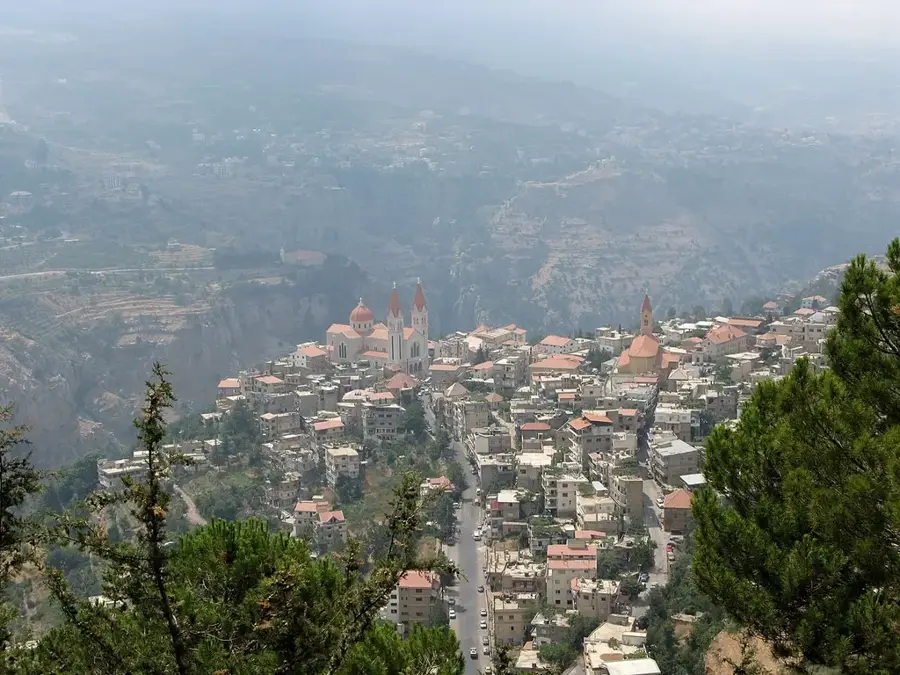
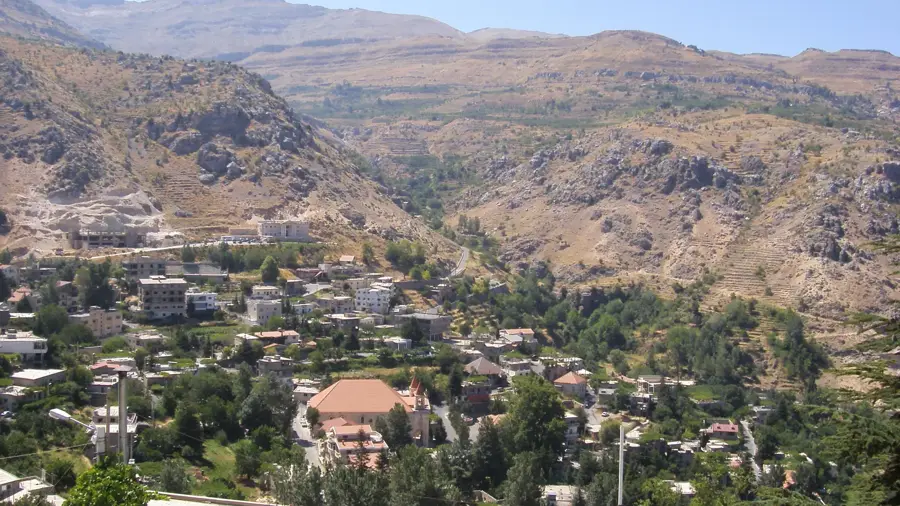
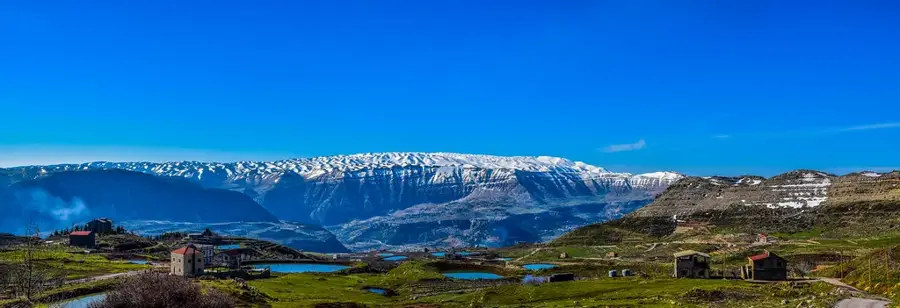
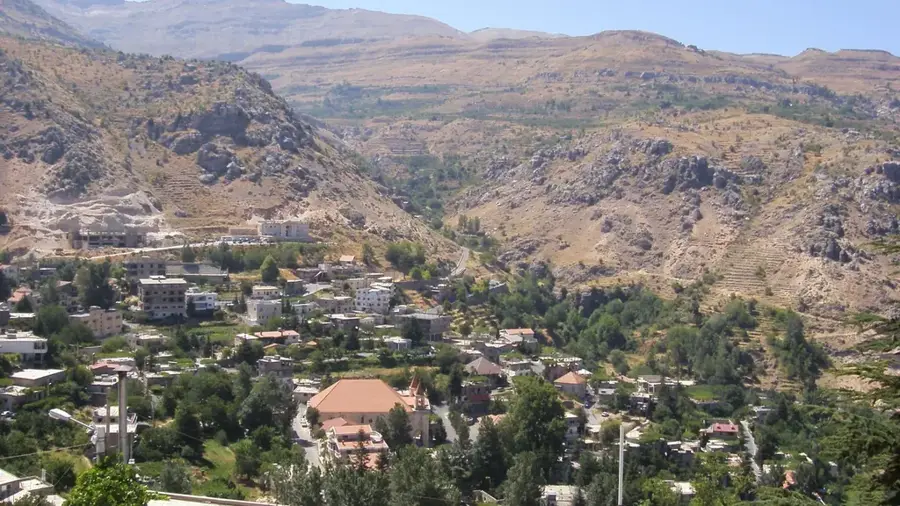
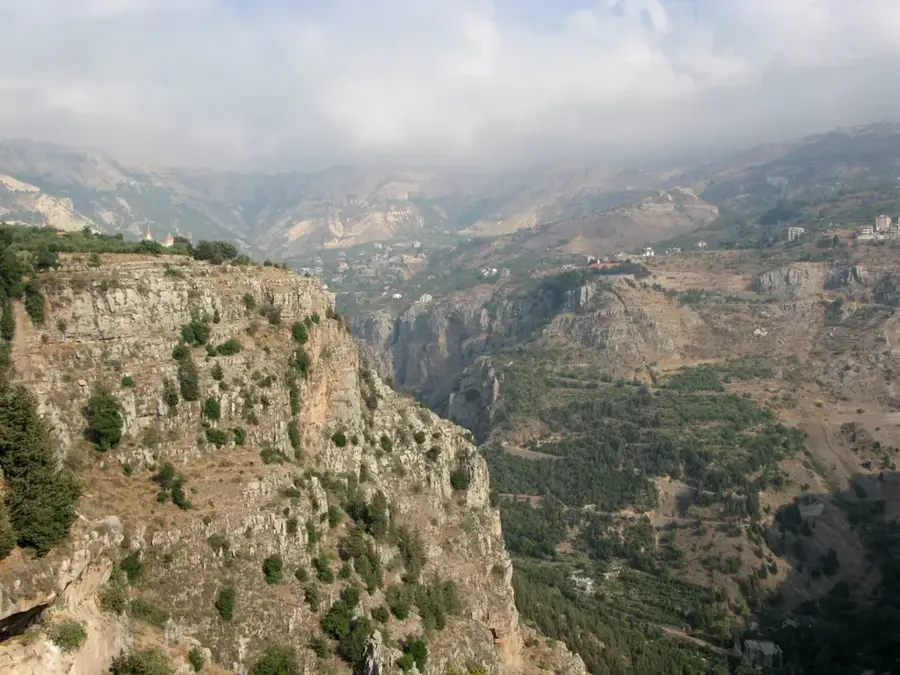
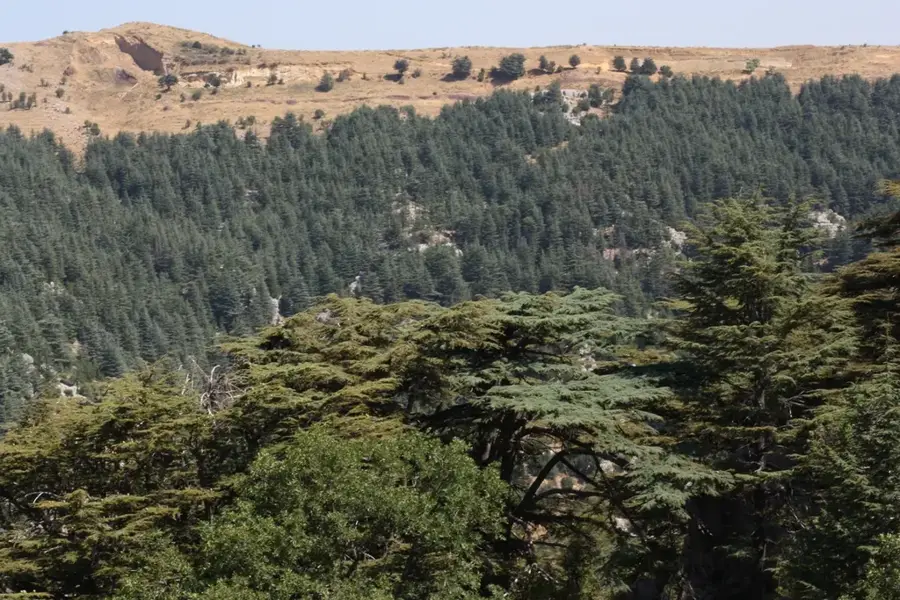
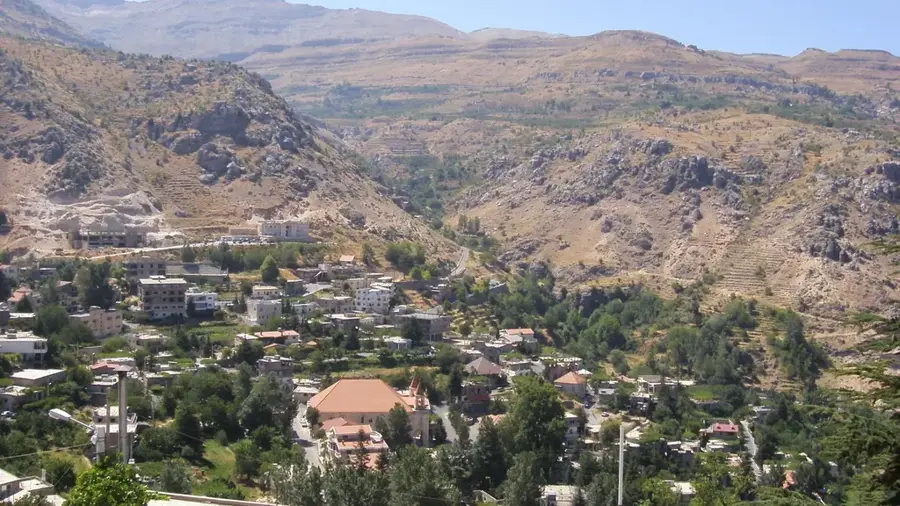
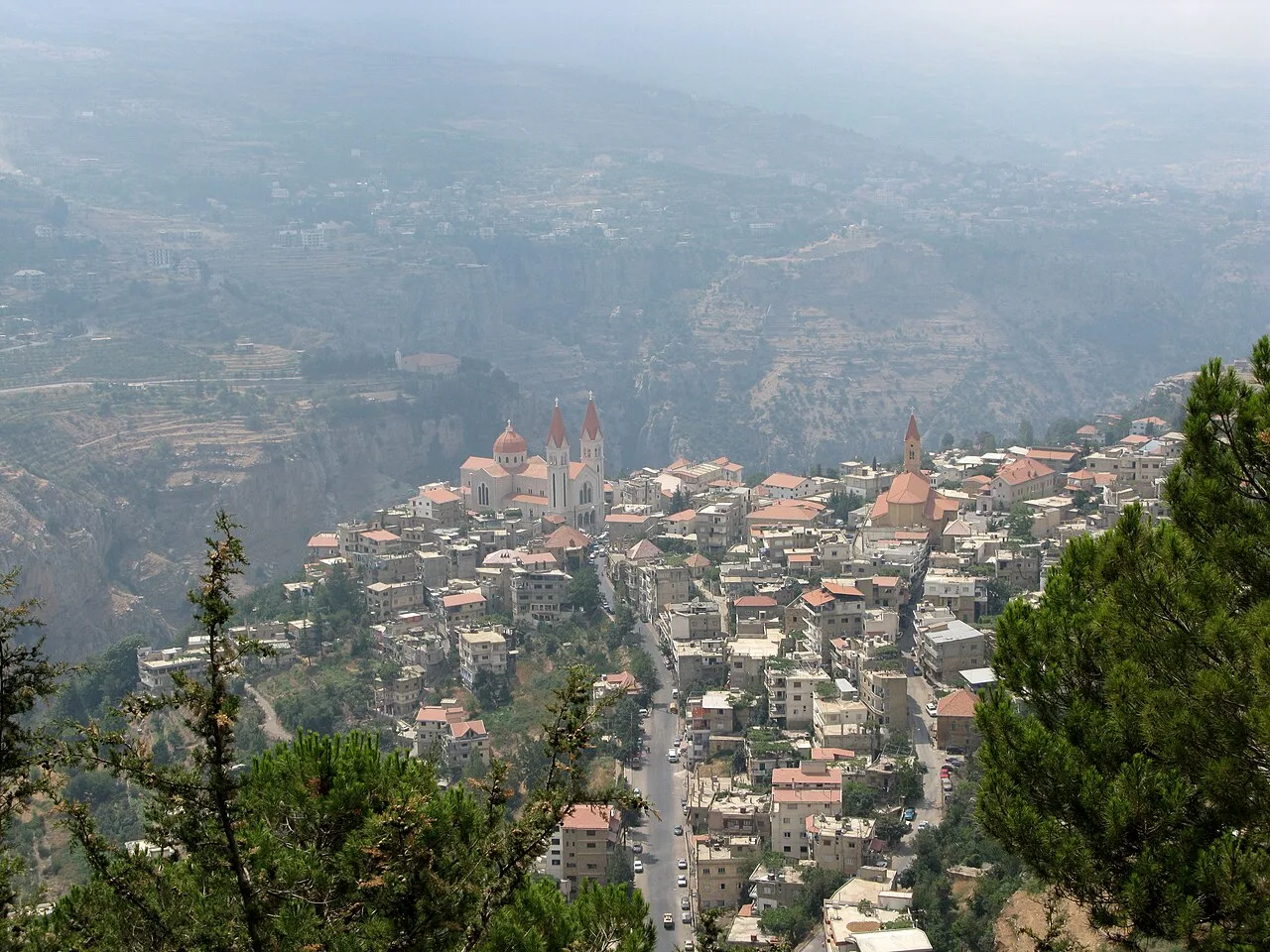
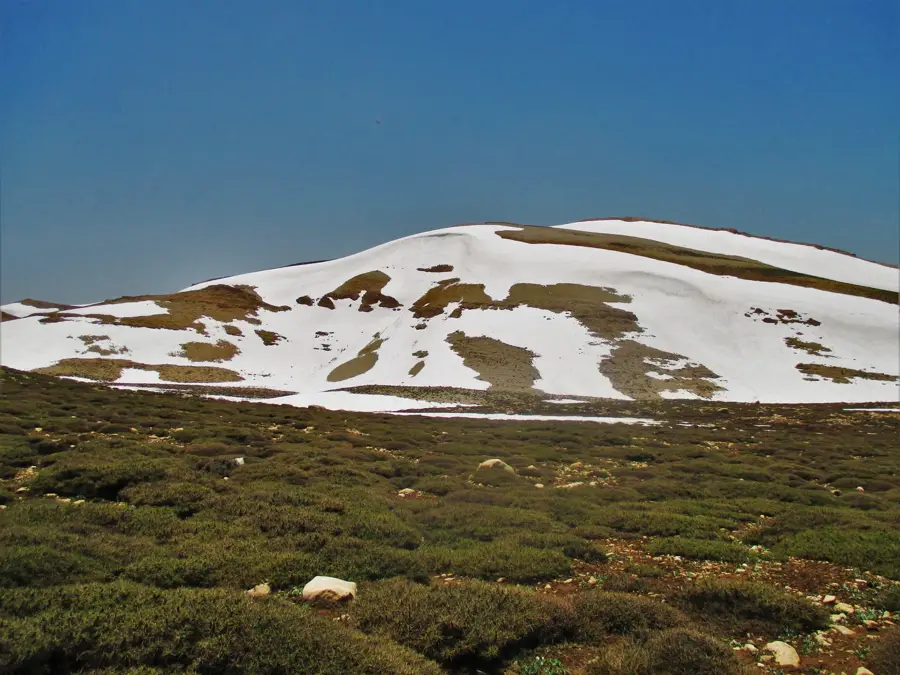
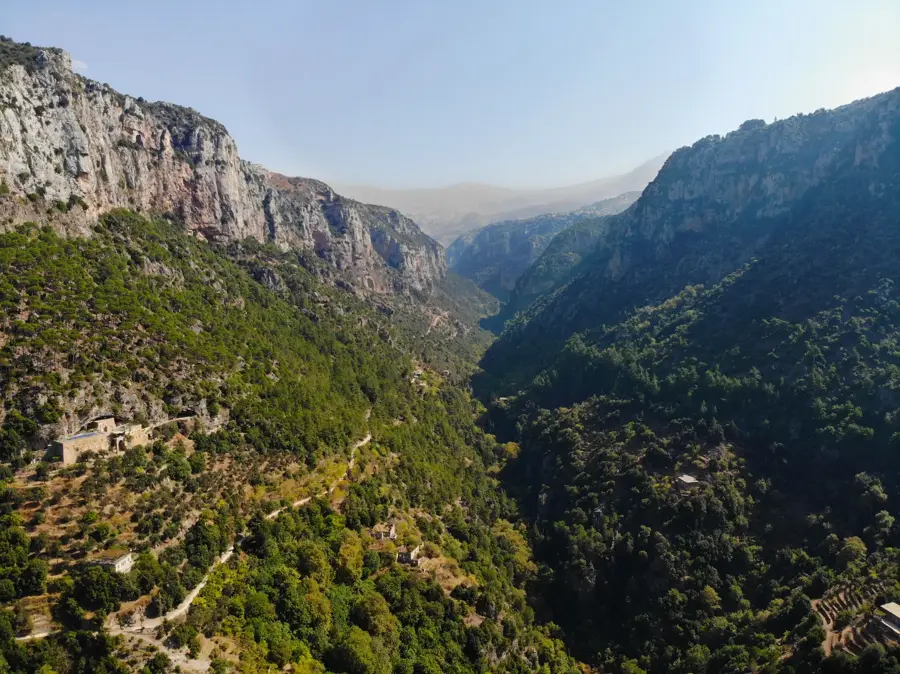
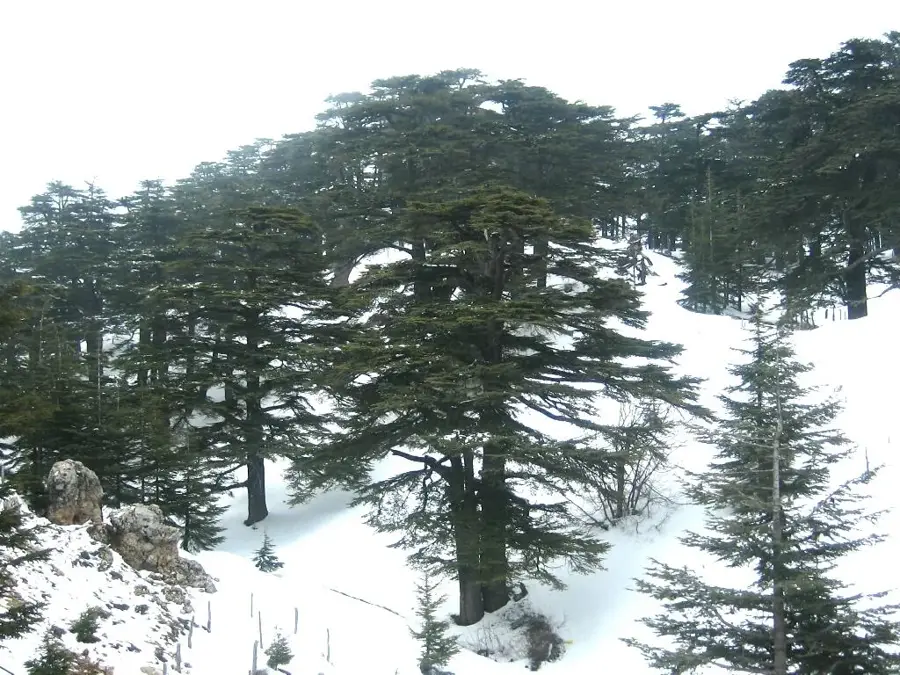
The Qadisha Valley, also known as the Holy Valley, is a deep gorge carved into the limestone of northern Lebanon that has served as a spiritual sanctuary for centuries. A UNESCO World Heritage site, the valley is renowned for its steep cliffs housing numerous natural caves transformed into chapels and hermitages by early Christian communities. Since the formative years of Christianity, Maronites and other groups sought refuge here from persecution, leading to the establishment of historic monasteries such as Deir Qannoubine, the former seat of the Maronite Patriarchate. The valley stretches for approximately 35 kilometers and is bisected by the Qadisha River, fed by snowmelt from the surrounding Mount Lebanon range. The cultural landscape features traditional stone terraces and groves of oak and cedar trees. Today, it is a premier destination for hikers and pilgrims alike, offering a profound blend of rugged natural beauty and intense spiritual heritage, and it remains a symbol of religious endurance.

Best time to visit & climate

The most pleasant time to visit is May, Jun, Sep.

JanFebMarAprMayJunJulAugSepOctNovDec
Avg °C671014192325252319138
Rain mm91684424124119234671

📋 Practical info

🚪
Visiting
The Qadisha Valley is a deep gorge in northern Lebanon freely accessible to visitors. You can explore it on foot via well-marked hiking trails that lead to historic cave monasteries. As an open-air natural site, there are no gates or visiting hours.
🕒
Typical hours
As an open natural area, there are no set opening hours. Typically the valley is best explored during daylight, and hiking trails should be left before dusk for safety.
📷
Photography
Photography is allowed throughout the Qadisha Valley and highly recommended. Capture the memorable gorges and ancient monasteries, but avoid using flash inside the cave churches.
⏱️
Time needed
For a thorough exploration of the valley, plan at least half a day. If you want to visit multiple monasteries and go on longer hikes, better allocate a full day.
Combine with
Combine a visit to the Qadisha Valley with the nearby town of Bcharre, birthplace of poet Khalil Gibran. The Cedars of God are also a short drive away, offering a beautiful addition.
🧭
Getting there
The valley is best reached by car from Tripoli or Bcharre. From Bcharre, several hiking trails descend into the gorge; parking is available at the cliff edge.
💡
Insider tip
Bring sturdy footwear and plenty of water as the trails are rocky and strenuous. Start early in the morning to avoid midday heat and enjoy the best light for photos.

Geography

Coordinates
34.25440, 35.94580

Facts

  • Inscribed as a UNESCO World Heritage site in 1998
  • Stretches over a length of approximately 35 kilometers
  • Former seat of the Maronite Patriarchate at Deir Qannoubine
  • Contains some of the oldest Christian monasteries globally
  • Elevation ranges from 500 to 1,600 meters above sea level
  • Regarded as the spiritual cradle of the Maronite community

Explore nearby

Notable places around

Route planner — Car & Motorhome

Where do you start? We build the route here, with stops and country notes along the way.

Vehicle
Only stops with (optional):

© OpenStreetMap contributors · OpenRouteService

Sights in the town Qadisha Valley (6)

The Patriarch's Garden📍 landmark

A landscaped garden area dedicated to the Maronite Patriarchs in the Qadisha Valley.

Ampitheatre📍 landmark

An outdoor performance space or amphitheater with views of the surrounding valley.

Our Lady of Hawqa Sanctuary📍 landmark

A historic cave sanctuary and pilgrimage site located in the Hawqa region of the valley.

Monastery of our Lady of Qannoubine Qadisha⛪ religious

One of the oldest Maronite monasteries in the world, once the seat of the Patriarchs.

Hermit of Wadi Qannoubine⛪ religious

A site associated with the long tradition of Christian hermits living in the Qadisha Valley.

Saint Marina Sanctuary⛪ religious

A cave sanctuary where Saint Marina is said to have lived her life as a monk.

Sights nearby

Frequently asked questions

What does 'Qadisha' mean?
It means 'Holy' in Aramaic, hence the name 'Holy Valley'.
Can you go hiking in the valley?
Yes, there are numerous hiking trails leading to old hermitages and monasteries.
Are the monasteries open to visitors?
Yes, monasteries like Mar Antonios Qozhaya are mostly open daily to visitors.
What is the dress code?
Modest; shoulders and knees should be covered when entering the monasteries.
What is the best way to get there?
By car from Bcharre or Ehden; the roads in the valley are narrow and steep.
Qadisha Valley: where is it located?
Qadisha Valley is located in Lebanon.
Qadisha Valley: what is there to see?
Highlights include The Patriarch's Garden, Ampitheatre, Our Lady of Hawqa Sanctuary.
Qadisha Valley: when is the best time to visit?
The most pleasant time to visit is May, Jun, Sep.
Qadisha Valley: why is it worth visiting?

The Qadisha Valley, also known as the Holy Valley, is a deep gorge carved into the limestone of northern Lebanon that has served as a spiritual sanctuary for centuries.
View on map → The Top 50 Attractions → OpenStreetMap →
Asia
Explore with Plizio Discover more places in Asia
More places in Lebanon →

Nearby cities

History & landmarks
Nature
More places