Plizio Visual Lab

Faqra Ruins
Plizio editorial teamData Sources
ruin
—°5
Faqra Ruins (Lebanon)

Weather…

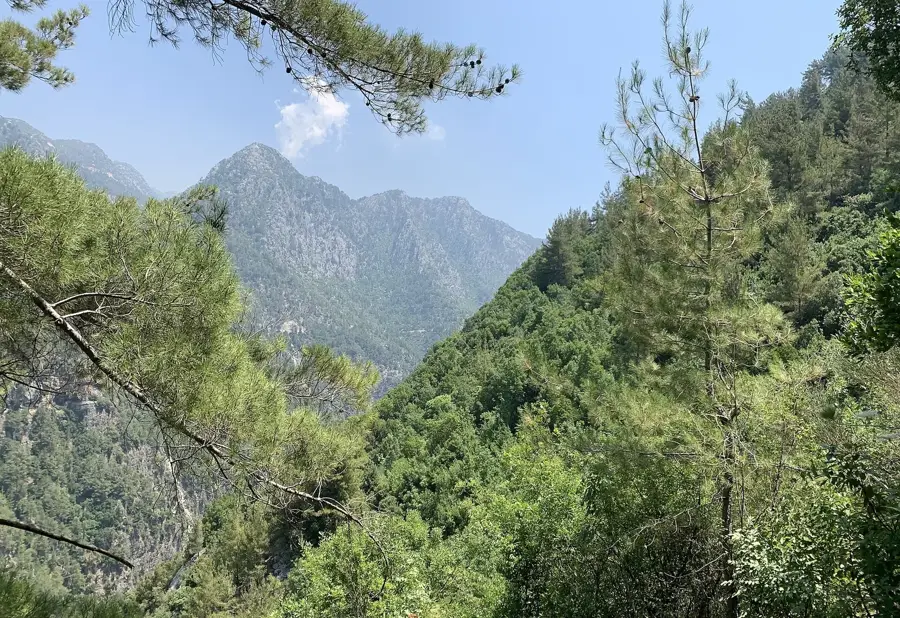
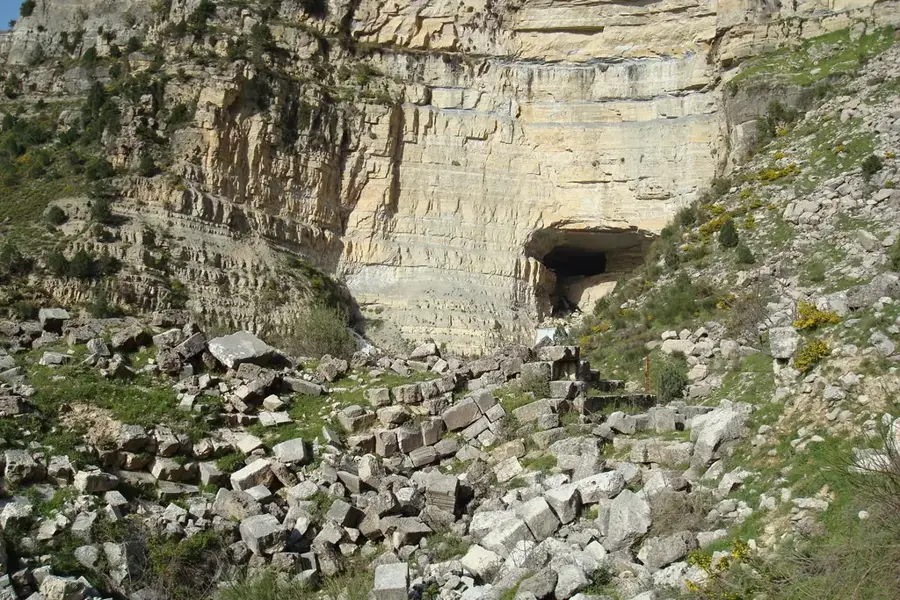
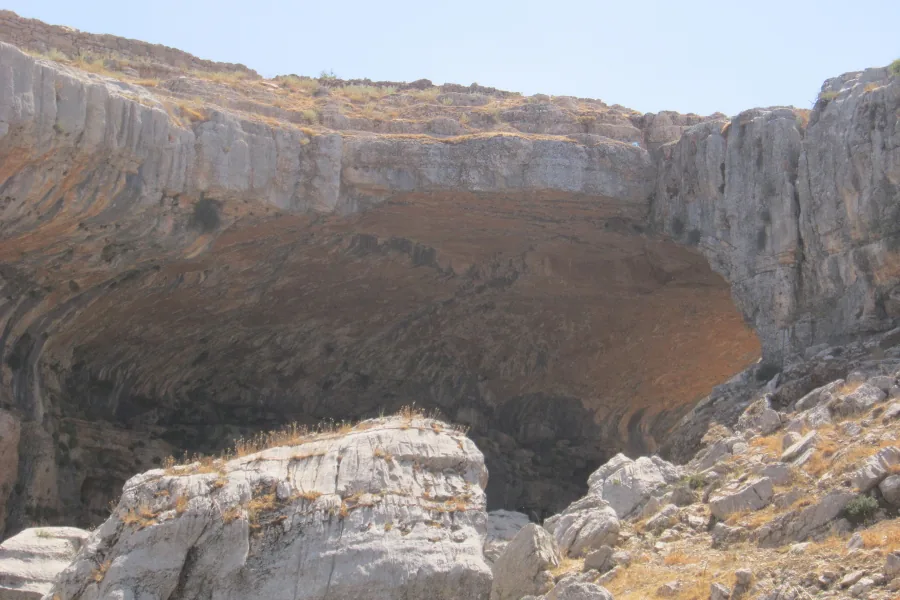
The ruins of Faqra (Qalaat Faqra) are located in the Mount Lebanon range at an altitude of about 1,500 meters above sea level, making it one of the highest Roman archaeological sites in the world. The extensive complex is a sanctuary area positioned among dolomite rock formations ('ghost houses'), built between the 1st and 3rd centuries AD. Taking advantage of the area's topography, terraces were created, upon which the most important structure is the Great Temple decorated with monumental Corinthian columns. This was likely dedicated to the local god, Adonis (or Jupiter Heliopolitanus). The site also includes a uniquely designed pyramid-shaped tower, the 'Tower of Claudius', bearing a Greek inscription mentioning Emperor Claudius. Ruins of smaller altars and a sanctuary dedicated to the goddess Atargatis can also be seen here. In the Byzantine period, a small basilica was built over the remains of the Great Temple.

Best time to visit & climate

The most pleasant time to visit is Jun, Jul, Sep.

JanFebMarAprMayJunJulAugSepOctNovDec
Avg °C3471116202324211695
Rain mm7857321892014153660

📋 Practical info

🚪
Visiting
Visitors can freely explore the extensive open-air ruins, which include a monumental tower, ancient altars, and a sprawling temple dedicated to Adonis. The site is spread across a rugged landscape, allowing for an immersive historical walk.
🕒
Typical hours
The archaeological site is typically open daily during daylight hours throughout the week. Access might be restricted during heavy winter snowfalls given the high altitude, so visiting between late spring and early autumn is generally safest.
📷
Photography
The high-altitude setting provides a dramatic and wide-open backdrop for photography, especially with the imposing limestone columns set against a clear blue sky. The late afternoon sun casts spectacular, long shadows across the ruins.
⏱️
Time needed
Plan to spend around 45 to 90 minutes wandering through the various architectural structures, including the large tower and the main temple precinct. The uneven terrain means you should allow unhurried time for walking safely.
Combine with
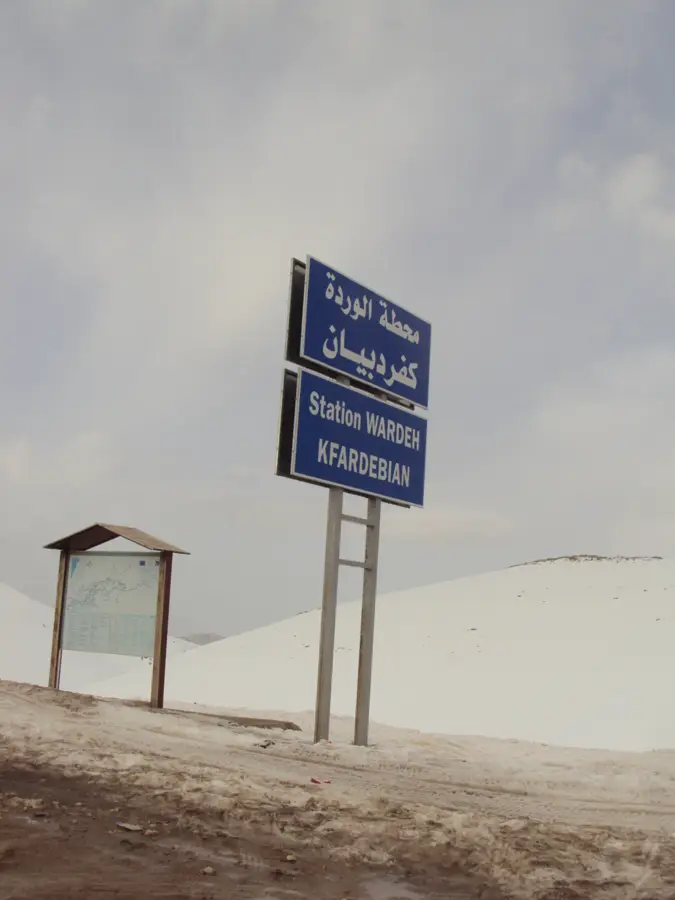
The ruins are perfectly paired with a visit to the extraordinary natural limestone formations known as the Jeita Grotto, or the nearby ski resorts of Mzaar Kfardebian if you happen to be travelling during the snowy winter season.
🧭
Getting there
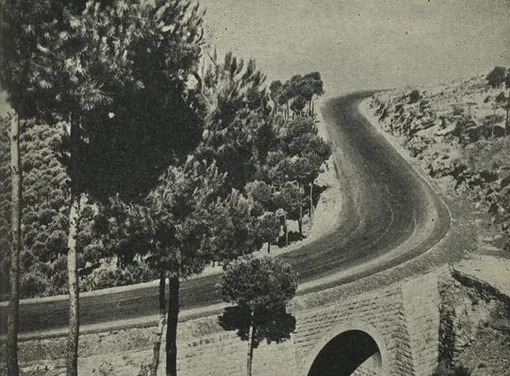
Located high up in Kfardebian, the site is accessible via a scenic, winding mountain road ascending from Beirut. Driving a private or rented vehicle, or hiring a reliable taxi for a half-day trip, are the most practical ways to reach this elevation.
💡
Insider tip
Even in the very middle of summer, the mountain air can be noticeably cooler and breezier than down on the coast, so bringing a light jacket is wise. Sturdy walking shoes are absolutely essential for navigating the rocky, uneven ground.

Geography

Coordinates
33.99610, 35.80580

Facts

  • The pyramid tower has an internal staircase leading to the flat roof.
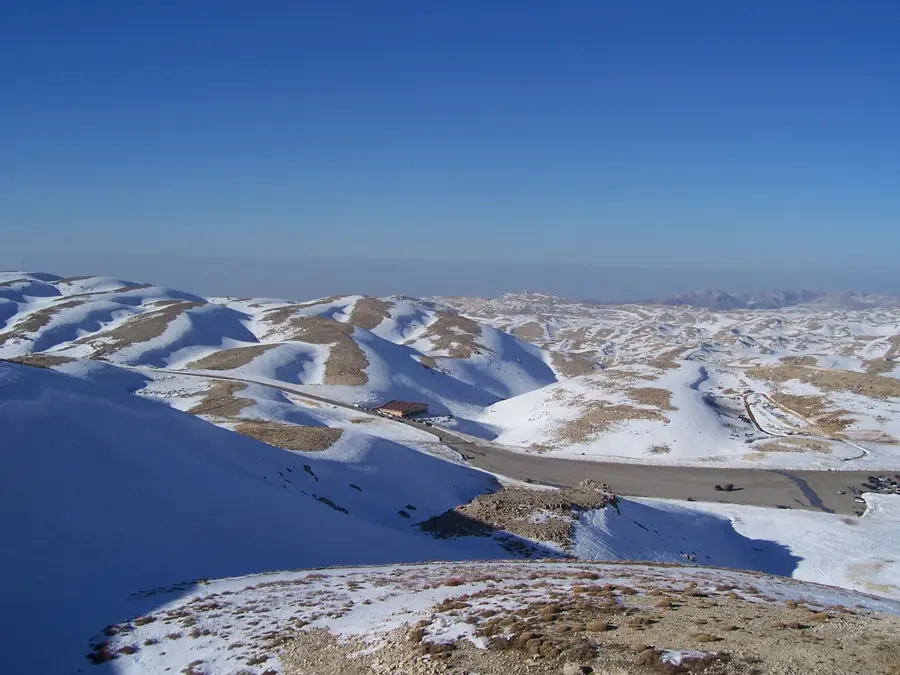
  • The area is often covered in a thick layer of snow in winter.
  • The Atargatis Temple was built around a natural cave and rock crevice.
  • According to local legend, the dolomite rocks are petrified people.
  • Some of the temple's columns were restored in the 20th century.

Explore nearby

Notable places around
Route planner — Car & Motorhome

Where do you start? We build the route here, with stops and country notes along the way.

Vehicle
Only stops with (optional):

© OpenStreetMap contributors · OpenRouteService

Sights in the town Faqra Ruins (5)

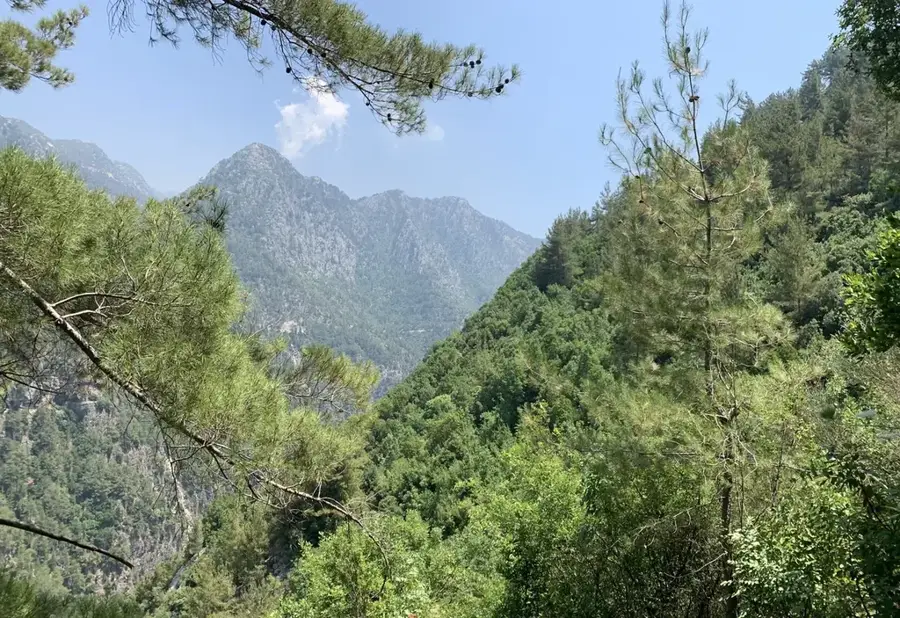
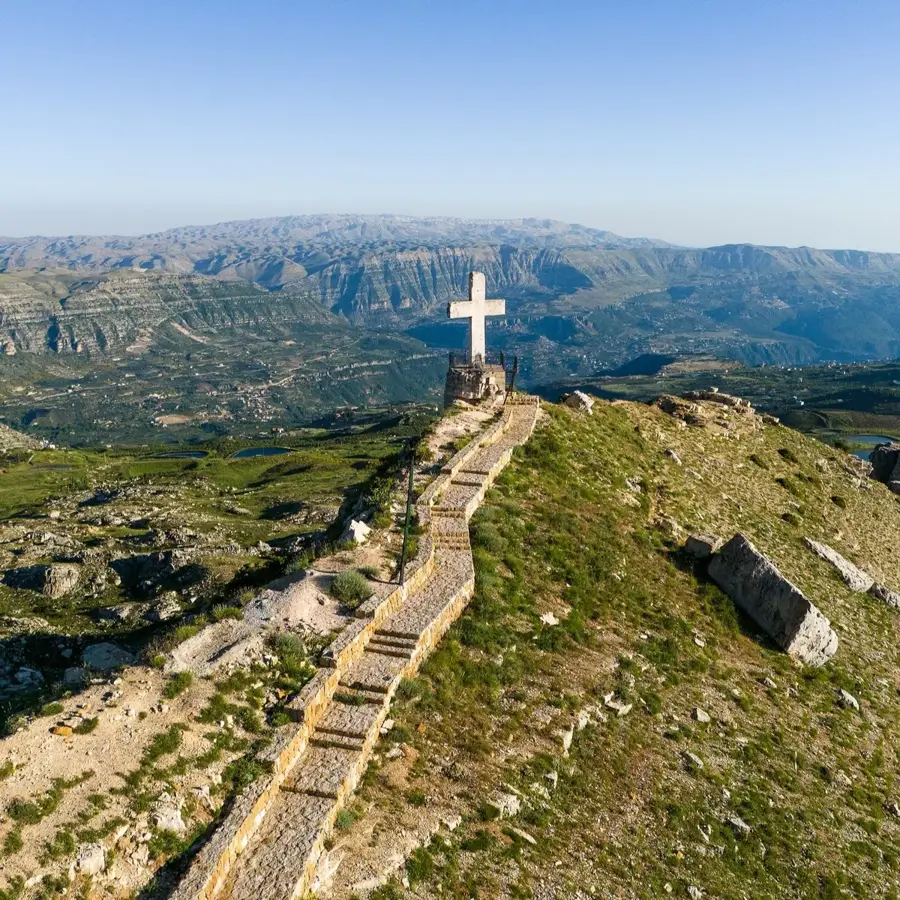
Overlooking Faqra temple and the valley🌿 nature

A viewpoint offering panoramic vistas of the Roman ruins of Faqra and the surrounding canyons.

Archeological site of Faqra🏺 historical

Roman temples and a monumental altar tower situated at 1500m elevation.

🕒 Mo-Su 09:00-18:00; Tu off

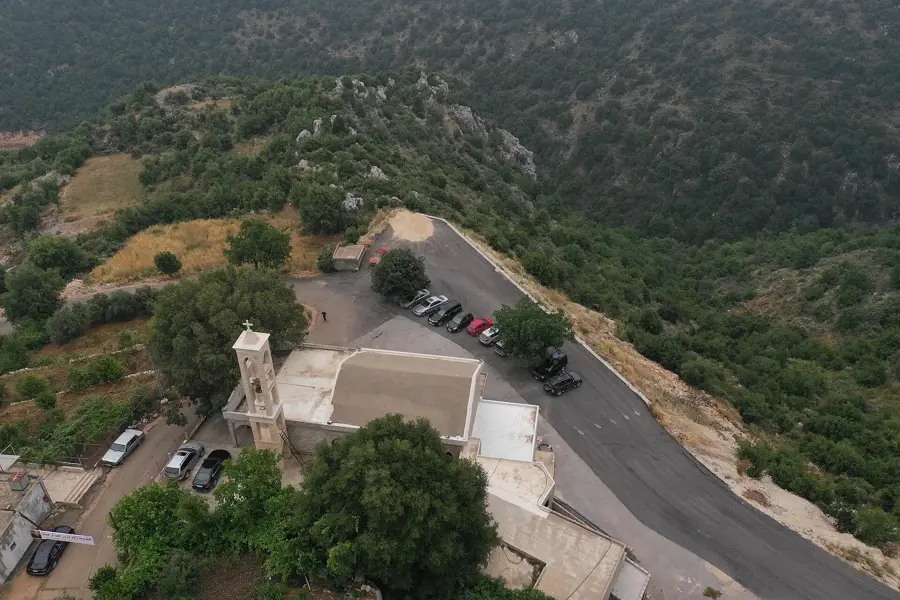
saydet al darjeh⛪ religious

A small Maronite shrine or grotto named "Our Lady of the Stairs" near the ruins.

saint Antoine church⛪ religious

A modern Maronite church serving the mountain village near the Faqra ruins.

Church of Mar Ephrem📍 landmark

A Christian place of worship in the mountain region dedicated to Saint Ephrem.

Sights nearby

Frequently asked questions

What is there to see in Faqra?
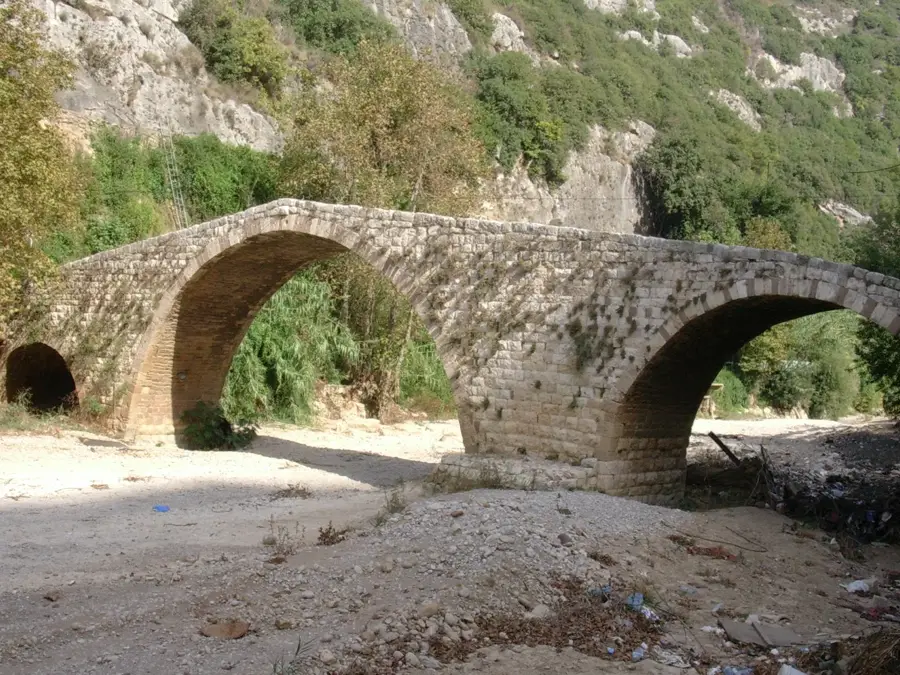
Impressive Roman temple ruins and a spectacular natural stone bridge.
At what altitude is Faqra located?
At about 1500 meters above sea level in Mount Lebanon.
Can you go hiking there?
Yes, the area is handy for hiking among bizarre rock formations.
Is there snow there?
In winter there is often deep snow as it is located near ski resorts.
Is there an admission fee?
Access to the natural bridge is free; the ruins cost a small fee.
Faqra Ruins: where is it located?
Faqra Ruins is located in Lebanon.
Faqra Ruins: what is there to see?
Highlights include Overlooking Faqra temple and the valley, Archeological site of Faqra, saydet al darjeh.
Faqra Ruins: when is the best time to visit?
The most pleasant time to visit is Jun, Jul, Sep.
Faqra Ruins: why is it worth visiting?

The ruins of Faqra (Qalaat Faqra) are located in the Mount Lebanon range at an altitude of about 1,500 meters above sea level, making it one of the highest Roman archaeological sites in the world.
View on map → The Top 50 Attractions → OpenStreetMap →
Asia
Explore with Plizio Discover more places in Asia
More places in Lebanon →

Nearby cities

History & landmarks
Nature
More places