Attractions in Ecuador
The finest attractions in Ecuador at a glance: castles, natural wonders, historic old towns and more. Each place links to a detailed page with map, tips and photos.
Culture & History
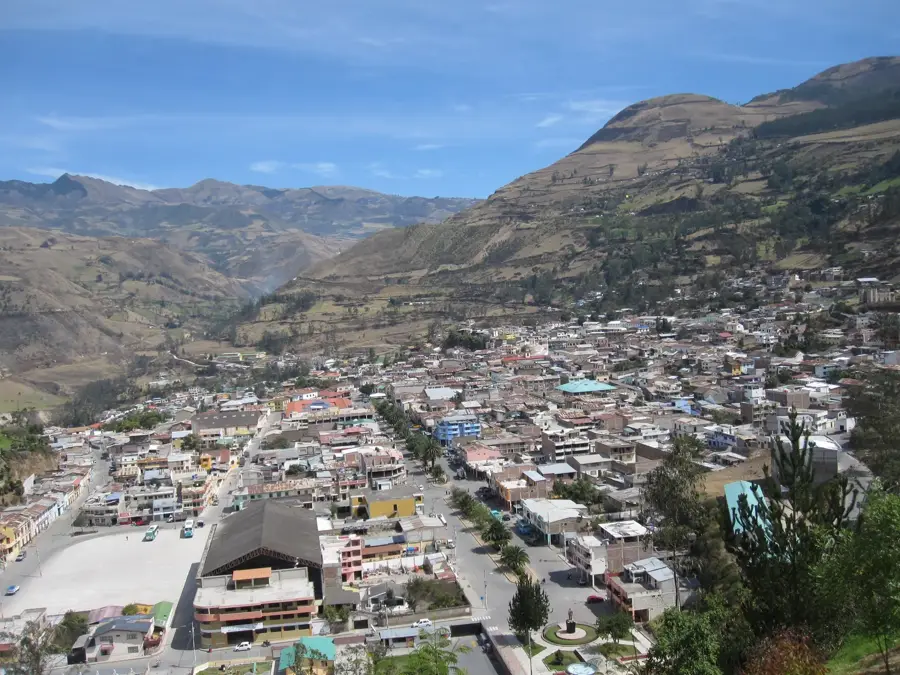
Alausí
Alausí is a charming heritage town in the Andes, globally famous as the starting point for the dramatic "Nariz del Diablo" train journey.
Learn more →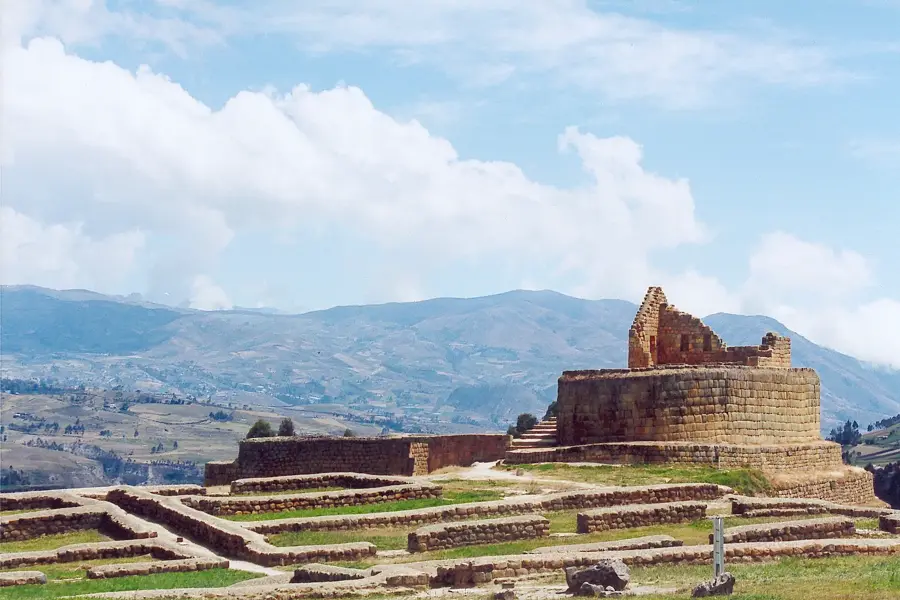
Cañar
Cañar is an Andean town renowned for its vibrant indigenous culture and its proximity to Ingapirca, Ecuador's most important Inca ruins.
Learn more →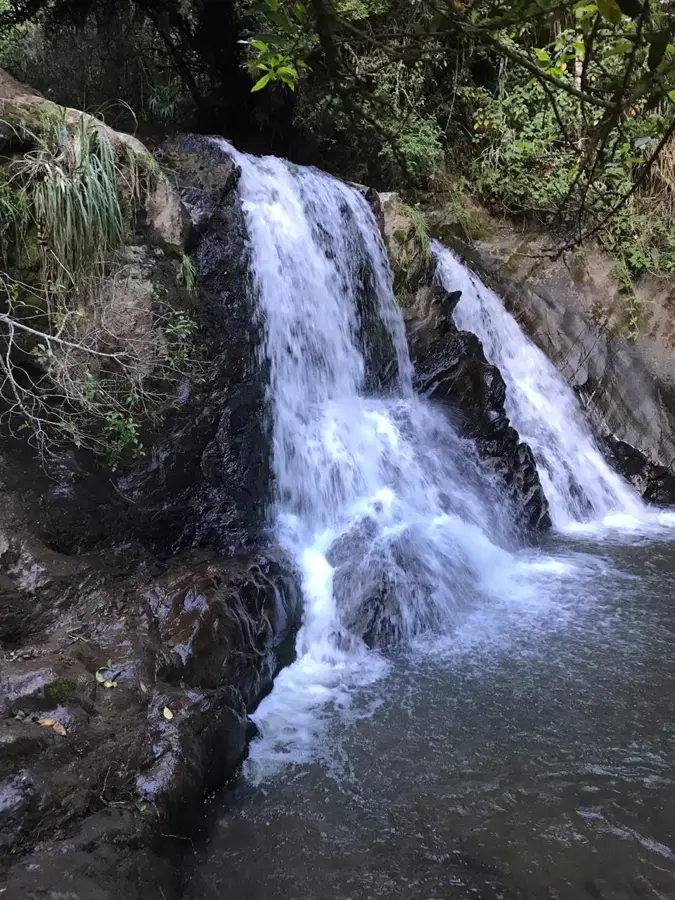
Chordeleg
Chordeleg is an artisan town near Cuenca, famous for its exquisite silver and gold filigree jewelry, ceramics, and shoemaking.
Learn more →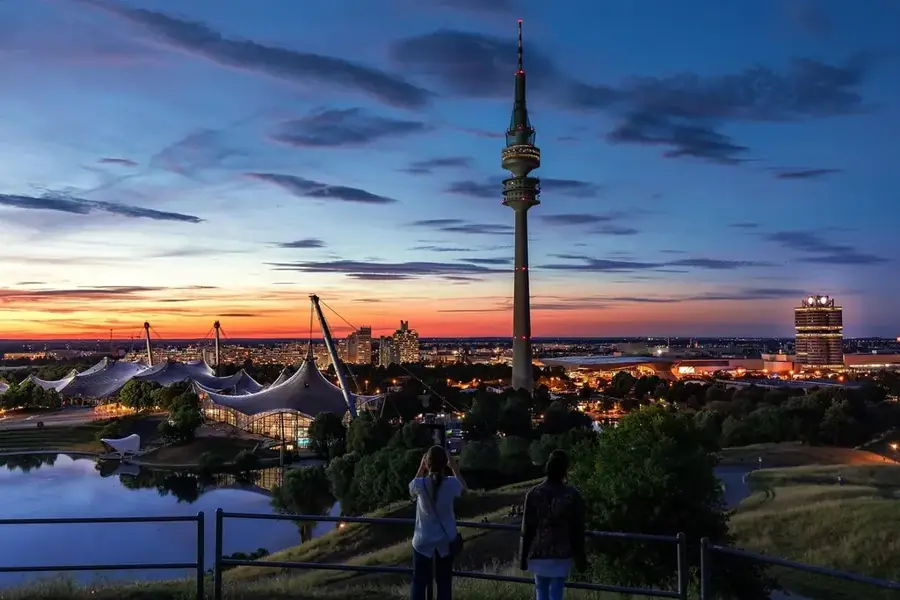
Atahualpa Olympic Stadium
The traditional sports stadium in the heart of Quito, which witnessed historical triumphs of the Ecuadorian national football team.
Learn more →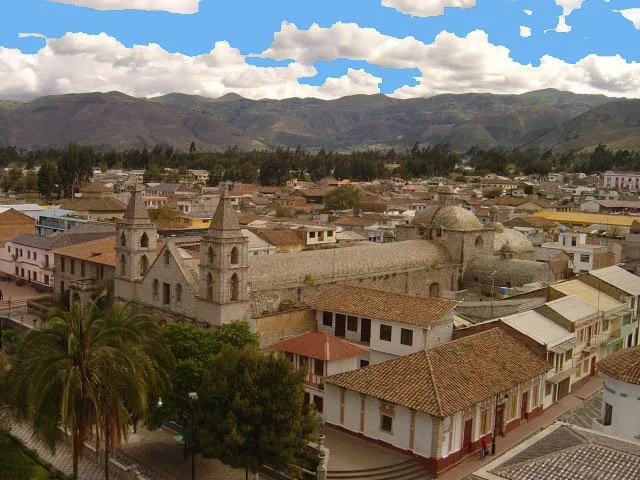
Pujilí
Pujilí is a picturesque town in the Cotopaxi province, renowned for its indigenous markets and vibrant Corpus Christi celebrations.
Learn more →
National Unity Bridge
A major bridge complex connecting Guayaquil with the neighboring cities of Durán and Samborondón across the Babahoyo and Daule rivers.
Learn more →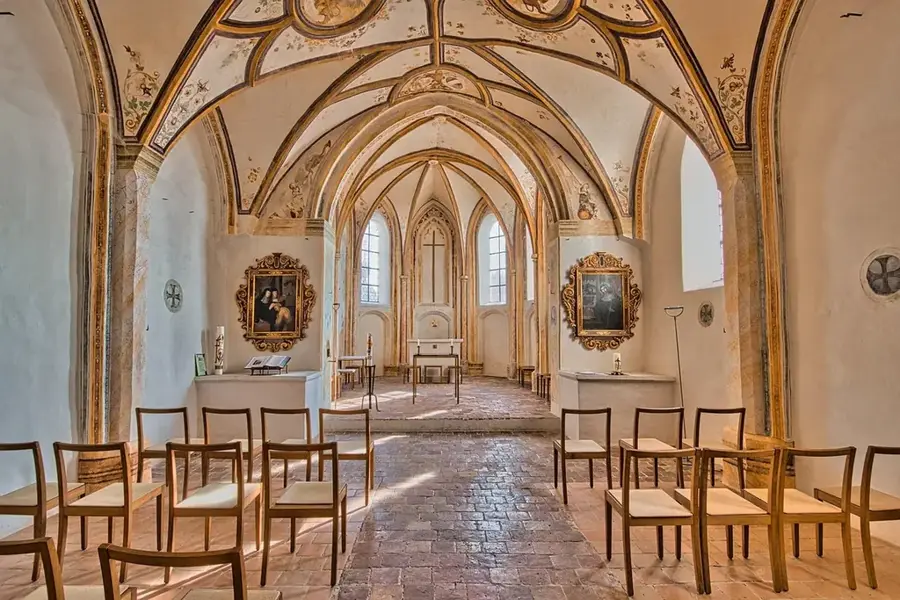
Cross of Ilaló
A monumental iron cross on the extinct Ilaló volcano, illuminated at night and visible from the Tumbaco and Los Chillos valleys.
Learn more →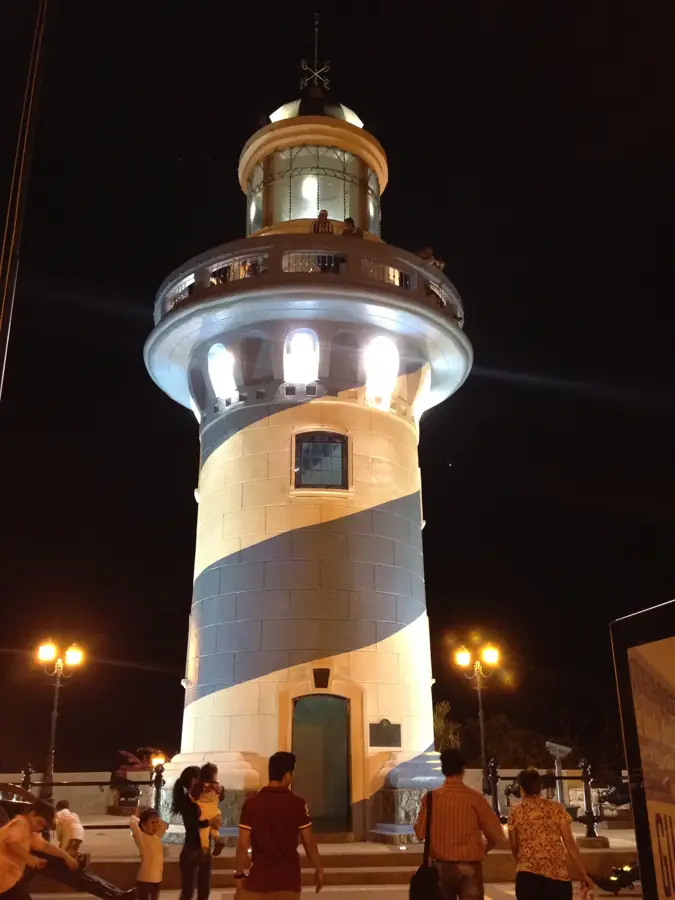
Guayaquil Historical Park
A theme park that combines historical architecture, the traditional way of life, and the native wildlife of the coastal region.
Learn more →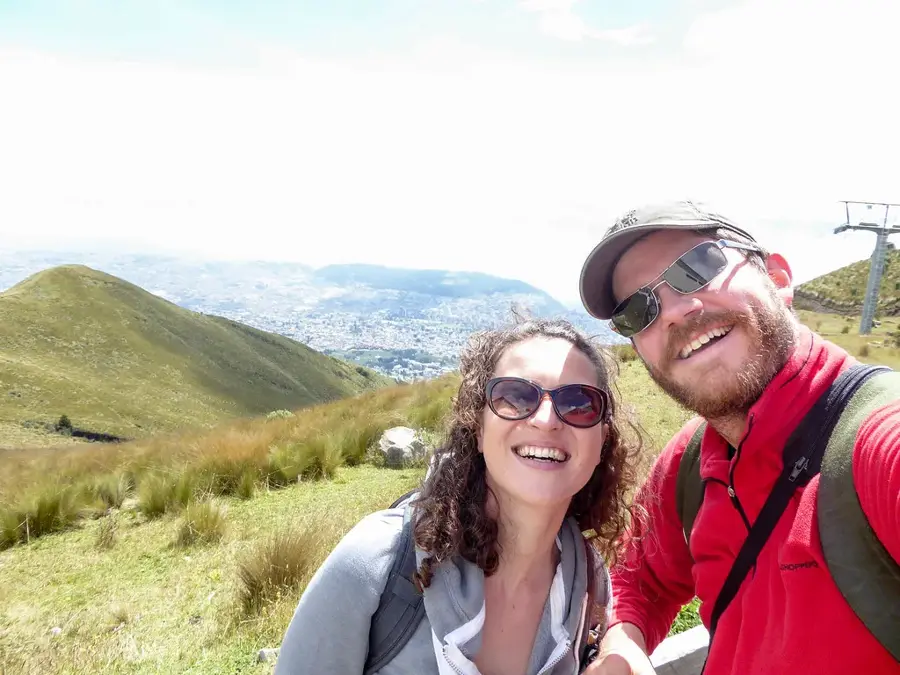
Quito Cable Car
One of the highest aerial lifts in the world, taking visitors from the city center up the slopes of the Pichincha Volcano.
Learn more →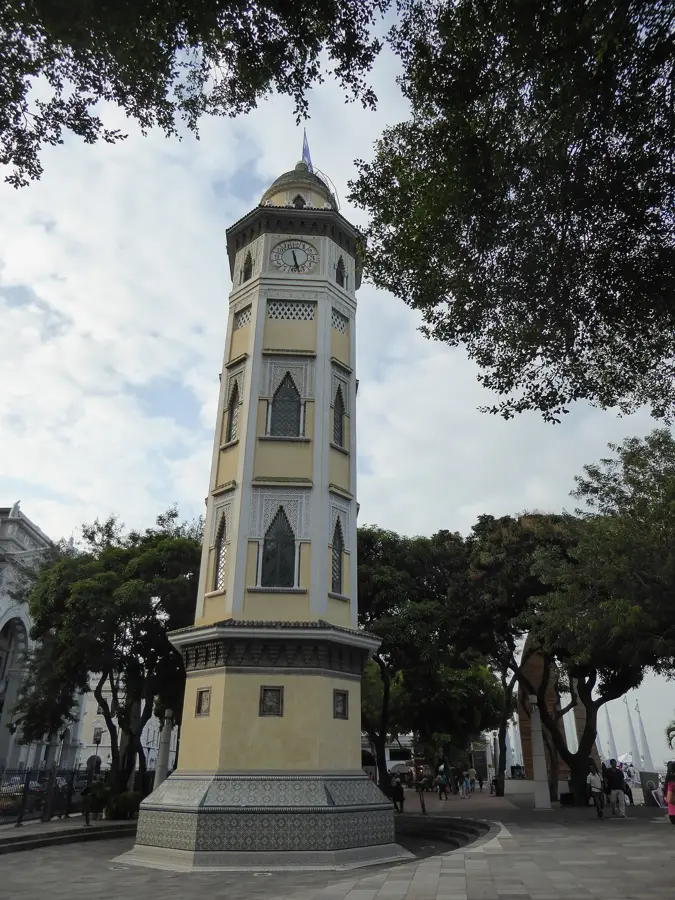
Crystal Palace
A striking iron and glass building in Guayaquil that once served as a market and now hosts art exhibitions.
Learn more →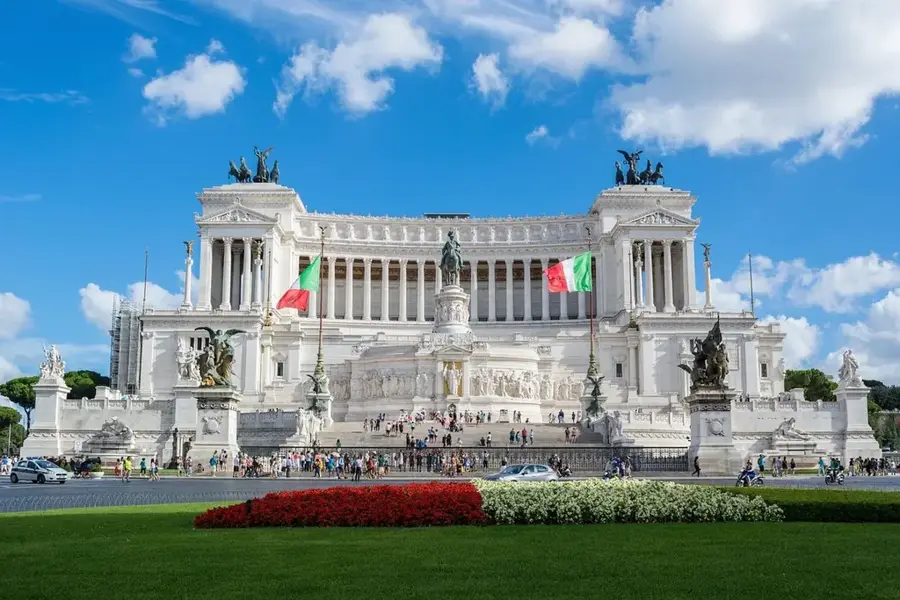
Temple of the Fatherland
A massive museum and monument on the slopes of Pichincha, where the decisive battle for Ecuador's independence took place.
Learn more →
La Mariscal Artisanal Market
A vibrant market in Quito where local artisans sell colorful textiles, jewelry, and traditional souvenirs.
Learn more →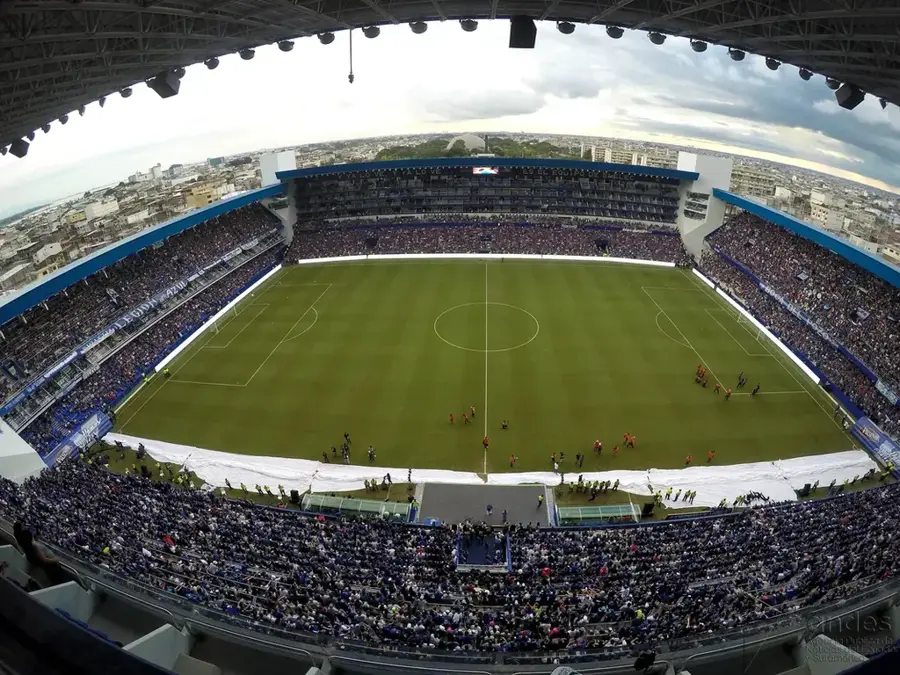
George Capwell Stadium
Home of the Emelec football club, known for its steep English-style stands and electrifying atmosphere.
Learn more →
The Treehouse
A famous wooden observation deck with a swing dangling over a deep canyon near the Tungurahua volcano.
Learn more →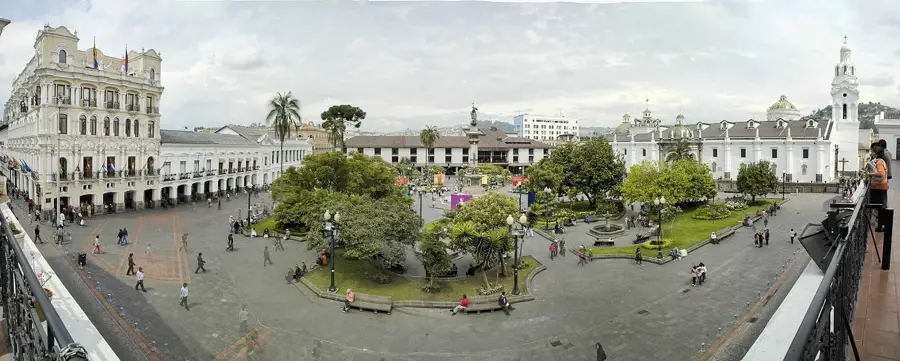
Independence Monument
A historic column monument in the heart of Plaza Grande in Quito, honoring the first cry of independence.
Learn more →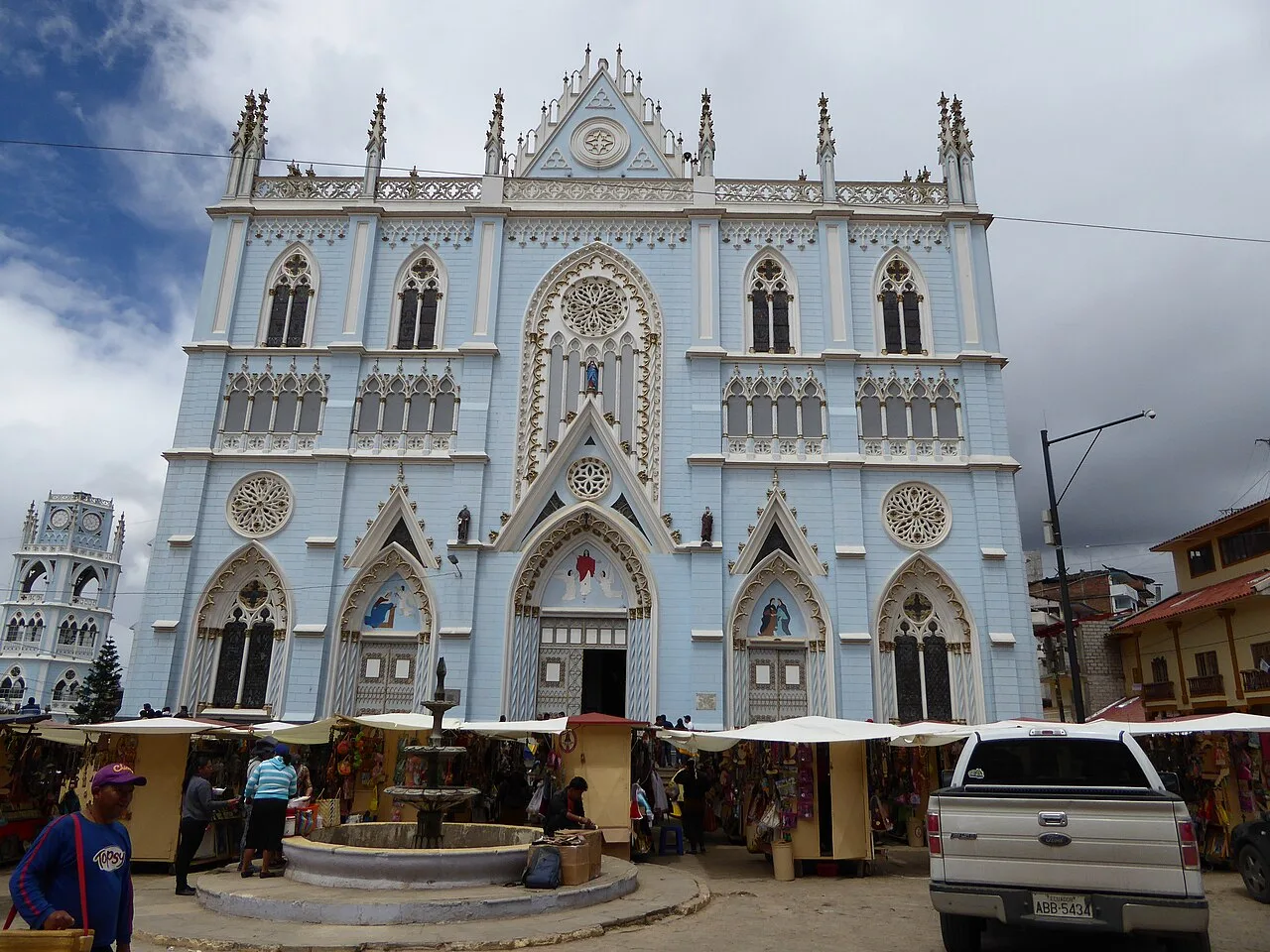
Sanctuary of the Virgin of El Cisne
A monumental Gothic church in the mountain town of El Cisne, the center of one of Ecuador's largest pilgrimages.
Learn more →
La Perla Ferris Wheel
A massive Ferris wheel on the Malecón 2000 offering spectacular views over the Guayas River and Guayaquil.
Learn more →
The Point Building
An iconic, spiral-shaped skyscraper on the banks of the Guayas River, representing the symbol of modern Guayaquil.
Learn more →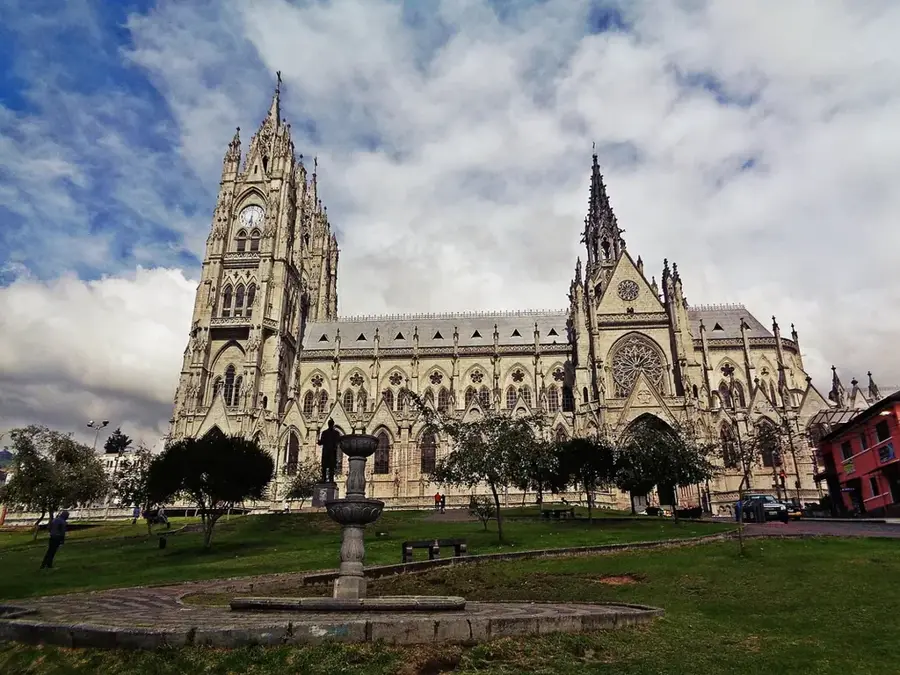
Metropolitan Cathedral of Quito
The main Catholic church of Quito, located on Plaza Grande, famous for its white facade and colonial art.
Learn more →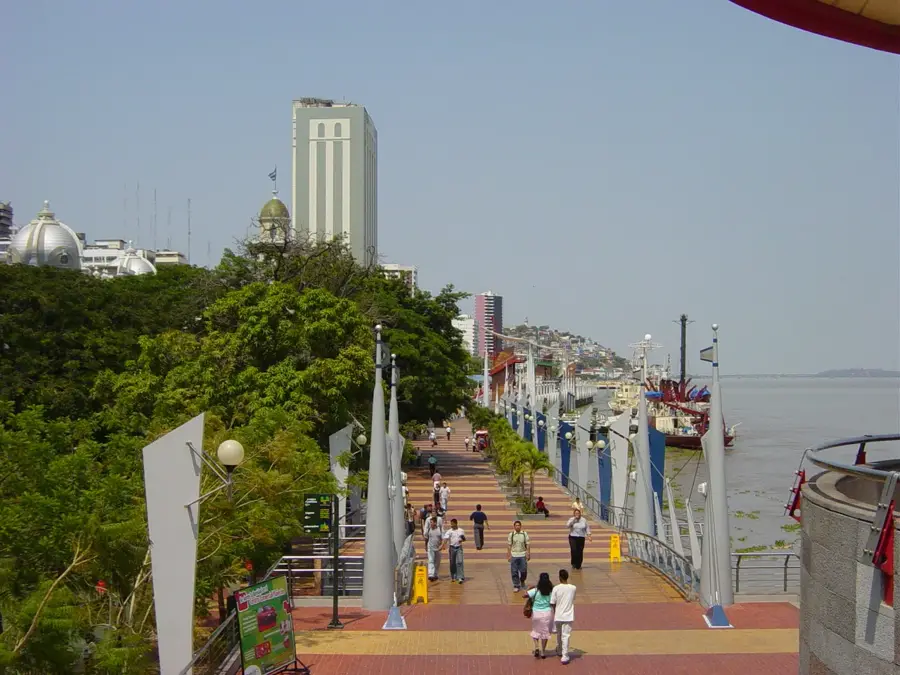
Malecón 2000
A famous boardwalk along the Guayas River, showcasing both the modern and historical faces of Guayaquil.
Learn more →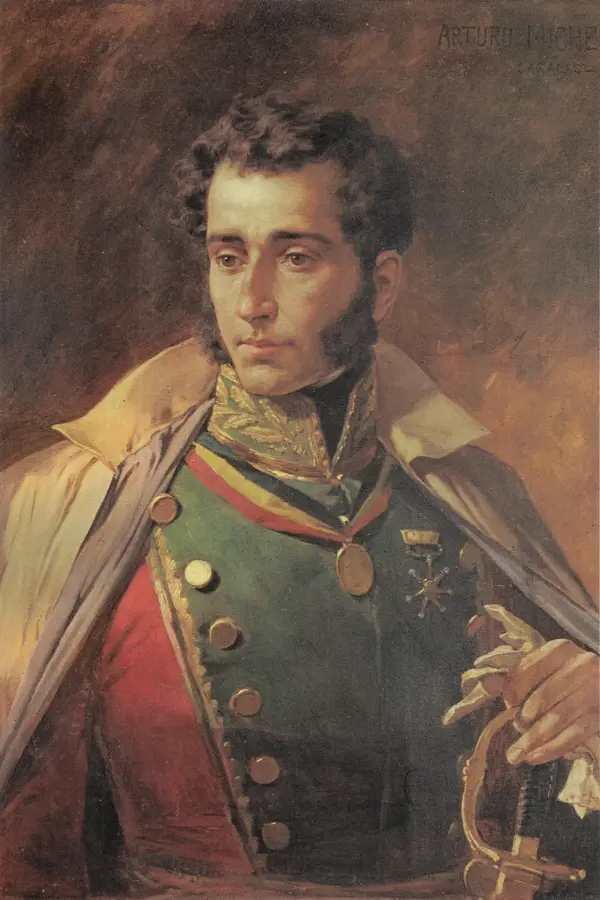
Sucre National Theater
The oldest and most prestigious opera house in Quito, housed in a magnificent neoclassical building.
Learn more →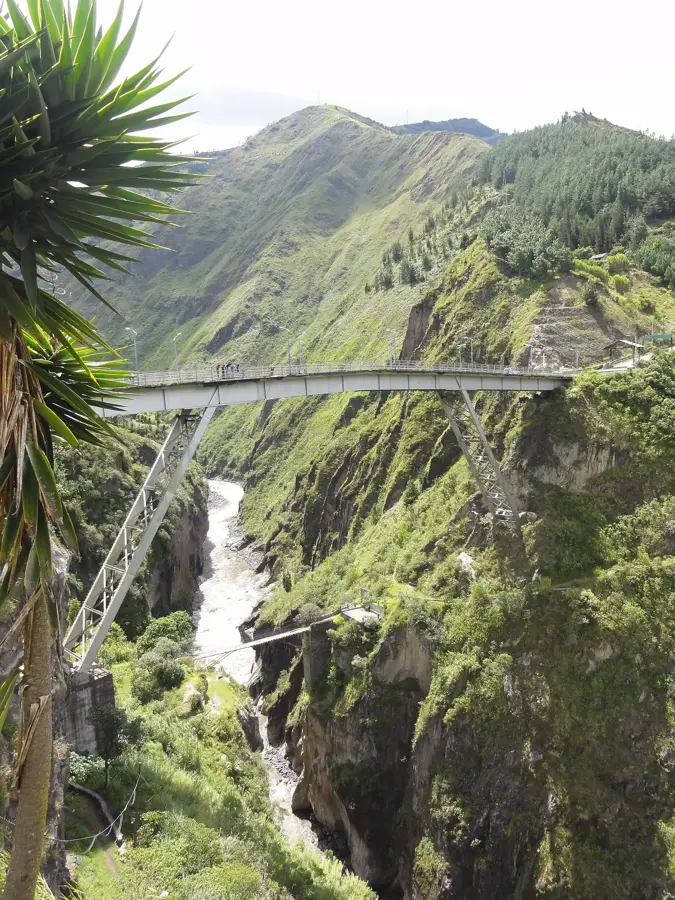
Sanctuary of the Virgin of Holy Water
A neo-Gothic Catholic basilica in the spa town of Baños, attracting pilgrims from all over South America.
Learn more →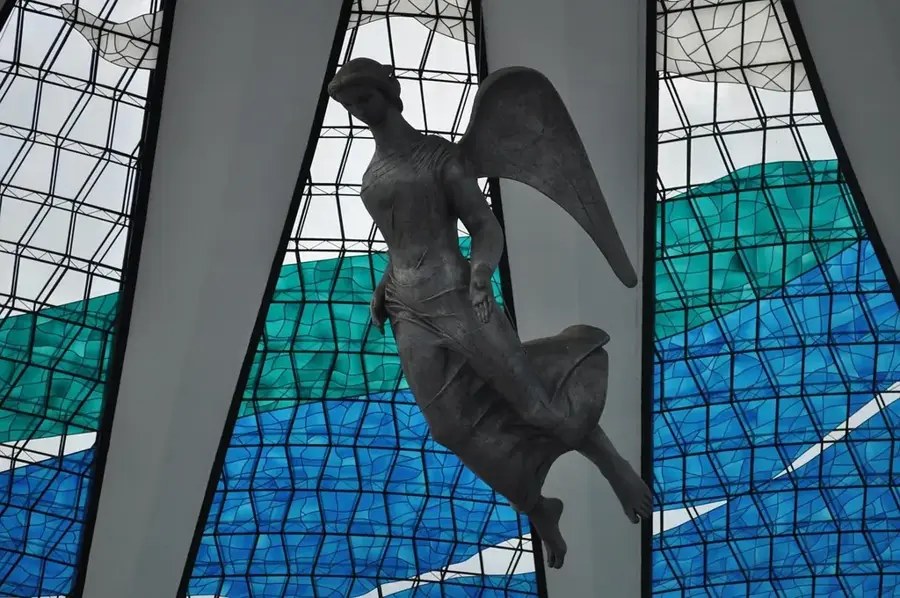
Metropolitan Cathedral of Guayaquil
A neo-Gothic cathedral facing Iguana Park, characterized by its impressive twin towers.
Learn more →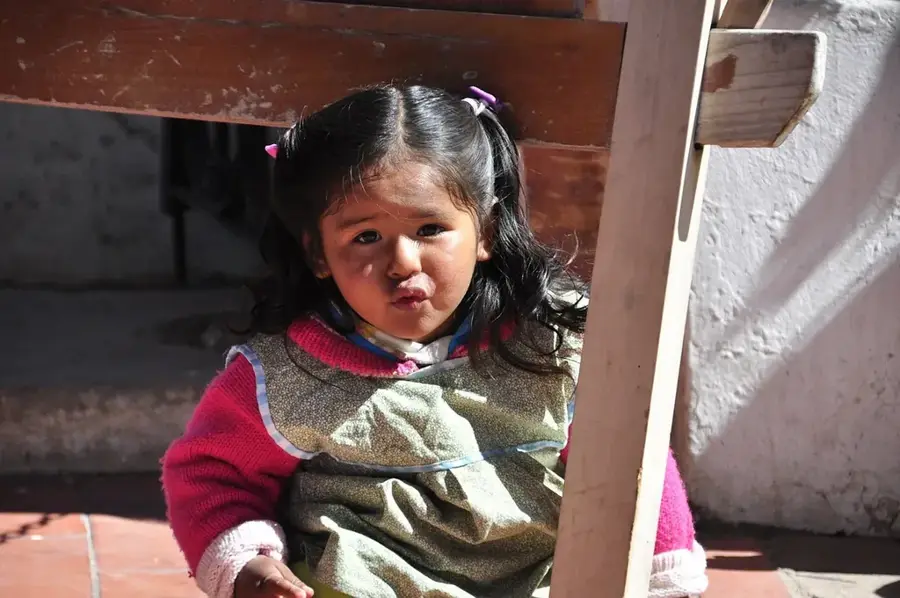
Mariscal Sucre Airport
The most modern international airport in Ecuador, located on the Tababela plateau outside Quito.
Learn more →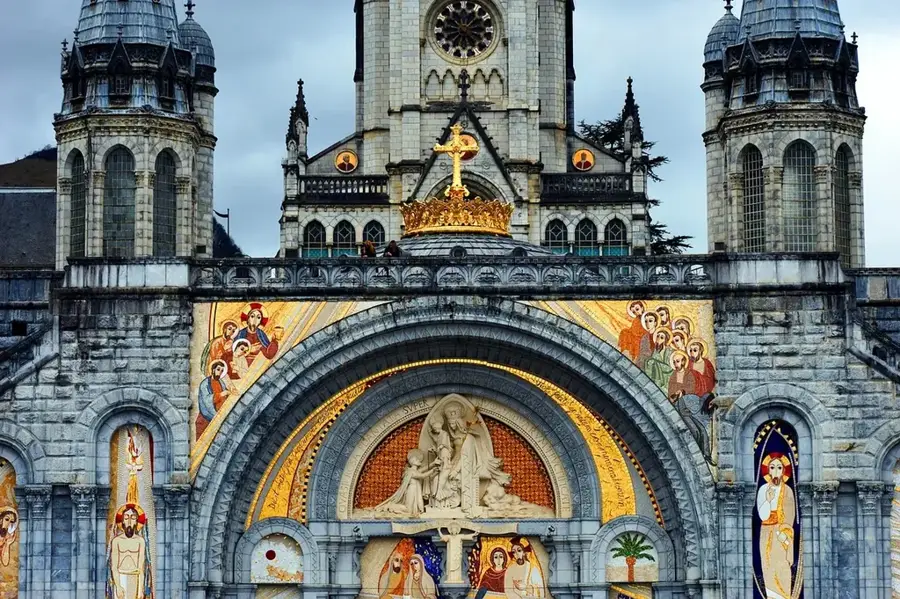
Sanctuary of Our Lady of the Dew
A spectacular church built directly into the steep cliffs above the small town of Biblián.
Learn more →
Cerro Santa Ana Lighthouse
A picturesque lighthouse at the top of Cerro Santa Ana, reached after climbing 444 steps.
Learn more →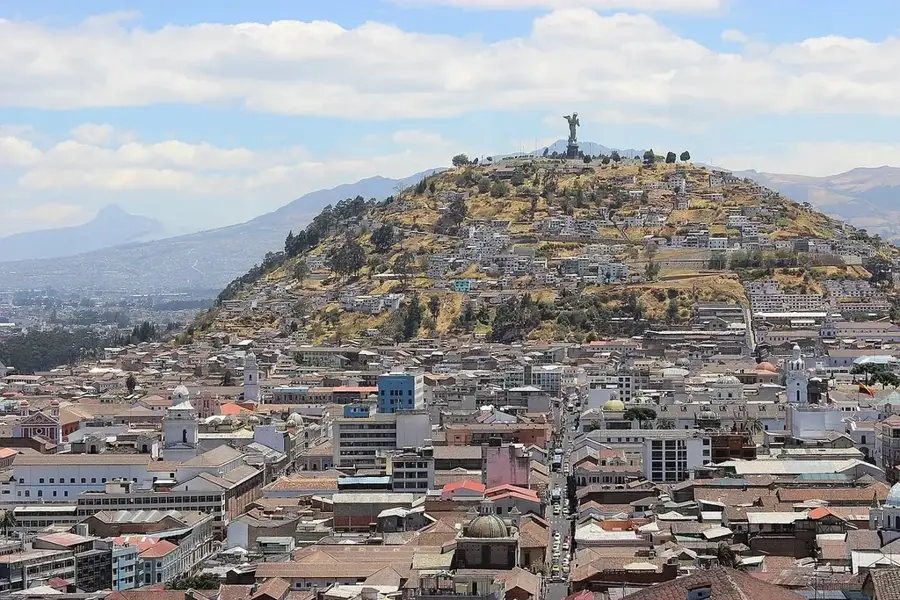
Virgin of El Panecillo
A giant aluminum statue on a hilltop that watches over the entire city of Quito.
Learn more →Nature
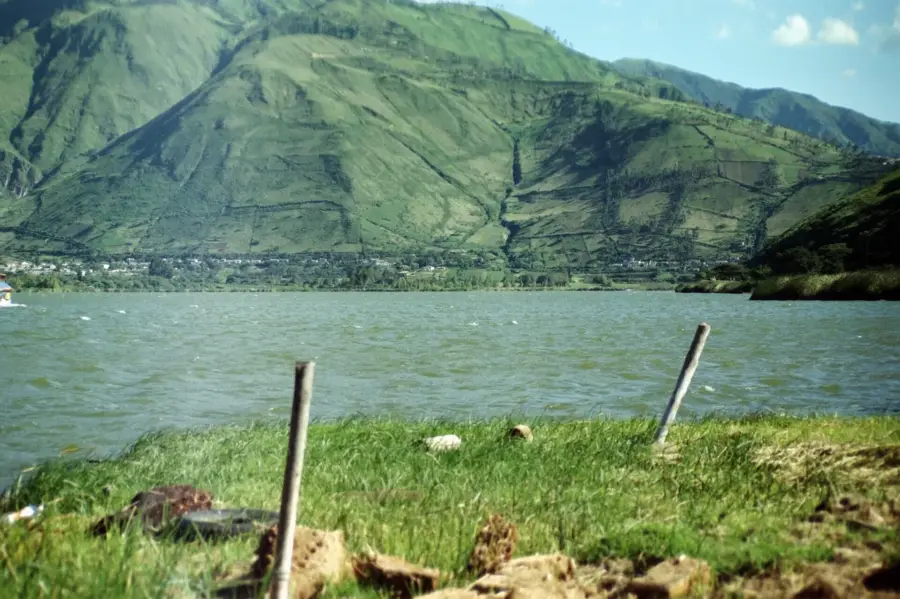
Yahuarcocha
Yahuarcocha is a historically significant lake surrounded by legends of a great battle, now featuring a famous auto racing track.
Learn more →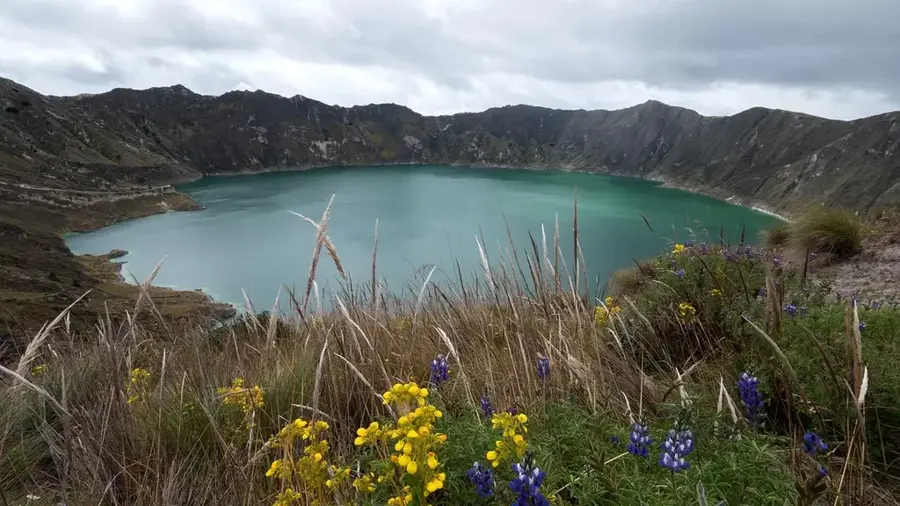
Quilotoa Crater Lake
Quilotoa is a water-filled caldera and the most western volcano in the Ecuadorian Andes, famous for its emerald green water.
Learn more →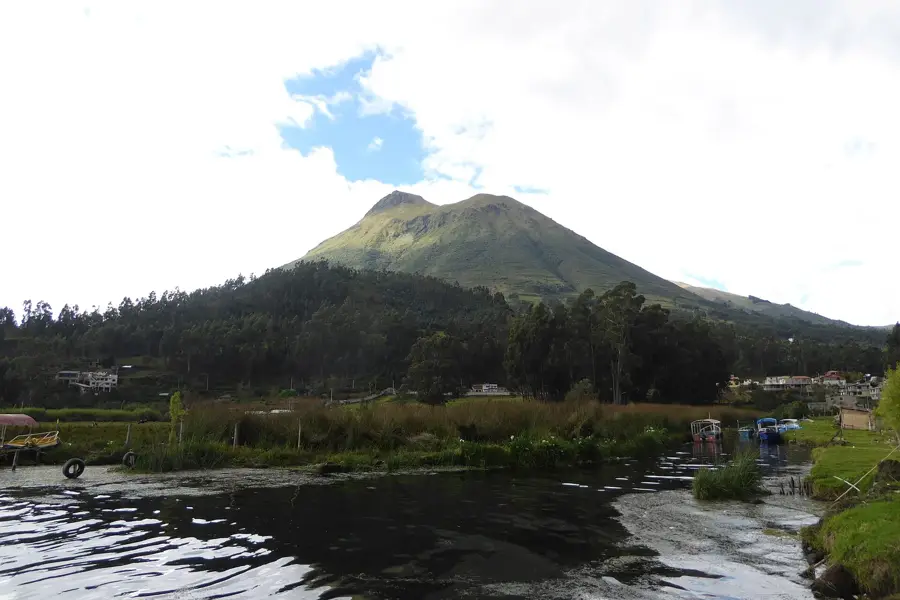
Lake San Pablo
Lake San Pablo is Ecuador's largest lake, situated at the foot of the majestic Imbabura Volcano near Otavalo.
Learn more →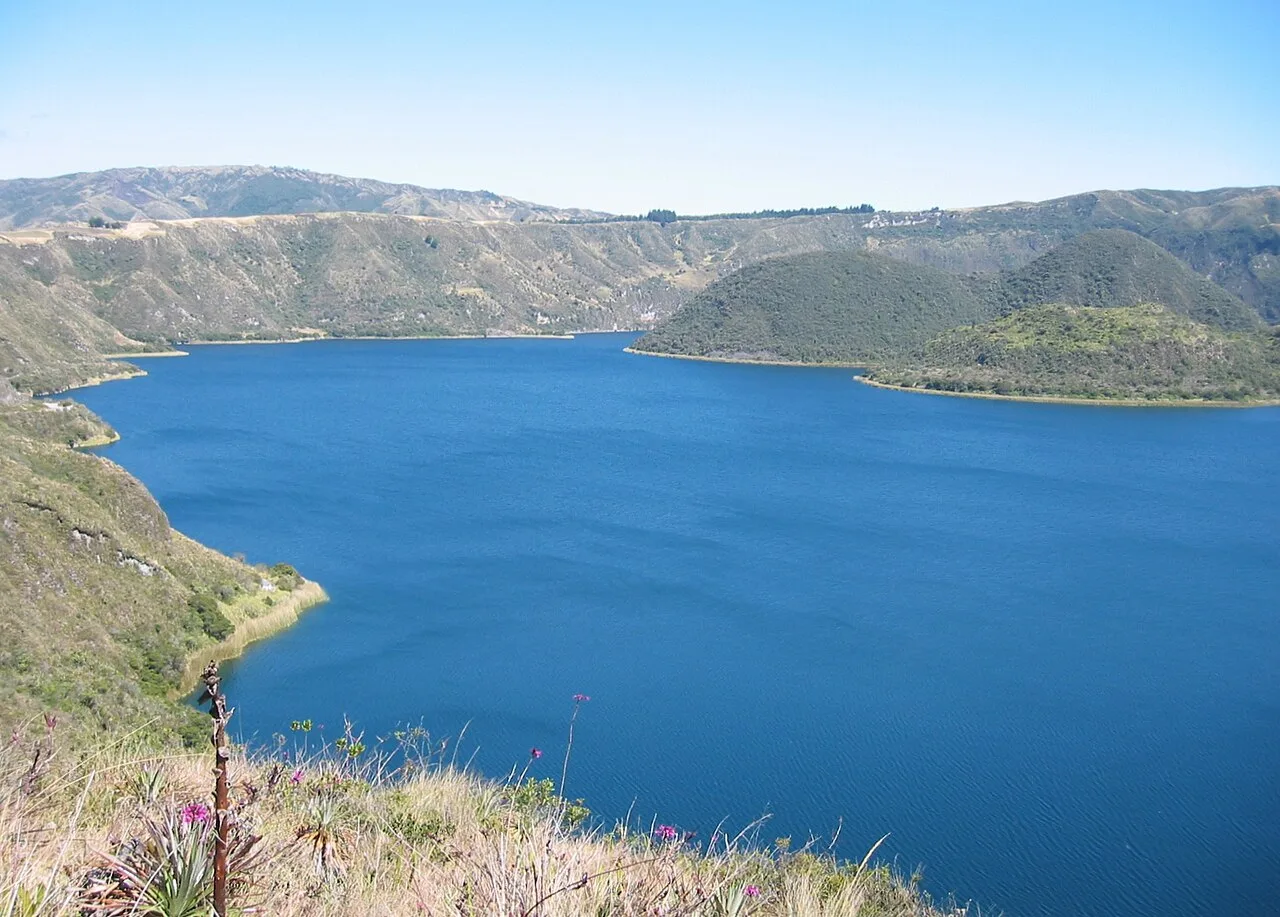
Cuicocha Lake
Cuicocha is a stunning crater lake at the foot of the Cotacachi Volcano, featuring two small islands in its center.
Learn more →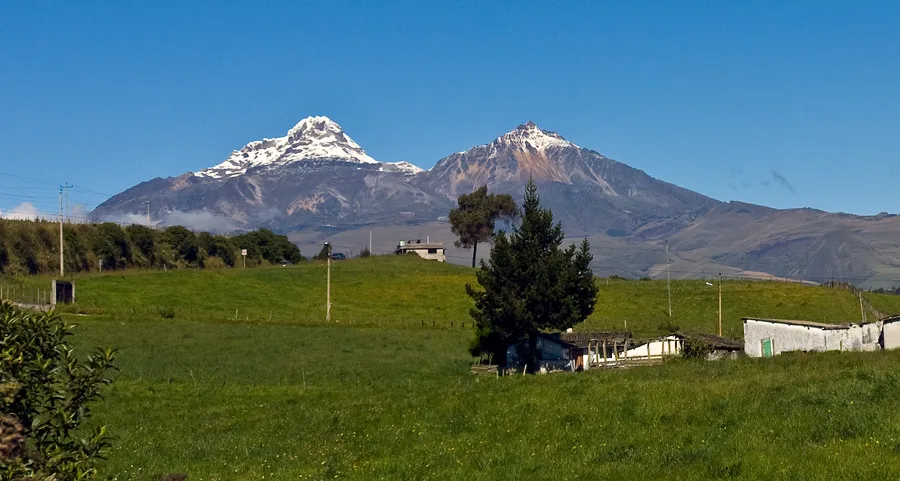
Illiniza
The Illinizas are twin volcanoes in the Andes; Illiniza Sur is glacier-covered and technical, while Illiniza Norte is a rocky peak.
Learn more →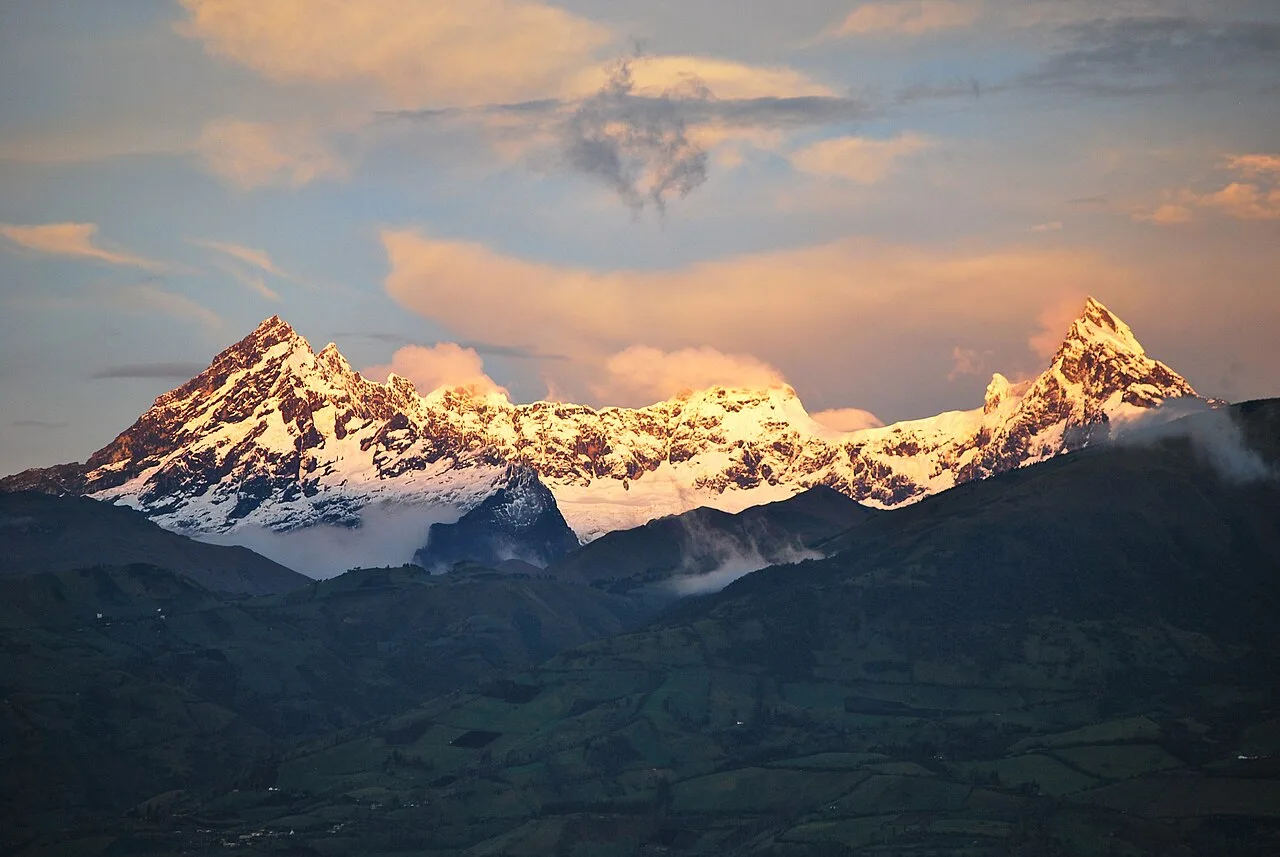
El Altar
El Altar is an extinct volcano whose collapsed caldera forms nine sharp peaks that enclose a stunning lagoon.
Learn more →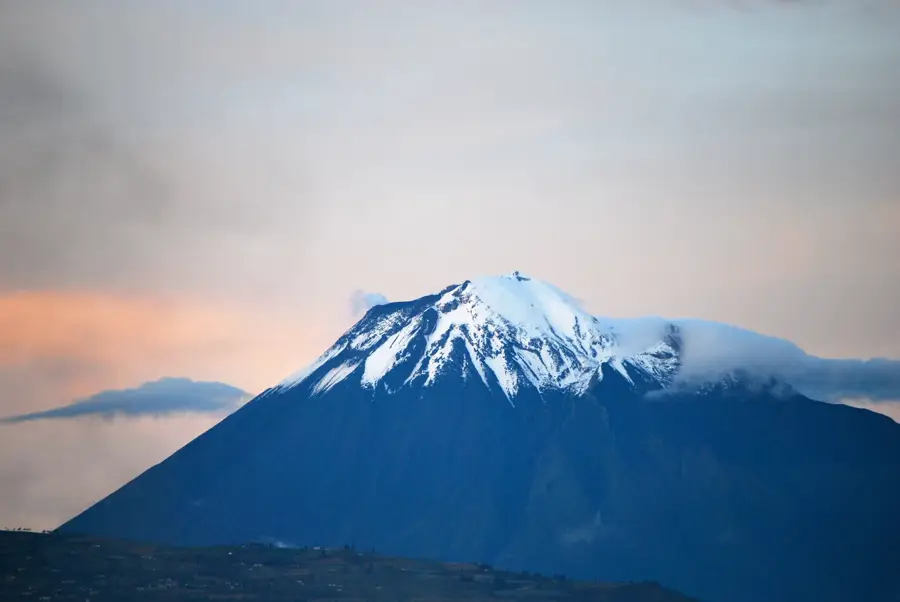
Tungurahua
Tungurahua is a highly active volcano above the town of Baños, known for its frequent ash eruptions and lava flows.
Learn more →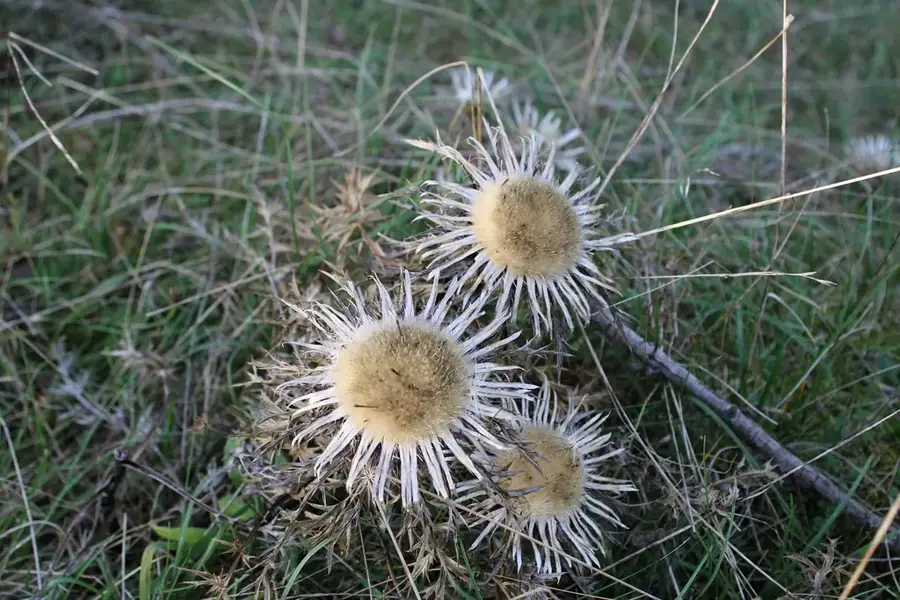
Cerro Plateado
A remote biological reserve in the southern Andes known for its pristine ecosystems and high level of endemism.
Learn more →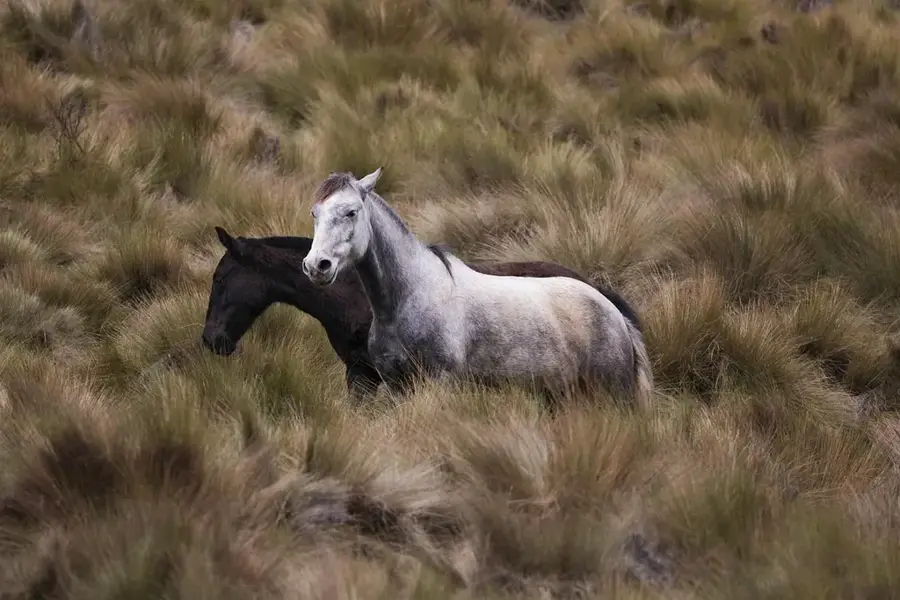
Antisana
Antisana is a massive stratovolcano known for its large glacier fields and the rich birdlife on its slopes.
Learn more →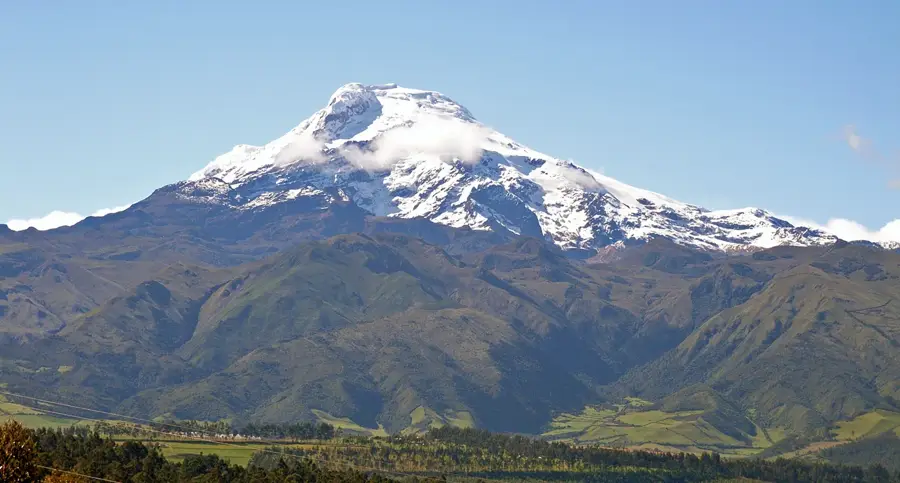
Pichincha
Pichincha is an active stratovolcano that rises directly above the capital city of Quito, consisting of several peaks.
Learn more →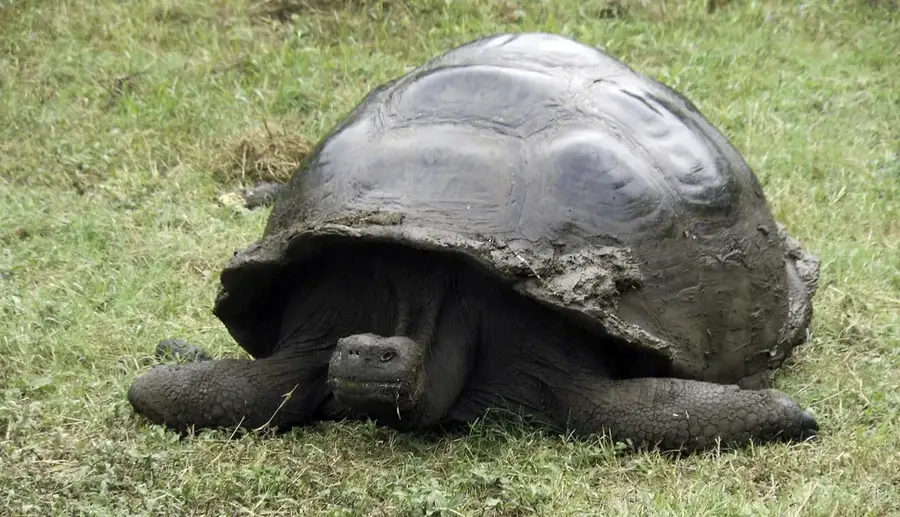
San Cristóbal Island
San Cristóbal is the easternmost of the Galapagos Islands, home to the provincial capital Puerto Baquerizo Moreno and rich sea lion colonies.
Learn more →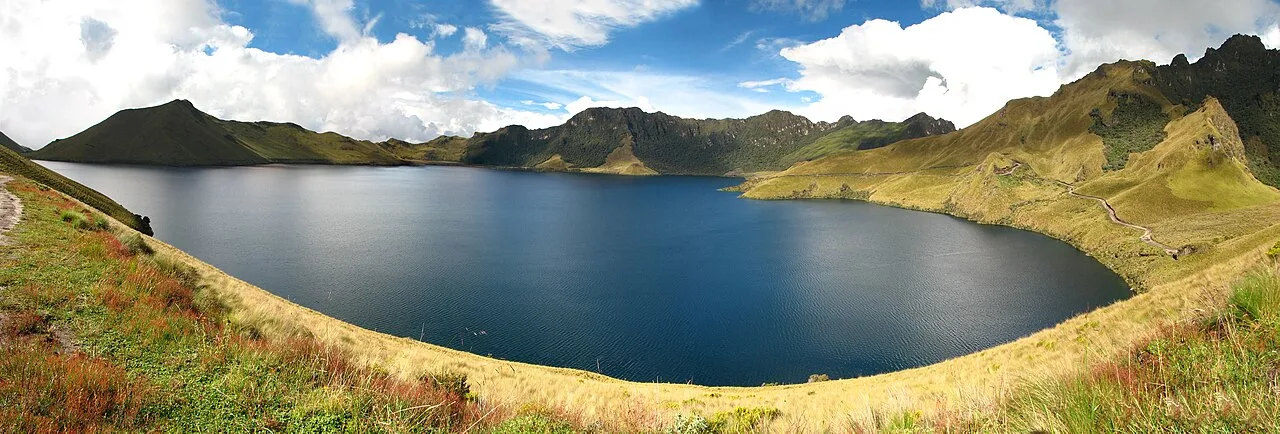
Mojanda Complex
An inactive stratovolcano system in the northern Andes featuring three beautiful high-altitude crater lakes.
Learn more →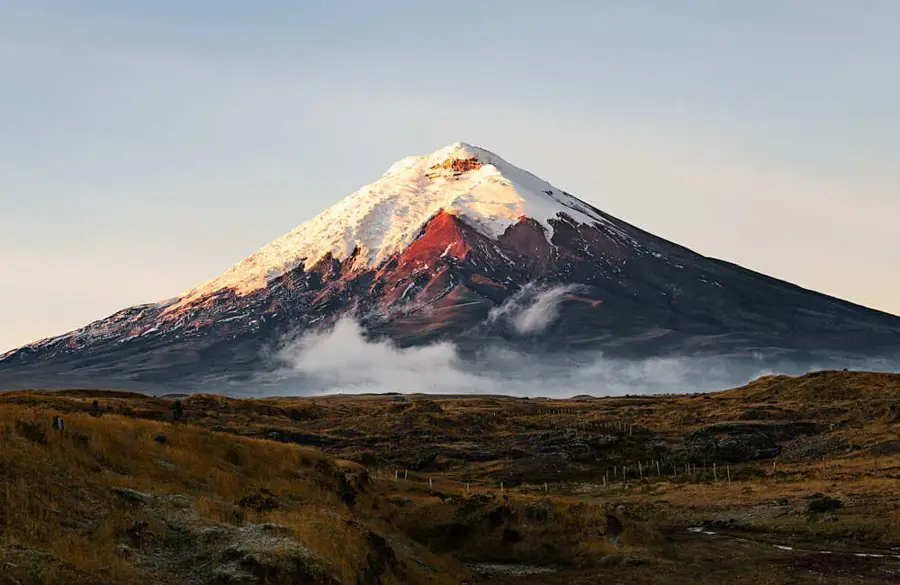
Cotopaxi
Cotopaxi is one of the world's highest active volcanoes and an iconic symbol of Ecuador with its perfect cone shape.
Learn more →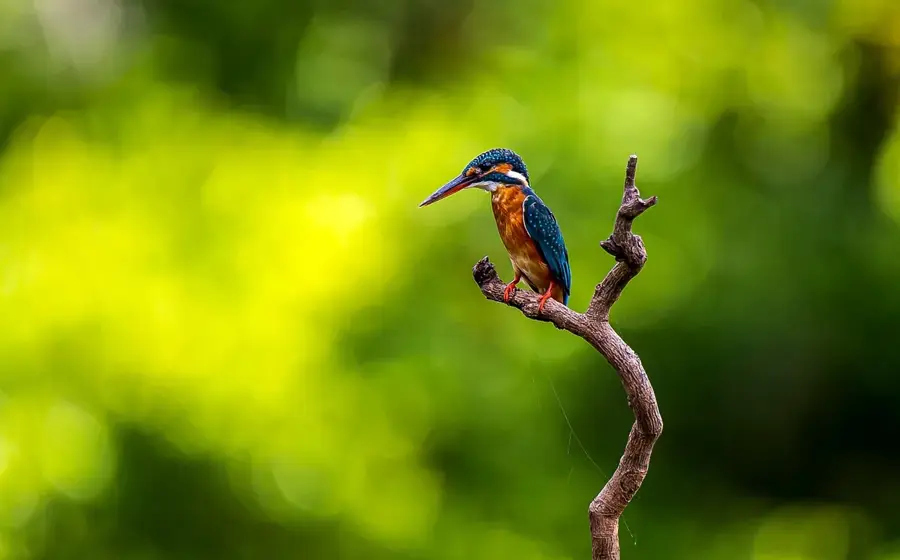
Alcedo Volcano
A remote shield volcano in the center of Isabela Island known for its large population of giant tortoises.
Learn more →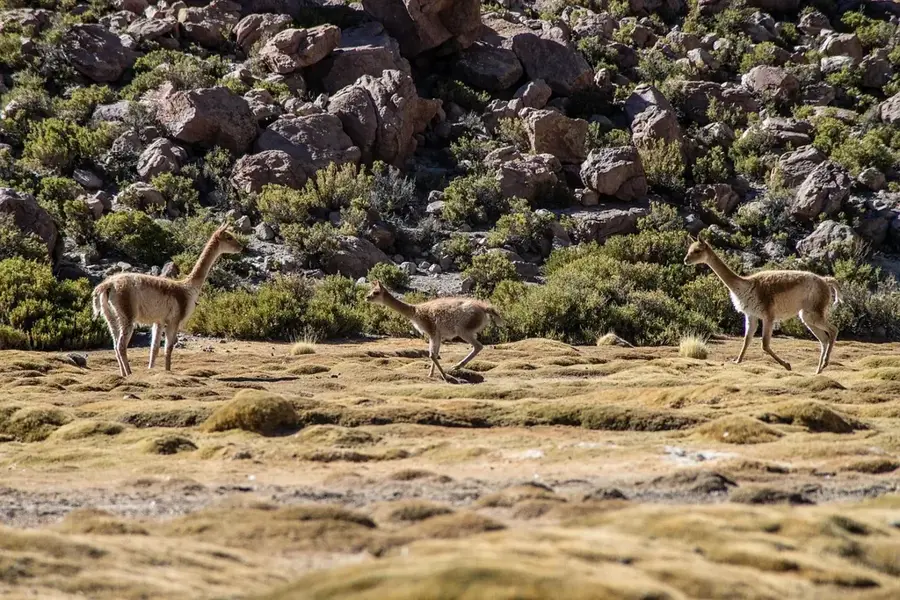
Chiles Volcano
An impressive border volcano shared between Ecuador and Colombia, known for hot springs at its base.
Learn more →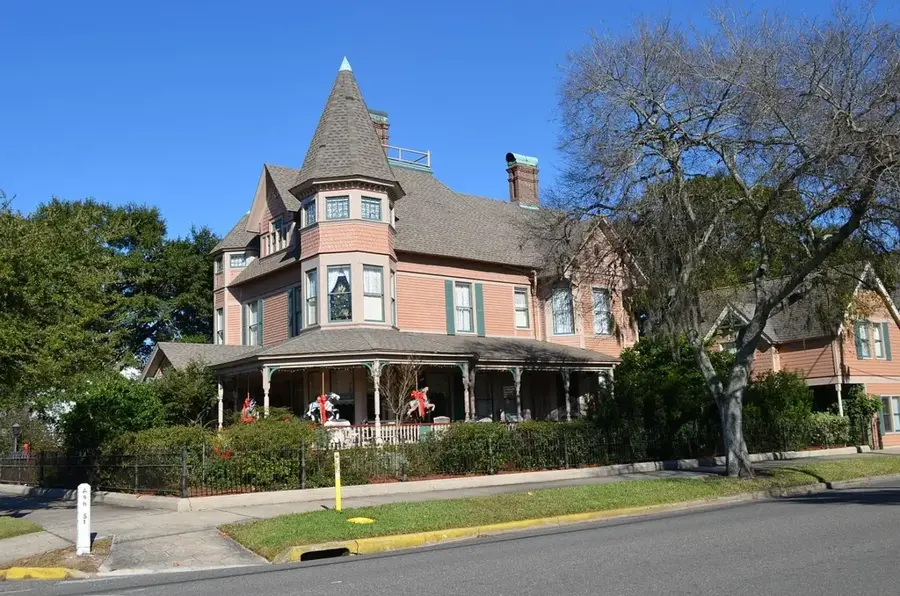
Fernandina Island
Fernandina is the youngest and most active volcanic island in the Galapagos group, featuring vast lava fields and completely pristine nature.
Learn more →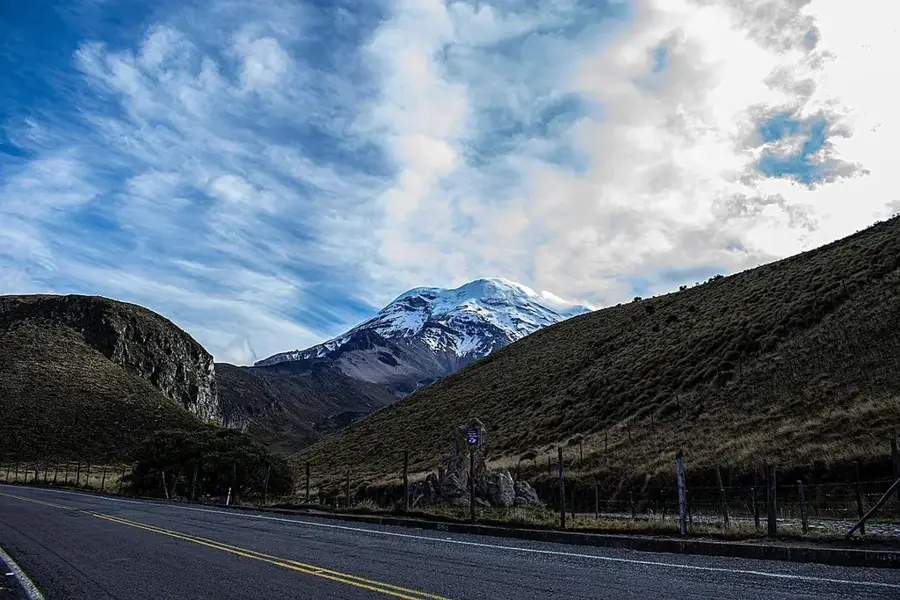
Chimborazo
Chimborazo is the highest mountain in Ecuador and the farthest point on Earth from the Earth's center.
Learn more →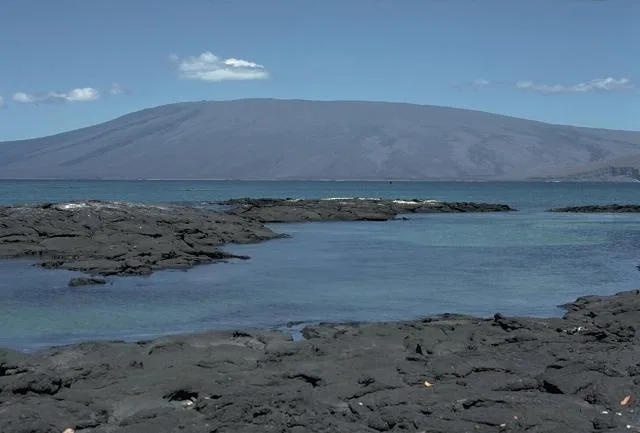
Darwin Volcano
An almost perfectly symmetrical shield volcano in the Galapagos named after the famous naturalist.
Learn more →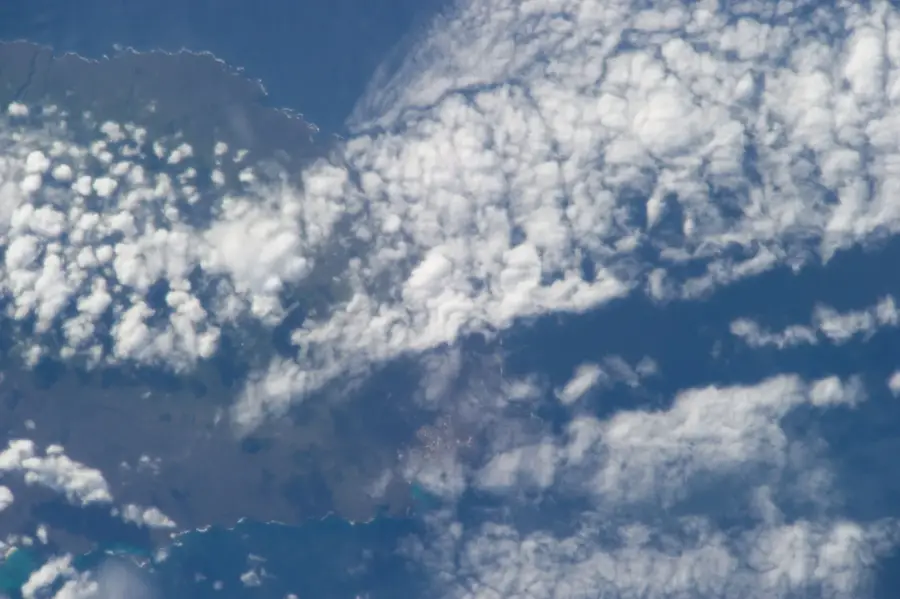
Isabela Island
Isabela is the largest of the Galapagos Islands, shaped by six volcanoes, and home to numerous giant tortoises and marine iguanas.
Learn more →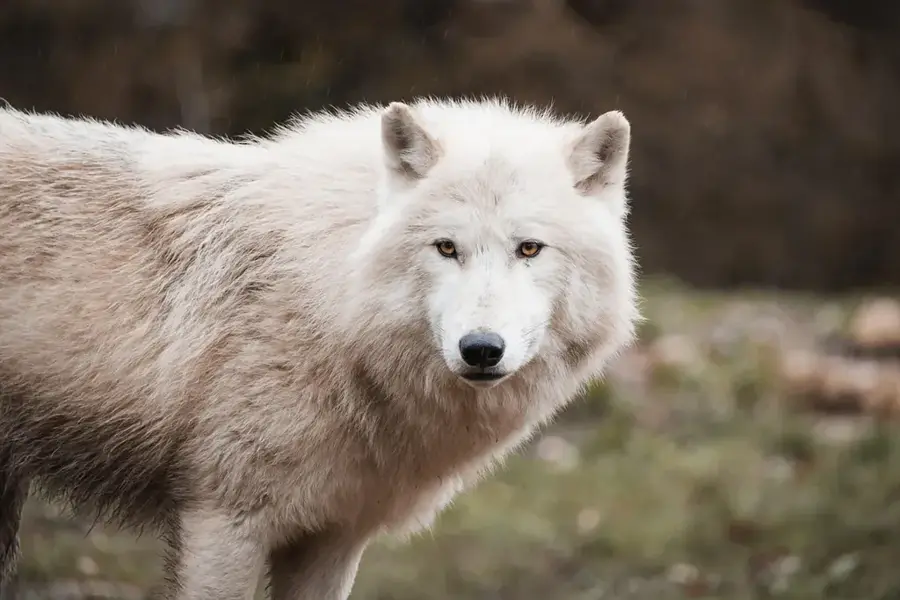
Wolf Volcano
The highest peak of the Galapagos Islands, located directly on the equator line on Isabela Island.
Learn more →More highlights
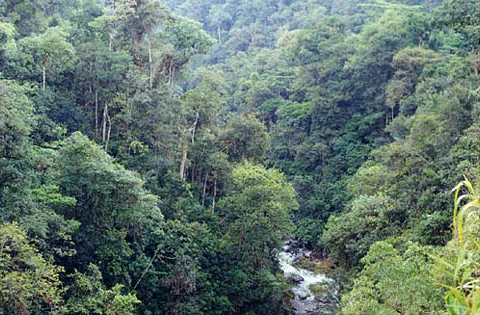
Podocarpus National Park
Podocarpus National Park protects dense cloud forests and highlands in southern Ecuador, named after the only native conifer species.
Learn more →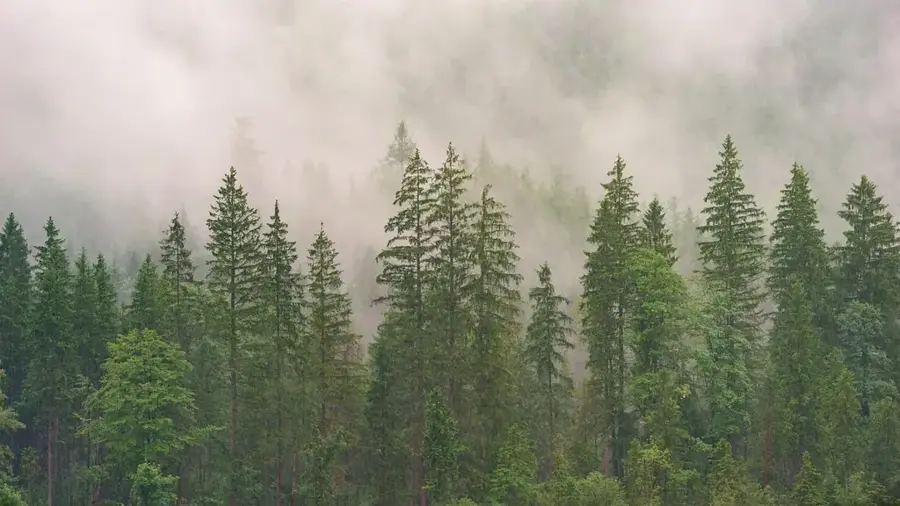
Mindo Cloud Forest
The Mindo Cloud Forest in the Andean valleys is a global birdwatching hub, famous for its many hummingbird species and orchids.
Learn more →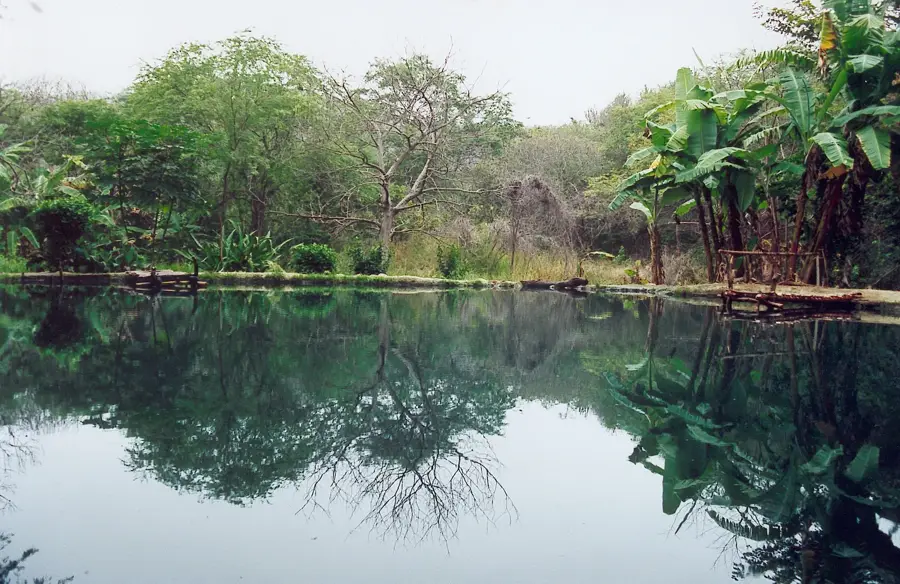
Machalilla National Park
This park protects the unique tropical dry forest on Ecuador's coast, as well as stunning beaches and nearshore marine ecosystems.
Learn more →Frequently asked questions
What are the top attractions in Ecuador?
Among the most popular are Alausí, Cañar, Chordeleg, Atahualpa Olympic Stadium, Pujilí and many more – the full top 50 list is on this page.
When is the best time to visit Ecuador?
May to October offers the most pleasant weather; July and August are warmest and busiest.