Plizio Visual Lab

Quilotoa Crater Lake
Plizio editorial teamData Sources
Lake
—°8
Quilotoa Crater Lake (Ecuador)

Weather…

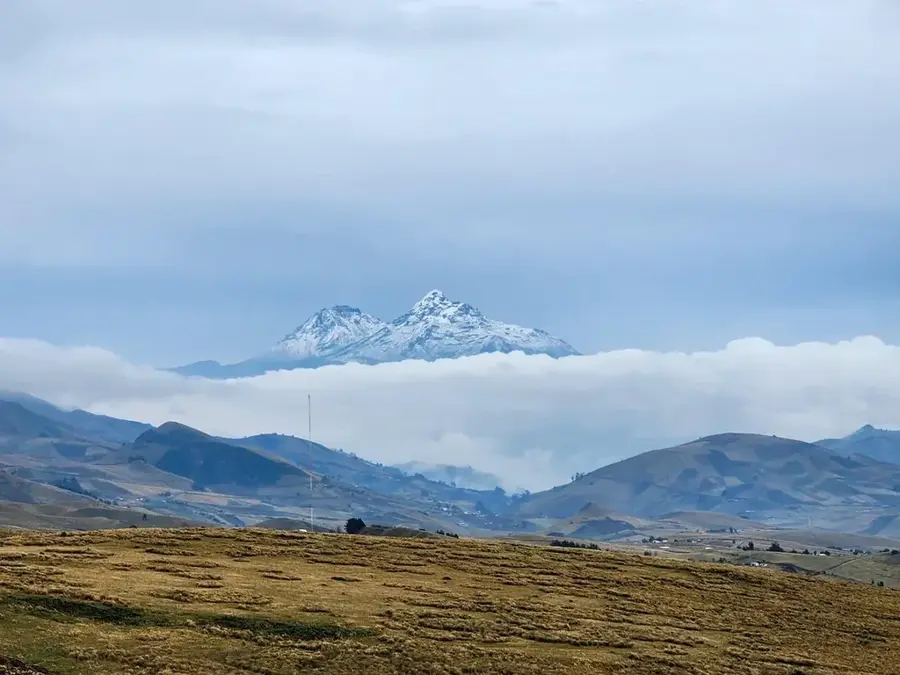
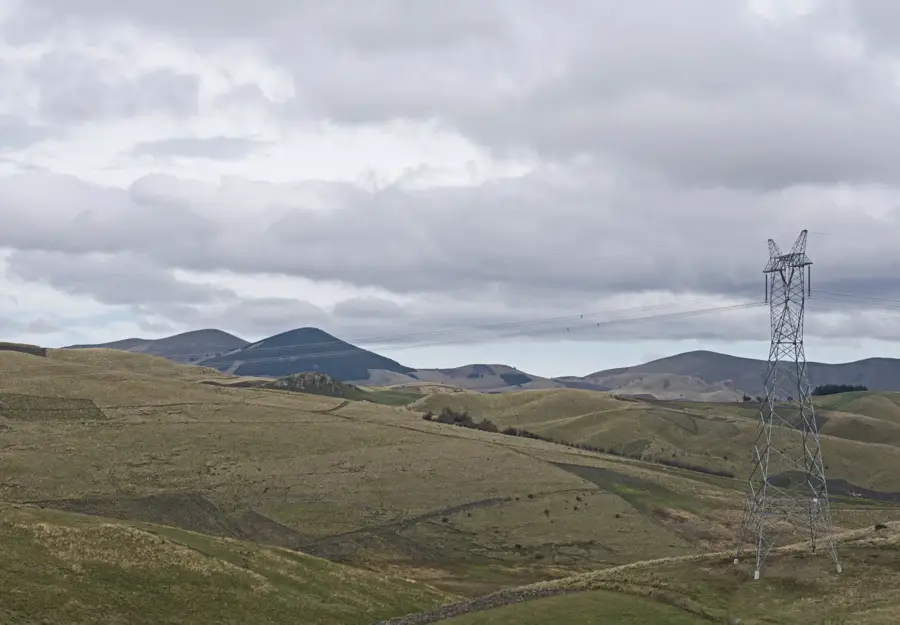
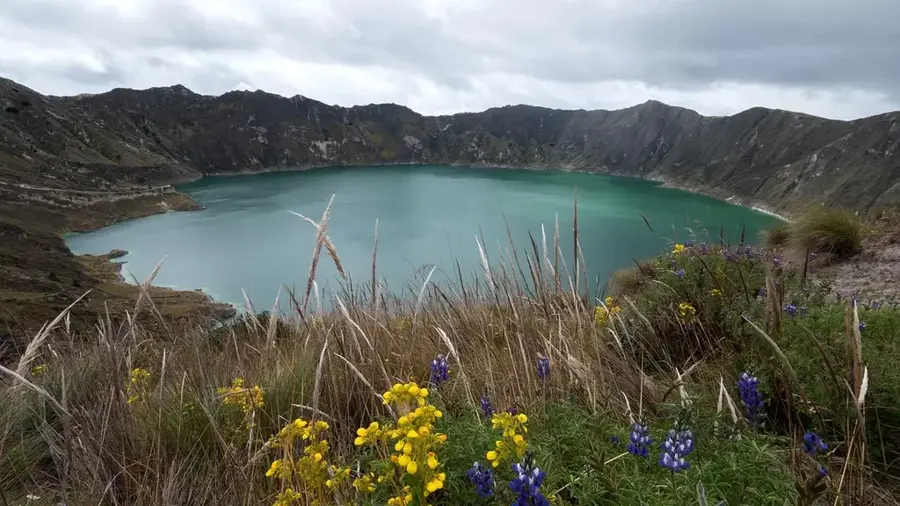
Quilotoa is a water-filled caldera and the westernmost volcano in the Ecuadorian Andes. The caldera was formed approximately 800 years ago during a massive VEI-6 eruption that sent pyroclastic flows and ash as far as the Pacific Ocean. The crater lake has a diameter of about three kilometers and reaches a depth of approximately 250 meters. Its distinctive greenish-turquoise color is caused by dissolved minerals emanating from volcanic vents at the bottom of the lake. Indigenous communities live in the surrounding highlands, maintaining traditional agricultural practices and managing local tourism. The hiking trail along the crater rim features varying perspectives of the lagoon and the distant peaks of the Andes. Due to the high alkalinity of the water, no fish inhabit the lake, limiting its aquatic life to specialized microorganisms. The site is located within the Los Ilinizas Ecological Reserve and serves as a significant area for geological research and high-altitude trekking.

Best time to visit & climate

The most pleasant time to visit is Jul–Sep.

JanFebMarAprMayJunJulAugSepOctNovDec
Avg °C121212121211111111121212
Rain mm1241411591601198565535292101104

📋 Practical info

🧭
Getting there
The high-altitude crater village is mostly accessible via winding, sometimes unpaved mountain roads. Local buses or private transports bring eager visitors directly to the rim of the caldera.
📅
Best season
The dry season during the Andean summer typically provides the clearest views of the emerald-green water. In the rainy season, dense, low clouds can often completely obscure the crater view.
⛰️
Terrain & paths
The descent to the lake is via a very steep, slippery, and surprisingly dusty path. The trek back up is physically extremely demanding due to both the steep incline and the great altitude.
🎒
What to bring
Solid footwear for the loose ground and warm, layered clothing are absolutely essential here. Strong wind and sun protection should never be missing from your pack at this significant altitude.
🅿️
Parking
In the village right at the crater rim, there are usually designated and partially guarded parking areas. For a small fee, your vehicle can be safely parked there during your strenuous hike.
⚠️
Safety
The altitude of nearly 4000 meters carries a high risk of altitude sickness; walking slowly is crucial. Stay completely on the main path, as the slopes are very steep and prone to slipping.
⏱️
Time needed
The descent typically takes just under an hour, while the far more strenuous ascent often requires two to three hours. Plan to allow plenty of extra time simply for catching your breath.

Geography

Coordinates
-0.86028, -78.89861

Facts

  • The caldera was formed by a cataclysmic eruption around the year 1280.
  • The crater lake sits at an altitude of 3,914 meters above sea level.
  • The maximum depth of the lake is estimated to be 250 meters.
  • Dissolved minerals give the water a unique greenish-turquoise hue.
  • The rim of the crater has a total diameter of approximately 3 kilometers.
  • Quilotoa is part of the Los Ilinizas Ecological Reserve.

Explore nearby

Notable places around

Route planner — Car & Motorhome

Where do you start? We build the route here, with stops and country notes along the way.

Vehicle
Only stops with (optional):

© OpenStreetMap contributors · OpenRouteService

Sights in the town Quilotoa Crater Lake (8)

Mirador Cañón del Toachi🌿 nature

This viewpoint along the crater rim provides a striking look down into the deep canyon of the Toachi River.

💶

Wooden Bridge🌿 nature

This simple wooden structure serves as both a pedestrian bridge and an observation platform in the Quilotoa landscape.

Doble echo🌿 nature

A distinct viewpoint known for an acoustic phenomenon where echoes bounce back twice from the crater walls.

Finca Proagro📍 landmark

An agricultural estate in the Andes that gives visitors insight into local crop cultivation.

🕒 24/7

Virgen🏺 historical

The Virgen monument stands as a religious sculpture marking the paths near Quilotoa for passing travelers.

Iglesia San Francisco de Malingua Pamba⛪ religious

The Iglesia San Francisco de Malingua Pamba is a local Andean place of worship serving the rural community around Quilotoa.

Iglesia⛪ religious

This local church functions as a modest community place of worship in the rugged terrain near Quilotoa.

Termas Chicho🎡 recreation

Termas Chicho provides rustic thermal public baths fed by naturally heated waters in the Quilotoa area.

Sights nearby

Frequently asked questions

What color is the water?
The water is usually an intense turquoise or emerald green due to dissolved minerals.
Can you swim in the crater lake?
It is not recommended; the water is extremely cold and contains volcanic minerals.
How do you get from the rim to the lake?
You can hike down (approx. 30 min) or hire a mule for a fee.
Are there toilets at the lake?
There are basic toilets near the boat dock down at the lake.
Can you go boating on the lake?
Yes, you can rent small kayaks or rowboats down at the lake.
Quilotoa Crater Lake: where is it located?
Quilotoa Crater Lake is located in Ecuador.
Quilotoa Crater Lake: what is there to see?
Highlights include Mirador Cañón del Toachi, Wooden Bridge, Doble echo.
Quilotoa Crater Lake: when is the best time to visit?
The most pleasant time to visit is Jul, Sep.
Quilotoa Crater Lake: why is it worth visiting?
Quilotoa is a water-filled caldera and the westernmost volcano in the Ecuadorian Andes.
View on map → The Top 50 Attractions → OpenStreetMap →
South America
Explore with Plizio Discover more places in South America
More places in Ecuador →

Nearby cities

History & landmarks
More places