Plizio Visual Lab

Pichincha
Plizio editorial teamData Sources
Mountain
—°7
Pichincha (Ecuador)

Weather…

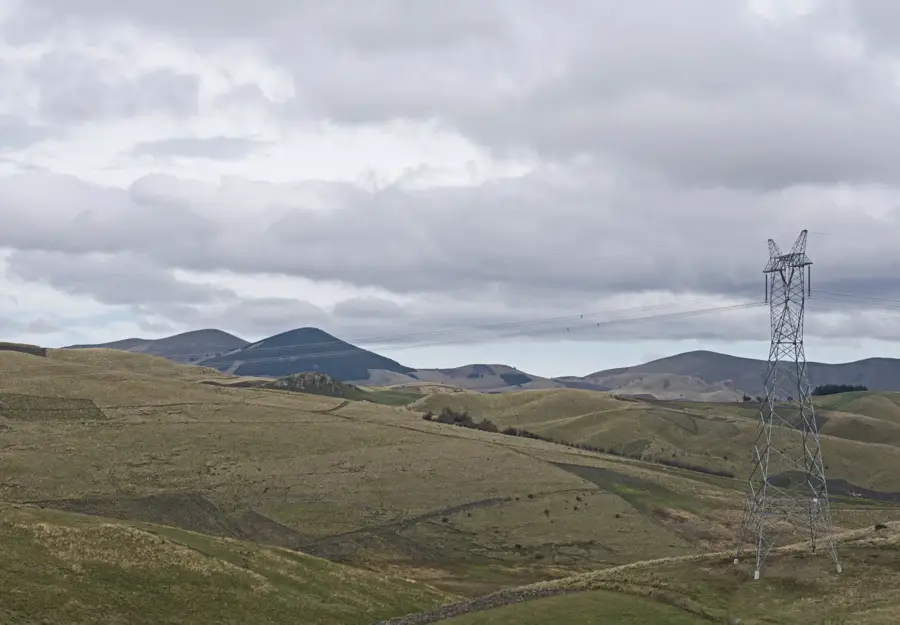
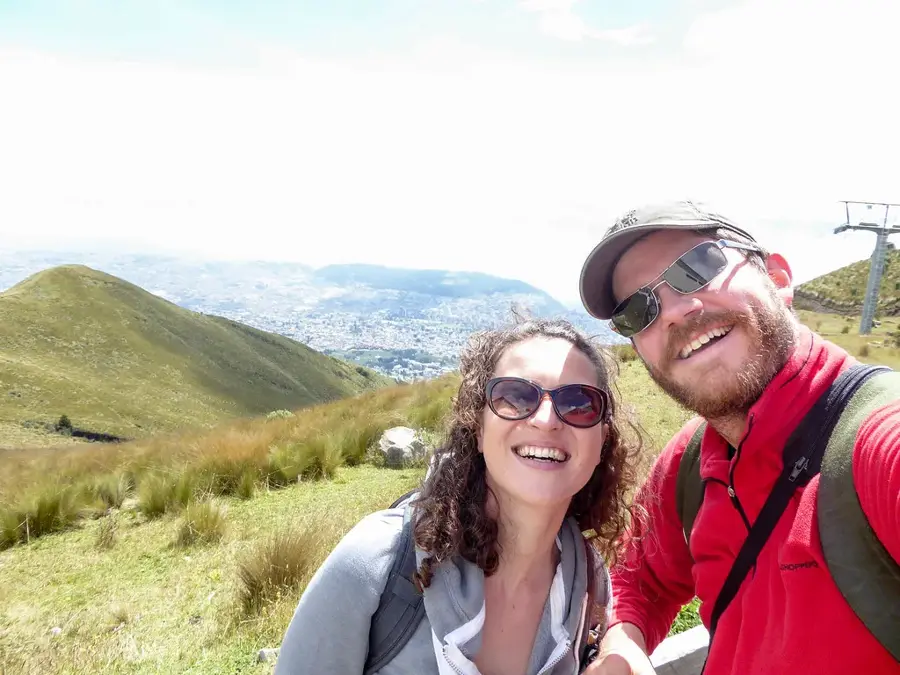
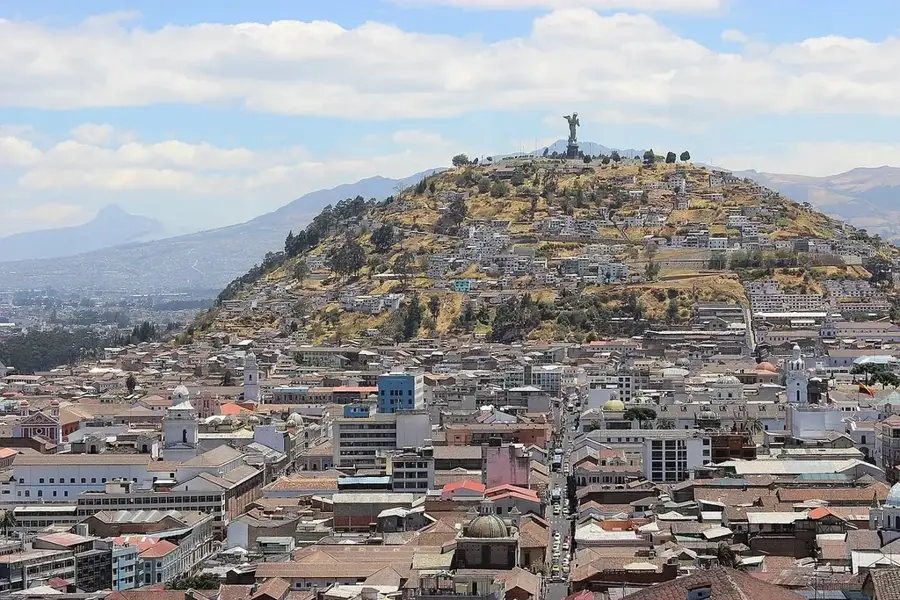
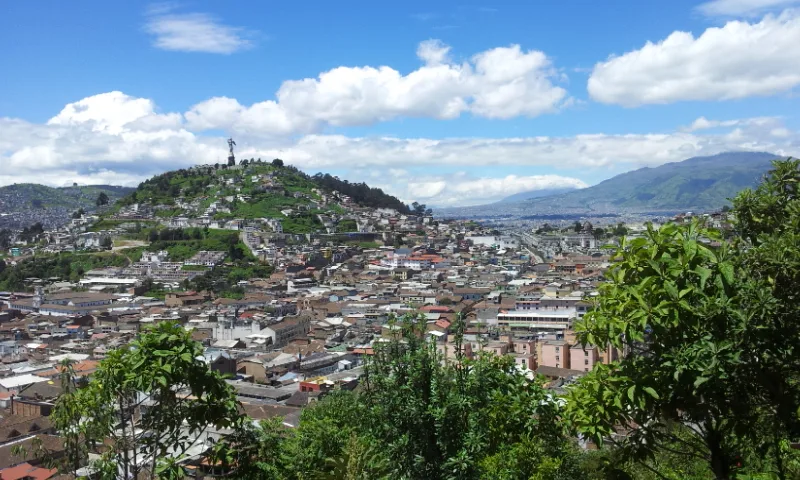
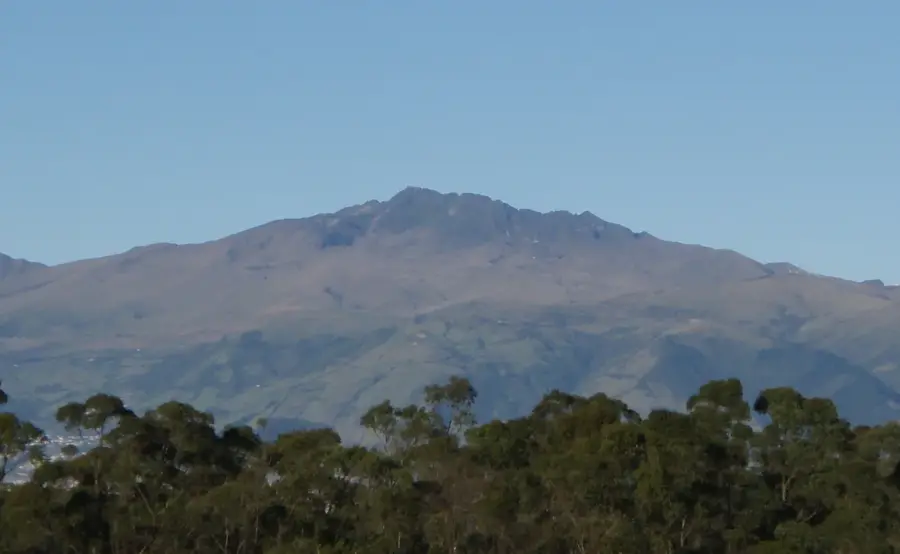
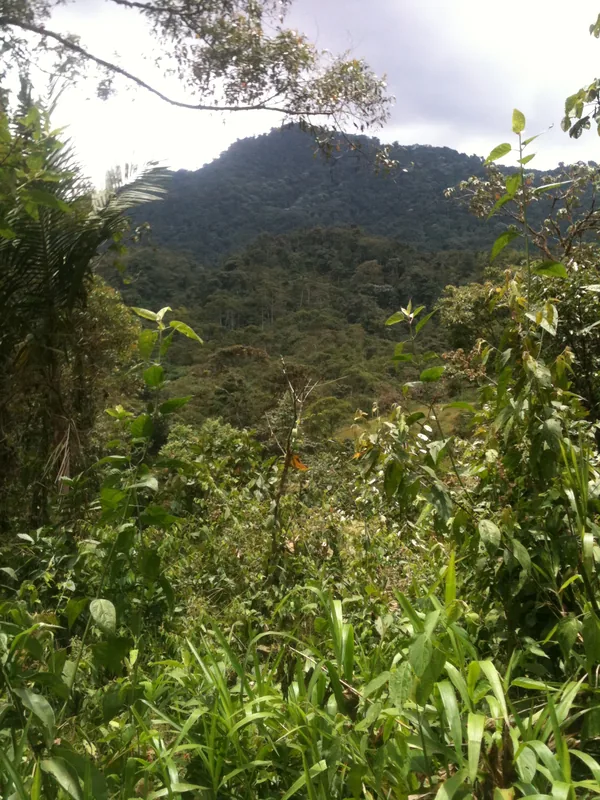
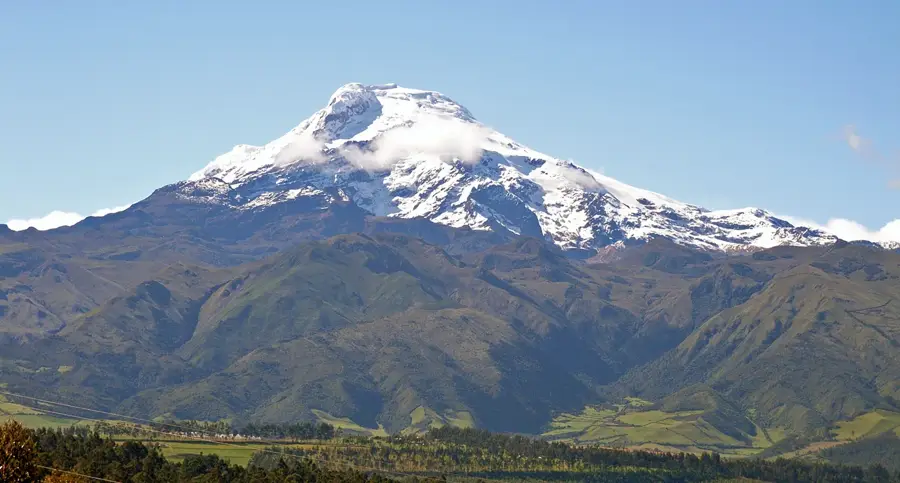
Pichincha is a massive stratovolcano located directly adjacent to Quito, the capital city of Ecuador. It comprises two primary peaks: the extinct Rucu Pichincha at 4,698 meters and the active Guagua Pichincha, which reaches an elevation of 4,784 meters. The mountain holds immense historical significance as the site of the Battle of Pichincha on May 24, 1822, which secured Ecuador's independence from Spanish colonial rule. Guagua Pichincha features a horseshoe-shaped crater that opens to the west, directing potential lava flows away from the densely populated city. However, in 1999, a major eruption blanketed Quito in several centimeters of volcanic ash, highlighting the ongoing geohazard. The TelefériQo cable car allows access to the higher slopes of Rucu Pichincha, providing a vantage point over the Andean cordillera. The high-altitude paramo ecosystem on the volcano's flanks is vital for the region's water catchment and biodiversity. Continuous seismic monitoring is maintained by local authorities due to the volcano's proximity to the metropolitan area.

Best time to visit & climate

The most pleasant time to visit is Jul–Sep.

JanFebMarAprMayJunJulAugSepOctNovDec
Avg °C171718181818171818171717
Rain mm139143176177123583425387690100

📋 Practical info

🧭
Getting there
The volcano is remarkably accessible directly from Quito. Many hikers sensibly start by taking the TelefériQo cable car up to Cruz Loma to bypass the steepest lower elevations entirely.
📅
Best season
Clear mornings during the typical dry season, generally from June to September, confidently offer the best chances for panoramic views before thick afternoon mountain clouds predictably roll in.
⛰️
Terrain & paths
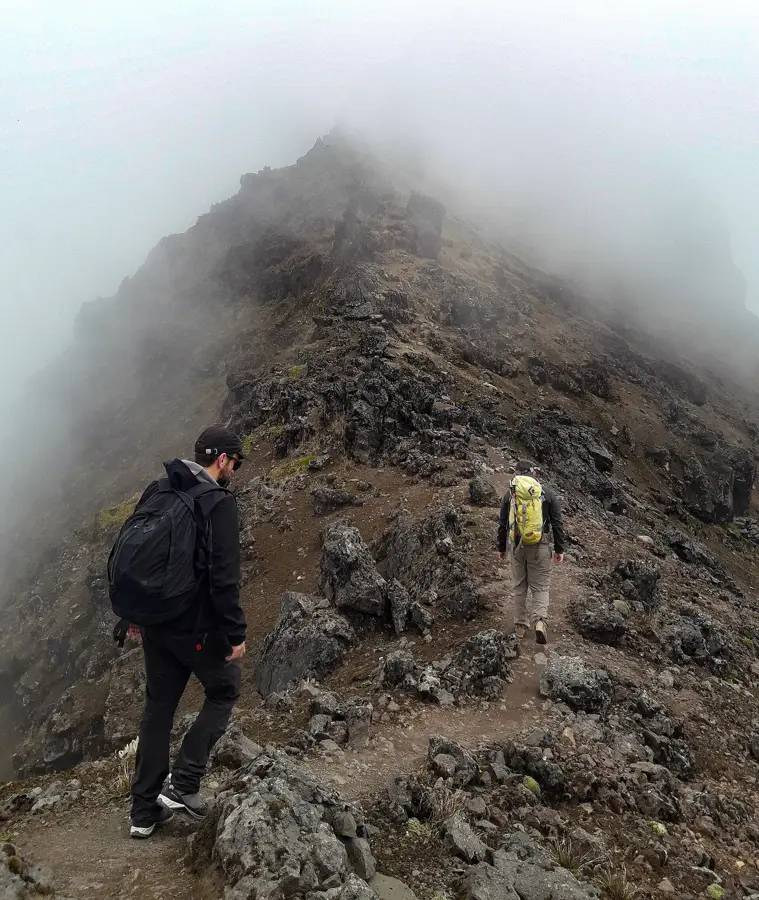
The trail transitions from gently sloping, grassy Andean paramo to increasingly steep, sandy ash tracks and rocky scrambles requiring handholds near the breezy Rucu Pichincha summit.
🎒
What to bring
Layered, completely windproof clothing is essential due to highly unpredictable and shifting mountain weather. Hikers should bring sturdy poles, solid hiking boots, and plenty of drinking water.
🅿️
Parking
Ample and relatively secure official parking is usually readily available at the large base station of the TelefériQo, which reliably serves as the most common starting point for day trips.
⚠️
Safety
Altitude sickness is a very genuine risk as elevations rapidly exceed 4,000 meters. Proper acclimatization in Quito is highly recommended, and hikers should strictly avoid the crater rim in dense fog.
⏱️
Time needed
The full round-trip hike from the upper cable car station typically takes anywhere between four to six hours, heavily depending on individual altitude acclimatization and overall walking pace.

Geography

Coordinates
-0.17750, -78.59833

Facts

  • The highest summit, Guagua Pichincha, stands at 4,784 meters.
  • The historic Battle of Pichincha took place on its slopes in 1822.
  • A significant eruption in 1999 covered Quito in volcanic ash.
  • Pichincha is derived from indigenous words meaning 'Boiling Mountain'.
  • The TelefériQo cable car ascends to an altitude of 3,945 meters.
  • The volcano's crater is approximately 2 kilometers in diameter.

Explore nearby

Notable places around
Route planner — Car & Motorhome

Where do you start? We build the route here, with stops and country notes along the way.

Vehicle
Only stops with (optional):

© OpenStreetMap contributors · OpenRouteService

Sights in the town Pichincha (7)

Zuroloma birding📍 landmark

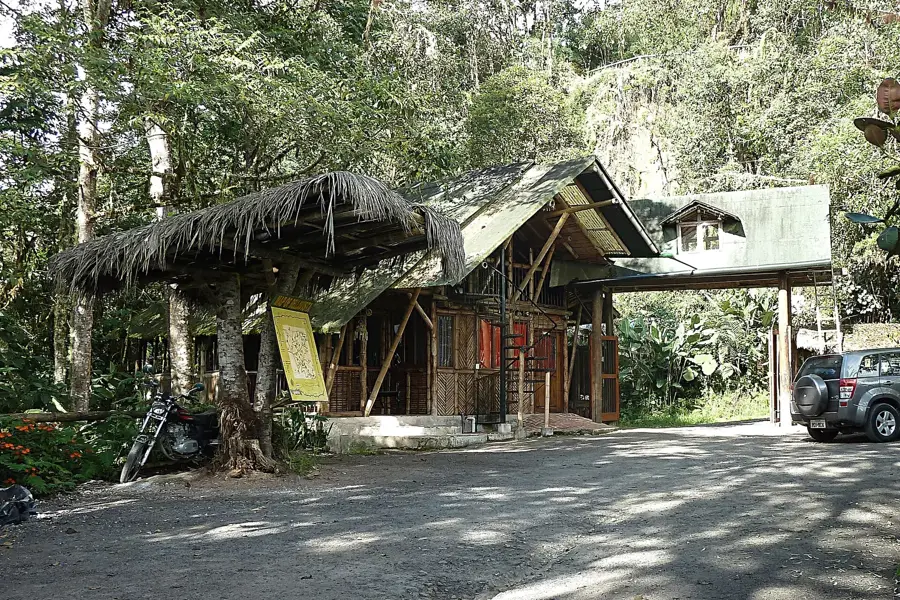
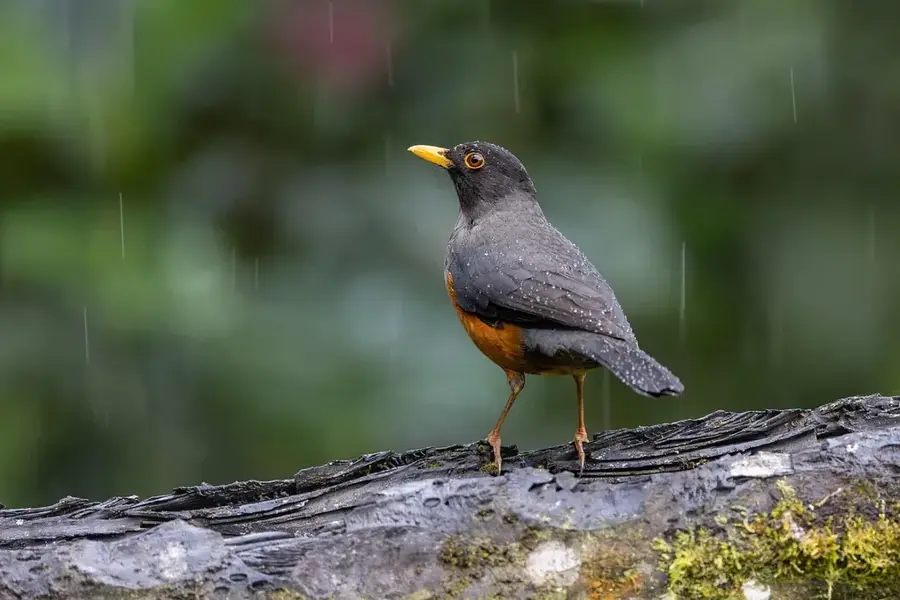
The Zuroloma birding area is equipped with specific feeding stations that attract numerous hummingbirds and tanagers.

Reserva del Bosque Protector Verdecocha🌿 nature

The Reserva del Bosque Protector Verdecocha is a forest reserve that preserves the fragile ecosystems and watersheds on the Pichincha volcano.

HCDA. LAS PALMAS- Agropecuaria y agroturística- Sotomayor Moreno📍 landmark

HCDA. LAS PALMAS is an agricultural agrotourism farm run by the Sotomayor Moreno family, offering insights into local animal husbandry.

🕒 Mo-Su 09:00-21:00

Centro Turistico las Acacias🌿 nature

The viewpoint at the Centro Turistico las Acacias features a sweeping view of the Andean mountain landscape.

Aguas Termales Urauco🌿 nature

This viewpoint at the Aguas Termales Urauco overlooks the steaming pools of the hot springs below.

Complejo turístico "Cuscungo Adventure"📍 landmark

The Cuscungo Adventure complex is a tourist facility offering outdoor activities like rock climbing and ziplining in the Andean nature.

Gruta⛪ religious

The small Gruta chapel is a rock-hewn place of worship situated in the Andean landscape.

Sights nearby

Frequently asked questions

Which peak is more popular: Rucu or Guagua?
Rucu Pichincha is more popular as it's easily accessible via the Quito cable car (TelefériQo).
How long is the cable car ride?
The ride on the TelefériQo takes about 10 to 15 minutes up to nearly 4,000 meters.
Is there a risk of altitude sickness?
Yes, as you ascend quickly to 4,000m. Drink plenty of water and move slowly.
Can you see the active crater?
The active crater is located on Guagua Pichincha, not Rucu.
What clothing is recommended?
Layering: it can be windy, rainy, and very cold at the summit.
Pichincha: where is it located?
Pichincha is located in Ecuador.
Pichincha: what is there to see?
Highlights include Zuroloma birding, Reserva del Bosque Protector Verdecocha, HCDA. LAS PALMAS- Agropecuaria y agroturística- Sotomayor Moreno.
Pichincha: when is the best time to visit?
The most pleasant time to visit is Jul, Sep.
Pichincha: why is it worth visiting?
Pichincha is a massive stratovolcano located directly adjacent to Quito, the capital city of Ecuador.
View on map → The Top 50 Attractions → OpenStreetMap →
South America
Explore with Plizio Discover more places in South America
More places in Ecuador →

Nearby cities

History & landmarks
More places