Plizio Visual Lab

Lake San Pablo
Plizio editorial teamData Sources
Lake
—°8
Lake San Pablo (Ecuador)

Weather…

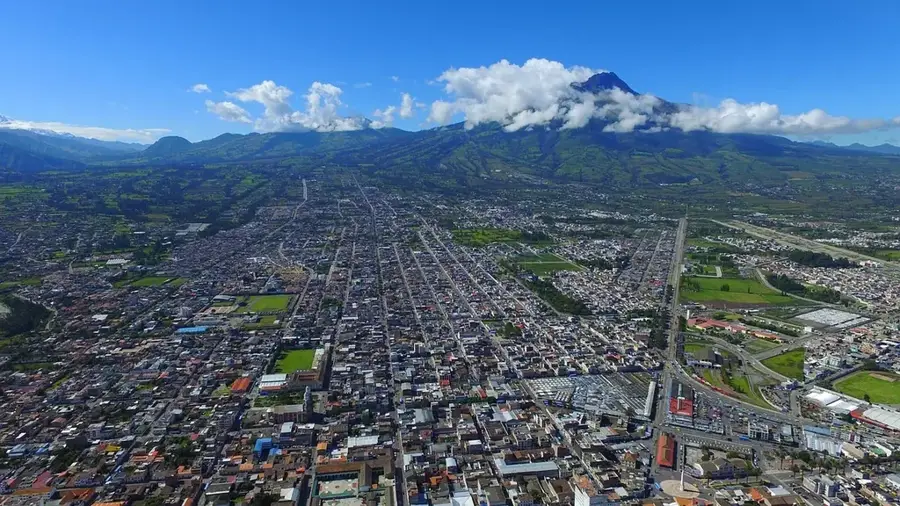
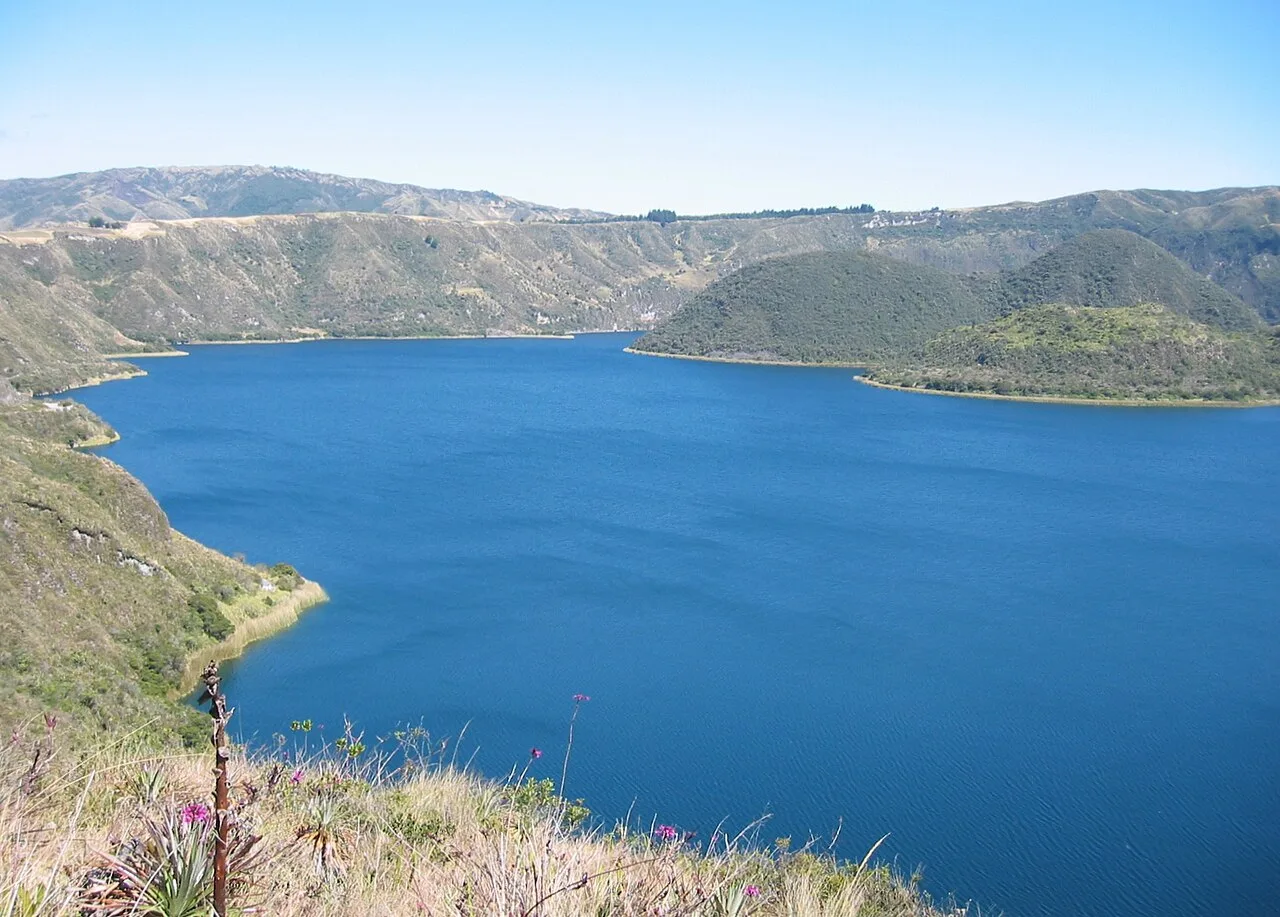
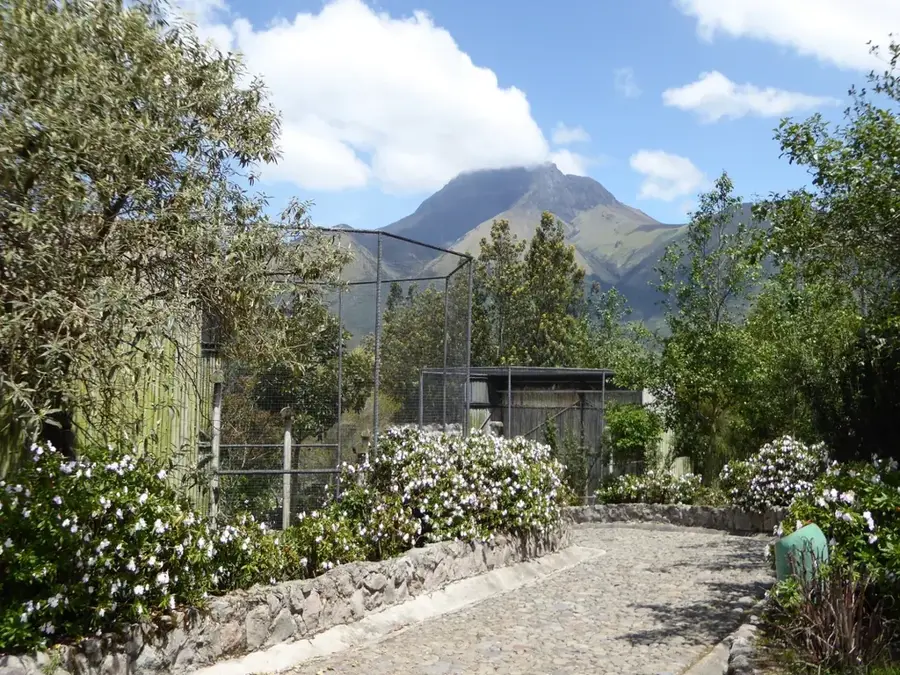
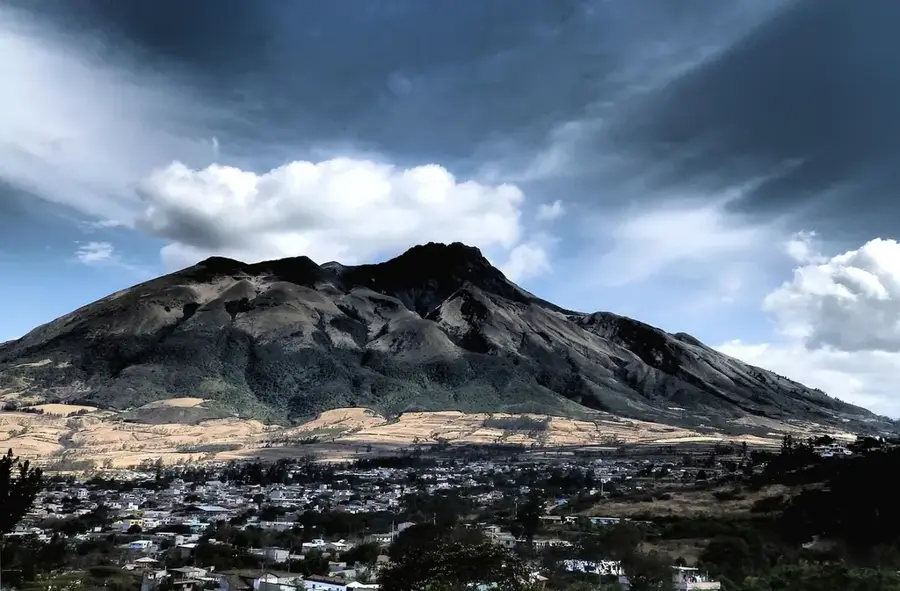
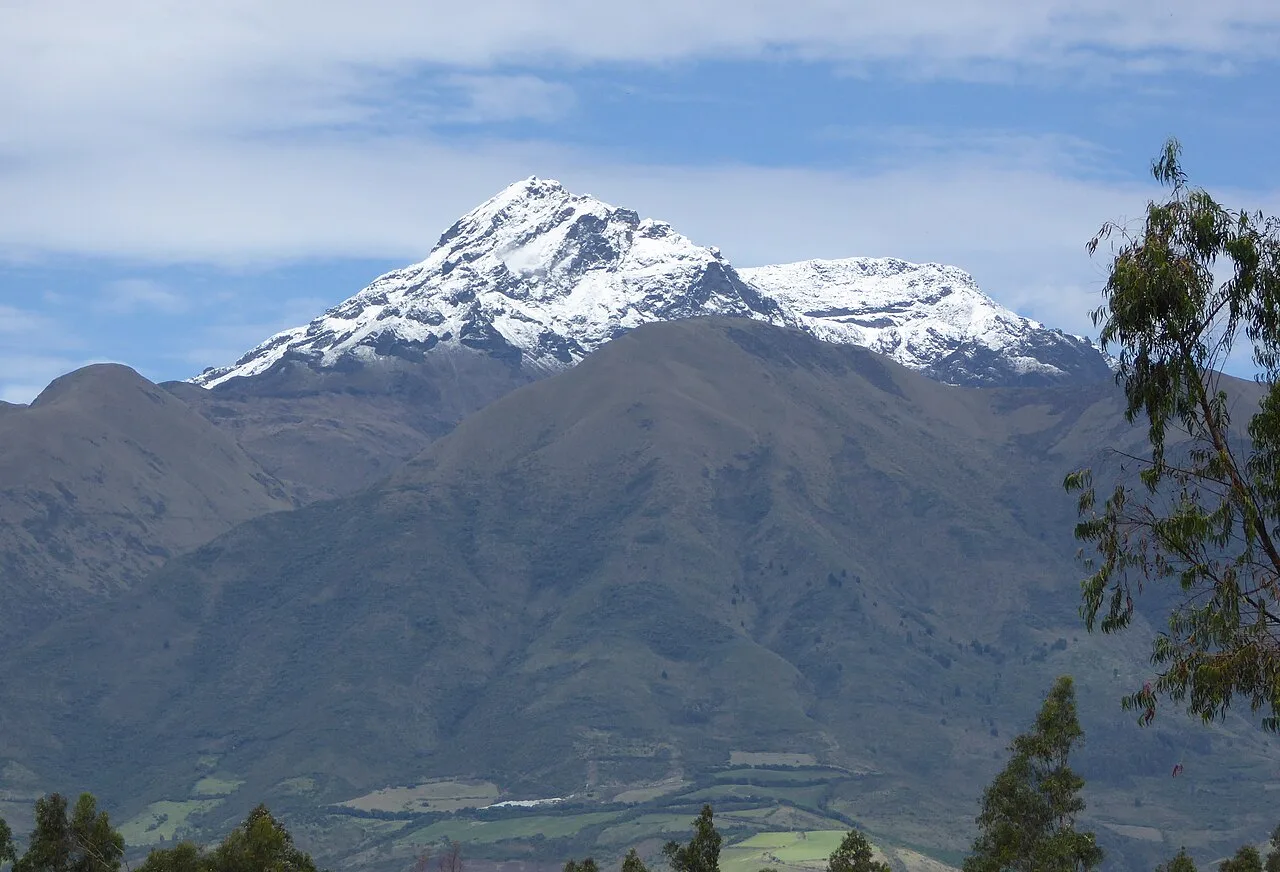
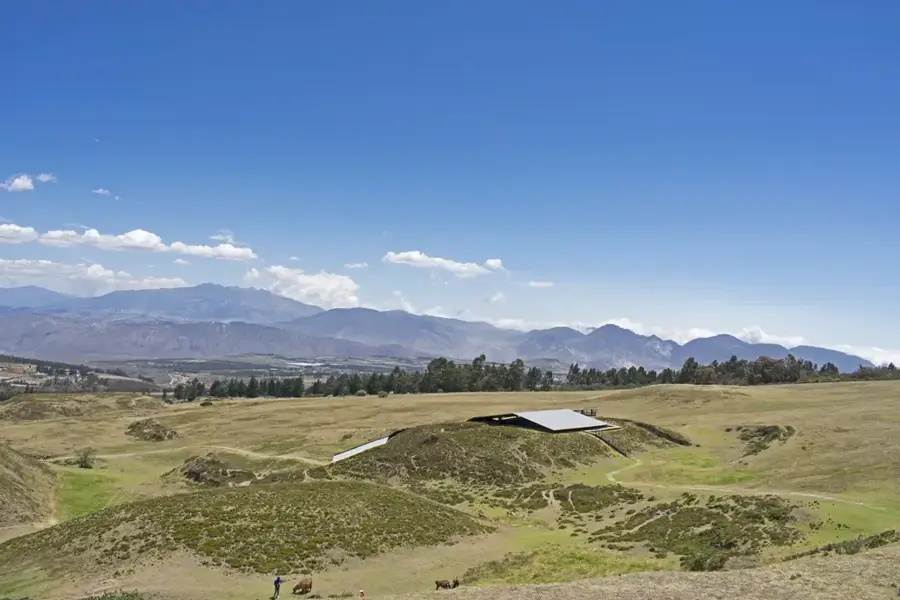
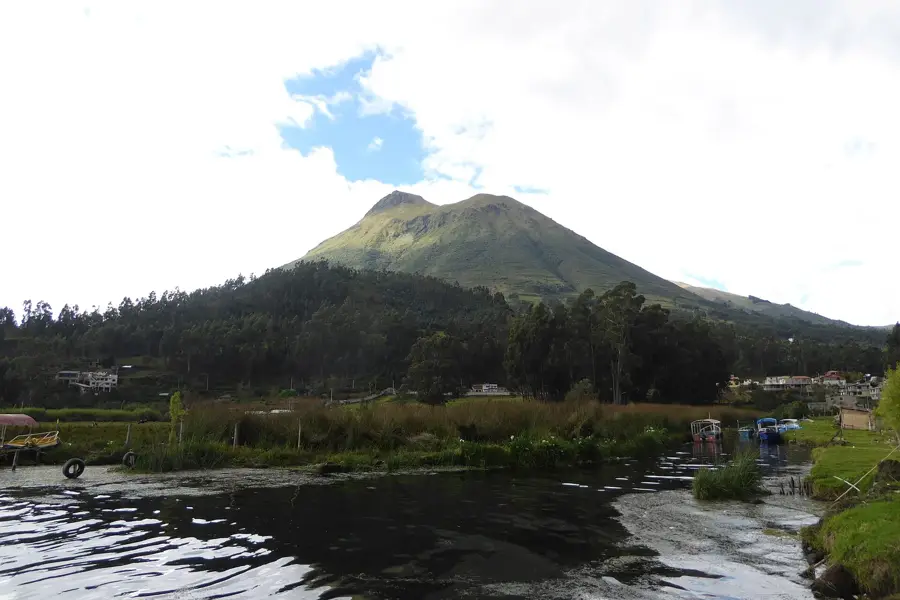
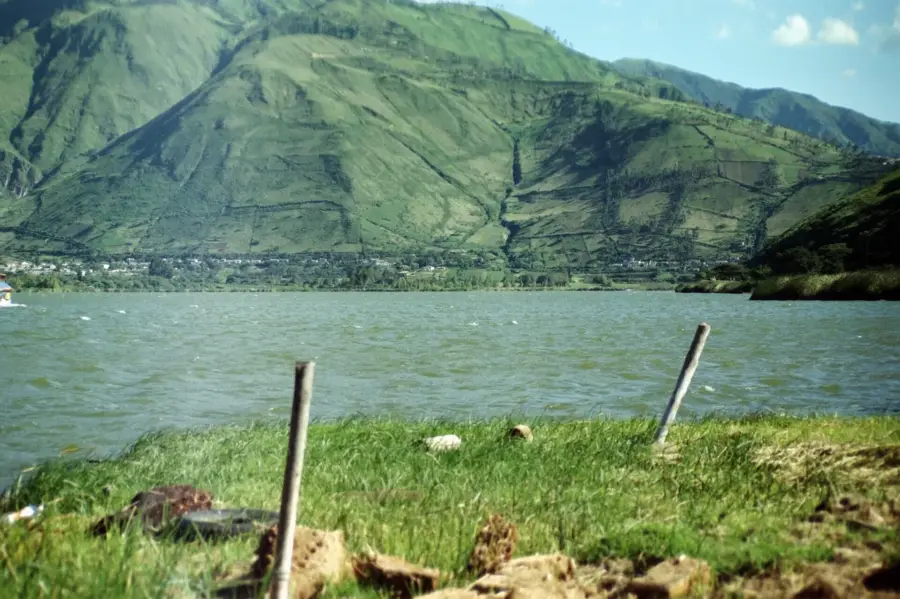
Lake San Pablo, locally known as Imbakucha, is one of the largest and most significant lakes in the Ecuadorian highlands. Situated at the base of the majestic Imbabura Volcano near the city of Otavalo, the lake sits at an elevation of 2,660 meters. It occupies a basin of volcanic origin and is primarily fed by rainfall and small streams from the surrounding Andean cordillera. The lakeshore has been inhabited for centuries by the indigenous Otavalo people, who hold the water in high spiritual regard. A notable feature of the lake is the abundance of Totora reeds, which are harvested by local artisans to produce traditional mats, baskets, and small watercraft. Ecologically, the lake provides a habitat for various waterfowl and native fish, though it faces challenges from agricultural runoff and urban expansion. Each year, it serves as the venue for the "Travesía de Natación," a renowned open-water swimming competition that attracts national and international athletes. The surrounding landscape is characterized by fertile soils used for cultivating corn and small grains, framed by the dark silhouette of the volcano.

Best time to visit & climate

The most pleasant time to visit is Jul–Sep.

JanFebMarAprMayJunJulAugSepOctNovDec
Avg °C111111111099910111111
Rain mm1171221511641227152375093111107

📋 Practical info

🧭
Getting there
The lake is easily accessible by paved roads from the nearby town of Otavalo, making it a straightforward excursion. Public buses and reasonably priced taxis regularly ply the route between the town center and the various viewpoints around the water.
📅
Best season
The dry season, typically from June to September, features the clearest skies and best views of the imposing Imbabura Volcano. However, the lake remains a pretty destination year-round, with mornings usually presenting calmer weather conditions.
⛰️
Terrain & paths
The immediate shoreline mostly features flat, grassy patches and well-trodden paths that are very easy to navigate on foot. The surrounding Andean landscape, however, rapidly ascends into steep agricultural fields and rugged volcanic slopes.
🎒
What to bring
Layered clothing is strongly advised, as temperatures can shift rapidly depending on cloud cover and the high-altitude winds. A windbreaker, comfortable walking shoes, and adequate sun protection are essential for a pleasant visit to the lakeside.
🅿️
Parking
Ample parking is generally available near the main boat docks, local lakeside restaurants, and designated viewpoints. Many local lodgings around the perimeter of the lake also offer secure parking options for their guests and daytime visitors.
⚠️
Safety
The area is generally safe for tourists, but it is always wise to keep an eye on belongings, especially in busier spots. If embarking on boat rides, ensure that life jackets are provided and worn properly by all passengers.
⏱️
Time needed
A brief stop of one to two hours is sufficient for enjoying the scenery and snapping some photographs of the volcano. Alternatively, one could easily spend a half-day or more partaking in local boat tours or hiking along the nearby community trails.

Geography

Coordinates
0.21667, -78.21667

Facts

  • The lake is situated at an elevation of 2,660 meters above sea level.
  • Lake San Pablo covers a surface area of approximately 7 square kilometers.
  • The indigenous Kichwa name for the lake is Imbakucha.
  • It lies at the foot of the Imbabura Volcano, which rises to 4,630 meters.
  • Totora reeds from the lake are used in traditional indigenous handicrafts.
  • The lake hosts the annual 3.8 km 'Travesía de Natación' swim race.

Explore nearby

Notable places around

Route planner — Car & Motorhome

Where do you start? We build the route here, with stops and country notes along the way.

Vehicle
Only stops with (optional):

© OpenStreetMap contributors · OpenRouteService

Sights in the town Lake San Pablo (8)

Megasaurios Park🎡 recreation

This theme park by Lake San Pablo delights families with its life-sized dinosaur models and prehistoric scenarios.

Agua de güitig📍 landmark

A site dedicated to the famous Ecuadorian mineral water, known for its natural carbonation from the Imbabura volcano.

Parque Aquatico📍 landmark

This water park on the shores of Lake San Pablo gives recreational fun with slides and swimming pools for the whole family.

LUGAR PLAYITA CAMUENDO🎡 recreation

This tranquil beach section on Lake San Pablo is well-suited for rides in traditional totora reed boats.

Cruz del Imbabura📍 landmark

A prominent spiritual cross on the slopes of Imbabura that attracts believers and hikers for its sweeping views.

Catolica Chilco⛪ religious

This Catholic church in the village of Chilco is an example of the simple and venerable sacred architecture of the Andean highlands.

Iglesia "Virgen del Quinche"⛪ religious

A place of worship dedicated to the Virgin of Quinche, one of the most important religious figures in the Imbabura region.

IGLESIA DE CAMUENDO⛪ religious

A local chapel in the Camuendo community, important for maintaining indigenous religious traditions on the lakeshore.

Sights nearby

Frequently asked questions

What activities are offered at the lake?
Waterskiing, kayaking, and boat trips are very popular.
Is the lake near Otavalo?
Yes, it is at the foot of the Imbabura volcano, just a few minutes from Otavalo.
Are there restaurants on the shore?
Yes, there are several restaurants and hotels with lake views.
Is the lake suitable for swimming?
Yes, but the water can be quite chilly. There are designated areas.
When is it most crowded?
On weekends and holidays, many locals visit the lake.
Lake San Pablo: where is it located?
Lake San Pablo is located in Ecuador.
Lake San Pablo: what is there to see?
Highlights include Megasaurios Park, Agua de güitig, Parque Aquatico.
Lake San Pablo: when is the best time to visit?
The most pleasant time to visit is Jul, Sep.
Lake San Pablo: why is it worth visiting?
Lake San Pablo, locally known as Imbakucha, is one of the largest and most significant lakes in the Ecuadorian highlands.
View on map → The Top 50 Attractions → OpenStreetMap →
South America
Explore with Plizio Discover more places in South America
More places in Ecuador →

Nearby cities

History & landmarks
Nature
More places