Plizio Visual Lab

Cotopaxi
Plizio editorial teamData Sources
Mountain
—°2
Cotopaxi (Ecuador)

Weather…

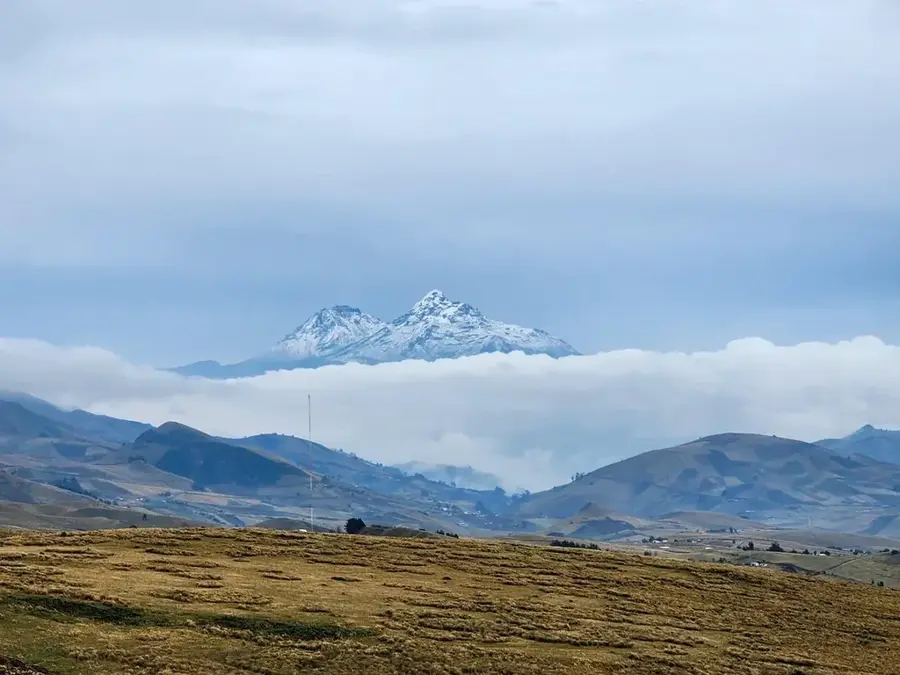
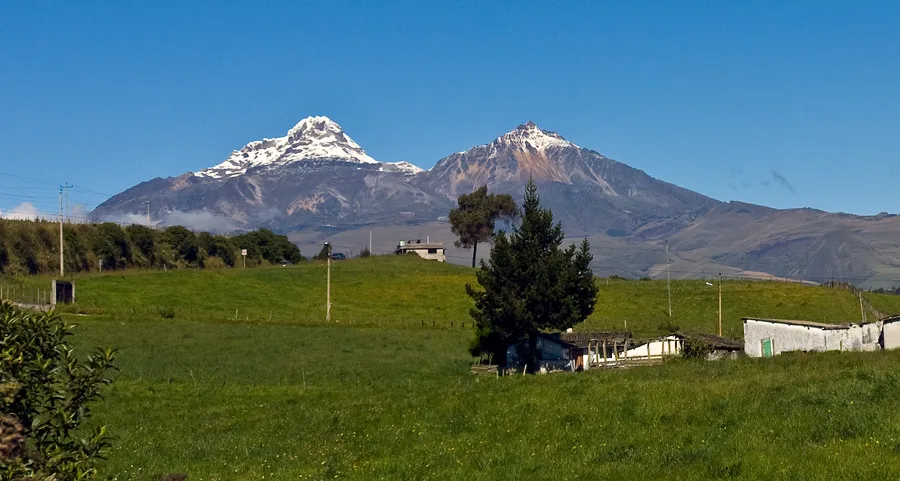
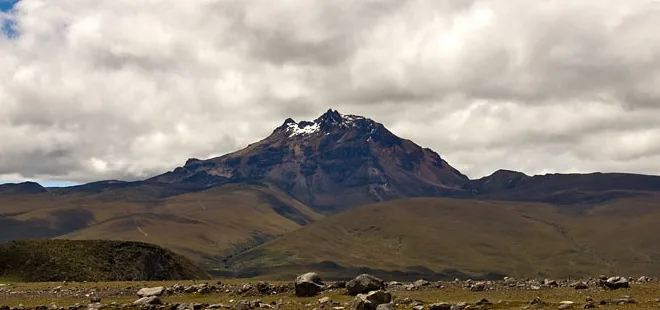
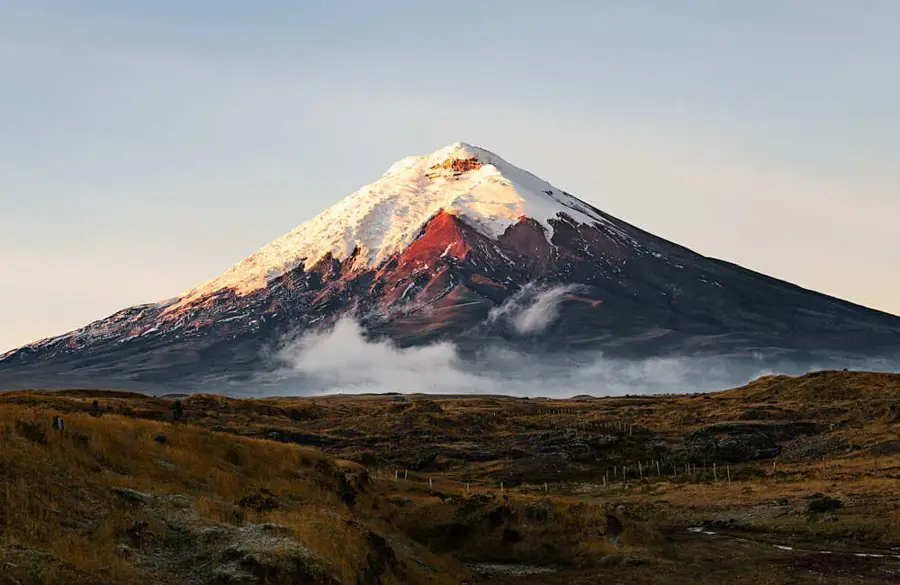
Cotopaxi is one of the highest active volcanoes in the world and an iconic symbol of Ecuador, known for its near-well-suited symmetrical cone. Located within the Cotopaxi National Park, approximately 50 kilometers south of Quito, it reaches an elevation of 5,897 meters (19,347 feet). Geologically, it is a stratovolcano topped by one of the few equatorial glaciers, which persists year-round despite its proximity to the line of the equator. The volcano's history is characterized by powerful and destructive eruptions; events in 1744, 1768, and 1877 produced massive lahars (mudflows) that traveled hundreds of kilometers, destroying nearby settlements. After a long period of dormancy, Cotopaxi showed renewed activity in 2015 and again in 2022, emitting significant ash clouds. It is a highly popular destination for mountaineers, offering a challenging but technically straightforward ice climb to the summit. The surrounding park protects a unique high-altitude ecosystem, home to Andean condors, wild horses, and the elusive Andean fox.

Best time to visit & climate

The most pleasant time to visit is Jul–Sep.

JanFebMarAprMayJunJulAugSepOctNovDec
Avg °C141414151514141414141414
Rain mm132142169168117634333418092100

📋 Practical info

🧭
Getting there
The main entrance to the national park is located just off the Pan-American Highway, easily reachable by car or bus from Quito. From the gate, a steep dirt road leads up to the parking lot near the main refuge.
📅
Best season
December to January and July to August generally offer the clearest weather and lowest precipitation for high-altitude trekking and climbing. The mountain generates its own rapid microclimate, so clouds can obscure the cone in any season.
⛰️
Terrain & paths
Visitors walking up to the refuge face a steep slog over loose, dark volcanic ash and pumice sand. Above the refuge, the true climb involves technical mountaineering across massive, heavily crevassed glaciers leading to the crater rim.
🎒
What to bring
Hiking to the refuge requires highly windproof clothing, warm layers, and extremely sturdy boots to handle the loose scree. An actual summit bid absolutely mandates certified ice axes, crampons, ropes, and severe cold-weather alpine gear.
🅿️
Parking
A designated, expansive parking area is located around 4,600 meters elevation, just below the path to the José F. Rivas Refuge. It serves as the standard drop-off point for both day hikers and summit expedition groups.
⚠️
Safety
Rapid altitude gain up to the parking lot and refuge frequently causes altitude sickness; prioritize slow pacing and deep breathing. Volcanic activity limits access dynamically; obey all park ranger instructions and summit closure warnings.
⏱️
Time needed
Visiting the refuge and exploring the lower slopes takes roughly a half-day trip from the park entrance. A full summit push requires an overnight stay at the refuge and an exhausting twelve-hour round trip starting at midnight.

Geography

Coordinates
-0.68056, -78.43694

Facts

  • The summit of Cotopaxi stands at 5,897 meters above sea level.
  • The volcano has erupted more than 50 times since 1738.
  • The first successful ascent was made by Wilhelm Reiß in 1872.
  • The summit crater has a diameter of approximately 800 meters.
  • It is considered one of the most dangerous volcanoes in the world.
  • The surrounding national park covers an area of 33,393 hectares.

Explore nearby

Notable places around

Route planner — Car & Motorhome

Where do you start? We build the route here, with stops and country notes along the way.

Vehicle
Only stops with (optional):

© OpenStreetMap contributors · OpenRouteService

Sights in the town Cotopaxi (2)

Ami Grande🌿 nature

Ami Grande is a prominent mountain peak rising above the volcanic landscapes of the Cotopaxi nature reserve.

Parque Nacional Cotopaxi🌿 nature

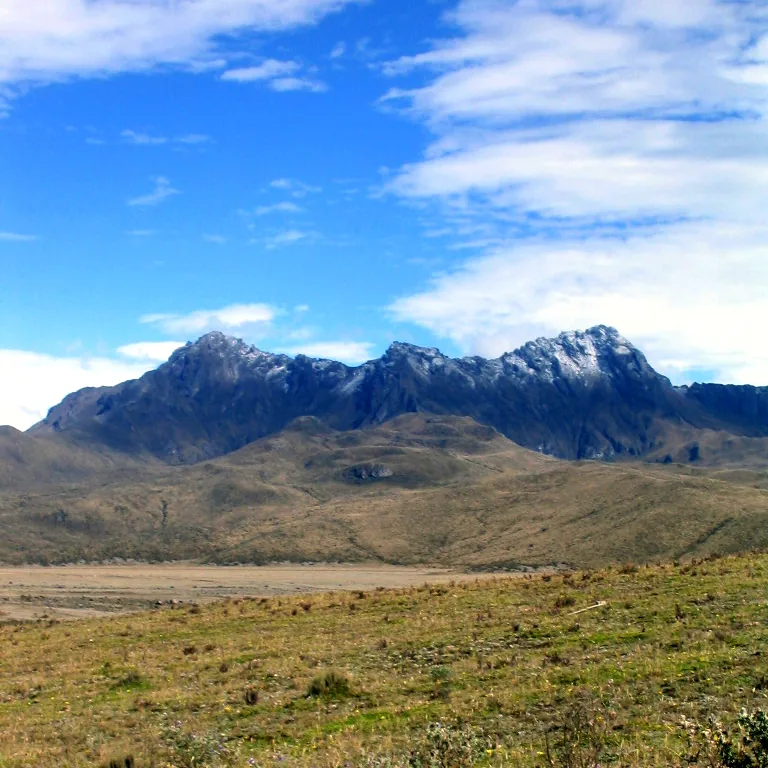
Cotopaxi National Park is a sweeping high-altitude nature reserve centered around the iconic, snow-capped Cotopaxi stratovolcano.

Sights nearby

Frequently asked questions

Is Cotopaxi currently active?
Yes, it is one of the world's highest active volcanoes and is constantly monitored.
Can you hike to the crater rim?
Yes, but only with special equipment and an experienced mountain guide.
What is the Limpiopungo Lagoon?
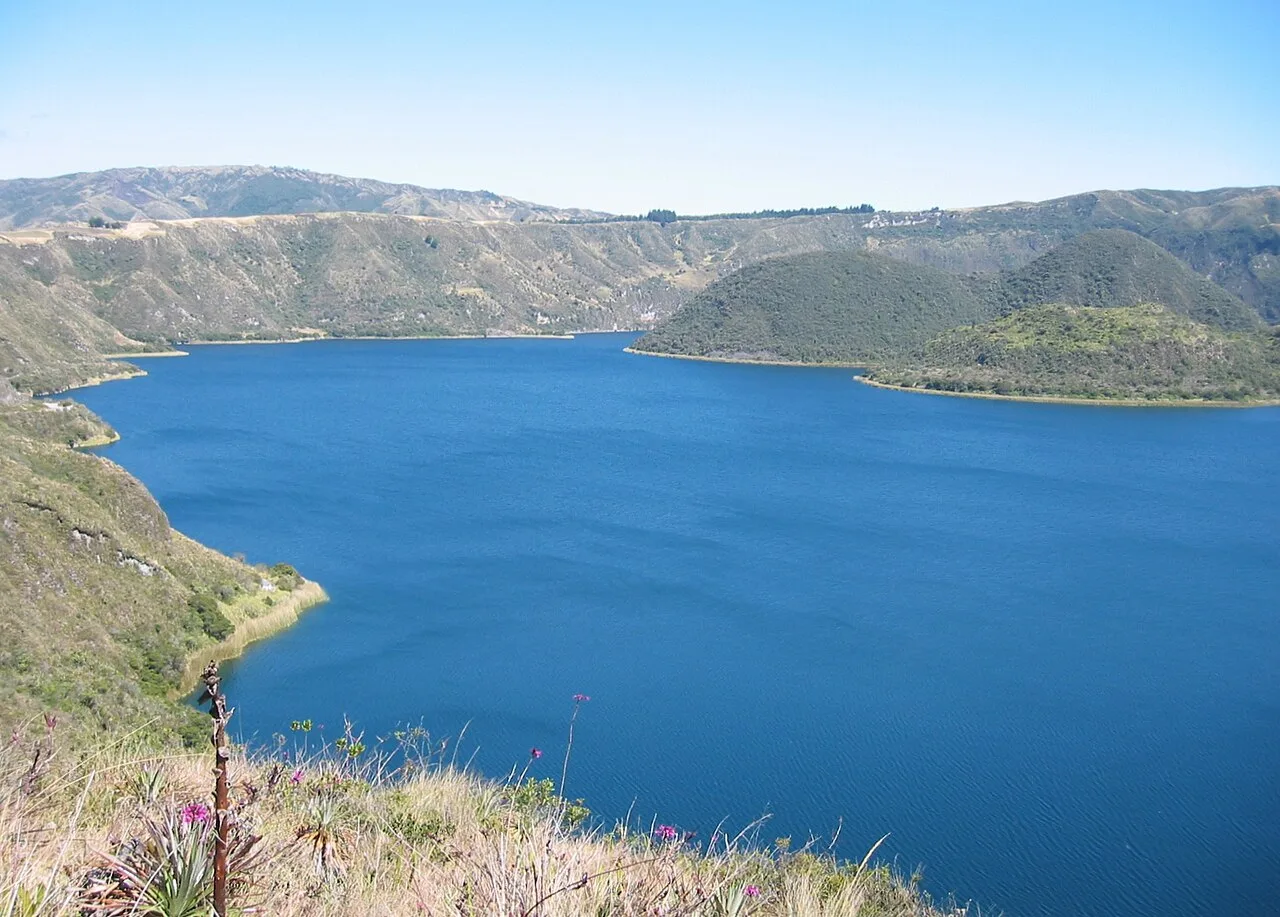
A shallow lake at the base of the volcano, well-suited for birdwatching and easy walks.
How far is the park from Quito?
It is about a 1.5 to 2-hour drive south of Quito.
Are there accommodations in the national park?
Yes, there is the Tambopaxi Lodge and camping areas within the park boundaries.
Cotopaxi: where is it located?
Cotopaxi is located in Ecuador.
Cotopaxi: what is there to see?
Highlights include Ami Grande, Parque Nacional Cotopaxi.
Cotopaxi: when is the best time to visit?
The most pleasant time to visit is Jul, Sep.
Cotopaxi: why is it worth visiting?
Cotopaxi is one of the highest active volcanoes in the world and an iconic symbol of Ecuador, known for its near-well-suited symmetrical cone.
View on map → The Top 50 Attractions → OpenStreetMap →
South America
Explore with Plizio Discover more places in South America
More places in Ecuador →

Nearby cities

History & landmarks
Nature
More places