Plizio Visual Lab

Chimborazo
Plizio editorial teamData Sources
Mountain
—°2
Chimborazo (Ecuador)

Weather…

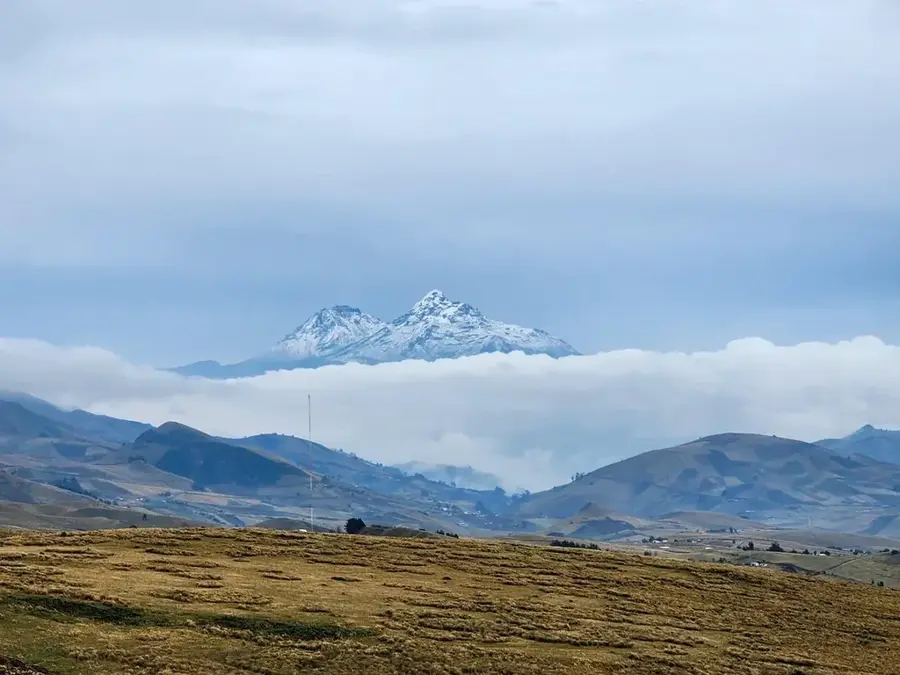
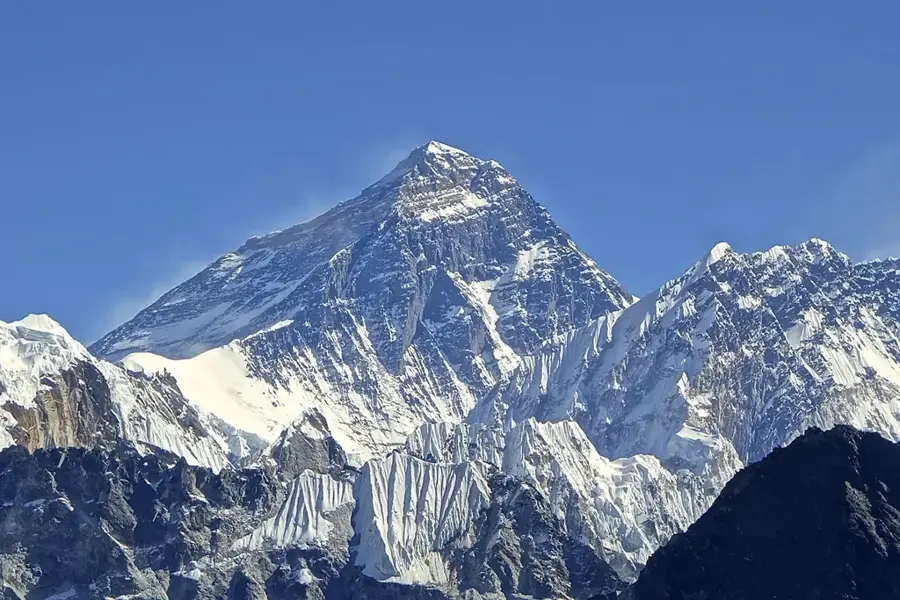
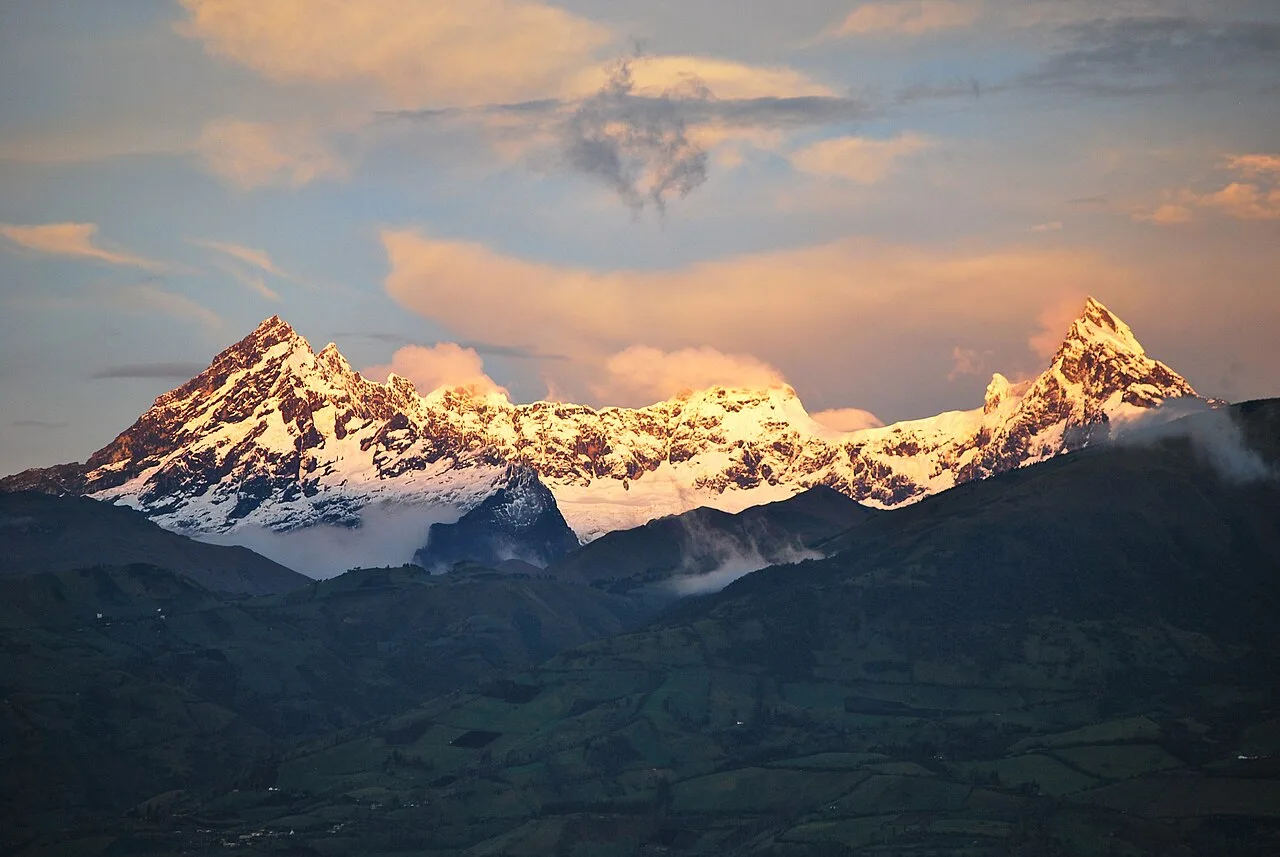
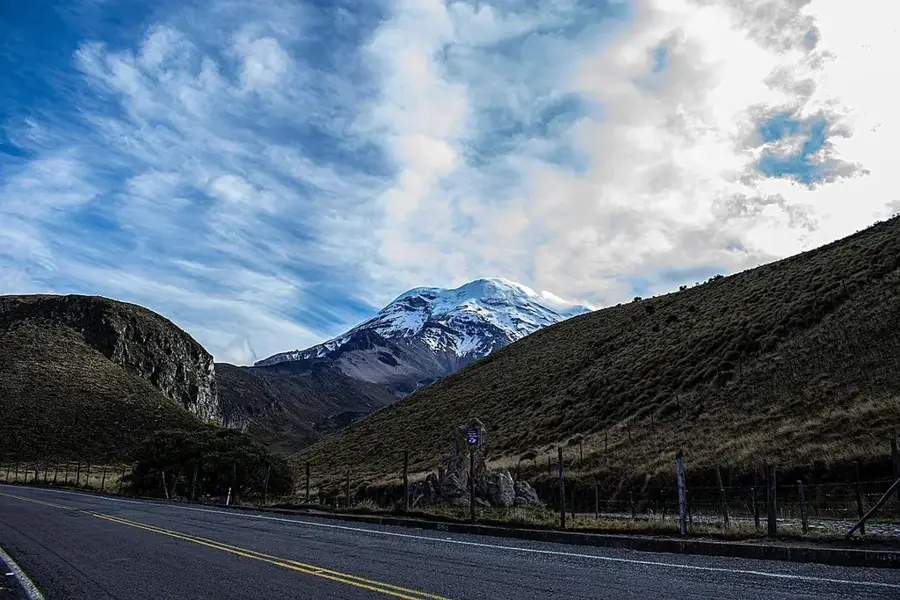
Chimborazo is an inactive stratovolcano in the Cordillera Occidental of the Andes and stands as Ecuador's highest peak at 6,263 meters (20,548 feet). Due to the Earth's equatorial bulge, its summit is the point on the planet's surface farthest from the Earth's center, making it closer to outer space than Mount Everest. The mountain is capped by massive glaciers that serve as a critical water source for the surrounding provinces, though they are currently receding due to global warming. Historically, Chimborazo gained worldwide fame through the scientific explorations of Alexander von Humboldt in 1802, although he did not reach the actual summit. The first documented successful ascent was achieved by Edward Whymper in 1880. Today, the volcano is the centerpiece of a fauna production reserve known for its protected vicuña population and remains a top challenge for high-altitude mountaineers. Geologically, it belongs to the Pacific Ring of Fire, with its last known eruption occurring around 550 AD.

Best time to visit & climate

The most pleasant time to visit is Aug–Oct.

JanFebMarAprMayJunJulAugSepOctNovDec
Avg °C121211121110101011111211
Rain mm124146162162129111897567109113113

📋 Practical info

🧭
Getting there
Access to the country's highest mountain is typically via well-maintained highways leading up to the high-altitude refuges. From the nearest major city, visitors can comfortably reach the base area within a few hours of driving.
📅
Best season
For mountaineers, the drier winter months are generally considered the preferred time, as weather conditions near the equator are most stable. Clear mornings often provide the best views before clouds and fog typically roll in during the afternoon.
⛰️
Terrain & paths
The terrain rapidly transitions from high-Andean páramo landscape to rugged, glacier-covered slopes with extreme inclines. Ascending this massive volcano requires navigating deep snow, hazardous crevasses, and exposed rocky sections.
🎒
What to bring
For a serious ascent, complete high-altitude glacier equipment, including crampons, an ice axe, and ropes, is absolutely indispensable. Even for casual day visitors to the lower refuges, extremely warm, windproof clothing and sun protection are mandatory.
🅿️
Parking
Officially designated parking areas are usually available at the lower mountain refuges, which are monitored by park rangers. These spaces tend to fill up rapidly, especially on weekends, making early arrival highly advisable for all visitors.
⚠️
Safety
The extreme altitude poses the primary risk; a slow acclimatization process over several days is crucial to prevent severe altitude sickness. Summit attempts should only be undertaken with certified local mountain guides due to objective glacier hazards.
⏱️
Time needed
Visiting the refuges with a short hike can easily be accomplished as a half-day excursion. However, those aiming for the summit of this giant must commit to a multi-day program of acclimatization, training, and an exhausting nocturnal ascent.

Geography

Coordinates
-1.46667, -78.81667

Facts

  • The summit reaches an elevation of 6,263 meters above sea level.
  • Its peak is 6,384 km away from the center of the Earth.
  • The first successful ascent was made by Edward Whymper in 1880.
  • The volcano's last eruption took place around 550 AD.
  • It is surrounded by a reserve protecting over 7,000 vicuñas.
  • The mountain was considered the highest in the world until 1852.

Explore nearby

Notable places around

Route planner — Car & Motorhome

Where do you start? We build the route here, with stops and country notes along the way.

Vehicle
Only stops with (optional):

© OpenStreetMap contributors · OpenRouteService

Sights in the town Chimborazo (2)

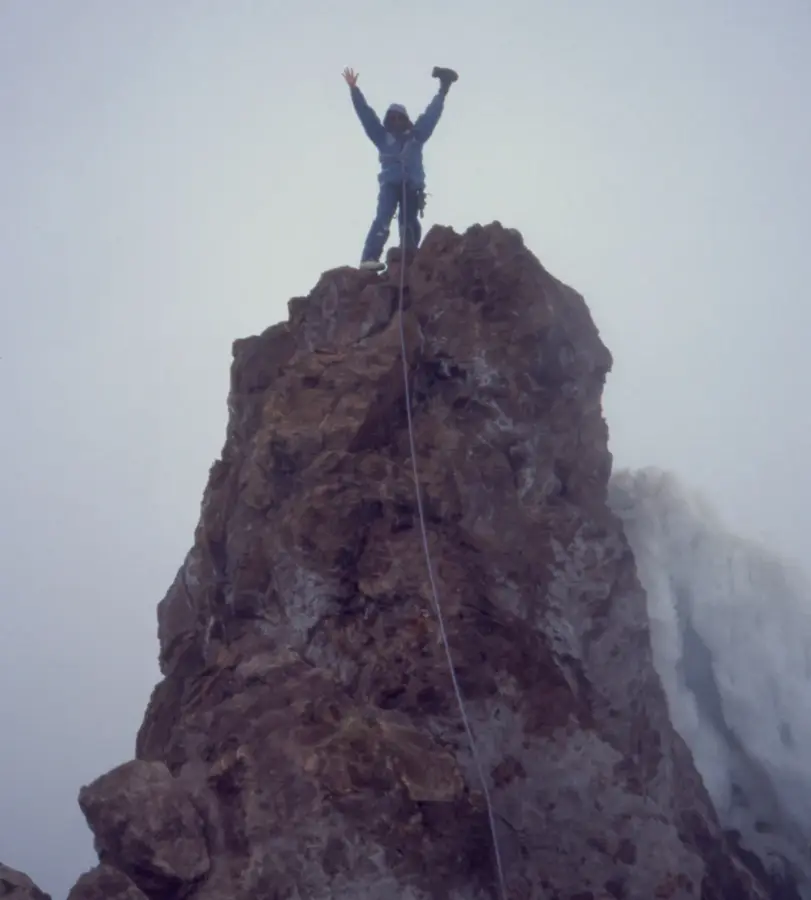
Whymper Needles📍 landmark

Distinctive geological rock formations named after Edward Whymper, located on the slopes of Chimborazo.

Reserva de Producción Faunística Chimborazo🌿 nature

A protected faunal reserve dedicated to the conservation of vicuñas around the slopes of Mount Chimborazo.

Sights nearby

Frequently asked questions

Is Chimborazo the highest mountain in the world?
Its summit is the point on Earth's surface farthest from the Earth's center.
Can you drive up?
You can drive up to the Hermanos Carrel refuge at 4,800 meters.
Do you need a permit for climbing?
Yes, for the summit climb, a certified guide and a permit are legally required.
How cold does it get at the summit?
Temperatures can drop to -15°C or lower at night, with strong winds.
How long is the hike to the second refuge?
From the first to the second hut (Whymper), it takes about 45-60 minutes on foot.
Chimborazo: where is it located?
Chimborazo is located in Ecuador.
Chimborazo: what is there to see?
Highlights include Whymper Needles, Reserva de Producción Faunística Chimborazo.
Chimborazo: when is the best time to visit?
The most pleasant time to visit is Aug, Oct.
Chimborazo: why is it worth visiting?
Chimborazo is an inactive stratovolcano in the Cordillera Occidental of the Andes and stands as Ecuador's highest peak at 6,263 meters (20,548 feet).
View on map → The Top 50 Attractions → OpenStreetMap →
South America
Explore with Plizio Discover more places in South America
More places in Ecuador →

Nearby cities

History & landmarks
Nature

More places