Plizio Visual Lab

Fernandina Island
Plizio editorial teamData Sources
Island
—°2
Fernandina Island (Ecuador)

Weather…

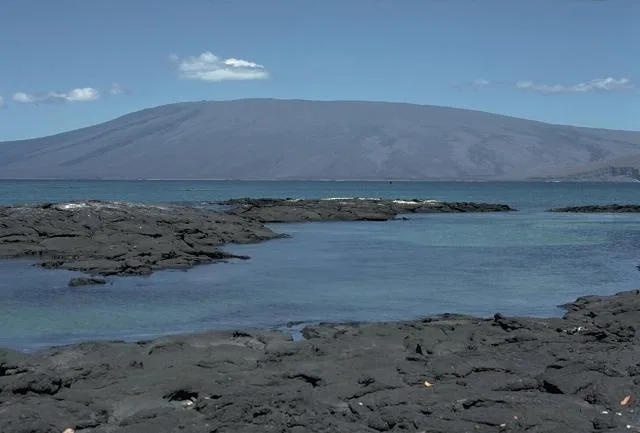
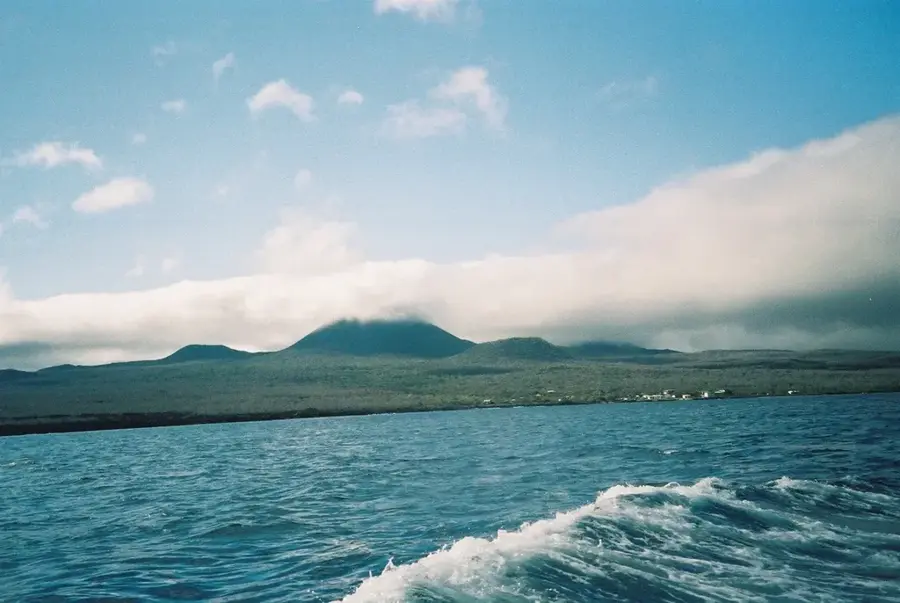
Fernandina Island is the youngest and westernmost of the major Galapagos Islands, serving as a pristine testament to volcanic creation. It consists of a single massive shield volcano, La Cumbre, which rises to 1476 meters and features a deep central caldera that is frequently reshaped by seismic activity. Positioned directly over the Galapagos hotspot, Fernandina is one of the most active volcanic sites on Earth, with its most recent major eruption documented in 2024. The island is ecologically significant because it remains free of any human-introduced mammals, preserving its biological integrity more than any other large island in the chain. It hosts the world's largest colony of marine iguanas, which gather on the dark volcanic shores to thermoregulate, as well as the unique flightless cormorant. The landscape is characterized by stark, jagged lava flows that reach the turquoise waters of the Pacific, providing a harsh environment for specialized endemic species. Fernandina's isolation and active geology make it a primary site for studying primary succession and the ongoing formation of the archipelago.

Best time to visit & climate

The most pleasant time to visit is Aug–Oct.

JanFebMarAprMayJunJulAugSepOctNovDec
Avg °C262727272624232222222324
Rain mm425948531698867912

📋 Practical info

🧭
Getting there
Access to this remote Galapagos island is strictly controlled and typically requires joining an authorized, guided liveaboard cruise departing from Santa Cruz or San Cristobal. Independent travel to the island is not permitted due to conservation rules.
📅
Best season
The dry and cooler season from June to November is usually best for observing marine life, while the warm, wet season from December to May provides calmer seas. Visitors can explore the island year-round depending on their specific wildlife interests.
⛰️
Terrain & paths
The landscape consists largely of rugged, uneven lava fields, meaning visitors must navigate sharp, rocky surfaces during guided walks. There are no paved trails, and the raw volcanic environment can be physically demanding to traverse safely.
🎒
What to bring
Sturdy, closed-toe hiking shoes with excellent grip are absolutely essential for walking on the sharp lava rocks safely. Sun protection, including a wide-brimmed hat, strong sunscreen, and plenty of drinking water, is necessary due to the lack of shade.
🅿️
Parking
Since Fernandina is entirely protected and accessible only by sea, there are no parking facilities or base towns on the island itself. Visitors will leave all personal vehicles on the populated islands or mainland Ecuador before boarding their cruise.
⚠️
Safety
The harsh volcanic landscape has no natural shelter, making extreme sun exposure and dehydration the primary hazards during shore excursions. Furthermore, strict adherence to the guide's path is required to protect the delicate ecosystem and avoid dangerous terrain.
⏱️
Time needed
Guided landings and exploration walks typically last between two and three hours to minimize human impact on the pristine environment. The entire trip, however, forms part of a multi-day liveaboard itinerary exploring the broader western Galapagos region.

Geography

Coordinates
-0.36667, -91.55000

Facts

  • The island covers an area of approximately 642 square kilometers.
  • The La Cumbre volcano last erupted in March 2024.
  • Fernandina is the third largest island in the Galapagos chain.
  • The island was first discovered in 1535 by Tomás de Berlanga.
  • There are no permanent human settlements or roads on the island.
  • The highest point reaches an elevation of 1476 meters.

Explore nearby

Notable places around

Route planner — Car & Motorhome

Where do you start? We build the route here, with stops and country notes along the way.

Vehicle
Only stops with (optional):

© OpenStreetMap contributors · OpenRouteService

Sights in the town Fernandina Island (2)

La Cumbre (Galápagos Islands)📍 landmark

Galápagos hotspot📍 landmark

Sights nearby

Frequently asked questions

Is Fernandina inhabited?
No, Fernandina is uninhabited and considered one of the most pristine islands in the world with no introduced species.
What is special about the wildlife?
You can find massive colonies of marine iguanas and the flightless cormorant here.
What is the landscape like?
The island is volcanically very active; it consists largely of black lava fields from the La Cumbre volcano.
Are you allowed to walk anywhere?
No, visitors are only allowed to land at marked spots like Punta Espinoza under the supervision of a guide.
When should you visit Fernandina?
The island is part of cruise itineraries; the cooler months from June to November are handy for seeing marine life.
Fernandina Island: where is it located?
Fernandina Island is located in Ecuador.
Fernandina Island: what is there to see?
Highlights include La Cumbre (Galápagos Islands), Galápagos hotspot.
Fernandina Island: when is the best time to visit?
The most pleasant time to visit is Aug, Oct.
Fernandina Island: why is it worth visiting?
Fernandina Island is the youngest and westernmost of the major Galapagos Islands, serving as a pristine testament to volcanic creation.
View on map → The Top 50 Attractions → OpenStreetMap →
South America
Explore with Plizio Discover more places in South America
More places in Ecuador →

Nearby cities

More places