Plizio Visual Lab
Isabela Island
Weather…
Water temperature…
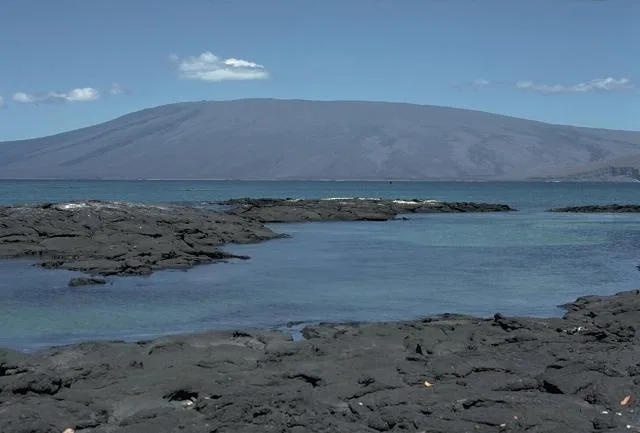
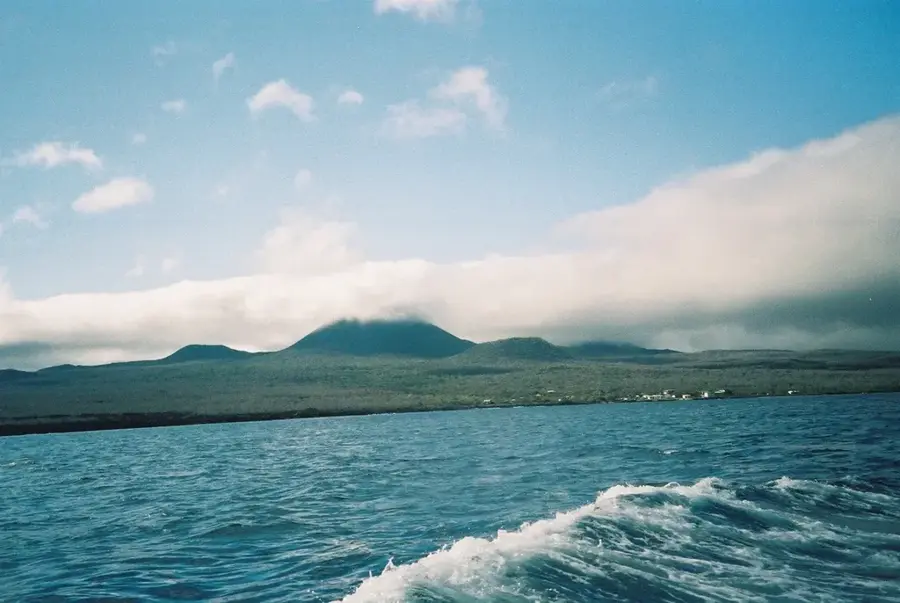
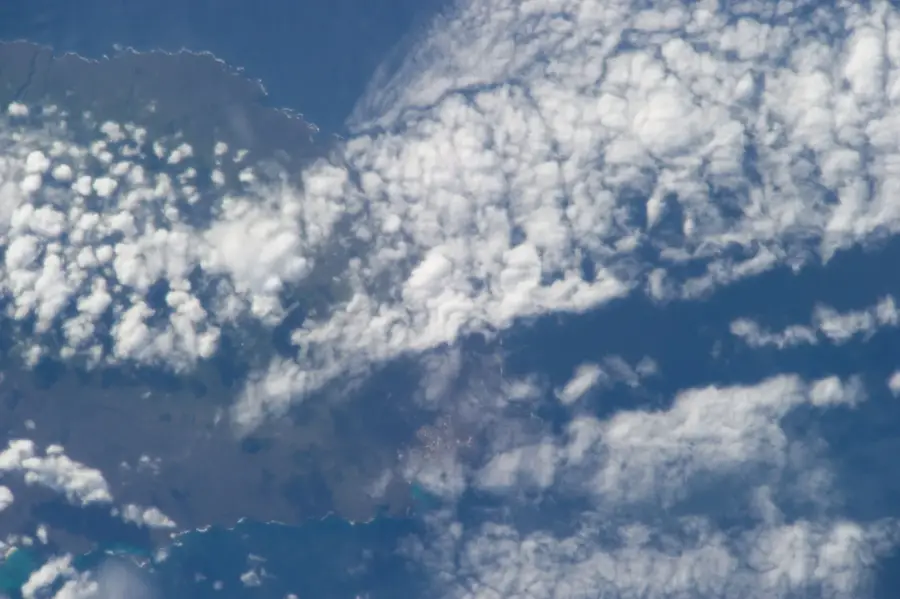
Isabela is the largest island in the Galapagos Archipelago, accounting for more than half of the total land area of the group. Geologically relatively young, it was formed by the merging of six shield volcanoes, five of which, Wolf, Darwin, Alcedo, Sierra Negra, and Cerro Azul, remain active today. The island is famous for its distinctive seahorse shape and hosts an extraordinary variety of wildlife, including more wild giant tortoises than all other islands combined. Notably, it is home to the Galapagos penguin, the only penguin species that lives north of the Equator. Isabela's coastal waters are nutrient-rich, providing well-suited conditions for marine iguanas, sea lions, and a vast array of fish species. Puerto Villamil, the main settlement in the south, retains its rustic charm and serves as a gateway for excursions into the stark volcanic landscapes. Protecting endemic species from invasive threats remains the primary ecological focus on Isabela.
- Location: Ecuador
- Nearby: Puerto Ayora (76 km)
Best time to visit & climate
The most pleasant time to visit is Aug–Oct.
| Jan | Feb | Mar | Apr | May | Jun | Jul | Aug | Sep | Oct | Nov | Dec | |
|---|---|---|---|---|---|---|---|---|---|---|---|---|
| Avg °C | 26 | 27 | 27 | 27 | 26 | 24 | 23 | 22 | 22 | 22 | 23 | 24 |
| Rain mm | 42 | 59 | 48 | 53 | 16 | 9 | 8 | 8 | 6 | 7 | 9 | 12 |
📋 Practical info
Geography
Facts
- Isabela covers a total land area of approximately 4,640 square kilometers.
- Wolf Volcano is the highest point in the Galapagos, reaching 1,707 meters.
- The island was named in honor of Queen Isabella I of Castile.
- It is the only island in the archipelago directly bisected by the Equator.
- The Sierra Negra volcano boasts one of the largest calderas in the world.
- Isabela is home to five distinct subspecies of the Galapagos giant tortoise.
Explore nearby
Notable places around


Route planner — Car & Motorhome
Where do you start? We build the route here, with stops and country notes along the way.
© OpenStreetMap contributors · OpenRouteService
Sights nearby
Frequently asked questions
What is the main attraction on Isabela?
How do you get to Isabela?
Can you go snorkeling there?
Are there hotels there?
Which volcano can be visited?
Isabela Island: where is it located?
Isabela Island: when is the best time to visit?
Isabela Island: why is it worth visiting?
Nearby cities
More places