Plizio Visual Lab
Antisana
Weather…
Water temperature…
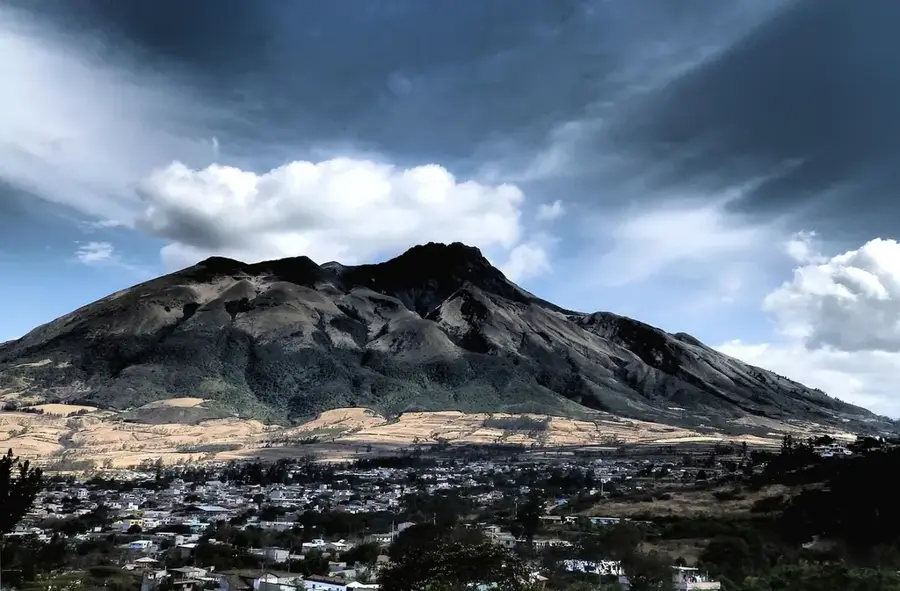
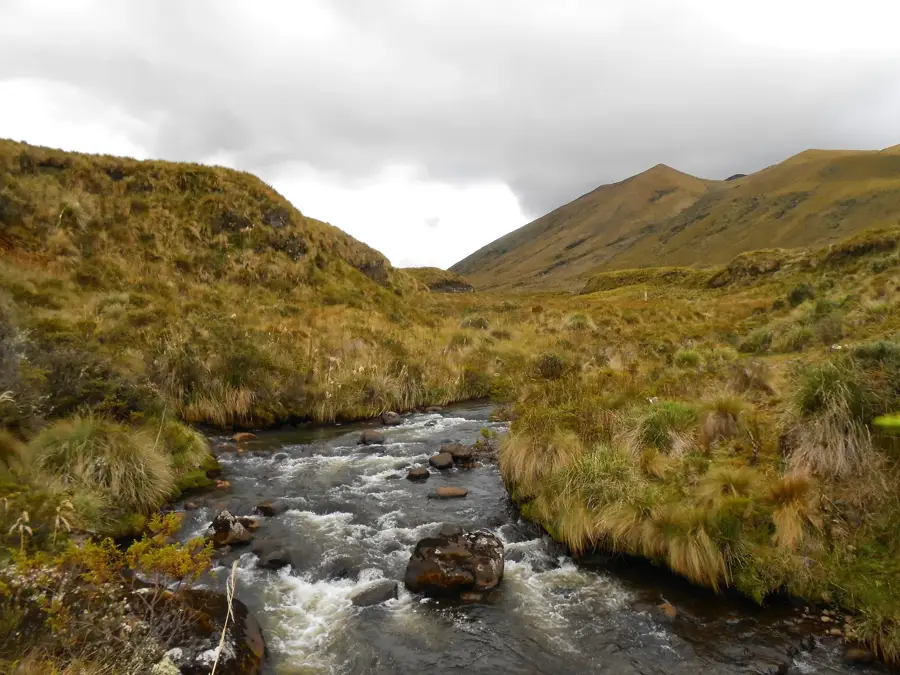
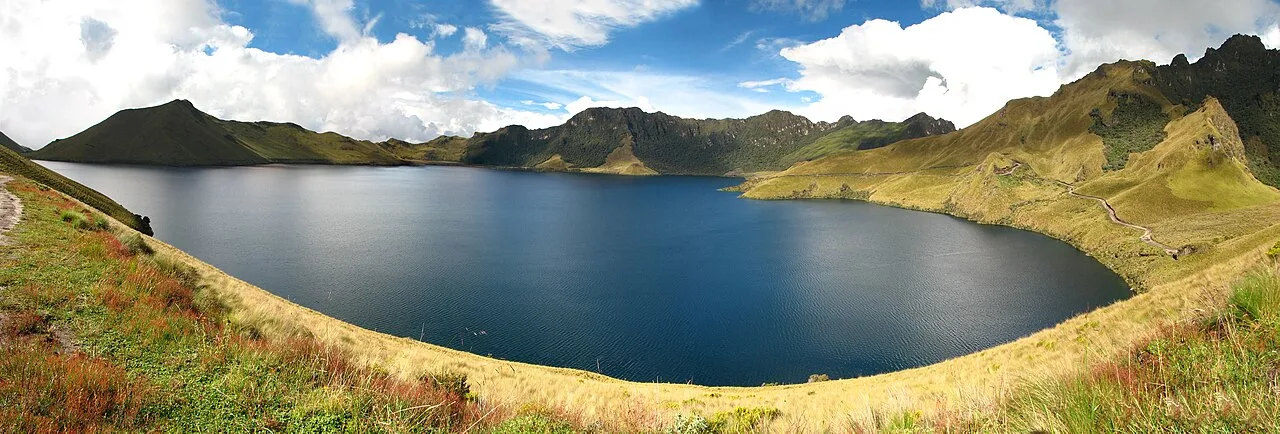
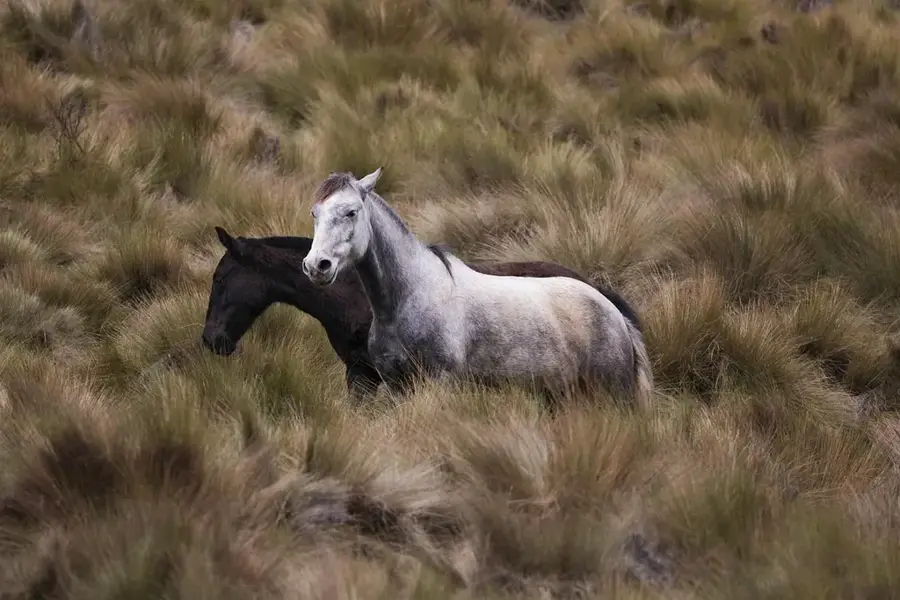
Antisana is a massive stratovolcano located in the Eastern Cordillera of the Ecuadorian Andes and is the fourth-highest peak in the country, reaching 5,752 meters (18,871 feet). It is distinguished by its vast ice cap and a complex summit structure featuring four distinct peaks, making it one of the most imposing massifs in the region. The volcano is protected within the Antisana Ecological Reserve, an area famous for its pristine high-altitude paramo grasslands and for hosting the largest population of Andean condors in Ecuador. Geologically, Antisana is noted for its spectacular lava flows that erupted from lateral vents, such as the massive Antisanilla flow that reshaped the surrounding valley centuries ago. Its last confirmed eruption occurred in 1801, and it remains classified as a potentially active volcano. For mountaineers, Antisana is considered one of the most challenging climbs in Ecuador due to its highly fractured glaciers and frequently harsh weather. The Micacocha lagoon at its base serves as a crucial water reservoir for the nearby capital city of Quito.
- Location: Ecuador
- Nearby: Cayambe (12 km)
Best time to visit & climate
The most pleasant time to visit is Jul–Sep.
| Jan | Feb | Mar | Apr | May | Jun | Jul | Aug | Sep | Oct | Nov | Dec | |
|---|---|---|---|---|---|---|---|---|---|---|---|---|
| Avg °C | 10 | 10 | 10 | 10 | 10 | 8 | 8 | 8 | 9 | 10 | 10 | 10 |
| Rain mm | 134 | 140 | 168 | 180 | 146 | 104 | 81 | 62 | 69 | 119 | 131 | 127 |
📋 Practical info
Geography
Facts
- Antisana stands at an elevation of 5,752 meters.
- The mountain features a unique four-peaked summit structure.
- The first successful ascent was in 1880 by Edward Whymper.
- The volcano's last major eruption occurred in 1801.
- It is home to the highest concentration of Andean condors in Ecuador.
- The Micacocha lagoon at its base is a key water source for Quito.
Explore nearby
Notable places around


Route planner — Car & Motorhome
Where do you start? We build the route here, with stops and country notes along the way.
© OpenStreetMap contributors · OpenRouteService
Sights nearby
Frequently asked questions
What is the main feature of Antisana?
Can you see condors here?
Is the summit suitable for beginners?
Is there a lake nearby?
Do you need a special car for the drive?
Antisana: where is it located?
Antisana: when is the best time to visit?
Antisana: why is it worth visiting?
Nearby cities
History & landmarks

Nature
More places