Attractions in Guinea-Bissau
The finest attractions in Guinea-Bissau at a glance: castles, natural wonders, historic old towns and more. Each place links to a detailed page with map, tips and photos.
Culture & History
Estádio Lino Correia
A multi-use stadium located in the heart of Bissau, used mainly for football matches and one of the oldest sporting structures in the capital.
Learn more →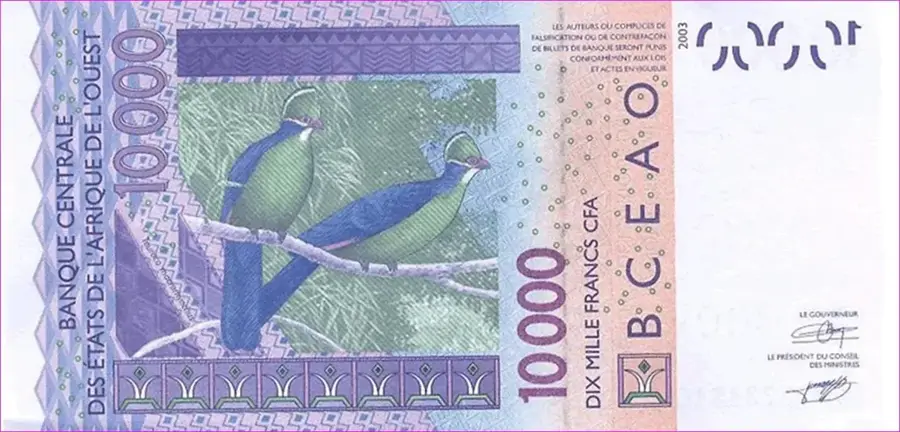
BCEAO Building Bissau
The main branch of the Central Bank of West African States in Bissau, an imposing modern building symbolizing the economic stability of the region.
Learn more →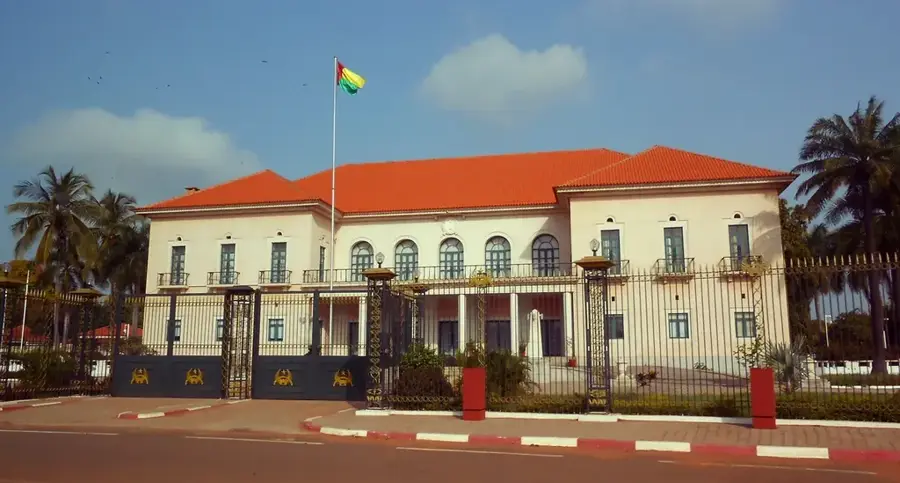
Presidential Palace of Bissau
The official residence of the President of Guinea-Bissau, a magnificent colonial-style building reconstructed after its destruction during the civil …
Learn more →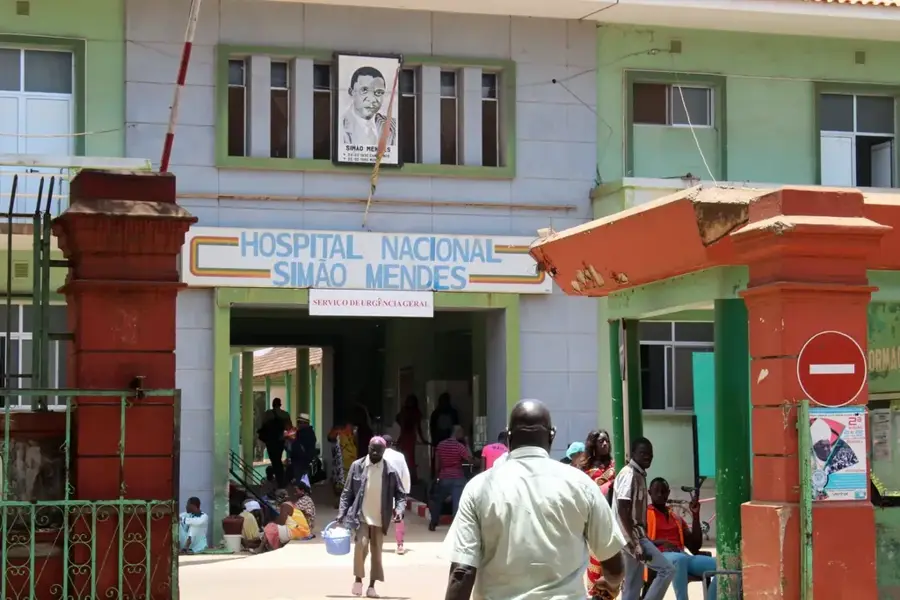
Simão Mendes National Hospital
The largest and most important hospital in the country, named after a martyr of the independence struggle, a central landmark in Bissau.
Learn more →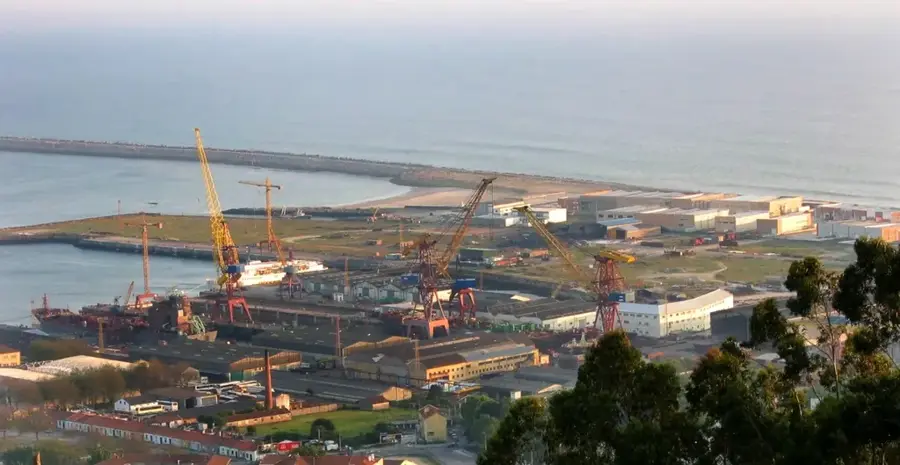
Bandim Fishing Port
A bustling port in Bissau, serving as the main center for artisanal fishing and an important site for the local economy.
Learn more →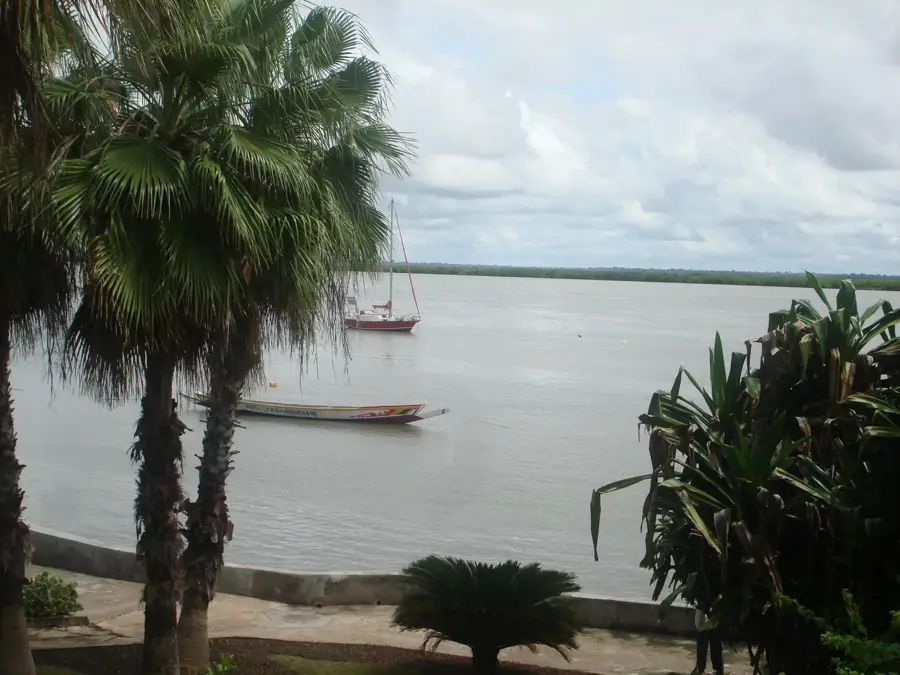
Cacheu River Bridge
A significant bridge in the north of the country, crossing the Cacheu River and facilitating traffic towards the Senegalese border.
Learn more →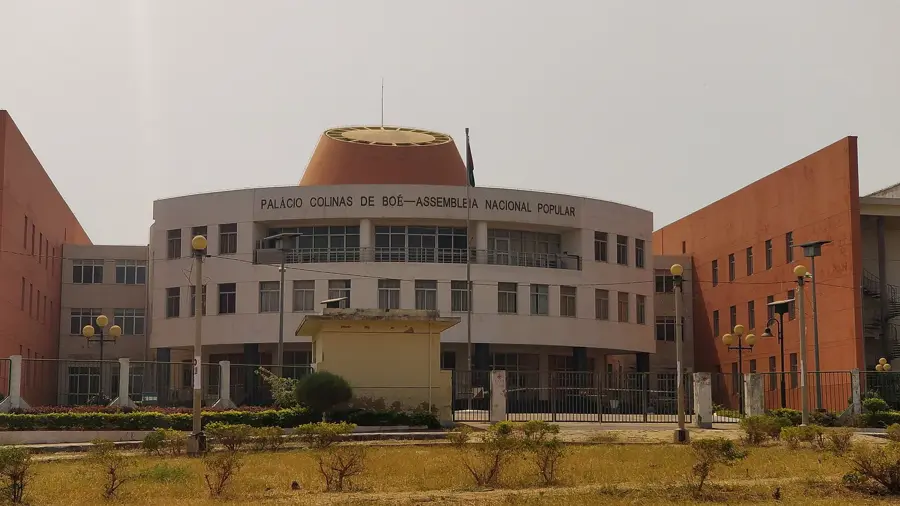
Palácio Colinas de Boé
An important government complex in Bissau, serving as a venue for national assemblies and significant state ceremonies.
Learn more →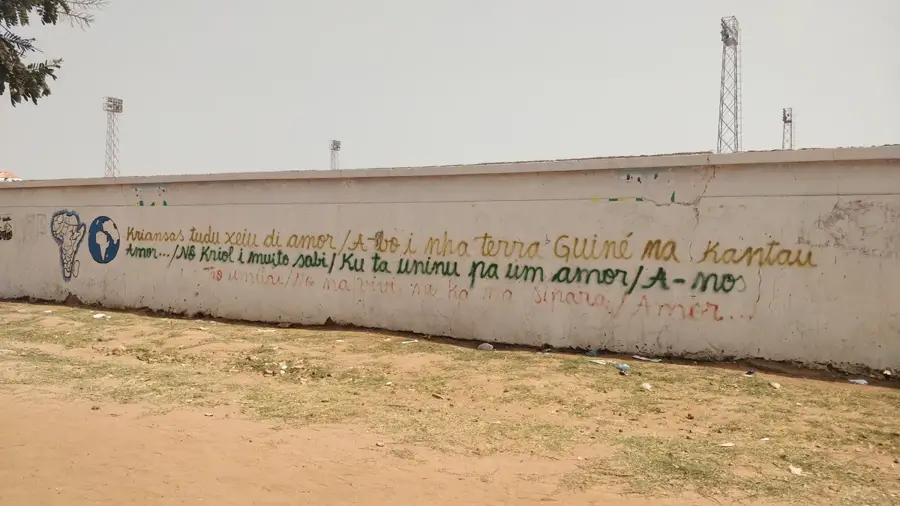
Amílcar Cabral University
The only public university in Guinea-Bissau, a center for higher education and research, named after the father of the nation.
Learn more →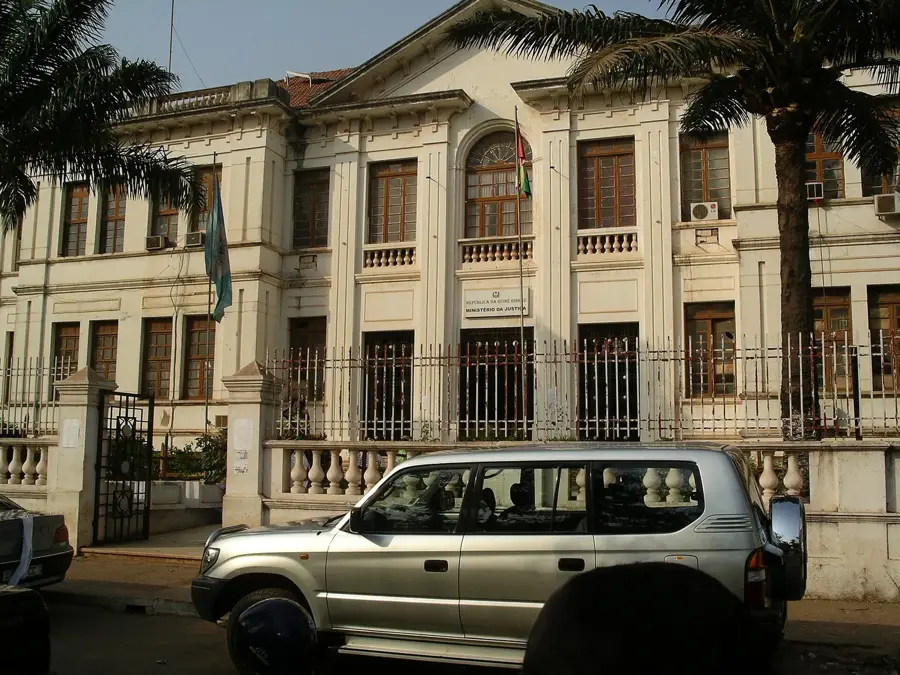
Ilhéu do Rei Lighthouse
A historic lighthouse on a small island opposite the port of Bissau, guiding ships through the Geba River estuary.
Learn more →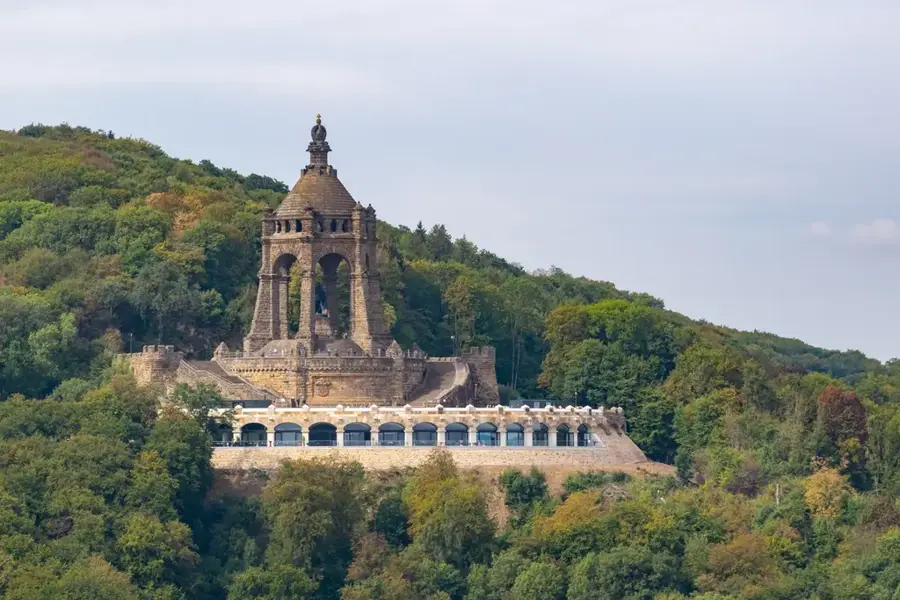
January 20 Monument
A monument in Bissau dedicated to the 'Day of National Heroes', commemorating the anniversary of Amílcar Cabral's death in 1973.
Learn more →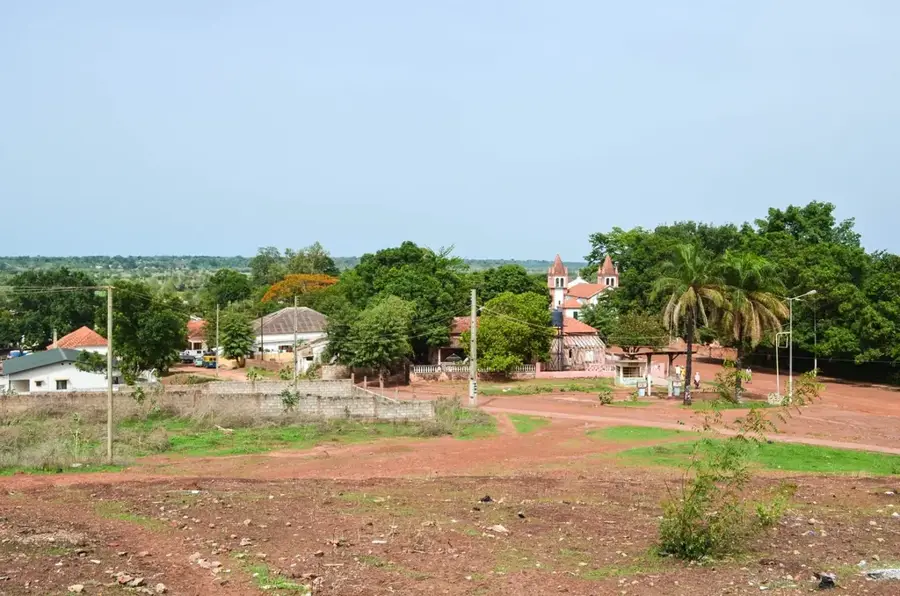
Bafatá Geba Bridge
A strategically important bridge spanning the Geba River in the city of Bafatá, linking the east of the country with the capital.
Learn more →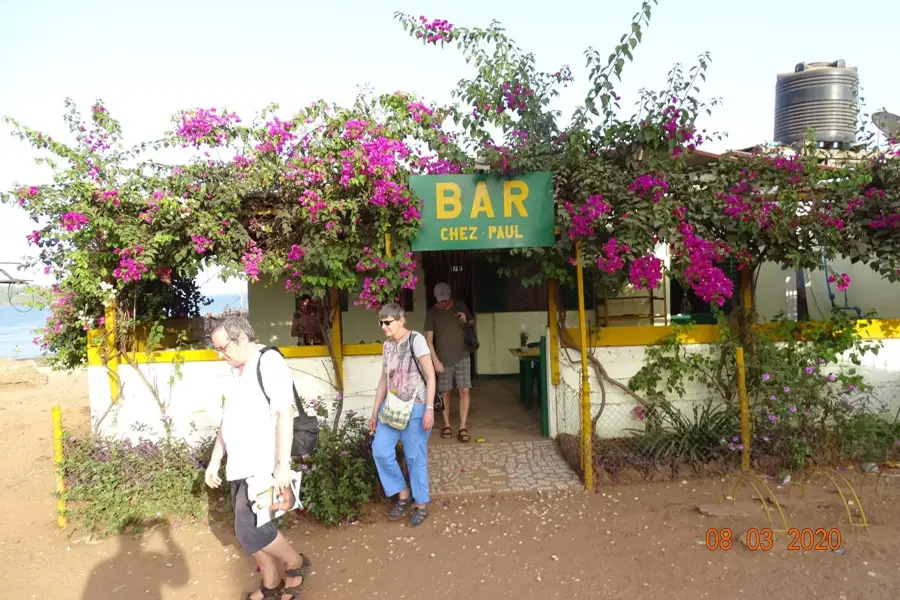
Bubaque Lighthouse
A prominent lighthouse on Bubaque Island, serving as an important navigation point for vessels in the Bijagós Archipelago.
Learn more →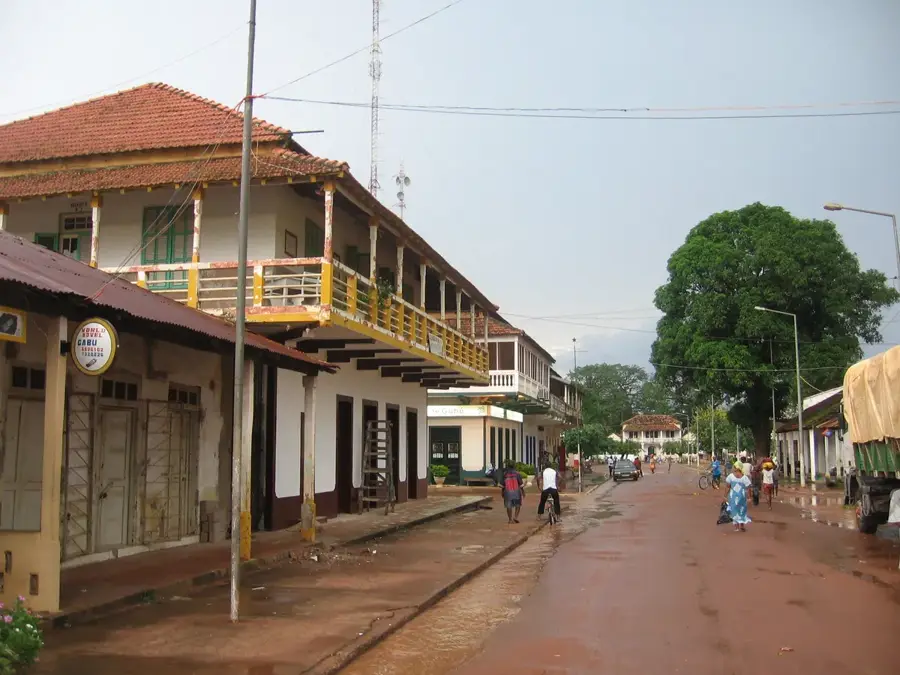
Catholic Church of Gabú
A significant Christian place of worship in Gabú, reflecting the religious plurality in the eastern region of the country.
Learn more →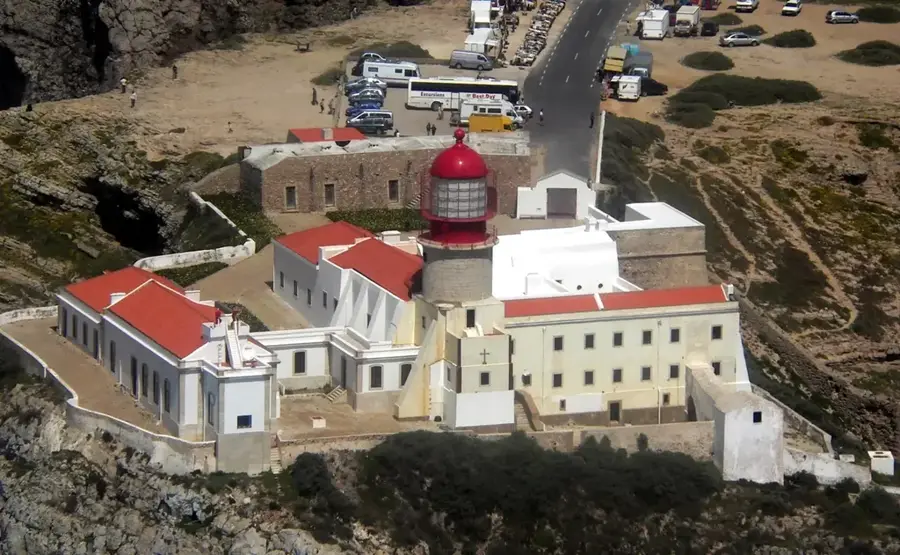
Ponta Varela Lighthouse
A remote lighthouse on the northwestern coast of Guinea-Bissau, marking the northern maritime border with Senegal.
Learn more →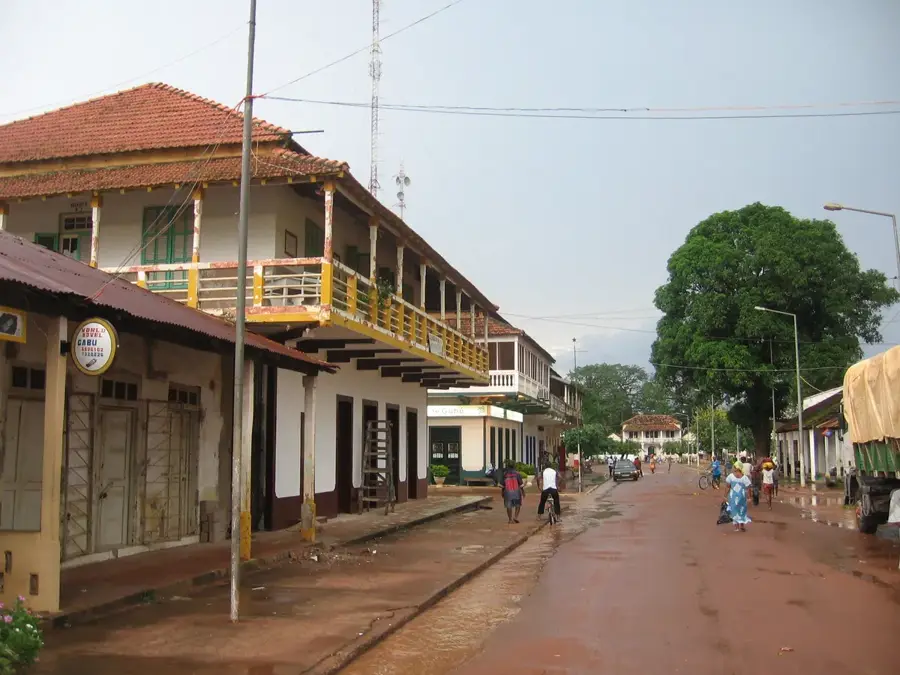
Great Mosque of Gabú
A prominent religious building in the city of Gabú, a center of Islam in eastern Guinea-Bissau.
Learn more →Nature
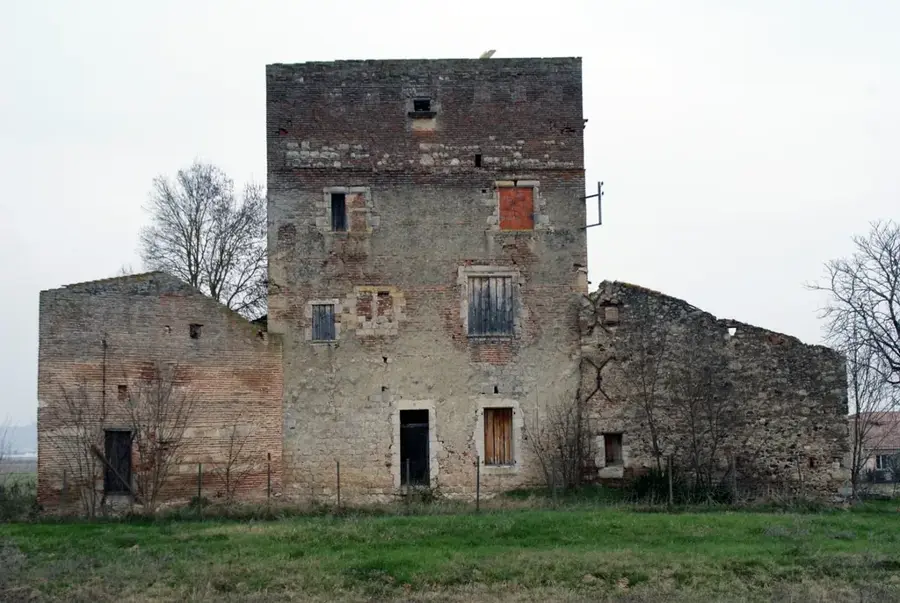
Boé Hills
The Boé Hills represent the highest elevations in Guinea-Bissau.
Learn more →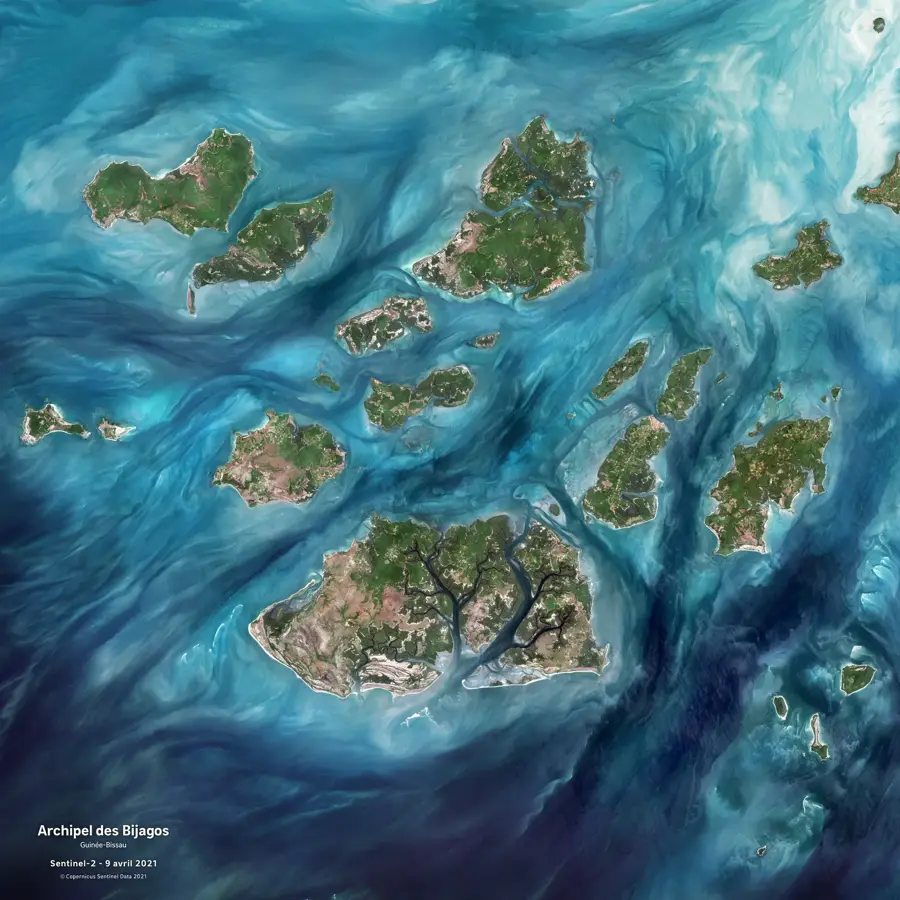
Poilão Island
Poilão Island is a sacred site for the Bijagós and one of the most important nesting sites for the Green Sea Turtle in the entire Atlantic.
Learn more →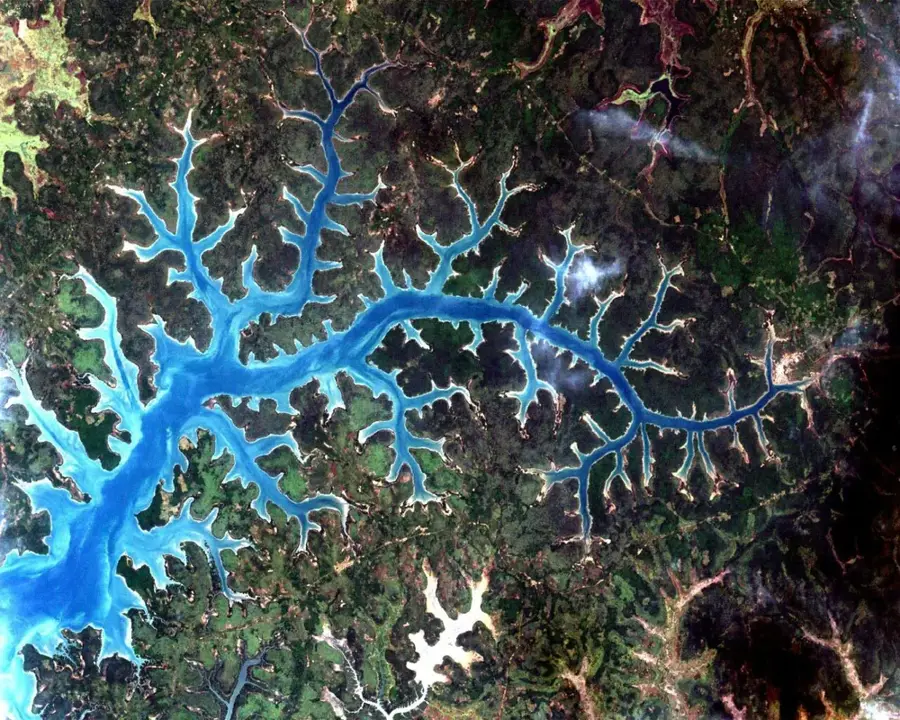
Rio Grande de Buba
The Rio Grande de Buba is actually a long, fjord-like marine inlet that reaches deep into the interior.
Learn more →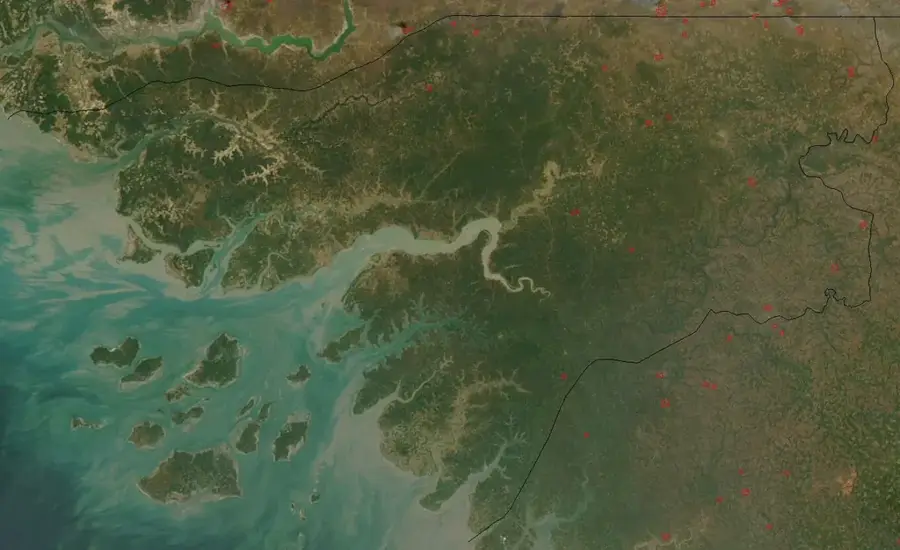
Bijagós Archipelago
This archipelago consists of 88 islands and islets off the coast of Guinea-Bissau.
Learn more →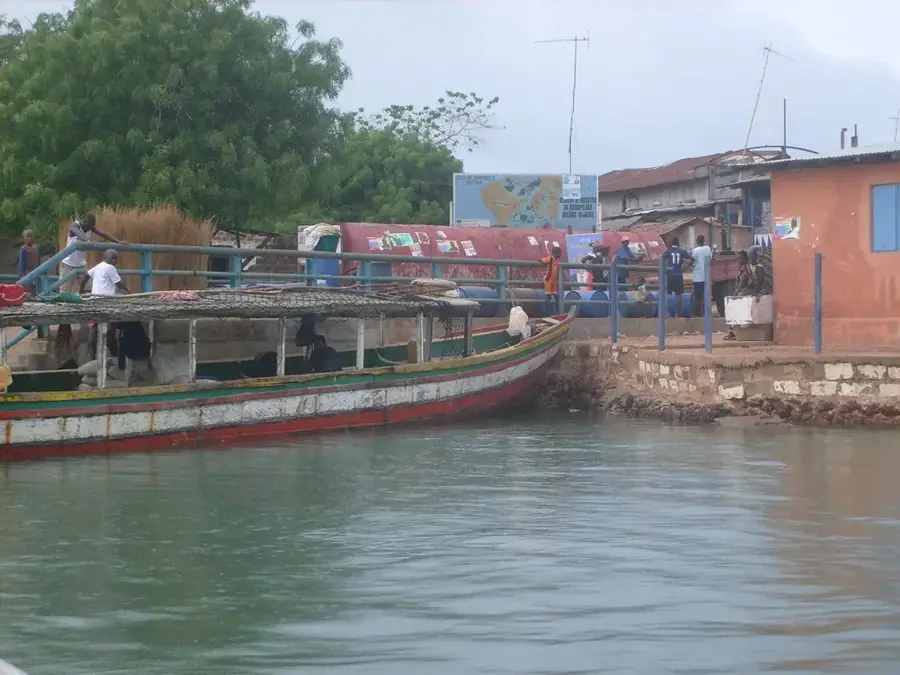
Bubaque Island
Bubaque is the administrative center of the Bijagós Archipelago and one of the most accessible islands.
Learn more →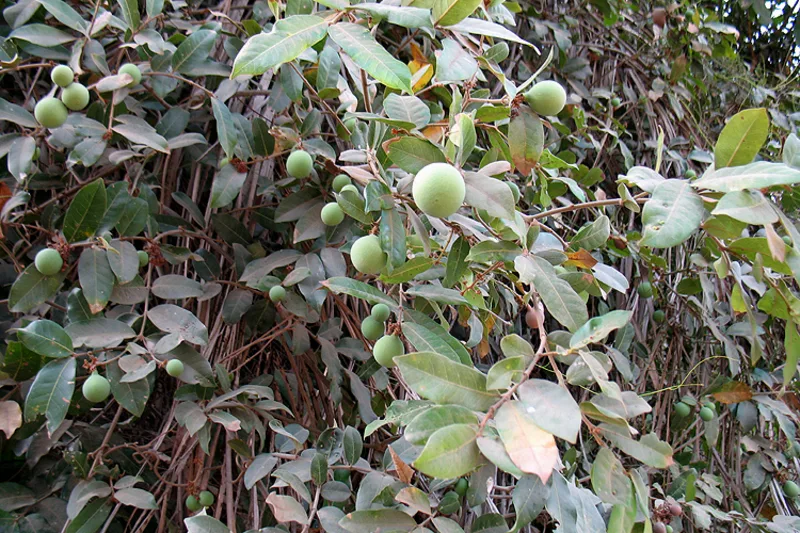
Rubane Island
Located opposite Bubaque, Rubane is known for its exclusive eco-resorts and pristine nature.
Learn more →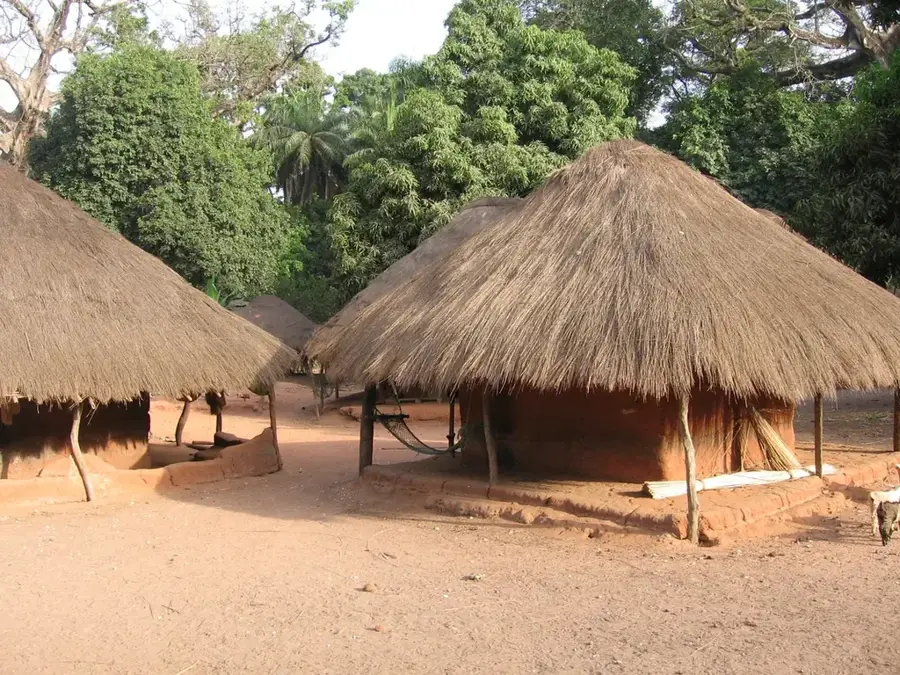
Caravela Island
Caravela is the northernmost island of the Bijagós Archipelago.
Learn more →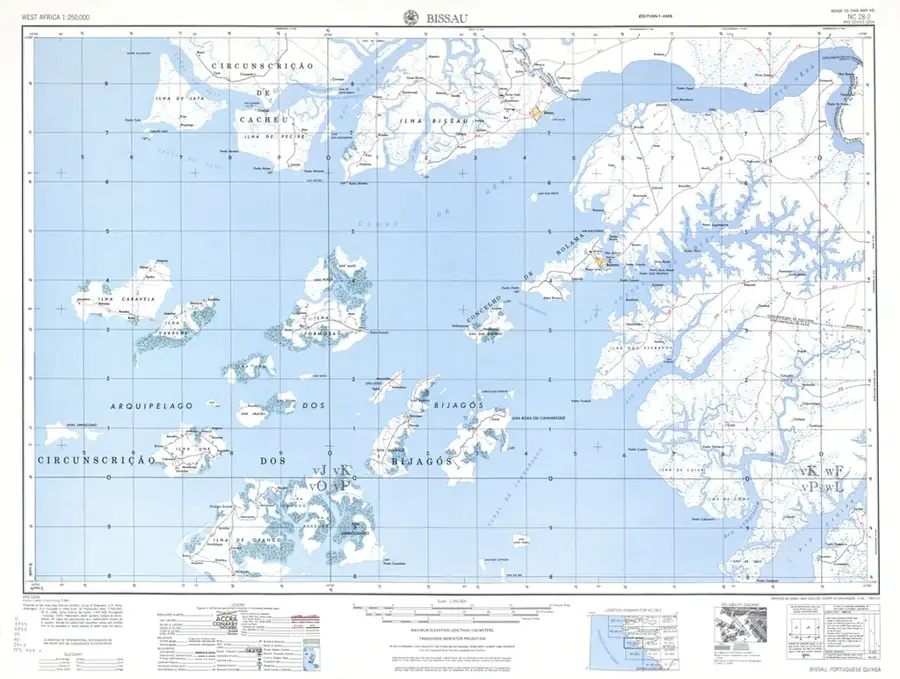
Orango Island
Orango Island is part of the Bijagós Archipelago and is famous for its unique saltwater hippopotamuses.
Learn more →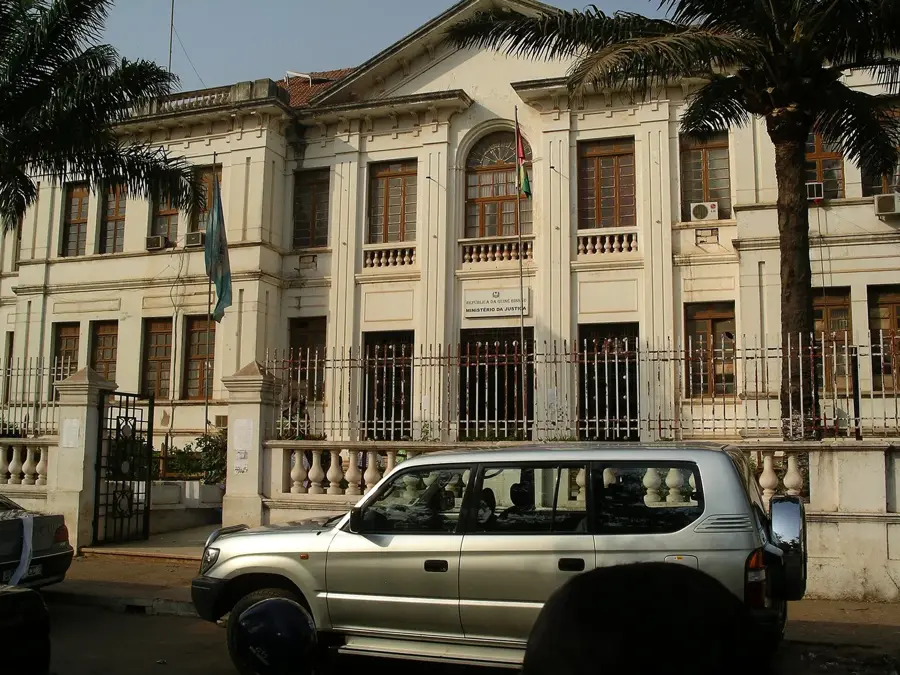
Geba River
The Geba River is the most important river in Guinea-Bissau, flowing through the capital Bissau into the Atlantic Ocean.
Learn more →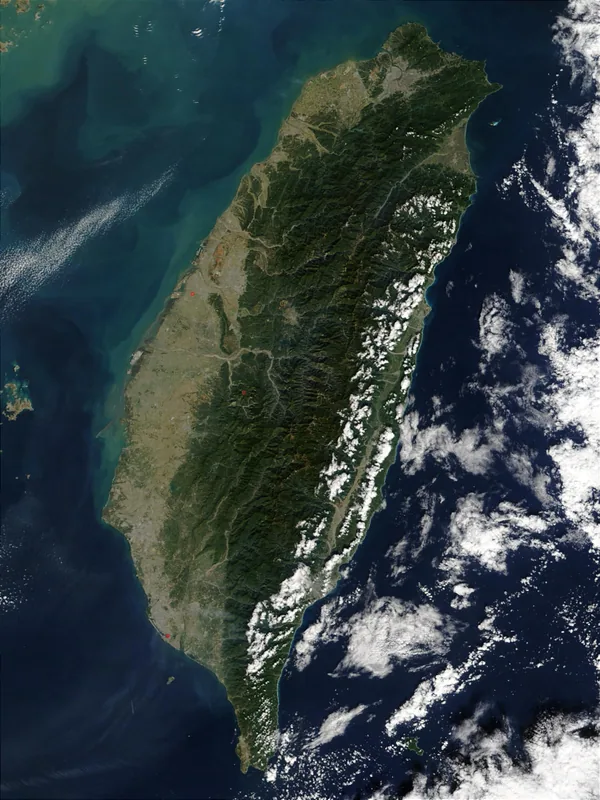
Formosa Island
Formosa is one of the larger islands of the Bijagós Archipelago.
Learn more →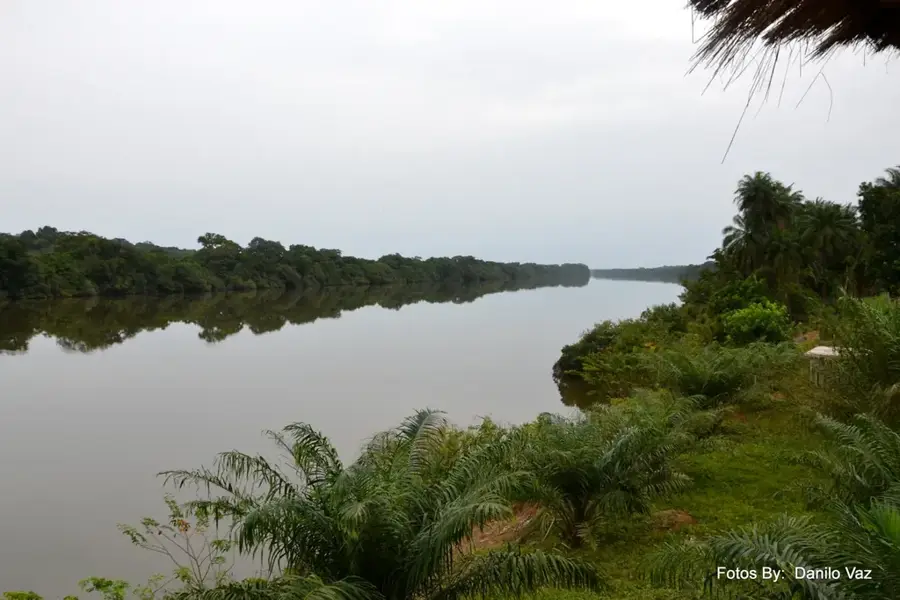
Corubal River
The Corubal River originates in Guinea and forms spectacular rapids and waterfalls in eastern Guinea-Bissau.
Learn more →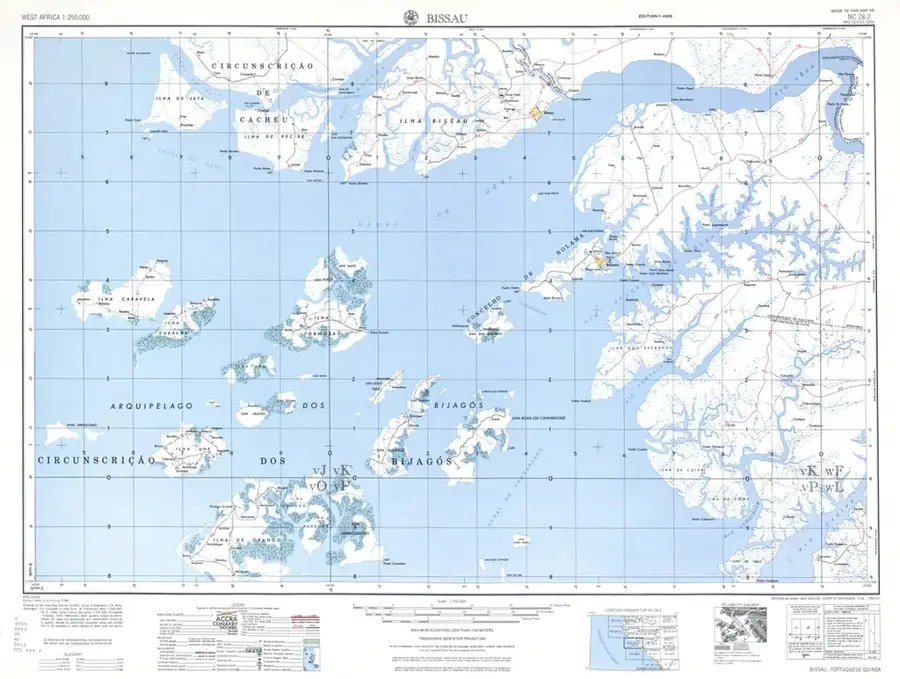
Bolama Island
Bolama Island is the closest to the mainland and was once the capital of Portuguese Guinea.
Learn more →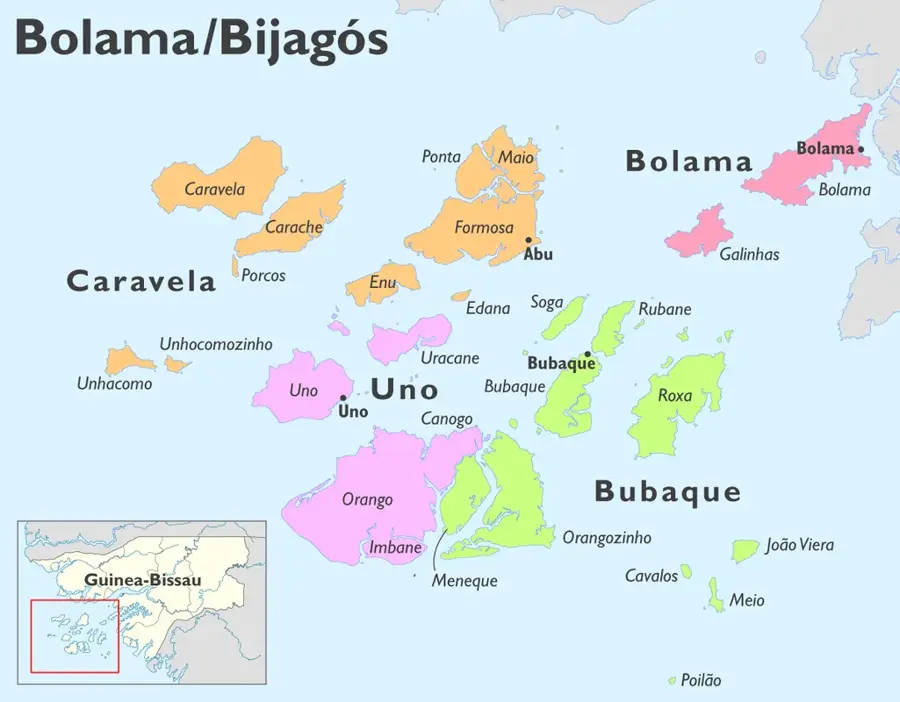
Uno Island
Uno is an island in the western part of the Bijagós Archipelago.
Learn more →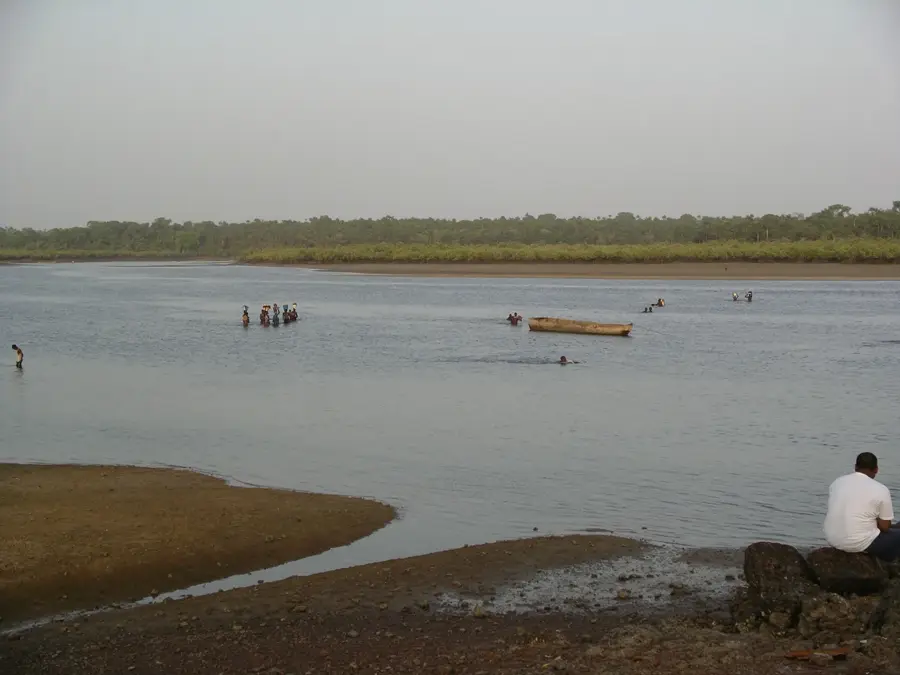
Rio Mansoa
The Rio Mansoa is a significant river in central Guinea-Bissau.
Learn more →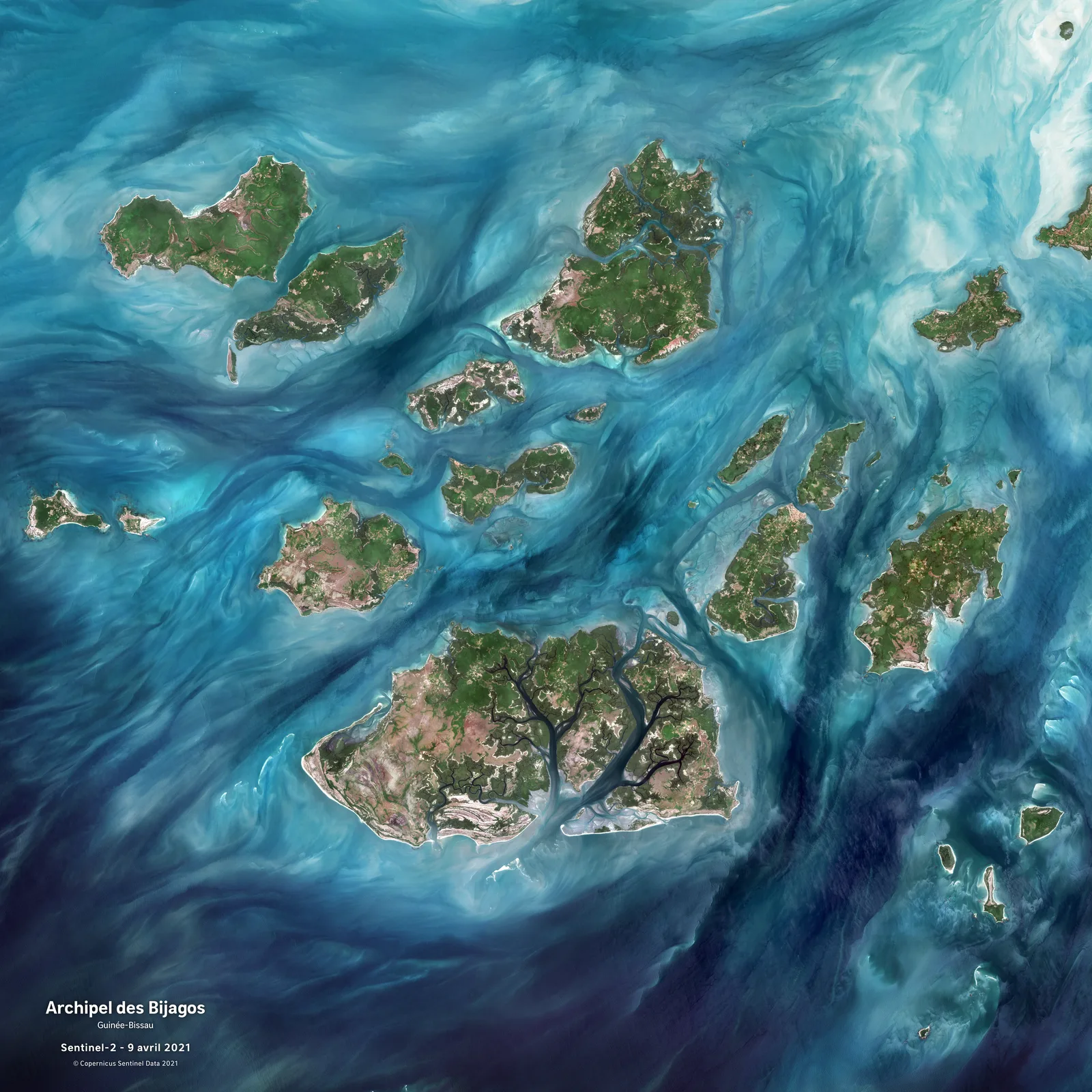
João Vieira Islands
This group of islands is part of a protected marine national park.
Learn more →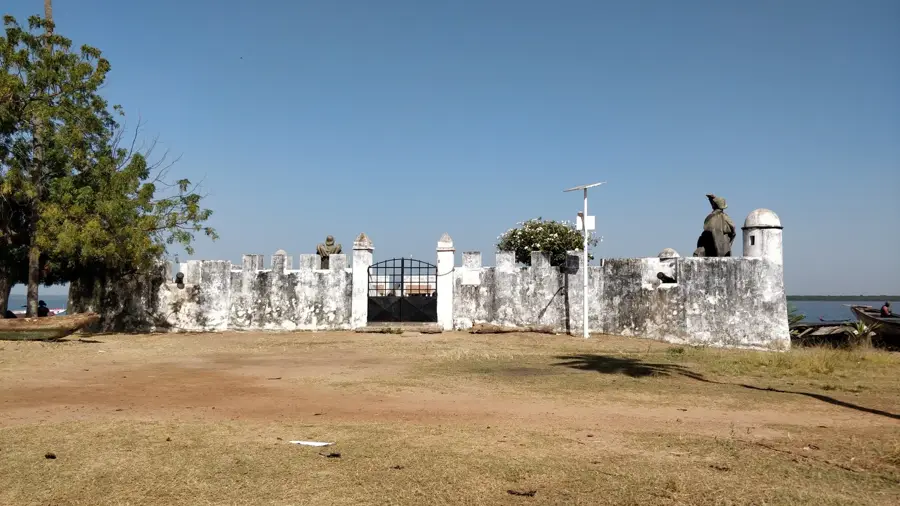
Cacheu River
The Cacheu River flows through the north of the country and is known for its extensive mangrove forests.
Learn more →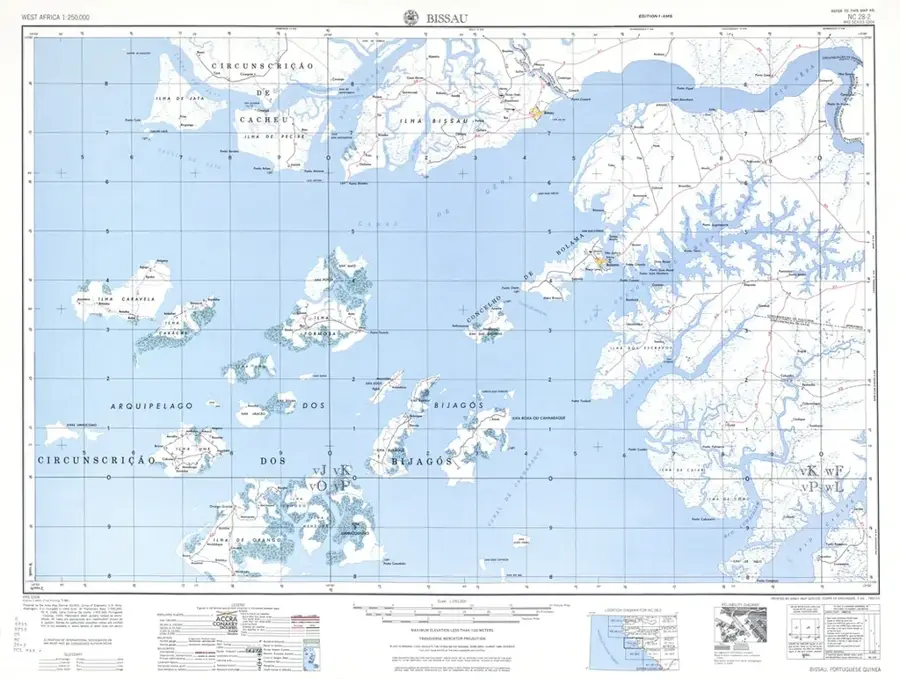
Galinhas Island
Galinhas Island is known for its quiet atmosphere and historical significance.
Learn more →More highlights
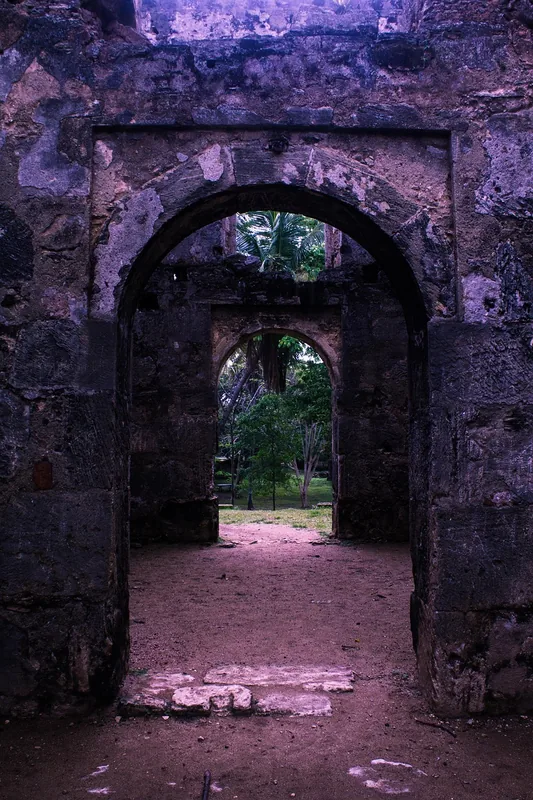
Fulacunda Colonial Ruins
Fulacunda in the south of the country houses remains of colonial infrastructure that were once part of a network of administrative and trading posts.
Learn more →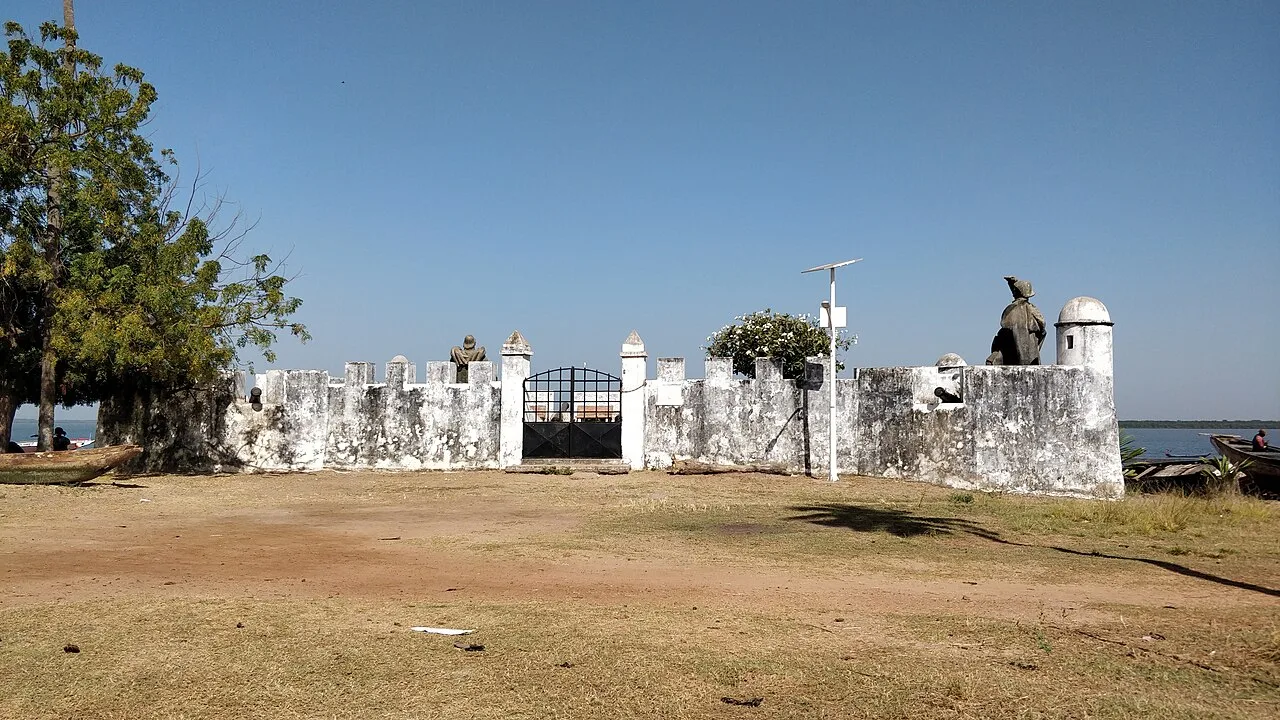
Historic Center of Cacheu
The historic center of Cacheu includes colonial administrative buildings and churches from the Portuguese era.
Learn more →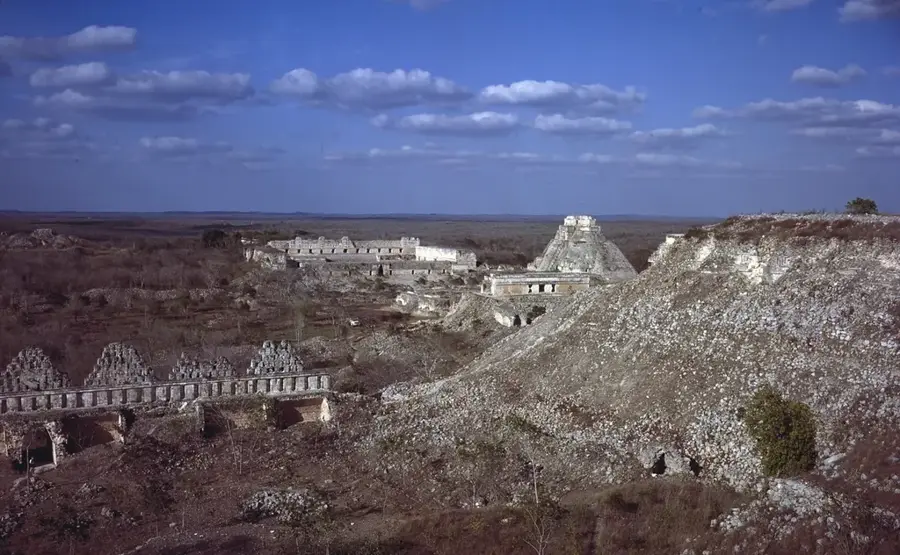
Governor's Palace Ruins
The impressive ruins of the former Portuguese Governor's Palace on Bolama Island bear witness to the time when the city was the colony's capital.
Learn more →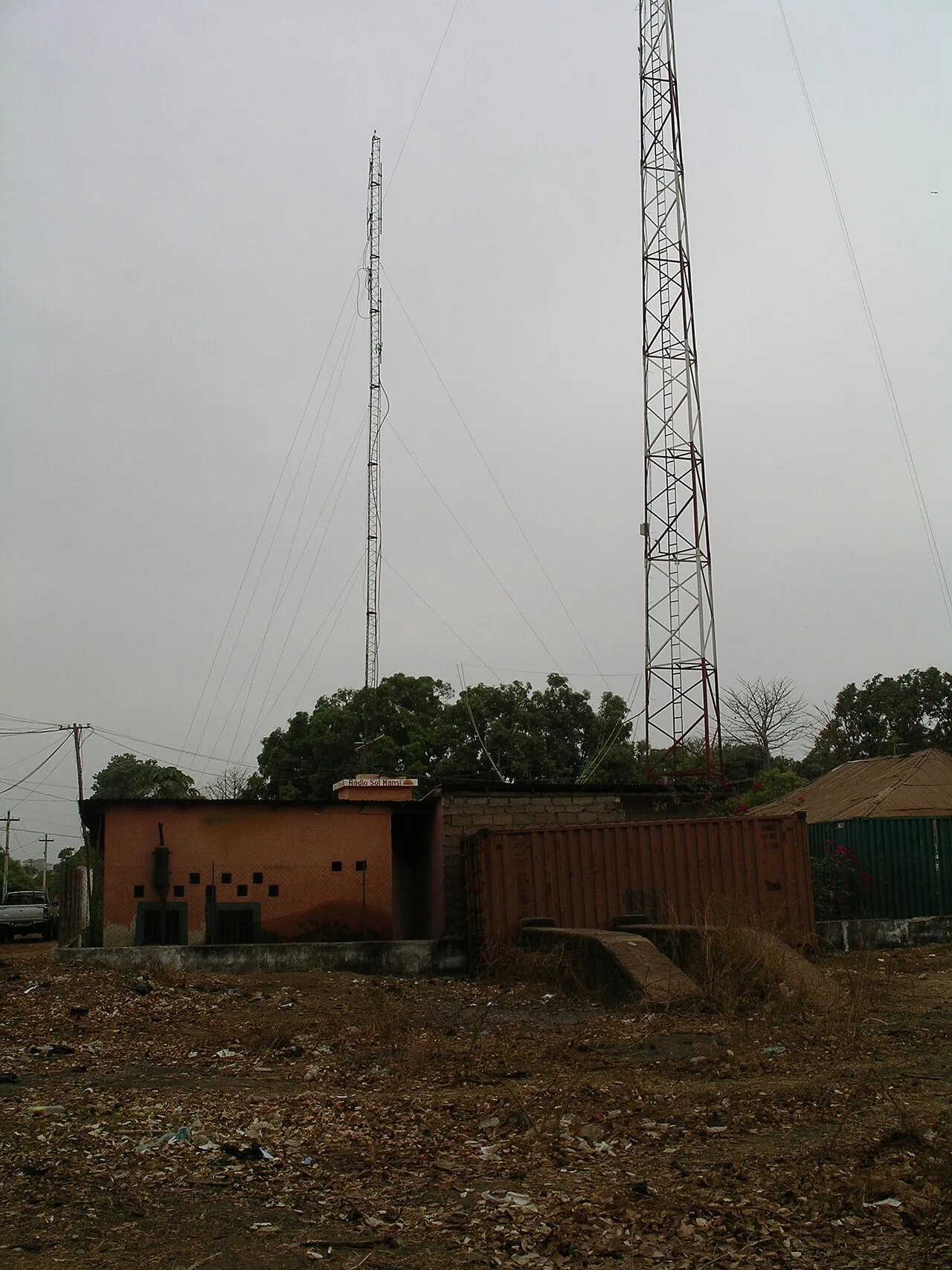
Mansôa Catholic Mission
The Catholic mission in Mansôa is one of the oldest educational institutions in the region.
Learn more →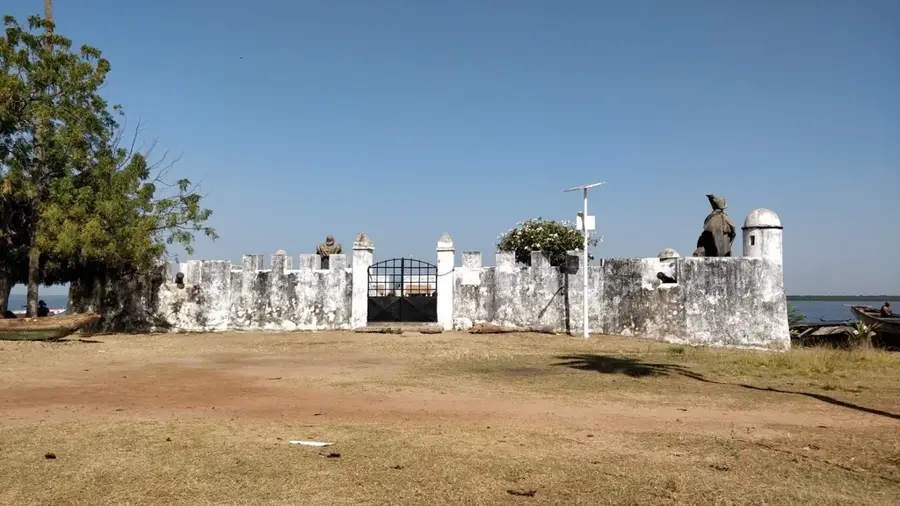
Fort of Cacheu
The Fort of Cacheu is one of the oldest European structures in West Africa.
Learn more →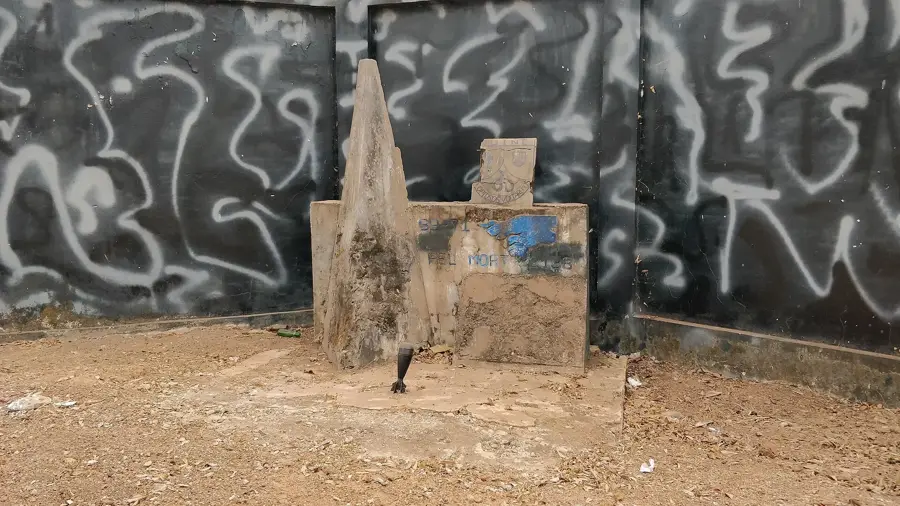
Buba Historic Port
Buba is located at the end of the Rio Grande de Buba and was historically a strategic port for exporting goods from the southeast.
Learn more →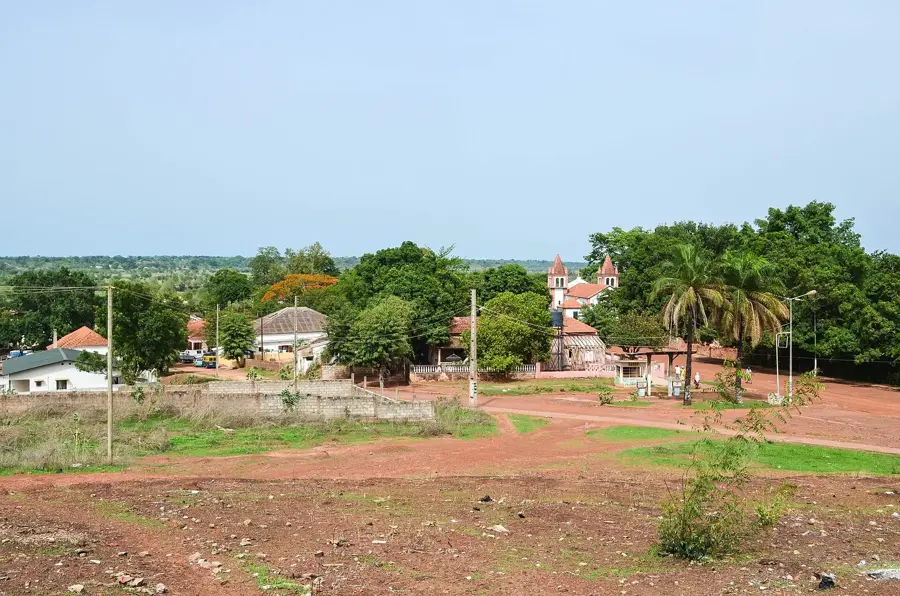
Amílcar Cabral Birthplace
In this modest house in Bafatá, Amílcar Cabral was born in 1924.
Learn more →
Guiledje Military Museum
Guiledje was an important strategic military base during the liberation war.
Learn more →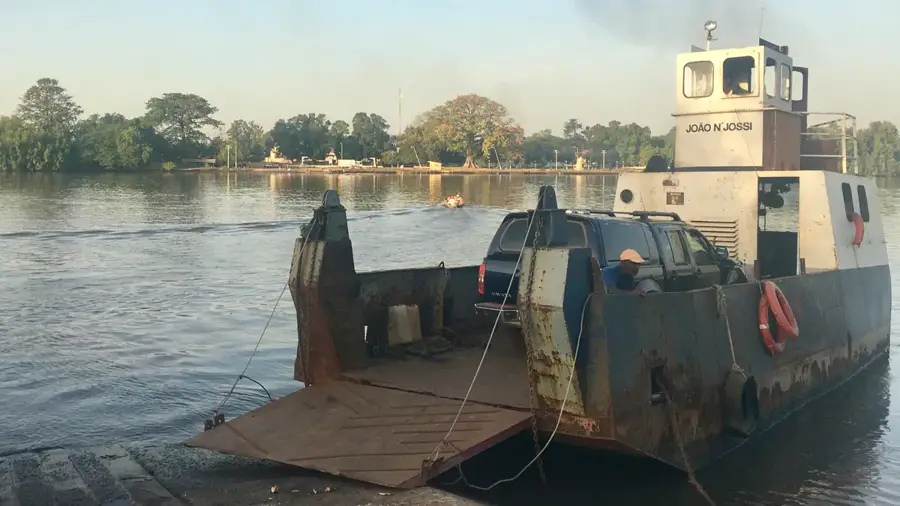
Farim Historic Town
Farim was founded in the 17th century as a Portuguese post to secure trade against raids.
Learn more →
Canchungo Historic Site
Canchungo, formerly Vila Teixeira Pinto, has a rich colonial past.
Learn more →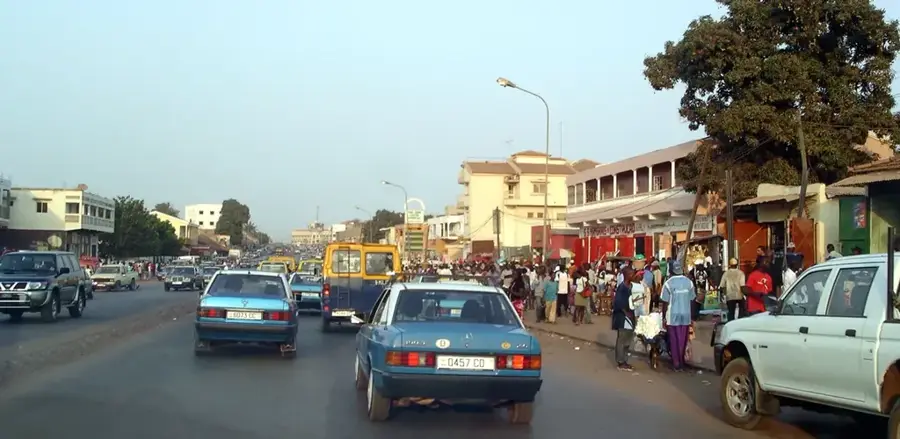
Pidjiguiti Memorial
This monument commemorates the 1959 Pidjiguiti massacre, where striking dockworkers were killed by Portuguese police.
Learn more →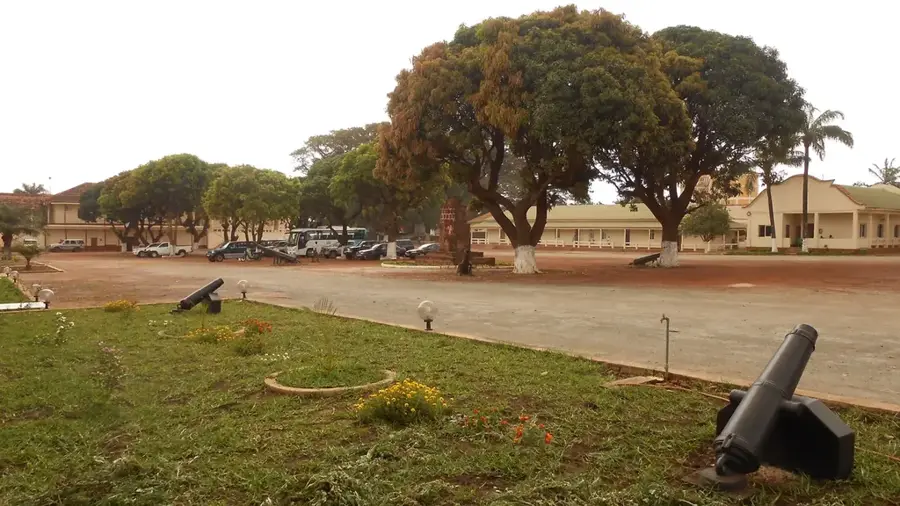
Fortaleza de São José da Amura
A historic fortress in the center of Bissau, built by the Portuguese in the 17th century.
Learn more →
Porto Gole
A historic river port on the Geba River that was once an important transshipment point for trade with the interior.
Learn more →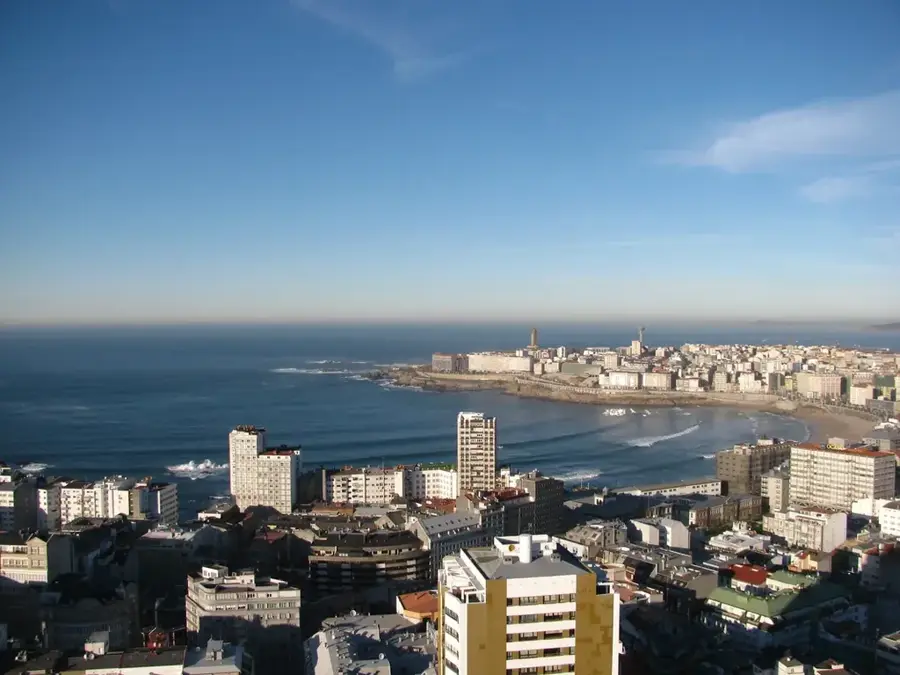
Varela Coast
Varela on the northwestern coast is known for some of the most beautiful beaches on the mainland.
Learn more →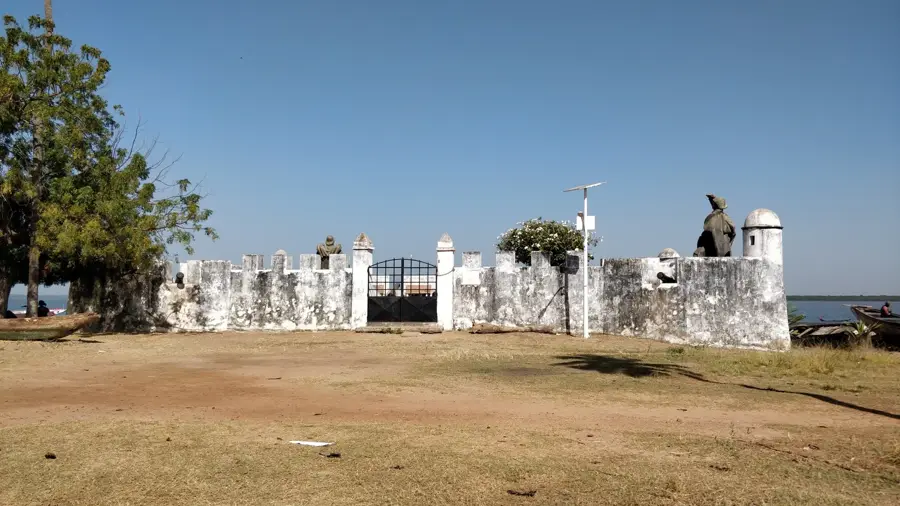
Cacheu Mangroves
The National Park along the Cacheu River protects one of the largest continuous mangrove areas in West Africa.
Learn more →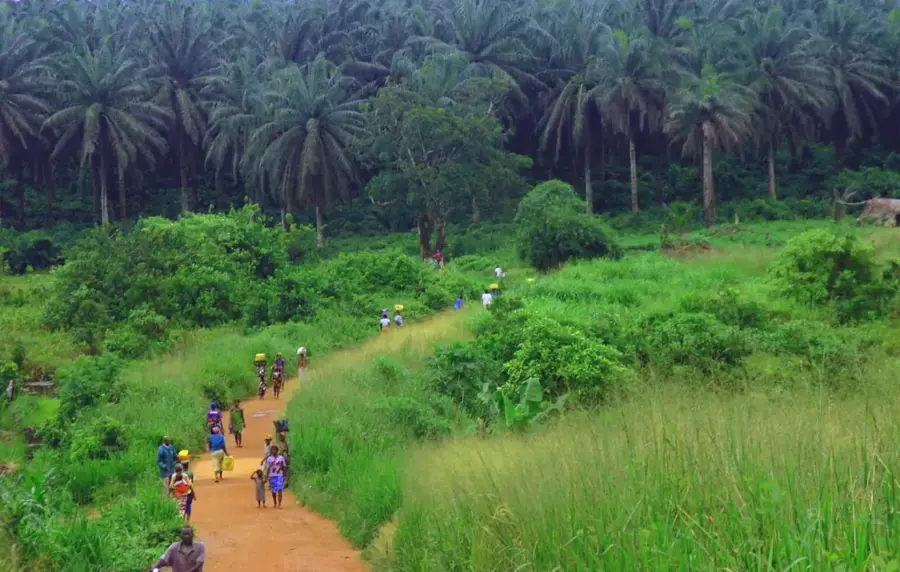
Dulombi Forest
Dulombi National Park in the east of the country is a mosaic of forests and savannas.
Learn more →
Ruins of Kansalá
Kansalá was the fortified capital of the Kaabu Empire, a powerful Mandinka state that dominated large parts of the region.
Learn more →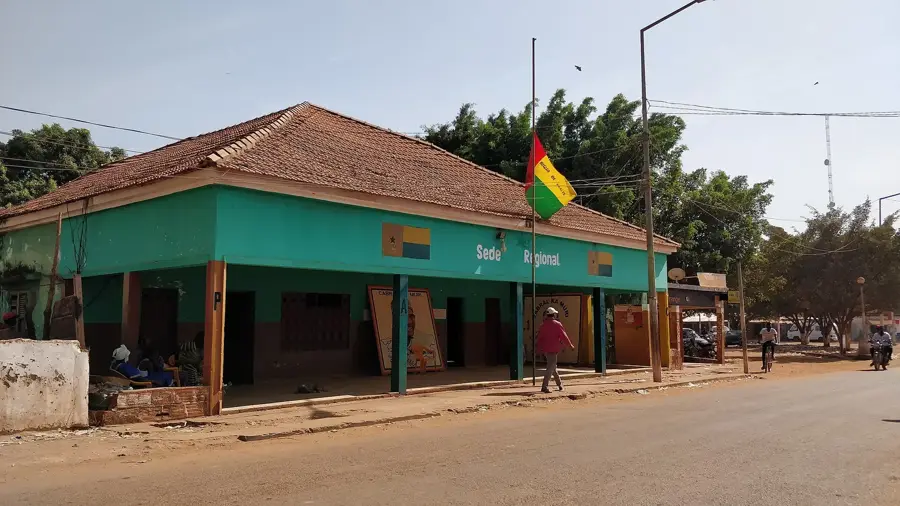
Bafatá Colonial Quarter
The colonial quarter of Bafatá is known for its pastel-colored buildings and cobblestone streets.
Learn more →Frequently asked questions
What are the top attractions in Guinea-Bissau?
Among the most popular are Estádio Lino Correia, BCEAO Building Bissau, Presidential Palace of Bissau, Simão Mendes National Hospital, Bandim Fishing Port and many more – the full top 50 list is on this page.
When is the best time to visit Guinea-Bissau?
May to October offers the most pleasant weather; July and August are warmest and busiest.