Plizio Visual Lab
Rubane Island
Weather…
Water temperature…
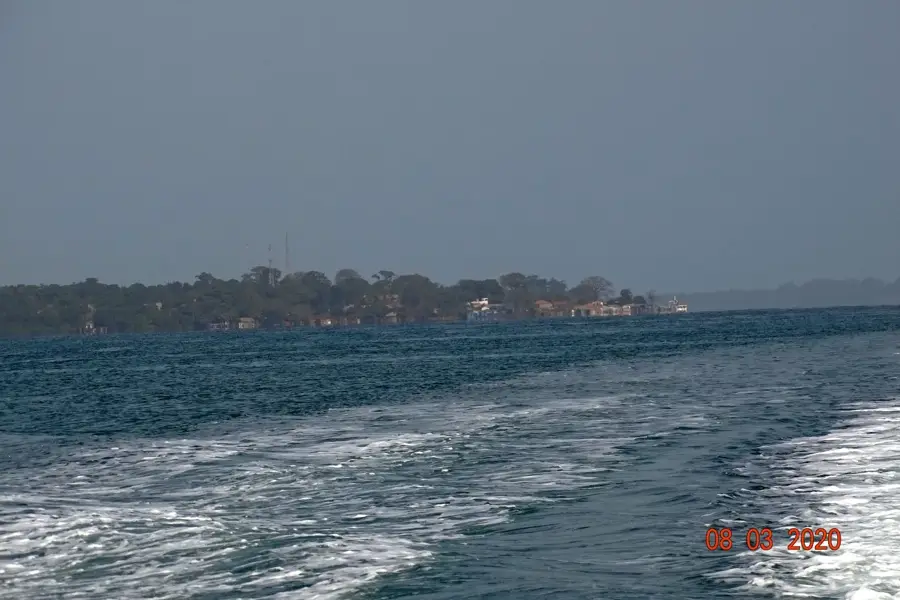
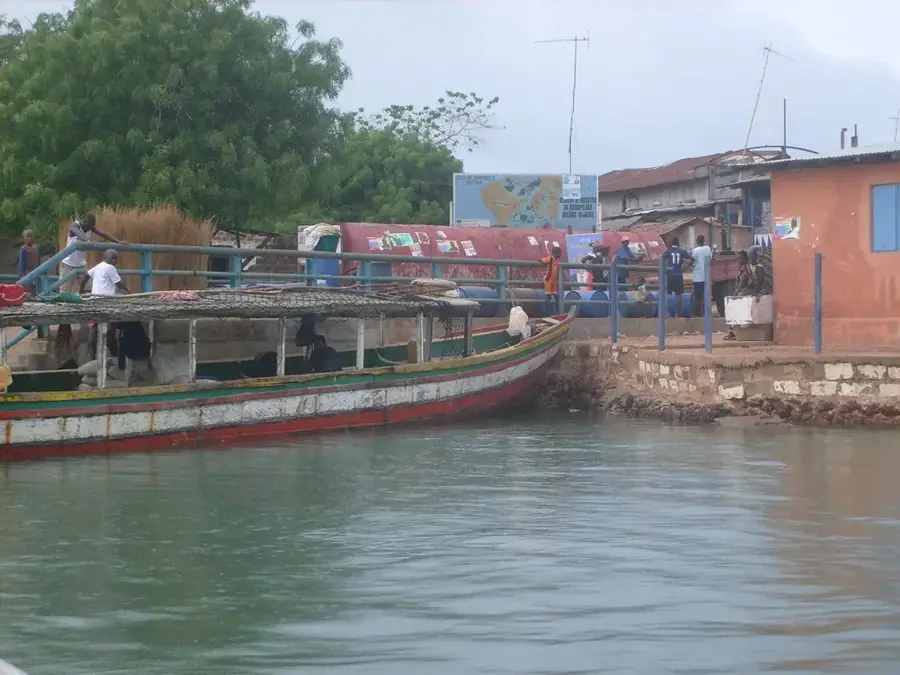
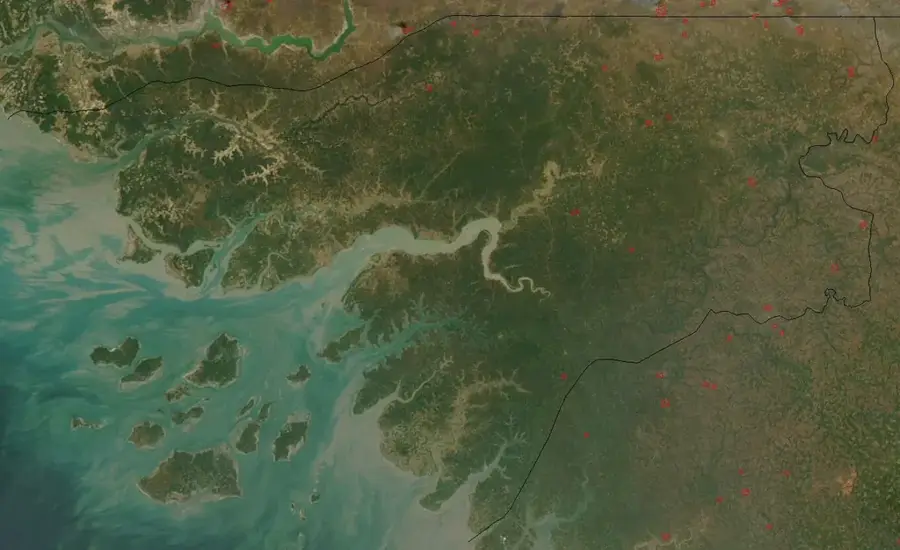
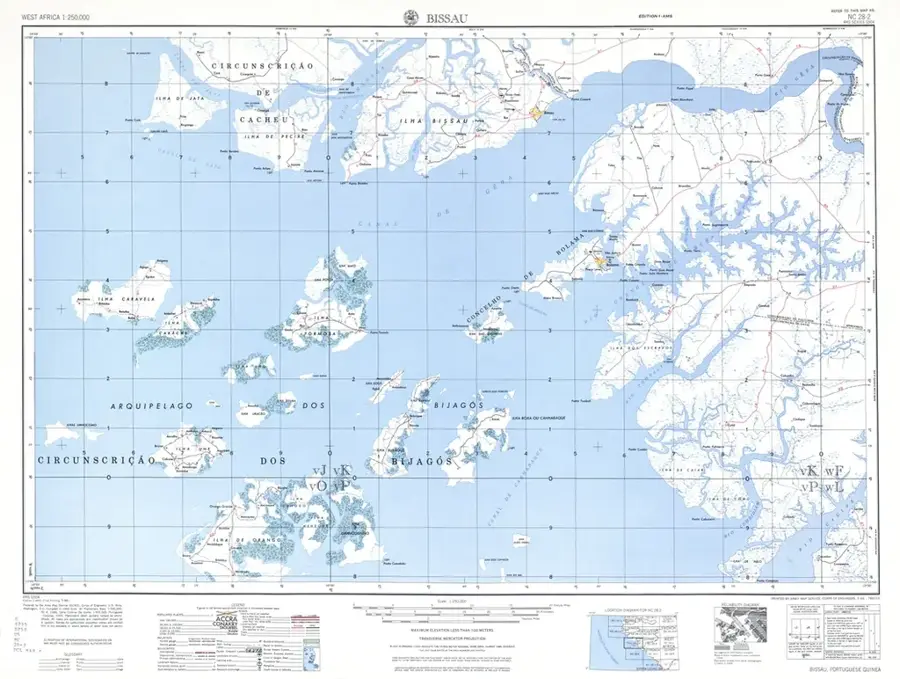
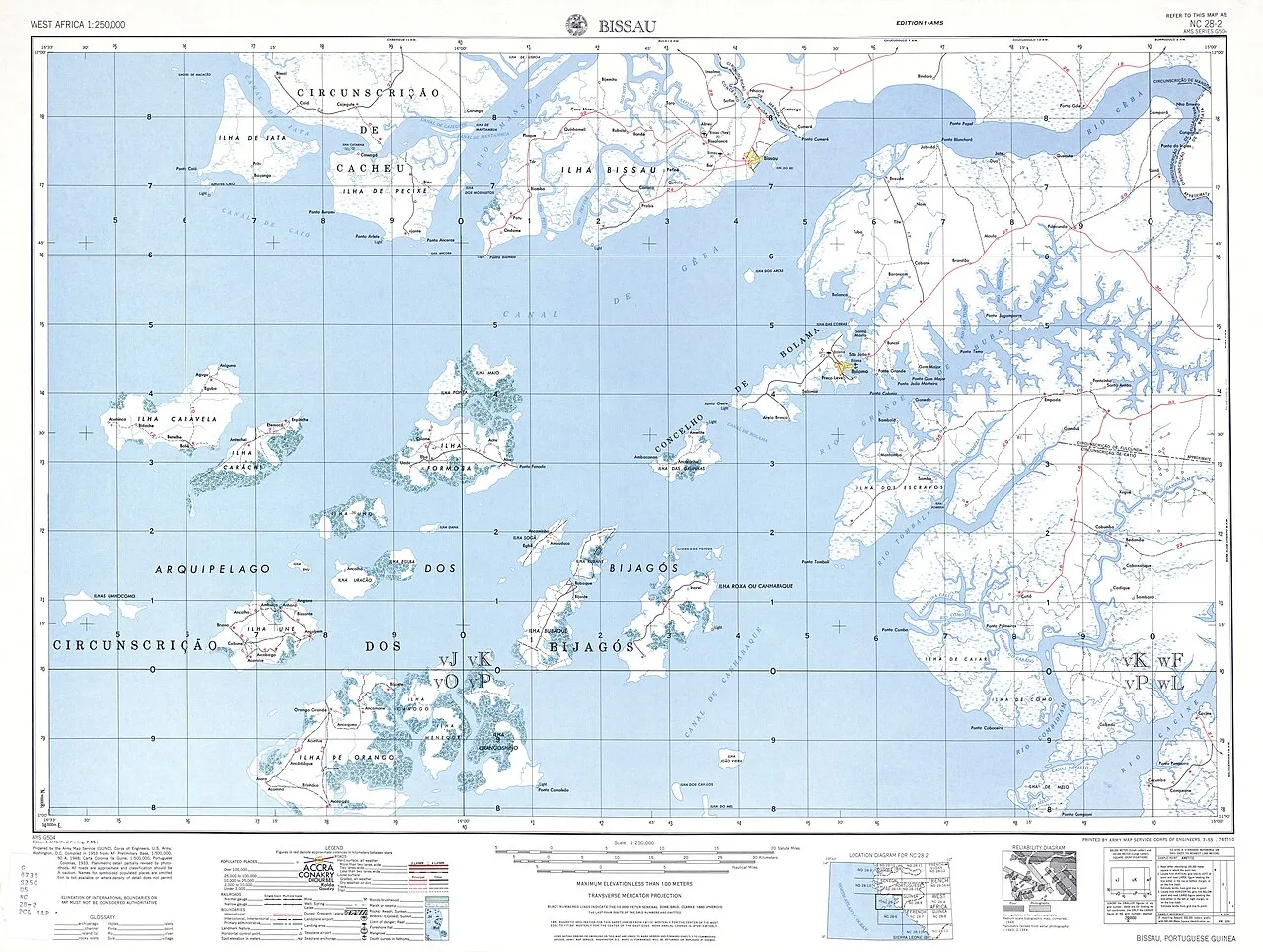
Rubane is one of the most scenic islands in the Bijagós Archipelago, located directly opposite Bubaque and separated from it by a narrow sea channel. The nature on Rubane is exceptionally well-preserved, as the island is less densely populated than its neighbor. The topography is defined by dense tropical forests that reach nearly to the edge of the pristine white sandy beaches. These forests provide a critical habitat for a variety of forest birds and small mammals. Rubane's beaches are considered ecologically sensitive and are regularly visited by hawksbill turtles for nesting. The marine ecosystem surrounding the island is characterized by crystal-clear water and high visibility, enabling the observation of marine fauna such as seahorses and colorful reef fish. Rubane serves as a prime example of preserving primary vegetation within a marine context. The island's protection is guaranteed through a combination of state regulations and the local population's respect for traditional sacred zones. For visitors, Rubane gives a sanctuary of silence where the original dynamics of a West African island ecosystem can be experienced firsthand.
- Location: Guinea-Bissau
- Nearby: Bubaque (5 km)
Best time to visit & climate
The most pleasant time to visit is Jan, Feb, Dec.
| Jan | Feb | Mar | Apr | May | Jun | Jul | Aug | Sep | Oct | Nov | Dec | |
|---|---|---|---|---|---|---|---|---|---|---|---|---|
| Avg °C | 25 | 25 | 26 | 26 | 27 | 27 | 27 | 27 | 27 | 28 | 28 | 26 |
| Rain mm | 1 | 0 | 3 | 1 | 10 | 122 | 410 | 521 | 359 | 189 | 13 | 0 |
📋 Practical info
Geography
Facts
- Rubane is regarded as one of the most exclusive and pristine islands in the archipelago.
- The island is a key nesting site for the critically endangered hawksbill sea turtle.
- Dense mangrove forests provide natural protection for the eastern coast against storms.
- The waters surrounding Rubane are famous among anglers for large tarpon populations.
- There are no permanent car roads on the island, only footpaths through the bush.
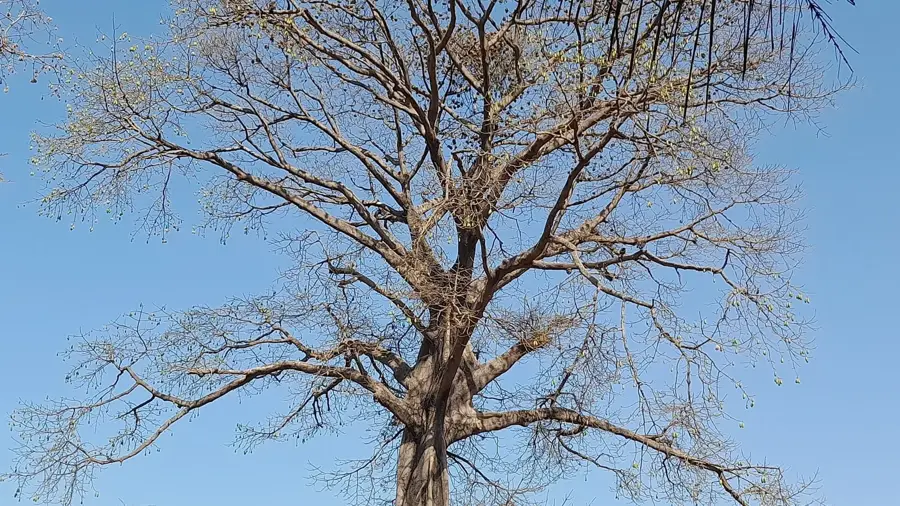
- The flora features massive, centuries-old baobab trees along the ridges.
Explore nearby
Notable places around

Route planner — Car & Motorhome
Where do you start? We build the route here, with stops and country notes along the way.
© OpenStreetMap contributors · OpenRouteService
Sights in the town Rubane Island (1)
Sights nearby
Frequently asked questions
How do I get from Bissau to Rubane Island?
Are there any accommodations on Rubane?
What are the main activities on the island?
Is the island suitable for families?
When is the best time to visit Rubane?
Rubane Island: where is it located?
Rubane Island: when is the best time to visit?
Rubane Island: why is it worth visiting?

Nearby cities




History & landmarks
More places