Plizio Visual Lab

Bijagós Archipelago
Plizio editorial teamData Sources
Island
—°
Bijagós Archipelago (Guinea-Bissau)

Weather…

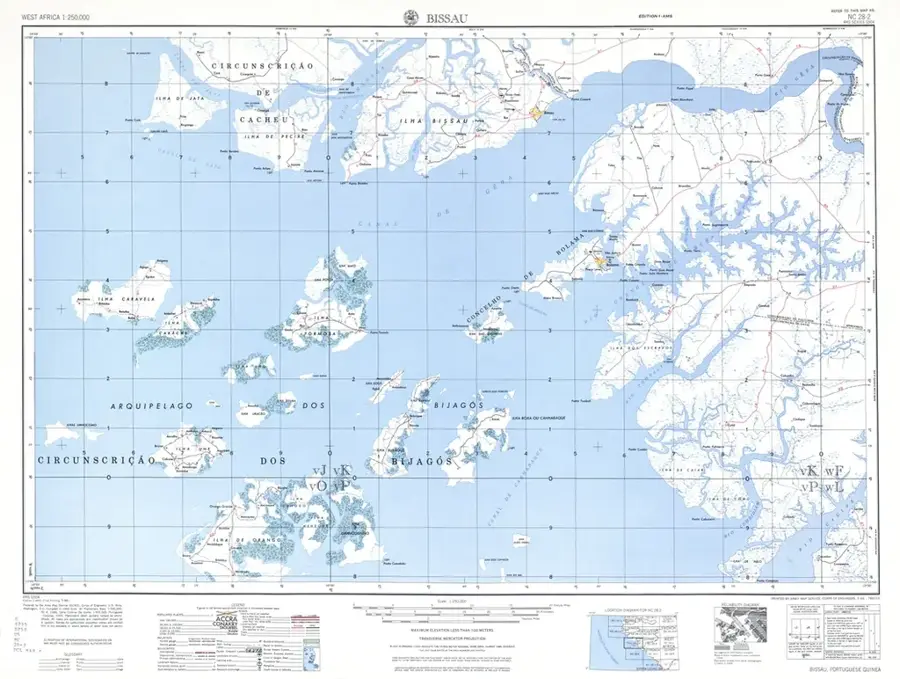
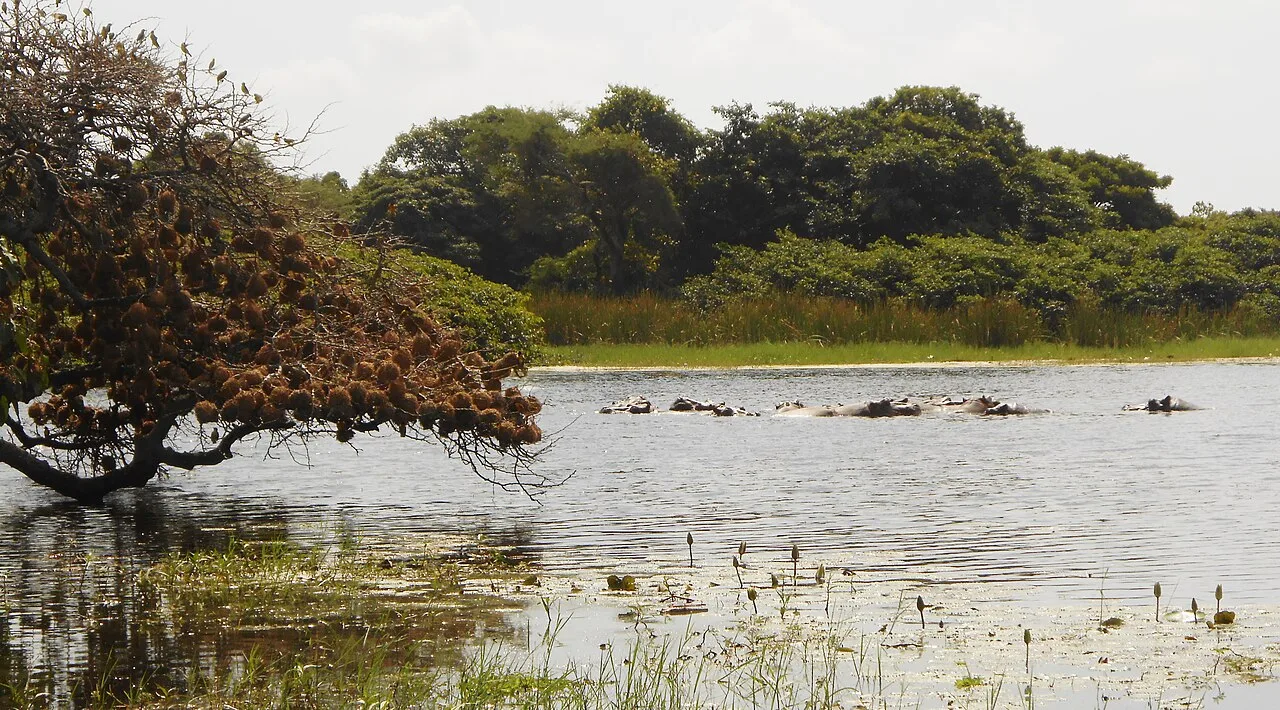
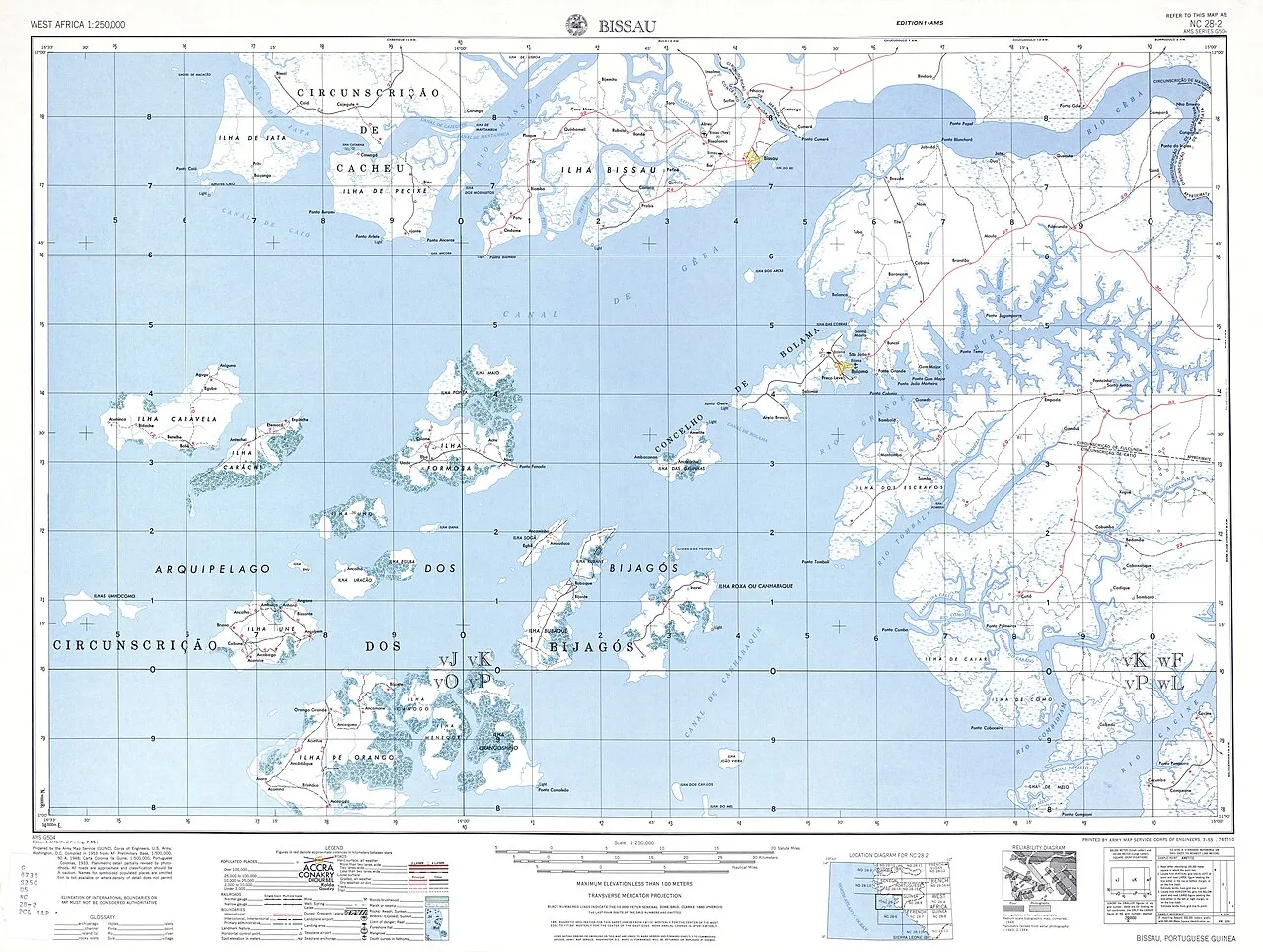
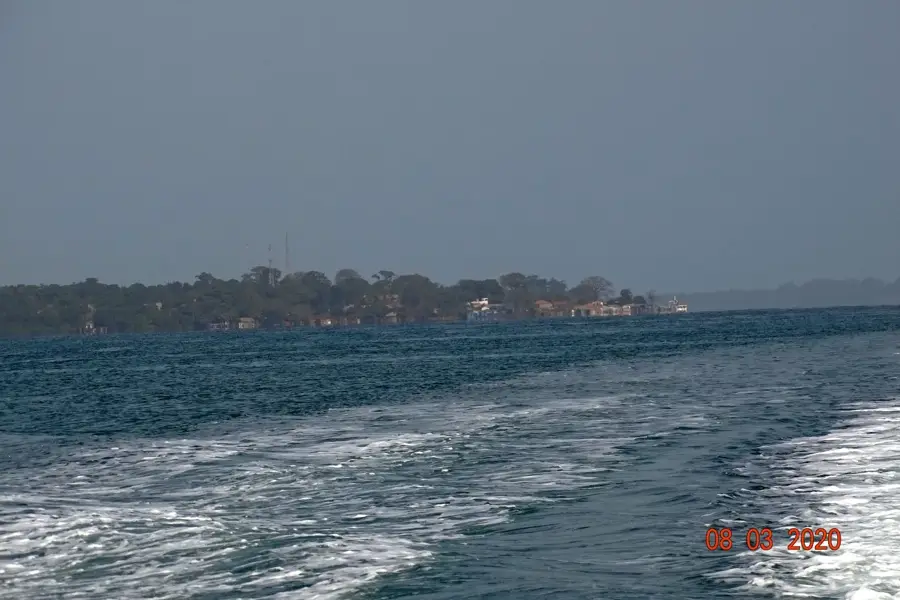
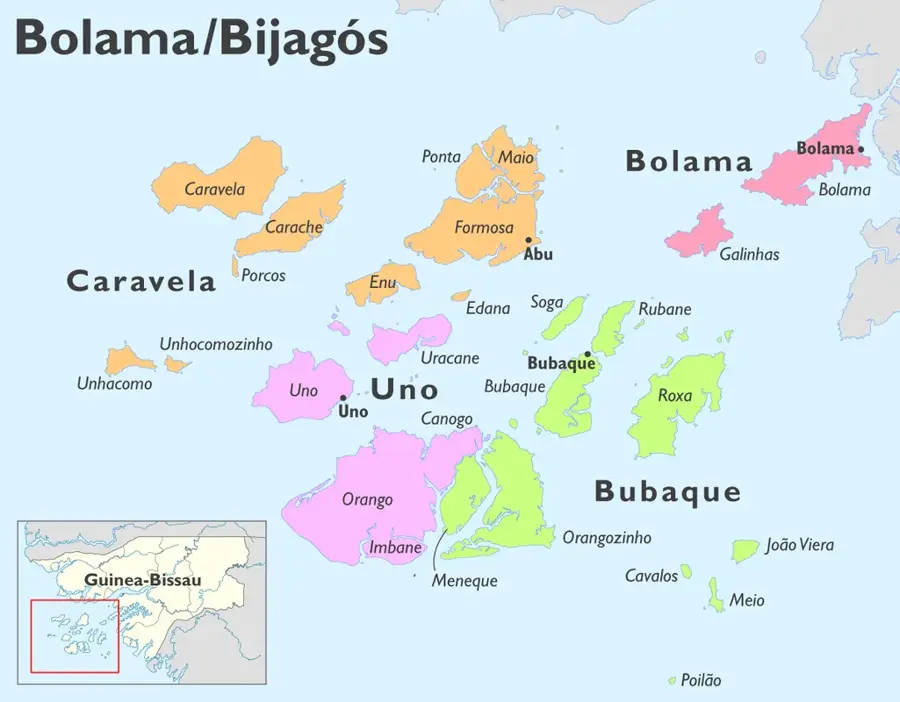
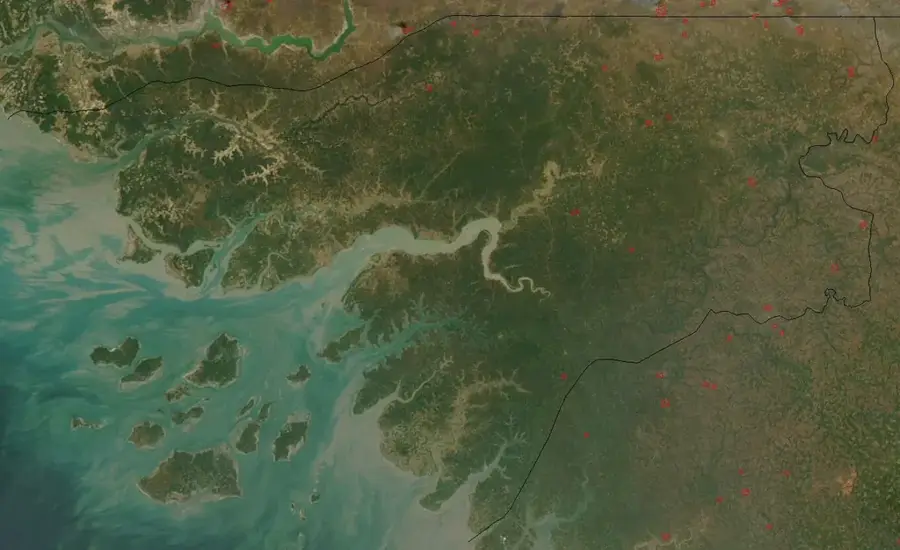
The Bijagós Archipelago is a unique island ecosystem off the coast of Guinea-Bissau, recognized by UNESCO as a Biosphere Reserve in 1996. It consists of 88 islands and islets, of which only about 20 are permanently inhabited. The nature of the Bijagós is defined by a fascinating interplay of ocean currents, tides, and lush tropical vegetation. The archipelago is home to some of West Africa's most important marine ecosystems, including coral reefs, seagrass meadows, and extensive mangrove forests. This diversity makes it a biodiversity hotspot: home to the famous saltwater hippos, endangered sea turtles, and dolphins. The spiritual culture of the Bijagó people is inseparable from the preservation of this environment. Many islands are considered sacred, and traditional laws strictly regulate the use of resources, making the archipelago a model for sustainable resource management. The tides here are particularly extreme, exposing vast mudflats at low tide that are vital for thousands of migratory birds. The Bijagós Archipelago is not only a natural wonder but a living laboratory for the coexistence of humans and the biosphere under the conditions of climate change.

Best time to visit & climate

The most pleasant time to visit is Jan, Feb, Dec.

JanFebMarAprMayJunJulAugSepOctNovDec
Avg °C252526262727272727282826
Rain mm103110122410521359189130

📋 Practical info

🧭
Getting there
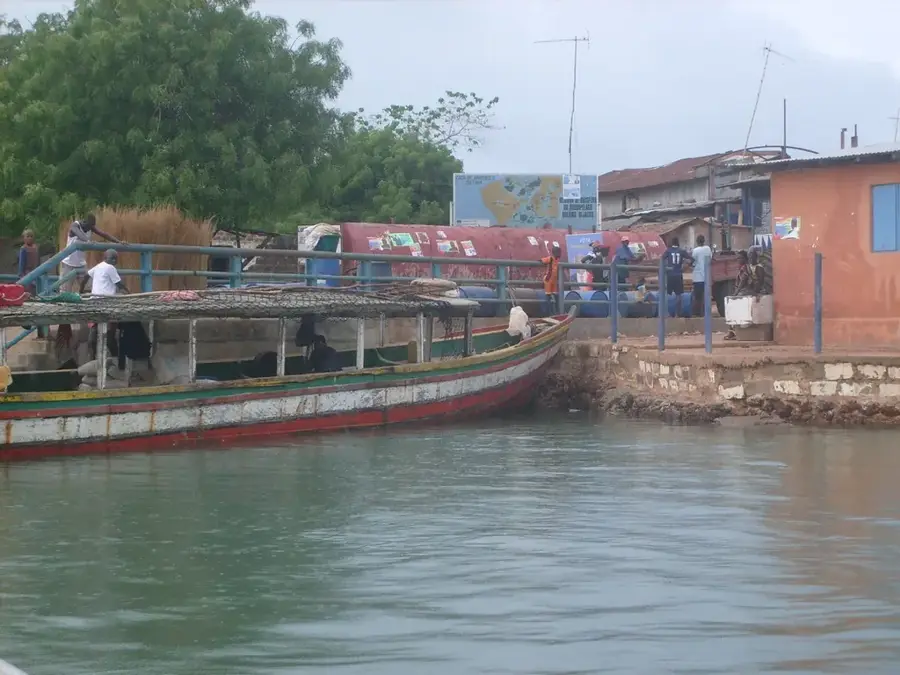
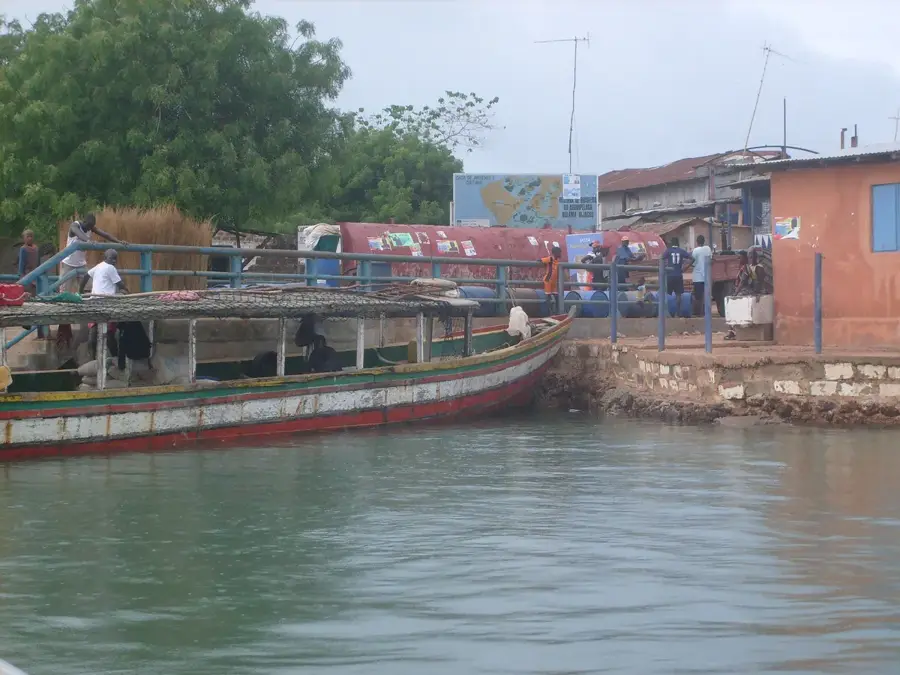
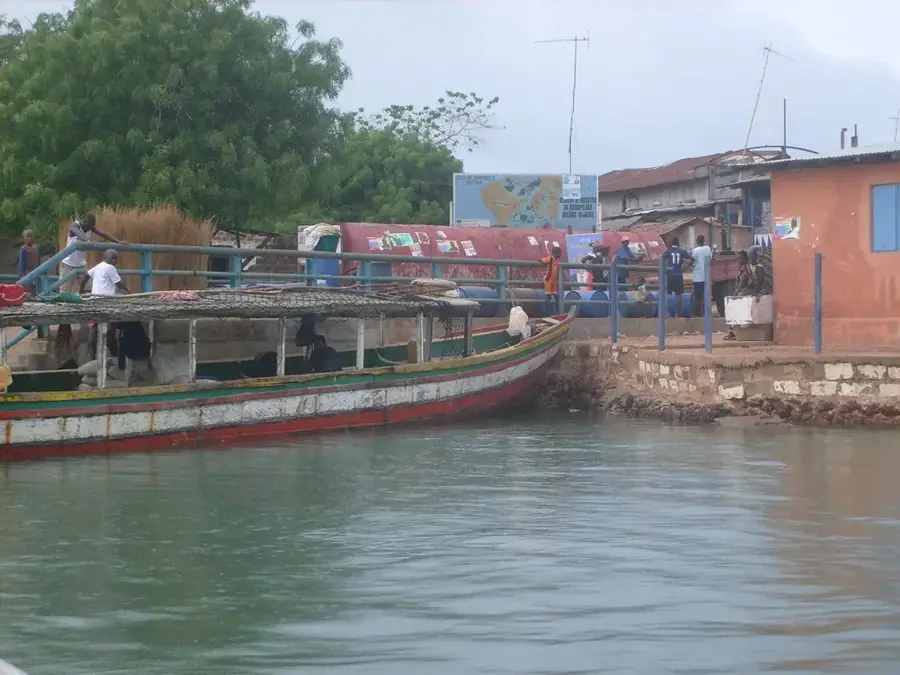
Reaching this unique biosphere reserve generally strictly requires taking a dependable boat or ferry from the mainland coast of Guinea Bissau. Organizing travel often heavily involves successfully coordinating with local transport services or private charters to reach the 88 islands.
📅
Best season
The dry season is typically the most deeply reliable time to safely navigate the open coastal waters strictly between the scattered islands. During this steady period, seas are generally calmer, and visitors can much better appreciate the biodiversity without heavy, tropical rains.
⛰️
Terrain & paths
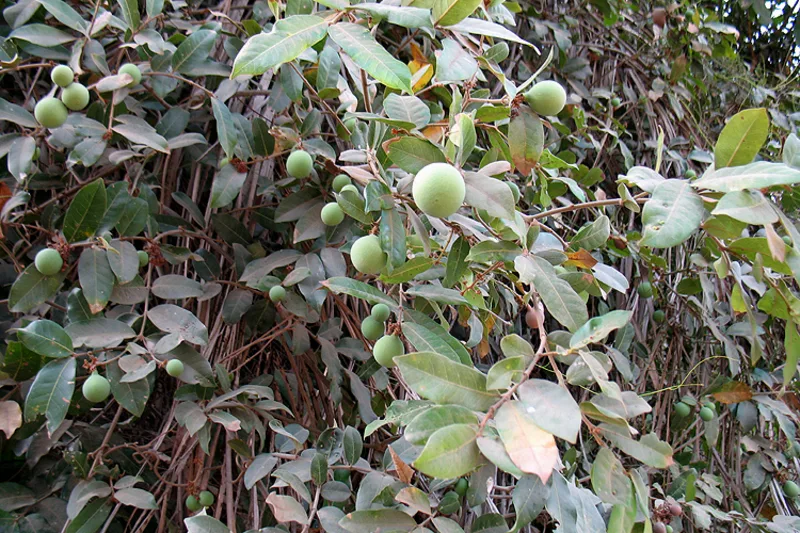
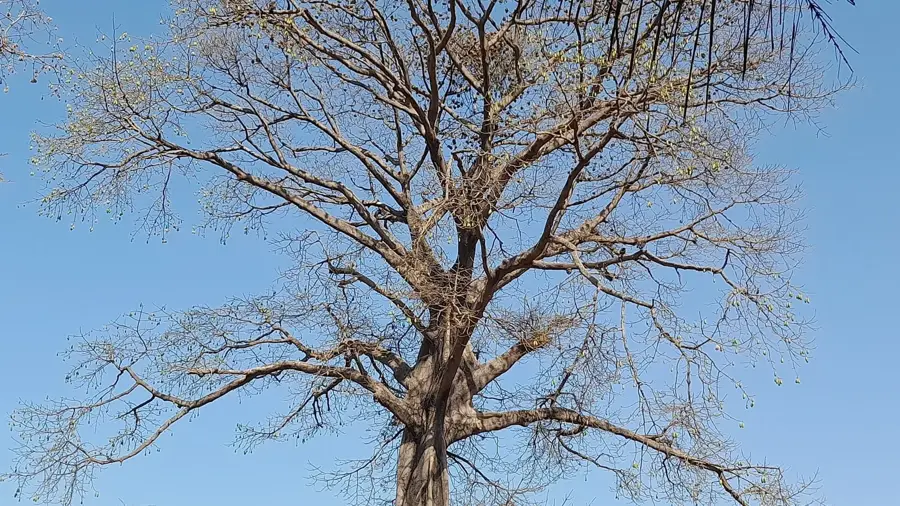
The archipelago beautifully features a highly diverse mix of lush mangrove forests, pristine sandy beaches, and dense, untamed tropical interiors. Navigating the islands often naturally involves moving between soft tidal mudflats and walking narrow paths straight through the dense vegetation.
🎒
What to bring
Reliable insect repellent and proper anti-malarial precautions are highly recommended when physically exploring these deep tropical environments. Waterproof bags for wet boat transfers and sturdy, water-resistant footwear for walking through muddy mangroves are absolutely essential.
🅿️
Parking
Standard parking is completely restricted strictly to mainland departure ports where visitors leave their vehicles safely before boarding transport boats. Once on the remote islands, motorized transport is extremely limited, and most local exploration is predominantly conducted on foot or boat.
⚠️
Safety
Navigating successfully between the many islands absolutely requires relying on experienced local boat operators who fully understand the complex tides. Visitors should strongly be respectful of local customs, cautious of tropical diseases, and deeply aware that emergency medical facilities are extremely limited.
⏱️
Time needed
Due to naturally complex boat logistics and the undeniably large number of scattered islands, a meaningful visit readily requires at least three to five full days. Dedicated nature enthusiasts actively seeking to explore the deeper biodiversity of the reserve often explicitly plan for a long week-long expedition.

Geography

Coordinates
11.25000, -15.91000

Facts

  • The archipelago is the only deltaic island system on Africa’s Atlantic coast.
  • Only 20 out of the 88 islands are inhabited year-round.
  • It is the most significant breeding ground for Green Sea Turtles in the Atlantic.
  • The entire area is protected as a UNESCO Biosphere Reserve.
  • Tidal variations can reach up to six meters in height.
  • Religious taboos play a critical role in enforcing environmental conservation.

Explore nearby

Notable places around

Route planner — Car & Motorhome

Where do you start? We build the route here, with stops and country notes along the way.

Vehicle
Only stops with (optional):

© OpenStreetMap contributors · OpenRouteService

Sights nearby

Frequently asked questions

How many islands belong to the Bijagós Archipelago?
The archipelago consists of 88 islands, of which only about 20 are inhabited.
Is the archipelago a UNESCO World Heritage site?
Yes, it has been recognized as a Biosphere Reserve since 1996.
What animals live on the islands?
Famous are the sea turtles, manatees, and saltwater hippos.
How do you get from Bissau to the Bijagós Islands?
By ferry (Consulmar) or private speedboats, usually via Bubaque Island.
What is special about the Bijagós culture?
They have a matriarchal social structure and strong animist traditions.
Bijagós Archipelago: where is it located?
Bijagós Archipelago is located in Guinea-Bissau.
Bijagós Archipelago: when is the best time to visit?
The most pleasant time to visit is Jan, Feb, Dec.
Bijagós Archipelago: why is it worth visiting?

The Bijagós Archipelago is a unique island ecosystem off the coast of Guinea-Bissau, recognized by UNESCO as a Biosphere Reserve in 1996.
View on map → The Top 50 Attractions → OpenStreetMap →
Africa
Explore with Plizio Discover more places in Africa
More places in Guinea-Bissau →

Nearby cities

History & landmarks
More places