Plizio Visual Lab

Uno Island
Plizio editorial teamData Sources
Island
—°2
Uno Island (Guinea-Bissau)

Weather…

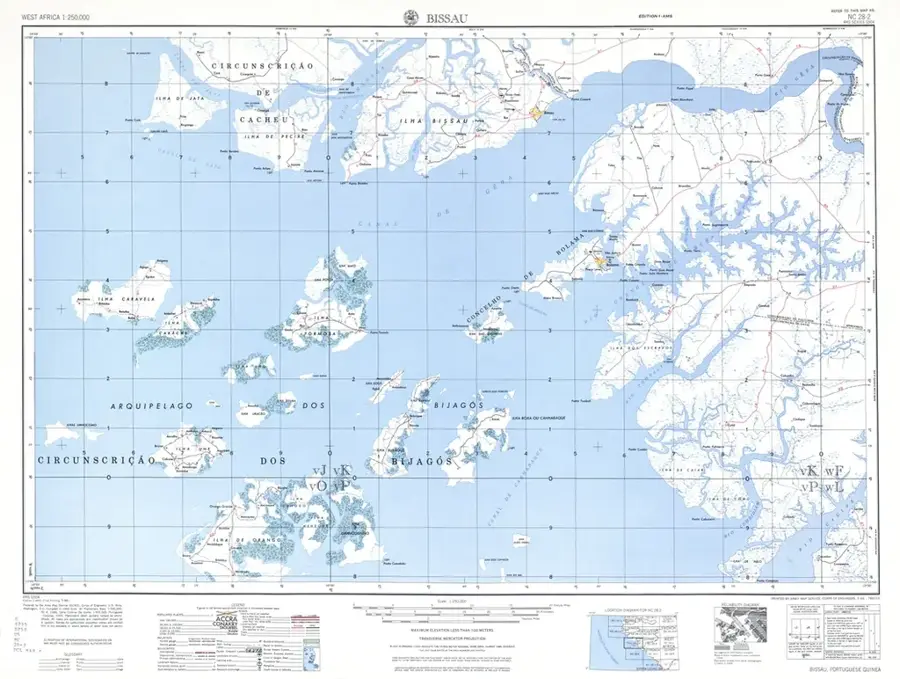
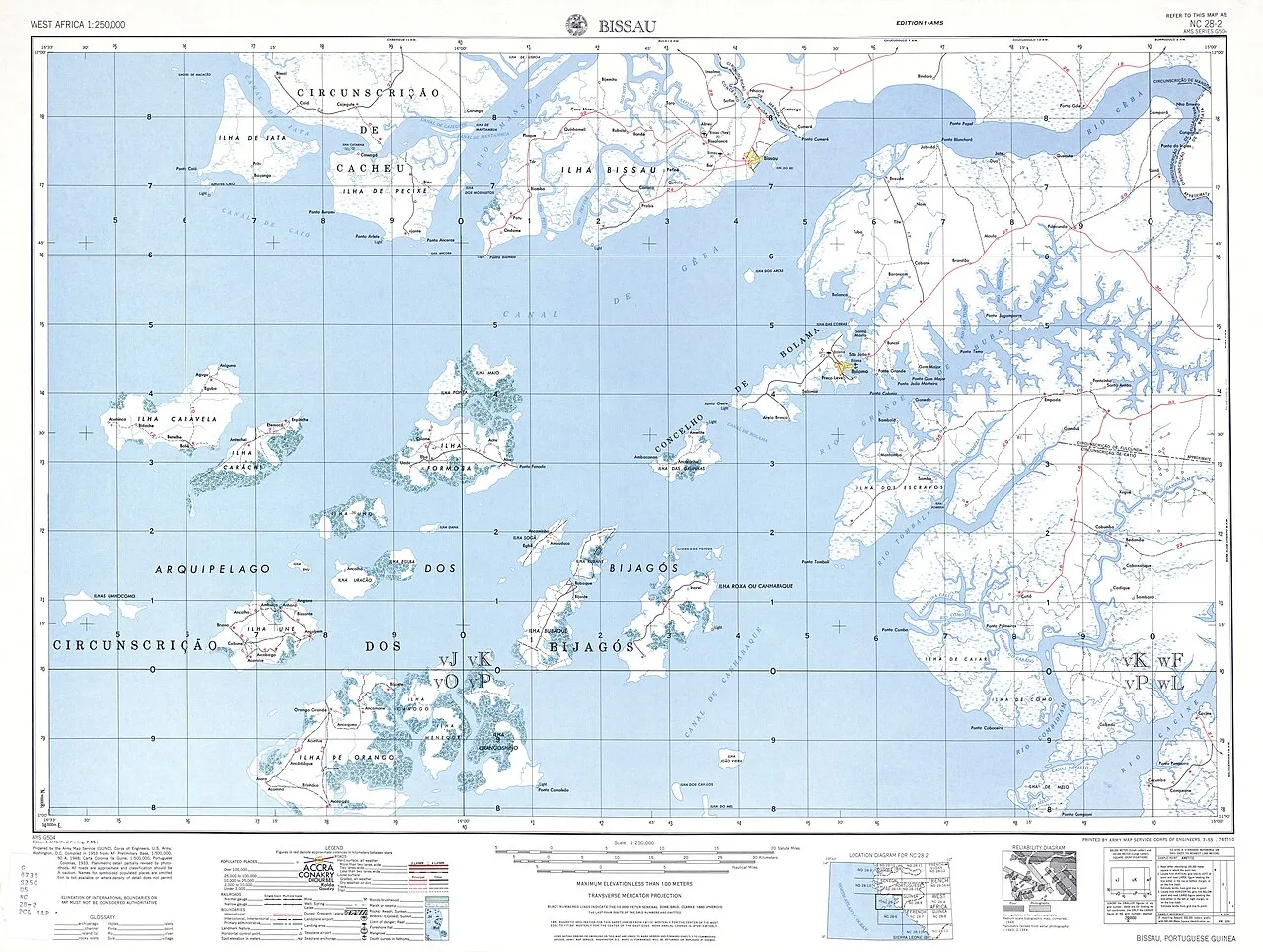
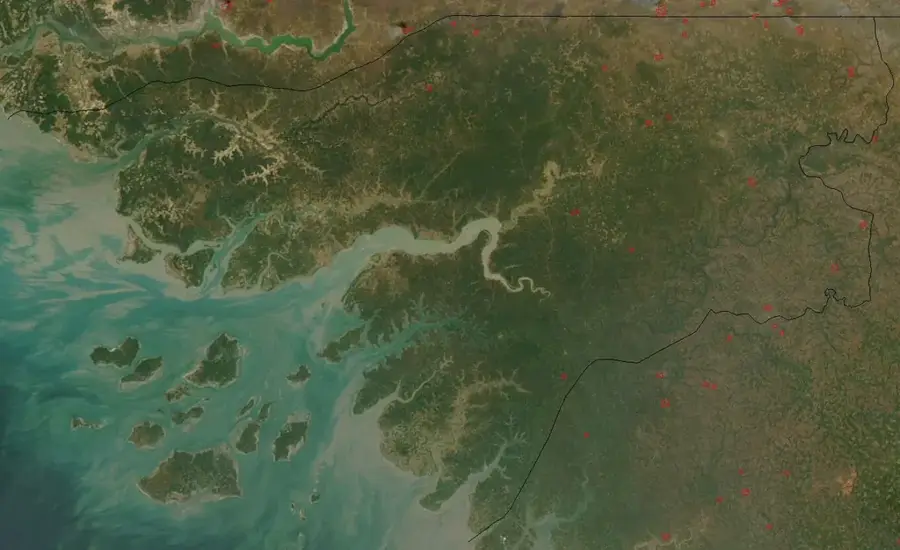
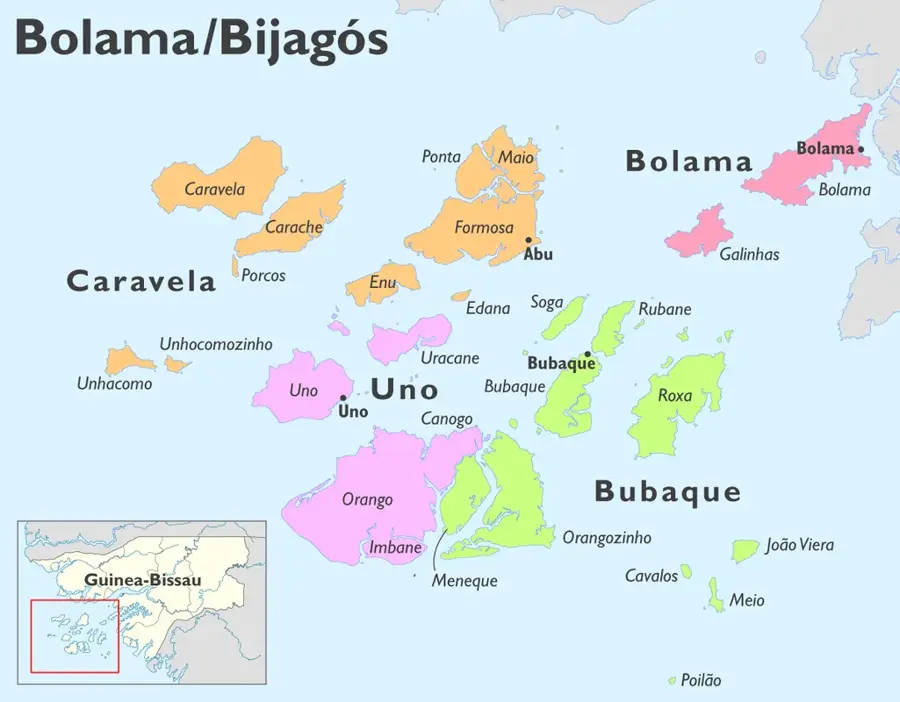
Uno is one of the central islands in the western part of the Bijagós Archipelago, serving as a prime example of the harmonious integration between traditional land use and untouched nature. The island's topography is characterized by flat terrain dominated by extensive oil palm groves (Elaeis guineensis) and dense coastal forests. Uno's ecological importance lies primarily in its complex intertidal zones; at low tide, vast mudflats emerge, providing vital feeding grounds for thousands of migratory wading birds. The coastline is fringed by pristine mangrove forests that not only prevent erosion but also function as nurseries for numerous marine species. Uno is also a stronghold of traditional Bijagó culture, with residents living within a system that mandates the protection of certain natural resources through religious taboos. In the island's interior, savanna areas can be found that turn lush green during the rainy season. Uno's remoteness has allowed for the preservation of original flora and fauna that have already vanished in other parts of West Africa. For the scientific community, Uno is a significant site for studying the resilience of island ecosystems to global climate change.

Best time to visit & climate

The most pleasant time to visit is Jan, Feb, Dec.

JanFebMarAprMayJunJulAugSepOctNovDec
Avg °C252526262727272727282826
Rain mm103110122410521359189130

📋 Practical info

🧭
Getting there
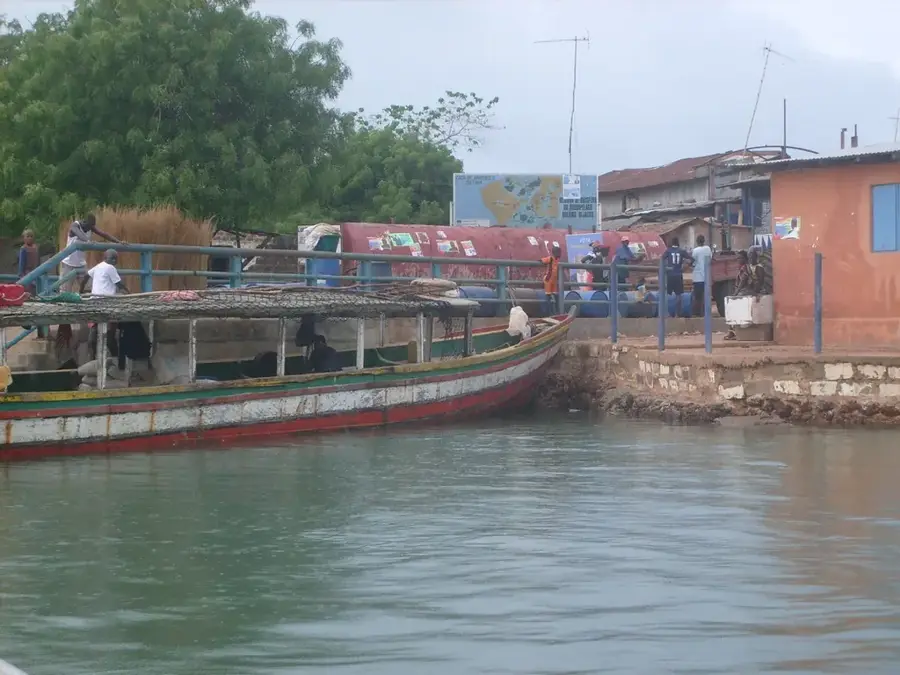
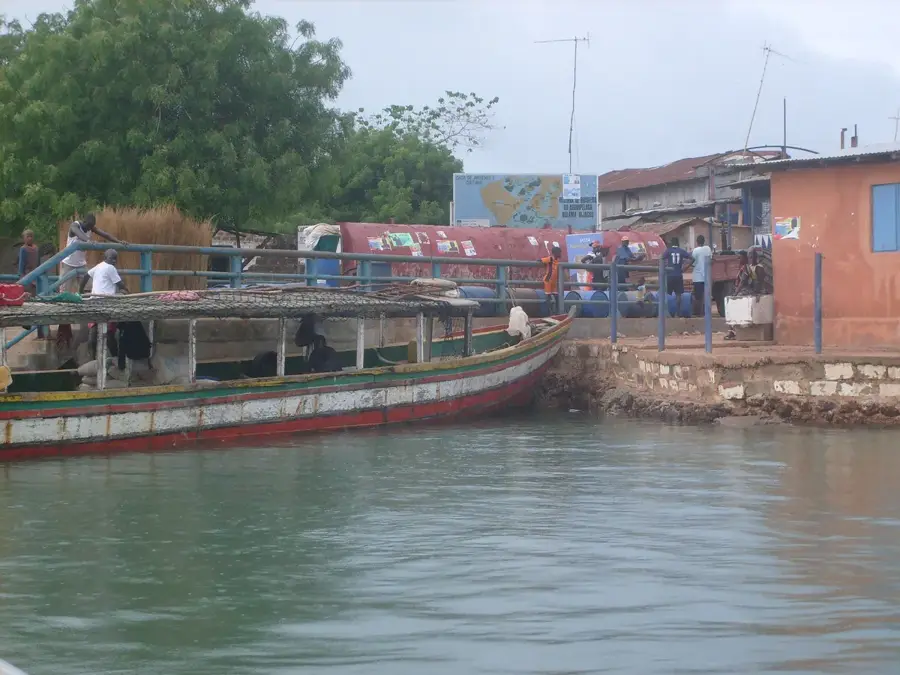
Uno Island in the Bijagós Archipelago is accessible exclusively by boat, usually from the capital Bissau or the neighboring island of Bubaque. Since there is no fixed ferry schedule, travelers often must arrange private boats or pirogues, which can take several hours depending on weather and sea conditions.
📅
Best season
The best time to visit is the dry season from November to April, when the sea is usually calm and travel between the islands is safer. During the rainy season from June to October, heavy storms can make the crossing difficult and cause humidity in the island's forested areas to rise extremely high.
⛰️
Terrain & paths
The terrain of Uno Island is characterized by dense forests, mangroves along the coasts, and vast, often deserted sandy beaches. There are almost no paved roads; instead, narrow paths lead through the pristine nature and connect the small traditional villages of the local population.
🎒
What to bring
Since the island is very remote, visitors must bring everything they need, including medications, water filters, and ample food supplies. Sturdy hiking boots for the forest paths and waterproof bags for the boat crossing are strongly recommended to protect equipment from sea spray.
🅿️
Parking
There are no cars on the island itself and thus no parking lots; vehicles must be left in Bissau at guarded locations or near the harbor. Those arriving from Bubaque can also find parking options there before transferring to a smaller boat for the final leg of the journey.
⚠️
Safety
The island's isolation means medical help is far away in case of an emergency, so one should act with extra caution and carry a first-aid kit. Additionally, one should respect the cultural traditions of the local communities and protect oneself from intense solar radiation and insects.
⏱️
Time needed
A visit to Uno is worthwhile, given the logistical effort, only for a duration of at least two to three days to truly experience the nature. Many travelers integrate the stay into a longer exploration of the Bijagós Archipelago and spend several nights in simple local accommodations.

Geography

Coordinates
11.28000, -16.05000

Facts

  • Uno is a key component of the UNESCO Bolama-Bijagós Biosphere Reserve.
  • The island hosts significant natural stands of the wild African oil palm.
  • Green sea turtles regularly utilize Uno's beaches for nesting sites.
  • Several sacred forests on the island are strictly off-limits to outsiders.
  • The residents of Uno practice sustainable fishing using traditional techniques.
  • The island serves as a vital stopover for migratory birds on the East Atlantic Flyway.

Explore nearby

Notable places around

Route planner — Car & Motorhome

Where do you start? We build the route here, with stops and country notes along the way.

Vehicle
Only stops with (optional):

© OpenStreetMap contributors · OpenRouteService

Sights in the town Uno Island (2)

Reserva de Biosfera do Arquipélago Bolama Bijagós🌿 nature

Established in 1996, the Bolama Bijagós Archipelago Biosphere Reserve encompasses multiple islands known for their rich biodiversity and unique marine ecosystems.

Old Port🎡 recreation

The Old Port beach on Uno Island provides a photogenic, sandy stretch by the ocean with remnants of historical docking facilities.

Sights nearby

Frequently asked questions

What characterizes Uno Island?
It is known for its traditional villages and authentic Bijagós way of life.
Can you go hiking there?
Yes, there are paths between villages through palm groves and forests.
Are there beaches on Uno?
Yes, there are beautiful, deserted beaches that are often only accessible by boat.
What is the climate like on the island?
Tropical and hot with a pronounced rainy season from June to October.
What should be respected?
Local taboos and sacred sites (Balobas) should only be entered with permission.
Uno Island: where is it located?
Uno Island is located in Guinea-Bissau.
Uno Island: what is there to see?
Highlights include Reserva de Biosfera do Arquipélago Bolama Bijagós, Old Port.
Uno Island: when is the best time to visit?
The most pleasant time to visit is Jan, Feb, Dec.
Uno Island: why is it worth visiting?
Uno is one of the central islands in the western part of the Bijagós Archipelago, serving as a prime example of the harmonious integration between traditional land use and untouched nature.
View on map → The Top 50 Attractions → OpenStreetMap →
Africa
Explore with Plizio Discover more places in Africa
More places in Guinea-Bissau →

Nearby cities

History & landmarks
More places