Plizio Visual Lab
Dulombi Forest
Weather…
Water temperature…
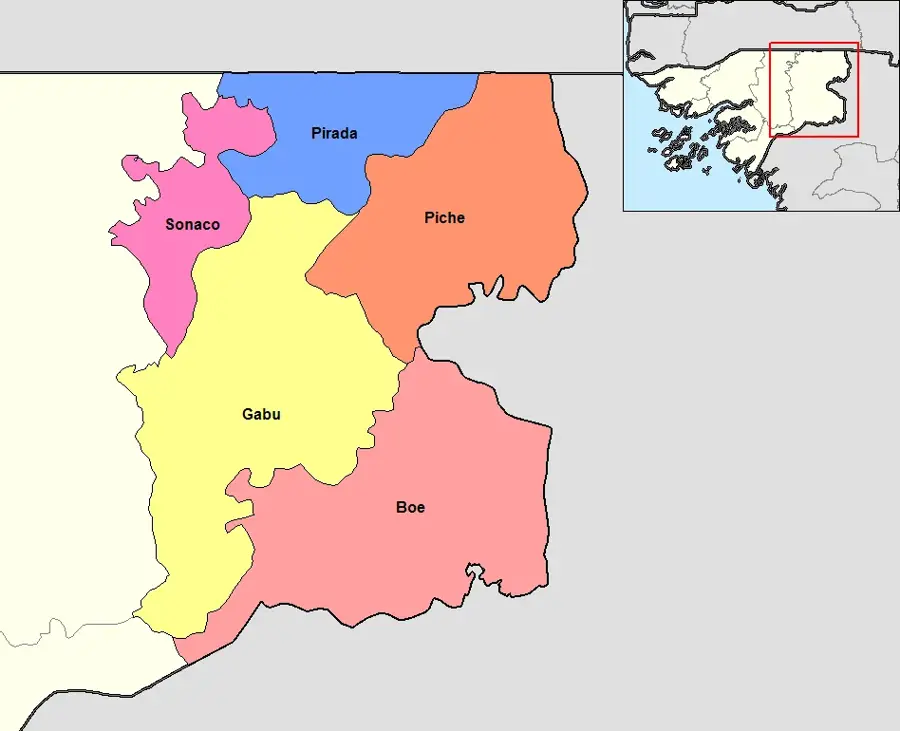
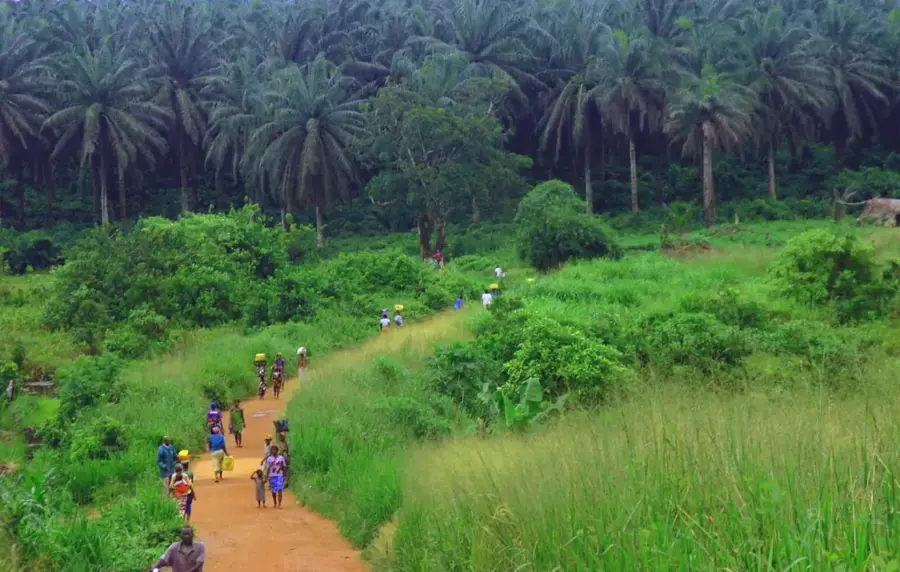
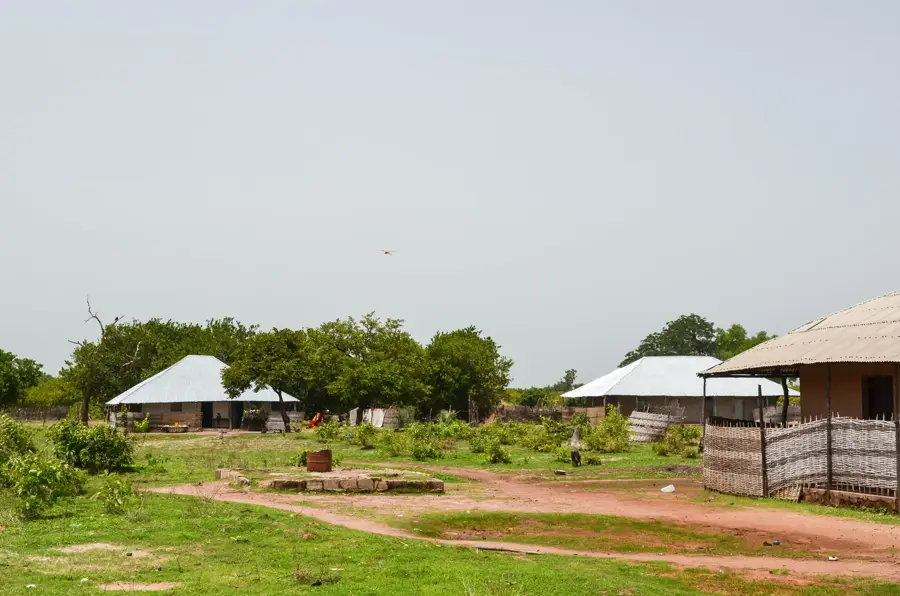
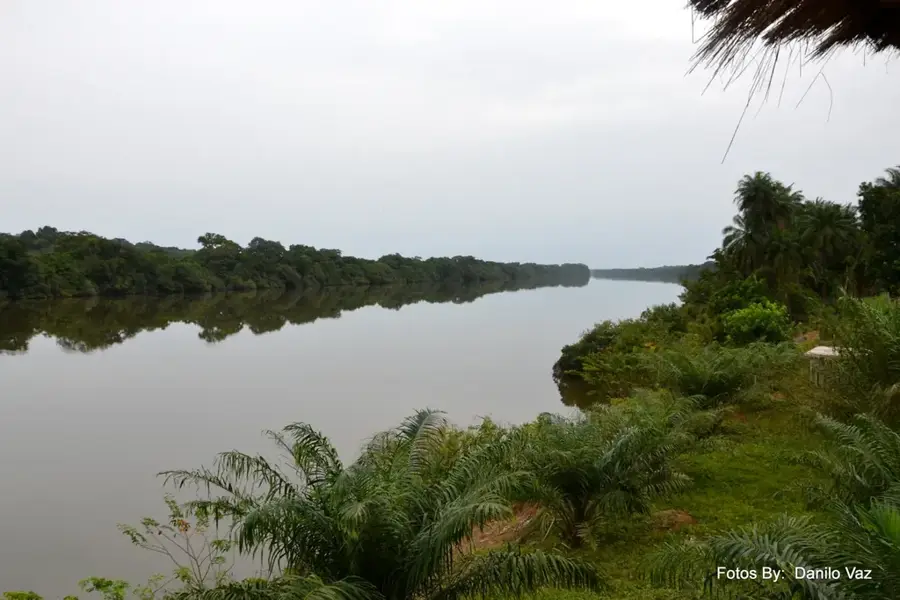
The Dulombi Forest in eastern Guinea-Bissau represents one of the most significant transition zones between tropical moist forests and the Sudano-Sahelian savanna. Part of the Dulombi-Boé National Park complex, the area features a diverse topography ranging from dense gallery forests along riverbeds to open wooded savanna. Dulombi is ecologically vital as a migration corridor for large mammals, particularly elephants that range between Guinea-Conakry, Senegal, and Guinea-Bissau. The environment here is more rugged and arid than in the west, fostering specialized flora such as massive baobabs and mahogany trees. In addition to elephants, the forest provides habitat for leopards, various antelope species, and hyenas. Protecting Dulombi is a logistical challenge due to its vast remoteness and proximity to international borders, yet it is essential for preserving the genetic diversity of West African wildlife. The forest also serves as an important watershed for tributaries of the Geba and Corubal rivers, underscoring its importance to regional agriculture and water security.
- Location: Guinea-Bissau
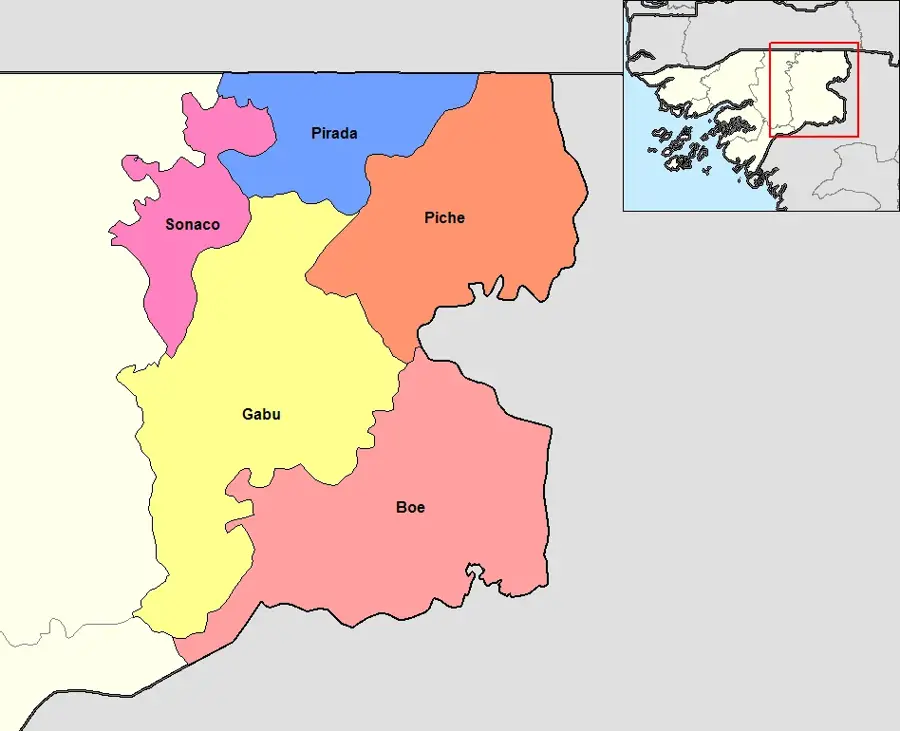
- Nearby: Madina do Boe (17 km)
Best time to visit & climate
The most pleasant time to visit is Jan, Nov, Dec.
| Jan | Feb | Mar | Apr | May | Jun | Jul | Aug | Sep | Oct | Nov | Dec | |
|---|---|---|---|---|---|---|---|---|---|---|---|---|
| Avg °C | 27 | 29 | 31 | 33 | 32 | 29 | 26 | 26 | 26 | 26 | 25 | 25 |
| Rain mm | 1 | 1 | 1 | 2 | 38 | 165 | 365 | 464 | 314 | 145 | 16 | 0 |
📋 Practical info
Geography
Facts
- Dulombi is part of the country's largest terrestrial protected area complex.
- The forest acts as a seasonal highway for migratory West African elephants.
- Its flora includes highly valued hardwoods like African mahogany.
- The region is sparsely populated, maintaining a high level of wilderness.
- Dulombi sits in a unique transition belt between savanna and forest biomes.
- International initiatives focus on protecting the area from cross-border poaching.
Explore nearby
Notable places around


Route planner — Car & Motorhome
Where do you start? We build the route here, with stops and country notes along the way.
© OpenStreetMap contributors · OpenRouteService
Sights nearby
Frequently asked questions
What animals live in Dulombi Forest?
Is the forest developed for tourism?
Where is Dulombi located?
When is the best time for wildlife viewing?
Are there camping facilities?
Dulombi Forest: where is it located?
Dulombi Forest: when is the best time to visit?
Dulombi Forest: why is it worth visiting?

Nearby cities

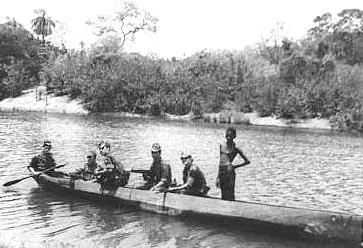
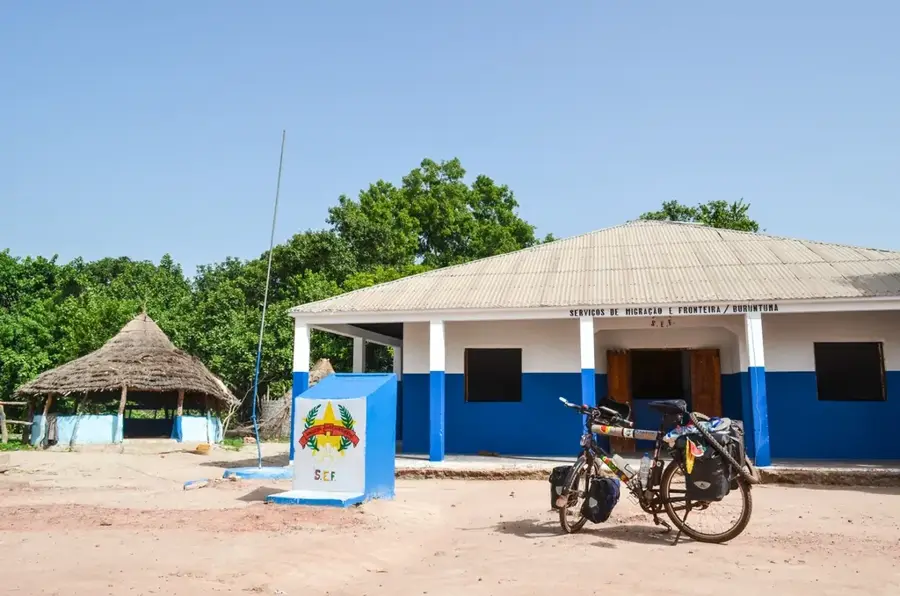
History & landmarks
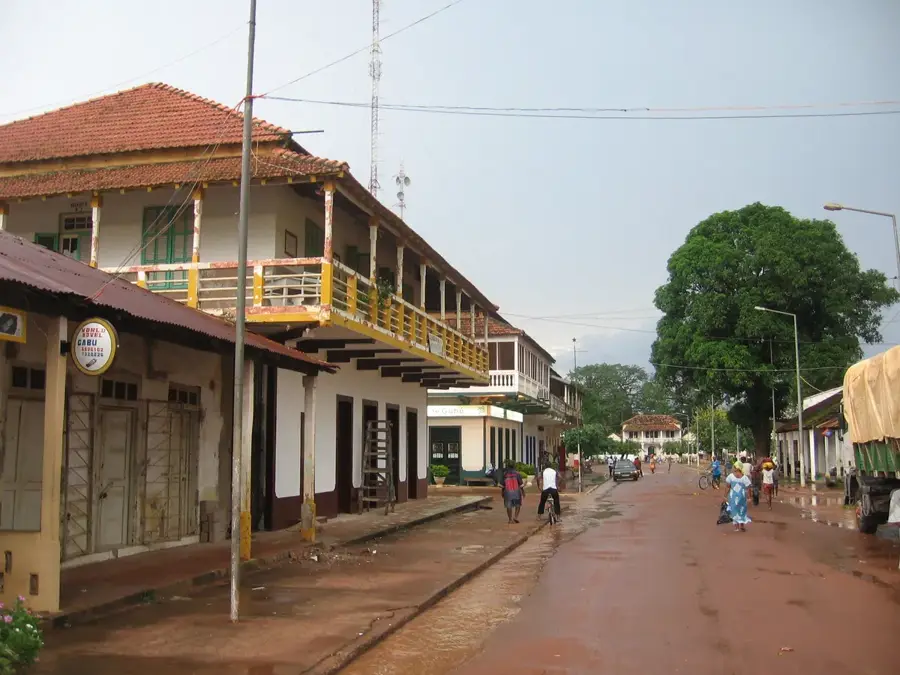
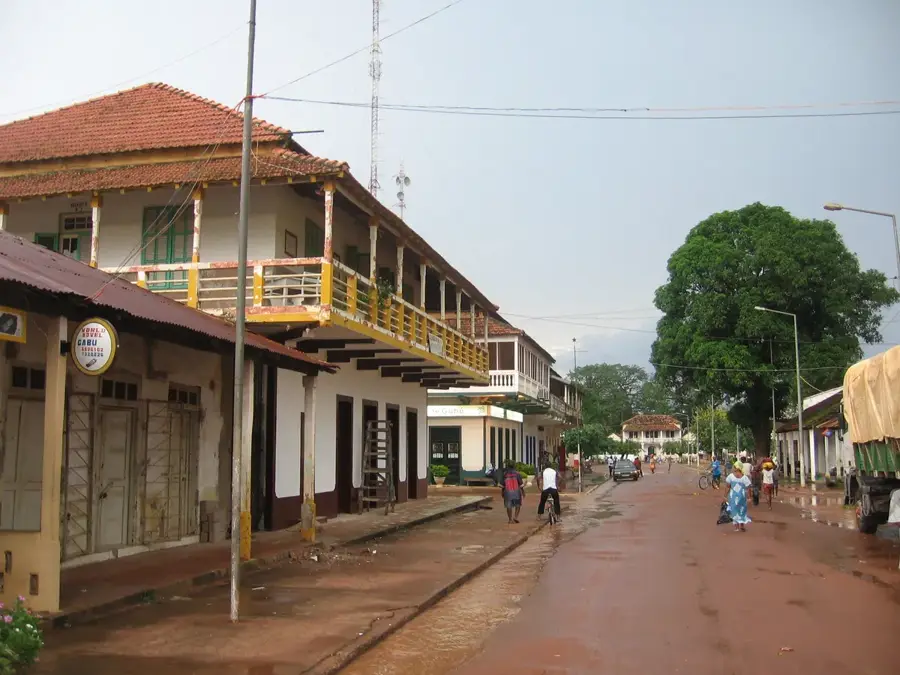
Nature
More places