Plizio Visual Lab
Bafatá Colonial Quarter
Weather…
Water temperature…
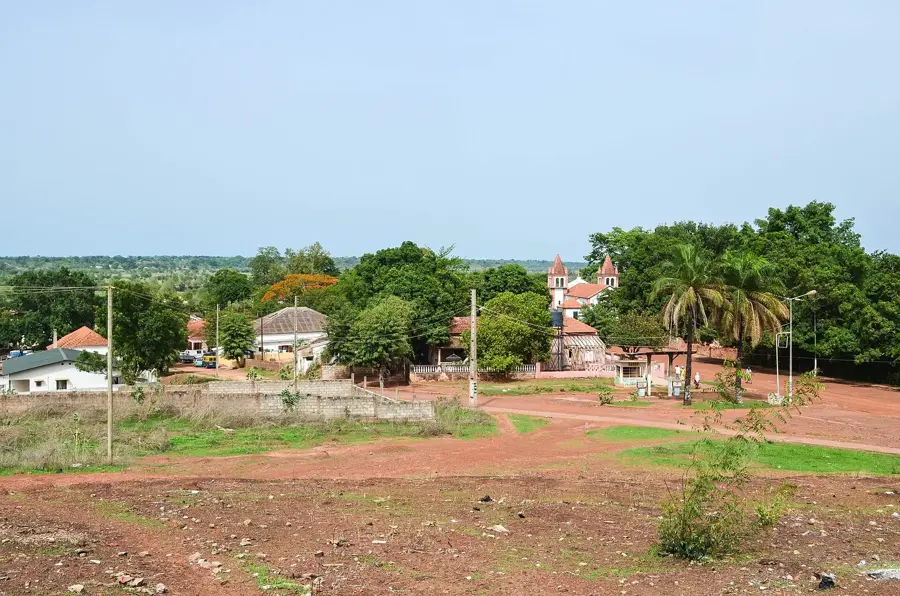
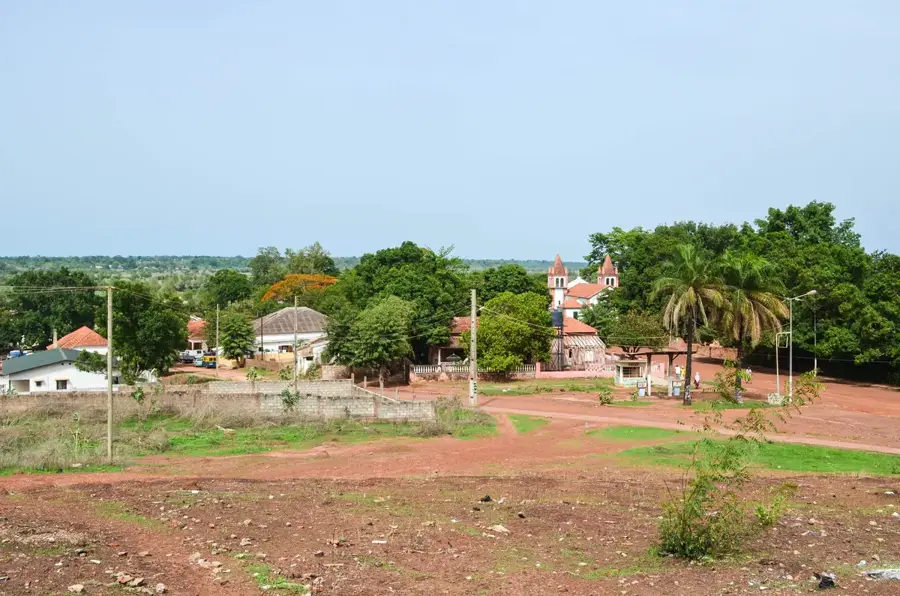
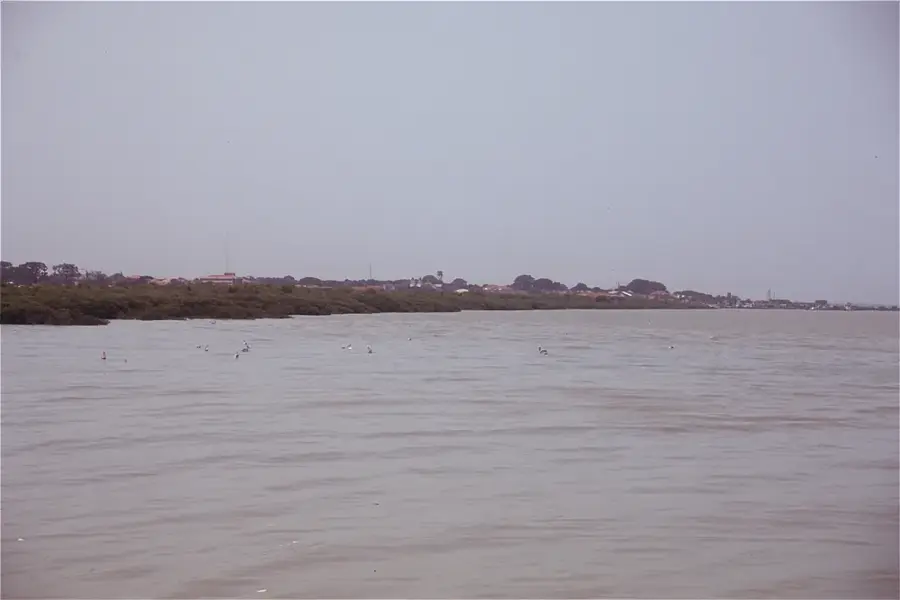
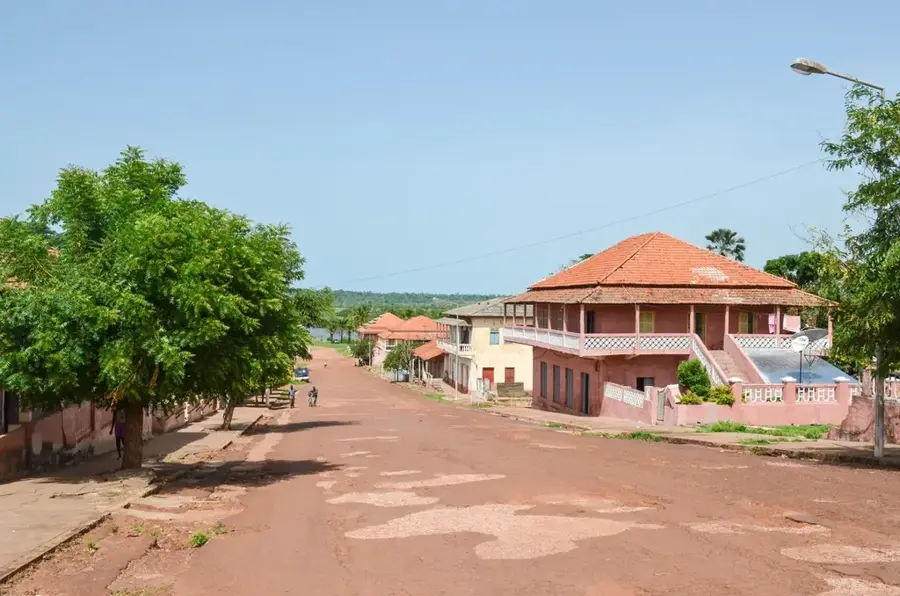
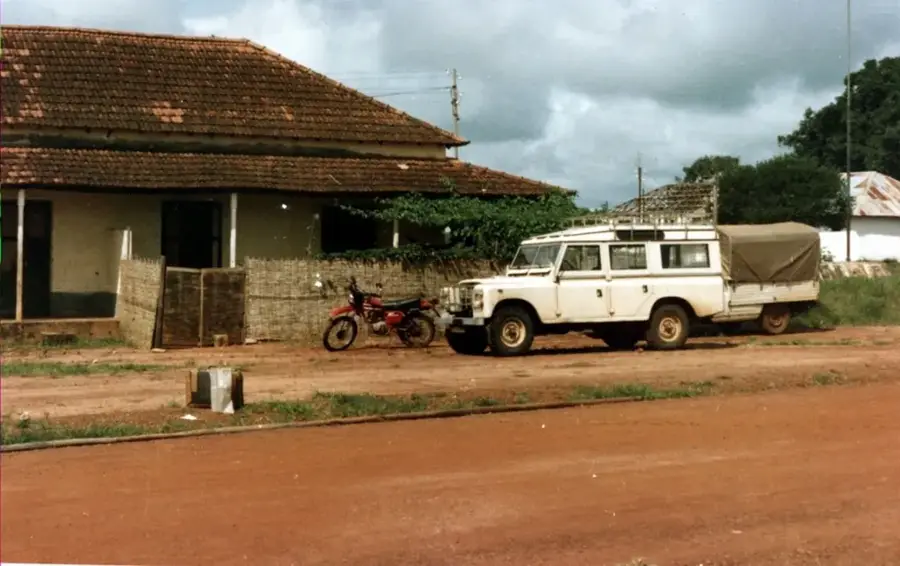
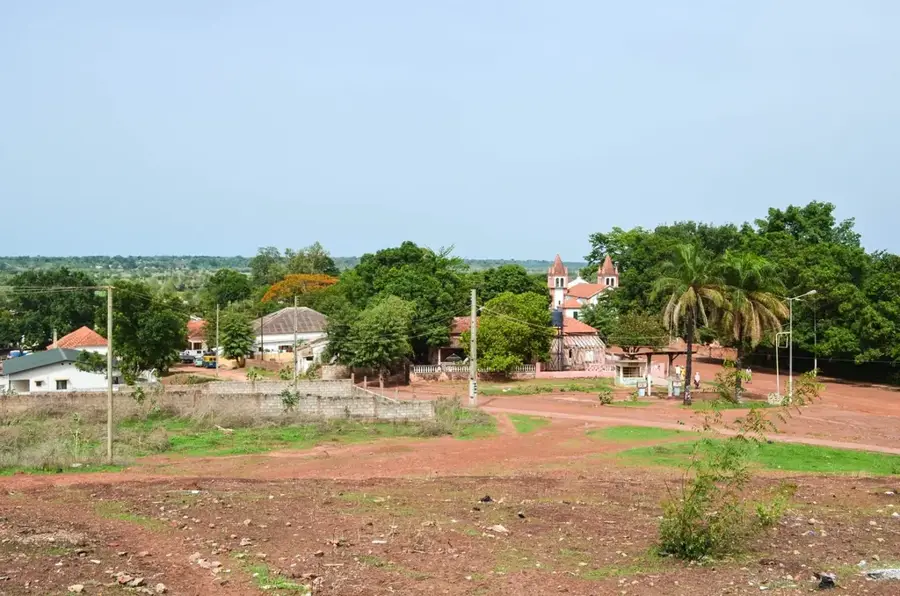
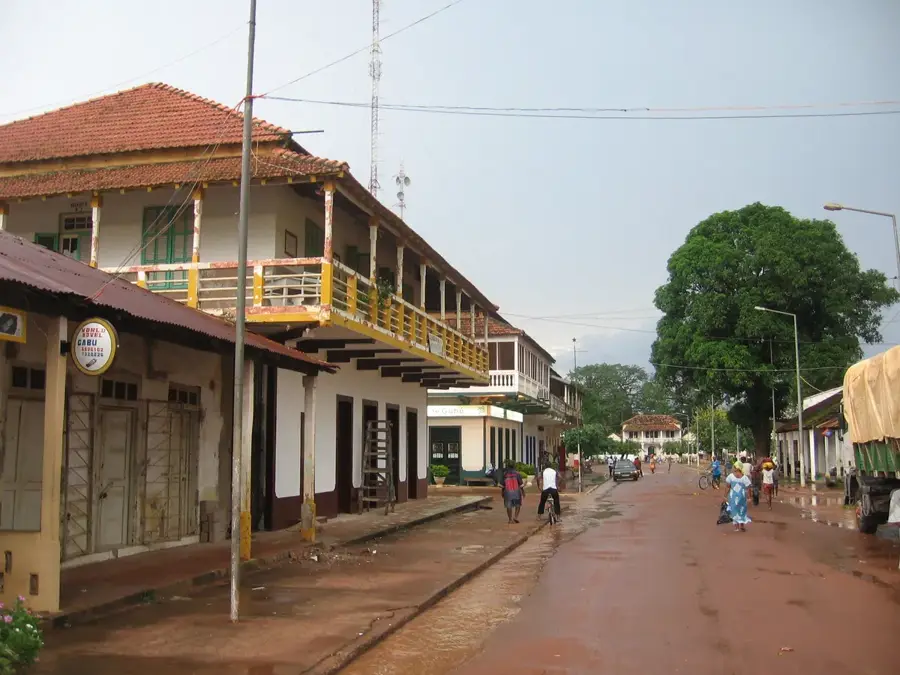
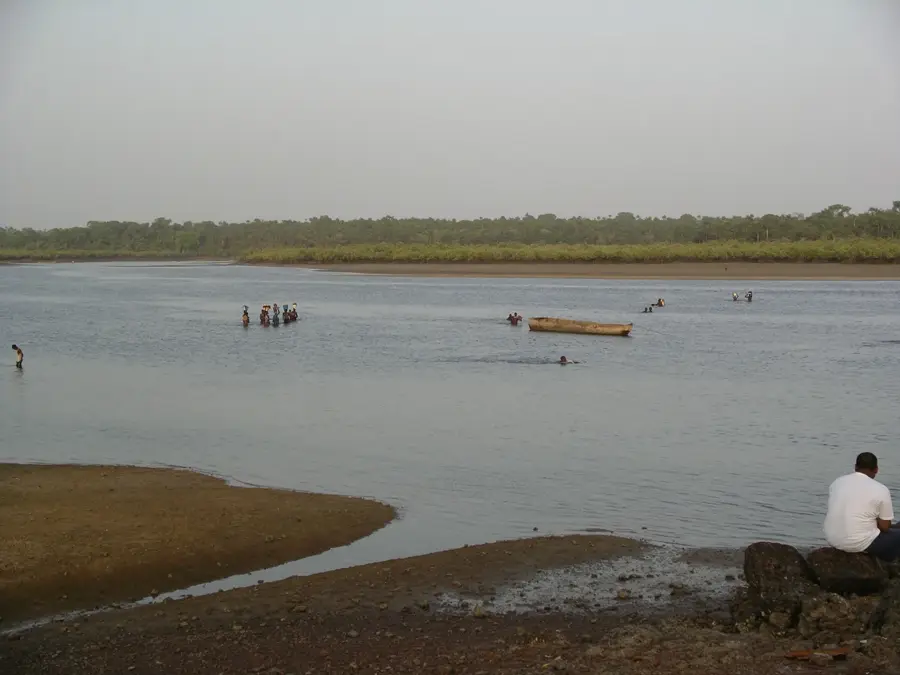
The colonial quarter of Bafatá is one of the best-preserved examples of Portuguese architecture in West Africa, picturesquely situated along the banks of the Geba River. The old town is characterized by 'sobrados', two-story trading houses featuring wooden balconies and red-tiled roofs, mostly built during the late 19th and early 20th centuries. Bafatá served as a thriving commercial hub for cotton, livestock, and peanuts, which is reflected in the spacious layout of its streets and public squares. The ochre and pastel-colored facades lend the district a melancholic charm, evoking the town's former economic heyday. The quarter’s historical depth is further enhanced by its proximity to the birthplace of Amílcar Cabral, the nation's revolutionary leader. Its riverfront location was crucial for transporting goods downstream to Bissau. Despite ongoing issues with decay, the district preserves an atmosphere where time seems to have stood still. A walk through its cobbled streets leads past old administrative offices and the Catholic church, collectively forming an impressive monument to colonial urban planning and the commercial ambitions of the era.
- Location: Guinea-Bissau
- Top sights: Bafatá · Our Lady of Grace Cathedral, Bafatá · Diocese of Bafatá
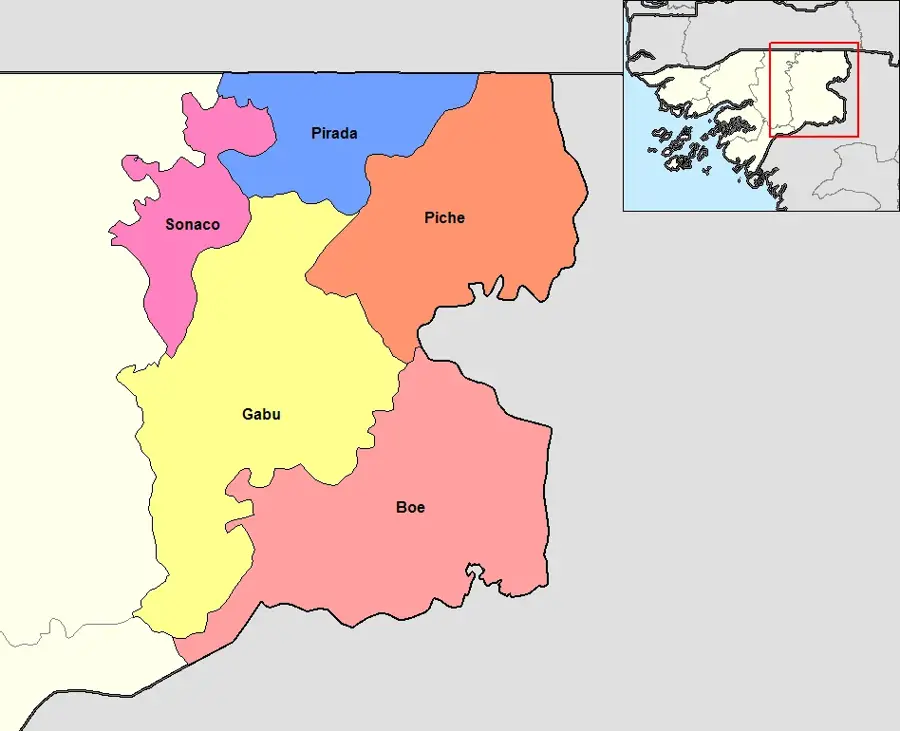
- Nearby: Sonaco (21 km)
Best time to visit & climate
The most pleasant time to visit is Jan, Nov, Dec.
| Jan | Feb | Mar | Apr | May | Jun | Jul | Aug | Sep | Oct | Nov | Dec | |
|---|---|---|---|---|---|---|---|---|---|---|---|---|
| Avg °C | 25 | 28 | 31 | 32 | 32 | 29 | 26 | 26 | 26 | 27 | 26 | 24 |
| Rain mm | 1 | 0 | 1 | 1 | 30 | 156 | 370 | 468 | 323 | 151 | 14 | 0 |
📋 Practical info
Geography
Facts
- Bafatá is the second-largest city and a historical inland capital of trade.
- The district is famous for its well-preserved 19th-century 'sobrado' houses.
- It is the birthplace of Amílcar Cabral, the founder of the nation.
- The Geba River provided a vital transport link for agricultural exports.
- The colonial quarter remains the cultural and administrative heart of the city.
- Bafatá's layout includes several grand plazas and shaded avenues.
Explore nearby
Notable places around


Route planner — Car & Motorhome
Where do you start? We build the route here, with stops and country notes along the way.
© OpenStreetMap contributors · OpenRouteService
Sights in the town Bafatá Colonial Quarter (3)
Sights nearby
Frequently asked questions
Why is Bafatá's colonial quarter famous?
What is the condition of the buildings?
Can Cabral's birthplace be visited?
What is the best way to get to Bafatá?
What should you try there?
Bafatá Colonial Quarter: where is it located?
Bafatá Colonial Quarter: what is there to see?
Bafatá Colonial Quarter: when is the best time to visit?
Bafatá Colonial Quarter: why is it worth visiting?

Nearby cities
History & landmarks
Nature
More places