Plizio Visual Lab
Amílcar Cabral University
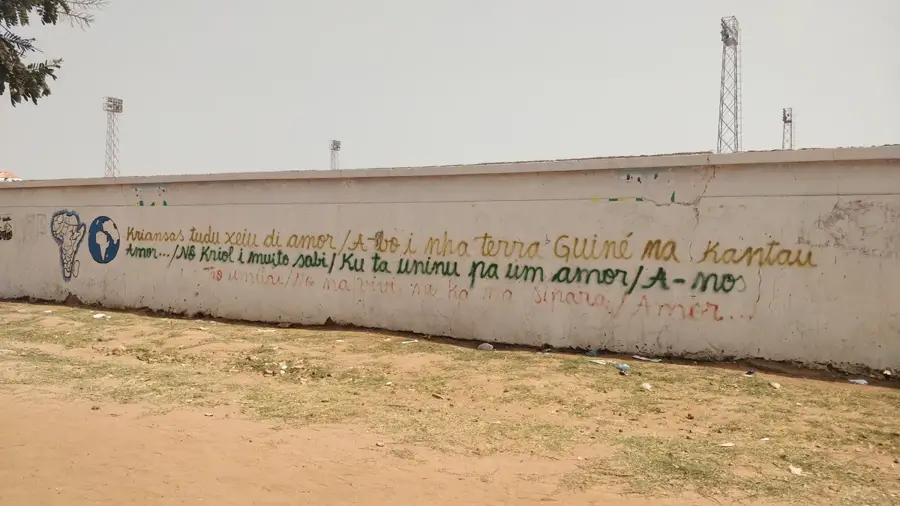
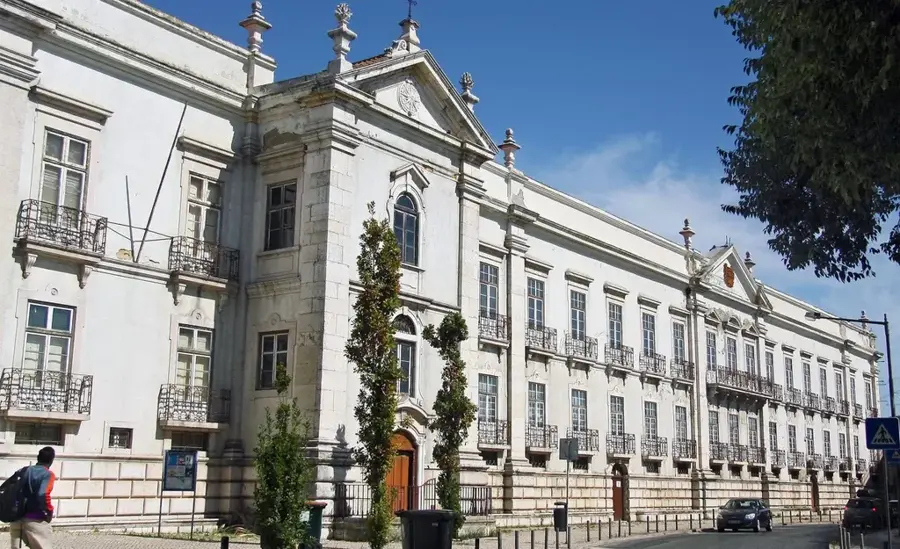
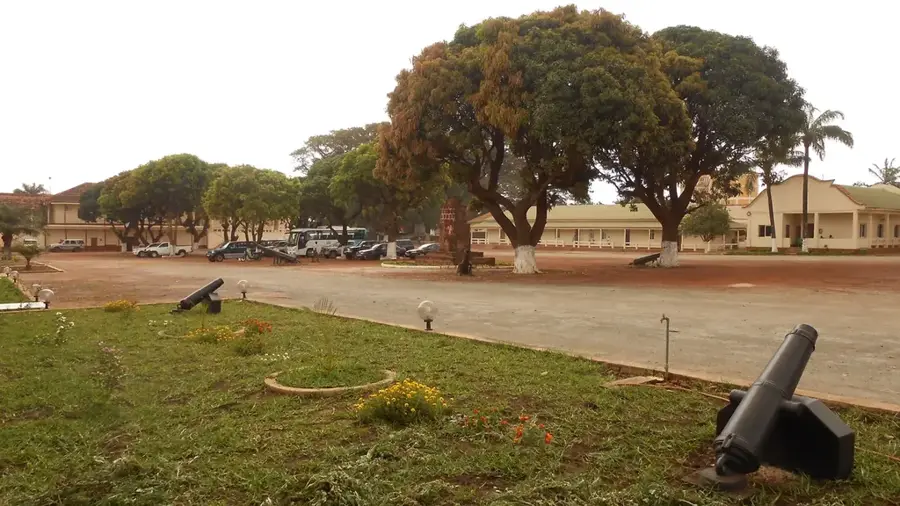
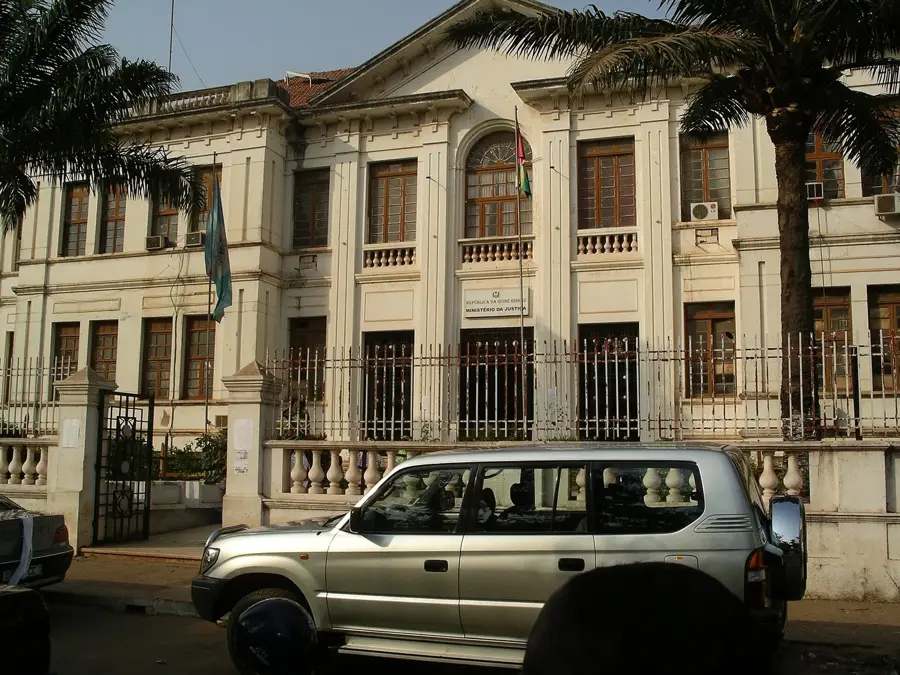
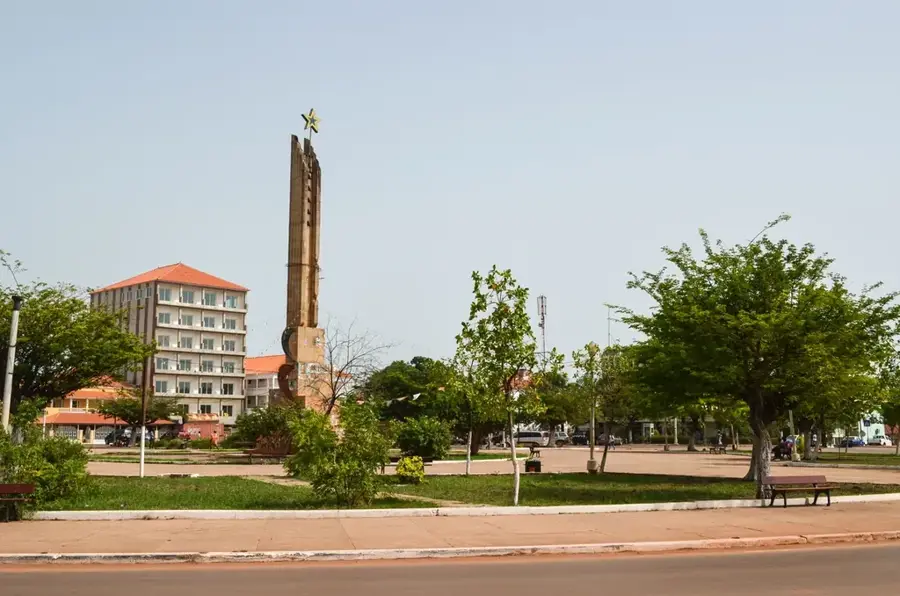
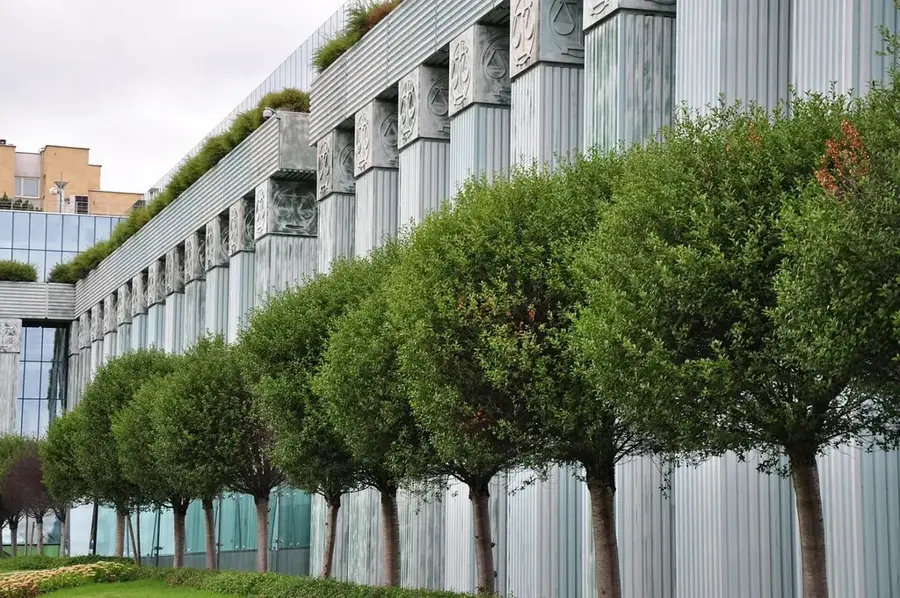
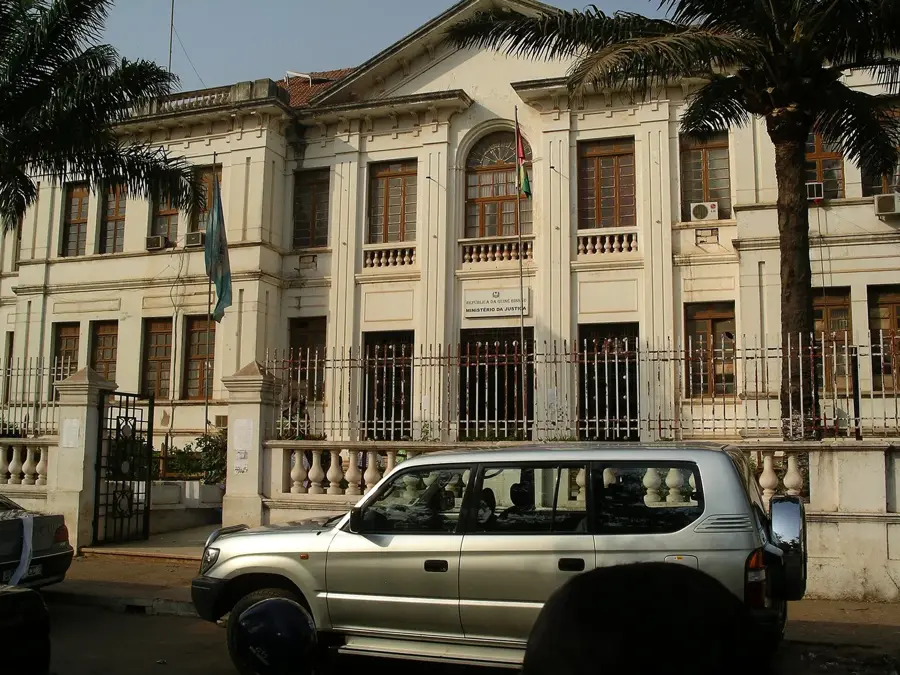
The Amílcar Cabral University (Universidade Amílcar Cabral) is Guinea-Bissau's sole public university and the academic heart of the nation. Established in 2003, the institution is named after the legendary independence leader and intellectual Amílcar Cabral, whose vision for education as a tool for liberation forms the university's ideological foundation. Its main campus in Bissau serves as a prominent architectural landmark, symbolizing the country's intellectual sovereignty. The university has a range of degree programs in fields such as law, medicine, social sciences, and agriculture. Despite facing significant administrative and financial hurdles over the years, the institution remains the primary training ground for the country's future professional and political elite. The architecture of its various faculties is spread throughout the capital, with the main administrative building acting as a central hub for student life and academic discourse. The university is not only a place of learning but also a center for research and social debate, representing Guinea-Bissau's determined effort to build a homegrown academic system that strengthens national identity and drives economic development.
- Location: Guinea-Bissau
- Top sights: Museu Etnográfico · Praça dos Heróis Nacionais · Coqueiros Craft Market
- Nearby: Safim (12 km)
Best time to visit & climate
The most pleasant time to visit is Jan, Feb, Dec.
| Jan | Feb | Mar | Apr | May | Jun | Jul | Aug | Sep | Oct | Nov | Dec | |
|---|---|---|---|---|---|---|---|---|---|---|---|---|
| Avg °C | 23 | 25 | 27 | 29 | 29 | 28 | 27 | 26 | 26 | 27 | 26 | 24 |
| Rain mm | 1 | 0 | 0 | 0 | 21 | 132 | 375 | 487 | 355 | 173 | 11 | 0 |
📋 Practical info
Geography
Facts
- It is the first and only public university in Guinea-Bissau.
- The university honors the memory of the nation's foremost intellectual, Amílcar Cabral.
- The Faculty of Law is one of the most prominent departments at the university.
- The institution maintains strong academic ties with Portugal and Brazil.
- It serves as a critical center for preserving Bissau-Guinean national culture.
- The university is central to the country's goal of achieving educational self-sufficiency.
Explore nearby
Notable places around



Route planner — Car & Motorhome
Where do you start? We build the route here, with stops and country notes along the way.
© OpenStreetMap contributors · OpenRouteService
Sights in the town Amílcar Cabral University (10)
Mercado Central
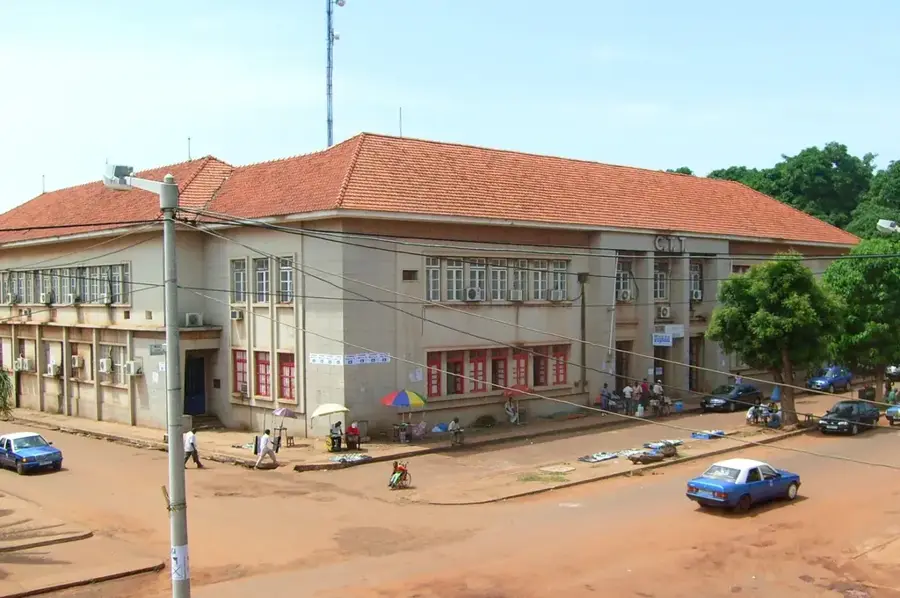
The ruin of the former central market of Bissau, a colonial-era building now in decay.
Bissau Cathedral
The cathedral of Bissau is the main church of the Diocese of Guinea-Bissau, a place of worship.
Société Comerciale de l' Ouest Africain
Ruins of a former trading house of the West African Company in Bissau.
Benjamim Corrêa
Remains of a building in Bissau named after a person, now a ruin.
Baluarte da Balança🏰 castle
An old fortification in Bissau, part of the city's historical defensive structures.
Baluarte da Onça🏰 castle
A historic fort in Bissau, once used for coastal defense during colonial times.
Baluarte da Puana🏰 castle
Another bastion in Bissau, built to protect the harbor in the past.
Sights nearby
Frequently asked questions
What is the Amílcar Cabral University?
Can visitors tour the campus?
Where is the university located?
Are there public events held there?
What are the university's main focus areas?
Amílcar Cabral University: where is it located?
Amílcar Cabral University: what is there to see?
Amílcar Cabral University: when is the best time to visit?
Amílcar Cabral University: why is it worth visiting?

Nearby cities
History & landmarks
Nature
More places