Plizio Visual Lab
Amílcar Cabral Birthplace
Weather…
Water temperature…
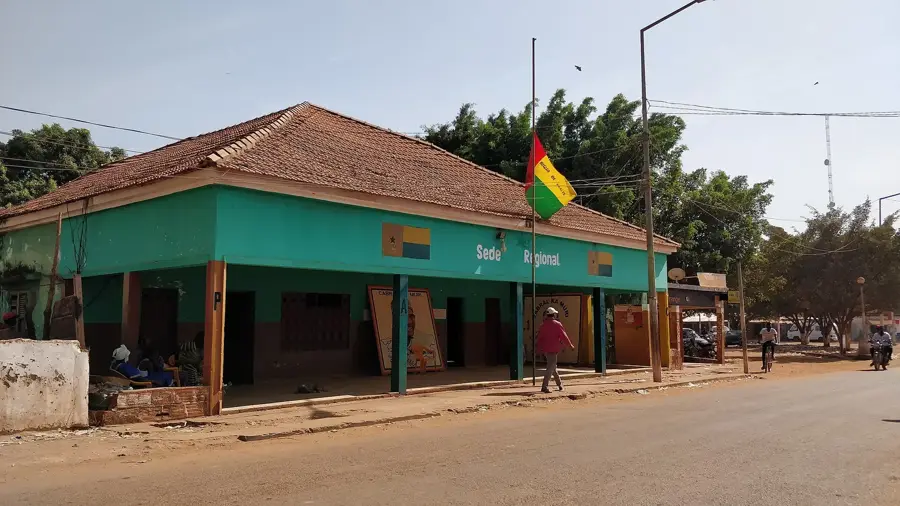
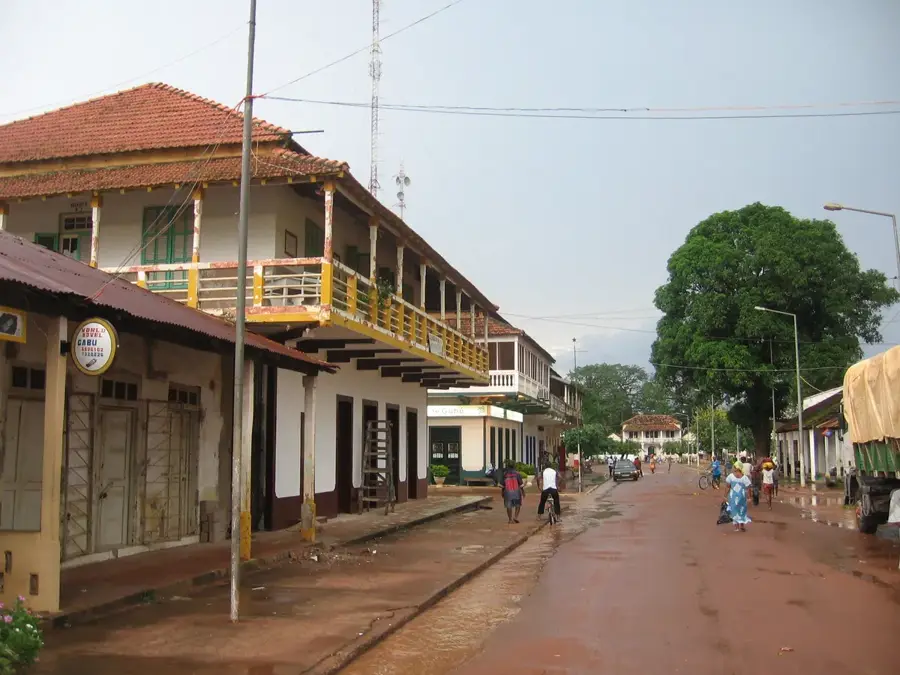
The birthplace of Amílcar Cabral in Bafatá is one of the most revered historical sites in Guinea-Bissau. Born here in 1924, Cabral became the principal intellectual and political architect of the independence movement for both Guinea-Bissau and Cape Verde. The house itself is a modest, single-story colonial-style building, characterized by its traditional veranda and simple layout, reflecting the architectural norms of early 20th-century Bafatá. Following independence, the residence was converted into a museum dedicated to preserving the legacy of this world-renowned revolutionary and agronomist. The museum’s collection includes personal artifacts, historical photographs, and documents that trace Cabral’s childhood, his academic journey in Lisbon, and his rise as a global figure of anti-colonial resistance. It serves as a vital educational center where the principles of national unity and self-determination are celebrated. Despite its humble appearance, the house is a site of pilgrimage for those seeking to understand the ideological foundations of the nation. It remains a powerful symbol of the man whose vision for African liberation had a profound impact far beyond the borders of his home country.
- Location: Guinea-Bissau
- Top sights: Diocese of Bafatá · Our Lady of Grace Cathedral, Bafatá · Bafatá
- Nearby: Sonaco (21 km)
Best time to visit & climate
The most pleasant time to visit is Jan, Nov, Dec.
| Jan | Feb | Mar | Apr | May | Jun | Jul | Aug | Sep | Oct | Nov | Dec | |
|---|---|---|---|---|---|---|---|---|---|---|---|---|
| Avg °C | 25 | 28 | 31 | 32 | 32 | 29 | 26 | 26 | 26 | 27 | 26 | 24 |
| Rain mm | 1 | 0 | 1 | 1 | 30 | 156 | 370 | 468 | 323 | 151 | 14 | 0 |
📋 Practical info
Geography
Facts
- Amílcar Cabral was born in this specific house on September 12, 1924.
- The building is a prime example of early 20th-century colonial architecture.
- It was officially inaugurated as a museum to honor Cabral's life and work.
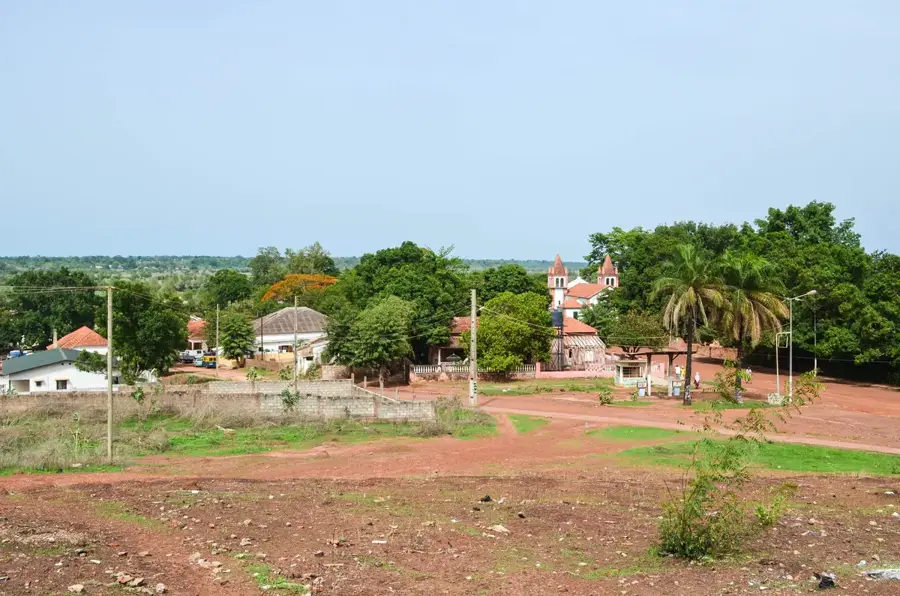
- The site is located in Bafatá, the second-largest city in the country.
- The museum displays unique documents related to the PAIGC's formation.
- Cabral’s birthday is now celebrated as a national holiday in the country.
Explore nearby
Notable places around


Route planner — Car & Motorhome
Where do you start? We build the route here, with stops and country notes along the way.
© OpenStreetMap contributors · OpenRouteService
Sights in the town Amílcar Cabral Birthplace (3)
Sights nearby
Frequently asked questions
Where is the birthplace located?
What can be seen inside?
Is there a guide on site?
Can you take photos in the house?
How are the road conditions to Bafatá?
Amílcar Cabral Birthplace: where is it located?
Amílcar Cabral Birthplace: what is there to see?
Amílcar Cabral Birthplace: when is the best time to visit?
Amílcar Cabral Birthplace: why is it worth visiting?

Nearby cities
History & landmarks
Nature
More places