Plizio Visual Lab
Caravela Island
Weather…
Water temperature…
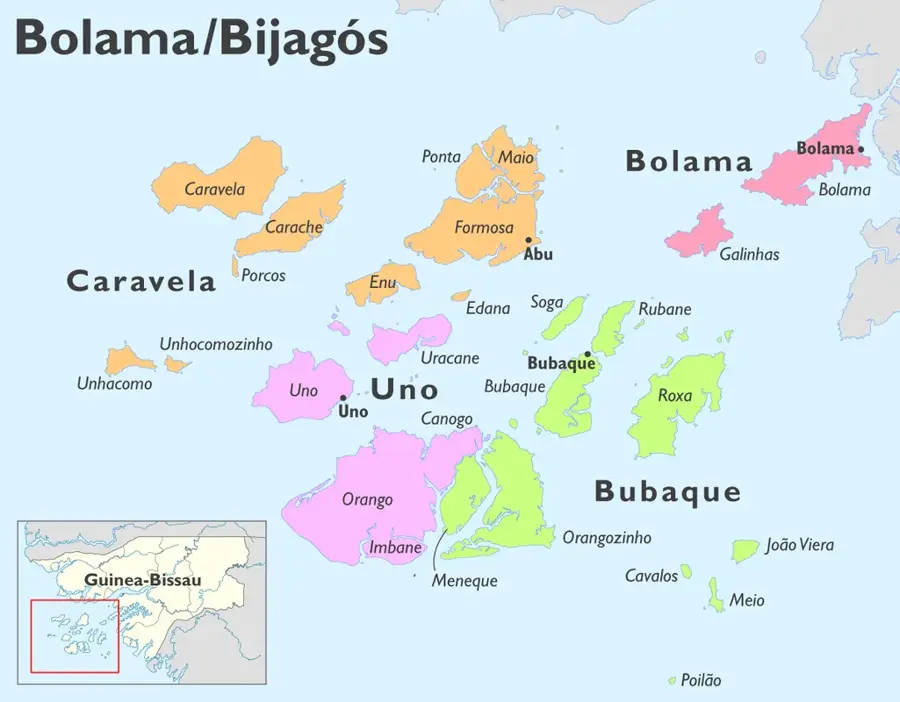
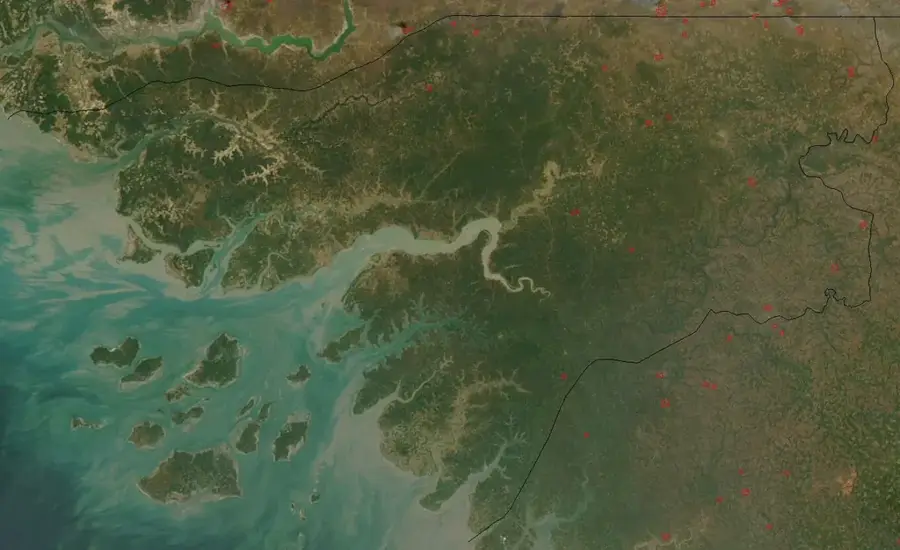
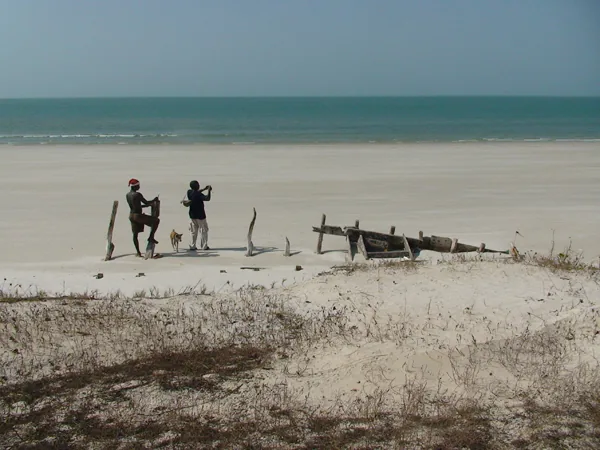
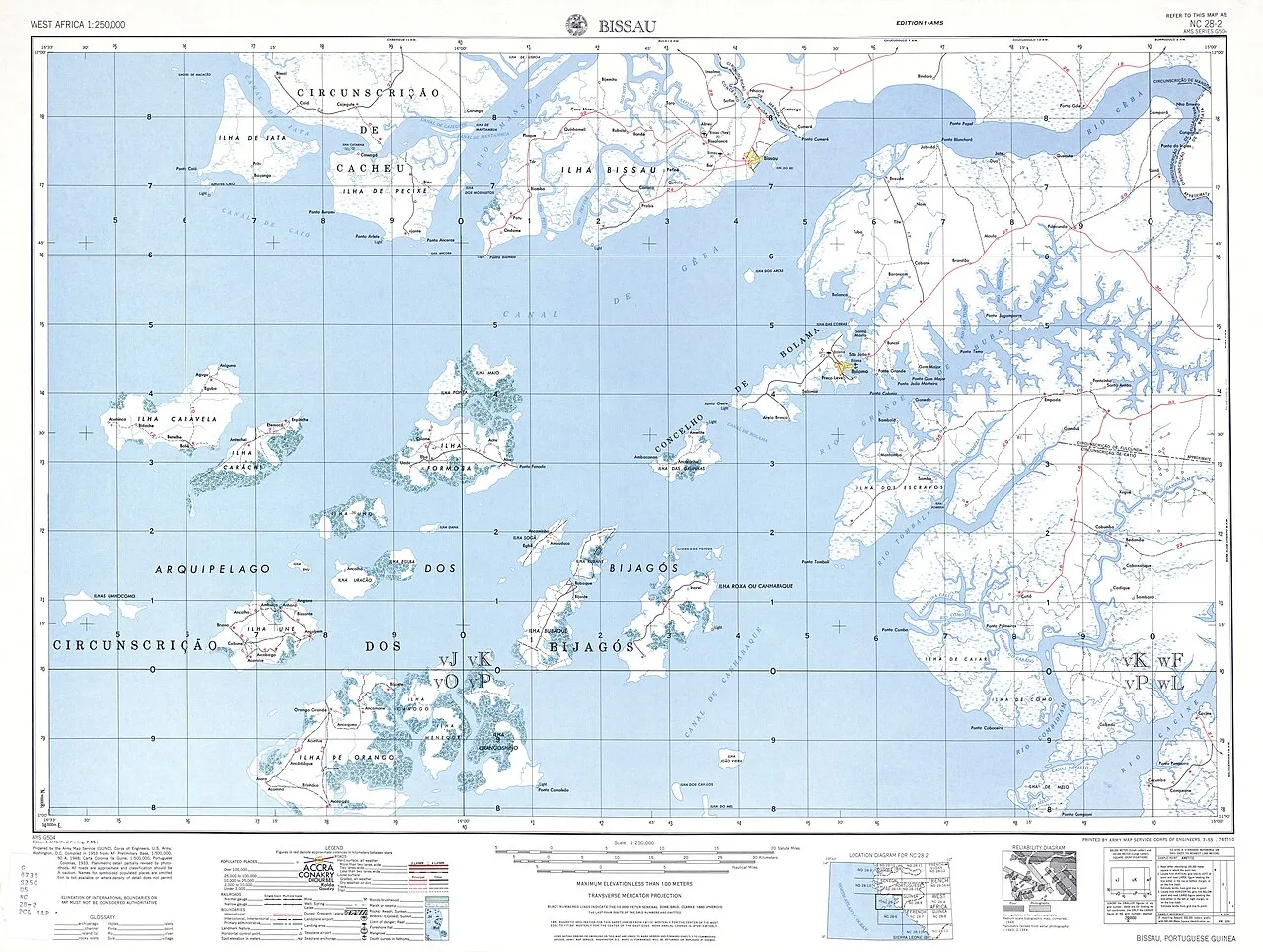
Caravela is one of the northernmost inhabited islands in the Bijagós Archipelago, characterized by its particularly wild and undisturbed natural state. Geologically, the island is defined by extensive white sandy beaches along the western coast and massive mangrove belts along the eastern coast. Caravela hosts some of the country's most vital marine ecosystems; the surrounding shallow channels are rich in seagrass meadows, which provide a crucial food source for endangered sea turtles. The island's interior features dense palm forests and remnants of tropical coastal forest, supporting a high density of endemic reptile species. Additionally, the island is a significant breeding ground for seabirds, as human settlement is relatively sparse and large areas are protected by traditional communities. Caravela acts as an essential ecological buffer between the deeper Atlantic waters and the shallower lagoon systems of the inner archipelago. The absence of motorized traffic and modern infrastructure has made Caravela a sanctuary for biodiversity, where natural successional processes can occur unimpeded. For ecologists, the island is a valuable subject for studying the dynamics of undisturbed tropical coastal ecosystems.
- Location: Guinea-Bissau
- Nearby: Caravela (7 km)
Best time to visit & climate
The most pleasant time to visit is Jan, Feb, Dec.
| Jan | Feb | Mar | Apr | May | Jun | Jul | Aug | Sep | Oct | Nov | Dec | |
|---|---|---|---|---|---|---|---|---|---|---|---|---|
| Avg °C | 25 | 25 | 26 | 26 | 27 | 27 | 27 | 27 | 27 | 28 | 28 | 26 |
| Rain mm | 1 | 0 | 3 | 1 | 10 | 122 | 410 | 521 | 359 | 189 | 13 | 0 |
📋 Practical info
Geography
Facts
- Caravela possesses one of the lowest population densities in the entire archipelago.
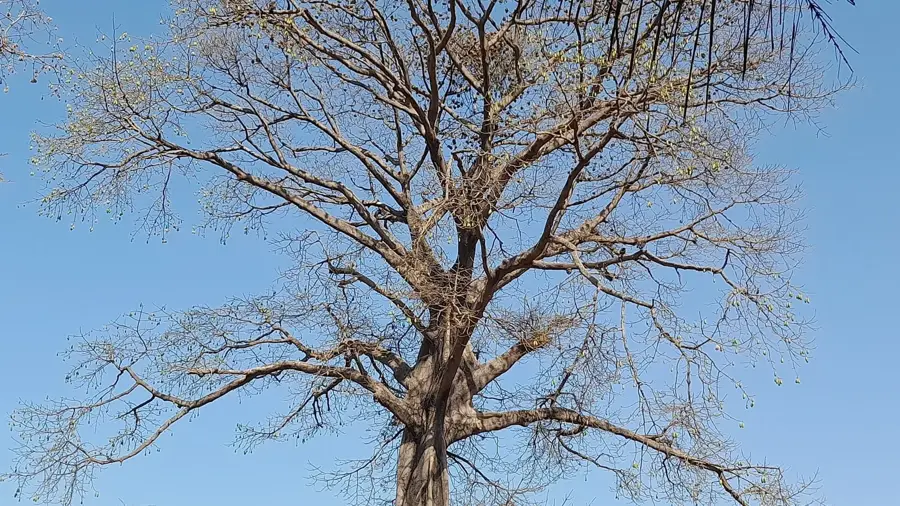
- The island is famous for the massive baobab trees lining its coast.
- Seagrass meadows around Caravela are a critical habitat for green sea turtles.
- The island features natural freshwater reservoirs within its interior.
- Caravela is an important reference point for the conservation of coastal mangroves.
- Traditional Bijagó ceremonies here are often conducted in pristine natural settings.
Explore nearby
Notable places around

Route planner — Car & Motorhome
Where do you start? We build the route here, with stops and country notes along the way.
© OpenStreetMap contributors · OpenRouteService
Sights in the town Caravela Island (1)
Sights nearby
Frequently asked questions
Where is Caravela Island located?
Are the beaches there good for swimming?
What is the main occupation of the inhabitants?
How do you get to Caravela?
Are there wild animals there?
Caravela Island: where is it located?
Caravela Island: when is the best time to visit?
Caravela Island: why is it worth visiting?

Nearby cities



History & landmarks
More places