Plizio Visual Lab
Rio Grande de Buba
Weather…
Water temperature…
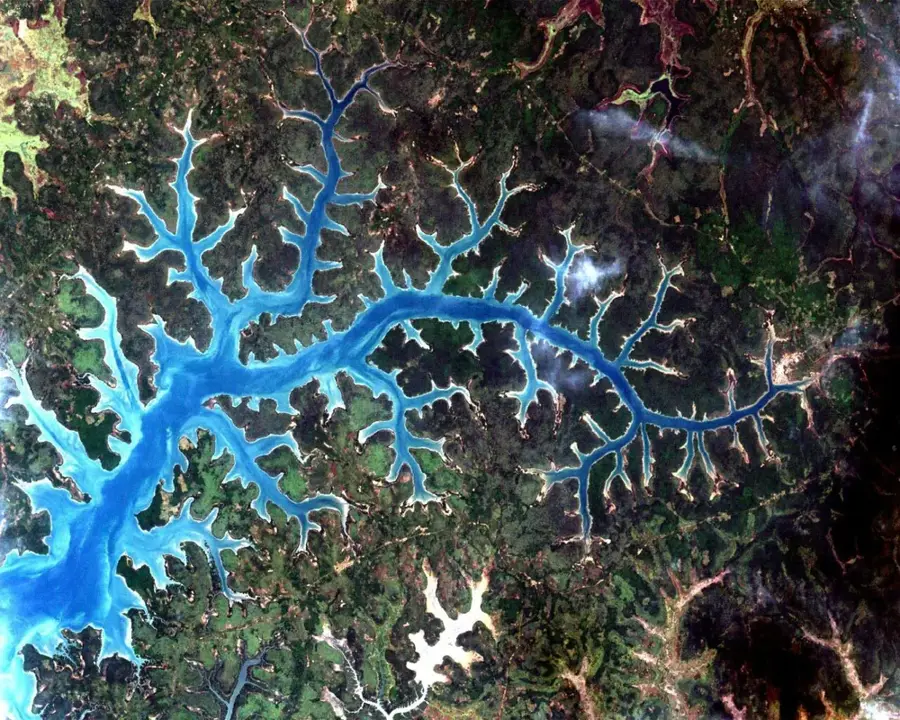
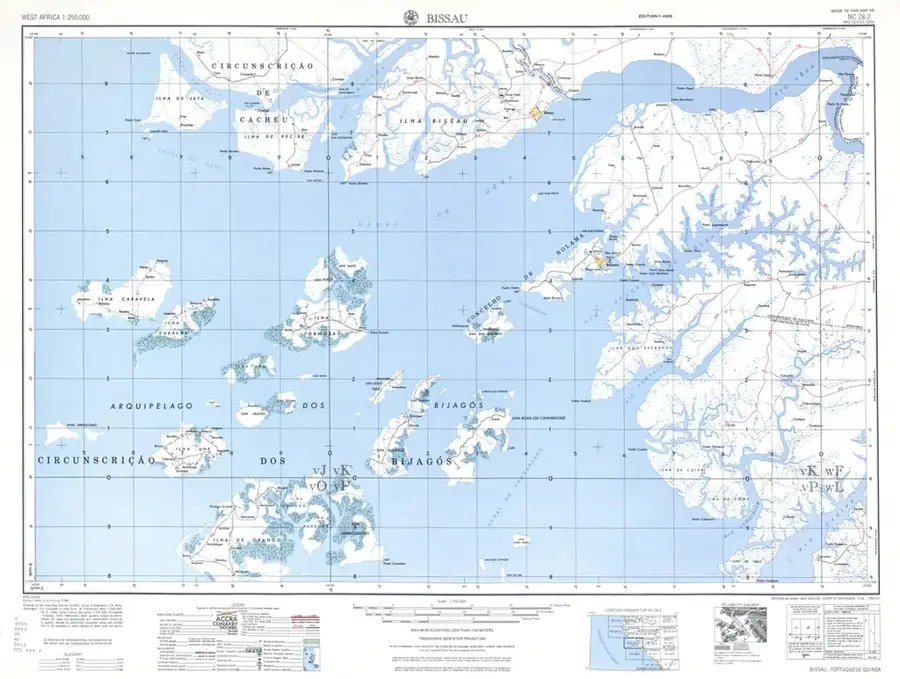
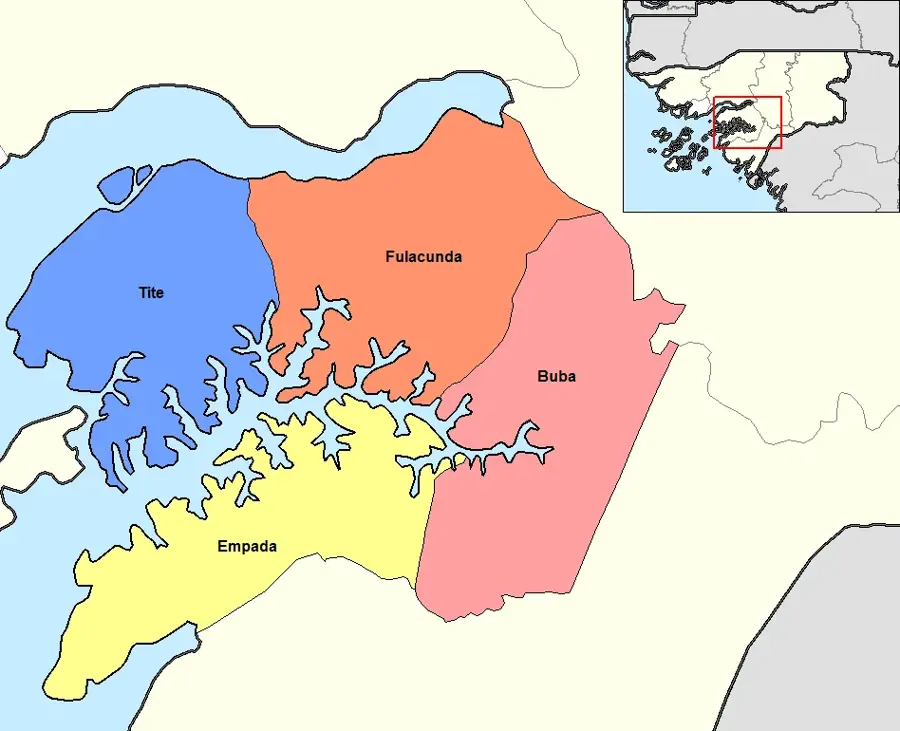
The Rio Grande de Buba is a geographical anomaly in West Africa, representing not a conventional river system but a deep, narrow saltwater inlet that penetrates nearly 50 kilometers into the interior of Guinea-Bissau. This geomorphological formation closely resembles a tropical fjord and is entirely governed by the Atlantic tides. The ecological significance of this 'inland estuary' is immense, as the deep, oxygen-rich saltwater moves far inland, sustaining specialized marine flora and fauna amidst the rainforest. The banks of the Rio Grande are lined with steep laterite cliffs and dense primary forests, providing a dramatic natural landscape. It functions as a critical habitat for large predatory fish, dolphins, and occasionally sharks, which utilize the deep channels for hunting. For the hydrological balance of the Quínara region, the inlet is essential, regulating the microclimate and acting as a natural drainage for surrounding wetlands. Due to its depth, it was historically a strategic port location, but its true contemporary value lies in its role as a pristine ecological corridor connecting the ocean directly to the heart of the Bissau-Guinean rainforest.
- Location: Guinea-Bissau
- Nearby: Empada (19 km)
Best time to visit & climate
The most pleasant time to visit is Jan, Feb, Dec.
| Jan | Feb | Mar | Apr | May | Jun | Jul | Aug | Sep | Oct | Nov | Dec | |
|---|---|---|---|---|---|---|---|---|---|---|---|---|
| Avg °C | 24 | 26 | 27 | 28 | 28 | 28 | 27 | 27 | 27 | 28 | 28 | 25 |
| Rain mm | 0 | 0 | 1 | 0 | 21 | 142 | 405 | 518 | 363 | 189 | 15 | 0 |
📋 Practical info
Geography
Facts
- The Rio Grande de Buba reaches depths of over 30 meters in its central channel.
- It is the only location in the country where oceanic sharks are sighted far inland.
- The inlet was formed by the post-glacial flooding of an ancient river valley.
- The water's salinity remains nearly constant even 40 kilometers from the coast.
- Its cliffs are a preferred nesting ground for rare ospreys and African fish eagles.
- It lacks significant freshwater tributaries, preserving its marine characteristics.
Explore nearby
Notable places around

Route planner — Car & Motorhome
Where do you start? We build the route here, with stops and country notes along the way.
© OpenStreetMap contributors · OpenRouteService
Sights in the town Rio Grande de Buba (1)
Sights nearby
Frequently asked questions
What is special about Rio Grande de Buba?
Are there hippos in Rio Grande?
Can you take boat trips from Buba?
How is the water quality?
Are there crocodiles?
Rio Grande de Buba: where is it located?
Rio Grande de Buba: when is the best time to visit?
Rio Grande de Buba: why is it worth visiting?

Nearby cities
Nature
More places