Attractions in South Korea
The finest attractions in South Korea at a glance: castles, natural wonders, historic old towns and more. Each place links to a detailed page with map, tips and photos.
Culture & History
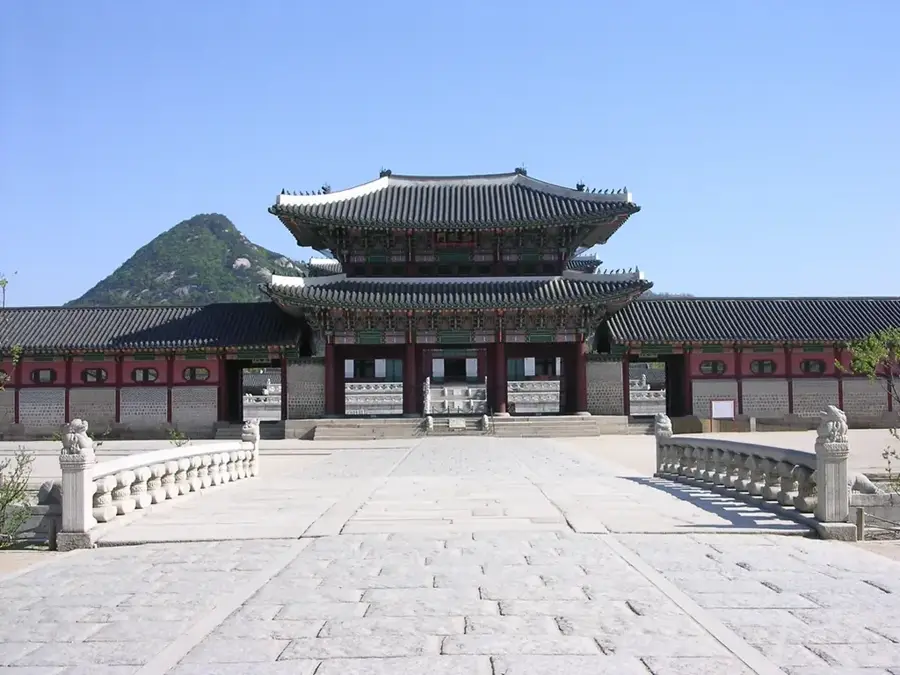
Gyeongbokgung Palace
Gyeongbokgung Palace, located in Seoul, was the main royal palace of the Joseon dynasty and is an iconic symbol of Korean history and architecture.
Learn more →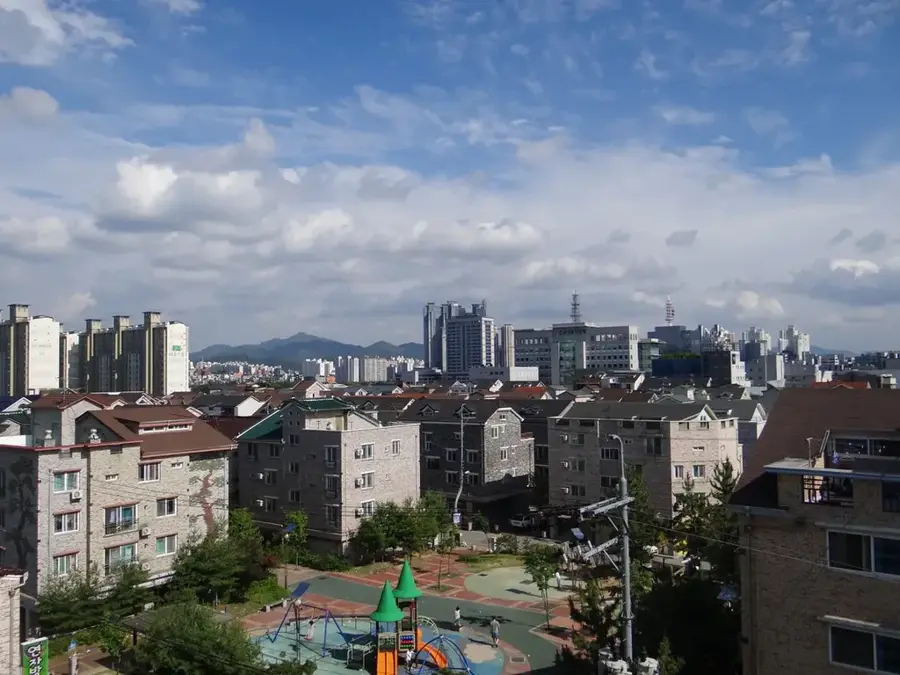
Jeonju Hanok Village
Located in the city of Jeonju, it has over 800 traditional Korean hanok houses.
Learn more →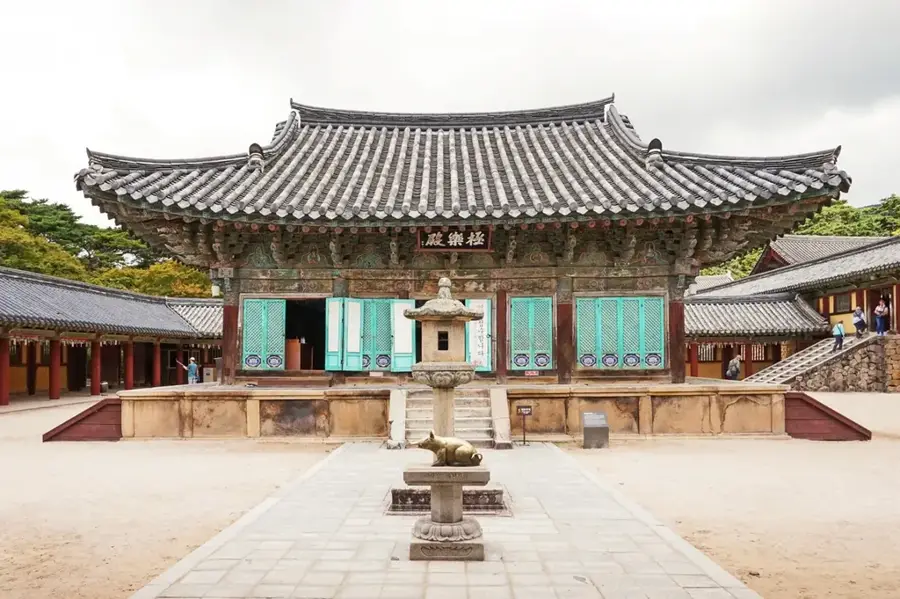
Bulguksa Temple
A head Buddhist temple of the Jogye Order in Gyeongju, considered a masterpiece of the golden age of Buddhist art in the Silla kingdom.
Learn more →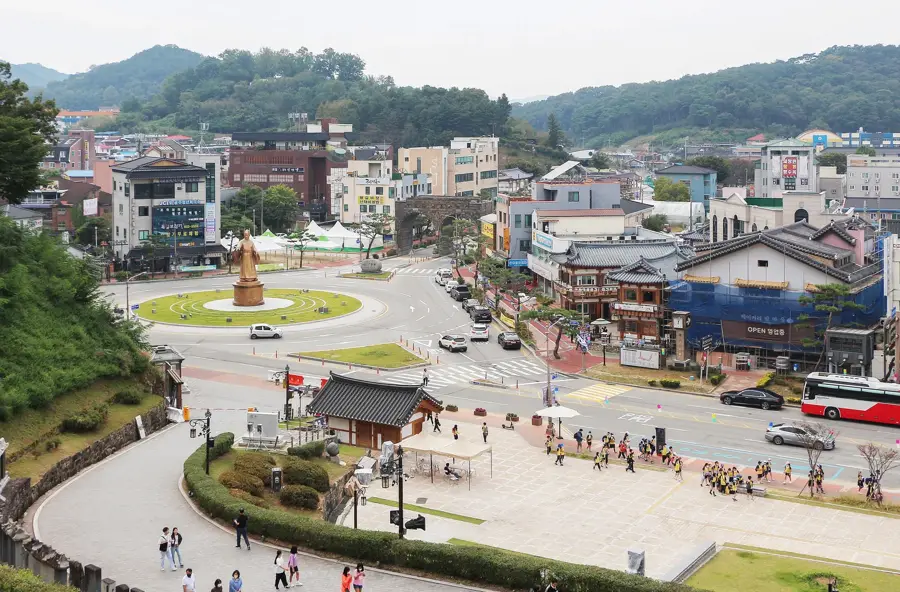
Gongju
A historical city on the Geumgang River, serving as the ancient capital of the Baekje Kingdom, famous for its fortresses and royal tombs.
Learn more →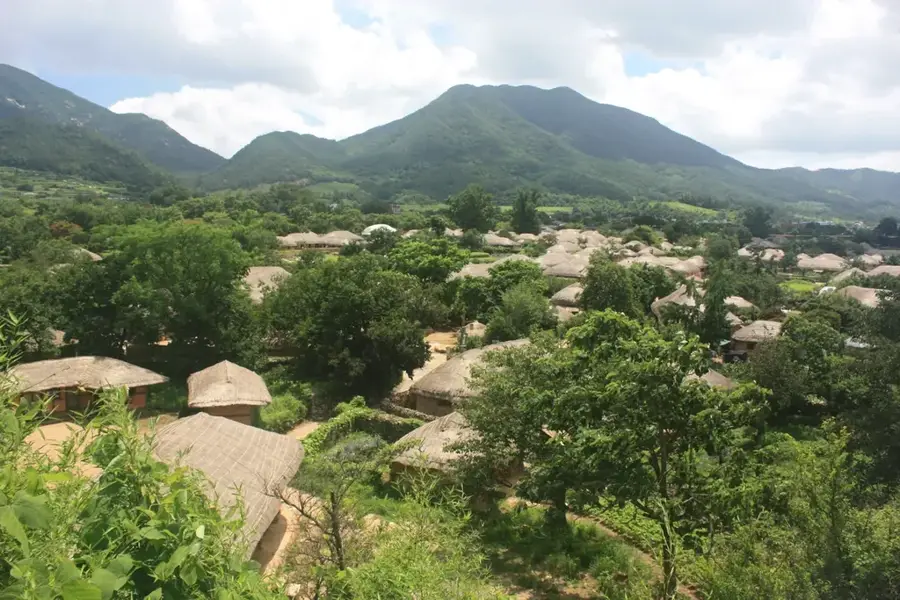
Naganeupseong Folk Village
A fortress town from the Joseon Dynasty, remarkably well-preserved, where residents still live in thatched-roof houses.
Learn more →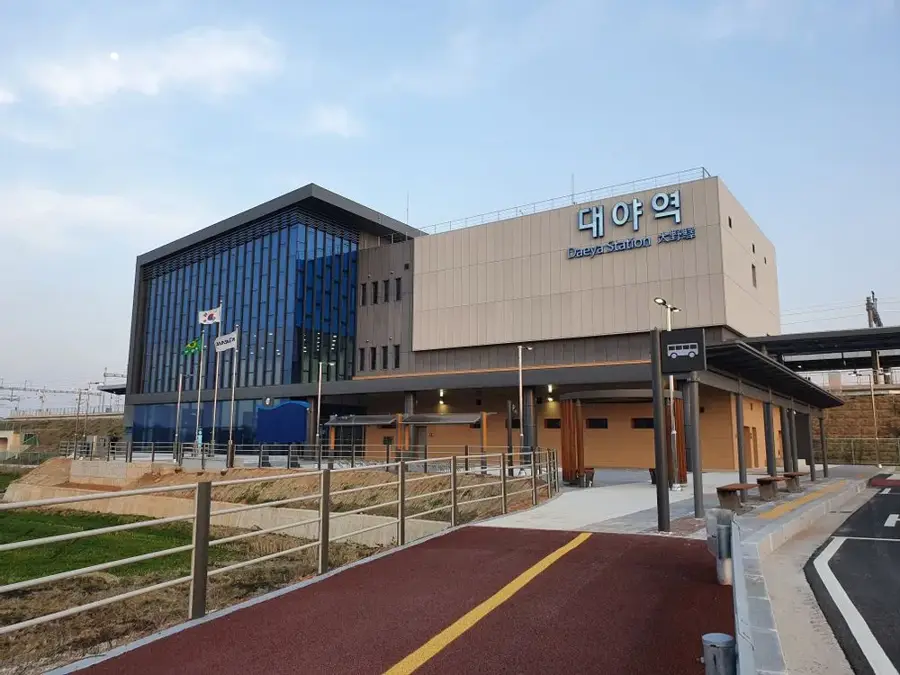
Gunsan
A historic port city that preserves architecture from the early 20th century, offering a unique glimpse into Korea's modern history.
Learn more →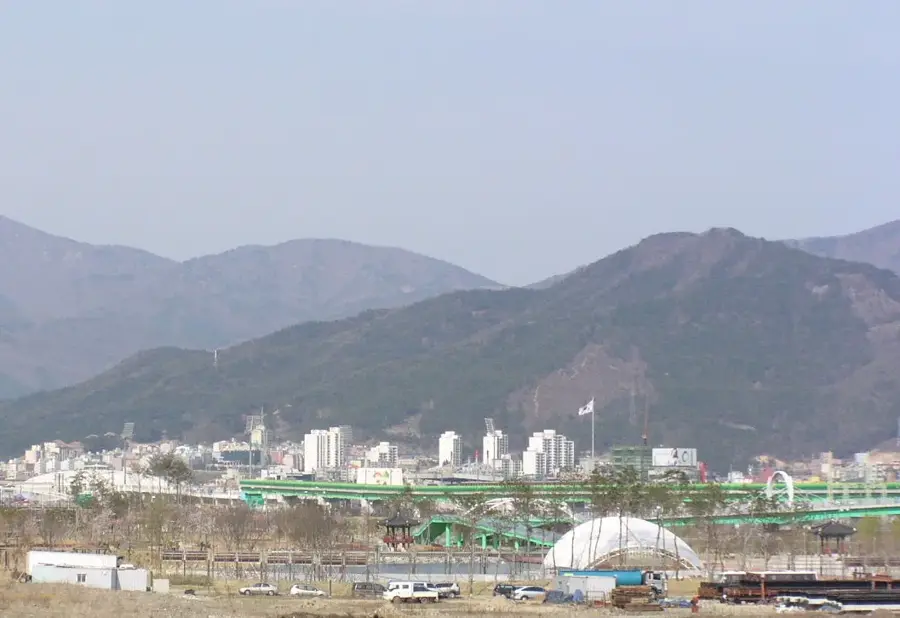
Tongdosa Area (Yangsan)
One of Korea's most significant temples, known for the absence of Buddha statues and its location at the foot of Mt.
Learn more →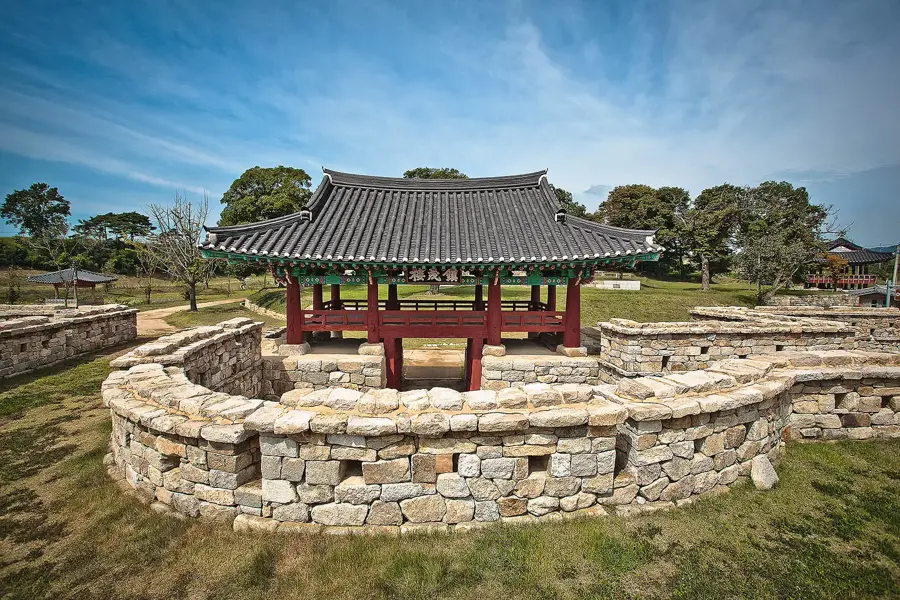
Gochang
A UNESCO World Heritage site known for its vast dolmen sites, the historical Moyangseong Fortress, and Seonunsa Temple.
Learn more →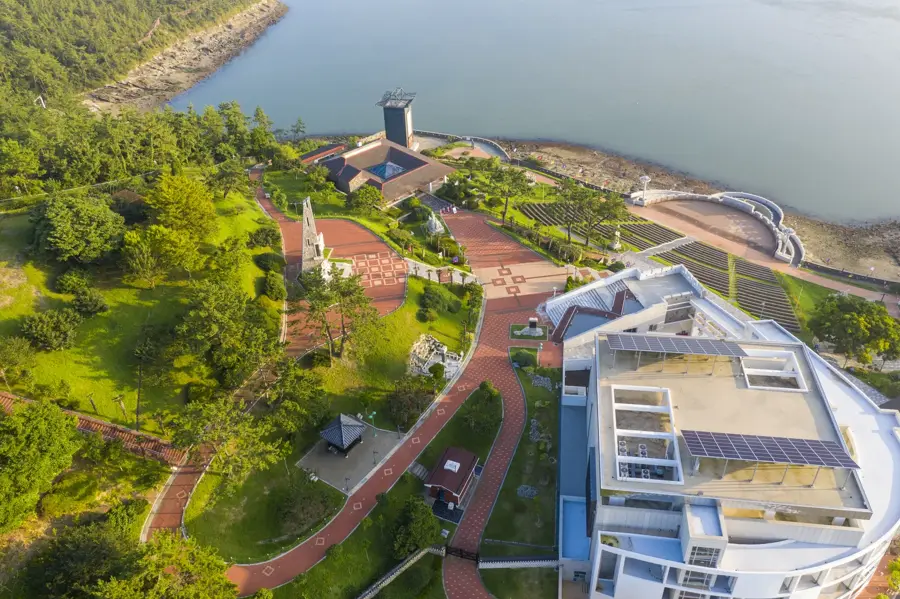
Haenam
The southernmost point of the Korean Peninsula, known for its "End of the Land" village, majestic mountains, and historical temples.
Learn more →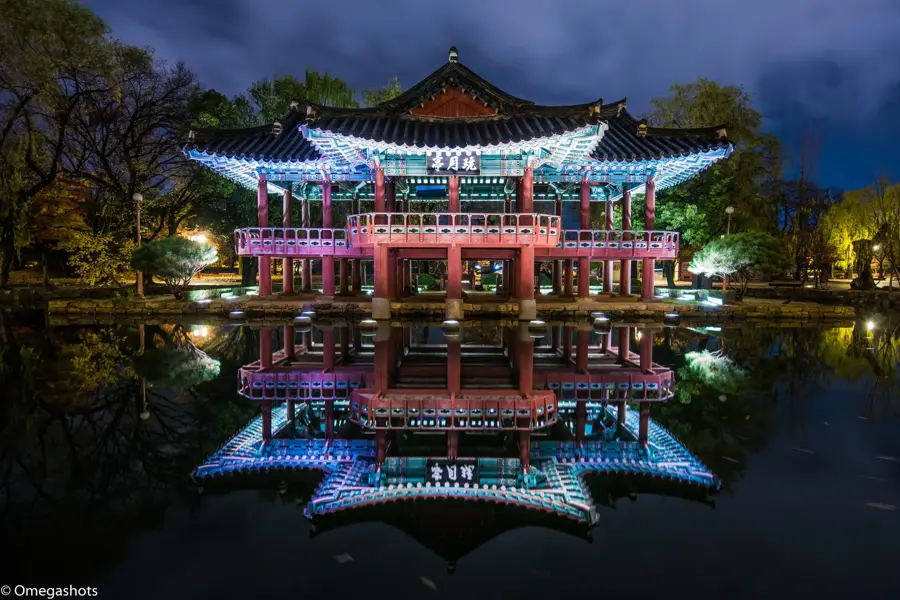
Namwon
Known as the "City of Love," Namwon is the setting of the famous Chunhyang legend and a major gateway to Jirisan National Park.
Learn more →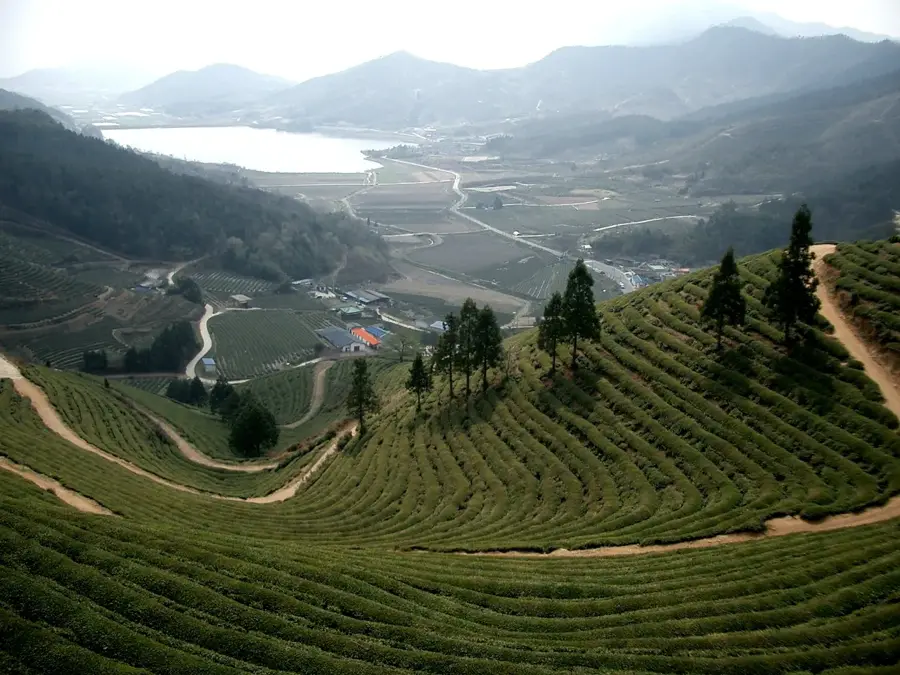
Boseong
Boseong is famous for its terraced green tea fields, offering some of the most spectacular and serene landscapes in South Korea.
Learn more →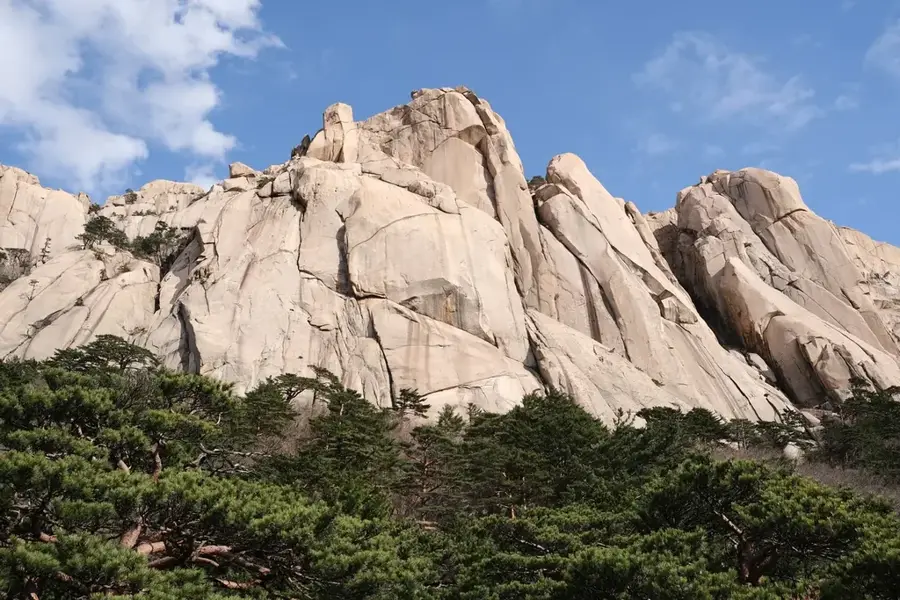
Seoraksan National Park
Home to the third-highest mountain in South Korea, Seoraksan.
Learn more →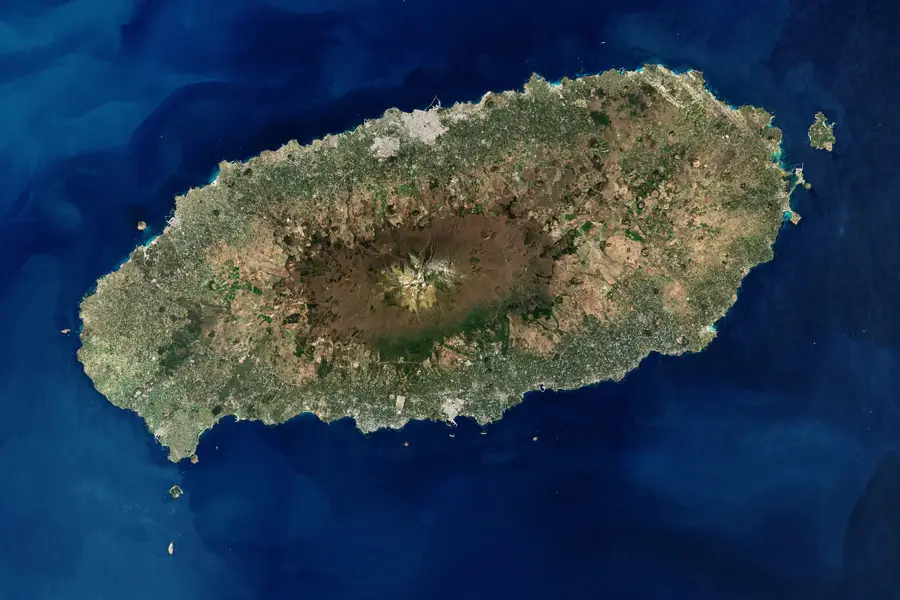
Jeju Island
South Korea's largest island, known for its volcanic landscape of craters and lava tubes.
Learn more →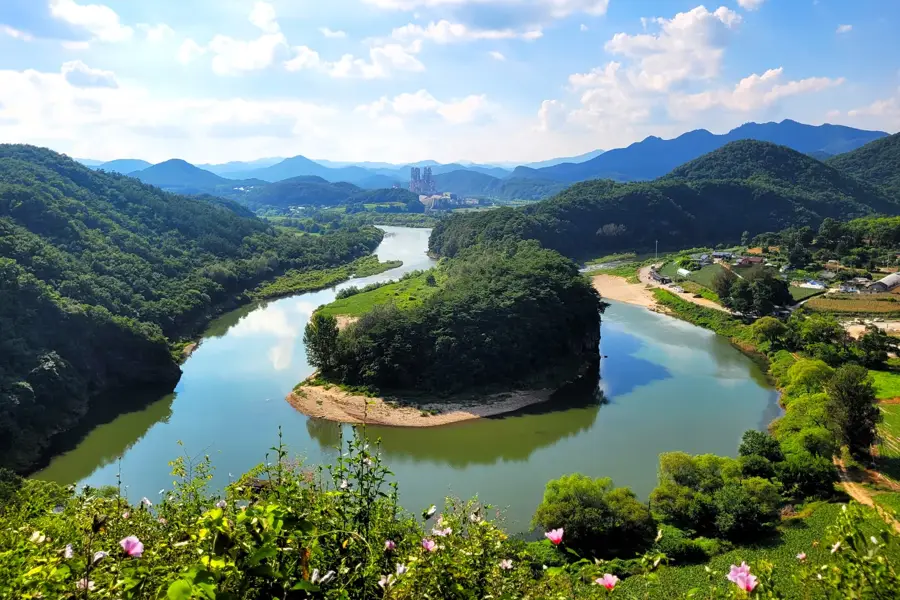
Yeongwol
A historical county where King Danjong’s tragic story meets the winding beauty of the Donggang River.
Learn more →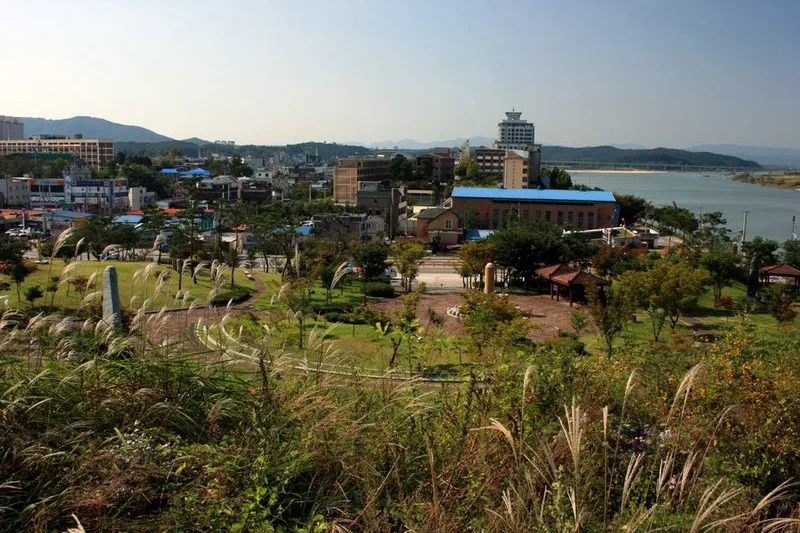
Yeoju
A cultural hub famous for its royal tombs, ancient riverside temples, and a rich ceramic tradition.
Learn more →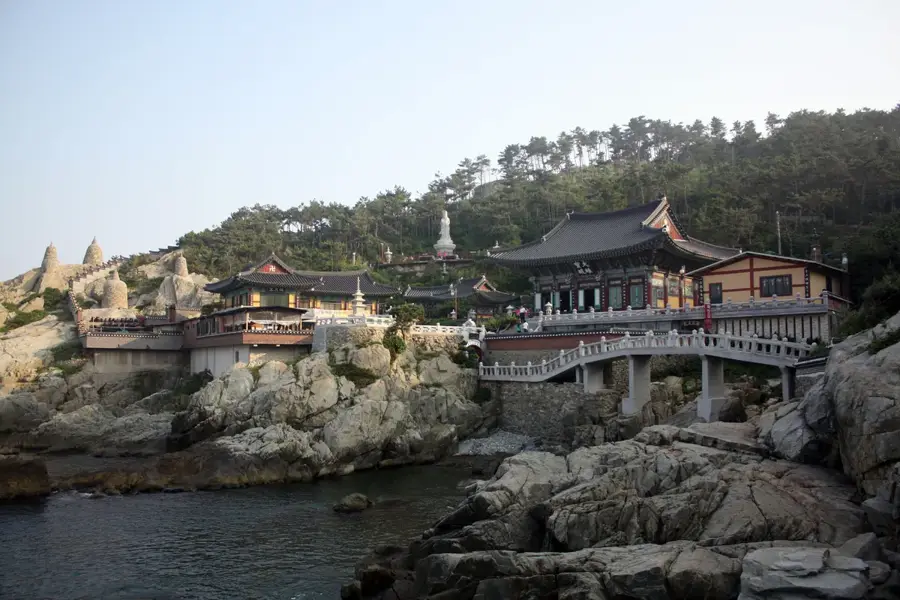
Haedong Yonggungsa Temple
A rare Buddhist temple in Busan built by the sea, unlike most which are located in the mountains.
Learn more →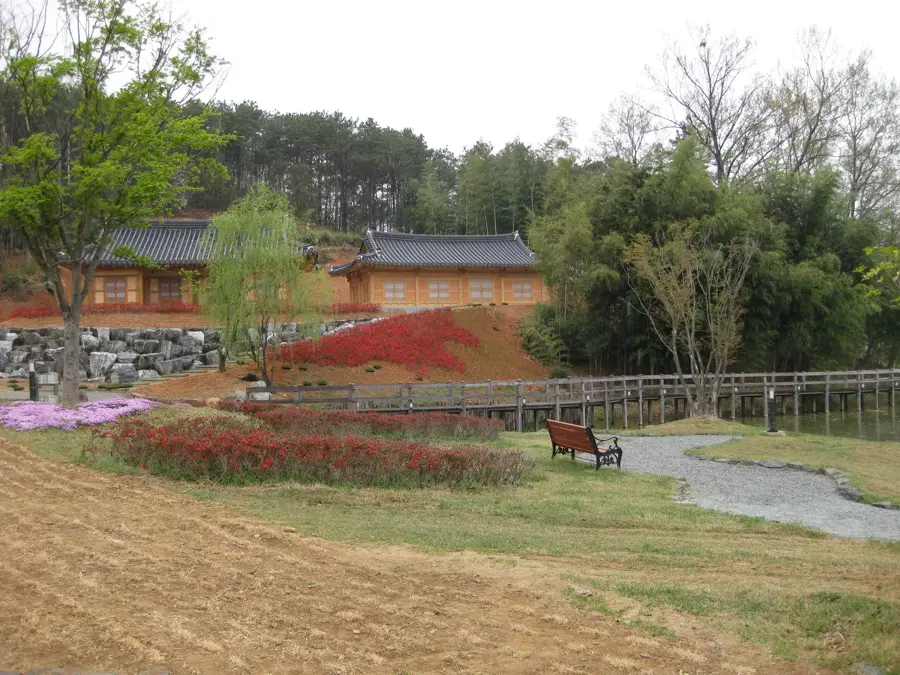
Damyang
Damyang is Korea's bamboo capital, famous for its lush groves, traditional gardens, and scenic tree-lined paths.
Learn more →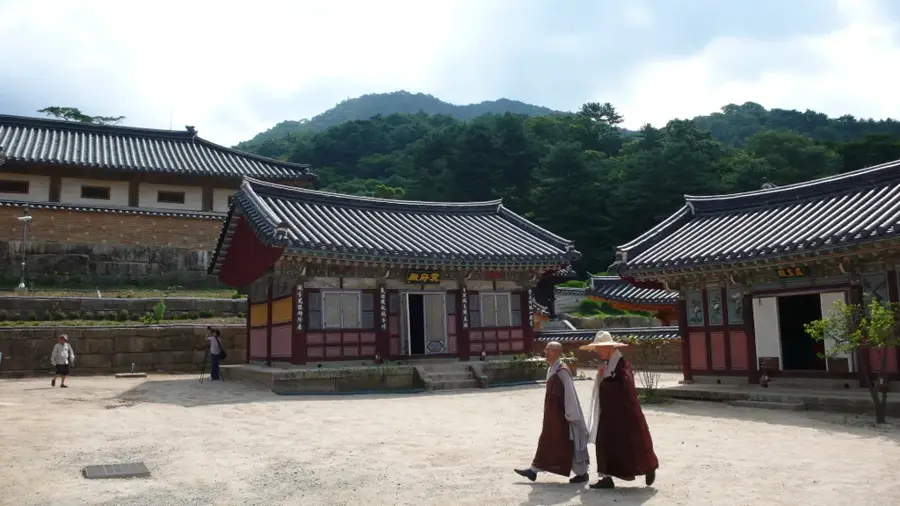
Hapcheon
Home to the famous Haeinsa Temple and Gayasan National Park, a place of spiritual depth and natural beauty.
Learn more →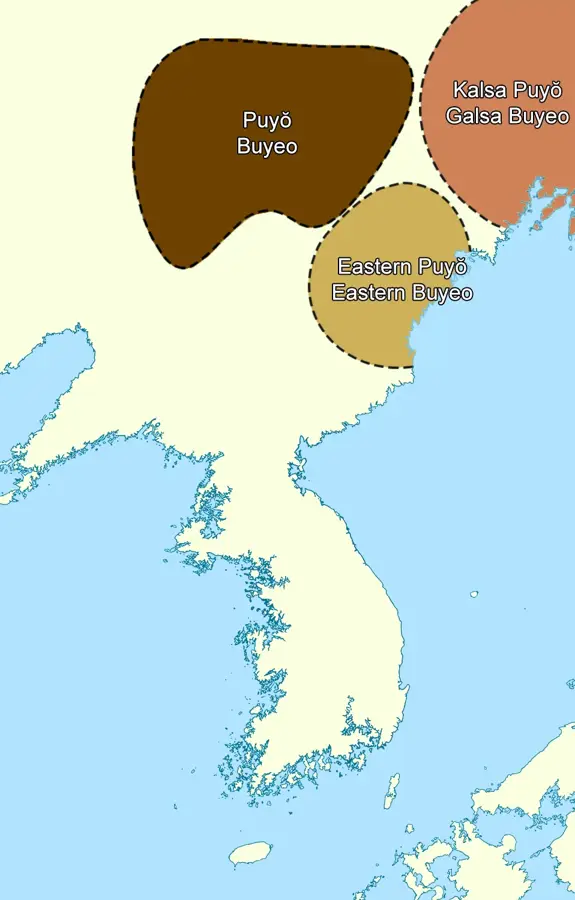
Buyeo
The final capital of the ancient Baekje Kingdom, preserving elegant royal history and lotus-filled ponds.
Learn more →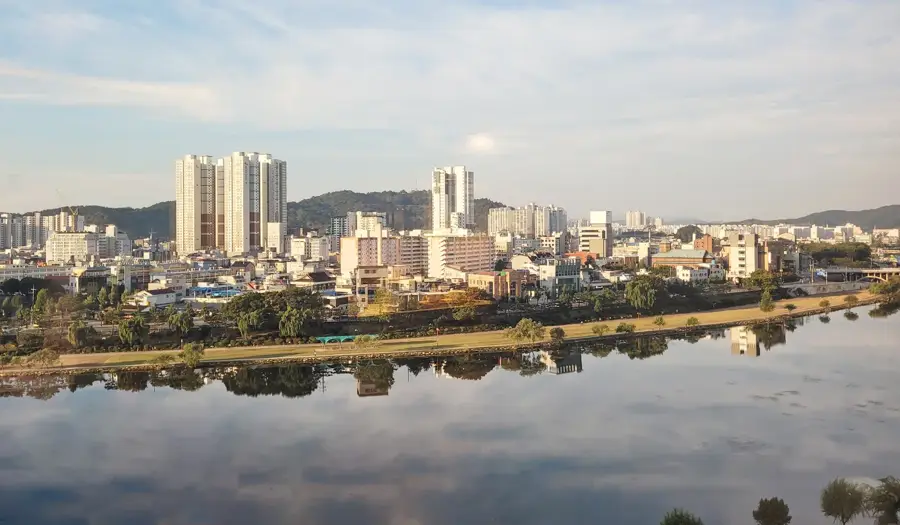
Jinju
A historic city on the Nam River, famous for its impressive fortress and the annual lantern festival.
Learn more →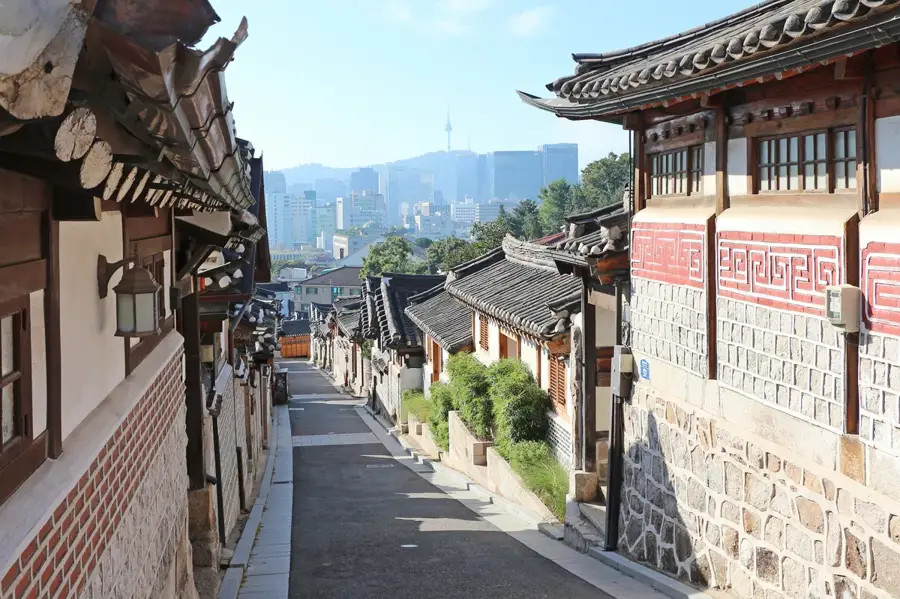
Bukchon Hanok Village
A traditional Korean village in the heart of Seoul, preserving hundreds of traditional houses called hanoks.
Learn more →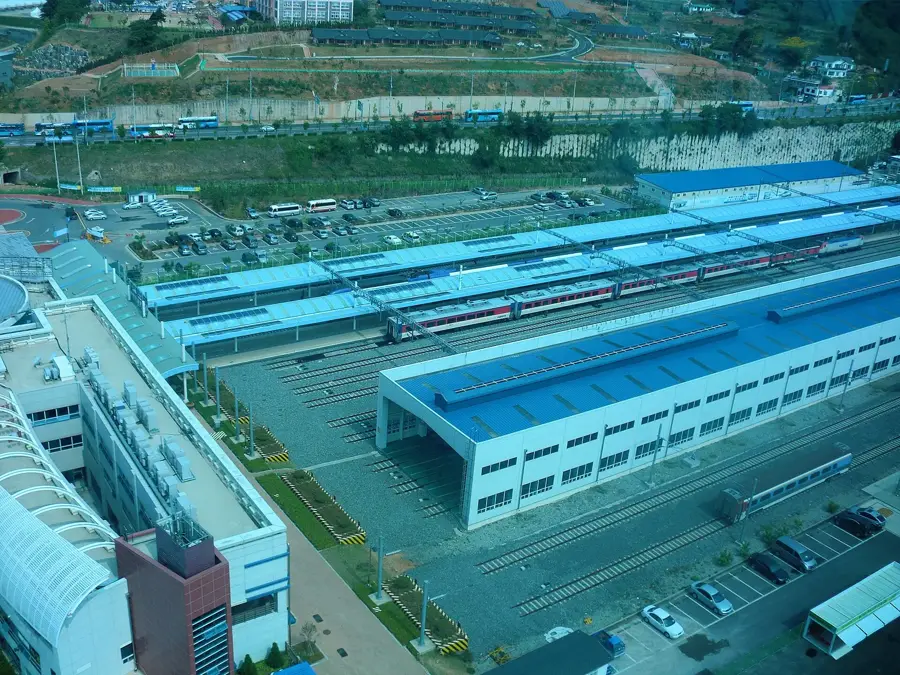
Turtle Ship (Geobukseon) Replica
A replica of the famous warship used by Admiral Yi Sun-sin during the Imjin Wars in the 16th century.
Learn more →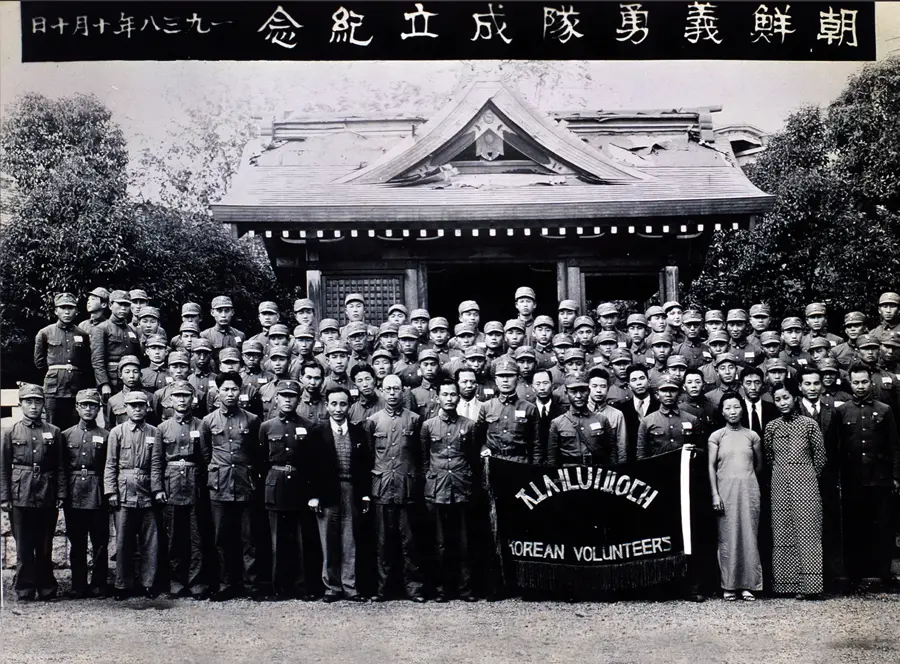
Independence Hall of Korea
A huge complex dedicated to the Korean independence movement against Japanese rule.
Learn more →
War Memorial of Korea
A massive museum and memorial in Seoul, documenting Korea's military history and commemorating those who fought in the nation's wars.
Learn more →Nature
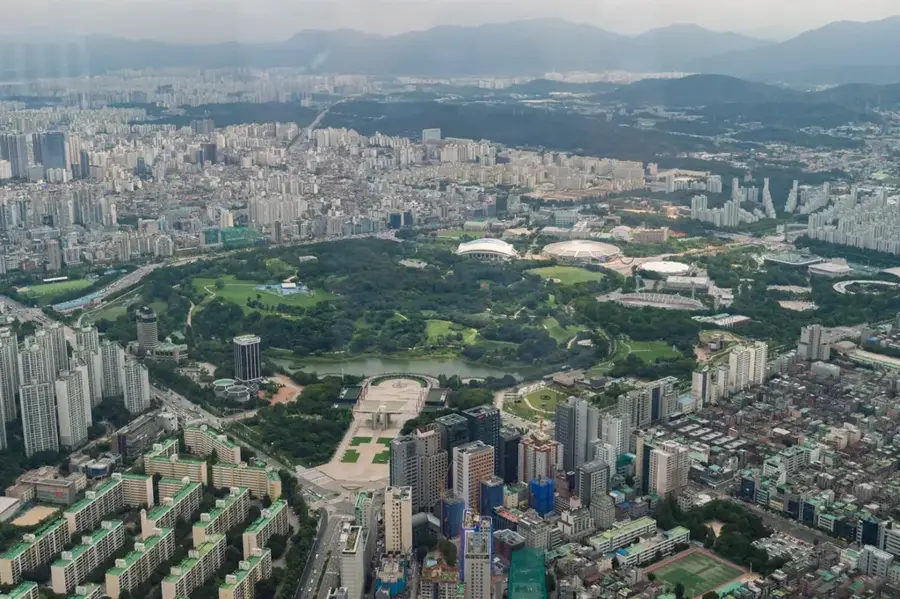
Olympic Park, Seoul
A huge park built for the 1988 Summer Olympics, now home to sports facilities, forests, and sculpture parks.
Learn more →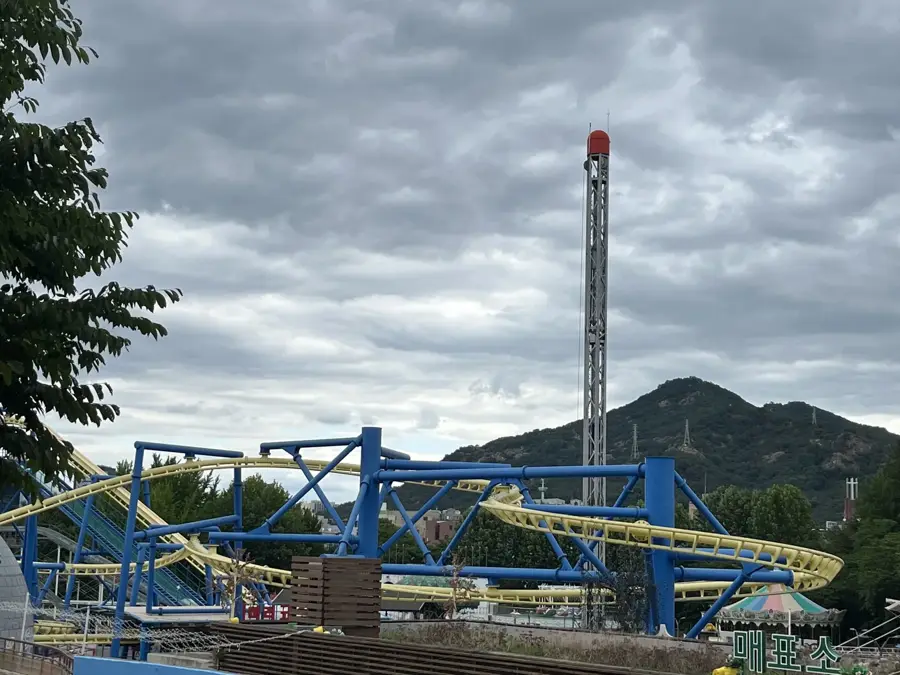
Gwangju Lake Eco-Park
An ecological park by Gwangju Lake that highlights the importance of wetlands and water resources, providing a peaceful retreat.
Learn more →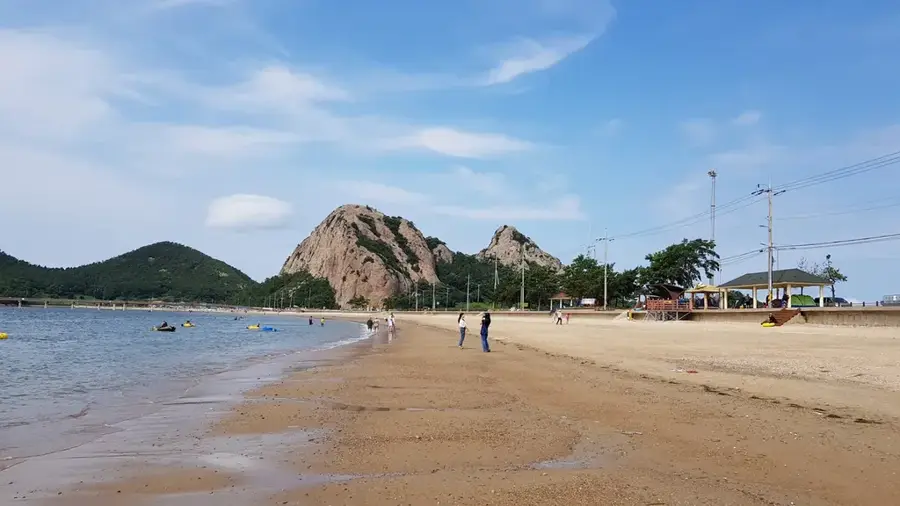
Seonyudo Island Coast
One of the main islands in the Gogunsan Archipelago, known for its beautiful beaches, scenic landscape, and the bridges connecting it to neighboring …
Learn more →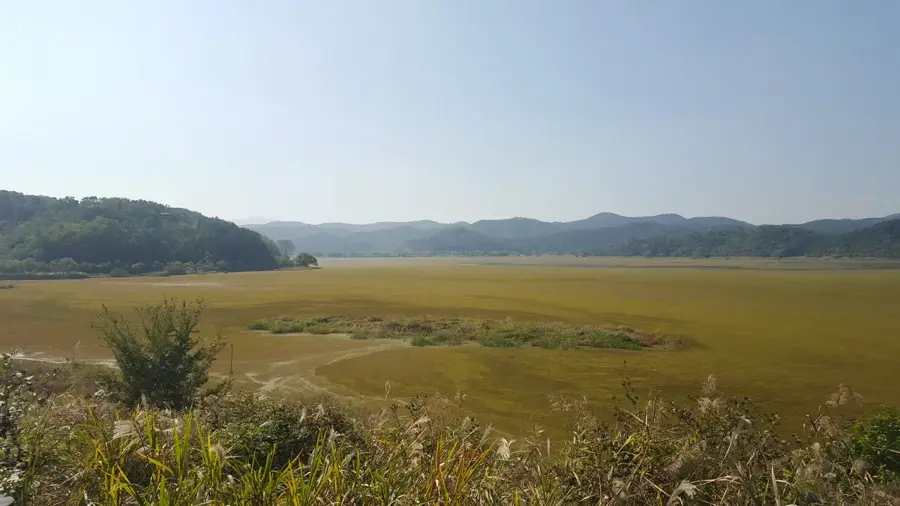
Upo Wetland
The largest natural inland wetland in South Korea.
Learn more →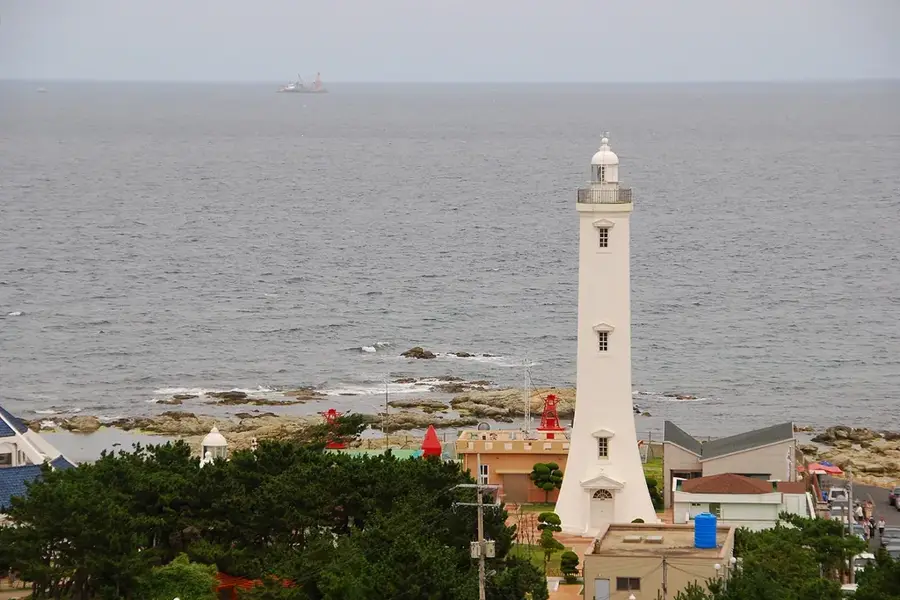
Homigot Cape
The easternmost point of the Korean Peninsula, famous for its 'Hands of Harmony' sculpture and as the best place to see the first sunrise of the year.
Learn more →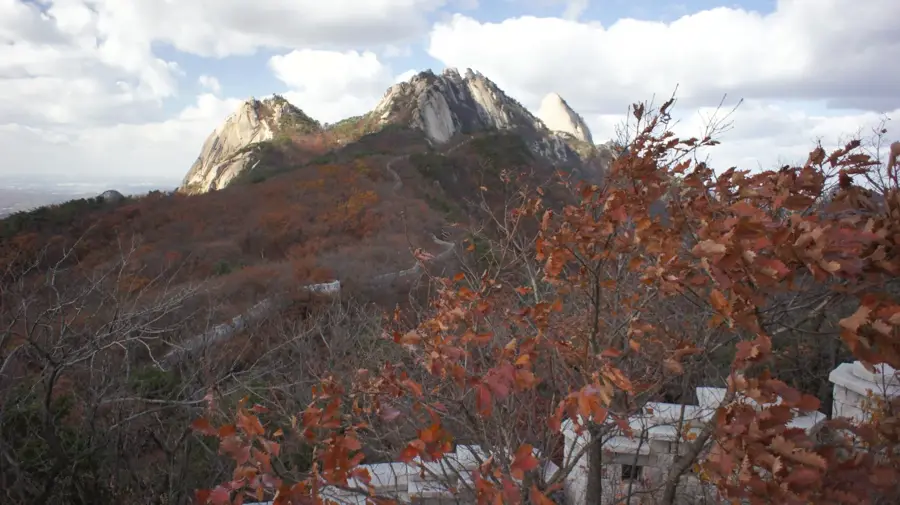
Bukhansan National Park
A popular national park on the border of Seoul, known for its granite peaks and numerous hiking trails.
Learn more →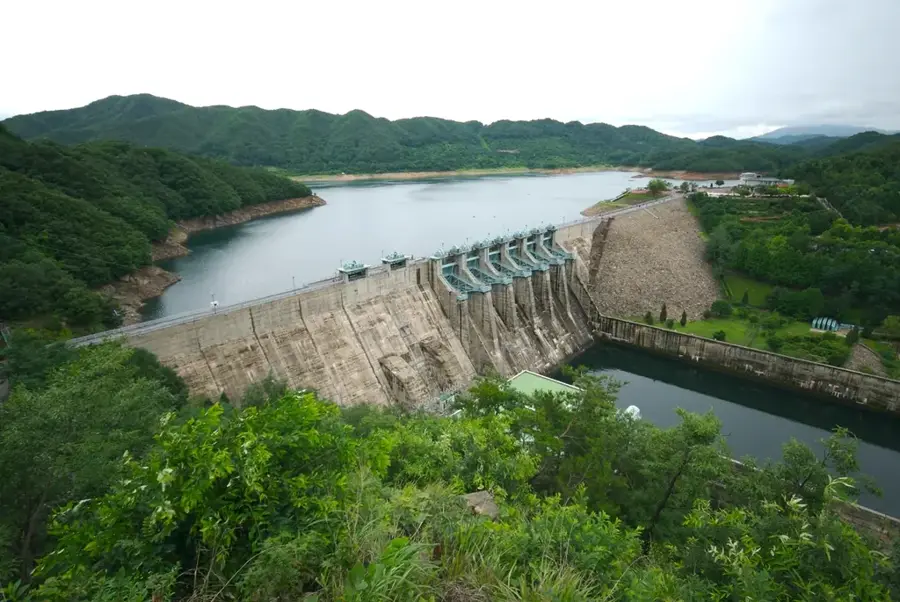
Daecheong Lake
A large man-made lake on the border of Daejeon and Chungcheongbuk-do, serving as a major water source for the region.
Learn more →
Hantaan River Geopark
A geopark formed by volcanic activity, featuring unique basalt canyons and cliffs.
Learn more →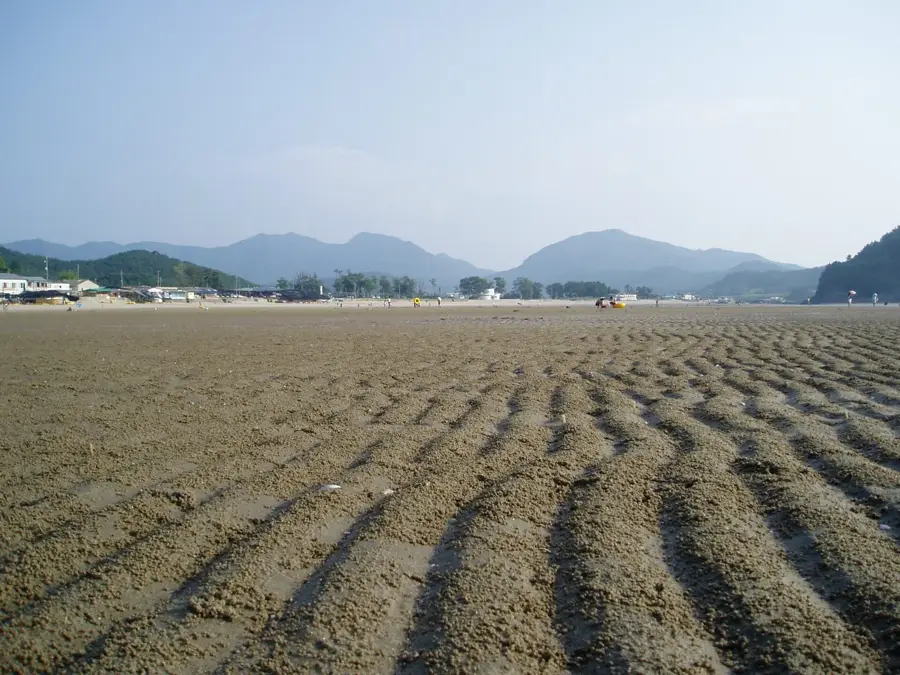
Byeonsan Peninsula Coast
The coast of Byeonsanbando National Park features a unique landscape of sea cliffs, unusual rock formations, and wide tidal flats.
Learn more →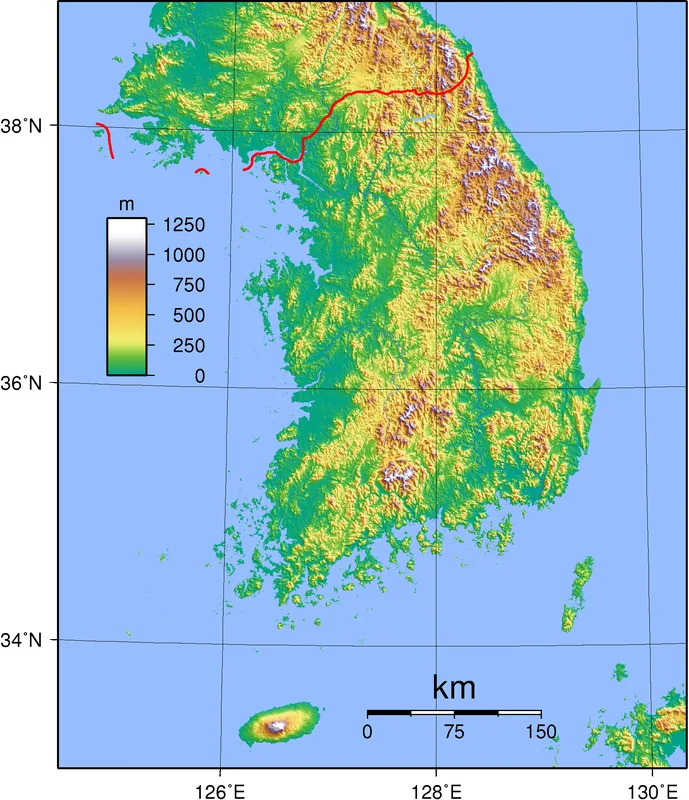
Saryangdo Island Coast
The coast of Saryangdo Island is known for its dramatic cliffs and the famous suspension bridge hiking trail connecting its peaks.
Learn more →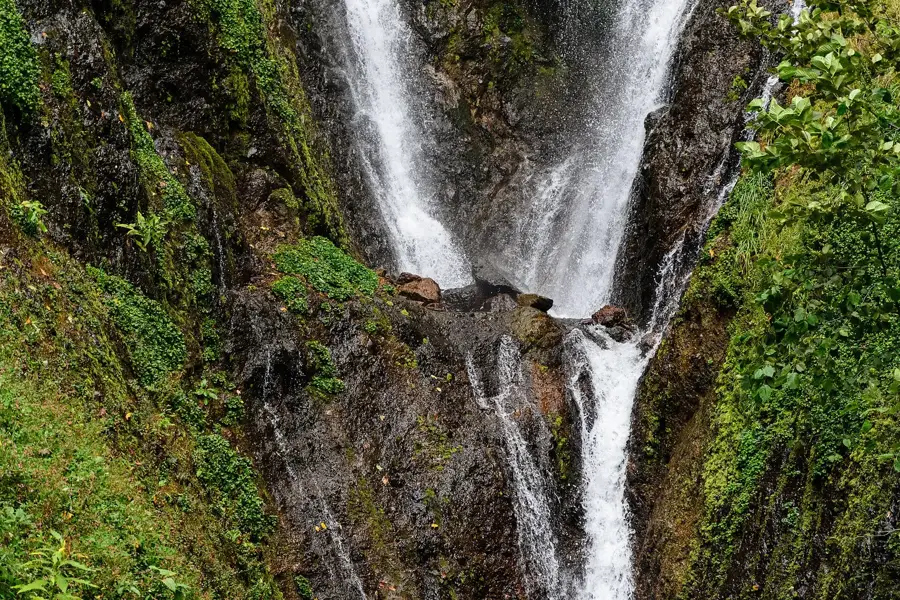
Ulleungdo Island Coast
A volcanic island in the Sea of Japan with a dramatically steep and rocky coastline.
Learn more →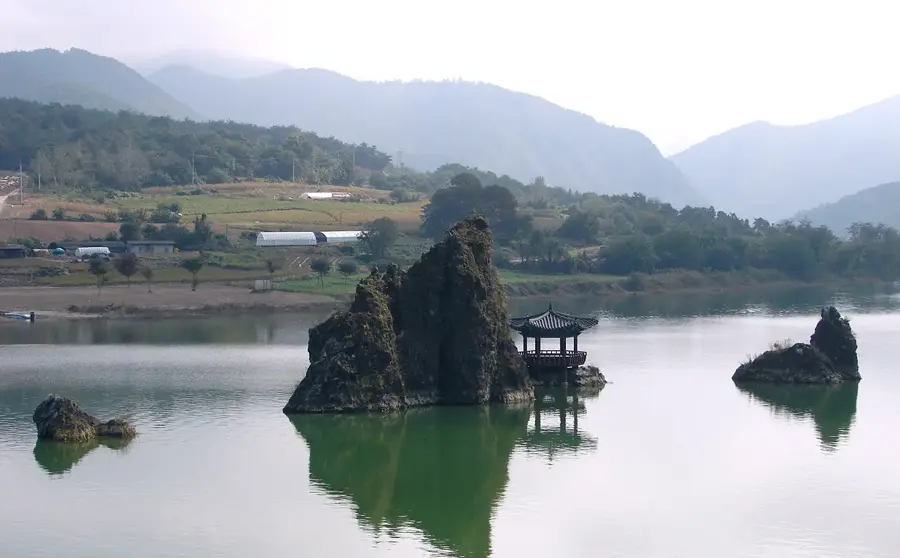
Danyang Dodam Sambong Peaks
Three scenic rock peaks rising out of the Namhan River in Danyang.
Learn more →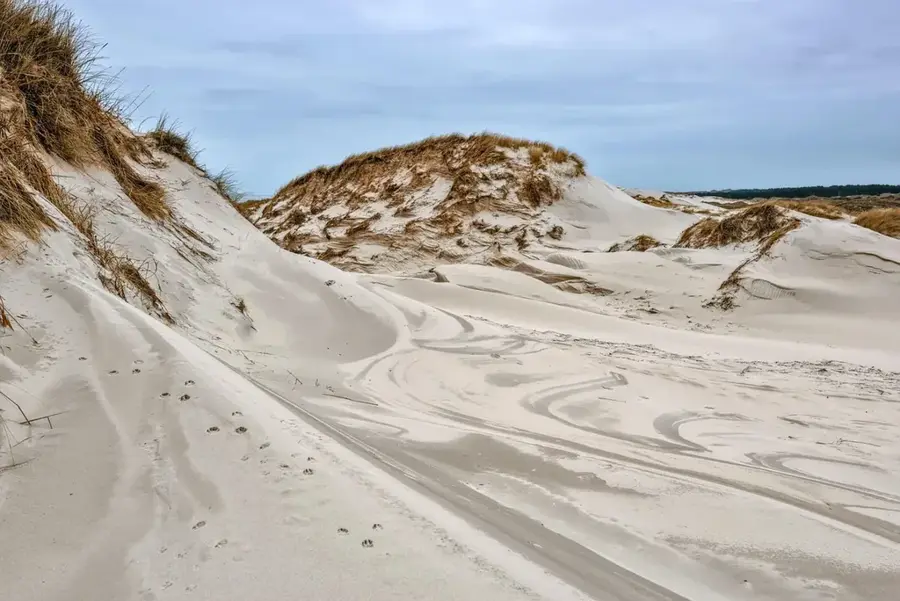
Sinduri Coastal Dune
The largest sand dune in South Korea, located in Taean.
Learn more →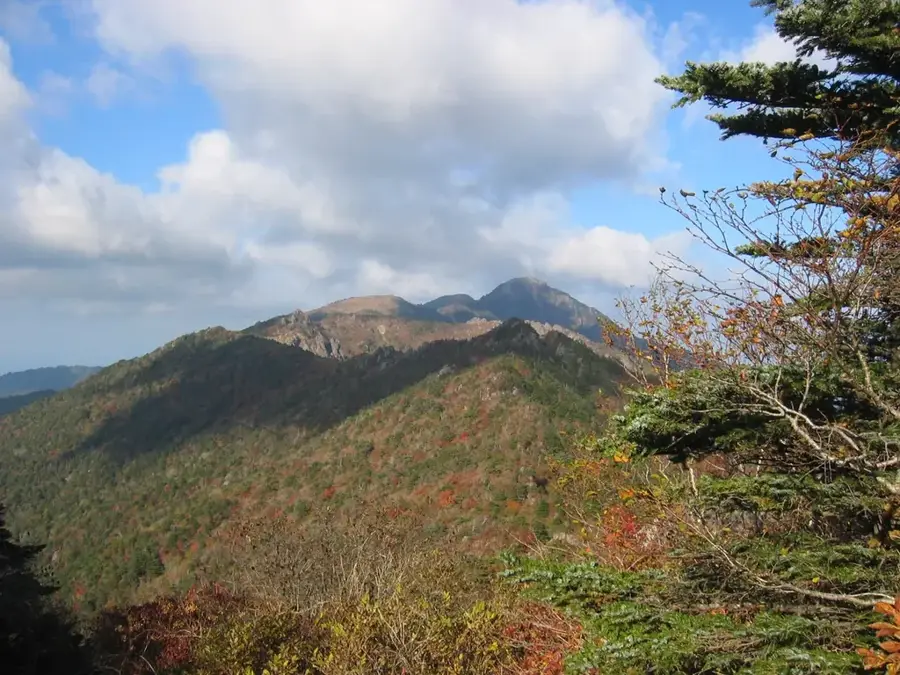
Sobaek Mountains
A major mountain range branching from the Taebaek mountains and extending to Jirisan, encompassing several national parks and high peaks.
Learn more →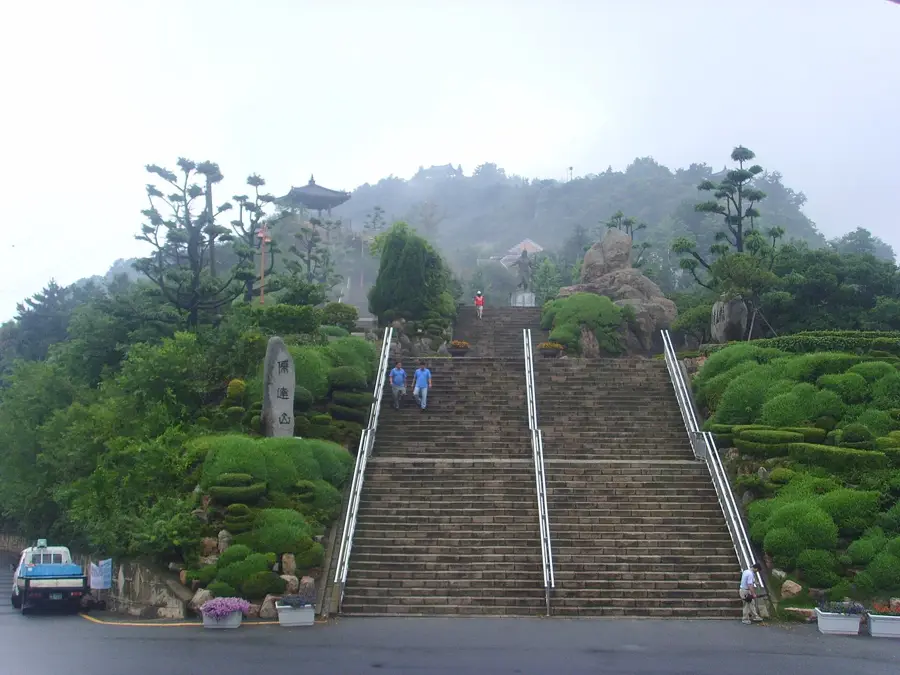
Yudalsan Mountain
A mountain in the port city of Mokpo.
Learn more →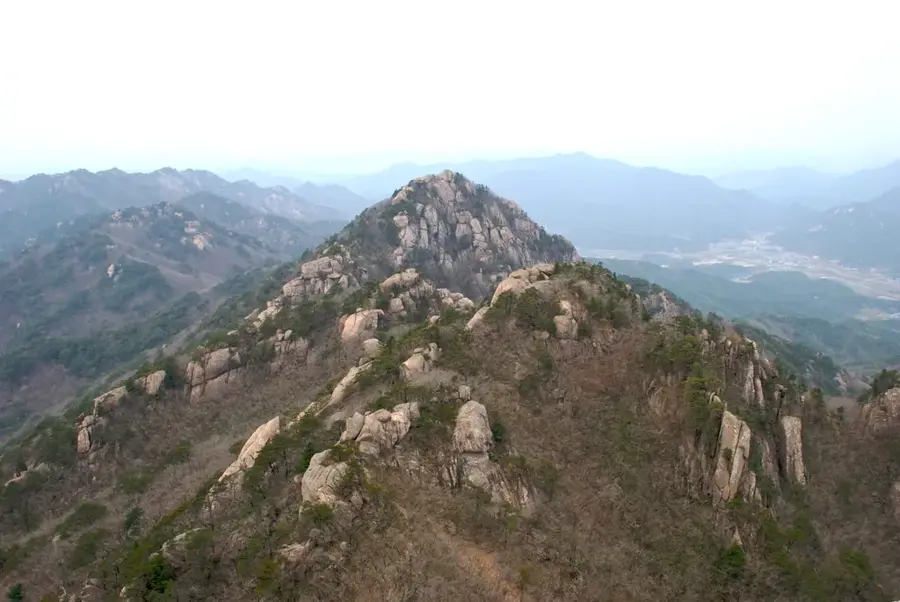
Songnisan Mountain
A mountain in Songnisan National Park, its name meaning 'mountain that leaves the secular world'.
Learn more →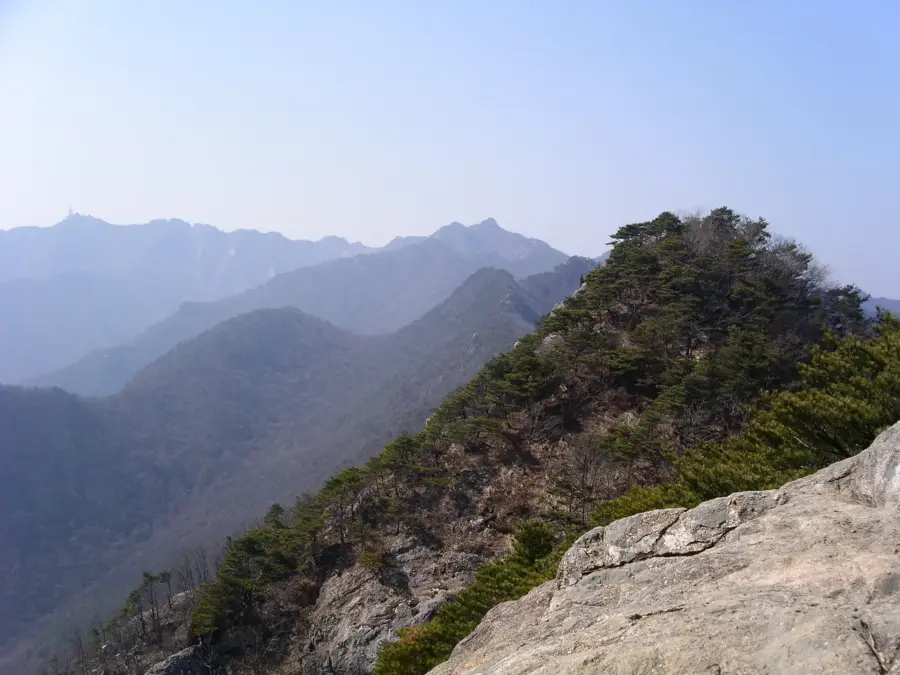
Gyeryongsan Mountain
A mountain considered a spiritual center, located on the border of several cities.
Learn more →More highlights
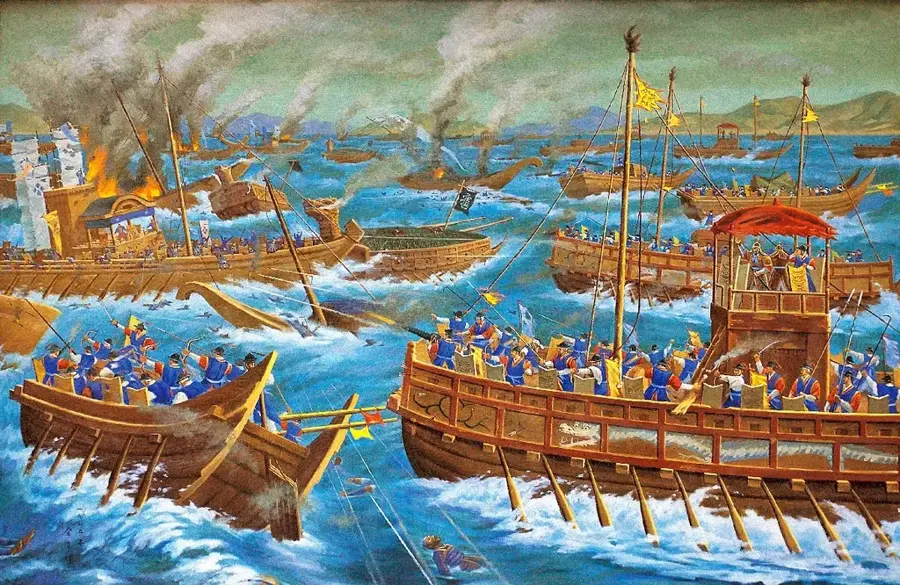
Hansan Island
The site of the famous Battle of Hansan Island in 1592, where Admiral Yi Sun-sin's fleet used a 'crane wing' formation to decisively defeat the Japan…
Learn more →
Geumgang Pine Forest
An ancient forest near Uljin, known for its 'Geumgangsong' pine trees, which are prized for their superior quality and were historically used to buil…
Learn more →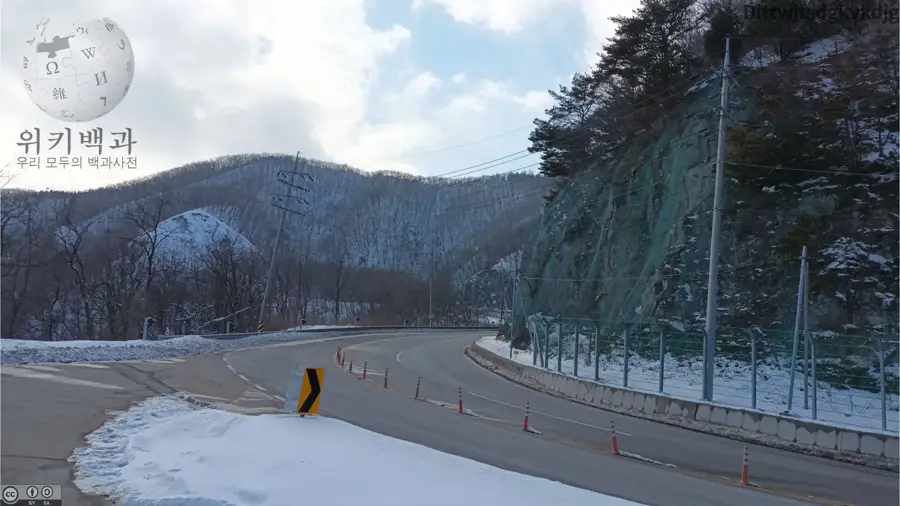
Daegwallyeong Plateau
A high plateau in Gangwon province, renowned for its sheep farms, wind farms, and heavy winter snowfall, earning it the nickname 'Alps of Korea'.
Learn more →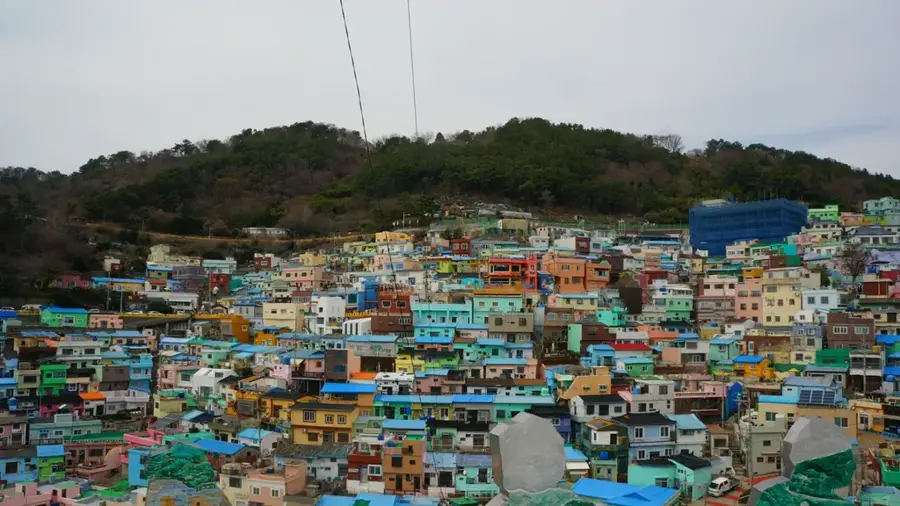
Gamcheon Culture Village
A colorful and artistic village in Busan, known for its steep streets, twisting alleys, and brightly painted houses.
Learn more →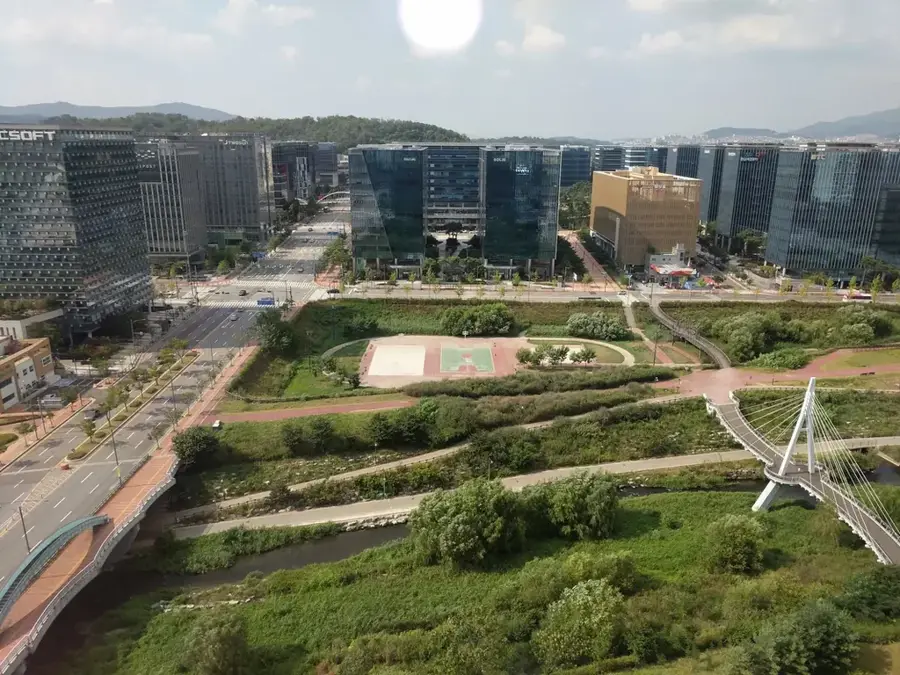
Pangyo Techno Valley
A modern technology hub serving as a center for IT, biotechnology, and other high-tech industries, often referred to as Korea's 'Silicon Valley'.
Learn more →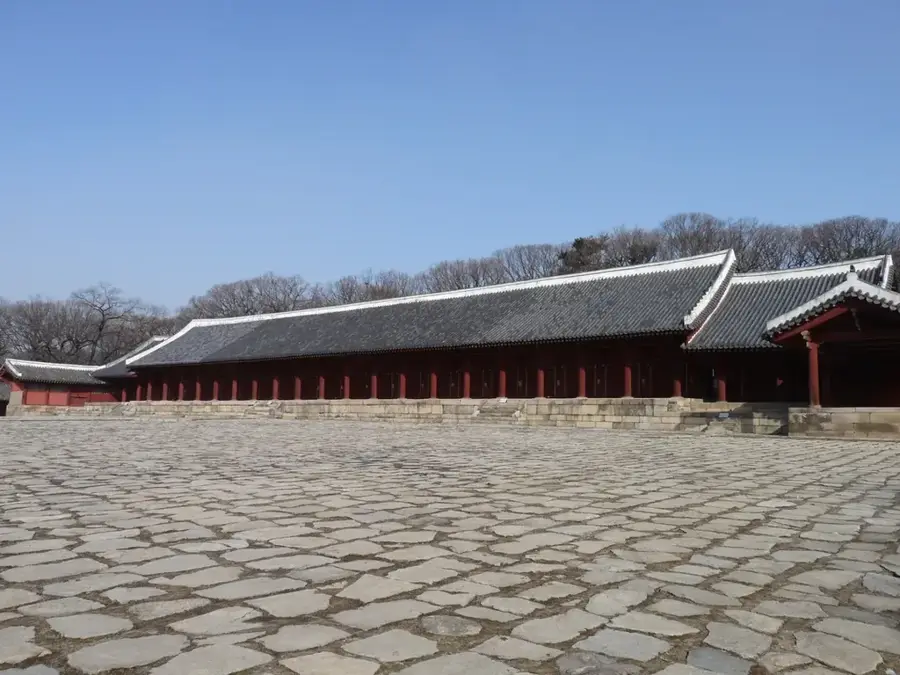
Jongmyo Shrine
The supreme Confucian shrine dedicated to the memorial tablets of the kings and queens of the Joseon Dynasty.
Learn more →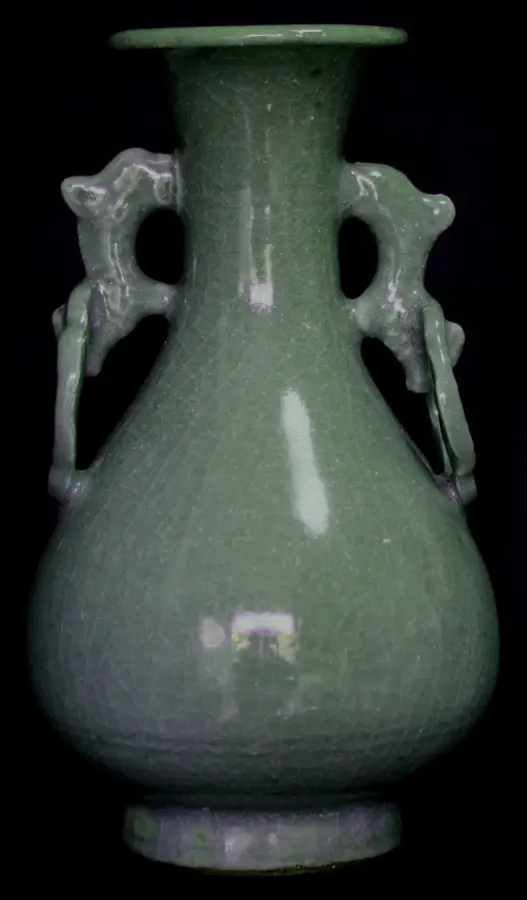
Goryeo Celadon Museum
Located in Gangjin, this museum is dedicated to the exquisite celadon ceramics of the Goryeo Dynasty.
Learn more →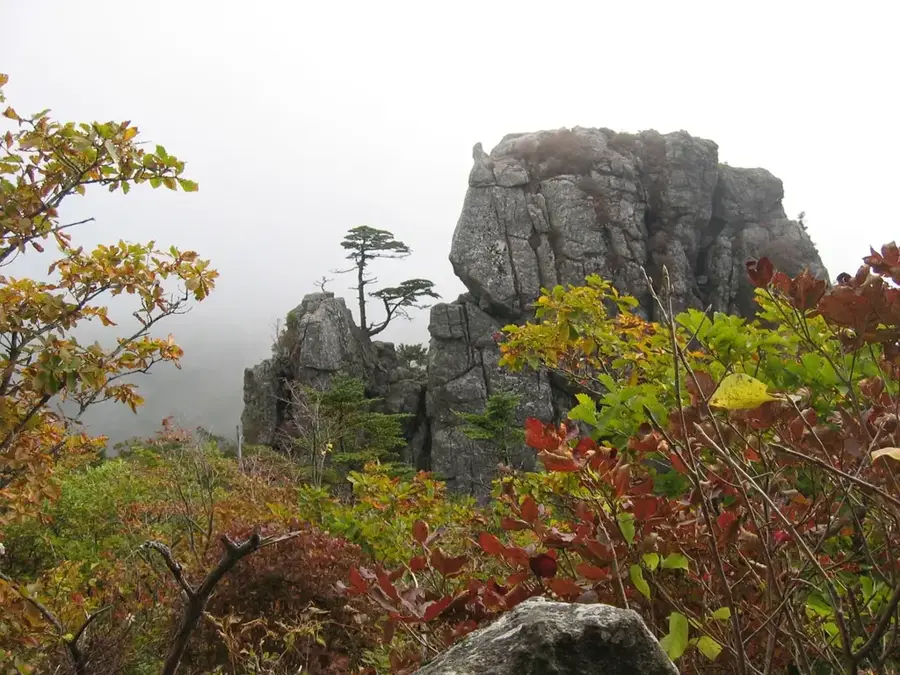
Jirisan National Park
The largest and oldest national park in South Korea, spanning three provinces.
Learn more →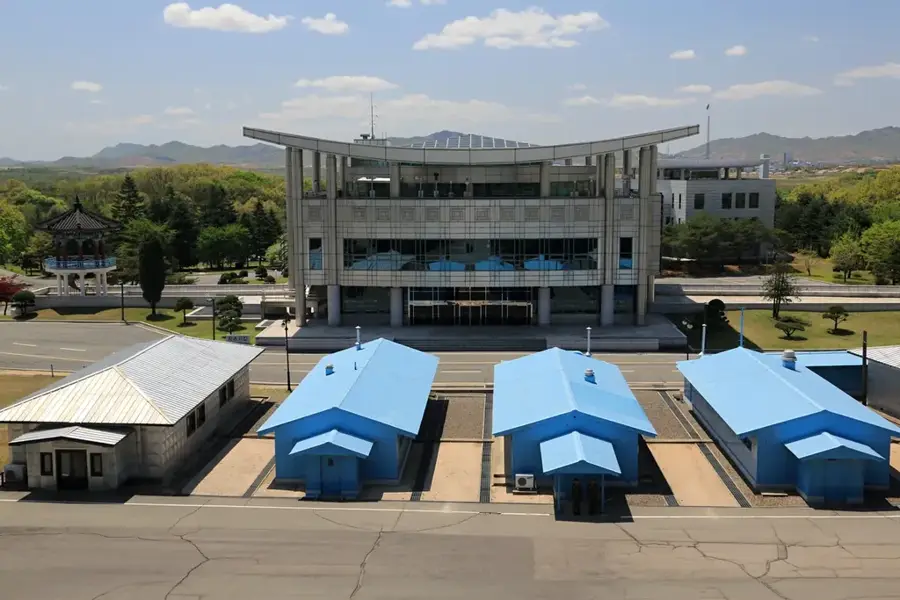
Korean Demilitarized Zone (DMZ) / Panmunjom
A buffer zone that divides the Korean Peninsula.
Learn more →Frequently asked questions
What are the top attractions in South Korea?
Among the most popular are Gyeongbokgung Palace, Jeonju Hanok Village, Bulguksa Temple, Gongju, Naganeupseong Folk Village and many more – the full top 50 list is on this page.
When is the best time to visit South Korea?
May to October offers the most pleasant weather; July and August are warmest and busiest.