Plizio Visual Lab

Songnisan Mountain
Plizio editorial teamData Sources
Mountain
—°7
Songnisan Mountain (South Korea)

Weather…

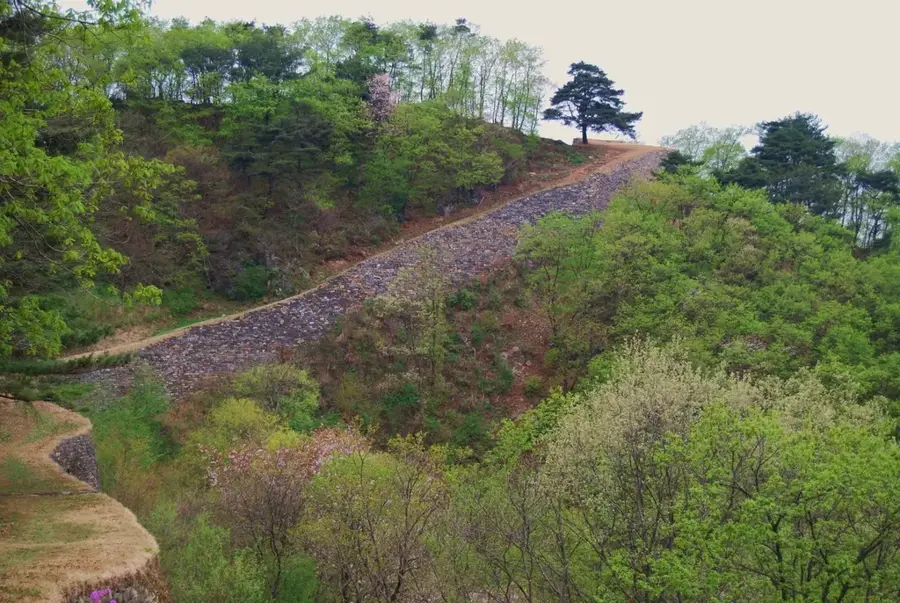
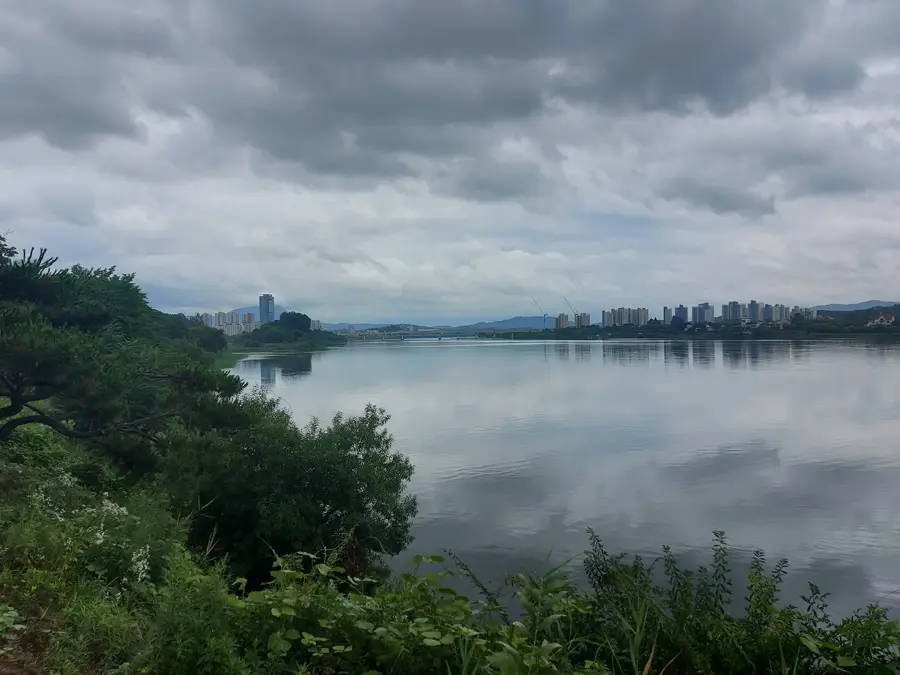
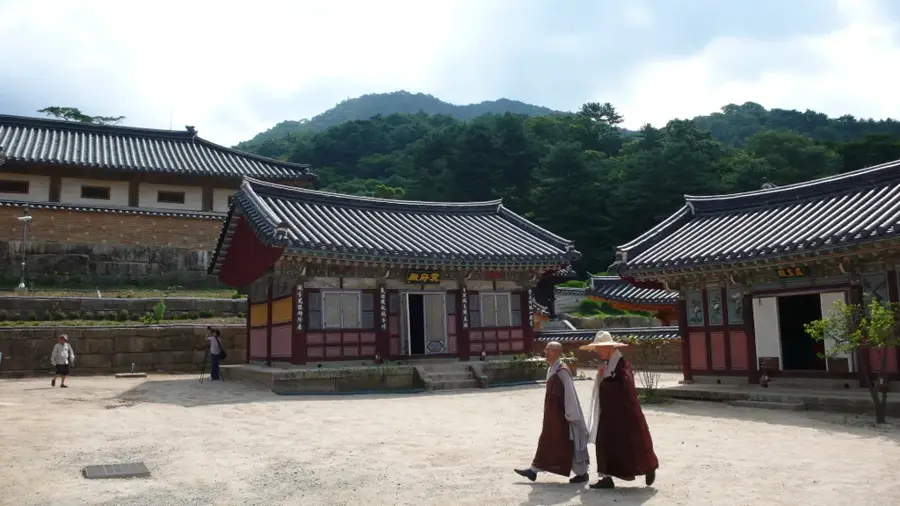
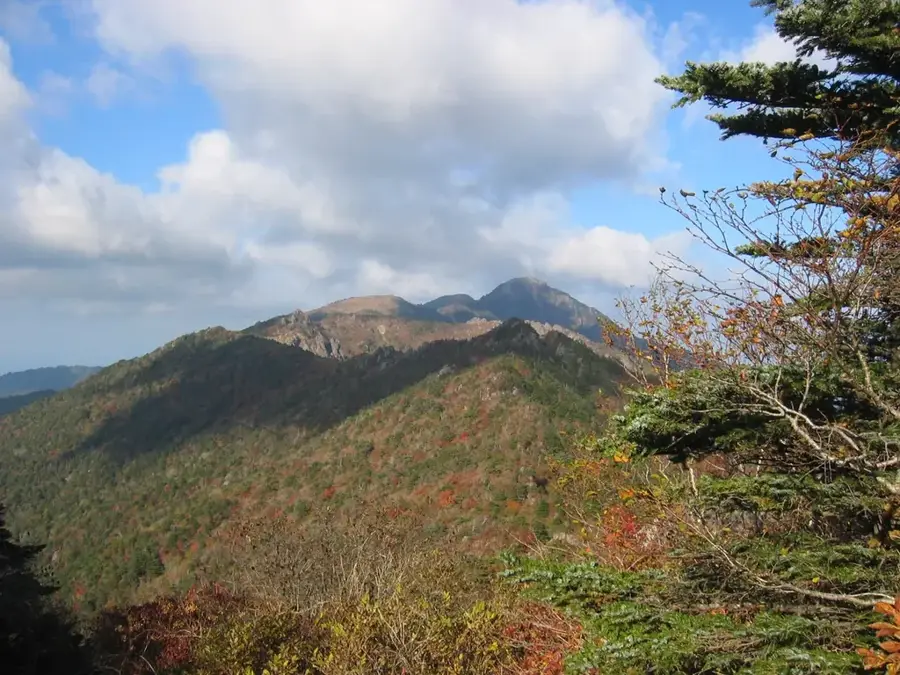
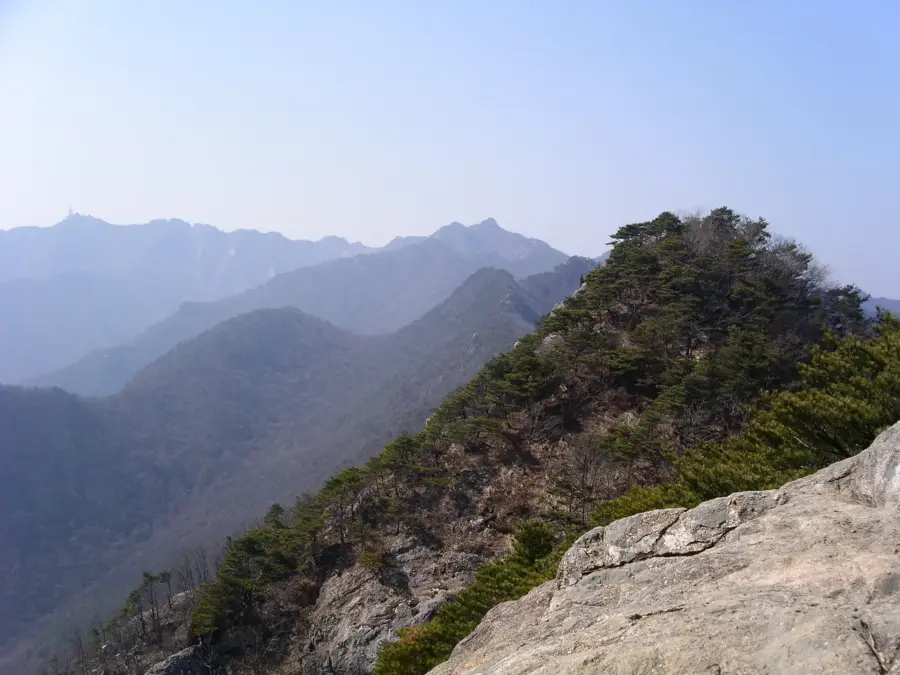
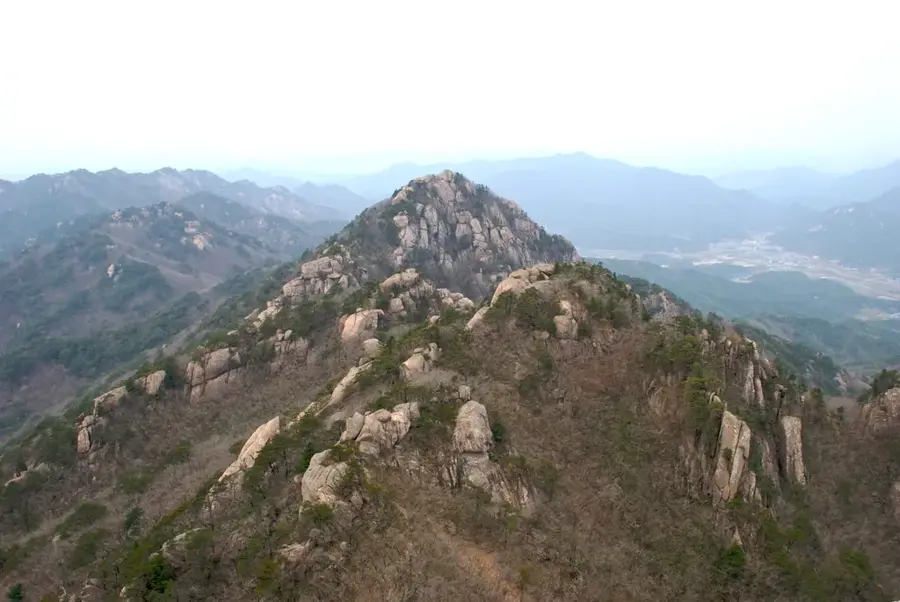
Songnisan Mountain, located in central South Korea, is a prominent peak and was designated as a national park in 1970. Its highest point is Cheonwangbong, reaching 1,058 meters above sea level. The mountain is primarily composed of granite formations that have eroded over millennia to create sharp peaks and deep valleys. Historically, the area is a center of Korean Buddhism, home to the Beopjusa Temple, which was founded in 553 AD and is a UNESCO World Heritage site. The temple features a massive 33-meter gold Buddha statue, one of the largest in Asia. Songnisan is also famous for its ancient pine forests, including the legendary 'Jeongipum Pine,' which holds a unique honorary title from a Joseon king. The park's ecosystem supports rare wildlife such as the Amur goral and the black woodpecker.

Best time to visit & climate

The most pleasant time to visit is May, Jun, Sep.

JanFebMarAprMayJunJulAugSepOctNovDec
Avg °C-4-14101722242519135-2
Rain mm2331468178125271237134573622

📋 Practical info

🧭
Getting there
The main entrance to the mountain and Beopjusa Temple is typically accessed via regional buses from nearby cities like Boeun. From the national park's ticket office, a well-marked paved path leads directly to the trailheads.
📅
Best season
Autumn is widely considered the best season to hike, as the mountain slopes display bustling fall foliage and the weather is cool. Spring is also very popular for pleasant temperatures, while winters usually bring snow-covered trails.
⛰️
Terrain & paths
The initial paths around the temple area are broad and relatively flat. As hikers ascend towards the peaks, the trails become significantly steeper, featuring rocky staircases, metal walkways, and dramatic granite ridges.
🎒
What to bring
Sturdy hiking boots with excellent grip are highly recommended for the rocky upper trails. Layered outdoor clothing, hiking poles, and sufficient drinking water are essential, especially during the strenuous climbs.
🅿️
Parking
A large, expansive parking lot is usually available near the main entrance of the national park, accommodating both cars and tour buses. A parking fee is typically required, and spaces can fill up rapidly during peak foliage weekends.
⚠️
Safety
Hikers should stay on designated trails and utilize the installed handrails when navigating steep or rocky ridges. Weather conditions near the peak can change abruptly, so avoiding the higher trails during heavy rain is generally advised.
⏱️
Time needed
Visiting the famous temple and exploring the immediate lower valley usually takes around two to three hours. A full hike to the prominent peaks and back typically demands a challenging five to seven hours, depending on fitness levels.

Geography

Coordinates
36.54000, 127.83000

Facts

  • Highest peak: Cheonwangbong (1,058 m)
  • National Park designation: 1970
  • Beopjusa Temple founded in 553 AD
  • 33-meter tall golden Buddha statue
  • Jeongipum Pine is over 600 years old
  • Total park area: 274.5 square kilometers

Explore nearby

Notable places around
Route planner — Car & Motorhome

Where do you start? We build the route here, with stops and country notes along the way.

Vehicle
Only stops with (optional):

© OpenStreetMap contributors · OpenRouteService

Sights in the town Songnisan Mountain (7)

Mt. Gubyeong🌿 nature

Striking mountain peak within Songnisan National Park known for its eight jagged rocky ridges.

Stupa foe Buddha's Sarira🏺 historical

Ancient stone stupa at Beopjusa Temple designed to house sacred Buddhist sarira relics.

Twin Lion Stone Lantern of Beopjusa Temple🏺 historical

Exquisite Silla-era stone lantern featuring two carved lions standing on their hind legs.

Sesimjeong🏺 historical

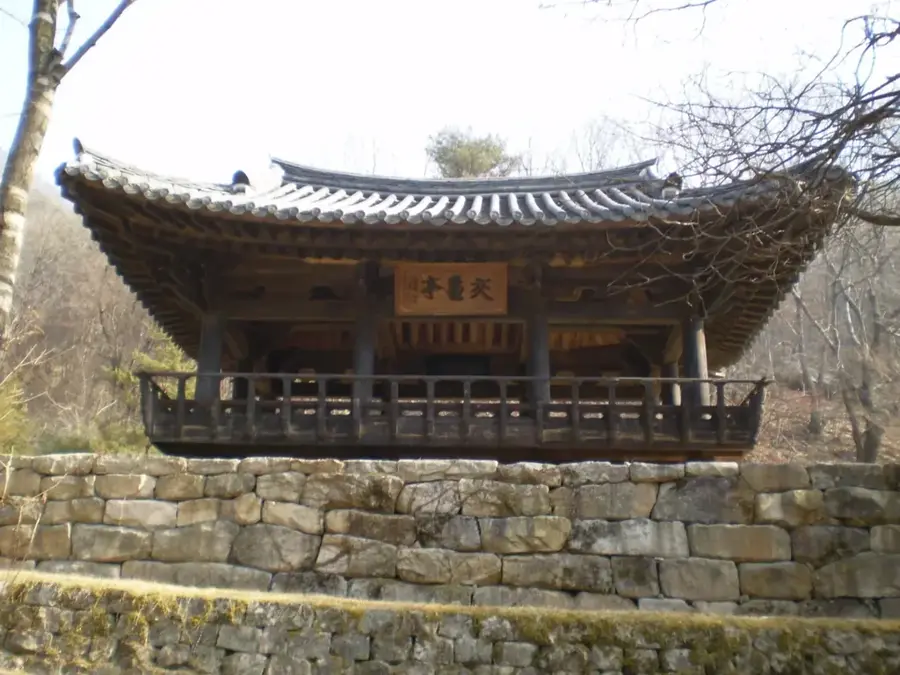
A wooden pavilion on the hiking trail to Beopjusa Temple, serving as a resting spot for visitors.

Temple📍 landmark

A peaceful Buddhist sanctuary located in the forested valleys of Songnisan National Park.

Templestay📍 landmark

A program at Beopjusa Temple where visitors experience the daily life and meditation of Buddhist monks.

Bokchun-am📍 landmark

A secluded Buddhist hermitage located on the forested slopes of Mount Songnisan.

Sights nearby

Frequently asked questions

When is the best time to visit Songnisan?
Autumn (October-November) is good for fall foliage, while spring features mild temperatures for hiking.
Which temple is famous in Songnisan National Park?
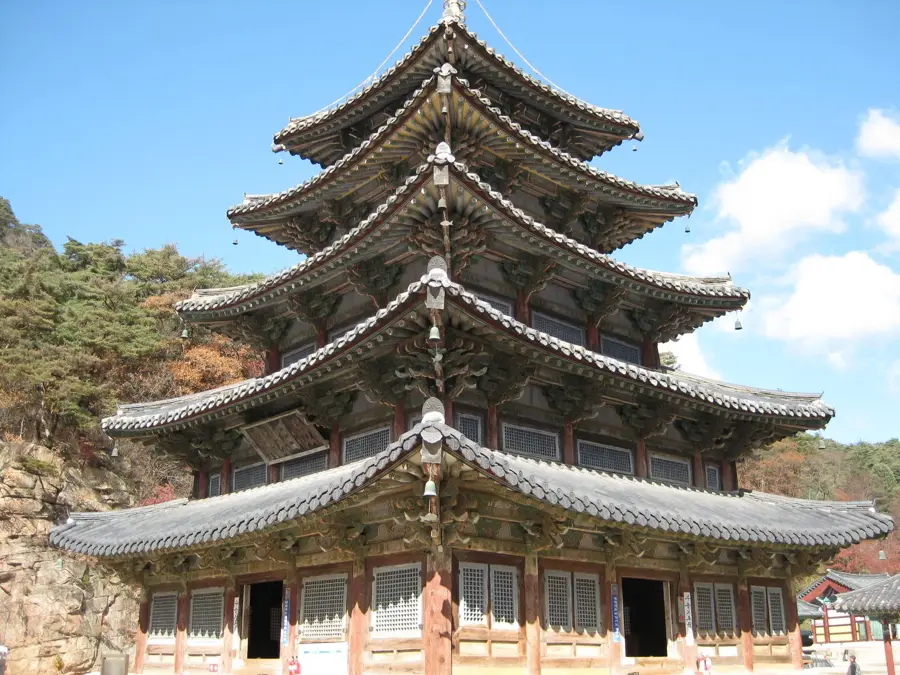
Beopjusa Temple is world-famous for its giant golden Buddha statue and the historic five-story wooden pagoda, Palsangjeon.
How difficult are the hiking trails at Mt. Songnisan?
The path to Beopjusa is flat and easy; hikes to Munjangdae peak are moderate, taking about 3-5 hours round trip.
Is there parking available at the national park entrance?
Yes, there are spacious paid parking lots near the village at the base of the mountain, a 10-15 minute walk from the entrance.
Can you stay overnight in the park?
Overnight stays are possible in mountain shelters (reservation required) or in hotels and guesthouses in the nearby village.
Songnisan Mountain: where is it located?
Songnisan Mountain is located in South Korea.
Songnisan Mountain: what is there to see?
Highlights include Mt. Gubyeong, Stupa foe Buddha's Sarira, Twin Lion Stone Lantern of Beopjusa Temple.
Songnisan Mountain: when is the best time to visit?
The most pleasant time to visit is May, Jun, Sep.
Songnisan Mountain: why is it worth visiting?

Songnisan Mountain, located in central South Korea, is a prominent peak and was designated as a national park in 1970.
View on map → The Top 50 Attractions → OpenStreetMap →
Asia
Explore with Plizio Discover more places in Asia
More places in South Korea →

Nearby cities

History & landmarks
Nature
More places