Plizio Visual Lab

Bukchon Hanok Village
Plizio editorial teamData Sources
Landmark
—°12
Bukchon Hanok Village (South Korea)

Weather…

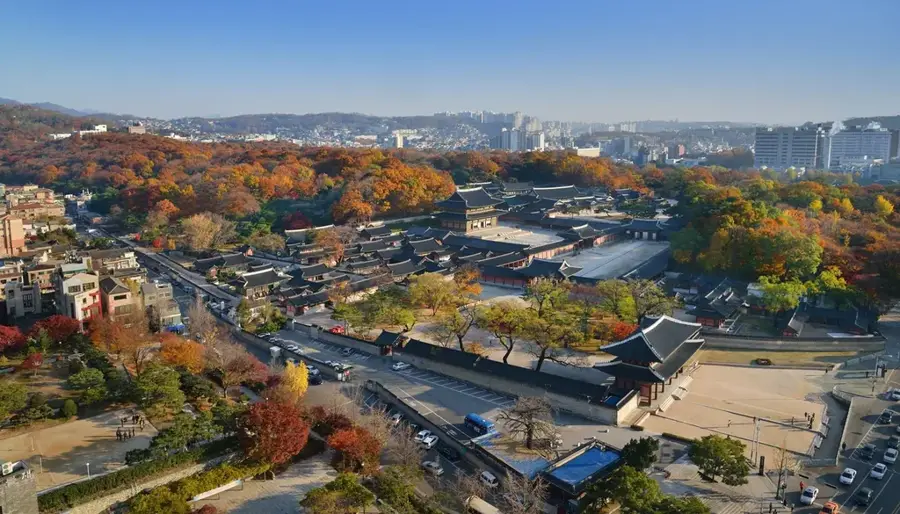
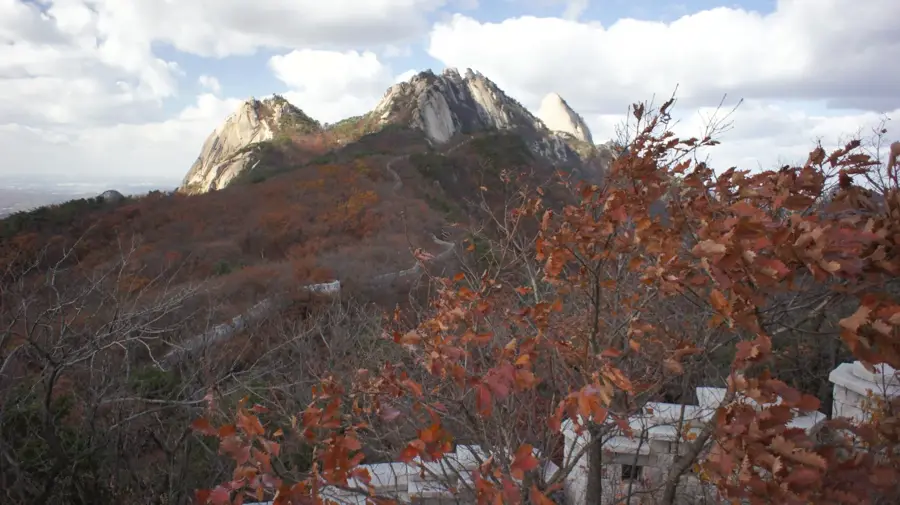
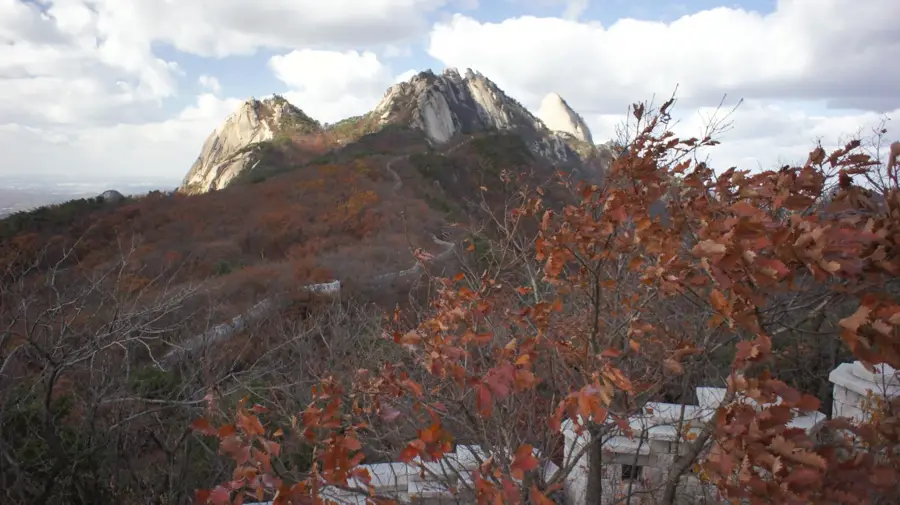
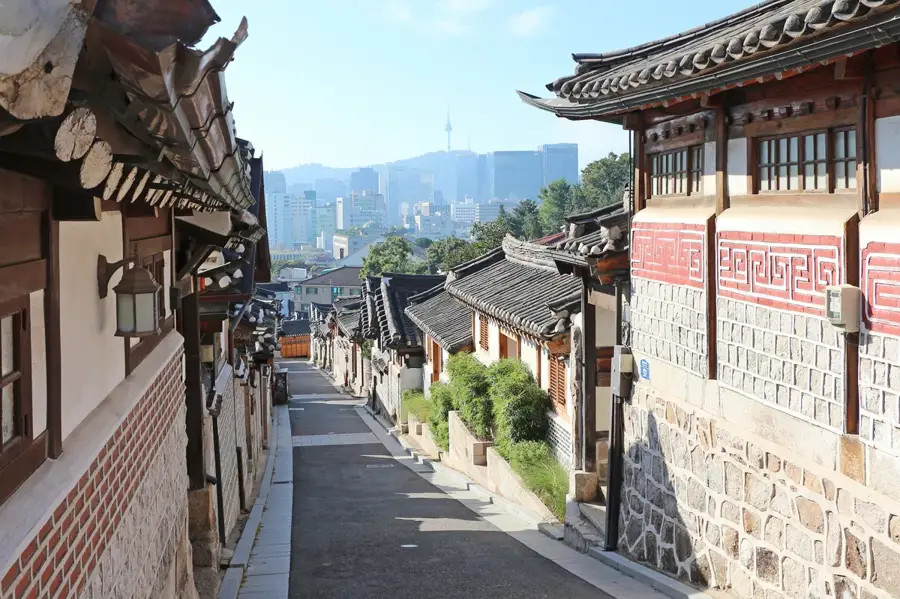
Bukchon Hanok Village is a historic residential neighborhood in Seoul that preserves a 600-year-old urban environment, set between Gyeongbokgung and Changdeokgung Palaces. The name 'Bukchon' means 'northern village,' denoting its location north of the Cheonggyecheon stream. Historically, this area was the home of high-ranking government officials and nobility during the Joseon Dynasty, which is reflected in the sophisticated architecture of the hundreds of traditional Korean houses, or 'hanoks,' found here. These structures are celebrated for their graceful tiled roofs, wooden beams, and stone foundations, designed to harmonize with the surrounding natural topography. The village's narrow, winding alleys offer some of the most iconic views in Seoul, where ancient wooden gates and textured stone walls contrast with the modern skyscrapers in the distance. Today, while many hanoks remain private residences, others have been repurposed into cultural centers, craft workshops, and traditional tea houses. Visitors are encouraged to explore quietly, as the village remains a bustling, living community that honors Korea's enduring architectural and social traditions.

Best time to visit & climate

The most pleasant time to visit is May, Jun, Sep.

JanFebMarAprMayJunJulAugSepOctNovDec
Avg °C-3-14101621242520147-1
Rain mm2031377284116361260138534722

📋 Practical info

🚪
Visiting
Bukchon Hanok Village is a traditional Korean village in the heart of Seoul. The narrow alleys are public and can be explored anytime.
🕒
Typical hours
The village is accessible 24/7 as a residential area. Some hanok houses serving as museums have their own hours.
📷
Photography
Photography is allowed in most areas. Be respectful of residents and avoid noise.
⏱️
Time needed
Allow two to three hours for a thorough walk through the village. Also visit the viewpoints for great photos.
Combine with
Combine the visit with the nearby Gyeongbokgung Palace or Insadong district. Both are within walking distance.
🧭
Getting there
The village is easily reachable by subway (Anguk station, Line 3). Buses also stop nearby.
💡
Insider tip
Come early in the morning to avoid crowds. Many houses are still privately inhabited - speak softly.

Geography

Coordinates
37.58280, 126.98060

Facts

  • The area was traditionally known as the 'upper village' because of its elite residents.
  • The 'Bukchon Hanok Village Walking Tour' is one of Seoul's most popular cultural activities.
  • Modern hanoks in the village often combine traditional exteriors with modern interior amenities.
  • There are numerous 'Living Heritage' sites where masters of traditional crafts work and teach.
  • The village has become a frequent filming location for Korean historical dramas (Sageuk).
  • Special 'Silence' signs are held by staff in the streets to remind visitors to respect residents' privacy.

Explore nearby

Notable places around
Route planner — Car & Motorhome

Where do you start? We build the route here, with stops and country notes along the way.

Vehicle
Only stops with (optional):

© OpenStreetMap contributors · OpenRouteService

Sights in the town Bukchon Hanok Village (12)

Korea Furniture Museum🏛 museum

A private museum showcasing over 2,000 traditional wooden furniture pieces, housed in ten beautifully restored hanoks.

Gahoe Museum🏛 museum

A museum in a traditional hanok specializing in Korean folk painting (Minhwa) and decorative talismans.

Bukchon Art Museum🏛 museum

An art gallery in the Bukchon district showcasing contemporary works alongside traditional Korean crafts.

Changuimun Gate🛡️ fortress

One of the Four Small Gates of the Seoul City Wall, known for its well-preserved wooden pavilion.

Yi Jungu's House in Gahoe-dong📍 landmark

A distinctive two-story Western-style stone house built in the 1930s amidst the traditional Bukchon neighborhood.

Bugaksan🌿 nature

This 342-meter peak hosts a section of the historic Seoul City Wall.

Sukjeongmun Gate🛡️ fortress

The northern gate of the Seoul City Wall, tucked away in a forested mountain pass.

Geumseonsa⛪ religious

A peaceful Buddhist temple at the foot of Mount Bukhansan offering Templestay programs.

Best Gallery🎭 culture

An animated arts centre featuring rotating exhibitions by contemporary local painters and sculptors.

Ieungno Art Museum🎭 culture

Presents the innovative abstract works of the modern Korean artist Ieungno Lee.

Illang Art Museum🎭 culture

Displays the modern ink paintings of artist Moon Bong-sun, known by the name Illang.

Sights nearby

Frequently asked questions

What is Bukchon Hanok Village?
A historic neighborhood in Seoul featuring hundreds of traditional Korean houses called Hanoks.
Is there an entrance fee for the village?
Walking through the village is free as it is an actual residential neighborhood.
Are there specific rules of conduct?
Please keep noise to a minimum and respect the privacy of the local residents.
Are the houses open to visitors?
Most are private homes, but some function as cultural centers, tea houses, or guesthouses.
What is the terrain like?
The village is hilly with many steep alleys; comfortable walking shoes are highly recommended.
Bukchon Hanok Village: where is it located?
Bukchon Hanok Village is located in South Korea.
Bukchon Hanok Village: what is there to see?
Highlights include Korea Furniture Museum, Gahoe Museum, Bukchon Art Museum.
Bukchon Hanok Village: when is the best time to visit?
The most pleasant time to visit is May, Jun, Sep.
Bukchon Hanok Village: why is it worth visiting?

Bukchon Hanok Village is a historic residential neighborhood in Seoul that preserves a 600-year-old urban environment, set between Gyeongbokgung and Changdeokgung Palaces.
View on map → The Top 50 Attractions → OpenStreetMap →
Asia
Explore with Plizio Discover more places in Asia
More places in South Korea →

History & landmarks

More places