Plizio Visual Lab

Jirisan National Park
Plizio editorial teamData Sources
national-park
—°8
Jirisan National Park (South Korea)

Weather…

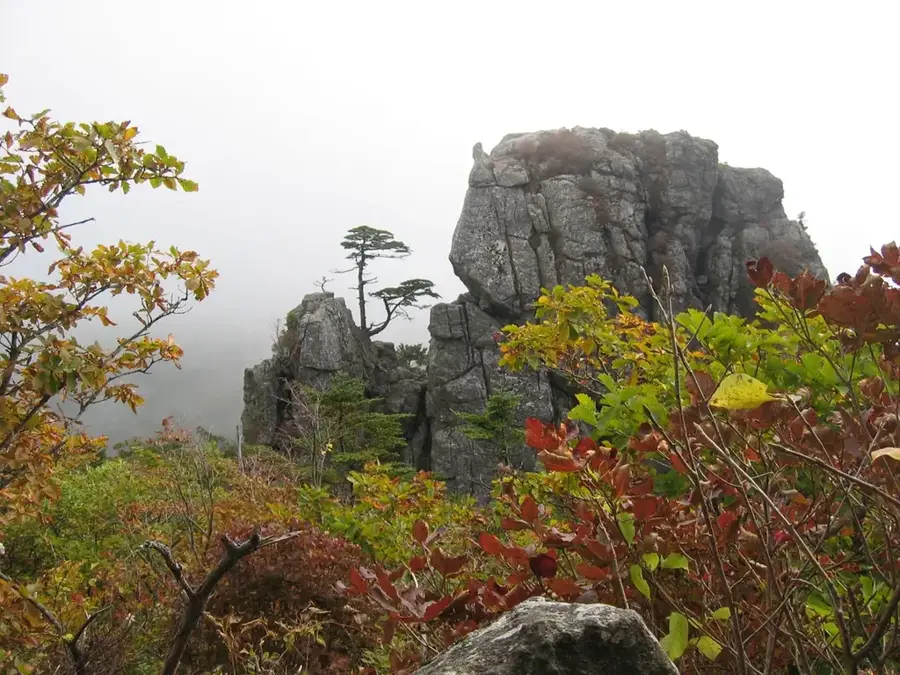
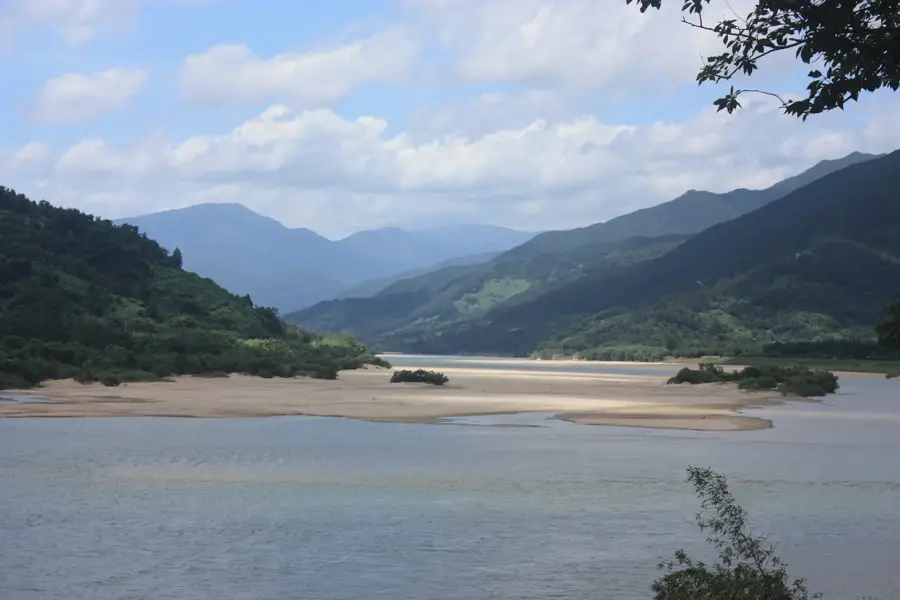
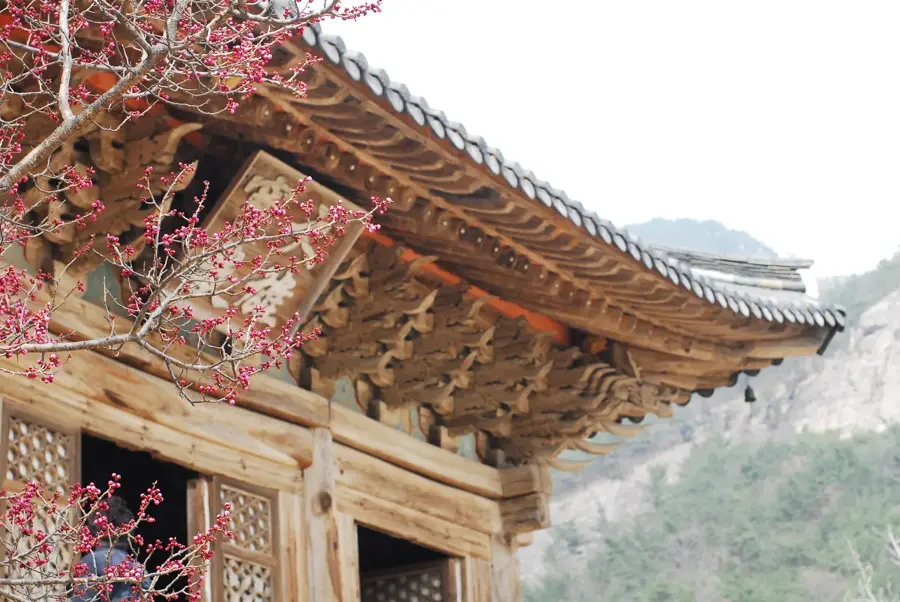
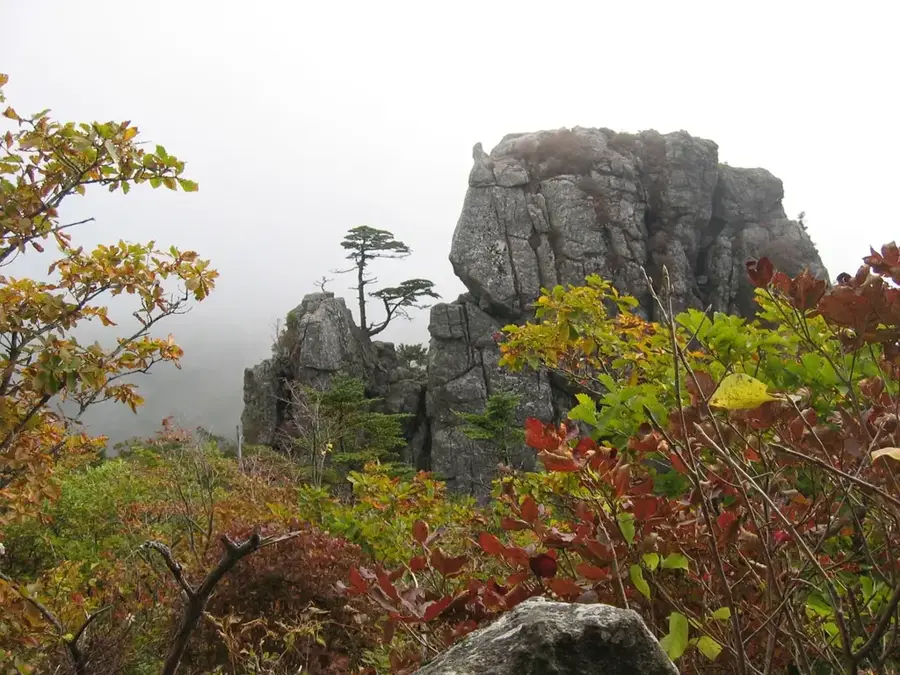
Jirisan National Park was established in 1967 as South Korea's first national park and remains the largest terrestrial mountain park in the country. It spans across three provinces, Gyeongsangnam-do, Jeollanam-do, and Jeollabuk-do, and features Cheonwangbong, which is the highest peak on the South Korean mainland at 1,915 meters. Jirisan is traditionally revered as one of the three sacred mountains of Korea, holding deep spiritual significance in national folklore. The park is a major hub for biodiversity conservation, most notably for its successful Asiatic black bear restoration project. With over 4,900 species of flora and fauna, it has an incredibly diverse ecosystem. Its landscape is characterized by majestic ridges, pristine valleys, and ancient Buddhist temples, making it a premier destination for long-distance hikers and those seeking spiritual solace in nature.

Best time to visit & climate

The most pleasant time to visit is May, Jun, Sep.

JanFebMarAprMayJunJulAugSepOctNovDec
Avg °C-3-14101621232419126-1
Rain mm28435898100146307270144614532

📋 Practical info

🧭
Getting there
The national park is served by an extensive network of intercity buses connecting from major centers like Seoul or Busan to towns situated at the park borders. From these gateway towns, local buses or taxis reliably transport visitors directly to the principal trailheads.
📅
Best season
Autumn is widely considered the peak season, drawing massive crowds eager to witness the spectacular transformation of the spirited fall foliage. Spring is also incredibly beautiful when wildflowers and cherry blossoms emerge, while summers are typically very humid and prone to heavy monsoon rains.
⛰️
Terrain & paths
The terrain is famously mountainous and rugged, featuring a mix of thickly forested slopes, rocky outcrops, and some exceptionally steep stone staircases along the trails. While lower elevation paths can be relatively gentle, conquering the main peaks requires a demanding physical effort.
🎒
What to bring
Quality hiking boots providing excellent ankle support are essential for navigating the rocky terrain and countless steps safely. Hikers should pack trekking poles to reduce strain on their knees, along with appropriate rain gear and plenty of high-energy snacks for the relentless steep climbs.
🅿️
Parking
Well-maintained, organized parking facilities are situated at the major official entrances and visitor centers, though they usually charge a daily fee. During the peak autumn season, these lots can fill up extraordinarily early in the day, so arriving by public transport is highly recommended.
⚠️
Safety
Weather conditions on the high peaks can change drastically and unexpectedly, with cold winds and dense fog posing significant risks of hypothermia or disorientation. Additionally, hikers should always be mindful of local bears and strictly follow park guidelines regarding food storage and disposal.
⏱️
Time needed
A relaxed hike to a lower waterfall or valley viewpoint generally takes three to four hours for a satisfying half-day trip. However, attempting to reach the highest peaks, such as Cheonwangbong, usually demands a rigorous, full-day commitment or an overnight stay in one of the mountain shelters.

Geography

Coordinates
35.33700, 127.73000

Facts

  • Established in 1967 as Korea's very first national park.
  • Cheonwangbong (1,915m) is the highest mainland peak.
  • Covers an expansive area of 483 square kilometers.
  • Home to a major Asiatic black bear restoration project.
  • Contains seven primary ancient Buddhist temples.
  • Features more than 4,900 distinct biological species.

Explore nearby

Notable places around

Route planner — Car & Motorhome

Where do you start? We build the route here, with stops and country notes along the way.

Vehicle
Only stops with (optional):

© OpenStreetMap contributors · OpenRouteService

Sights in the town Jirisan National Park (8)

Cheonji Buddhism Exhibition Hall🏛 museum

An informative gallery exploring the history and scriptures of Buddhism within the spiritual landscape of Jirisan.

Jirisan Bbalchisan Tobeol Exhibition Hall🏛 museum

A historical museum documenting the Korean War era partisan activities and military operations in the Jirisan mountains.

Jayeonhakseupwon📍 landmark

An ecological nature study center where visitors can learn about the diverse flora and fauna of the national park.

Wiryeongbi🌿 nature

A memorial monument and viewpoint offering a place of reflection with sweeping views over the rugged Jirisan peaks.

Biseondam🌿 nature

Scenic natural pool area located within a rocky mountain valley.

Oknyeotang🌿 nature

Deep natural pool carved into the granite stream bed.

Cheongwangsa📍 landmark

Buddhist temple located at the foot of Cheonwangbong Peak.

Munsu Temple📍 landmark

Secluded Buddhist sanctuary dedicated to the Bodhisattva of Wisdom.

Sights nearby

Frequently asked questions

How many days do I need for a traverse of Jirisan?
A full traverse usually takes 3 to 4 days; overnight stays in shelters must be reserved beforehand.
Which peak is the highest in Jirisan?
Cheonwangbong is the highest peak in Jirisan and mainland South Korea, standing at 1,915 meters.
Are there bears in the park?
Yes, Jirisan is home to protected Asiatic black bears; hikers are advised to stay on marked trails.
What is the most famous temple in Jirisan?
Hwaeomsa is one of Korea's most significant Buddhist temples, located on the southwestern edge of the park.
When should I start for the sunrise?
Hikers often start around 3 AM from the nearest shelter to reach Cheonwangbong peak in time for sunrise.
Jirisan National Park: where is it located?
Jirisan National Park is located in South Korea.
Jirisan National Park: what is there to see?
Highlights include Cheonji Buddhism Exhibition Hall, Jirisan Bbalchisan Tobeol Exhibition Hall, Jayeonhakseupwon.
Jirisan National Park: when is the best time to visit?
The most pleasant time to visit is May, Jun, Sep.
Jirisan National Park: why is it worth visiting?

Jirisan National Park was established in 1967 as South Korea's first national park and remains the largest terrestrial mountain park in the country.
View on map → The Top 50 Attractions → OpenStreetMap →
Asia
Explore with Plizio Discover more places in Asia
More places in South Korea →

Nearby cities

History & landmarks
Nature

More places