Plizio Visual Lab

Ulleungdo Island Coast
Plizio editorial teamData Sources
coast
—°8
Ulleungdo Island Coast (South Korea)

Weather…

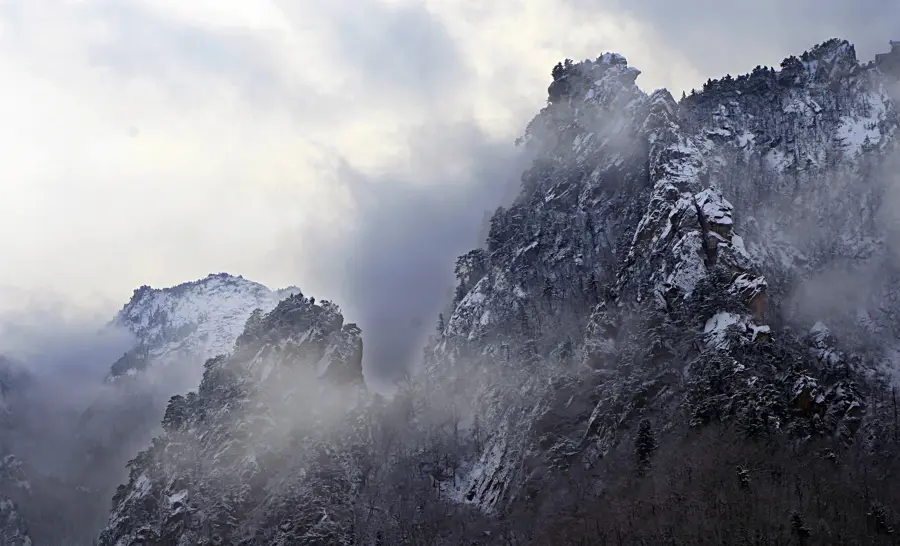
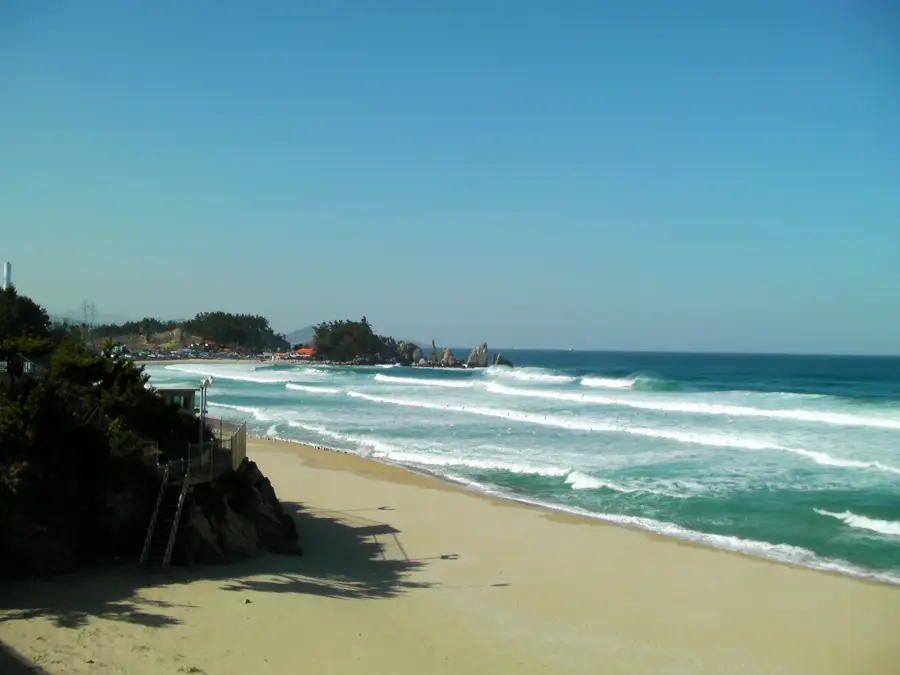
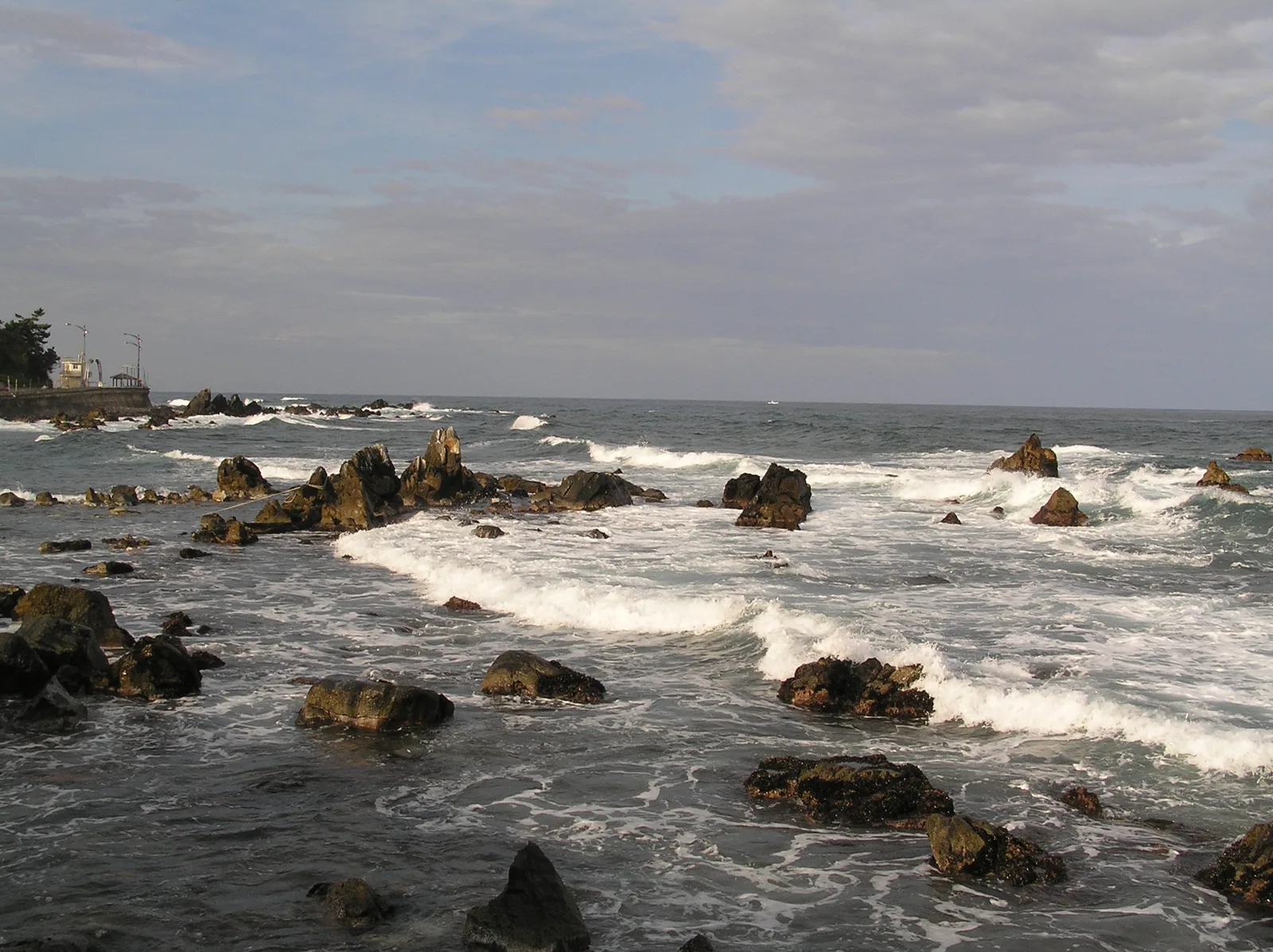
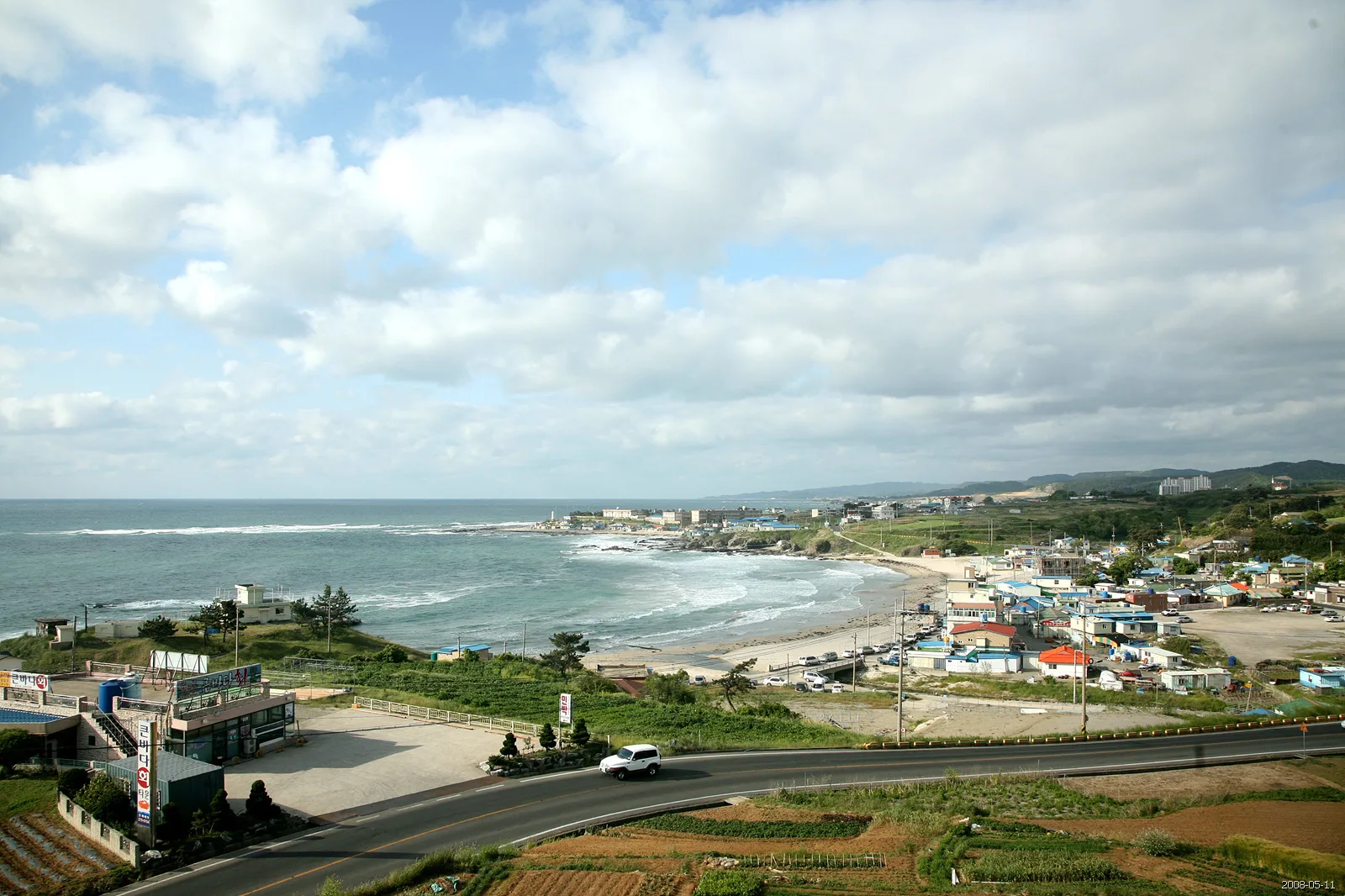
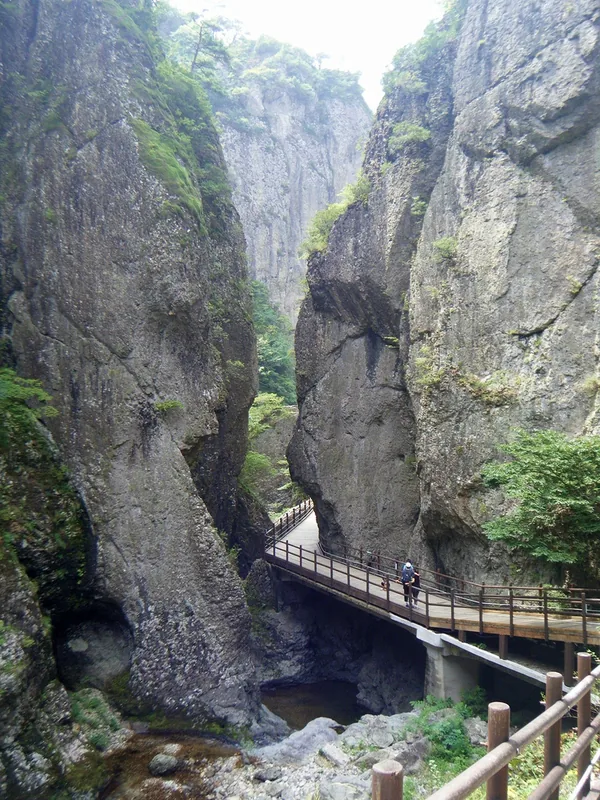
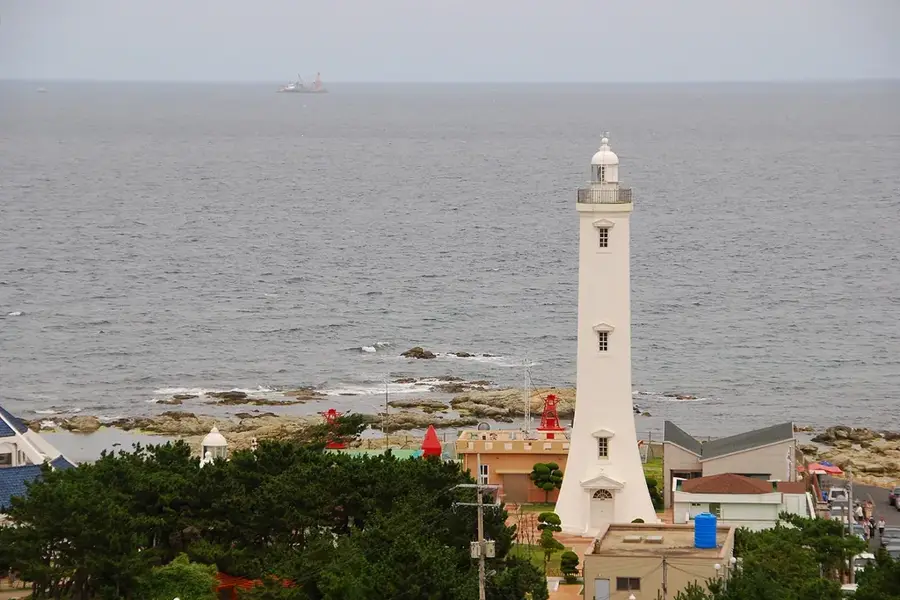
The coast of Ulleungdo Island is defined by its dramatic vertical cliffs and bizarre rock formations, which stand as evidence of its volcanic origins millions of years ago. As the summit of a massive underwater volcano, the island rises steeply from the East Sea, offering a landscape that is fundamentally different from the Korean mainland. The coastal road, which encircles almost the entire island, passes by prominent landmarks such as Gwaneumdo Rock and Elephant Rock, shaped over eons by erosion and tectonic forces. Due to high precipitation levels and its isolated location, a unique ecosystem has flourished here, including many endemic plant species found nowhere else on Earth. The waters surrounding Ulleungdo are extremely deep and nutrient-rich, making them a handy habitat for squid, which remains the primary economic lifeline for the local population. For visitors, the coastline has not only spectacular panoramic views but also a glimpse into the traditional seafaring lifestyle of the islanders.

Best time to visit & climate

The most pleasant time to visit is Jun, Sep, Oct.

JanFebMarAprMayJunJulAugSepOctNovDec
Avg °C66811151923252218138
Rain mm6162607983104189160145787174

📋 Practical info

🧭
Getting there
Access to the island is primarily by ferry from major mainland ports such as Pohang or Mukho, with the journey taking several hours depending on sea conditions. Once on Ulleungdo, the dramatic coastline can be explored using the island's coastal road network, local buses, or by following the extensive system of seaside trekking paths.
📅
Best season
Spring and autumn are considered the most favorable seasons for coastal exploration, offering mild temperatures and relatively clear visibility for enjoying the island's vistas. Winter can be harsh with significant snowfall and strong winds, while the summer months bring lush greenery but also higher humidity and occasional typhoons from the sea.
⛰️
Terrain & paths
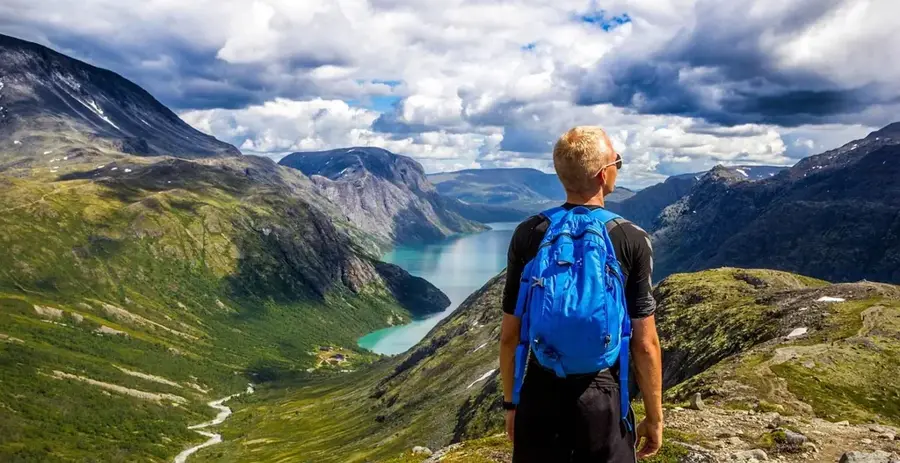
The coastline is exceptionally steep and rocky, featuring dramatic volcanic cliffs that drop sharply into the deep blue waters of the Sea of Japan. Visitors will encounter rugged paths, narrow bridges, and some vertical sections that require steady footing and a basic level of physical endurance to navigate the various coastal formations safely.
🎒
What to bring
High-quality hiking shoes with excellent traction are essential for the steep and often slippery coastal trails, along with a windbreaker to protect against sea breezes. A reliable camera is a must for the unique landscapes, and carrying a portable power bank and a detailed map of the island's paths is recommended for those exploring the more remote sections.
🅿️
Parking
Parking is available near the ferry terminals in Dodong and Jeodong, as well as at specific lookout points and tourist facilities along the coastal road. Space can be limited during the peak summer holiday season, so using the island's efficient public bus system or local taxis is often a more convenient option for accessing the different parts of the coast.
⚠️
Safety
Visitors should be mindful of falling rocks in steep areas and exercise extreme caution when navigating coastal paths during windy or wet weather. It is important to stay on marked trails, check the latest ferry schedules for mainland connections, and always inform someone of your planned route when trekking alone through the island's rugged landscape.
⏱️
Time needed
Exploring the main highlights of the coastline typically takes at least one full day, though many visitors prefer to stay for three to four days to experience the island more deeply. A shorter visit can focus on specific sections of the coastal trail, but a multi-day stay allows for a more relaxed pace and the opportunity to hike across the volcanic interior.

Geography

Coordinates
37.50000, 130.86000

Facts

  • Ulleungdo Island was formed approximately 2.5 million years ago through a series of volcanic eruptions.
  • The coastal ring road is 44.5 kilometers long and was only fully completed in 2019.
  • Gwaneumdo Rock is connected to the main island by a 140-meter-long pedestrian bridge.
  • The sea surrounding the island reaches depths of over 2000 meters very close to the shoreline.
  • Over 90% of the island consists of steep terrain, which makes the habitable coastal strip very narrow.
  • Ulleungdo serves as the administrative hub for the management of the Dokdo islets.

Route planner — Car & Motorhome

Where do you start? We build the route here, with stops and country notes along the way.

Vehicle
Only stops with (optional):

© OpenStreetMap contributors · OpenRouteService

Sights in the town Ulleungdo Island Coast (8)

Snorkeling📍 landmark

The crystal-clear waters around the volcanic island offer well-suited conditions for observing kelp forests and marine life.

Jukam📍 landmark

This striking rock formation rises like a pillar from the emerald-green sea near the coast.

View for Rocks🌿 nature

This viewpoint provides a broad look at the rugged volcanic sea stacks jutting out of the ocean.

Best View🌿 nature

From here, you can enjoy a panorama of the island's steep cliffs and deep blue waters.

Sajabawi📍 landmark

This volcanic rock formation resembles a crouching lion guarding the harbor.

Dokdo Volunteer Forces Memorial Hall🏺 historical

The exhibition honors the civilians who volunteered to defend the easternmost Dokdo islets.

Seonginbong (Mt.)🌿 nature

At 984 meters, this extinct volcanic peak is the highest point on the entire island.

Takeshima Museum🏛 museum

This specialized museum documents the history and geography of the Dokdo islands in detail.

Sights nearby

Frequently asked questions

How to get to Ulleungdo Island?
There are no flights; you must take a ferry from Pohang, Mukho, Gangneung, or Hupo (takes about 2.5 to 3.5 hours).
What is the main specialty of Ulleungdo?
The island is famous for its squid and Sanchae-Bibimbap (mixed rice with fresh island mountain herbs).
Are there good hiking trails there?
Yes, the Haengnam Coastal Walk has wide-open views of the sea and volcanic rock formations.
When is the best time to visit Ulleungdo?
Spring and autumn are well-suited, as the sea is calmer and the weather is pleasant for exploring the outdoors.
What happens in case of bad weather?
Ferry services are often cancelled in high waves; you should plan for flexibility in your return schedule.
Ulleungdo Island Coast: where is it located?
Ulleungdo Island Coast is located in South Korea.
Ulleungdo Island Coast: what is there to see?
Highlights include Snorkeling, Jukam, View for Rocks.
Ulleungdo Island Coast: when is the best time to visit?
The most pleasant time to visit is Jun, Sep, Oct.
Ulleungdo Island Coast: why is it worth visiting?

The coast of Ulleungdo Island is defined by its dramatic vertical cliffs and bizarre rock formations, which stand as evidence of its volcanic origins millions of years ago.
View on map → The Top 50 Attractions → OpenStreetMap →
Asia
Explore with Plizio Discover more places in Asia
More places in South Korea →

Nearby cities

History & landmarks
Nature
More places