Plizio Visual Lab

Seoraksan National Park
Plizio editorial teamData Sources
Landmark
—°11
Seoraksan National Park (South Korea)

Weather…

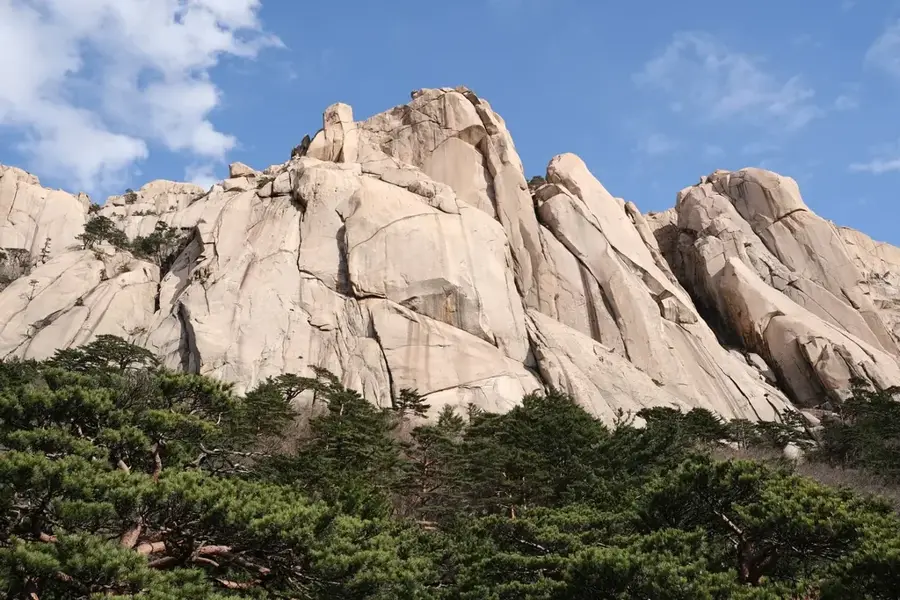
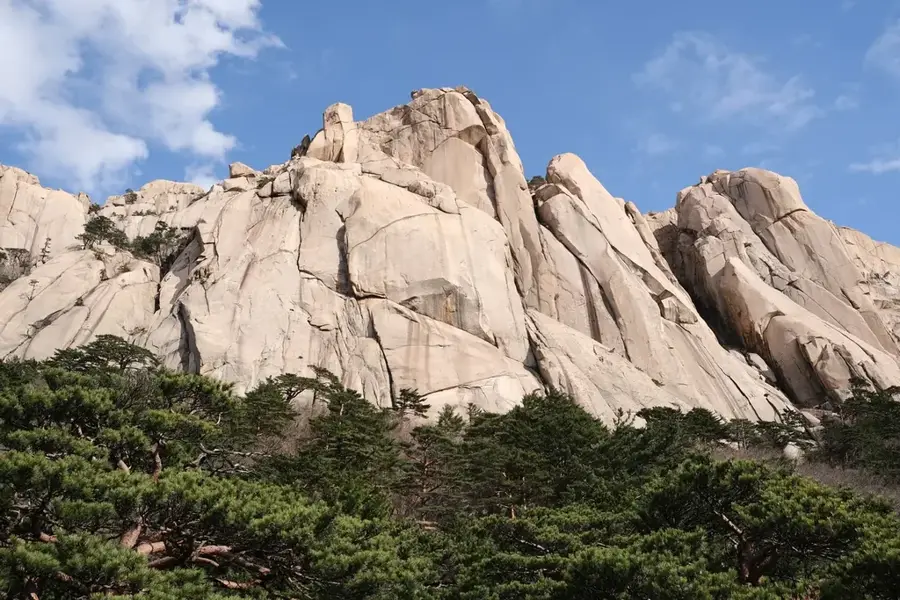
Seoraksan National Park is located in northeastern South Korea in Gangwon Province, covering an area of approximately 398 square kilometers. Part of the Taebaek mountain range, its highest peak is Daecheongbong, which stands at 1,708 meters above sea level as the nation's third-highest mountain. The park is internationally renowned for its dramatic granite rock formations, deep valleys, and high biodiversity, including over 1,400 plant species and rare animals such as the Siberian musk deer. It was designated as South Korea's fifth national park in 1970 and recognized as a UNESCO Biosphere Reserve in 1982. Within its boundaries lies the Sinheungsa Temple, originally founded in the 7th century, featuring a massive bronze Buddha statue known as Tongil Daebul. The park's bustling autumn foliage attracts millions of visitors annually who explore its extensive trail network and utilize the cable car to the Gwongeumseong Fortress peaks.

Best time to visit & climate

The most pleasant time to visit is May, Jun, Oct.

JanFebMarAprMayJunJulAugSepOctNovDec
Avg °C-1151016202324201581
Rain mm3144498480119345284196917033

📋 Practical info

🚪
Visiting
Seoraksan National Park is a vast protected area with hiking trails, waterfalls, and temples, open to visitors year-round. The park can be entered, but some areas may be closed seasonally or due to weather.
🕒
Typical hours
The park is typically open from sunrise to sunset, as hiking must be done during daylight. Exact opening hours vary by season - best to inquire at the visitor center.
📷
Photography
Photography is allowed throughout the park, with memorable subjects like the granite peaks and autumn colors. Drones are prohibited without a permit - follow park rules.
⏱️
Time needed
The duration of your visit depends heavily on the chosen hiking trails - from short walks (1 hour) to full-day mountain hikes (6-8 hours). One of the most popular routes, to Ulsan-bawi Rock, takes about 3-4 hours round trip.
Combine with
Combine your park exploration with a visit to the nearby town of Sokcho, famous for its fish market and beaches. Also, the Sinheungsa Temple at the park entrance is worth a stop.
🧭
Getting there
The main entrance of Seoraksan National Park is about 10 km west of Sokcho, reachable by bus (line 7 or 7-1) from Sokcho Bus Terminal. Parking is available at the entrances but fills up quickly in peak season.
💡
Insider tip
Tip: Start your hike early in the morning to avoid crowds and enjoy the morning calm. Bring enough water and snacks, as food options inside the park are limited.

Geography

Coordinates
38.19900, 128.46300

Facts

  • Daecheongbong is the highest peak in the park at 1,708 meters.
  • The area was designated as a UNESCO Biosphere Reserve in 1982.
  • The bronze Buddha statue at Sinheungsa Temple weighs 108 tons.
  • The park is home to over 1,400 species of vascular plants.
  • The cable car to Gwongeumseong travels a distance of 1,128 meters.
  • The park was officially established on March 24, 1970.

Explore nearby

Notable places around

Route planner — Car & Motorhome

Where do you start? We build the route here, with stops and country notes along the way.

Vehicle
Only stops with (optional):

© OpenStreetMap contributors · OpenRouteService

Sights in the town Seoraksan National Park (11)

Viewpoint🌿 nature

A viewpoint overlooking the valley and the large Buddha statue of the Sinheungsa temple complex.

Geumgangguli Cave📍 landmark

This small prayer cave is set into a steep cliff face and is accessible via a long metal staircase.

Munsudam📍 landmark

A deep, emerald-colored rock pond located within the scenic Cheonbuldong Gorge.

Seoraksan National Park🌿 nature

A UNESCO Biosphere Reserve famous for its striking granite peaks and rare pine forests.

Dalmabong🌿 nature

This peak is named for its resemblance to the seated Zen master Bodhidharma.

Teddy bear Farm📍 landmark

A themed museum showcasing teddy bears in scenes of traditional Korean culture and daily life.

Seorak Waterpia🎡 recreation

A large water park that uses natural 49-degree thermal water from nearby hot springs.

Cheoksan Hot Spring🎡 recreation

A traditional spa famous for its highly alkaline thermal water, said to nourish the skin.

Sinheungsa Temple⛪ religious

Founded in 652, this head temple houses significant Buddhist artworks and sits at the base of Seoraksan.

Baekdamsa⛪ religious

This temple is famous for the thousands of stone towers built by visitors in the shallow riverbed.

National Mountain Museum🏛 museum

A museum in Sokcho documenting the history of Korean alpinism and famous climbing expeditions.

Sights nearby

Frequently asked questions

Is there a cable car in the park?
Yes, the cable car takes visitors to Gwongeumseong Fortress, offering a magnificent panoramic view.
Which temple is the most famous here?
Sinheungsa Temple, famous for its massive bronze Buddha statue, is located near the main entrance.
How much is the entrance fee?
Entrance to the park is free, but Sinheungsa Temple and the cable car have separate fees.
Is the trail to Ulsanbawi Rock difficult?
The trail is steep and involves many stairs; a good fitness level is required for the ascent.
Are there parking spaces at the entrance?
Yes, there are large paid parking lots, but they fill up very quickly on weekends.
Seoraksan National Park: where is it located?
Seoraksan National Park is located in South Korea.
Seoraksan National Park: what is there to see?
Highlights include Viewpoint, Geumgangguli Cave, Munsudam.
Seoraksan National Park: when is the best time to visit?
The most pleasant time to visit is May, Jun, Oct.
Seoraksan National Park: why is it worth visiting?

Seoraksan National Park is located in northeastern South Korea in Gangwon Province, covering an area of approximately 398 square kilometers.
View on map → The Top 50 Attractions → OpenStreetMap →
Asia
Explore with Plizio Discover more places in Asia
More places in South Korea →

Nearby cities

Nature

More places