Plizio Visual Lab

Gwangju Lake Eco-Park
Plizio editorial teamData Sources
Lake
—°10
Gwangju Lake Eco-Park (South Korea)

Weather…

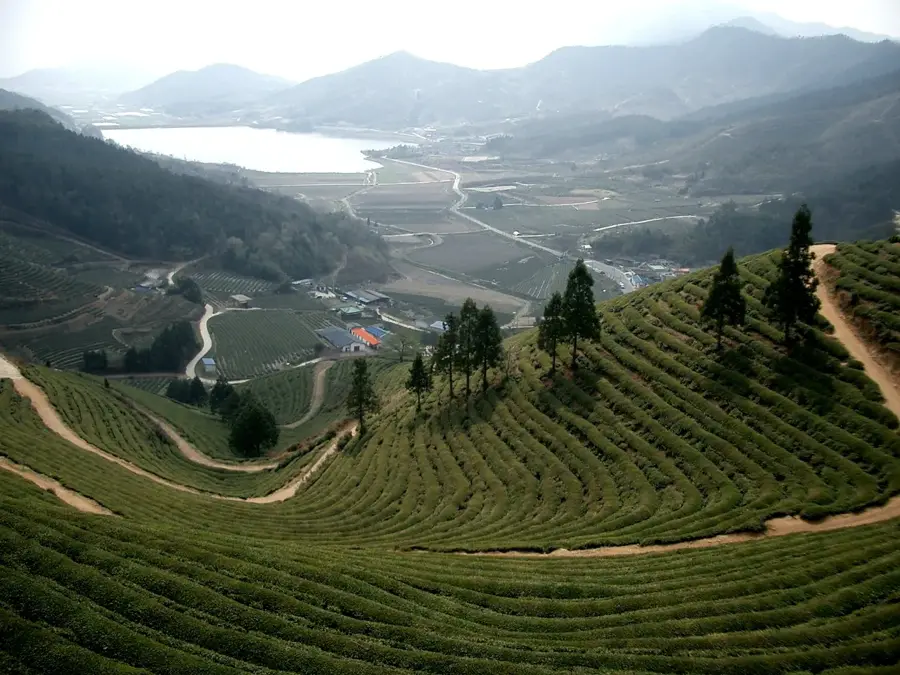
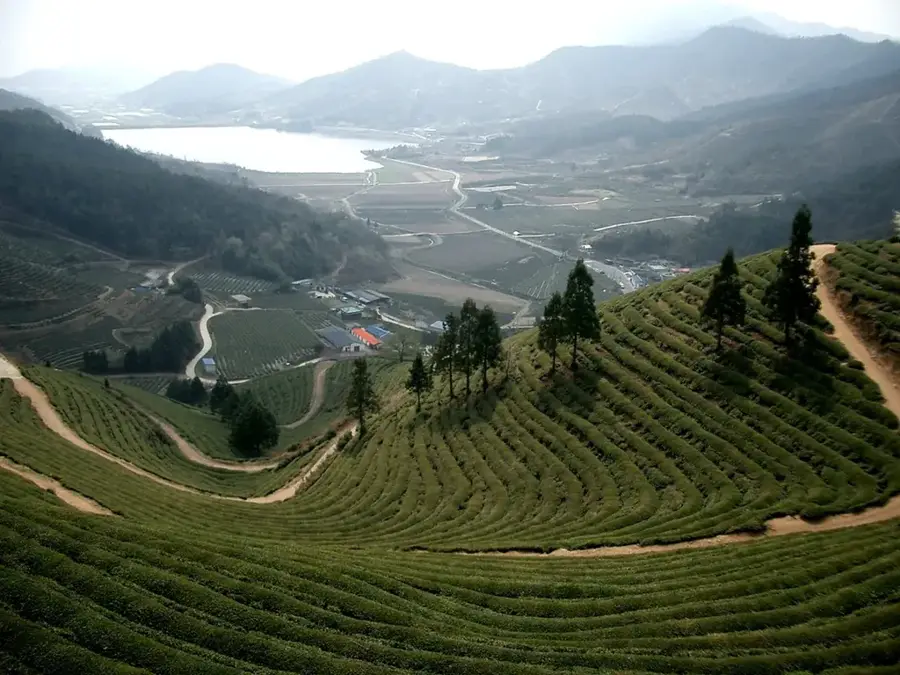
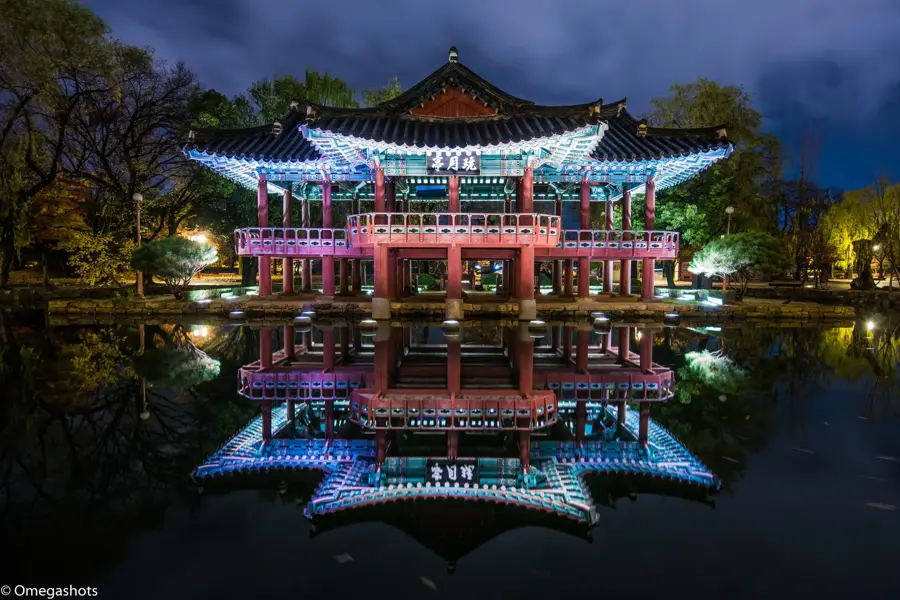
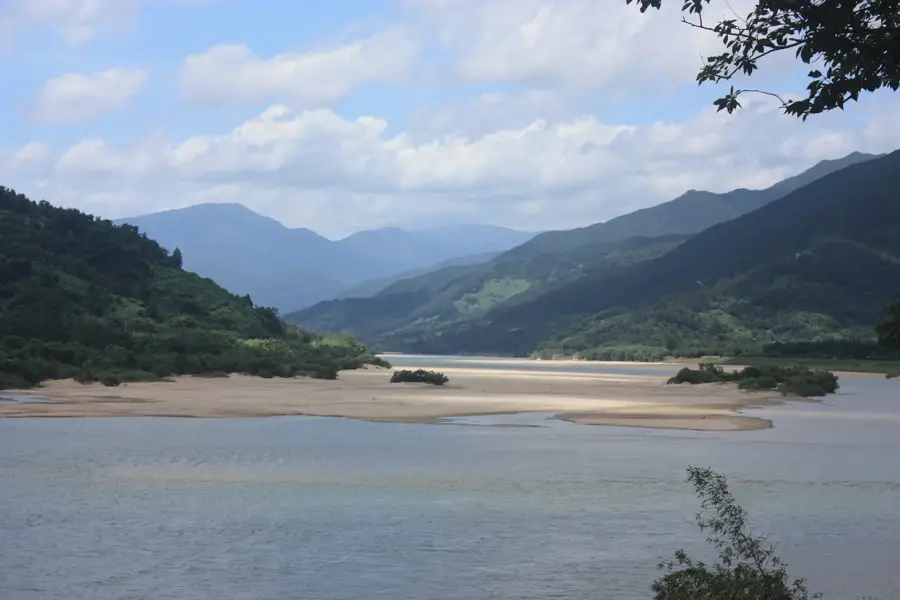
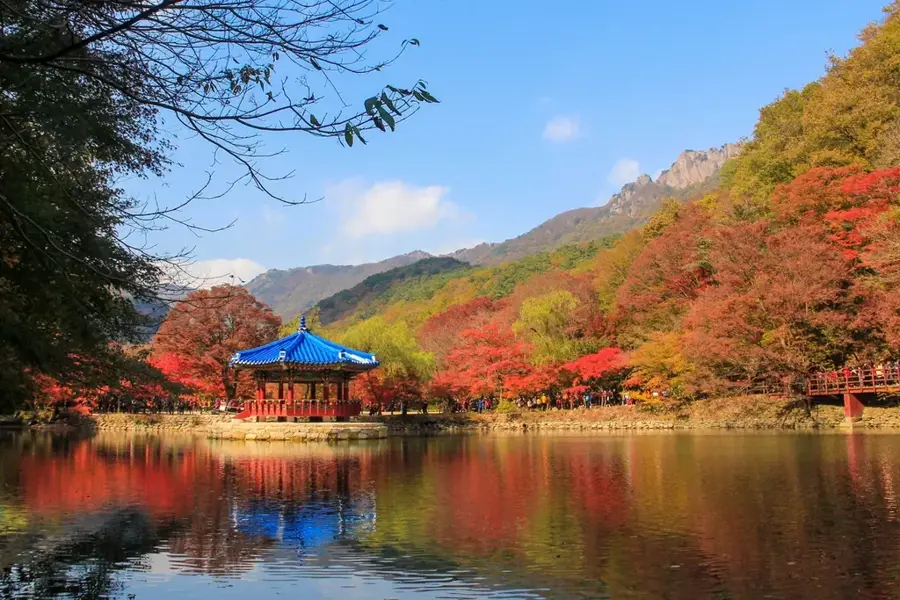
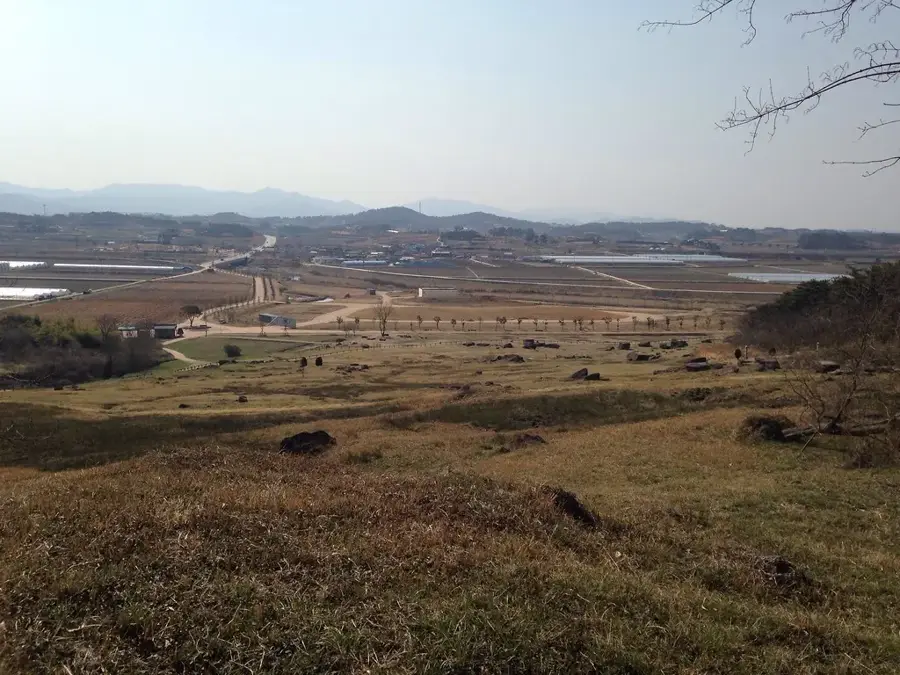
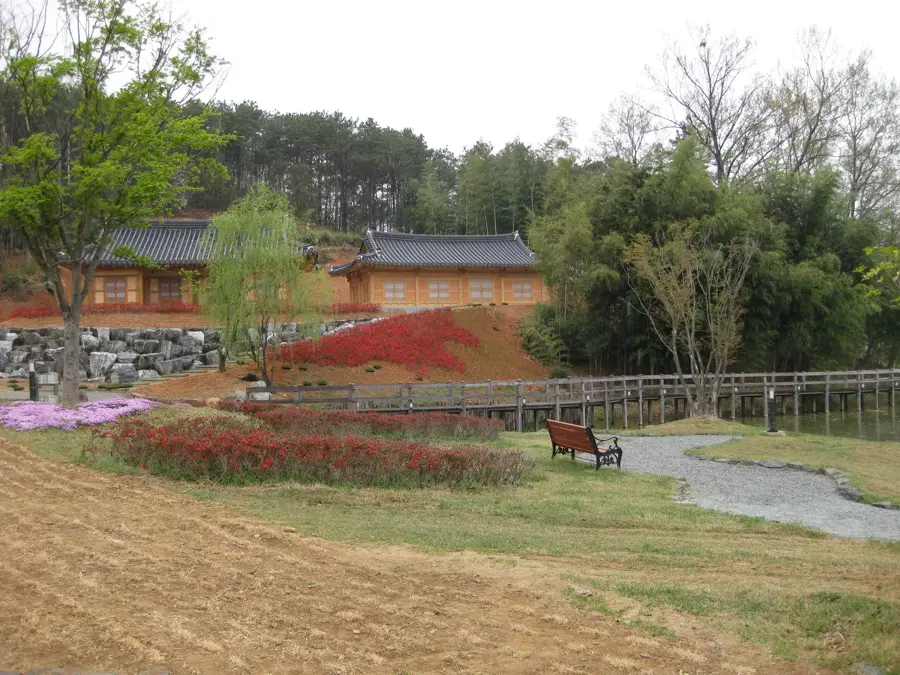
The Gwangju Lake Eco-Park is located at the foot of Mudeungsan Mountain and was officially opened in 2006 to preserve regional biodiversity and provide ecological education. The park covers an area of approximately 185,000 square meters and features various zones, including wetlands, botanical gardens, and observation decks. A primary attraction is the cluster of giant willow trees on the lakeshore, which are over 400 years old and designated as natural monuments. The area serves as a significant breeding ground for waterfowl and hosts numerous rare plant species that thrive in the marshy environment. An extensive network of wooden boardwalks allows visitors to explore the sensitive ecosystems without disturbing the local flora and fauna. The park combines natural aesthetics with scientific conservation, serving as a vital component of Gwangju's green belt.

Best time to visit & climate

The most pleasant time to visit is May, Jun, Sep.

JanFebMarAprMayJunJulAugSepOctNovDec
Avg °C-1051116212425201471
Rain mm2943559193139307269136594735

📋 Practical info

🧭
Getting there
The ecological park is easily accessible by public transportation or private car from the nearby city, featuring well-marked entrances and paved approaches.
📅
Best season
Spring and autumn are widely considered the best times to visit, offering comfortable walking temperatures and beautiful seasonal foliage around the wetland areas.
⛰️
Terrain & paths
The park gives very gentle, accessible terrain, highlighted by well-maintained wooden boardwalks spanning the wetlands and flat, scenic walking paths.
🎒
What to bring
Comfortable walking shoes, a light jacket for breezy days near the water, and perhaps binoculars for observing the local birdlife are generally recommended.
🅿️
Parking
Designated parking lots are typically available and clearly marked near the main park entrances, providing convenient, immediate access to the wetland trailheads.
⚠️
Safety
The area is highly developed and extremely safe; visitors are simply advised to stay on the designated boardwalks to protect the sensitive ecological zones.
⏱️
Time needed
A typical leisurely stroll around the lake, enjoying the peaceful retreat and educational wetland exhibits, generally takes about one to two hours of your time.

Geography

Coordinates
35.25000, 127.02000

Facts

  • Opened in March 2006
  • Total area of 185,124 square meters
  • Home to 400-year-old willow trees
  • Over 65,000 seasonal flowers planted
  • Adjacent to Mudeungsan National Park
  • Critical habitat for the common kingfisher

Explore nearby

Notable places around

Route planner — Car & Motorhome

Where do you start? We build the route here, with stops and country notes along the way.

Vehicle
Only stops with (optional):

© OpenStreetMap contributors · OpenRouteService

Sights in the town Gwangju Lake Eco-Park (10)

Damyang Monghangak🏺 historical

A historic site and memorial hall honoring the loyalty of local Confucian scholars.

Dalmoe Art Museum🎭 culture

An intimate art space showcasing contemporary paintings and sculptures by local artists.

National May 18 Democratic Cemetery Memorial Tower🏺 historical

A solemn 40-meter tall monument dedicated to the victims of the Gwangju democratization movement.

ViewPoint EcoLake🌿 nature

An observation point providing sweeping views over Gwangju Lake and its surrounding wetlands.

5.18 Memorial Hall of the National May 18 Democratic Cemetery🏛 museum

Documents the history and sacrifices of the 1980 democratic uprising through interactive exhibits.

Soswaewon Garden📍 landmark

A masterpiece of Korean garden design, featuring natural streams, pavilions, and bamboo groves.

Chwigajong Pavilion📍 landmark

A tranquil pavilion built in memory of General Kim Hui-je, overlooking the scenery near Gwangju Lake.

Hwanbyeokdang Pavilion📍 landmark

A historic wooden pavilion where Joseon scholars once gathered to study and compose poetry.

Chunghyodongbuncheongjagi Exhibition Hall🏛 museum

Showcases diverse Buncheong stoneware from the nearby Gwangju kiln sites.

Doksujeong Pavilion🏺 historical

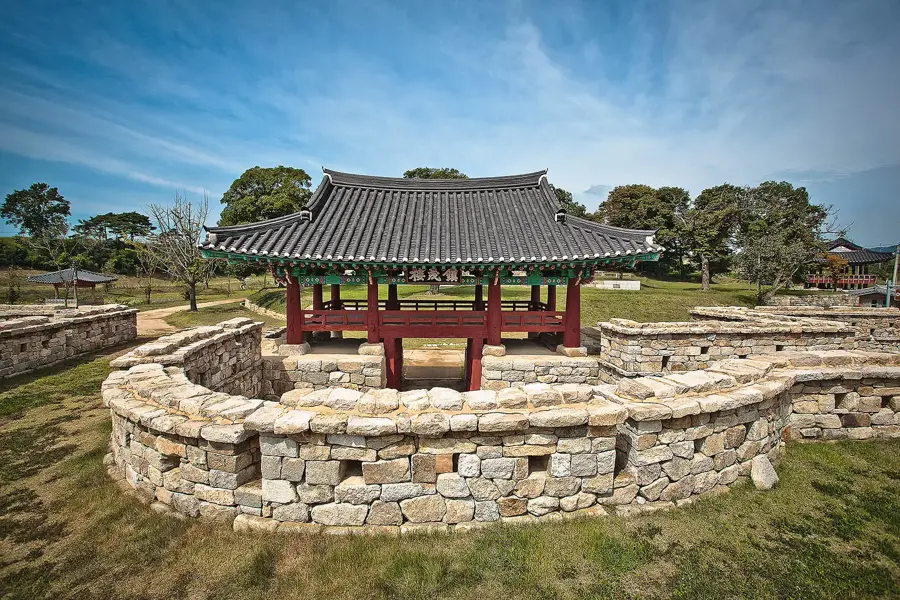
This archaeological site features a reconstructed historic pavilion overlooking the scenic Gwangju Lake.

Sights nearby

Frequently asked questions

What can you do at the Gwangju Lake Eco Park?
Visitors can walk along wooden boardwalks, observe rare plants, and enjoy the peaceful lake views.
Are there ancient trees there?
Yes, the park is famous for its willow trees that are over 400 years old, creating a majestic atmosphere.
Is there an entrance fee for the eco park?
Entry to the Gwangju Lake Eco Park is free for all visitors.
Is the park wheelchair accessible?
The boardwalks and main paths are flat and well-suited for wheelchairs and strollers.
Are there parking spaces nearby?
Yes, there is a free parking lot located right at the entrance of the eco park.
Gwangju Lake Eco-Park: where is it located?
Gwangju Lake Eco-Park is located in South Korea.
Gwangju Lake Eco-Park: what is there to see?
Highlights include Damyang Monghangak, Dalmoe Art Museum, National May 18 Democratic Cemetery Memorial Tower.
Gwangju Lake Eco-Park: when is the best time to visit?
The most pleasant time to visit is May, Jun, Sep.
Gwangju Lake Eco-Park: why is it worth visiting?

The Gwangju Lake Eco-Park is located at the foot of Mudeungsan Mountain and was officially opened in 2006 to preserve regional biodiversity and provide ecological education.
View on map → The Top 50 Attractions → OpenStreetMap →
Asia
Explore with Plizio Discover more places in Asia
More places in South Korea →

Nearby cities

History & landmarks
Nature
More places