Plizio Visual Lab

Sinduri Coastal Dune
Plizio editorial teamData Sources
coast
—°5
Sinduri Coastal Dune (South Korea)

Weather…

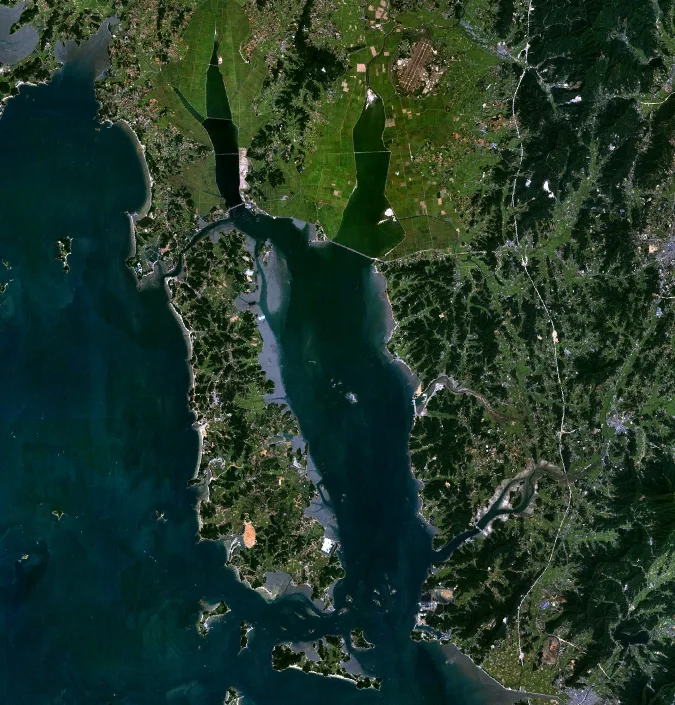
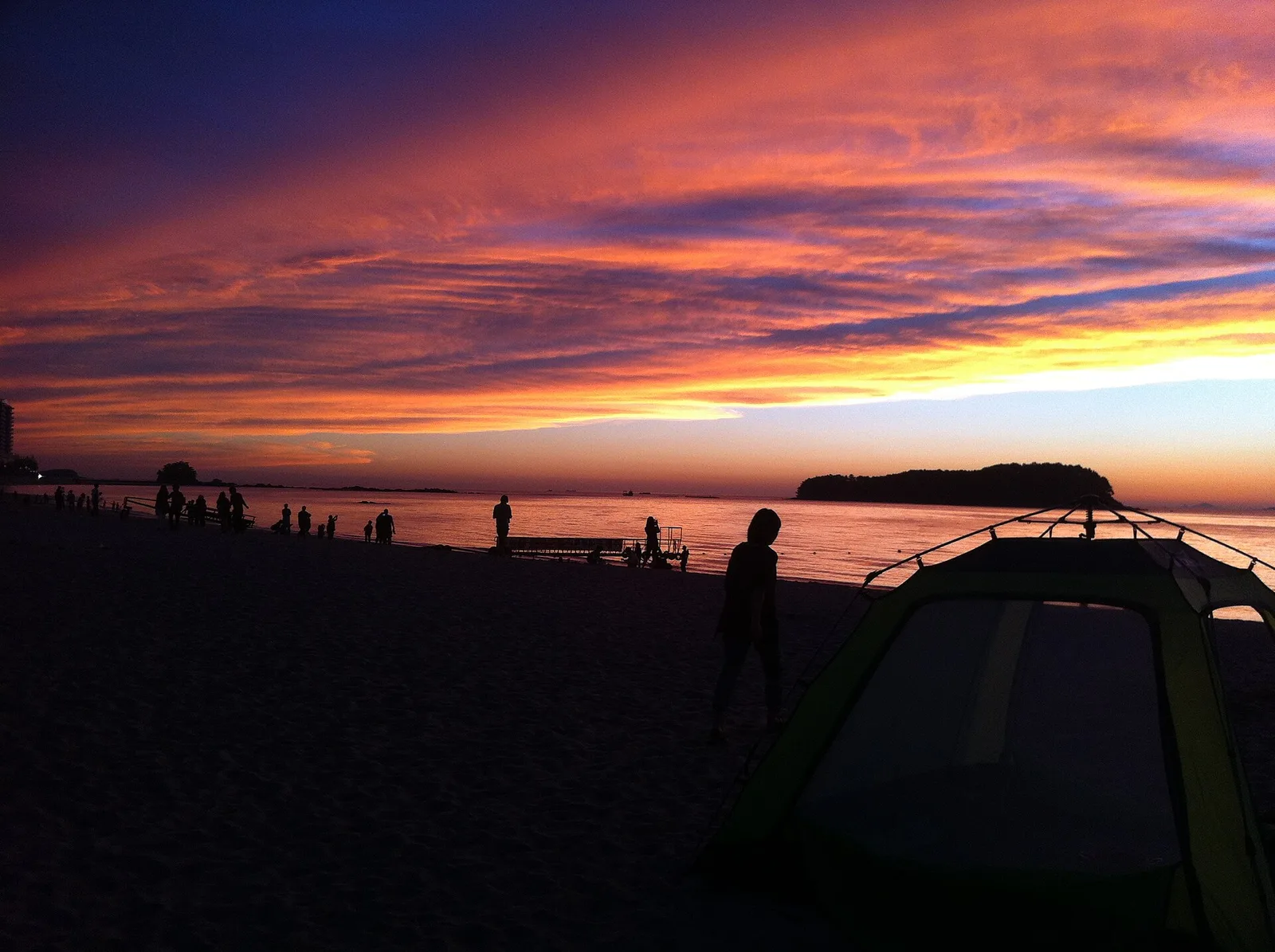
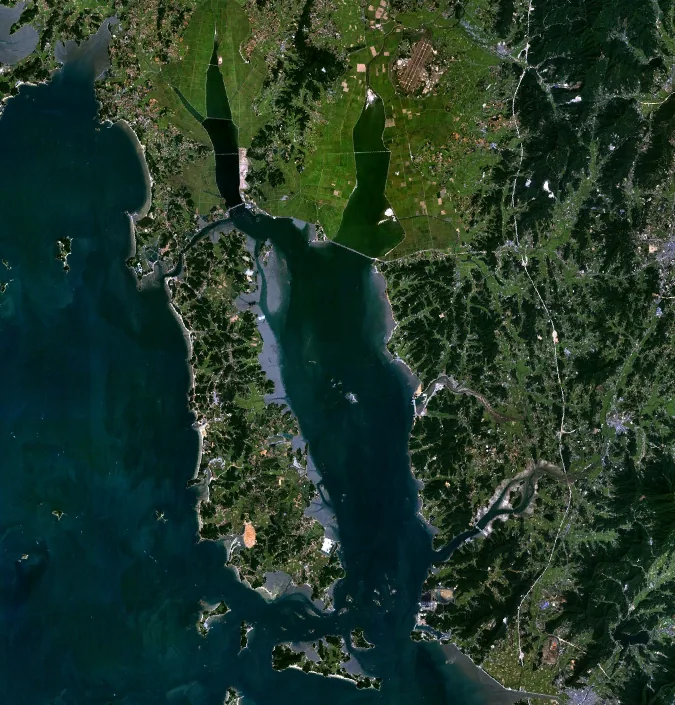
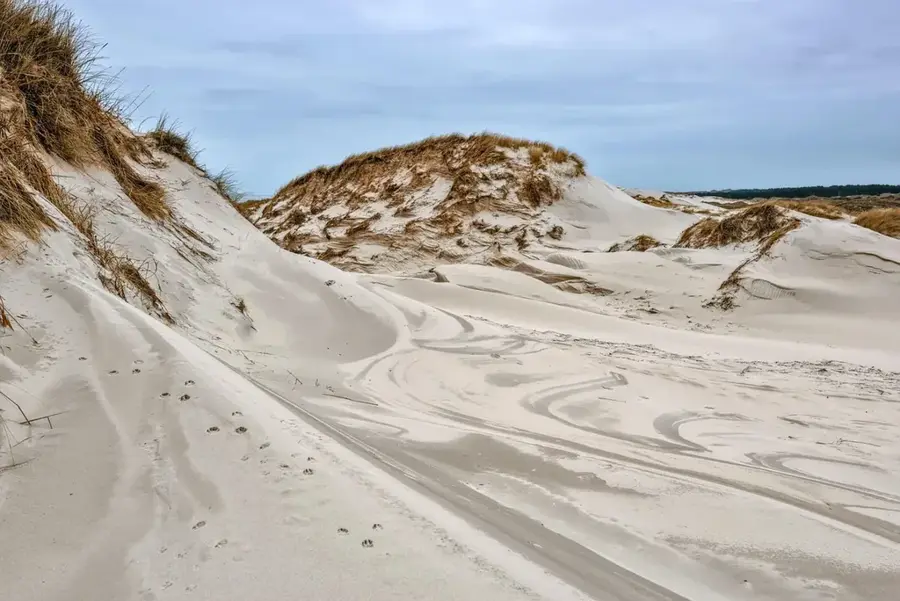
The Sinduri Coastal Dune in Taean is the largest sand dune system in South Korea and is legally protected as Natural Monument No. 431. This extraordinary ecosystem stretches approximately 3.4 kilometers along the coast and was formed over thousands of years by the accumulation of fine sand carried inland by powerful winds during low tide. The landscape bears a striking resemblance to a desert environment and provides a habitat for a variety of rare flora and fauna specifically adapted to arid, sandy conditions. Notable species include the desert leek and various specialized insects that are found nowhere else on the Korean Peninsula. Beyond its aesthetic appeal, the dune acts as a vital natural barrier protecting the inland areas from coastal erosion and storm surges. A network of elevated wooden boardwalks allows visitors to explore this fragile environment while preventing damage to the delicate ground vegetation. The golden sands of Sinduri offer a stark and beautiful contrast to the deep blue of the Yellow Sea.

Best time to visit & climate

The most pleasant time to visit is Jun, Sep, Oct.

JanFebMarAprMayJunJulAugSepOctNovDec
Avg °C1149141923252216103
Rain mm2535417786116329244134525131

📋 Practical info

🧭
Getting there
The main dune area in Taean is typically reached by driving a car or taking regional coastal buses from Seoul or nearby western towns, simply following the brown tourist signs directed to the dune visitor center.
📅
Best season
The spring and autumn seasons generally provide the most pleasant and mild weather for walking extensively on the sand. Summers can be quite hot and humid, with very little natural shade available on the dunes.
⛰️
Terrain & paths
The incredibly unique desert-like landscape consists of expansive, constantly shifting sand dunes directly overlooking the ocean. Walking continuously in the deep, loose sand can be surprisingly physically tiring.
🎒
What to bring
Comfortable walking shoes or sturdy sandals are generally suitable. Strong sunscreen, a wide-brimmed sun hat, and adequate wind protection are highly recommended for this totally exposed coastal environment.
🅿️
Parking
A large, dedicated public parking lot is usually available right near the Sinduri Dune Center, providing visitors with very easy and convenient access to the start of the protective wooden boardwalks.
⚠️
Safety
Visitors are typically strictly required to stay on the designated boardwalks and paths to protect the highly fragile dune ecosystem from erosion. Beware of strong coastal winds whipping up sand.
⏱️
Time needed
A comprehensive visit generally takes about one to two hours, which allows enough time to slowly walk the nature trails and visit the nearby center detailing the fascinating geological formation of the dunes.

Geography

Coordinates
36.75000, 126.14000

Facts

  • The Sinduri Coastal Dune was officially designated as a Natural Monument on November 30, 2001.
  • The total protected area of the dune system covers approximately 1.3 million square meters.
  • In certain sections, the sand accumulations reach a peak height of 19 meters.
  • Geologists estimate that the formation process of these dunes began roughly 15,000 years ago.
  • This is the primary habitat in Korea for the rare antlion, which thrives in the sandy soil.
  • The adjacent Sinduri Beach is highly regarded for its exceptionally clear water and fine sand texture.

Explore nearby

Notable places around

Route planner — Car & Motorhome

Where do you start? We build the route here, with stops and country notes along the way.

Vehicle
Only stops with (optional):

© OpenStreetMap contributors · OpenRouteService

Sights in the town Sinduri Coastal Dune (5)

Cheollipo Arboretum📍 landmark

A world-renowned seaside arboretum housing a vast collection of rare plant species.

Cheollipo Beach🎡 recreation

A popular sandy beach located directly adjacent to the famous Cheollipo Arboretum.

Baengnipo Beach🎡 recreation

A small, peaceful cove with golden sands, good for those seeking a quiet escape.

Mallipo Beach🎡 recreation

One of the largest West Coast beaches, known for its vast sandy shoreline and surfing conditions.

Taean National Maritime Museum🏛 museum

This museum displays impressive shipwrecks and ancient relics recovered from the Yellow Sea.

Sights nearby

Frequently asked questions

Are you allowed to walk on the Sinduri dunes?
To protect the ecosystem, visitors must stay on the designated wooden boardwalks.
What makes these dunes special?
It is the largest coastal dune area in South Korea, offering an almost desert-like landscape by the sea.
Is there a visitor center on-site?
Yes, the Sinduri Sand Dune Center provides information about the region's geology and ecology.
Is entry free?
Entry to the dune area is free, and parking is also provided free of charge.
What clothing is recommended?
Windproof clothing is advisable, as it can often be very windy on the coast.
Sinduri Coastal Dune: where is it located?
Sinduri Coastal Dune is located in South Korea.
Sinduri Coastal Dune: what is there to see?
Highlights include Cheollipo Arboretum, Cheollipo Beach, Baengnipo Beach.
Sinduri Coastal Dune: when is the best time to visit?
The most pleasant time to visit is Jun, Sep, Oct.
Sinduri Coastal Dune: why is it worth visiting?

The Sinduri Coastal Dune in Taean is the largest sand dune system in South Korea and is legally protected as Natural Monument No.
View on map → The Top 50 Attractions → OpenStreetMap →
Asia
Explore with Plizio Discover more places in Asia
More places in South Korea →

Nearby cities

History & landmarks
More places