Plizio Visual Lab

Gyeongbokgung Palace
Plizio editorial teamData Sources
Landmark
—°10
Gyeongbokgung Palace (South Korea)

Weather…

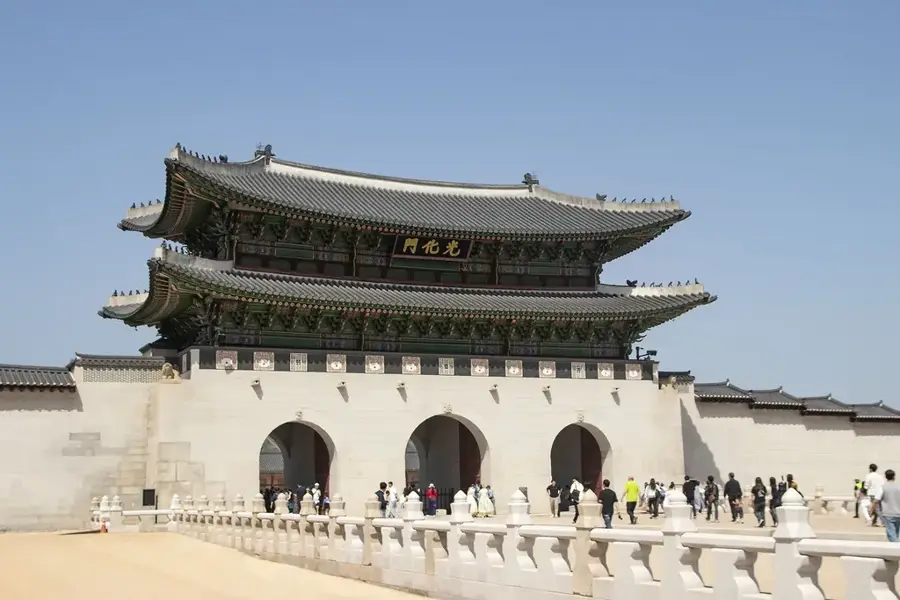
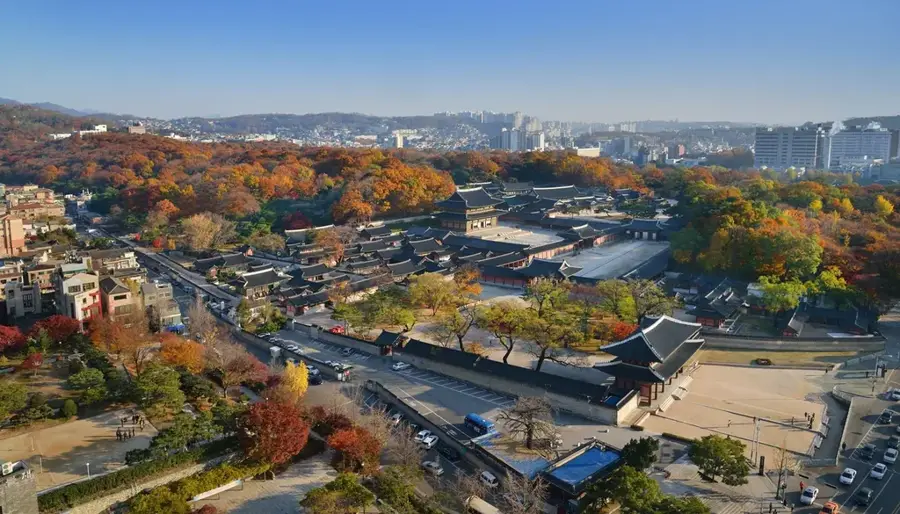
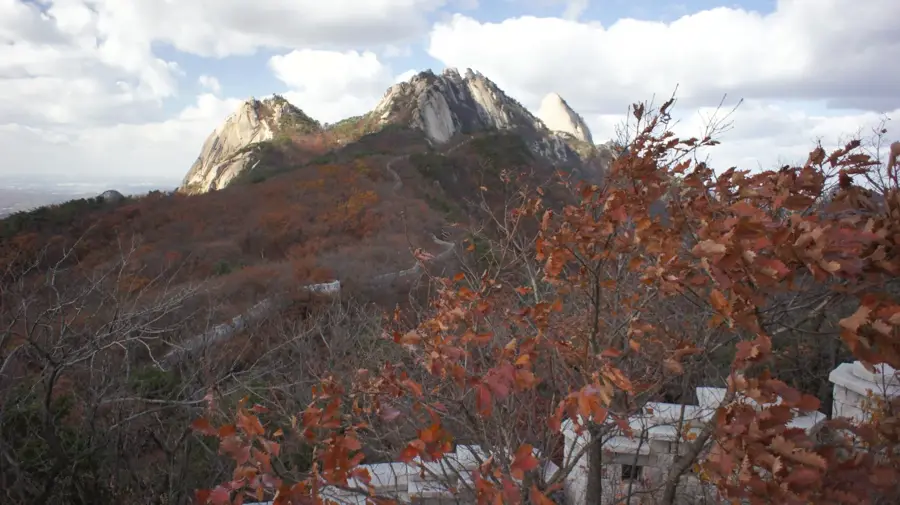
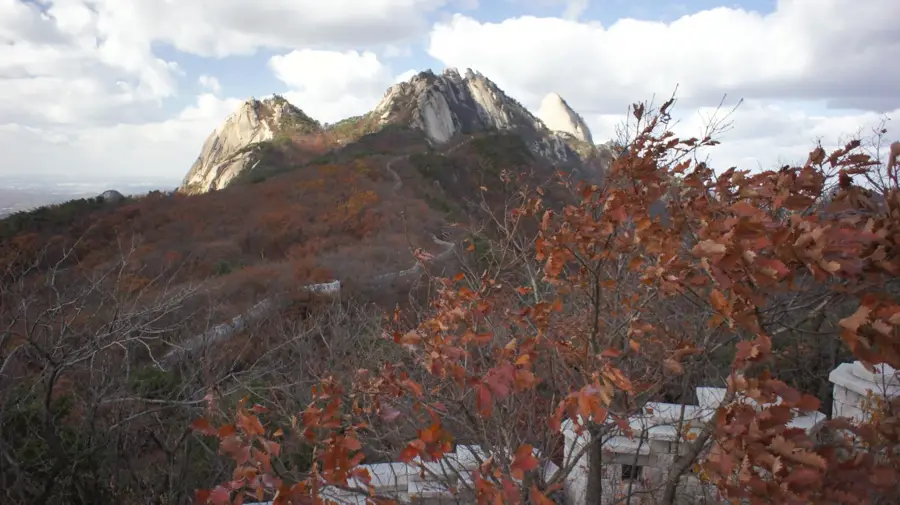
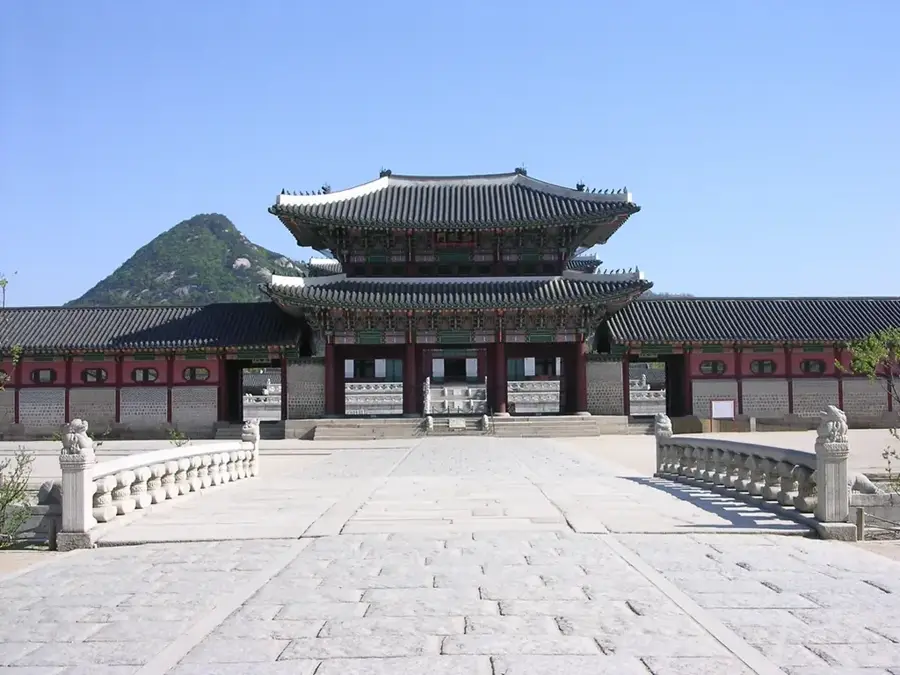
Gyeongbokgung Palace, the 'Palace Greatly Blessed by Heaven,' is the primary and largest of the Five Grand Palaces built during the Joseon Dynasty in Seoul. Established in 1395 by King Taejo, it stood as the main royal residence and the seat of government for much of the dynasty's early history. The palace's design adheres strictly to Confucian principles and traditional Korean aesthetics, harmonizing the sprawling wooden structures with the surrounding mountain landscape. Its history is marked by periods of destruction, most notably during the Japanese invasions of the late 16th century, after which it lay in ruins for nearly 270 years until its grand restoration in 1867. Key highlights include the Geonjeongjeon Throne Hall, where official ceremonies were held, and the iconic Gyeonghoeru Pavilion, which rests elegantly on stone pillars in the middle of a lotus pond. Today, the palace remains a central symbol of Korean national pride, attracting millions of visitors who come to witness the colorful Royal Guard Changing Ceremony and explore the onsite National Folk Museum.

Best time to visit & climate

The most pleasant time to visit is May, Jun, Sep.

JanFebMarAprMayJunJulAugSepOctNovDec
Avg °C-3-14101621242520147-1
Rain mm2031377284116361260138534722

📋 Practical info

🚪
Visiting
Gyeongbokgung Palace is fully open to visitors, both inside and outside. Entry to the palace grounds requires a ticket, while the outer areas are partially free.
🕒
Typical hours
The palace is typically open daily from 9:00 AM to 6:00 PM, with extended hours in summer. Last entry is one hour before closing; closed on Tuesdays.
📷
Photography
Photography is allowed throughout the palace grounds, but not inside the buildings. Flash photography is prohibited in museums and exhibitions.
⏱️
Time needed
Allow at least two hours to explore the palace and gardens. If you plan to visit the museums as well, budget three to four hours.
Combine with
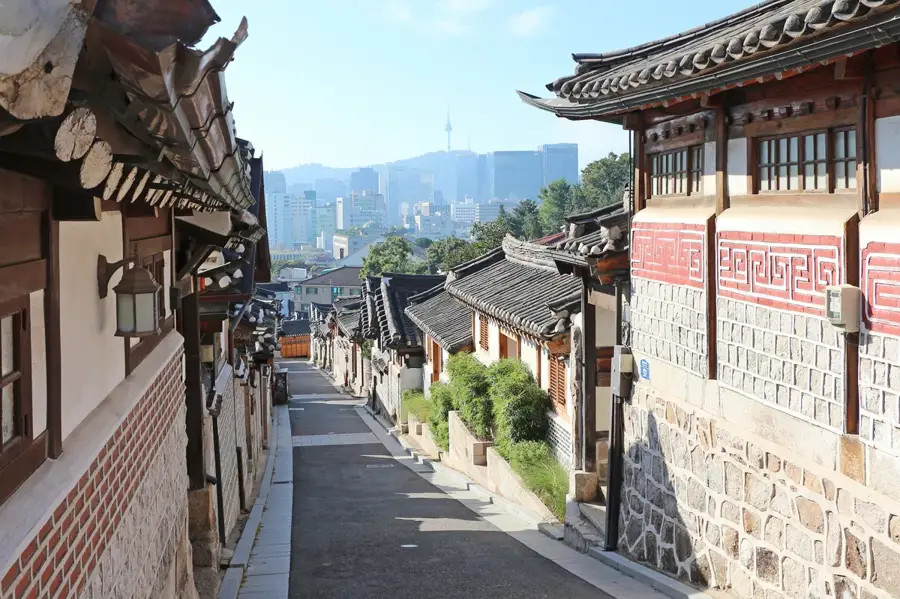
Combine the visit with the nearby National Folk Museum and Bukchon Hanok Village. Changdeokgung Palace and Jongmyo Shrine are also close by.
🧭
Getting there
The palace is located in central Seoul, easily reached by subway (Gyeongbokgung Station, Line 3). Buses also stop nearby.
💡
Insider tip
Rent a traditional hanbok to get free admission and immerse yourself in the atmosphere. Arrive early in the morning to avoid the crowds.

Geography

Coordinates
37.57962, 126.97829

Facts

  • The palace was significantly dismantled during the Japanese occupation in the early 20th century.
  • The Geonjeongjeon Throne Hall is the largest wooden structure in South Korea.
  • The Gyeonghoeru Pavilion is famous for being one of the best locations for traditional banquets.
  • The palace complex originally had around 7,700 rooms at its peak in the 19th century.
  • Hyangwonjeong Pavilion, located in a quiet pond, was used by the royal family for relaxation.
  • The National Folk Museum of Korea is located within the palace grounds on the eastern side.

Explore nearby

Notable places around
Route planner — Car & Motorhome

Where do you start? We build the route here, with stops and country notes along the way.

Vehicle
Only stops with (optional):

© OpenStreetMap contributors · OpenRouteService

Sights in the town Gyeongbokgung Palace (10)

Savina Museum of Contemporary Art🏛 museum

This contemporary art museum is known for its striking triangular architecture and focus on digital media.

Memories road📍 landmark

A nostalgic street featuring murals and props that recreate daily life in 1960s and 70s Korea.

Château Baekmiwon Site🏺 historical

The historical site of a former manor that once served as a residence for members of the royal family.

Boan🏛 museum

A historical colonial-era inn converted into a modern exhibition space for contemporary art.

Cheongun-dong🏺 historical

The local administrative center situated at the foot of Bukak Mountain, serving as a gateway to the scenic Cheongun-dong neighborhood.

Site of Gongjeong-dong Safe House🏺 historical

The memorial site of a former safe house that played a significant role in modern Korea's political history.

Hyojagak📍 landmark

A small pavilion erected to honor the exceptional filial piety of a son toward his parents.

Twelve Zodiac Symbols📍 landmark

A series of stone sculptures representing the twelve animals of the oriental zodiac, symbolically protecting the palace.

Kumho Museum of Art🏛 museum

A prestigious private gallery specializing in the promotion of young Korean artists and contemporary design.

🕒 Mo-Su 10:00-18:00

Tongin Market🎭 culture

This market is famous for its lunchbox cafe where you can purchase various food items using traditional brass coins.

Sights nearby

Frequently asked questions

When is the changing of the guard ceremony?
The ceremony takes place daily (except Tuesdays) at 10:00 AM and 2:00 PM.
Can you visit the palace for free?
Visitors wearing traditional Korean Hanbok clothing can enter the palace for free.
Which day is the palace closed?
Gyeongbokgung Palace is closed every Tuesday.
How much time is needed for the visit?
Plan for about 2 to 3 hours to explore the major halls and garden areas.
Is eating allowed inside the palace?
Eating is not allowed within the palace grounds, but there are cafes nearby.
Gyeongbokgung Palace: where is it located?
Gyeongbokgung Palace is located in South Korea.
Gyeongbokgung Palace: what is there to see?
Highlights include Savina Museum of Contemporary Art, Memories road, Château Baekmiwon Site.
Gyeongbokgung Palace: when is the best time to visit?
The most pleasant time to visit is May, Jun, Sep.
Gyeongbokgung Palace: why is it worth visiting?

Gyeongbokgung Palace, the 'Palace Greatly Blessed by Heaven,' is the primary and largest of the Five Grand Palaces built during the Joseon Dynasty in Seoul.
View on map → The Top 50 Attractions → OpenStreetMap →
Asia
Explore with Plizio Discover more places in Asia
More places in South Korea →

History & landmarks

More places