Plizio Visual Lab

Jeju Island
Plizio editorial teamData Sources
Landmark
—°10
Jeju Island (South Korea)

Weather…

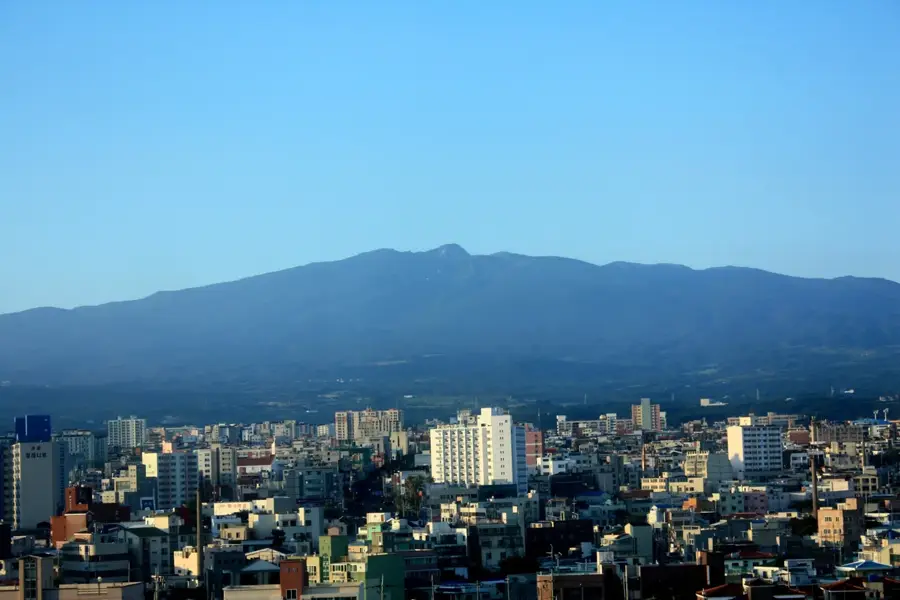
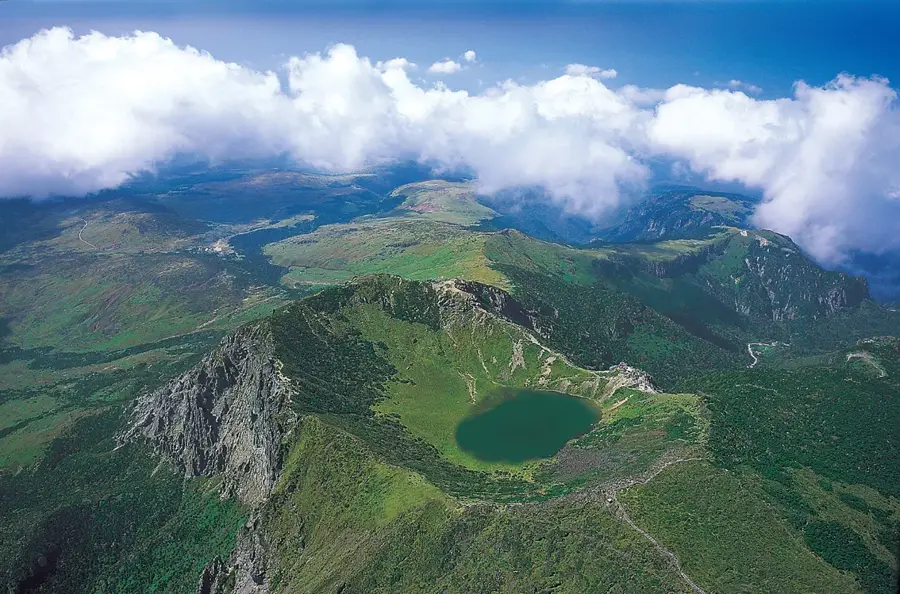
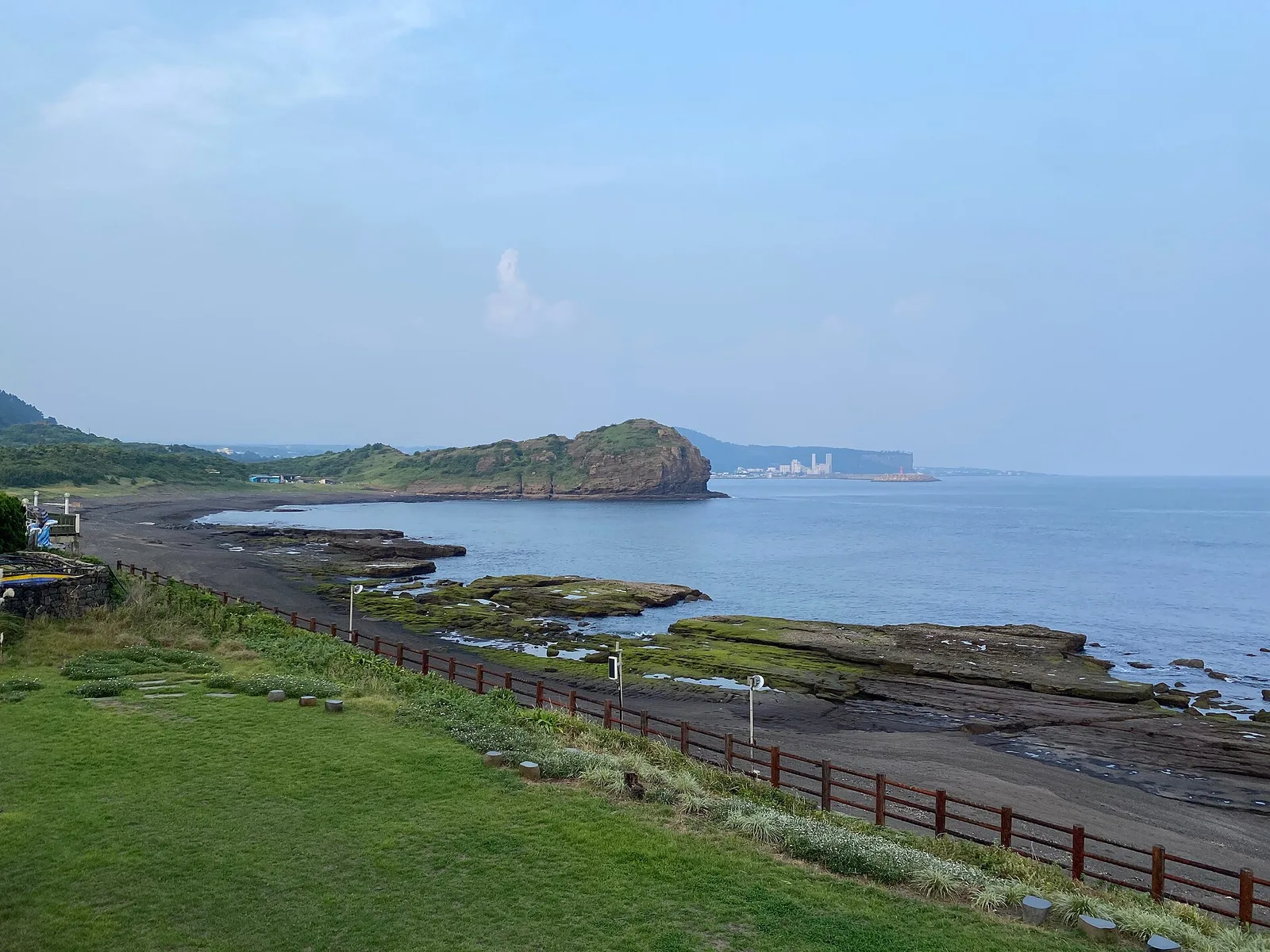
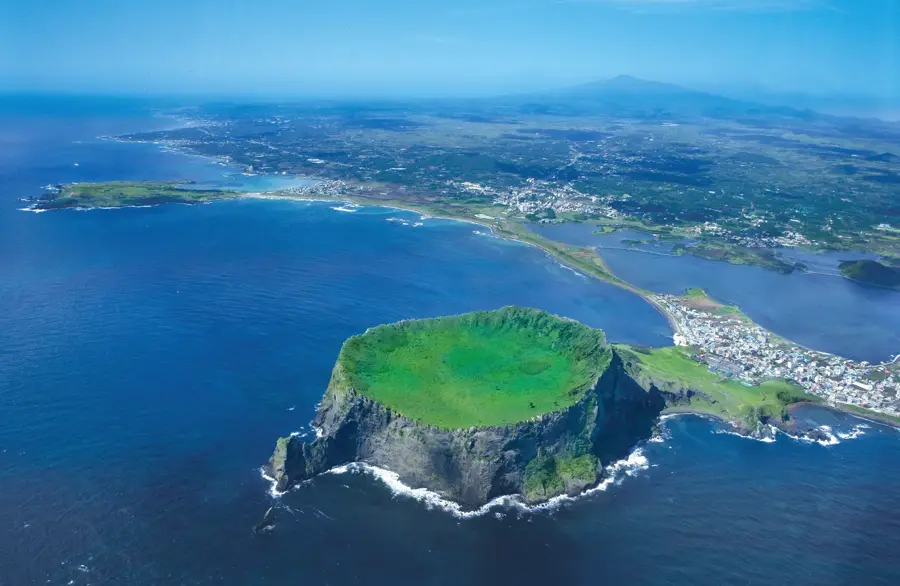
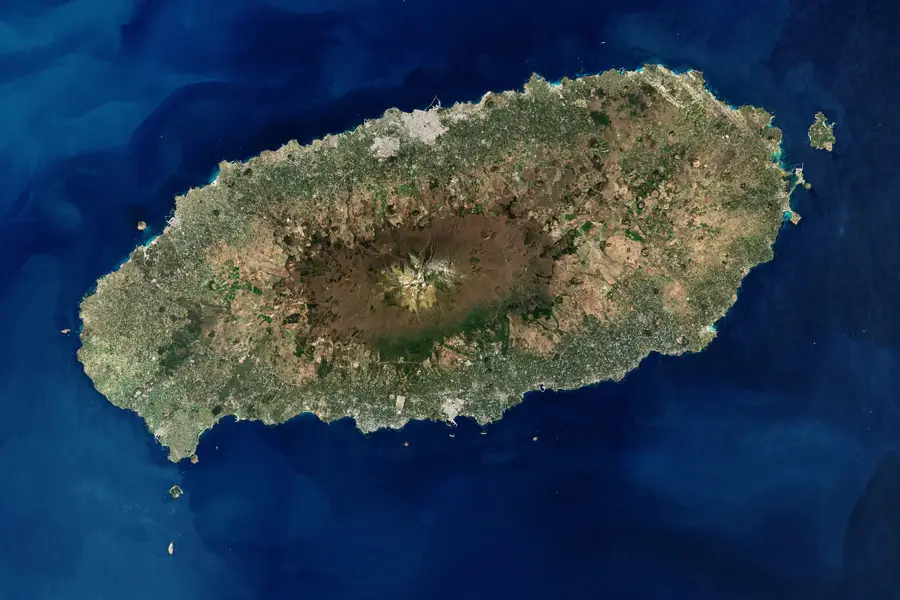
Jeju Island, officially the Jeju Special Autonomous Province, is South Korea's largest island, situated south of the Korean Peninsula in the Korea Strait. It was formed approximately 2 million years ago through significant volcanic activity, with Mount Hallasan rising to 1,950 meters as the nation's highest peak. The island was designated a UNESCO World Natural Heritage site in 2007, specifically for its unique volcanic landforms and extensive lava tube systems. Jeju is famous for its "Haenyeo" female divers who harvest seafood manually without breathing apparatus, representing a distinct matriarchal cultural element. The local economy thrives on international tourism and the specialized cultivation of tangerines, benefiting from a humid subtropical climate. Historically, the isolated island served as a place of exile during the Goryeo and Joseon dynasties and witnessed the tragic Jeju Uprising in 1948. The island is also home to the Manjanggul Cave, which is among the longest lava tube structures globally.

Best time to visit & climate

The most pleasant time to visit is Jun, Oct, Nov.

JanFebMarAprMayJunJulAugSepOctNovDec
Avg °C7810131721252724191510
Rain mm506690137141192240261185897256

📋 Practical info

🚪
Visiting
Jeju Island is a year-round destination with many public natural and cultural attractions. Most sights like Hallasan National Park are accessible for free or a small fee.
🕒
Typical hours
Opening hours vary by attraction; national parks are typically open from sunrise to sunset. Museums and gardens often have fixed hours that change seasonally.
📷
Photography
Photography is allowed in most places, especially the volcanic craters and lava tubes offer great subjects. Drone filming is restricted in many spots; check ahead.
⏱️
Time needed
For an overview of the island, you need at least two to three days. For a single sight like Seongsan Ilchulbong, allow two to three hours.
Combine with
Combine a visit to Hallasan with a coastal walk on the Olle Trail. Udo Island is also a short ferry ride away and worth a day trip.
🧭
Getting there
The island is reachable via Jeju International Airport. On the island, rental cars or buses are the best modes of transport; taxis are also available.
💡
Insider tip
Visit Seongsan Ilchulbong at sunrise to avoid the crowds. Make sure to try the local dish “Heukdwaeji” (black pork) at a traditional restaurant.

Geography

Coordinates
33.36000, 126.56000

Facts

  • Mount Hallasan is the highest point in South Korea at 1,950 meters.
  • The Manjanggul lava tube system extends for a total of 8.9 kilometers.
  • Jeju was designated as a UNESCO World Natural Heritage site in 2007.
  • The island covers a total land area of approximately 1,849 square kilometers.
  • Haenyeo divers can hold their breath for up to 2 minutes underwater.
  • There are over 360 parasitic volcanic cones known as 'oreum' on the island.

Explore nearby

Notable places around
Route planner — Car & Motorhome

Where do you start? We build the route here, with stops and country notes along the way.

Vehicle
Only stops with (optional):

© OpenStreetMap contributors · OpenRouteService

Sights in the town Jeju Island (10)

Heukbulgeun-Oreum🌿 nature

This notable volcanic cone in Jeju is known for its distinct dark reddish soil.

Sara-Oreum🌿 nature

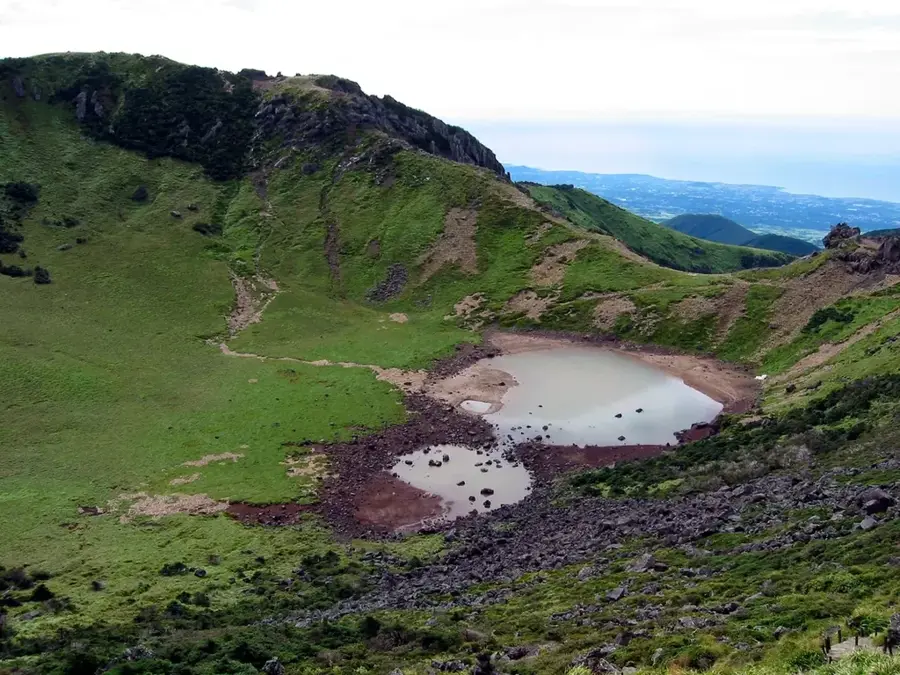
This scenic volcanic crater lake peak is located on the slopes of Mount Hallasan in Jeju.

Injeong-Oreum🌿 nature

Injeong-Oreum is a volcanic peak offering sweeping views of the surrounding Jeju Island landscape.

Wonang Falls📍 landmark

Wonang Falls is a scenic waterfall attraction on Jeju Island where visitors can enjoy the sound of cascading water over the rocks.

Saryoni Forest Path Entrance📍 landmark

The Saryoni Forest Path Entrance is the starting point for a magical walk through Jeju Island's famous dense cedar woods.

Donneko Amusement Park🎡 recreation

Donneko Amusement Park is a family-friendly recreational area on Jeju Island featuring exciting rides and nature walks.

Sanghyowon Arboretum🎡 recreation

Sanghyowon Arboretum is a beautifully landscaped botanical park on Jeju Island showcasing a wide variety of native plants and seasonal flowers.

Hueree Nature Experience Park🎡 recreation

Hueree Nature Experience Park on Jeju Island has hands-on agricultural activities and beautiful plum blossom displays in the spring.

Beopseongsa⛪ religious

Beopseongsa is a serene place of worship on Jeju Island, featuring traditional architecture set against a scenic natural backdrop.

Namgukseonwon Temple📍 landmark

Namgukseonwon Temple is a peaceful Buddhist retreat on Jeju Island known for its meditation halls and tranquil gardens.

Sights nearby

Frequently asked questions

When is the best time to visit Jeju Island?
Spring (April, June) and autumn (September, October) offer mild weather and blooming landscapes.
How many days should I plan for the visit?
Plan for at least 3 to 5 days to see the major attractions in both the north and south.
Which local specialties should I try?
Try the famous black pork (Heuk-dwaeji) and the sweet Hallabong tangerines.
Is a rental car necessary in Jeju?
Yes, a rental car is the most convenient option as public transport between sights can be time-consuming.
Is Jeju a family-friendly destination?
Absolutely, there are numerous themed museums, shallow beaches, and nature parks good for children.
Jeju Island: where is it located?
Jeju Island is located in South Korea.
Jeju Island: what is there to see?
Highlights include Heukbulgeun-Oreum, Sara-Oreum, Injeong-Oreum.
Jeju Island: when is the best time to visit?
The most pleasant time to visit is Jun, Oct, Nov.
Jeju Island: why is it worth visiting?

Jeju Island, officially the Jeju Special Autonomous Province, is South Korea's largest island, situated south of the Korean Peninsula in the Korea Strait.
View on map → The Top 50 Attractions → OpenStreetMap →
Asia
Explore with Plizio Discover more places in Asia
More places in South Korea →

Nearby cities

More places