Plizio Visual Lab

Bulguksa Temple
Plizio editorial teamData Sources
Landmark
—°10
Bulguksa Temple (South Korea)

Weather…

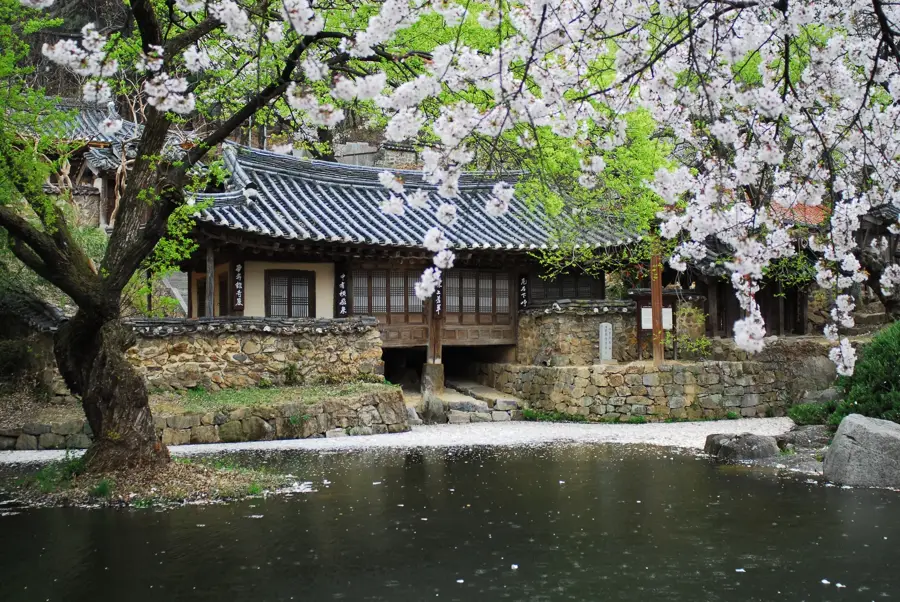
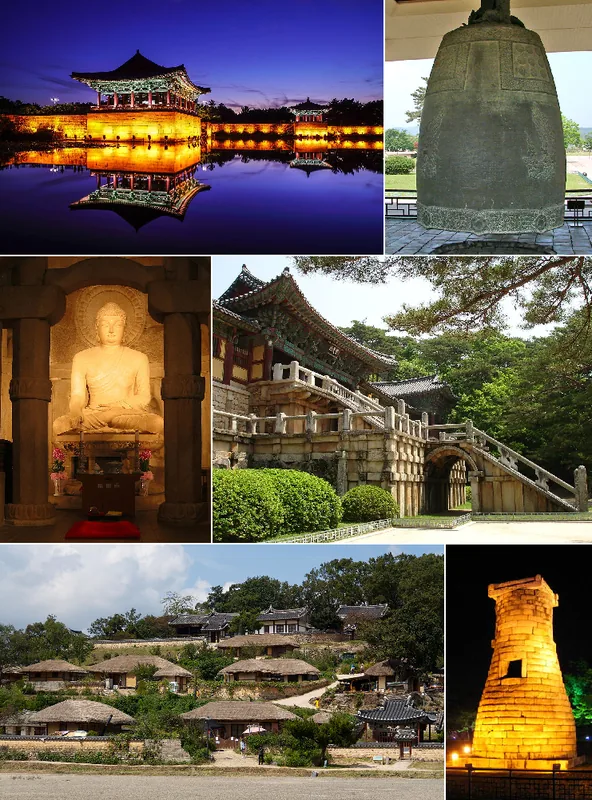
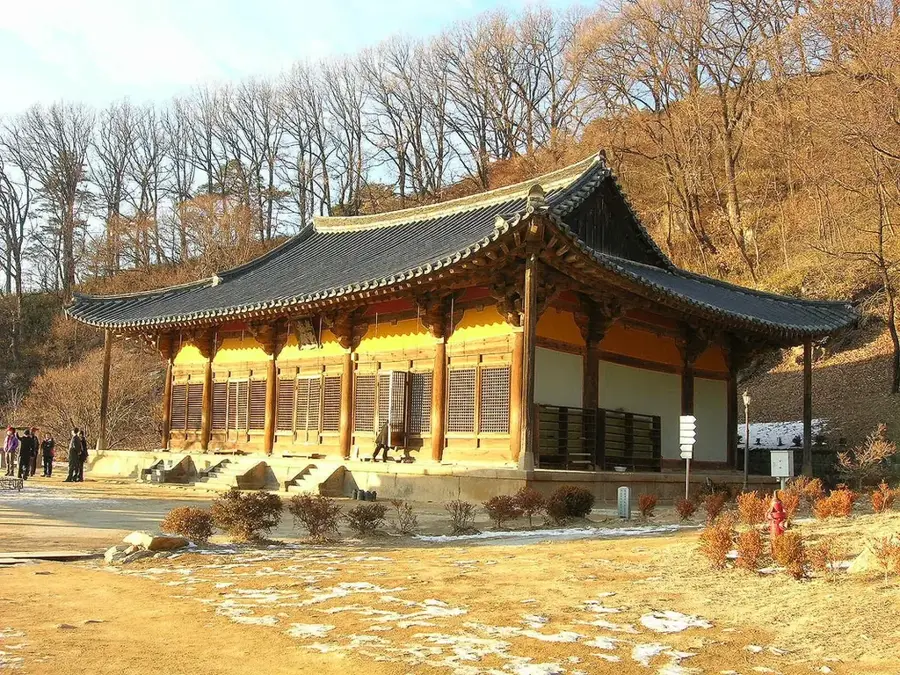
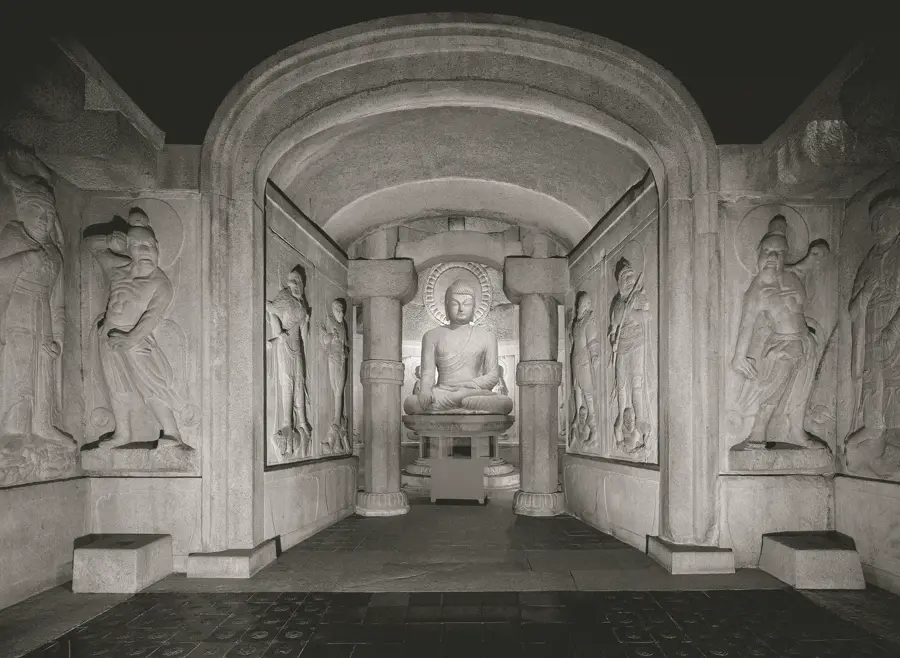
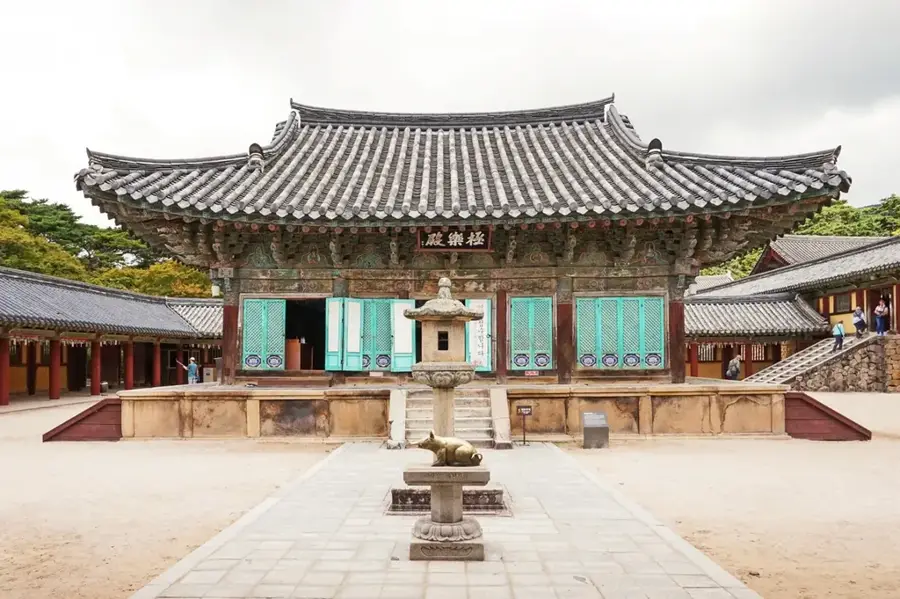
Bulguksa Temple, located on the slopes of Mount Toham in Gyeongju, is widely regarded as the pinnacle of Korean Buddhist architecture and the spiritual heart of the Silla Kingdom. Reconstructed in 751 AD under the direction of Prime Minister Kim Dae-seong, the temple was designed to materialize the Buddhist utopia on Earth. It is world-renowned for its exquisite stonework, particularly the two pagodas, Seokgatap and Dabotap, which stand in the main courtyard representing different facets of Buddhist teachings: one minimalist and structural, the other ornate and complex. The temple's elevated stone platforms and bridges, such as the 'Blue Cloud' and 'White Cloud' bridges, showcase a sophisticated level of symmetry and engineering that was far ahead of its time. Although the wooden structures were burned during the 16th-century Japanese invasions, the resilient stone foundations remained, allowing for meticulous restoration. Designated as a UNESCO World Heritage site in 1995 along with the nearby Seokguram Grotto, Bulguksa remains a profound symbol of Korean identity and a masterpiece of Eastern religious art.

Best time to visit & climate

The most pleasant time to visit is Jun, Sep, Oct.

JanFebMarAprMayJunJulAugSepOctNovDec
Avg °C13712172124252116103
Rain mm3645619595126226192158734634

📋 Practical info

🚪
Visiting
Bulguksa Temple is an active Buddhist temple and open to visitors daily. The complex includes several prayer halls, pagodas, and courtyards - admission is charged.
🕒
Typical hours
The temple is usually open from 9 AM to 5 PM, exact hours vary by season. Note that access to prayer halls may be restricted during morning and evening ceremonies.
📷
Photography
Photography is allowed throughout the temple grounds, but not inside the prayer halls. Ask permission before photographing monks and avoid using flash.
⏱️
Time needed
A thorough walk through the entire temple complex takes about one to two hours. Those who also want to visit the nearby Seokguram Grotto should allow half a day.
Combine with
The temple sits on Mount Tohamsan - combine your visit with a hike to Seokguram Grotto, just a few kilometres away. The historic city of Gyeongju with its royal tombs and museums also deserves a trip.
🧭
Getting there
From Gyeongju, buses run directly to the temple (lines 10 or 11). Alternatively, take a taxi - the ride takes about 20 minutes. A well-marked hiking trail also leads from the city centre to the temple.
💡
Insider tip
Arrive early in the morning to enjoy the temple peacefully before the bus groups arrive. Wear respectful clothing covering shoulders and knees, and remove your shoes before entering the halls.

Geography

Coordinates
35.79000, 129.33200

Facts

  • The temple complex is divided into three main zones: Birojeon, Daeungjeon, and Geuknakjeon.
  • The Seokgatap pagoda was found to contain the Pure Light Dharani Sutra, printed before 751 AD.
  • The Dabotap pagoda is uniquely shaped and features a stone lion on one of its four sides.
  • Bulguksa is considered a masterpiece of the 'Golden Age' of Buddhist art in East Asia.
  • The stone bridges are called 'bridges' because they symbolically span the gap between the mundane and the sacred.
  • The temple houses several wooden Buddha statues that are designated as National Treasures.

Explore nearby

Notable places around

Route planner — Car & Motorhome

Where do you start? We build the route here, with stops and country notes along the way.

Vehicle
Only stops with (optional):

© OpenStreetMap contributors · OpenRouteService

Sights in the town Bulguksa Temple (10)

Seokgatap🏺 historical

An elegant three-story stone pagoda at Bulguksa Temple representing the Sakyamuni Buddha.

Conservation Monument🏺 historical

A commemorative stone marking the efforts to preserve and restore the historic temple complex.

Je 2 Seokguram Exhibition Hall🏛 museum

This exhibition displays faithful replicas and historical data about the famous Seokguram Grotto.

Gyeongju Gujeong-ri Banghyeongbun🏺 historical

An unusual square-shaped stone chamber tomb from the Silla period with unique architectural features.

Jungdo Tower📍 landmark

An impressive pagoda-shaped building serving as a modern landmark in the Gyeongju Expo Park.

Gyeongju National Park🌿 nature

Korea's only historical national park, protecting numerous Silla-era ruins and sacred mountains.

Blue One Water Park🎡 recreation

A large water park featuring wave pools, slides, and various recreational facilities for families.

Gyeongju EXPO Grand Park🎡 recreation

A vast cultural park known for its iconic observation tower and diverse exhibitions.

🕒 Mo-Su 10:00-19:00

Silla Millennium Park🎡 recreation

A theme park featuring reconstructed Silla villages and film sets that bring ancient life to life.

Bulguksa Market entrance gate🎭 culture

The representative entrance gate to a local market offering traditional snacks near the temple.

Sights nearby

Frequently asked questions

What is Bulguksa Temple?
A masterpiece of Buddhist art located in Gyeongju and a UNESCO World Heritage site.
Which pagodas are famous there?
The Seokgatap and Dabotap stone pagodas are iconic symbols of Silla architecture.
Can you stay overnight?
Yes, Bulguksa has Templestay programs for visitors to experience monastic life.
When do the cherry blossoms bloom?
Usually from late March to early April, the temple grounds are surrounded by blossoms.
How do you get to the temple from Gyeongju city?
Take bus number 10 or 11 from the city center; the ride takes about 30 minutes.
Bulguksa Temple: where is it located?
Bulguksa Temple is located in South Korea.
Bulguksa Temple: what is there to see?
Highlights include Seokgatap, Conservation Monument, Je 2 Seokguram Exhibition Hall.
Bulguksa Temple: when is the best time to visit?
The most pleasant time to visit is Jun, Sep, Oct.
Bulguksa Temple: why is it worth visiting?

Bulguksa Temple, located on the slopes of Mount Toham in Gyeongju, is widely regarded as the pinnacle of Korean Buddhist architecture and the spiritual heart of the Silla Kingdom.
View on map → The Top 50 Attractions → OpenStreetMap →
Asia
Explore with Plizio Discover more places in Asia
More places in South Korea →

Nearby cities

Nature

More places